


細川護光
Morimitsu Hosokawa

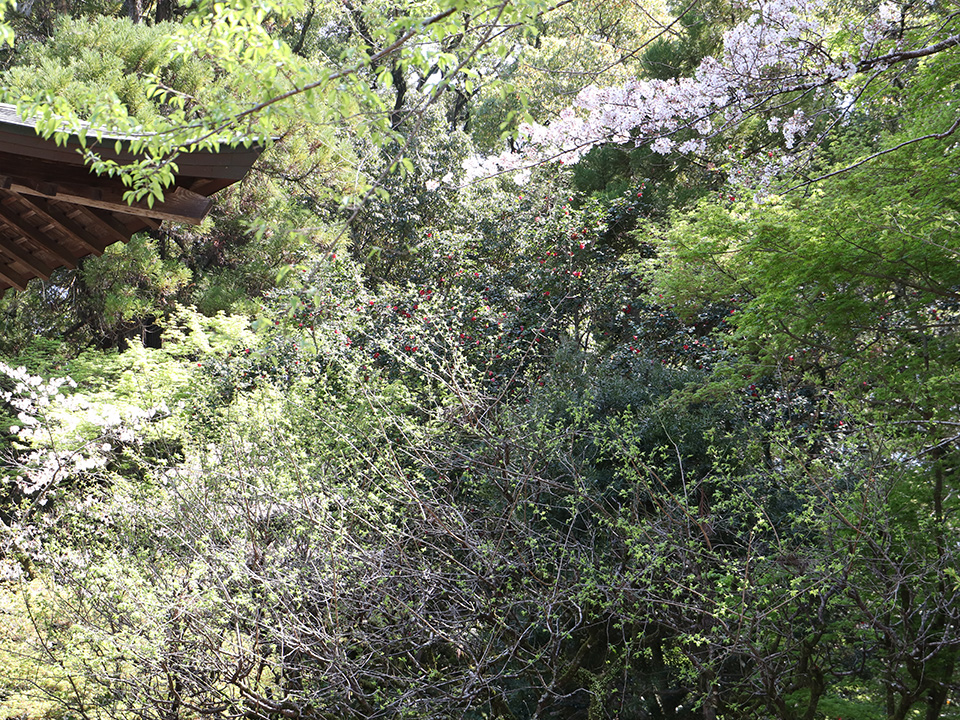
It was on a clear day in late March—when the cherry blossoms had reached full bloom about ten days earlier than usual—that I visited the Hosokawa Family’s Tatsuda Villa, known today as the site of the former Taisho-ji Temple. Since its founding in 1636 (Kanei 14) by Hosokawa Tadatoshi, the first lord of the Higo Kumamoto Domain, Taisho-ji had served as the Hosokawa family’s bodai-ji, or ancestral temple, until the early Meiji period, when the government issued the decree separating Shinto and Buddhism. Within the temple grounds are the mausoleums of Hosokawa Fujitaka (Yusai), the family’s forebear, and his wife Kojuin, as well as those of Hosokawa Tadaoki (Sansai) and his wife Gracia. Collectively, these four mausoleums are known as the “Yotsu Gobyo,” or “Four Ancestral Tombs.”
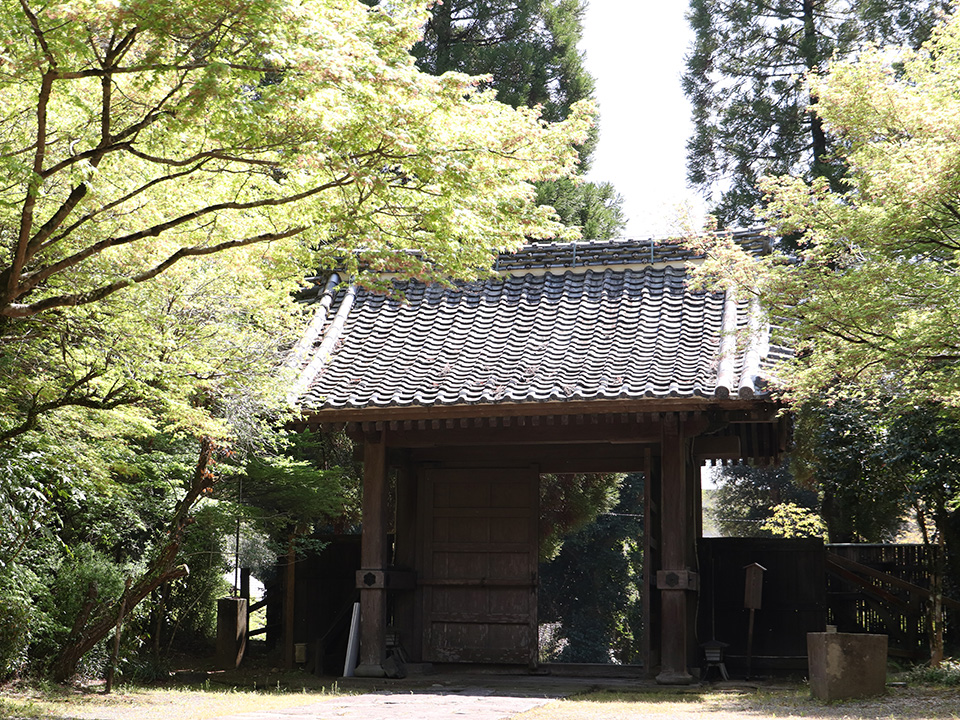
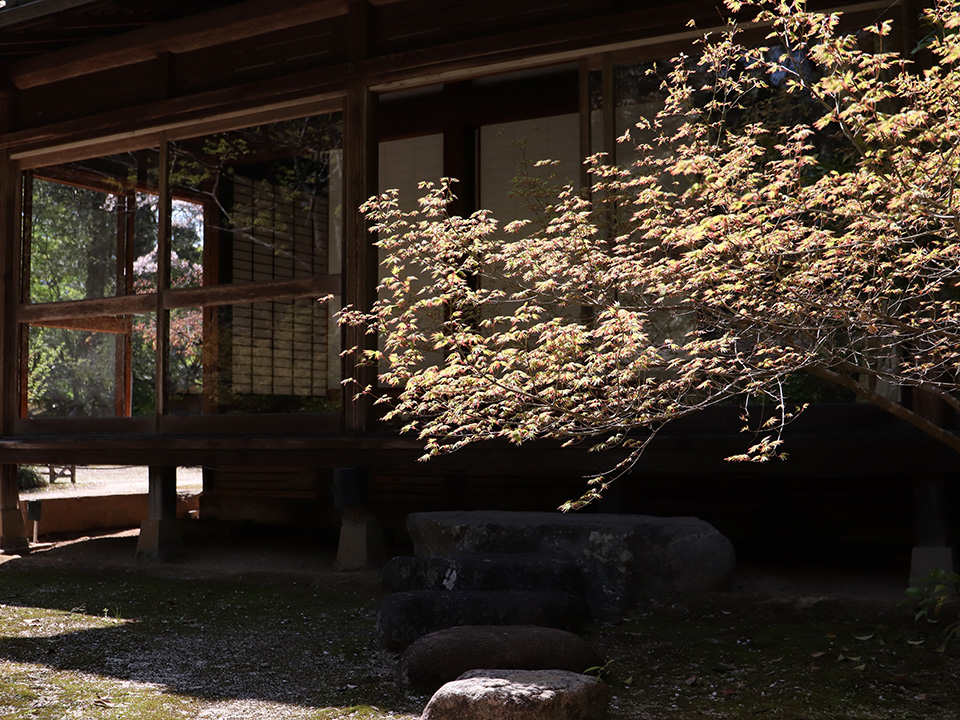
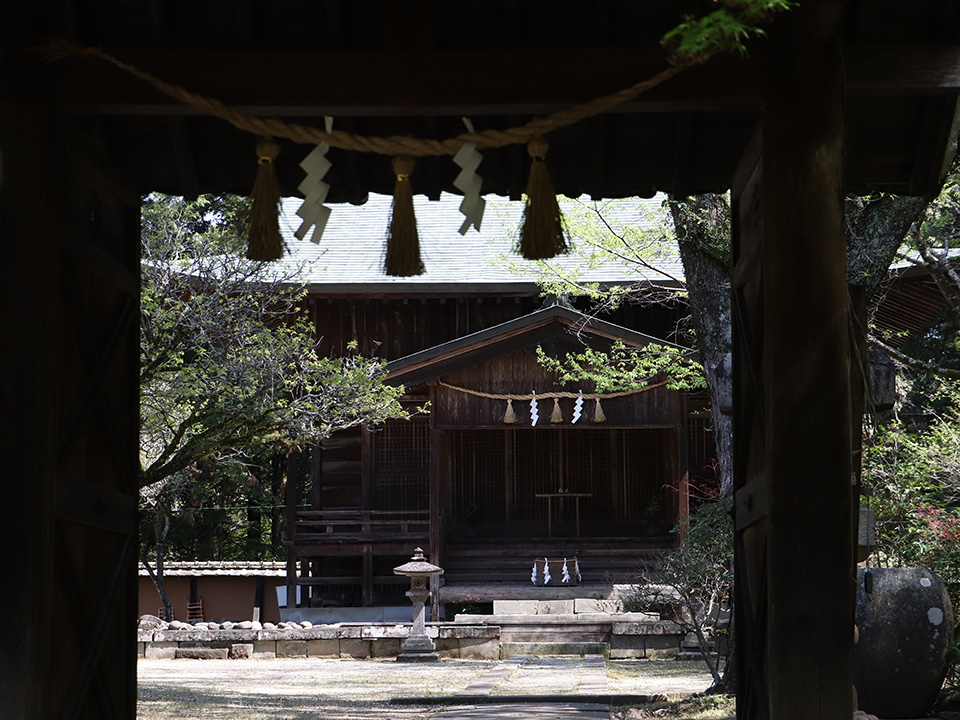
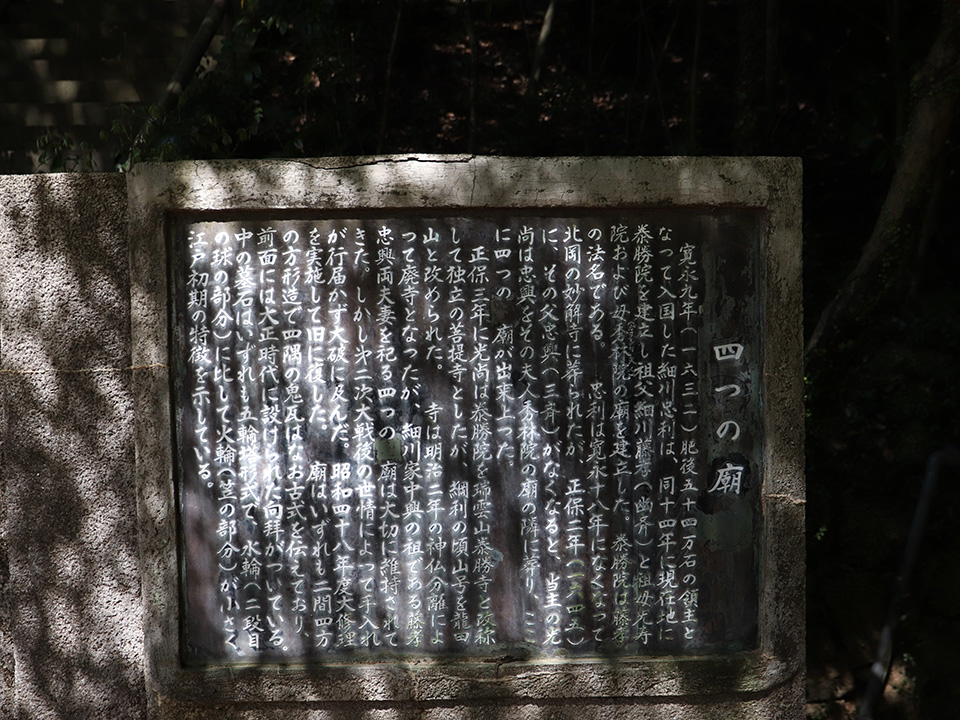
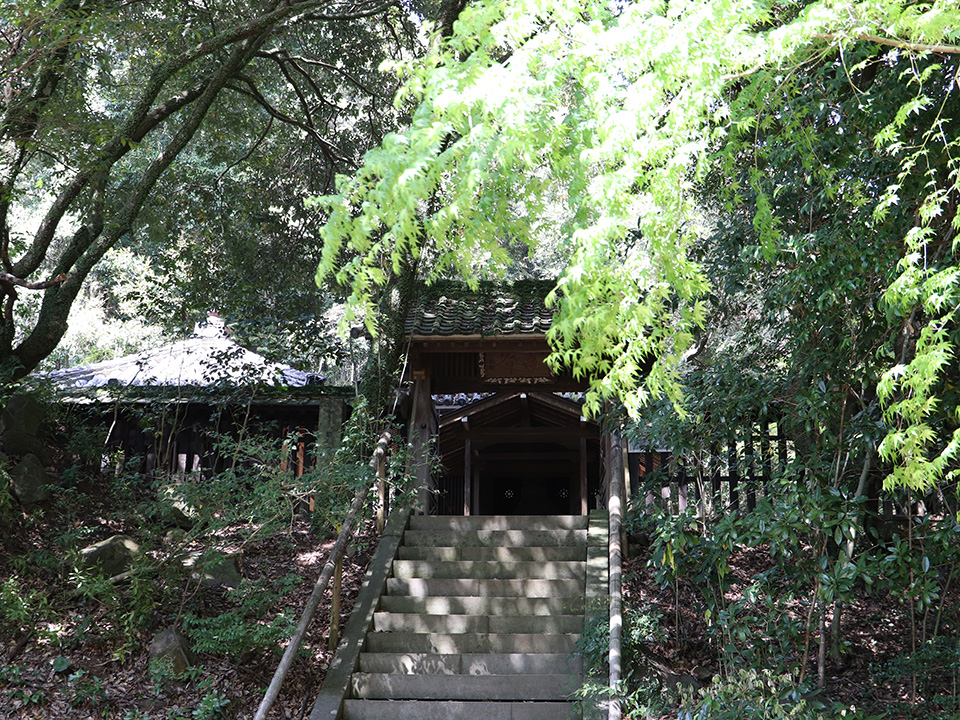
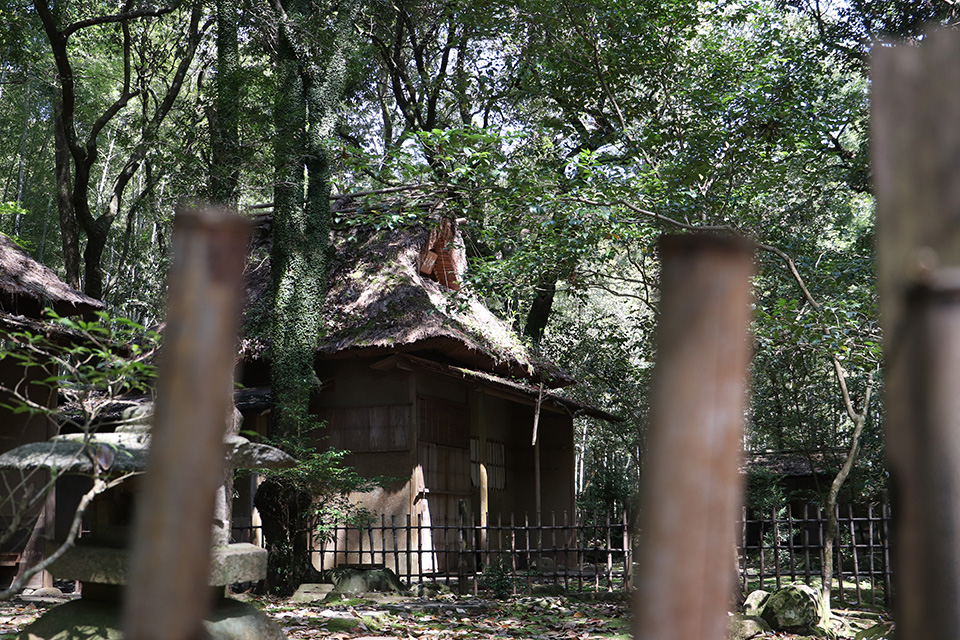
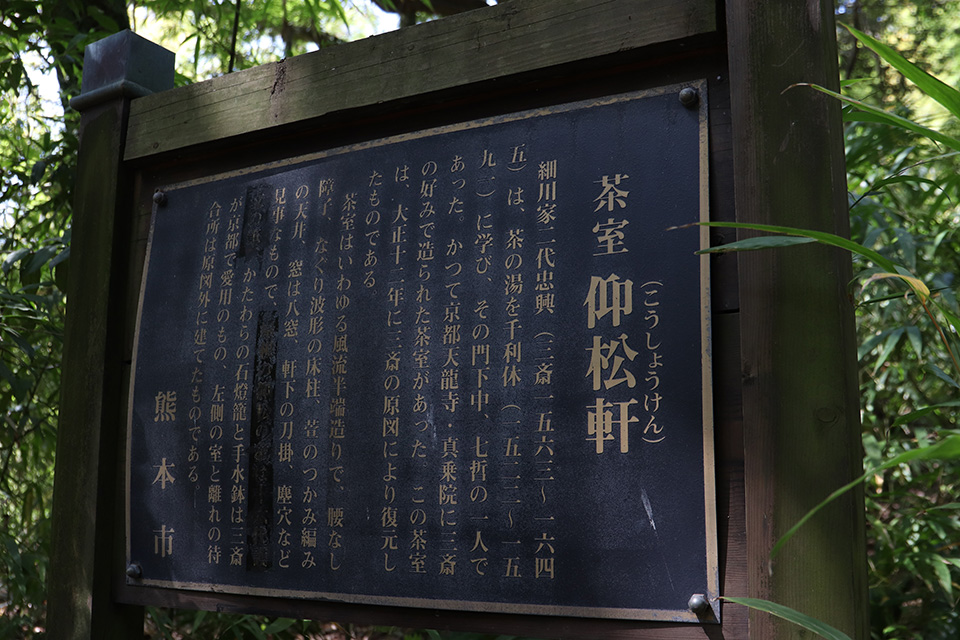
Adjacent to the Taisho-ji site stands Gyoshoken, a teahouse located within the Tatsuda Nature Park. It was reconstructed in 1923 (Taisho 12) based on architectural plans left by Lord Hosokawa Tadaoki. The chozubachi (water basin) set in the front garden is said to have been used by Tadaoki in Kyoto, and tradition holds that his tea master, Sen no Rikyu, also once placed his hands upon it.
Living and working at the former Taisho-ji site—where the weight of history still lingers—Morimitsu Hosokawa devotes himself to the craft of pottery. In time, he is expected to succeed his father, Morihiro Hosokawa, and become the nineteenth head of the Hosokawa family. One might imagine that someone born into one of Japan’s most distinguished lineages would feel the heavy burden of carrying on its traditions. Yet when I met him at the Hosokawa Family’s Tatsuda Villa, he appeared without the slightest trace of affectation, enveloped instead in a quiet, composed presence.
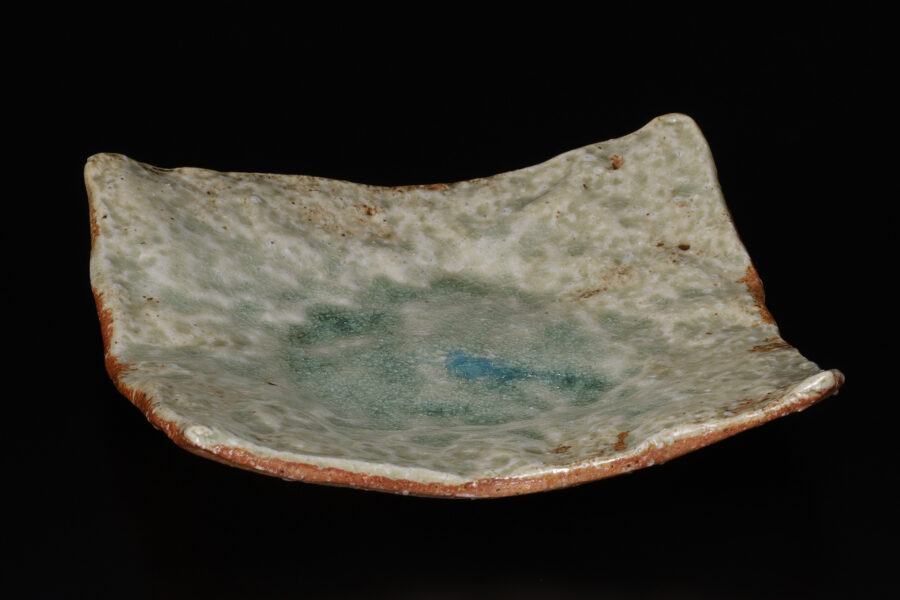
In recent years, Morimitsu Hosokawa has been creating hand‑formed Raku tea bowls, a process he approaches with genuine enjoyment. The kuro‑raku, with its subdued, metallic sheen, and the aka‑raku, whose soft pink tones reveal a quiet depth of expression—each, when held in the hand, gently conveys the warmth and pliancy of the clay from which it was born.
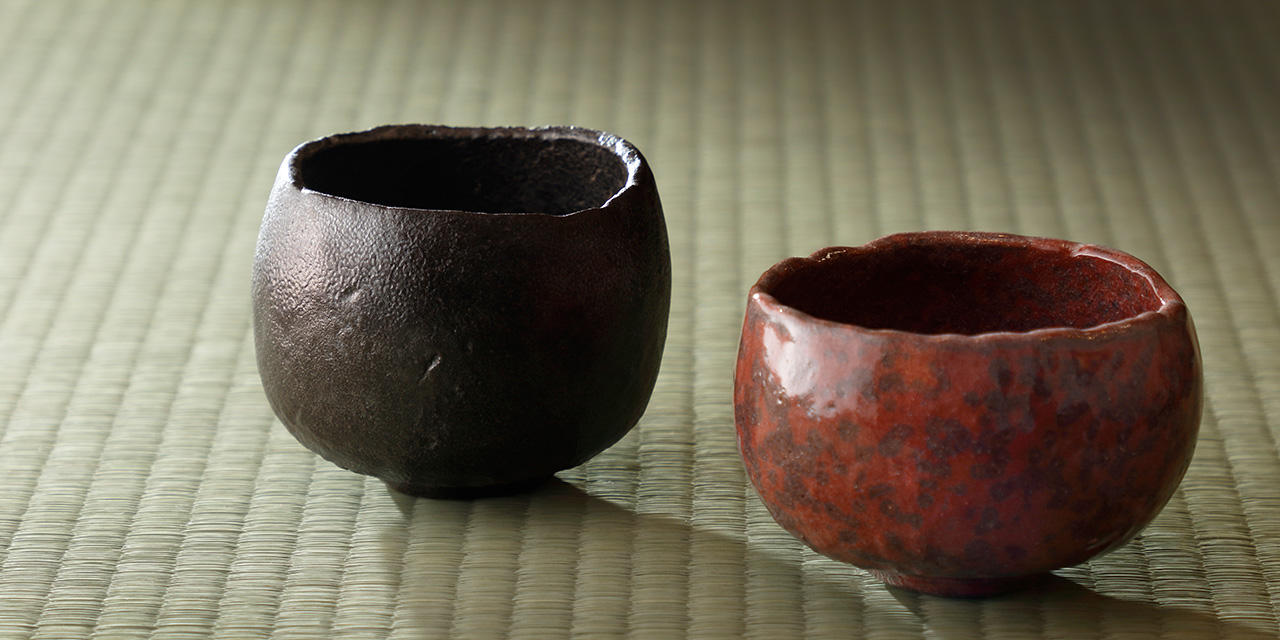
When I asked him, “What is it that you find so compelling about hand‑forming clay?” Morimitsu Hosokawa replied gently, “Unlike the potter’s wheel, it allows me to spend time with each piece. That’s what I enjoy.” Kuro-raku tea bowls, in particular, require even more effort, as each one must be fired individually in the kiln. Yet he seems to take pleasure even in that extra labor. “Raku ware is soft and, compared to other ceramics, quite fragile. But that softness means heat moves through it slowly, which actually helps bring out the flavor of the matcha. If you make it too hard, you lose what makes a tea bowl good. Finding the right balance is the difficult part,” he explained. When I asked about his approach to form, he told me, “I don’t begin with a fixed idea of what I want to make. I think the things I’ve seen or held over the years remain somewhere in my consciousness, and those memories become the source of the shape. As I work with my hands, the form simply emerges before I realize it.” He does not chase an image in his mind; rather, his hands seem to search, unconsciously, for the “forms” that lie dormant in memory, bringing them quietly back into the world. It occurred to me, just for a moment, that it might be the long‑cultivated “memory” of the Hosokawa family itself that gently guides his hands.
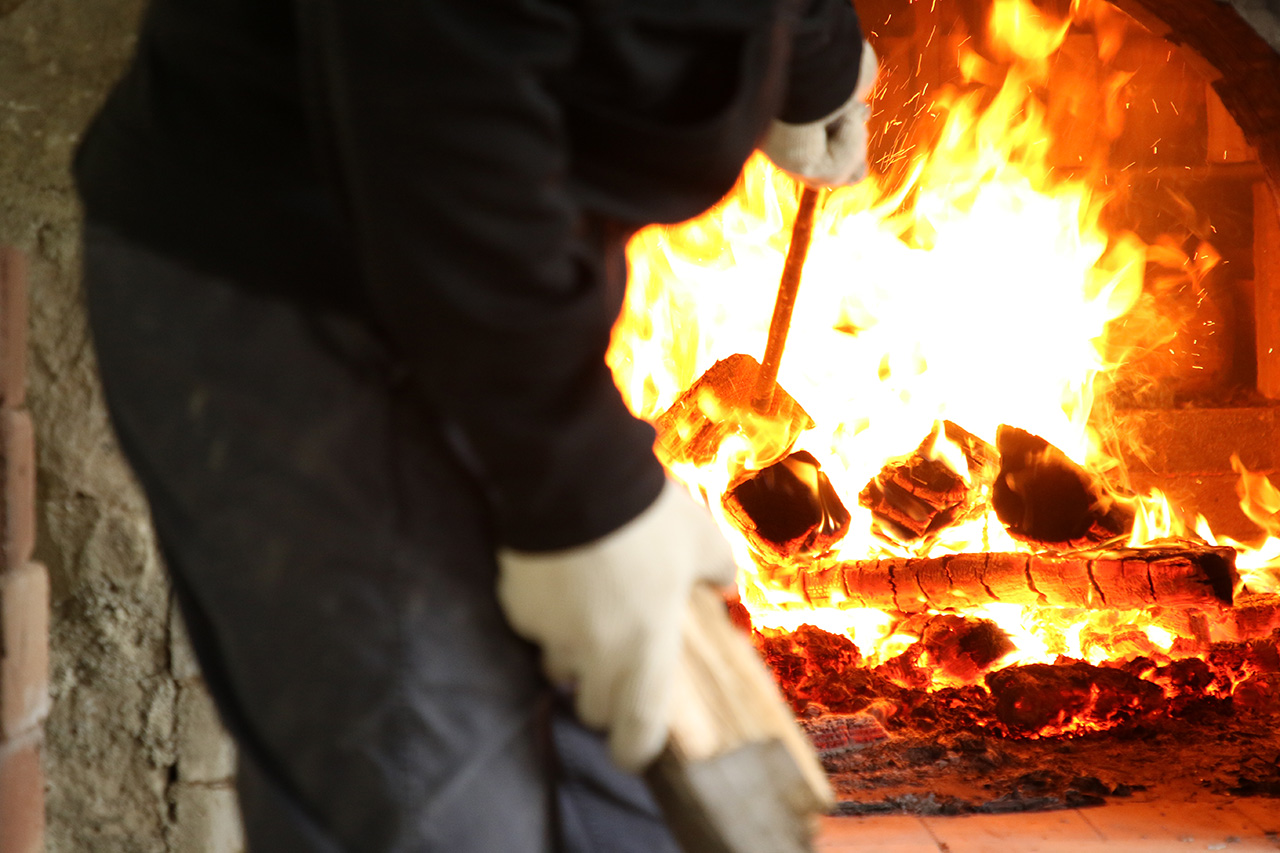
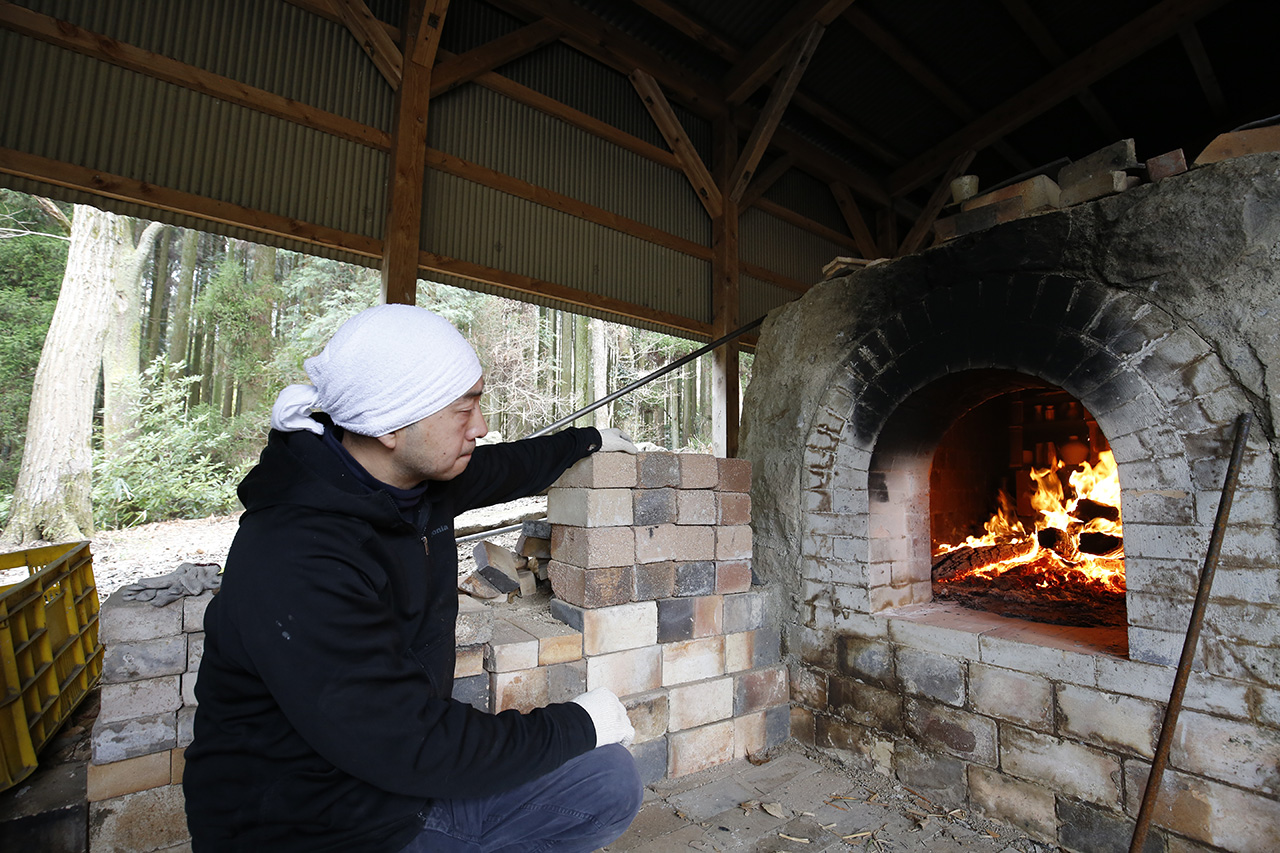
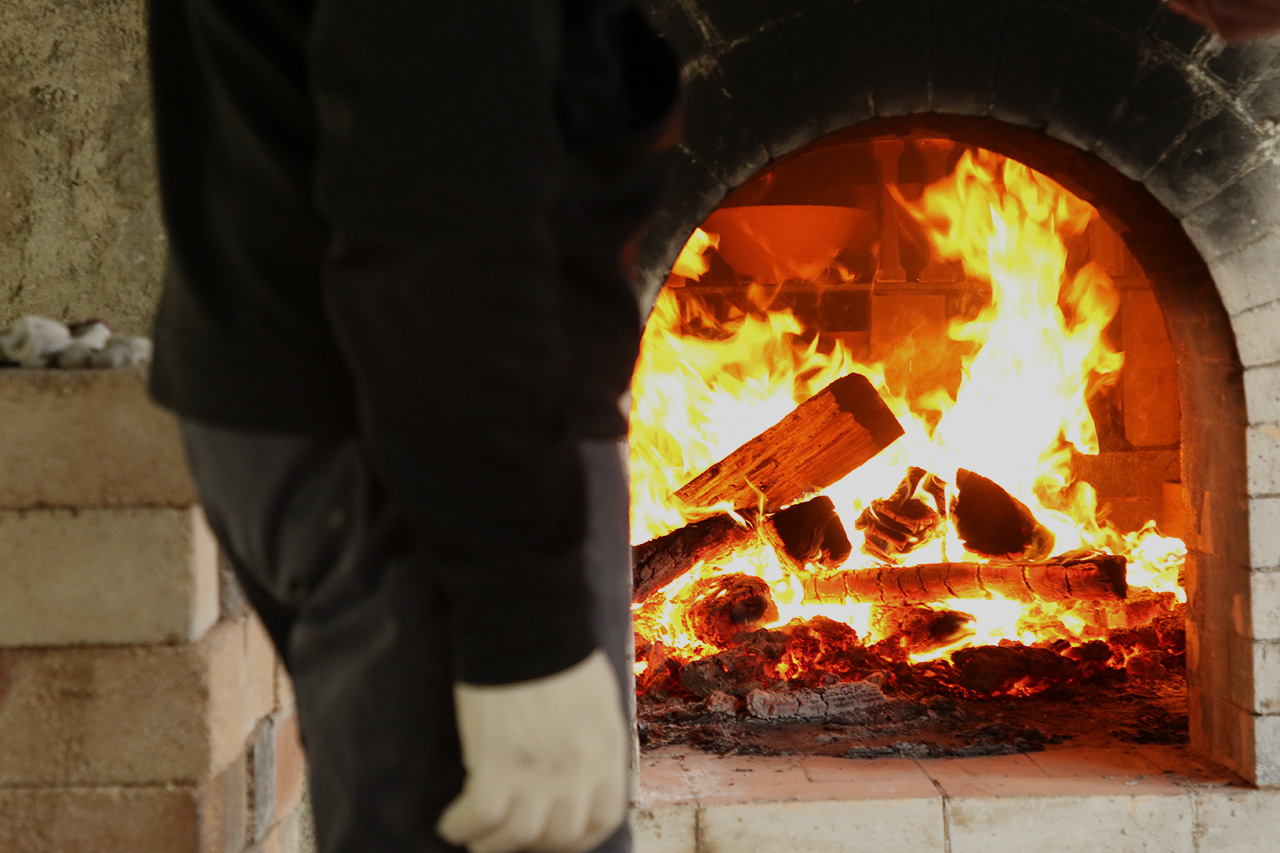
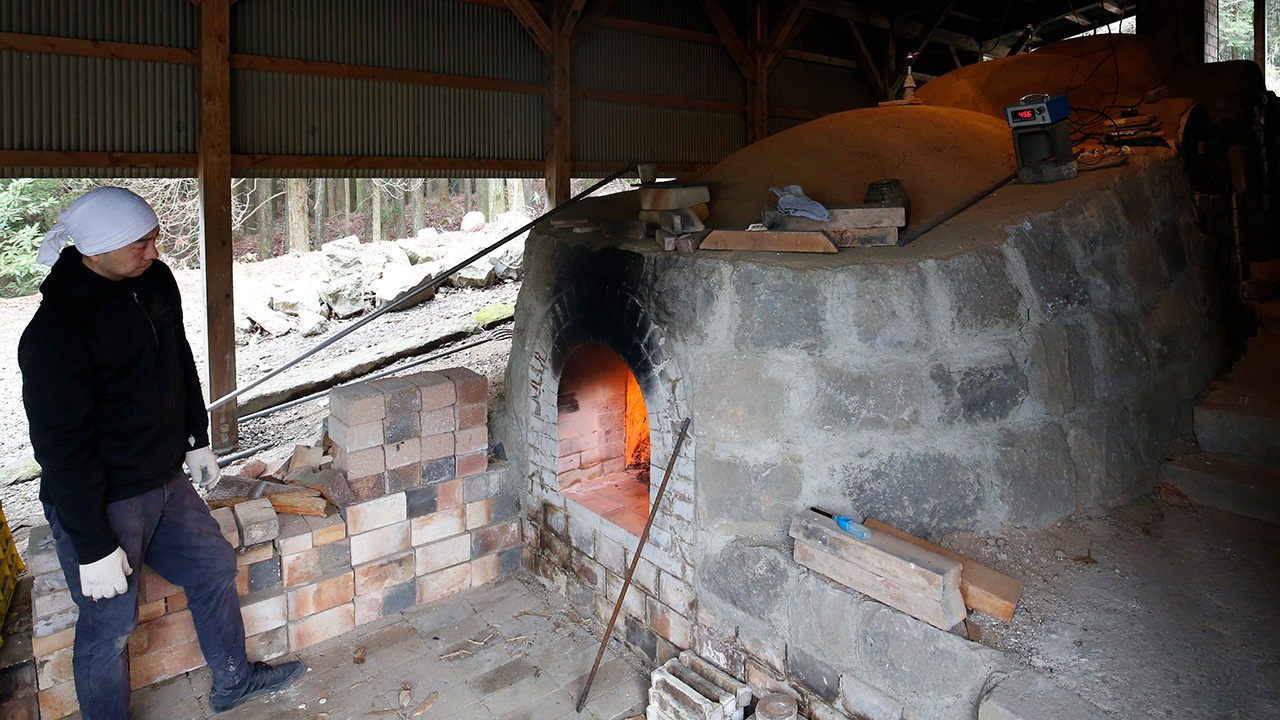
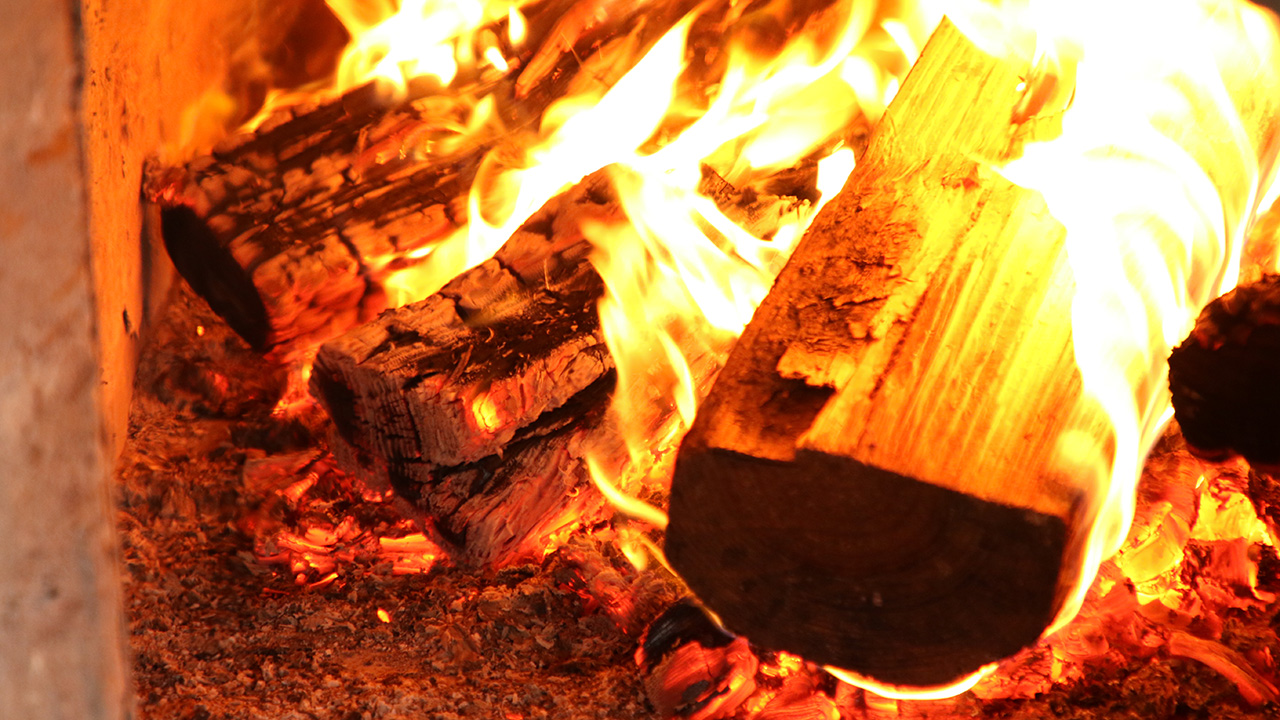
Wishing to work in an environment surrounded by nature, Morimitsu Hosokawa received a piece of land from his father, Morihiro Hosokawa, and in 2007 (Heisei 19) established his kiln in Kugino, Minami‑Aso Village. Although the kiln collapsed during the 2016 Kumamoto Earthquake, he invited craftsmen from Arita and, over time, restored it with great care.
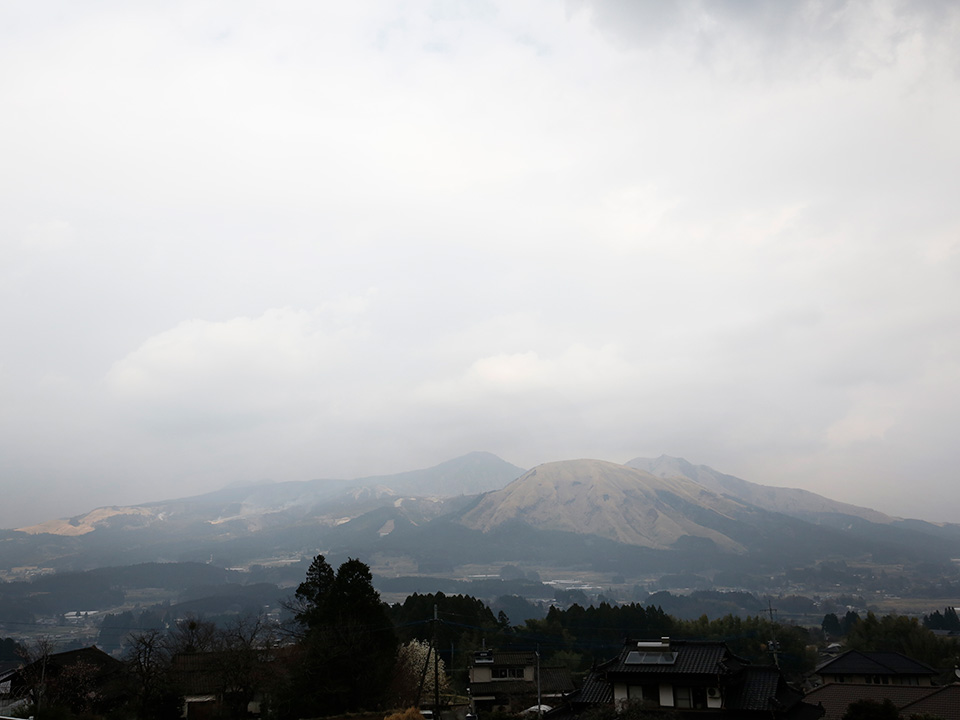
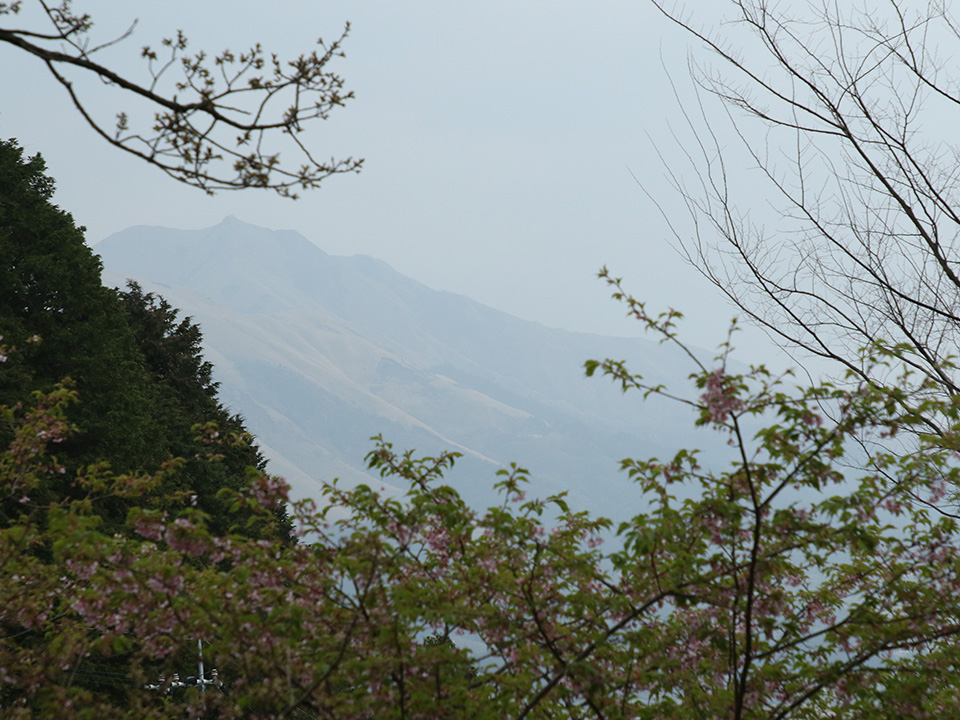
The kiln, standing quietly with a grove of mixed trees at its back, is filled with an atmosphere distinctly different from that of the former Taisho-ji site. The sense of openness and calm that permeates his works surely arises from creating in an environment where he can take in the grandeur of nature with all five senses.
Come to think of it, Morimitsu Hosokawa’s teacher was Masatake Fukumori, who runs the Doraku kiln in the satoyama woodlands of Iga, Mie Prefecture. The way Hosokawa’s work reflects the blessings of nature could well be described as an inheritance from his master. “He believed that vessels are not meant to be admired but used, and that idea had a tremendous influence on me,” Hosokawa told me. He uses his own pieces in daily meals, sometimes receiving advice from his wife, Ai, who is a culinary researcher. A dish is not complete simply because the vessel is beautiful; as an everyday tool, it must also be easy to handle. “Appearance is part of usability, too,” he added quietly. When you think about it, the true mission of tableware is to enhance the food it holds. To separate form from function would be to stray from that essential purpose. In that unassuming remark of his, the philosophy of his teacher, Masatake Fukumori, was unmistakably alive.
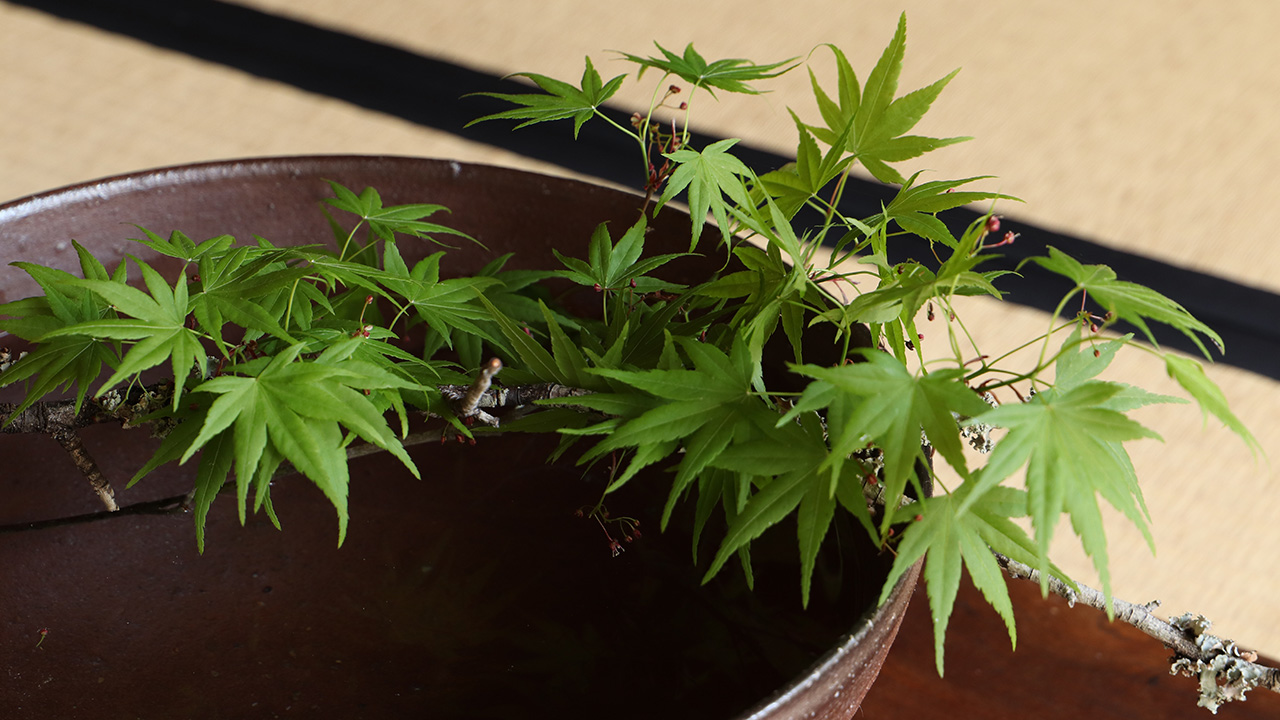
He had long wished to do work that involved making things—work that engaged the body rather than deskbound tasks. Sixteen years have now passed since he began his journey in pottery. “Even now, my heart races before I open the kiln. But once I do, I’m disappointed ninety‑nine percent of the time,” Hosokawa said with a laugh. His insistence on using raw, unblended clay often means the results do not turn out as he hopes. Blending clays would provide greater consistency, he acknowledges, but “that would make it closer to an industrial product.” Instead, it is precisely the individuality that emerges from raw clay that he finds compelling and full of interest.
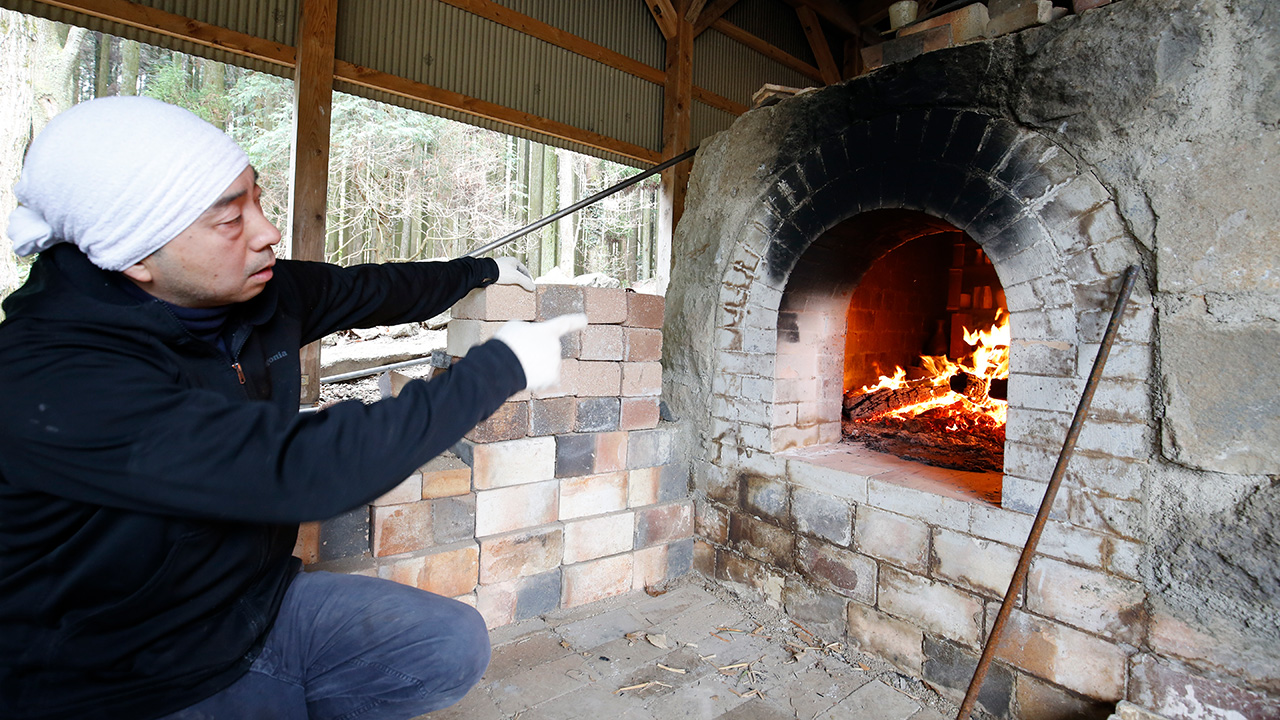
He shapes the clay and then waits through the long passage of time until it is fired—finding pleasure in that span itself. He enjoys the care poured into each individual piece, and even the unpredictability that comes from working with raw clay. Without haste, without force, without strain, he approaches his craft with a mind as untroubled as branches swaying in the wind. It is for this reason that his works possess not only a dignified poise, but also a certain natural lightness, as if they carry within them the ease of his own way of being.
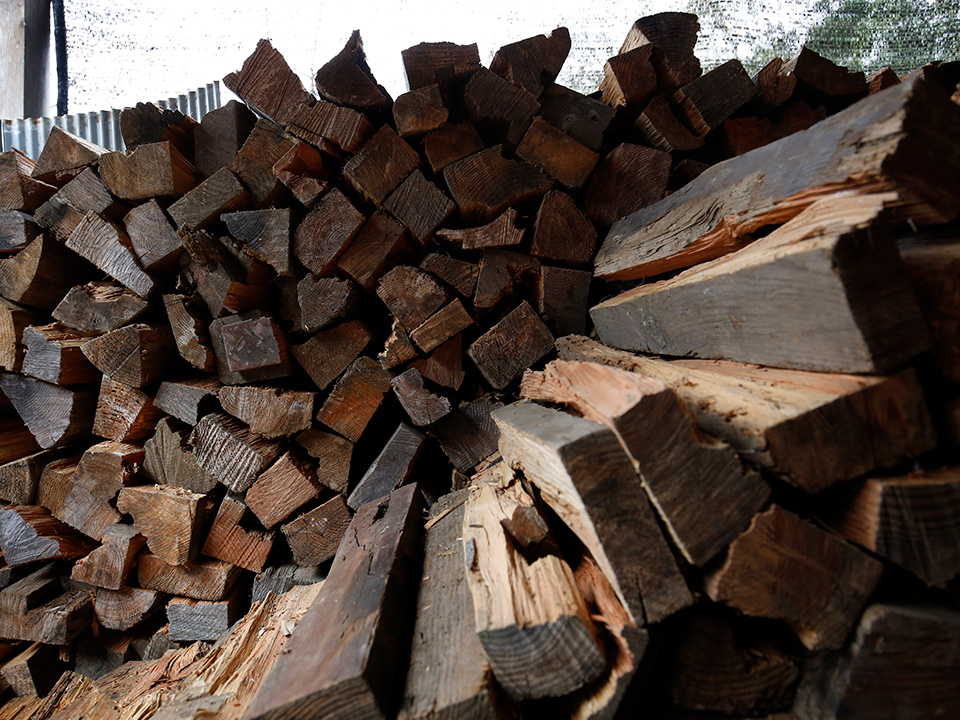
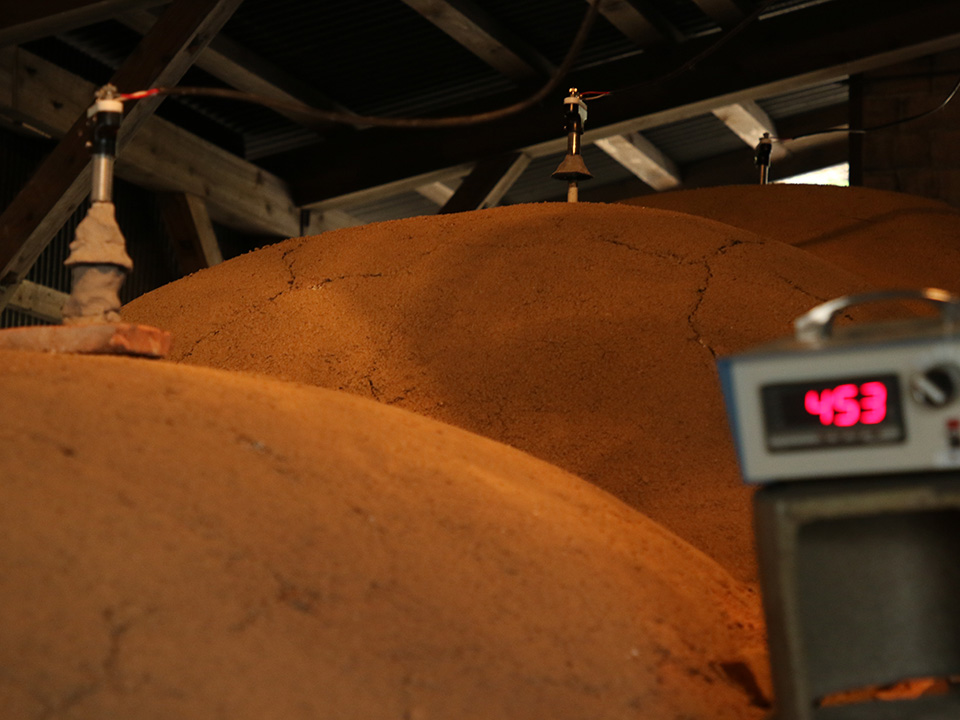
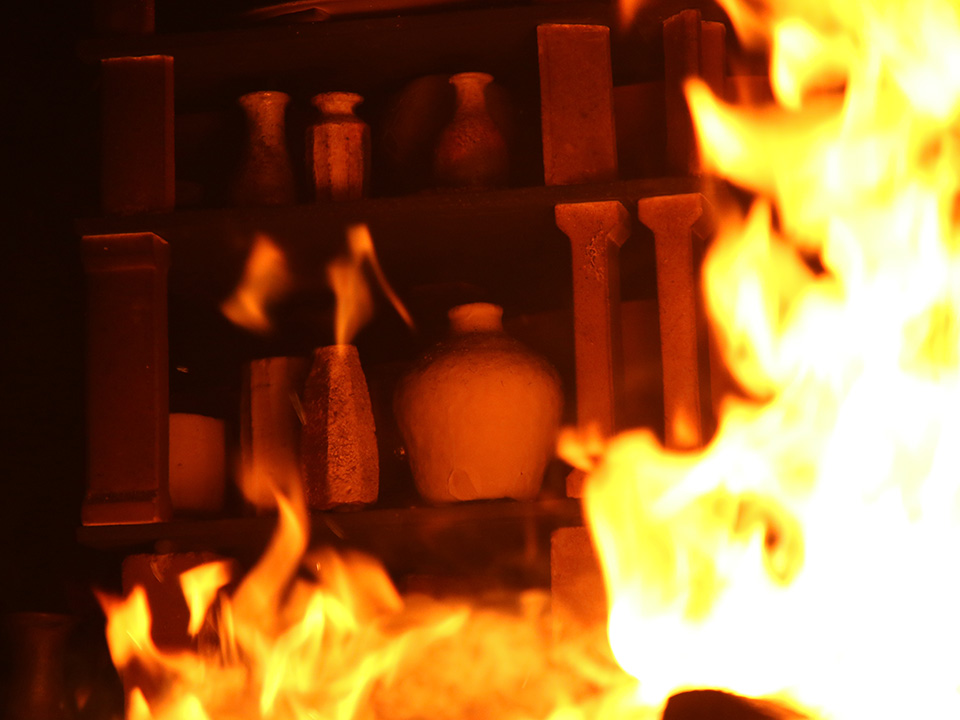
“When a piece is finished, I don’t feel the need to keep it with me. Once I understand the outcome of what I tried during the making process, it’s already complete in my mind,” Hosokawa said quietly when I asked about his attachment to his work. “If anything, I’m thinking about what comes next—what I should try next. There’s no point of arrival in this kind of work. The more you do it, the farther the path stretches ahead.” There is no end to the pursuit; the more one continues walking, the wider the horizon becomes. In his words, the very essence of the craft of pottery seemed to be distilled.
What lies before Hosokawa’s gaze is always the future. For that reason, even as he embraces the aesthetic sensibilities and cultural DNA passed down through the Hosokawa family, he is never bound by them. His pottery is free, supple, and expansively alive.
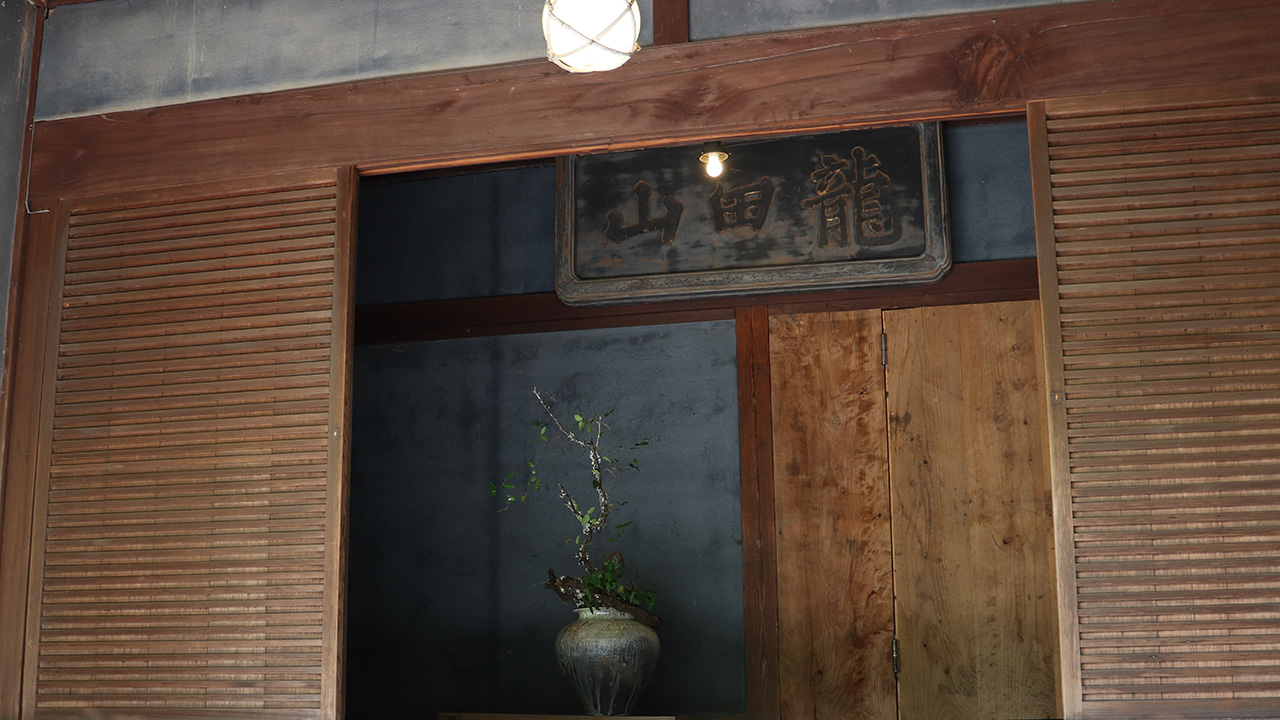
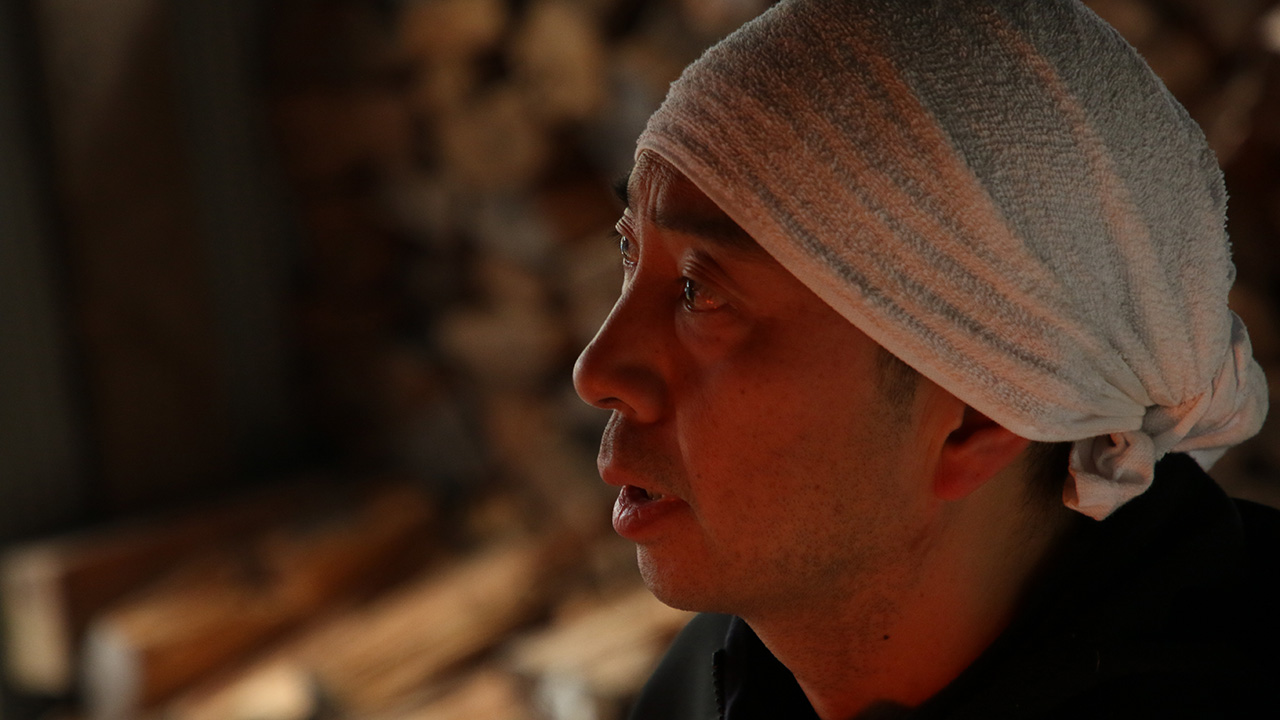
Morimitsu Hosokawa
細川護光
1972 –
Born in Tokyo and raised in Kumamoto City.
1999 (Heisei 11): Began apprenticeship under Masatake Fukumori, the 7th Doraku kiln in Iga, Mie Prefecture.
2006 (Heisei 18): Established his first kiln at the former Taisho-ji site in Kumamoto City.
2007 (Heisei 19): Built an additional kiln in Kugino, Minami‑Aso Village, Kumamoto Prefecture.
2008 (Heisei 20): Held his first solo exhibition in Kyoto; has since exhibited throughout Japan.
While working in a wide range of styles—including Raku, Shigaraki, and Korai—he also serves as a board member of the Eisei Bunko Museum.
Photography:Akira Eto / Takashi Imabayashi
Text:Kazuyoshi Hasegawa
The Path to Making Pottery
- QI heard that you made pottery for the first time when you were in high school.
- AThe first time I made pottery was in an art class when I was in high school. At that time, I wasn’t thinking about making pottery as a career.
- QHow did that lead to the path of making pottery.
- AI’d like to have a job where I can make things myself. That’s because I wanted to do a job that involved physical activity rather than sitting still in front of a desk.
- QIt seems that you also had some interaction with Jiro and Masako Shirasu.
- AI think I’ve met mr. Jiro before, but I don’t remember it since I was very young. I met mrs. Masako from time to time in her later years. For about a year, I even lived at buaisou in tsurukawa.
- QWere you influenced by Masako Shirasu’s aesthetic sense.
- AI was very influenced by it. Masako likes antiques, and she used them in her daily life. I learned a lot, and thanks to her, I started looking at antiques as well.
- QAfterwards, you will study under Masatake Fukumori in iga. Why did you choose mr. Fukumori as your teacher.
- AWell, it was because I had known him well since high school, and he was someone I had a lot of respect for. It was there that I wanted to learn pottery.
- QWhat kind of person is mr. Fukumori.
- AHe is easy going and drinks a lot of alcohol.
- QWhat did you learn from mr. Fukumori.
- AHis idea was that vessels should not only be looked at, but also used, which had a huge influence on me.
Creation in Four Kilns
- QWhy did you choose kumamoto when opening your own kiln.
- AI’ve always wanted to make pottery in kumamoto someday. Unless something like this is done in a local area, it cannot be done in tokyo.
- QDoes the type of pottery you make change depending on the location.
- AWell, I guess that’s true. The materials change, and the way I feel about it also changes a lot. The kilns in aso are especially relaxing because they are close to nature.
- QWhat kind of things are fired in aso’s kilns.
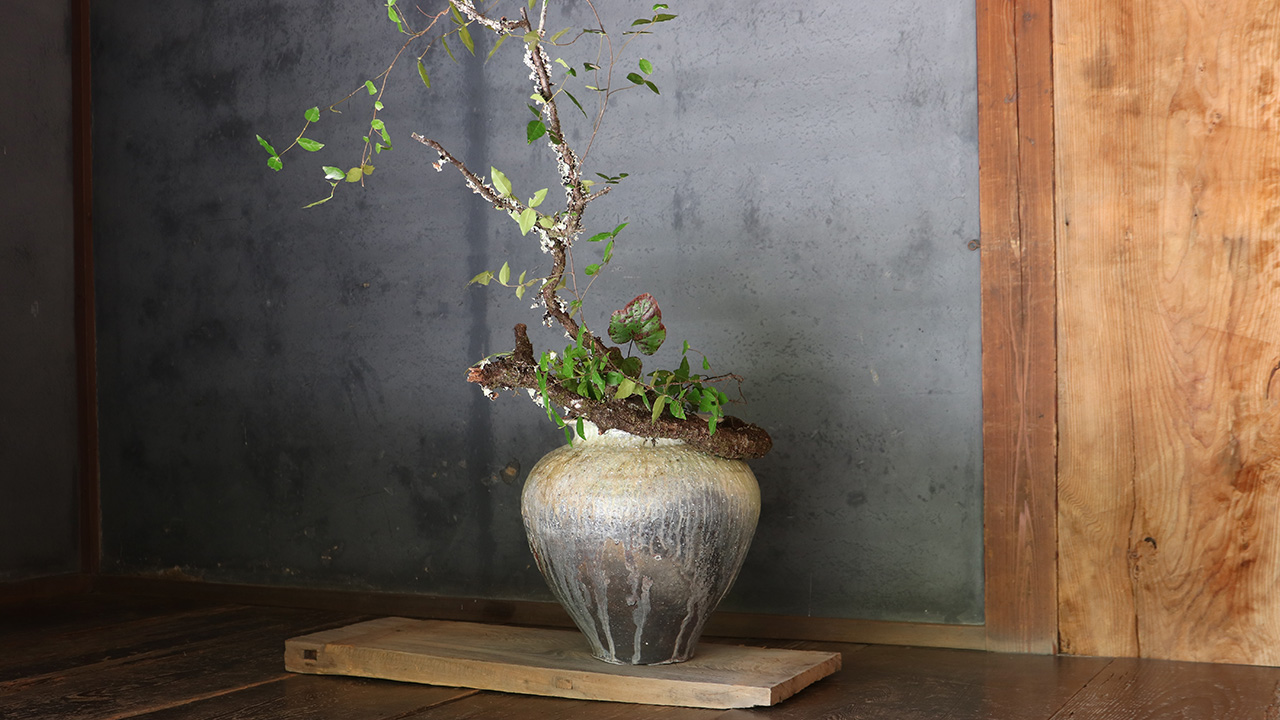
- AFor example, there are many works by yakishime. When it comes to glazed works, there is ash glaze. There is also a little kohiki afterwards.
- QWhat kind of things are fired in the kiln at the ruins of taishoji temple.
- ASince we only have a small electric kiln, I mainly fire kohiki. Basically, it is the kiln exclusively for bisque firing. I sometimes bisque fire something over there and then bring it here and fire it.
- QIt’s also fired at futoan in yugawara, where your father Morihiro Hosokawa lives, right.
- AOutside of kumamoto and yugawara, we have a kiln in nagano, where we fire twice a year as well. Ido and raku are yugawara. Shigaraki is fired in the kiln in nagano.
Footprints as a Potter
- QIt has been 16 years since you opened your kiln in kumamoto. Has your style changed.
- AI think things have changed. If the glaze or soil changes, the firing method will also change. I guess the soil is the most important thing. I often decide to bake something this way based on the soil. There are baking methods and shapes that are appropriate for the soil.
- QHow do you obtain soil.
- AI know a few soil companies that listen to my preferences, so I buy my soil from them. I feel that if you use blended soil instead of raw soil, it will be averaged out and become more like an industrial product. The great thing about the original soil is that each soil has its own unique characteristics.
- QDo you also use soil from kumamoto.
- APreviously, I used to go all over kumamoto myself and dig soil. I bought a geological map and guessed it. I also go to old-kiln and investigate areas where I think there were kilns in the past. When you go to the local museum of a particular area, you will find many stories about old-kiln sites, such as that there used to be a kiln in this area, or that tiles were fired there. I compare such stories with old maps, go to the area and dig in the soil. Nowadays, I don’t have to dig the soil myself much anymore.
- QIt seems like you’ve been focusing on hand twisting for the past few years. What’s the appeal of it.
- AIt’s a different method than using a potter’s wheel, and it’s very interesting to take time and care to make each piece.
- QIs there a difference in firing between black raku and red raku.
- ARegarding the firing method, the black one is fired one by one in the kiln, which takes more time and effort.
- QHand twisting means that mr. Hosokawa shapes each piece by hand, but is there anything important about the texture or shape.
- AIt’s not like I set out to do this from the beginning. I think that the things I have seen and held in my hands somehow remain in my consciousness, and that is what gives form to me. When I move my hands, I can do it without even realizing it.
The Look Towards the Future
- QHow do you feel when you open the kiln after your pottery is finished firing.
- ABefore I open the kiln, I’m in a dream state, or rather, I’m looking forward to it, but when I actually open the kiln lid, there’s a 90% chance that I’ll be disappointed. Among them, I feel that some works that I am satisfied with remain.
- QWhen you say “it didn’t work out,” do you mean that it didn’t reach the level you wanted.
- AYes. Well, sometimes the ingredients don’t bake as expected. Sometimes this job is fun, and sometimes it’s not. It’s a lot of hard work.
- QWhat is your favorite piece of work that you create.
- AIn my case, once a work is finished, I don’t really look back. My head is filled with thoughts of what to do next. That’s why I don’t even want to keep my own works in my hands. Once I know the results of the things I tried while creating, I feel complete in my mind.
- QIt is important to increase your experience value.
- AYes. Pottery is not something that will give you instant results. The time span from creating the shape on the potter’s wheel until it is fired is extremely long. You spend time firing it, look at the result, think about what to do next, make it again, look at the result, and then go on to the next thing. There is no end point in this kind of work. The more you do it, the further the path will get.