


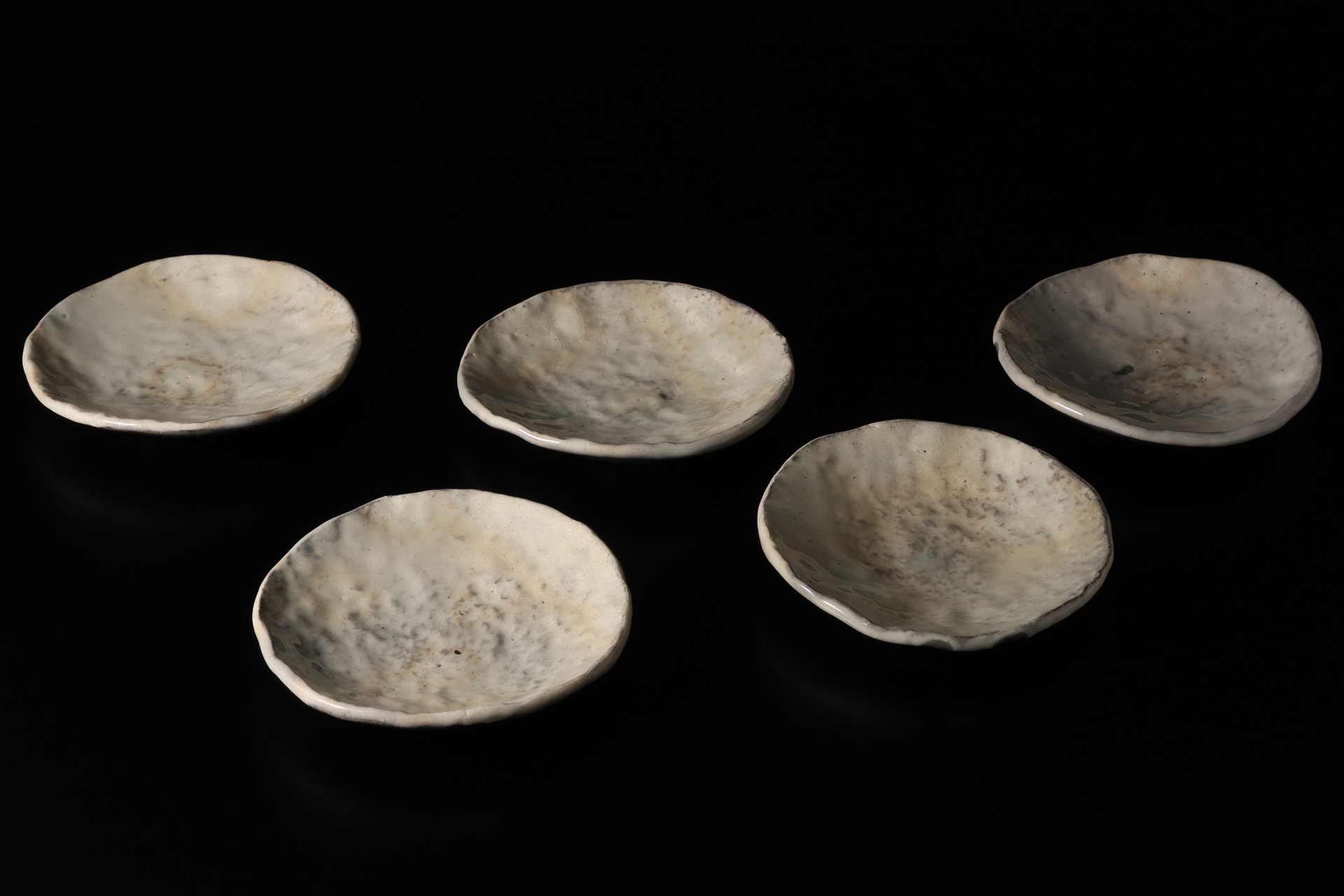
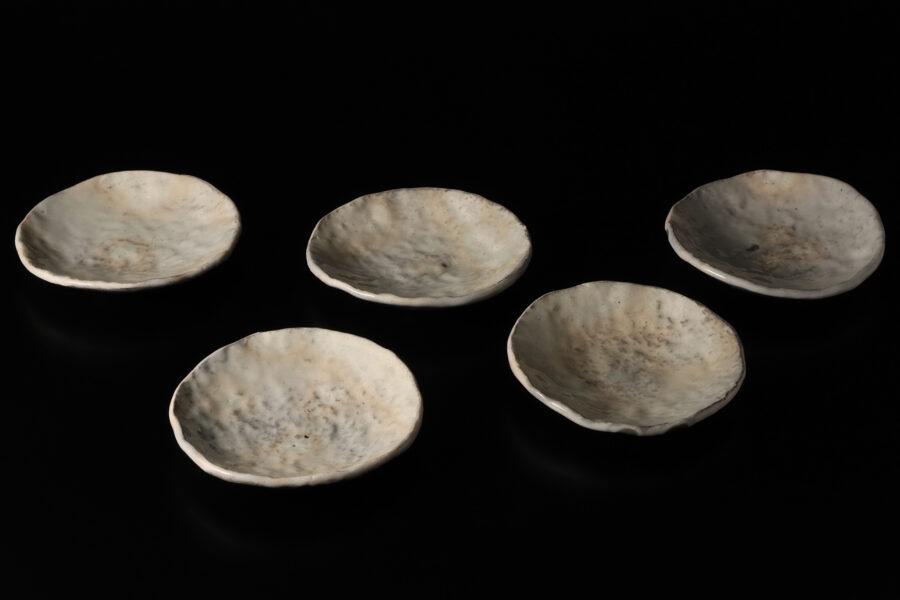
Kohiki Small Plates (Set of Five / Morimitsu Hosokawa)
22,000Yen(Tax Included)
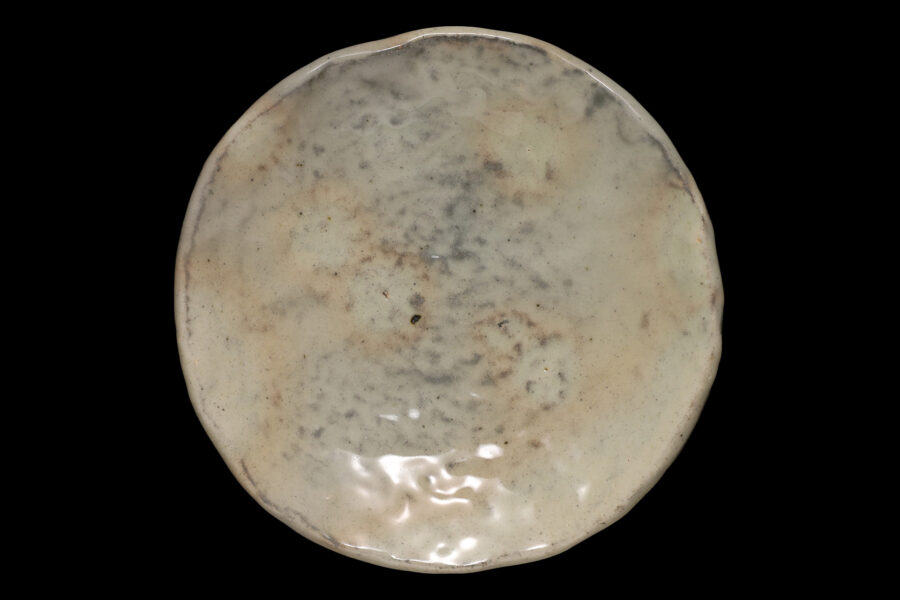
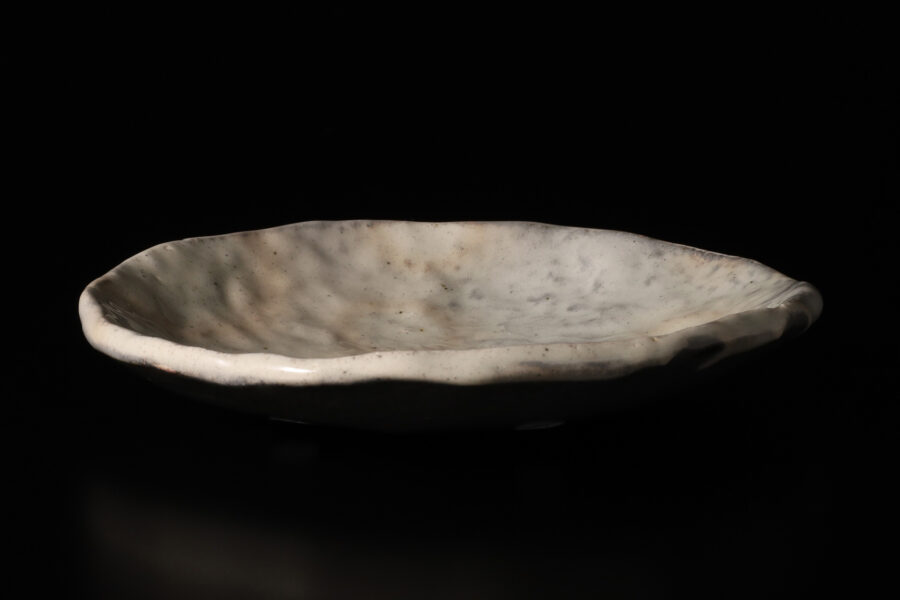
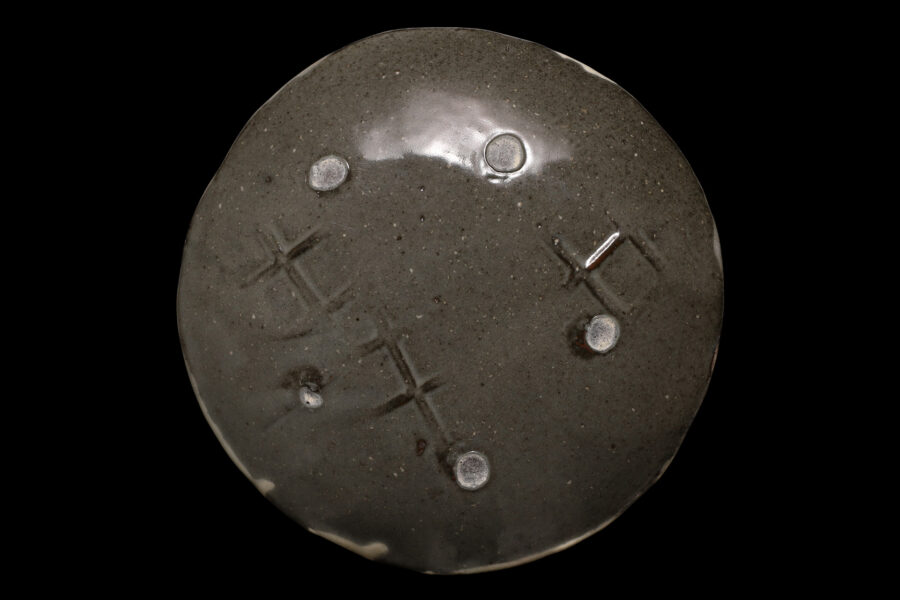
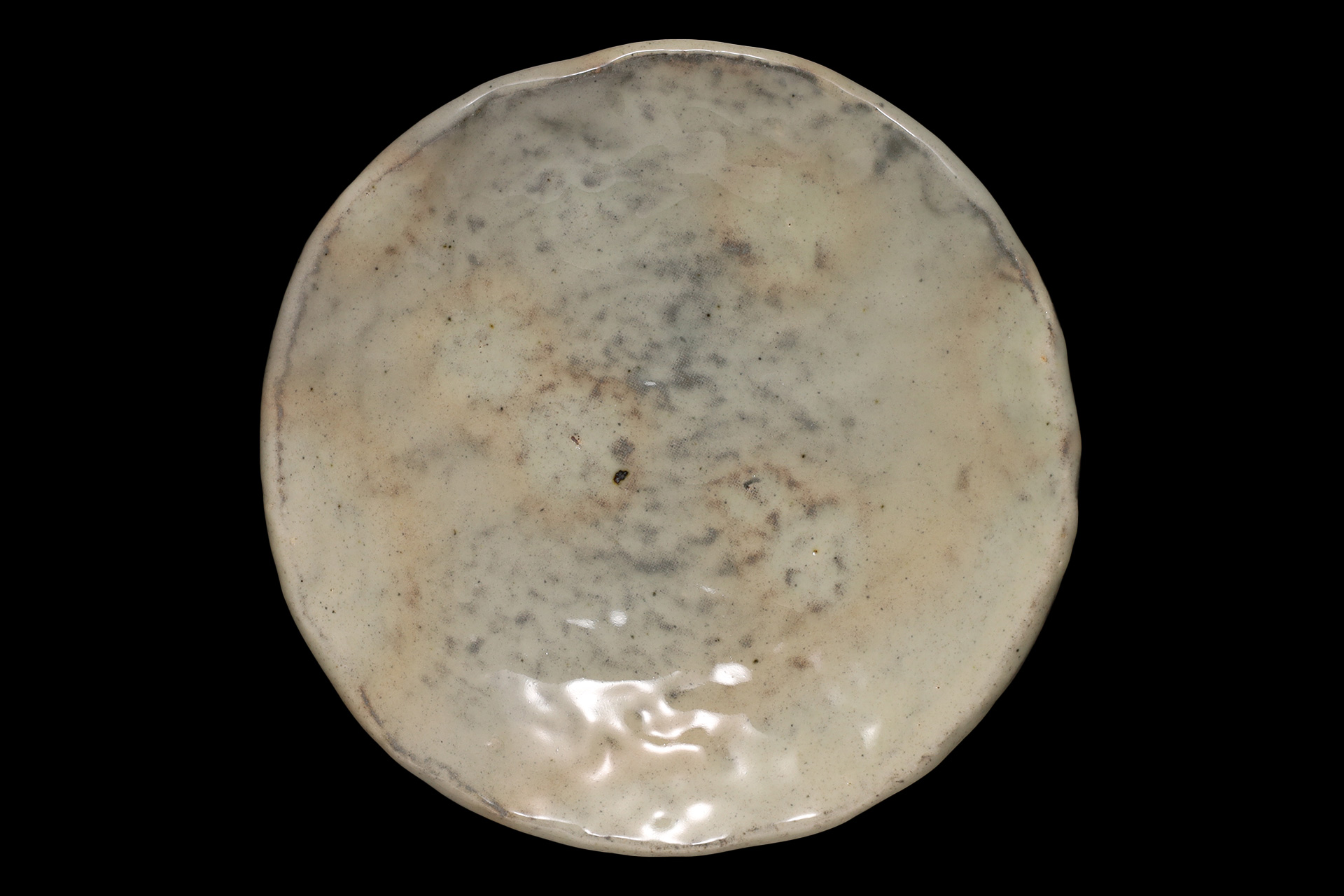
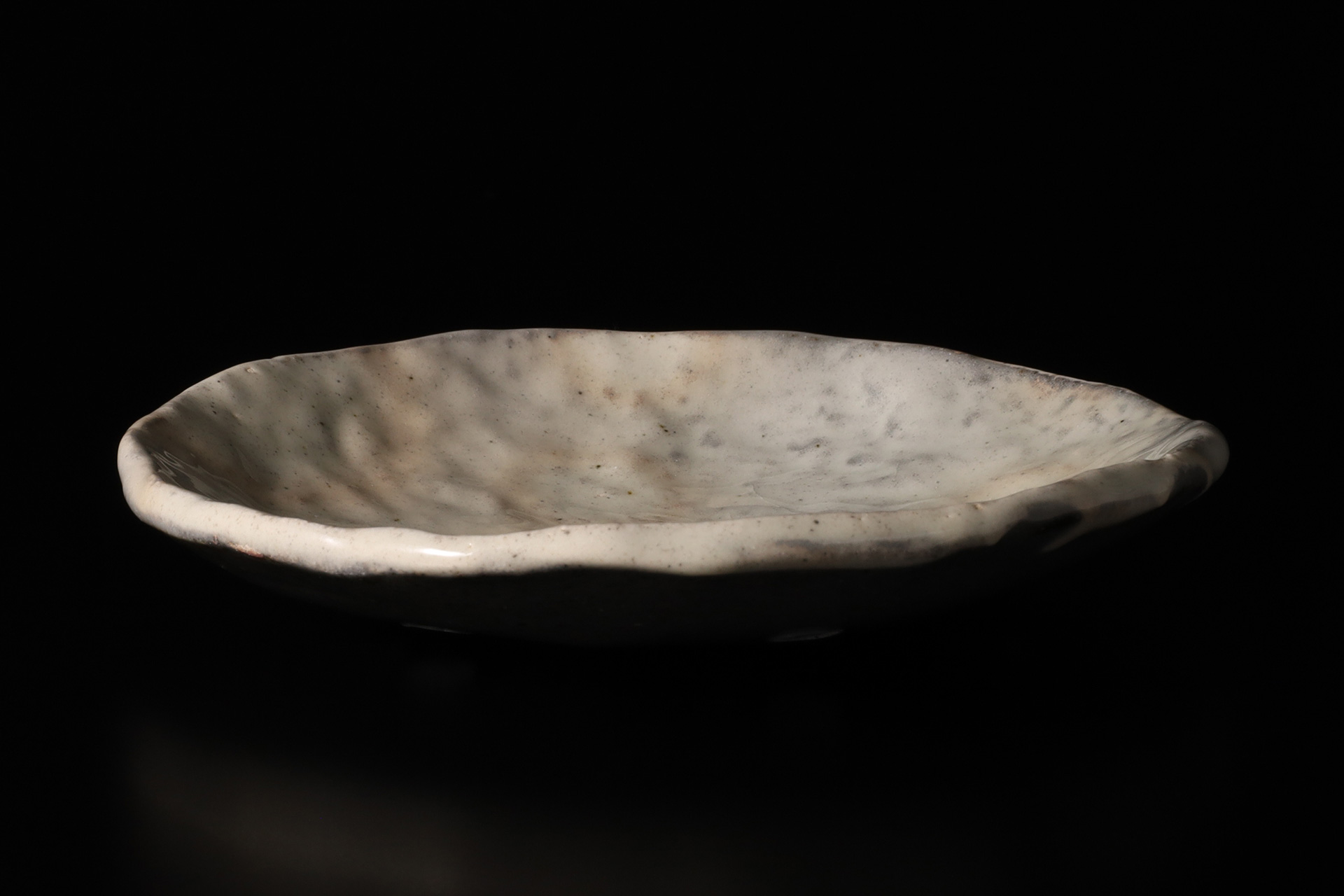
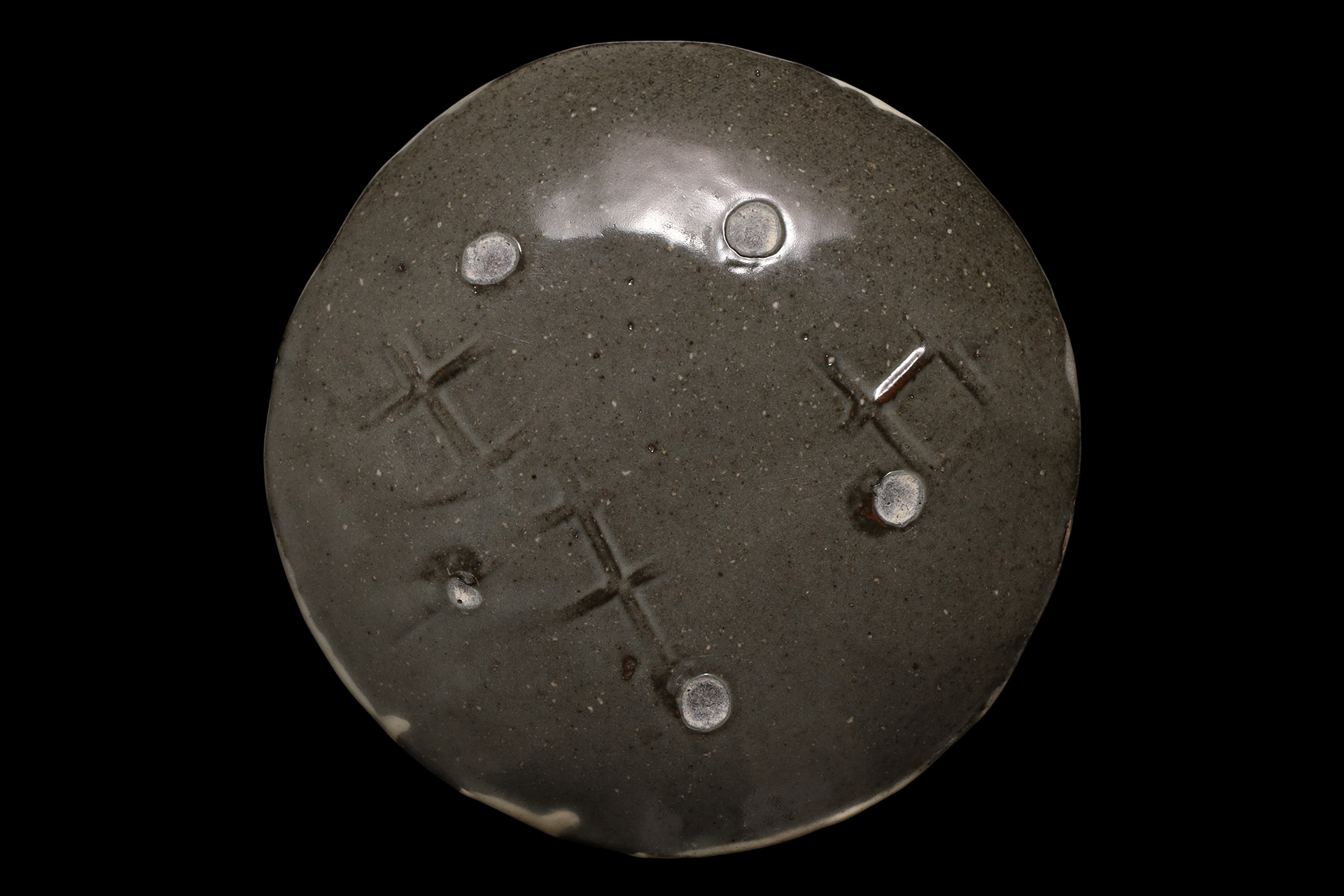
The gracefully contoured form is covered with a beautifully fired white kohiki slip, creating a unique landscape on each plate. The gentle irregularities and warm earthen character harmonize seamlessly, providing an elegant setting for seasonal Japanese confections, appetizers, and small delicacies. Both practical and refined, these plates embody a quiet beauty that enhances a wide range of culinary presentations.
- Artist
- Morimitsu Hosokawa
1972 -
- Weight
- Approx. 304 g Per Piece
- Diameter
- Approx. 15.5 cm
- Height
- Approx. 2.8 cm
- Remarks
- No Box
- Condition
- - New


Morimitsu Hosokawa 1972 –
Born in tokyo and spent his childhood in kumamoto.
In 1999, studied under 7th Masatake Fukumori of “Doraku kiln” in iga city, mie prefecture.
In 2006, opened the kiln at “Taishoji” in kumamoto city.
In 2007, built the kiln in kugino, minamiaso village, kumamoto prefecture.
In 2008, first solo exhibition in kyoto. Since then, held solo exhibitions all over the country.
Worked on raku, shigaraki, korai, etc. And also served as director of eisei bunko.
Kohiki
Kohiki (also known as powdered slip ware) is a type of Puncheong stoneware made by immersing an iron-rich clay body in white slip and then applying a transparent glaze over the entire surface before firing. Its production flourished during the 15th and 16th centuries. Unlike Muji-Hakeme, kohiki is characterized by the complete coverage of white slip, extending even to the foot and its surrounding areas. The soft, luminous quality of the glaze creates an appearance reminiscent of powdered flour, which gives the ware its name. The distinctive stains and mottling known as Amamori, formed through long years of use, have been especially cherished in Japan. Likewise, the areas where the white slip breaks away to reveal the underlying clay—called Hima—are regarded as important aesthetic highlights. Tea bowls, sake bottles, and sake cups have long been coveted and esteemed as masterpieces. Among the most celebrated examples are the “Miyoshi” (Mitsui Memorial Museum), “Matsudaira” (Ebara Hatakeyama Museum of Art), and “Sohaku” (Ishikawa Prefectural Museum of Art).