


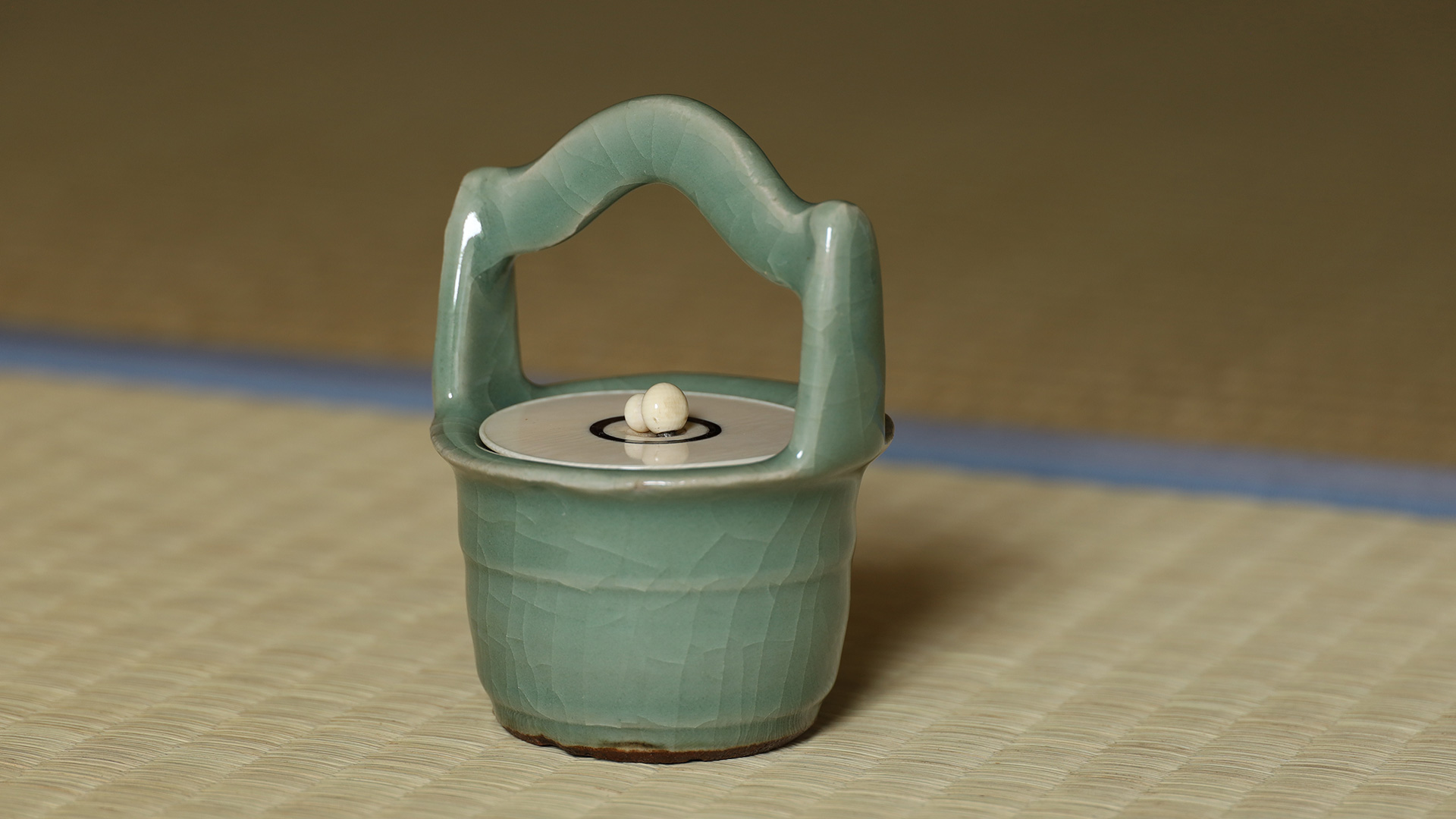
Shichikan Celadon Hand‑bucket Tea Vessel (Ming Dynasty)
Sold Out
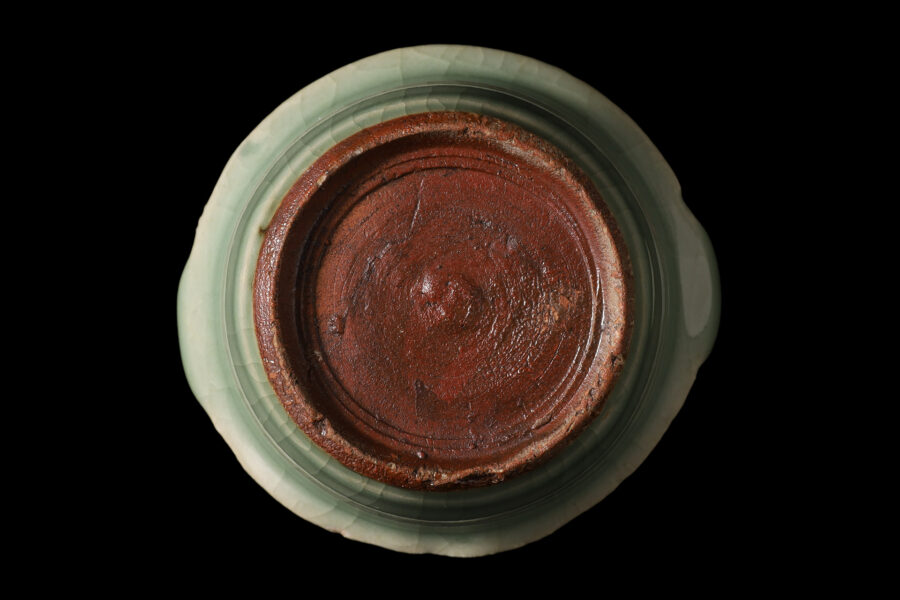
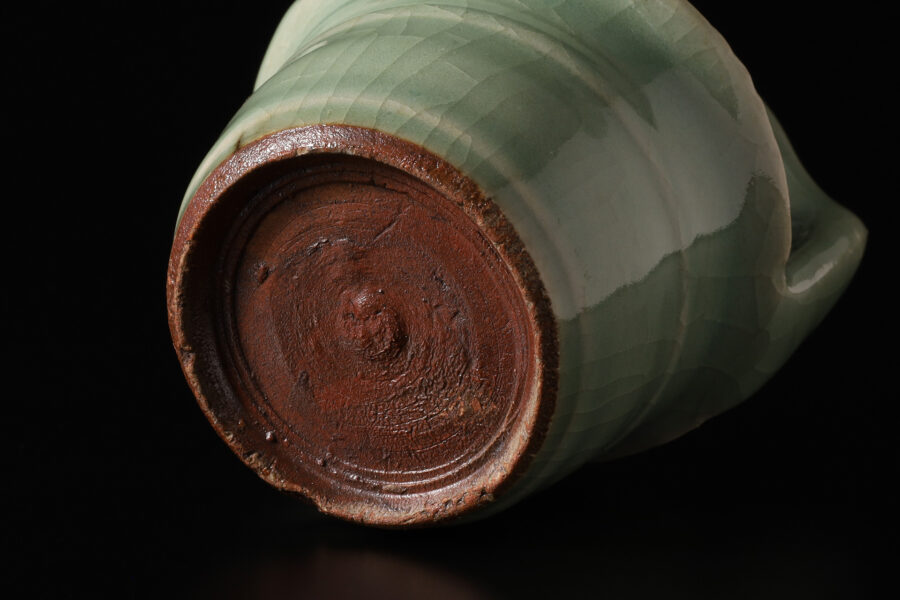
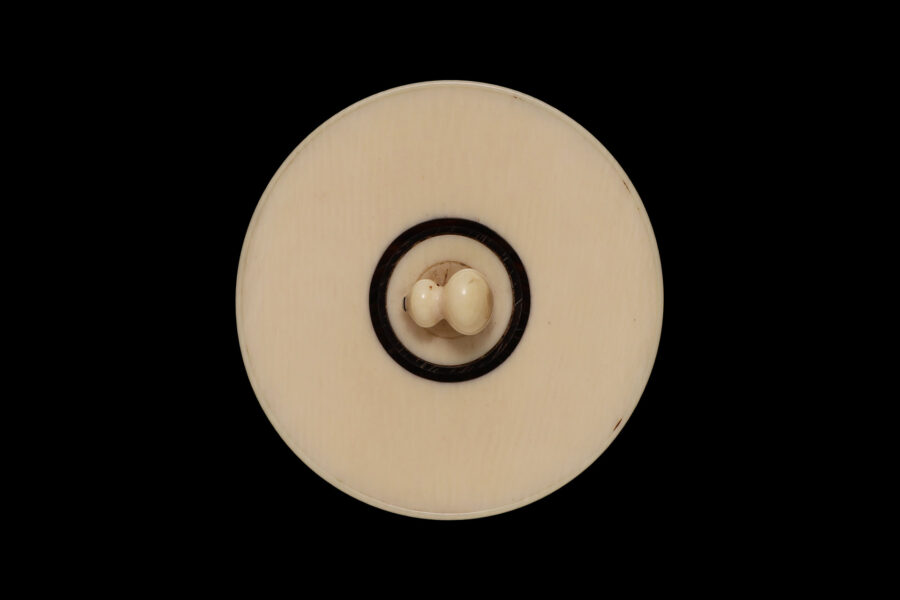
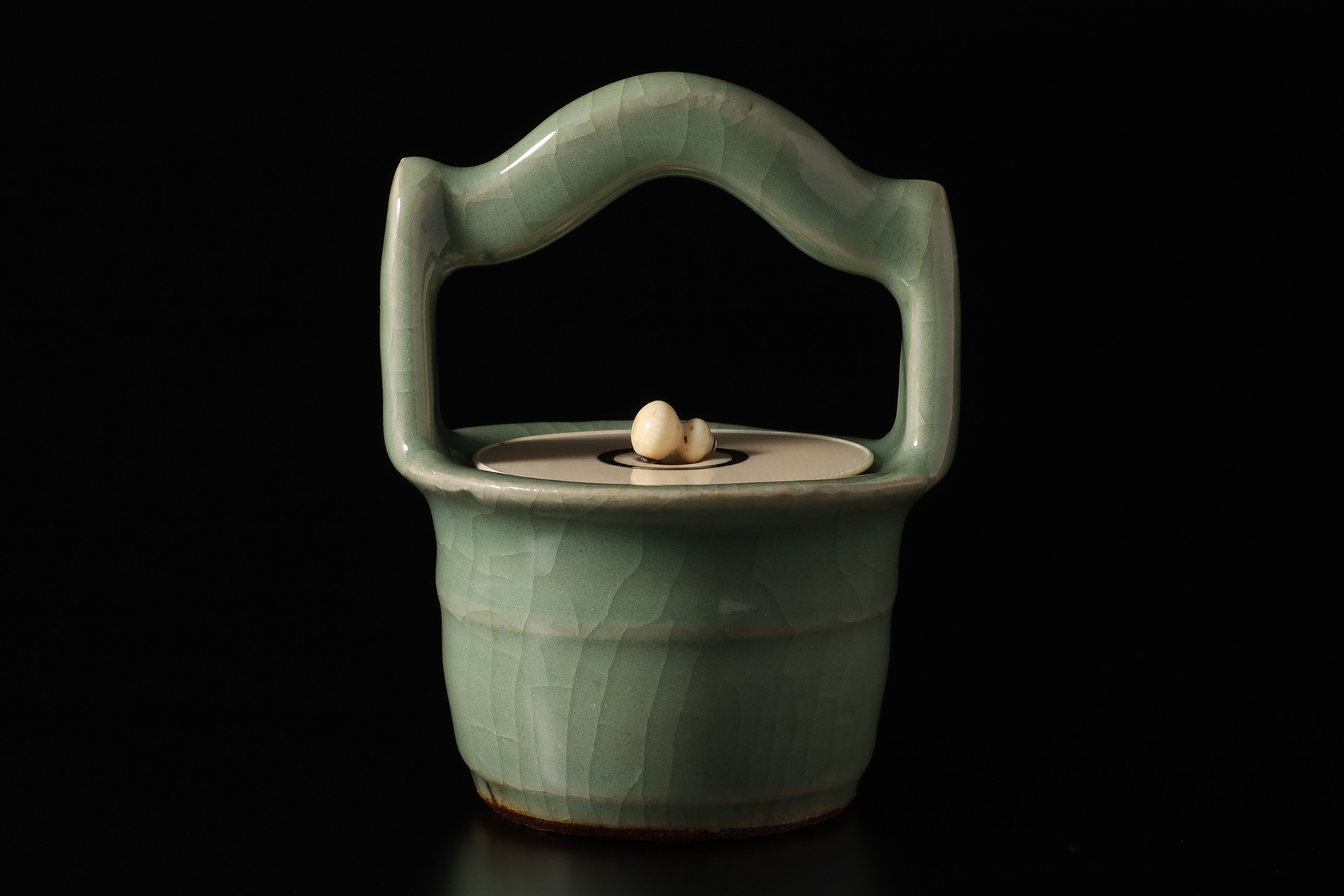
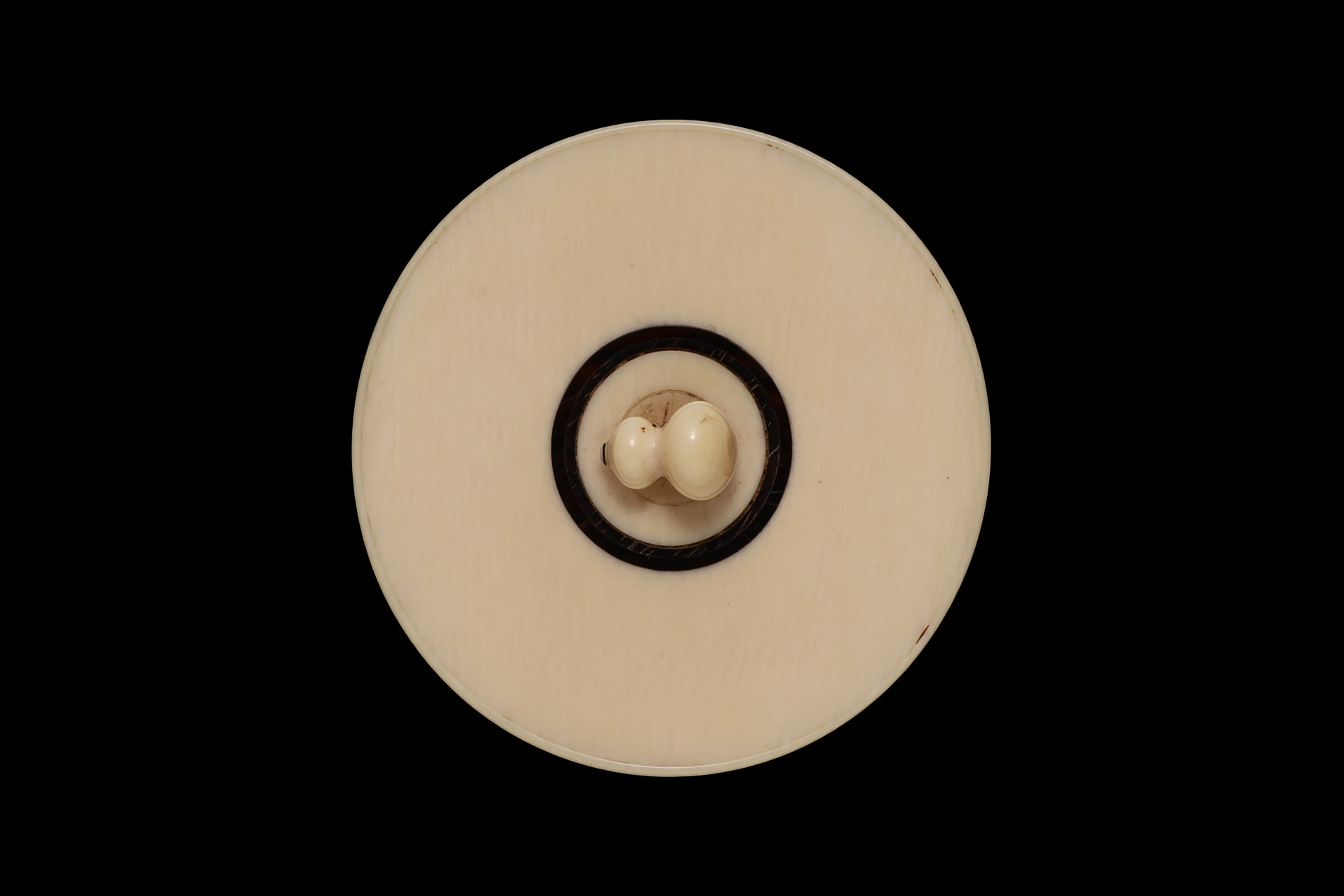
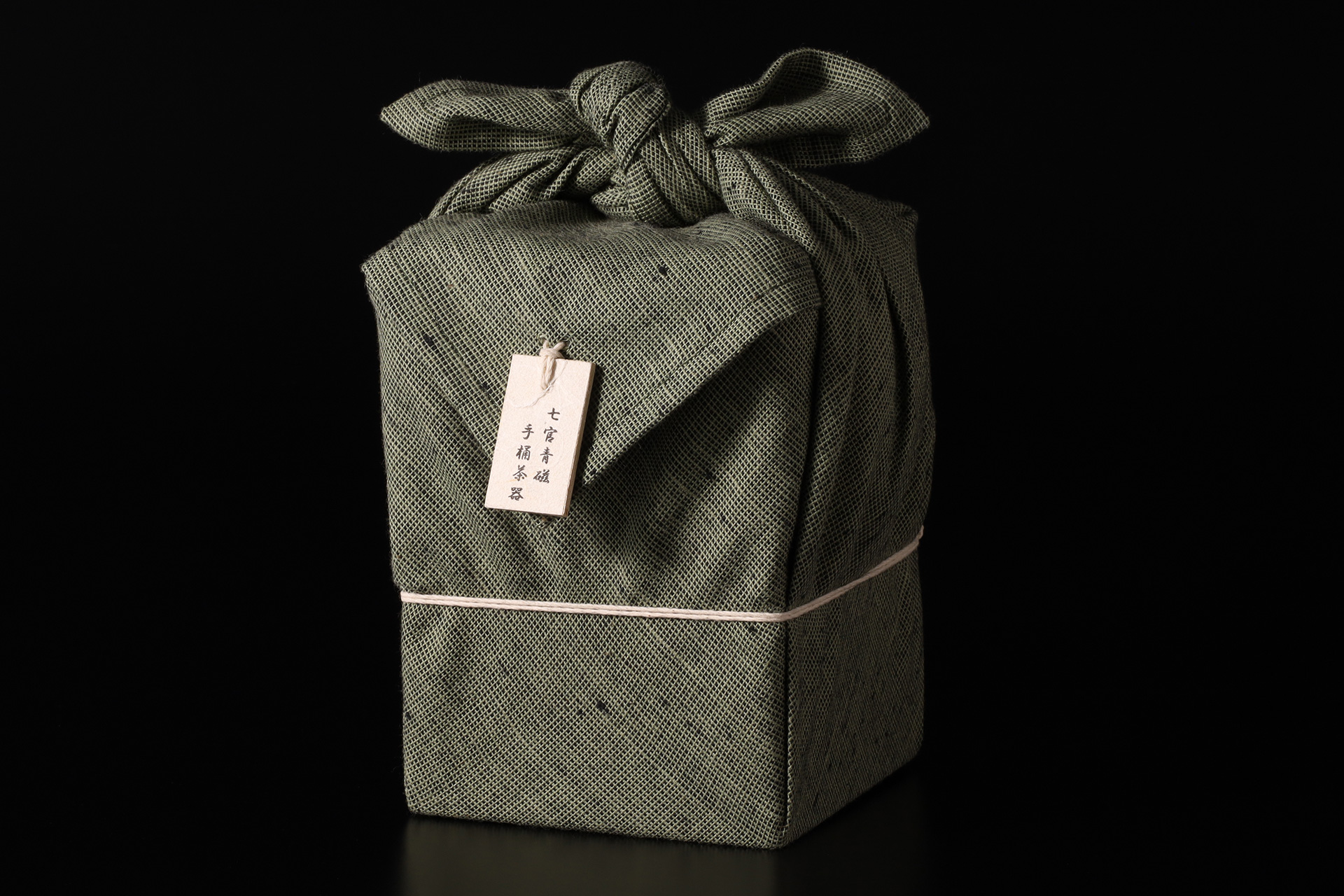
This is a Shichikan celadon hand‑bucket tea vessel fired at the Longquan kilns during the Ming dynasty. Its ideal pale‑asagi celadon glaze catches the light with a gentle, subdued glow, while fine crackles spread across the surface with quiet elegance. The ivory lid is fitted with a gourd‑shaped knob, a traditional auspicious motif symbolizing protection from misfortune and the invitation of good fortune, adding a refined touch to the tea vessel’s serene presence.
* Due to the presence of an ivory lid, this item cannot be shipped internationally.
⇒ Tokyo National Museum Collection (Reference Example / External Link)
- Product Code
- 260602-3
- Period
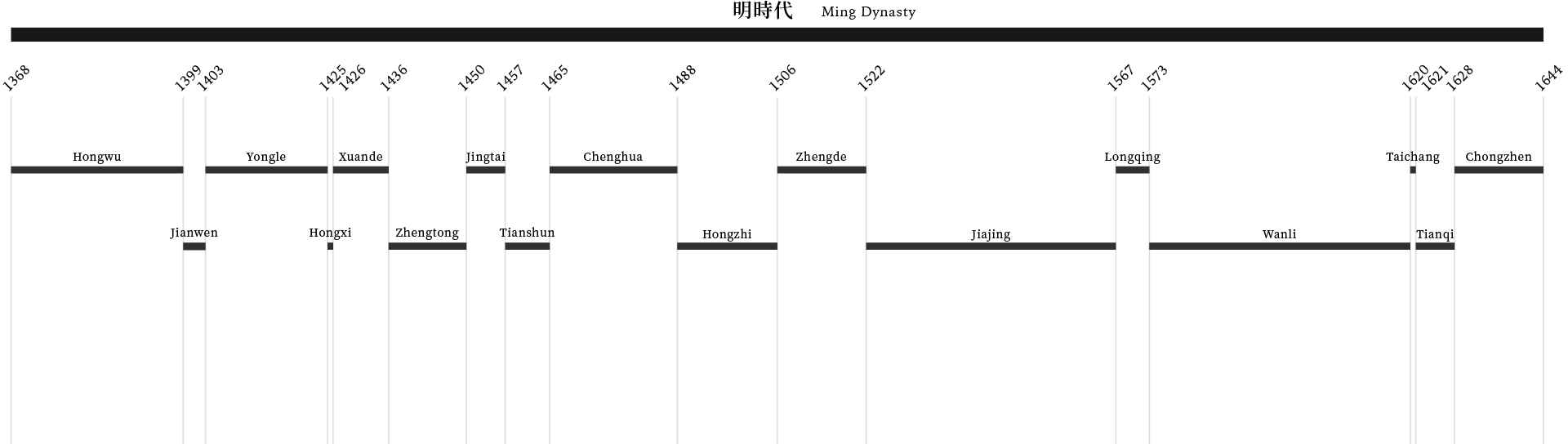
- Ming Dynasty
16 - 17th Century
- Weight
- 187 g
- Width × Depth
- 7.7 × 7.2 cm
- Height
- 10.0 cm
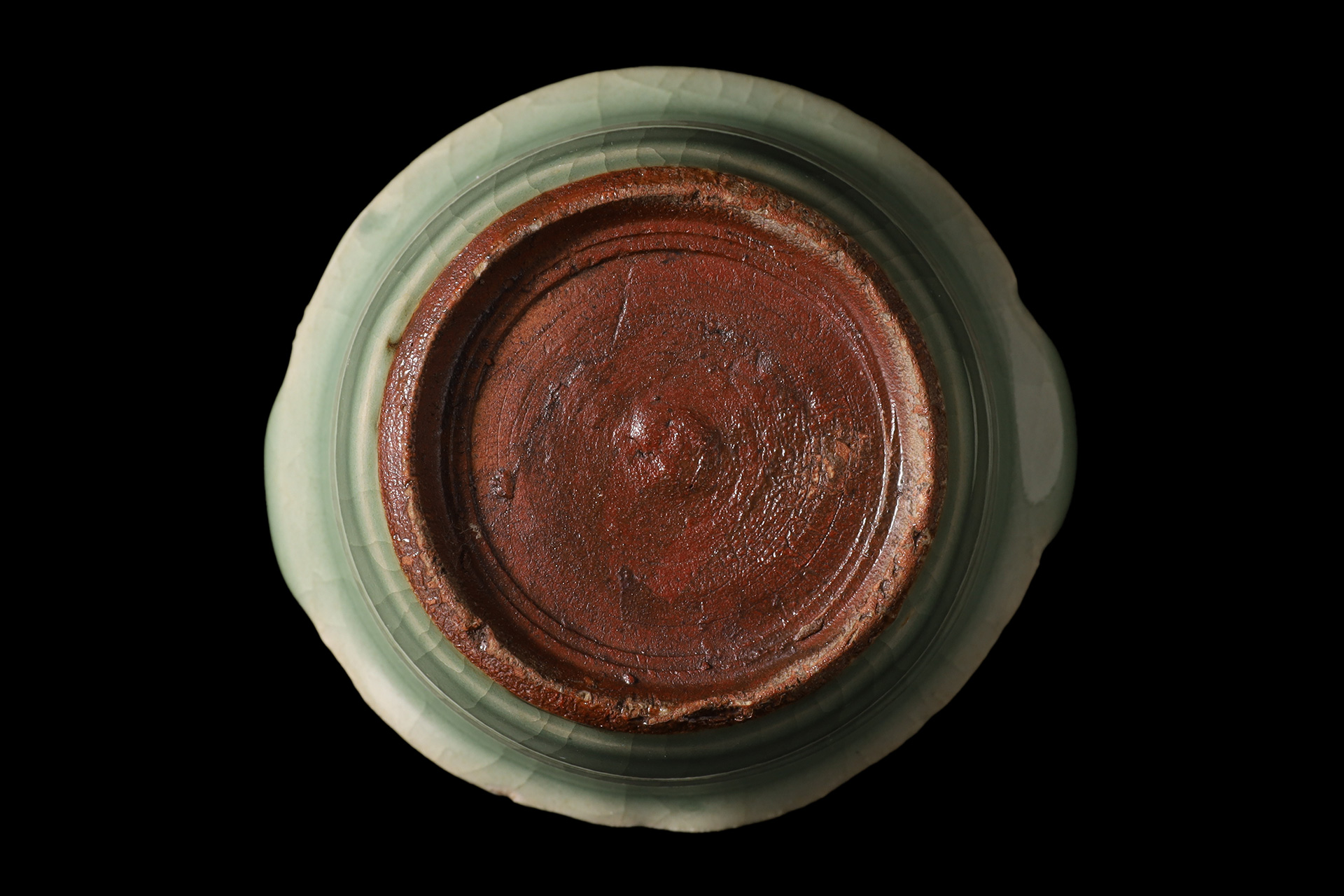
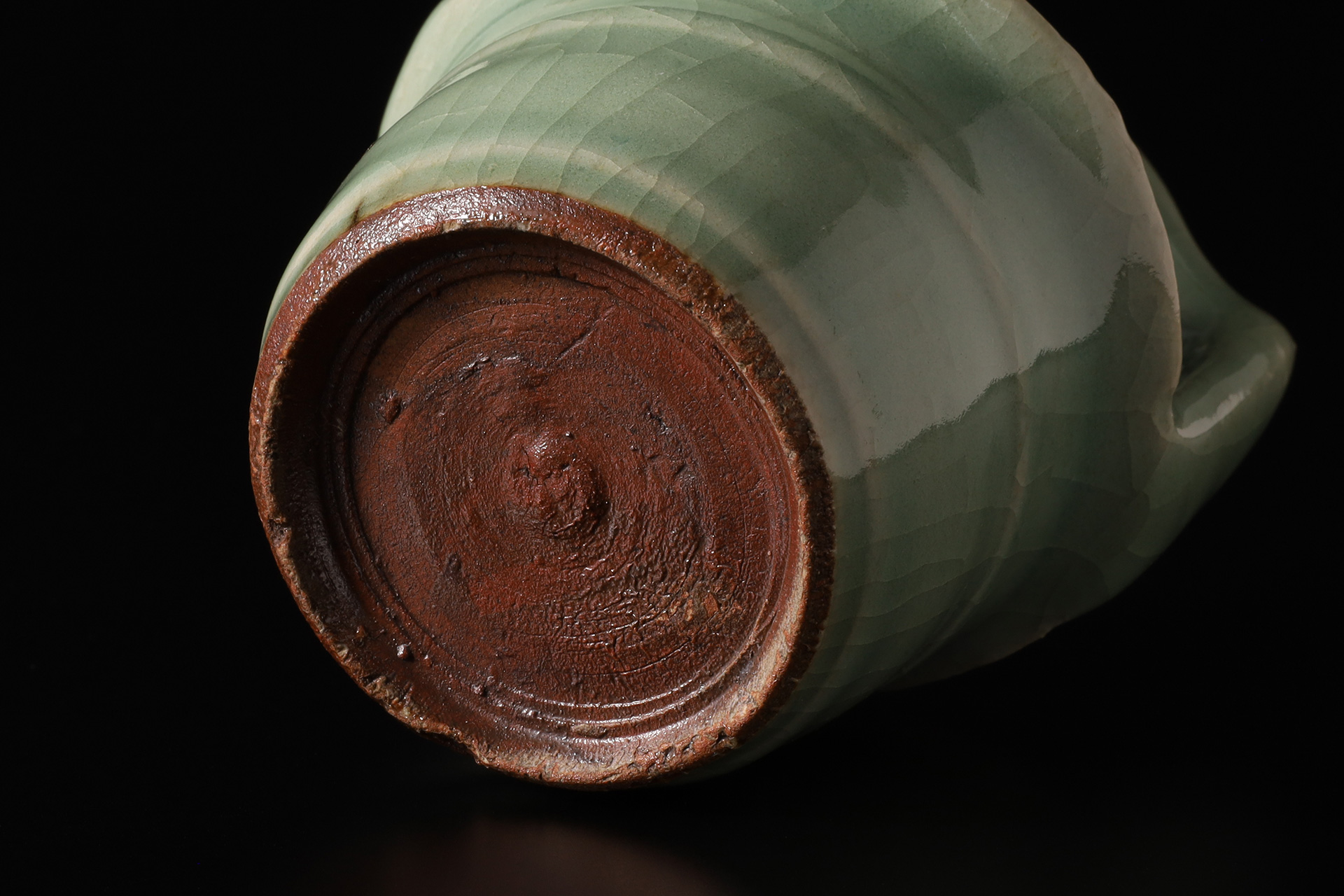
- Base Diameter
- 4.8 cm
- Accessories
- Ivory Lid
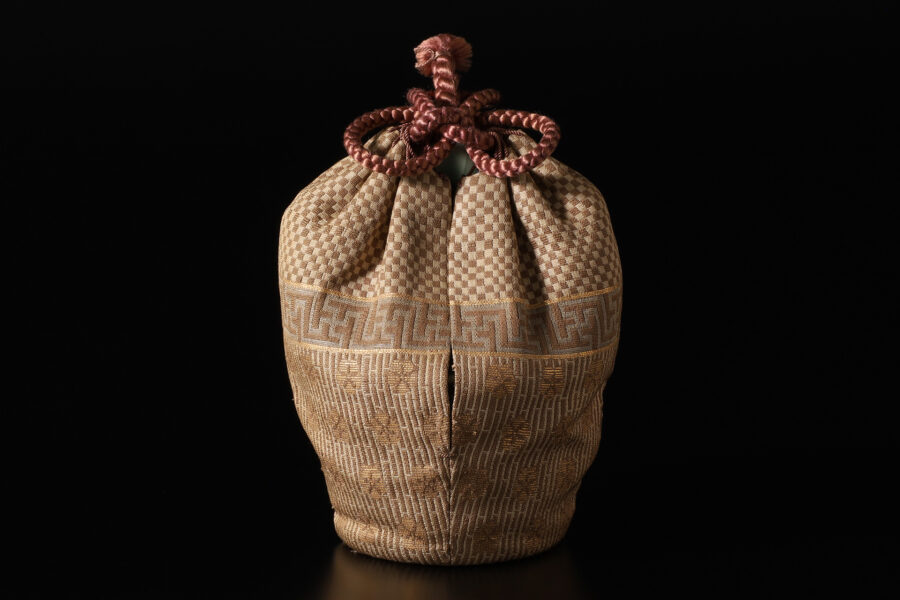
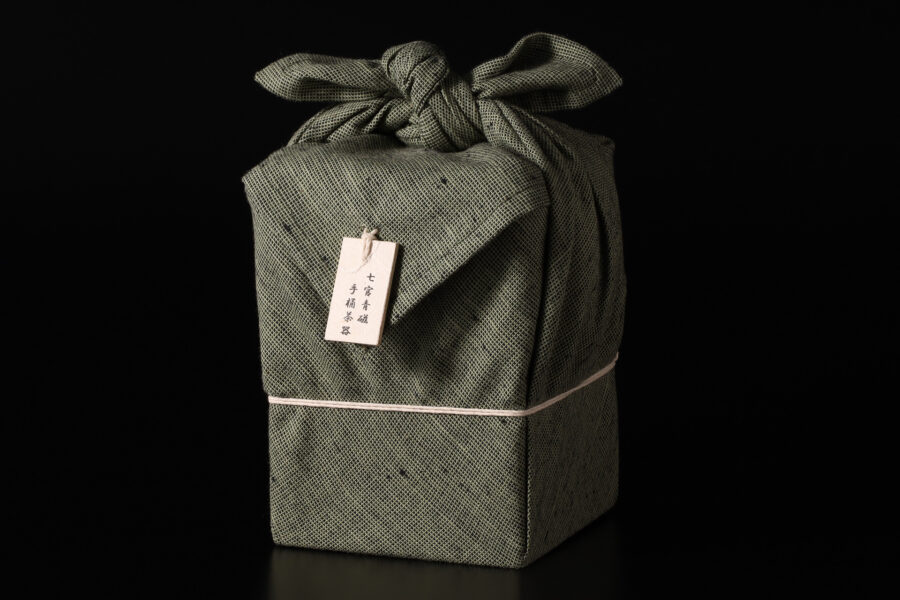
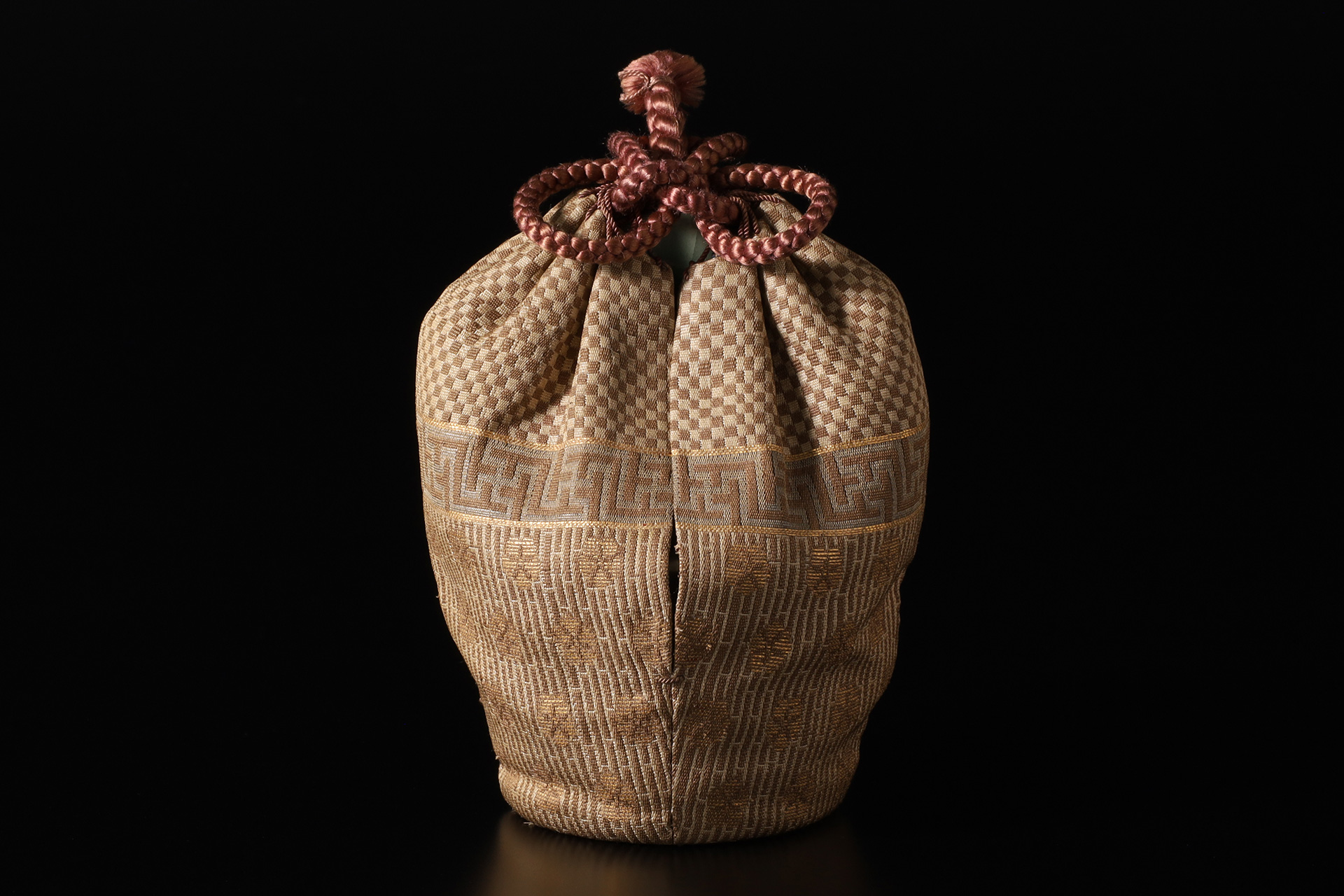
Shifuku (Silk Pouch)
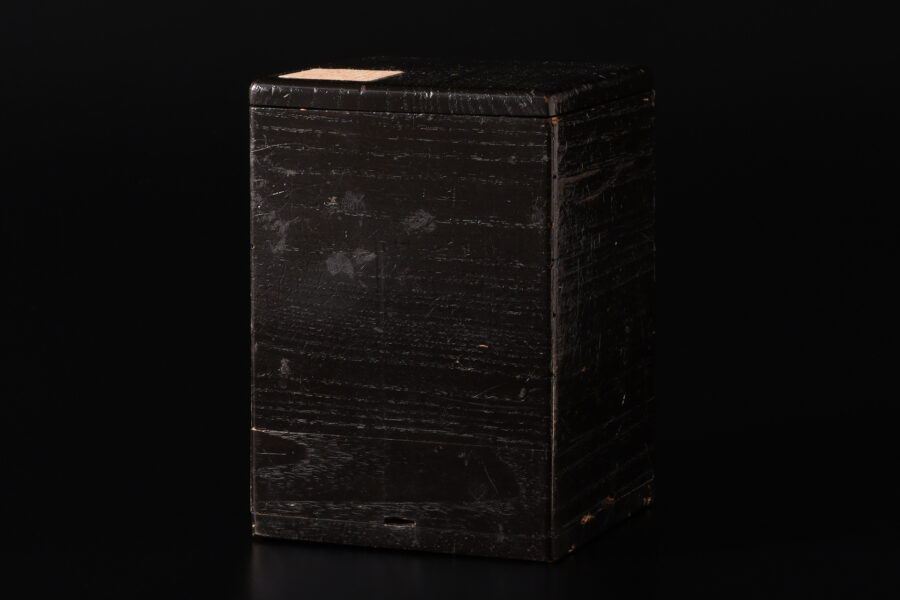
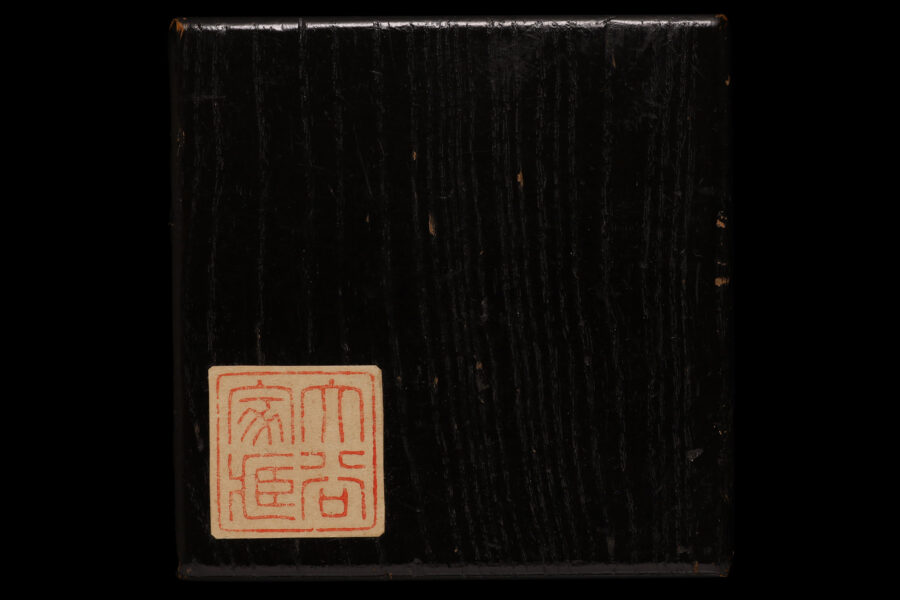
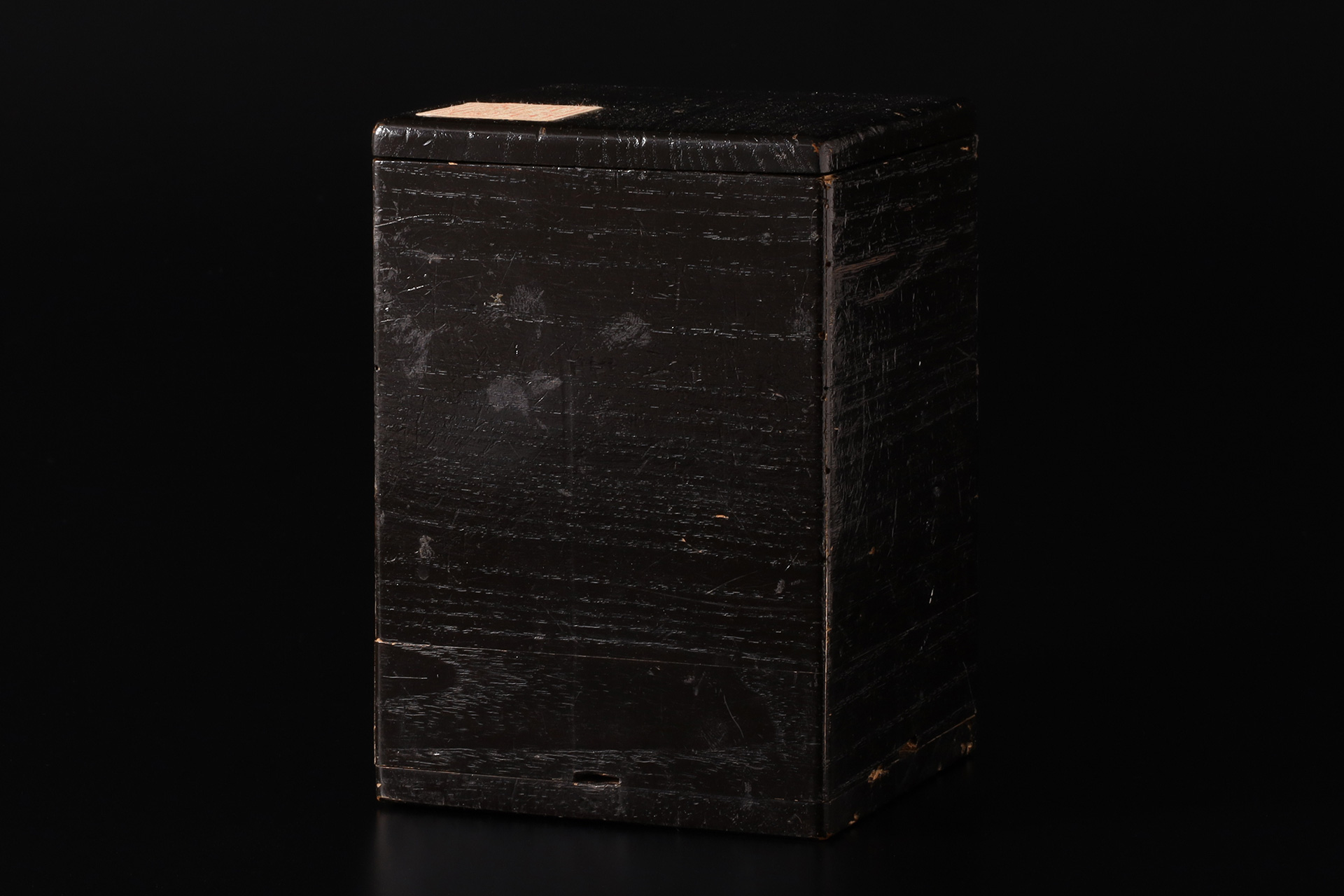
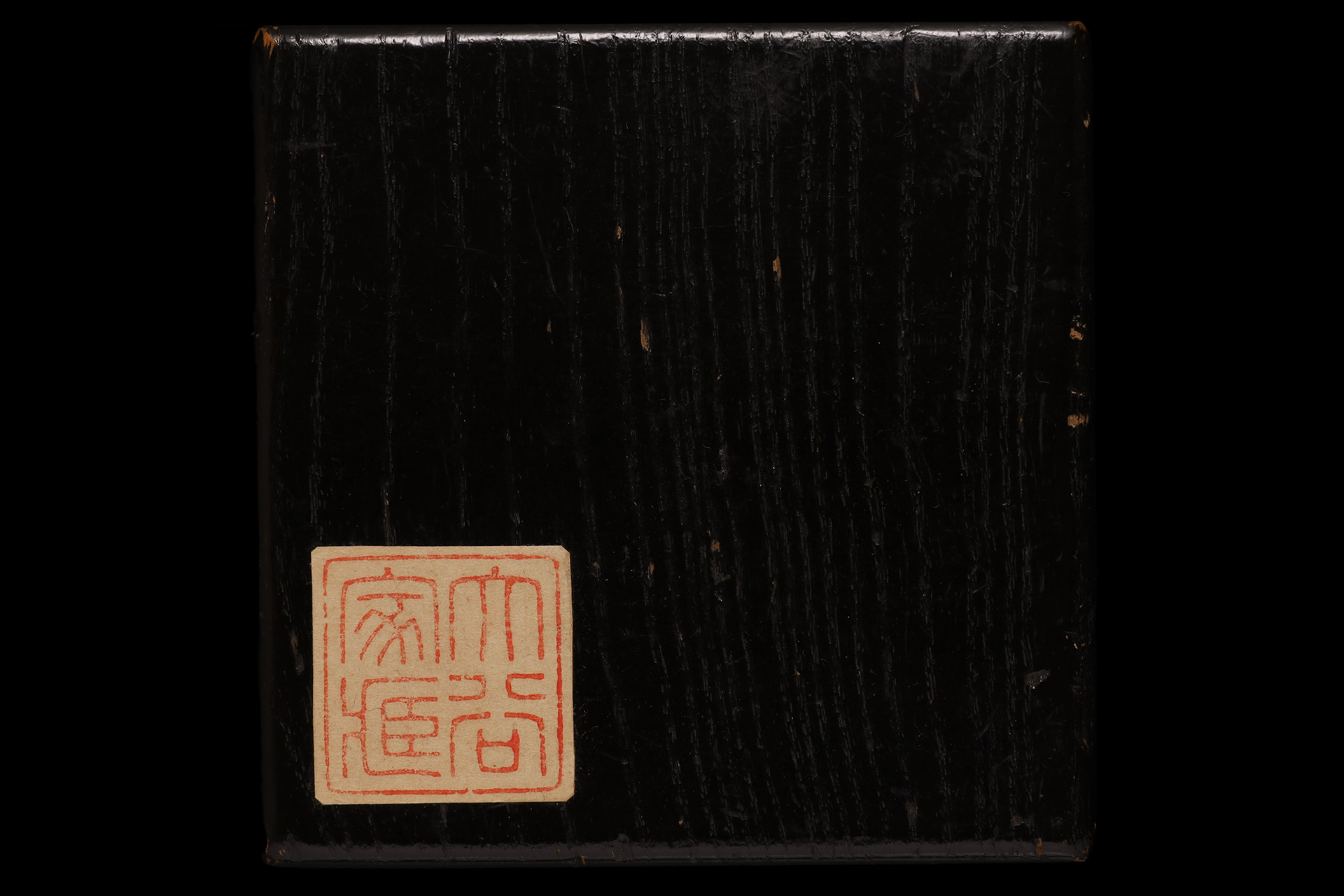
Paulownia Box
- Condition
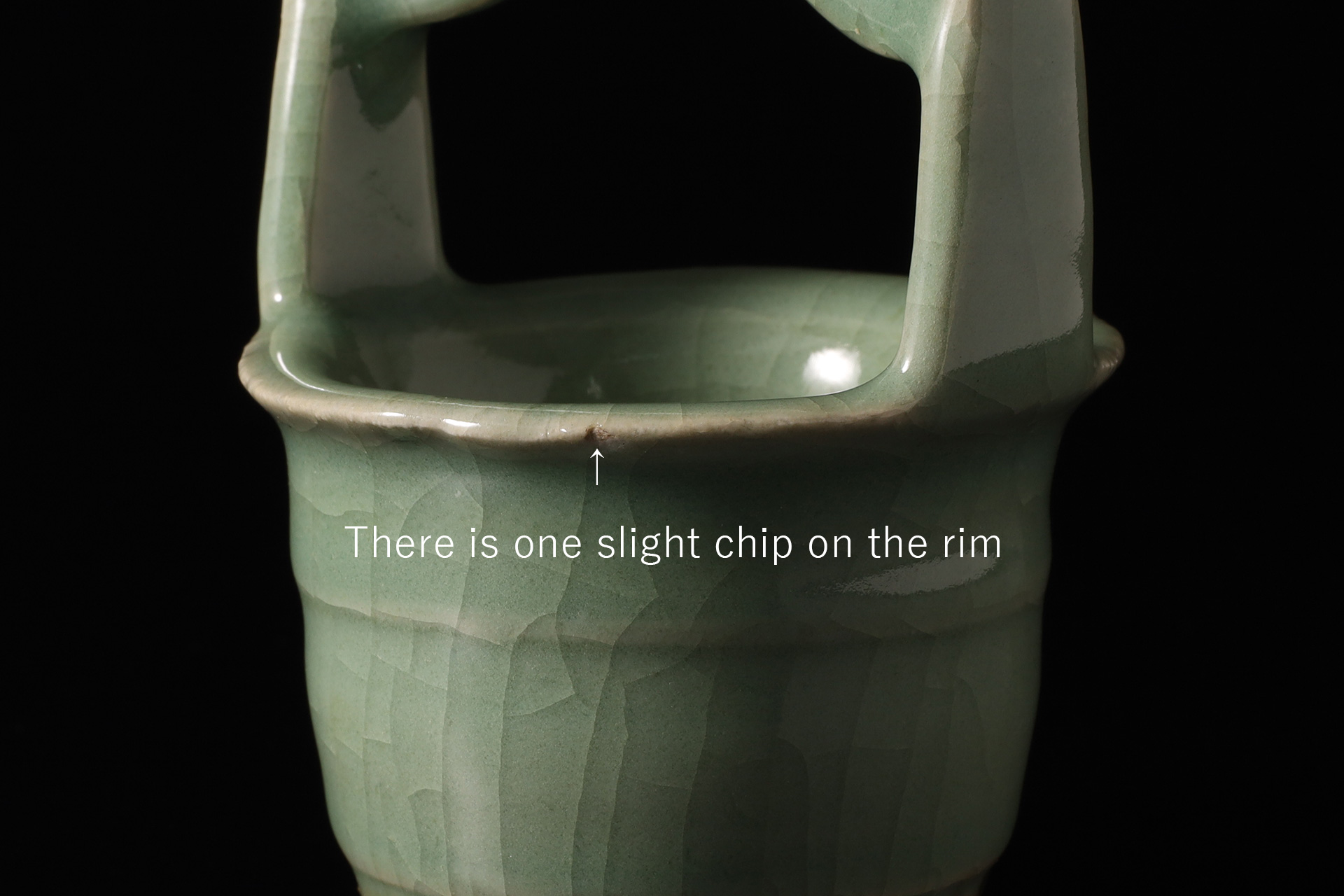
- - There is one slight chip on the rim (Refer to the image)
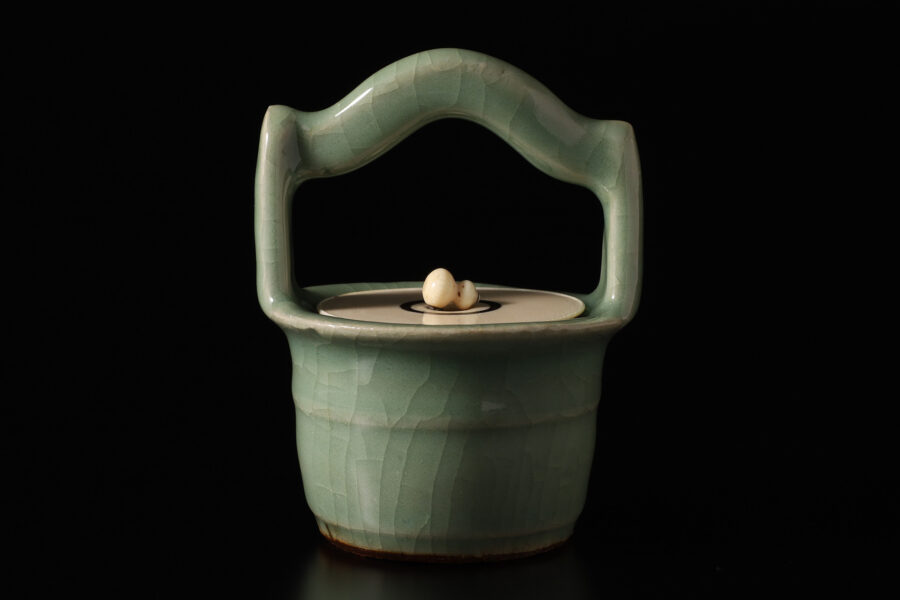
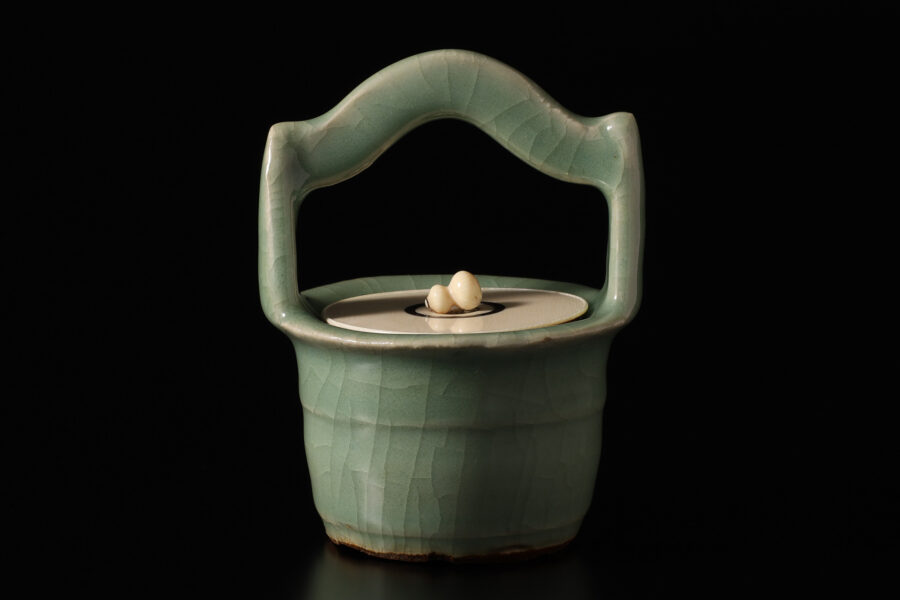
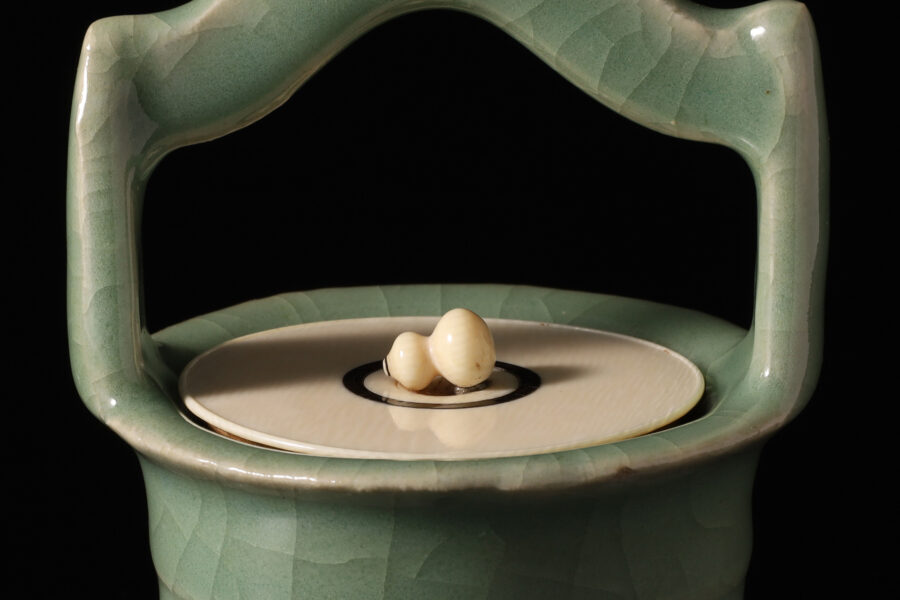
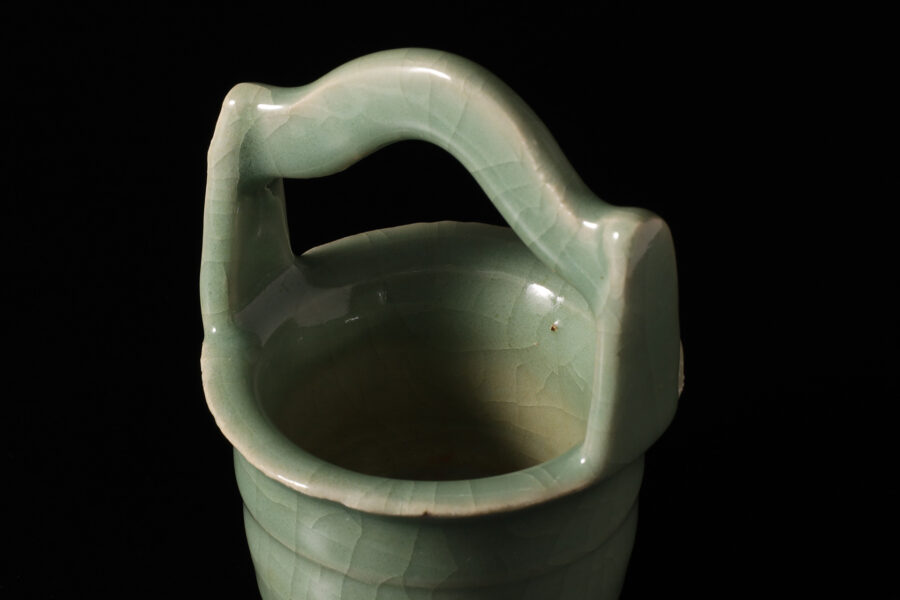
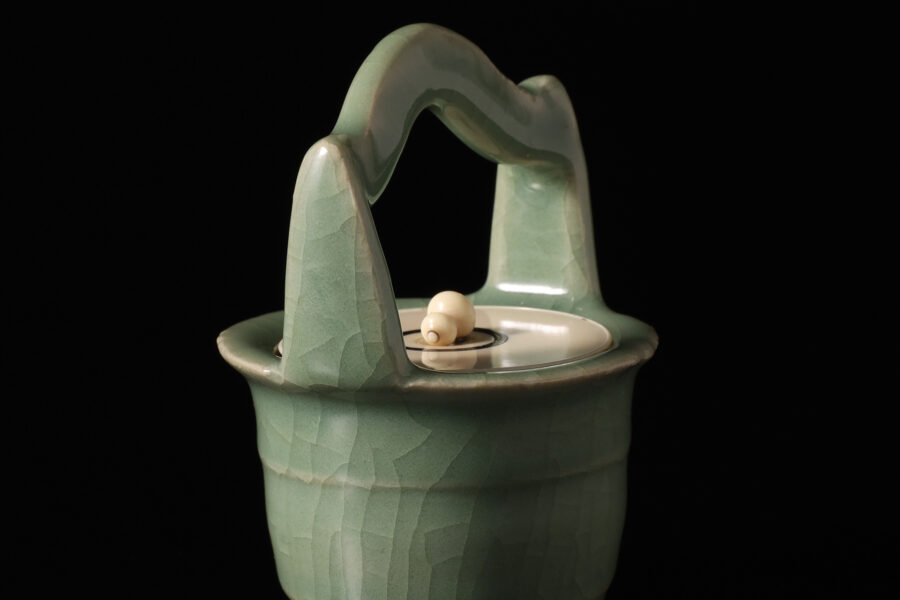
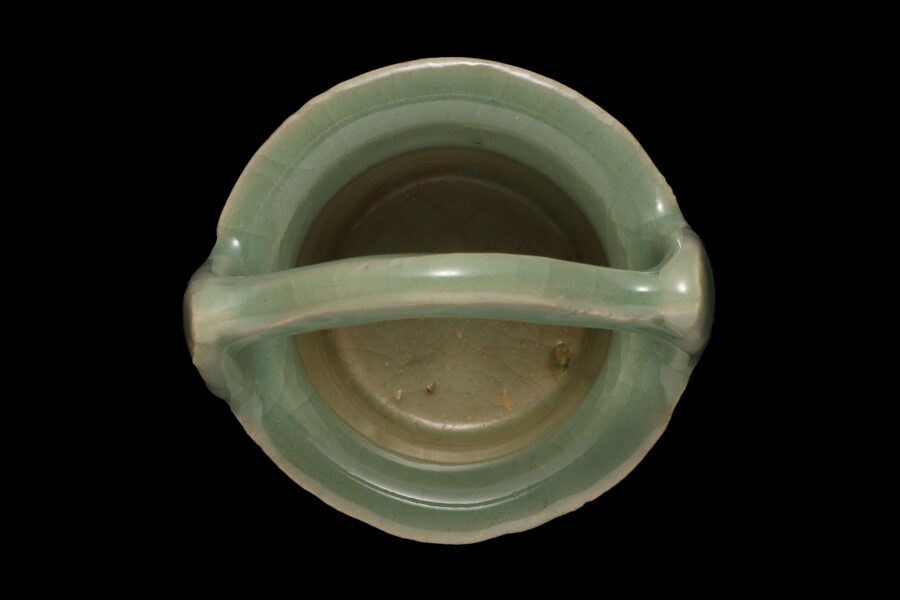
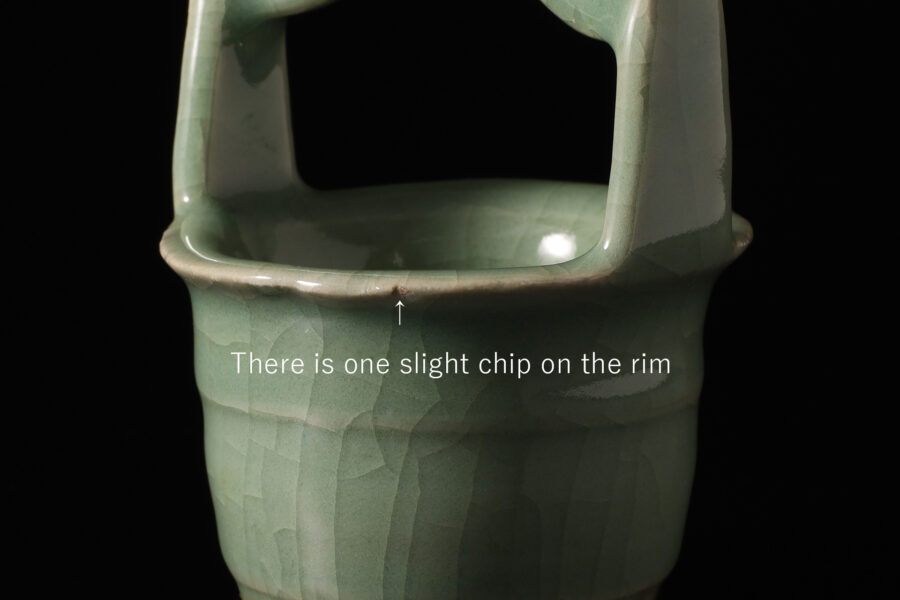
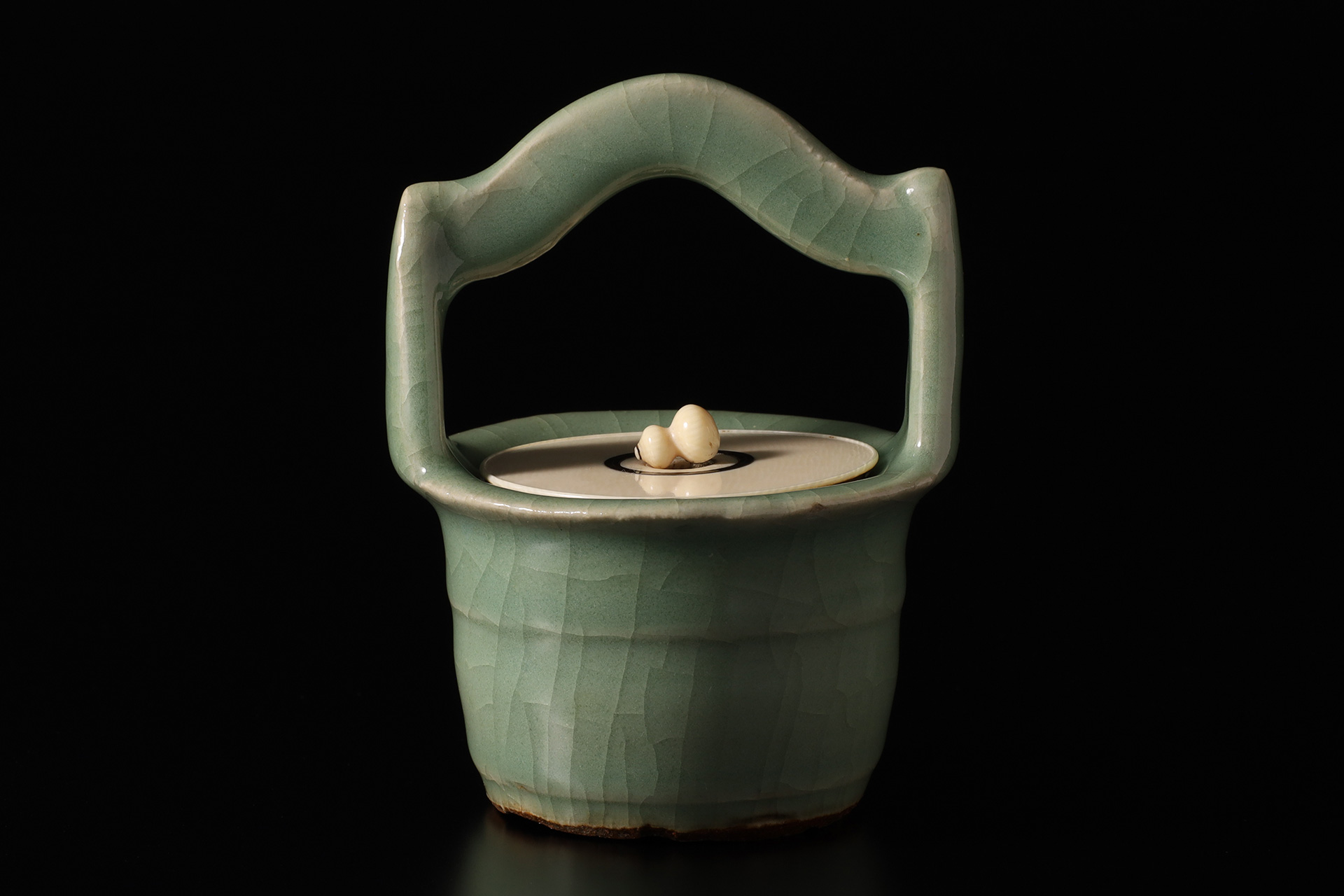
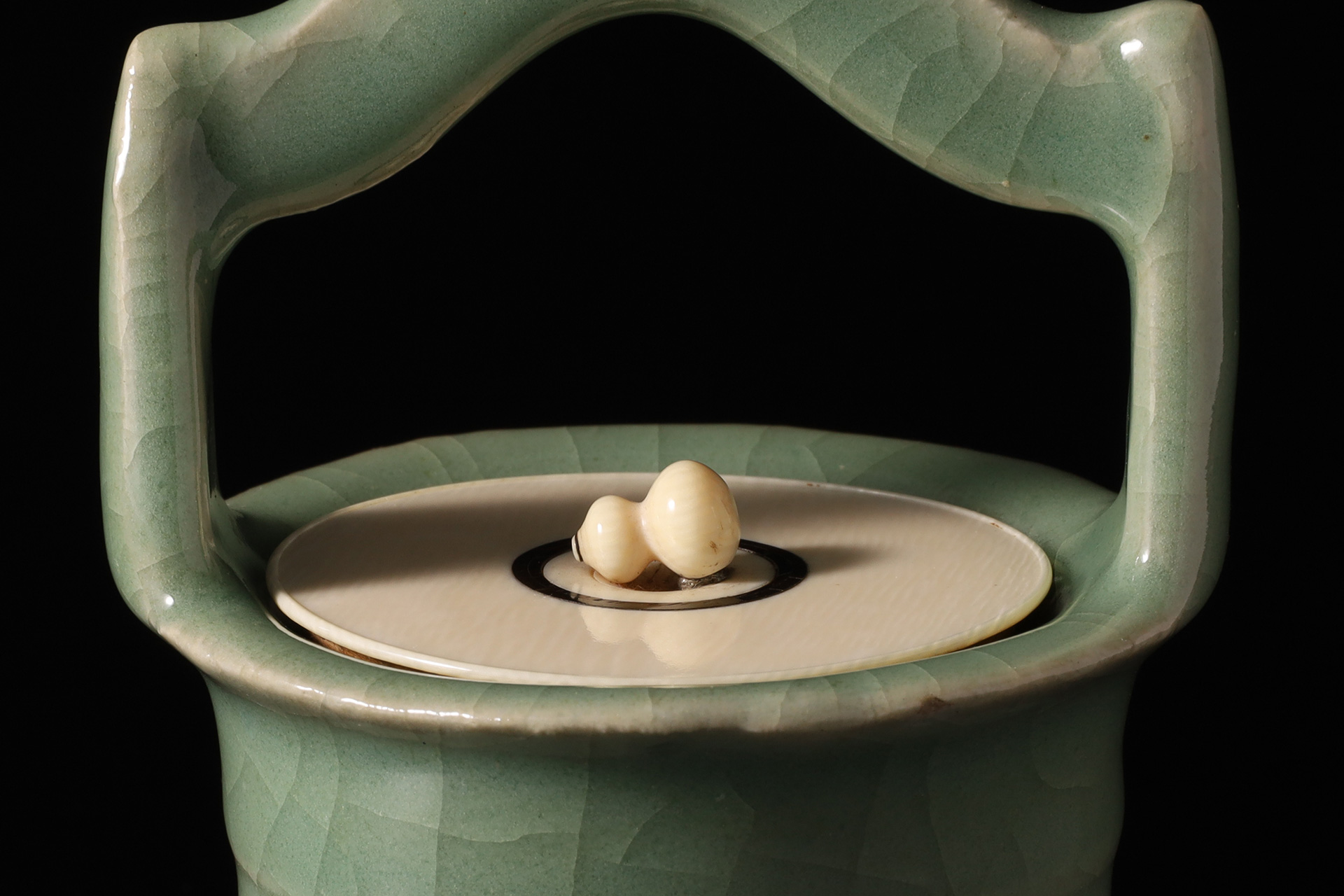
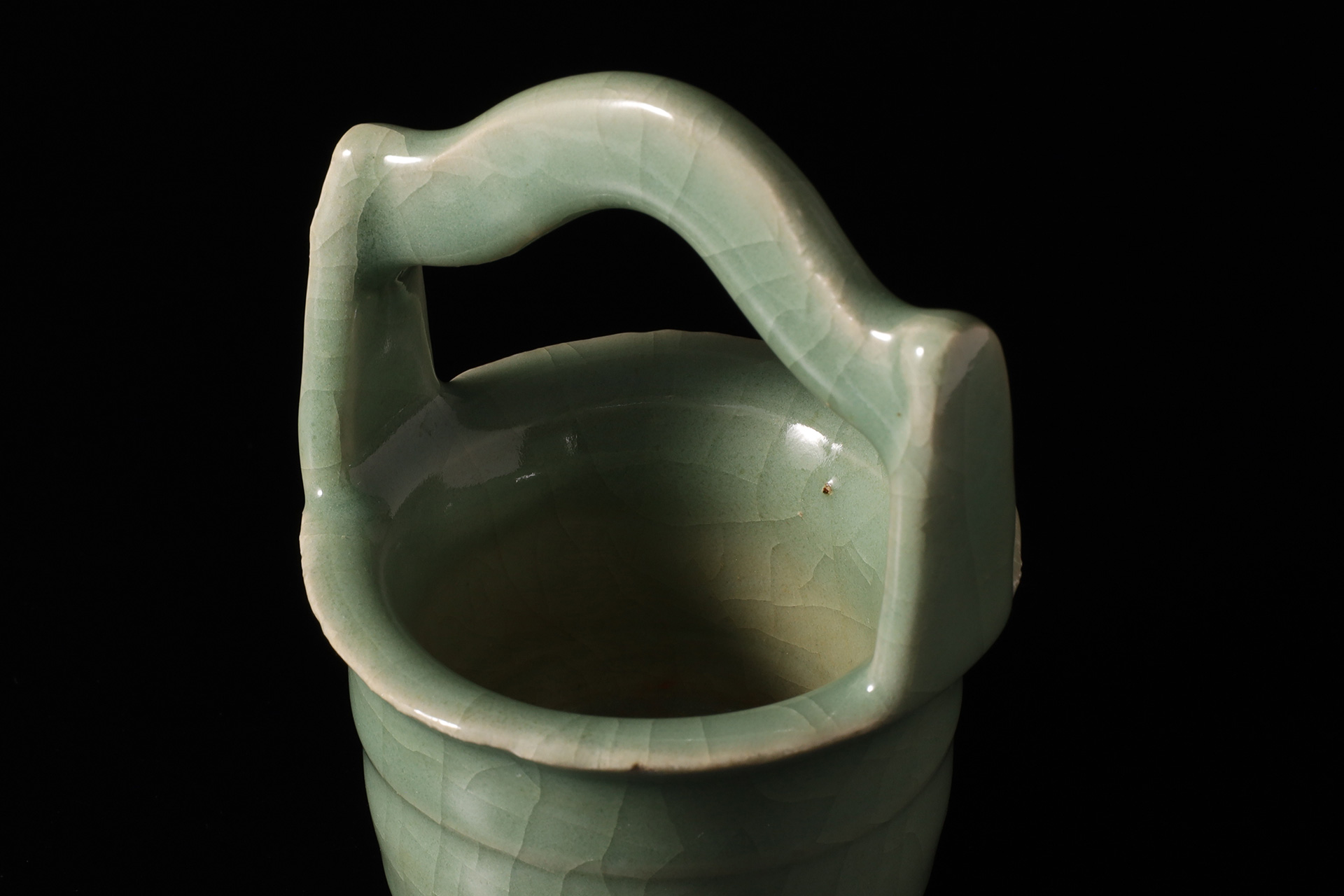
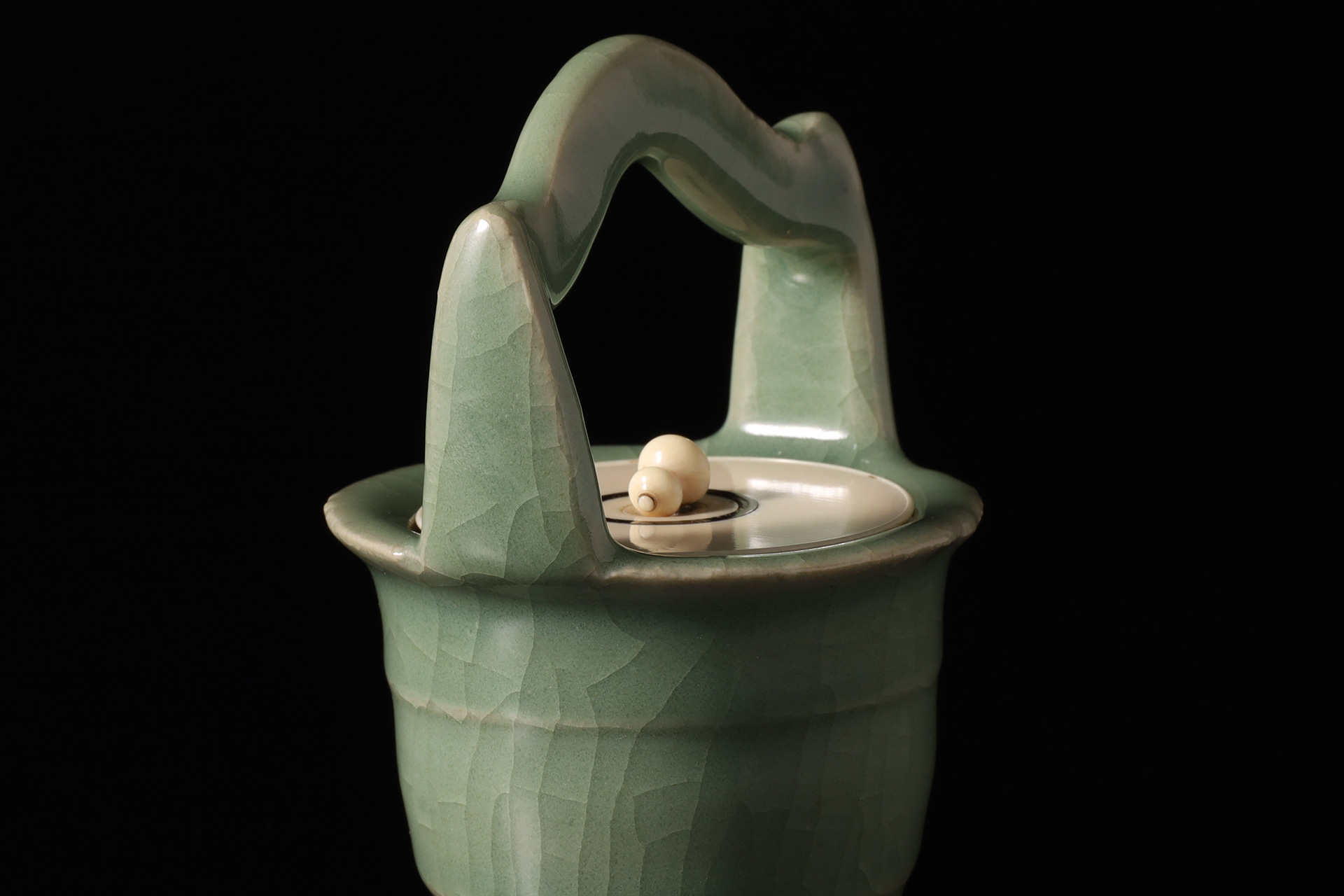
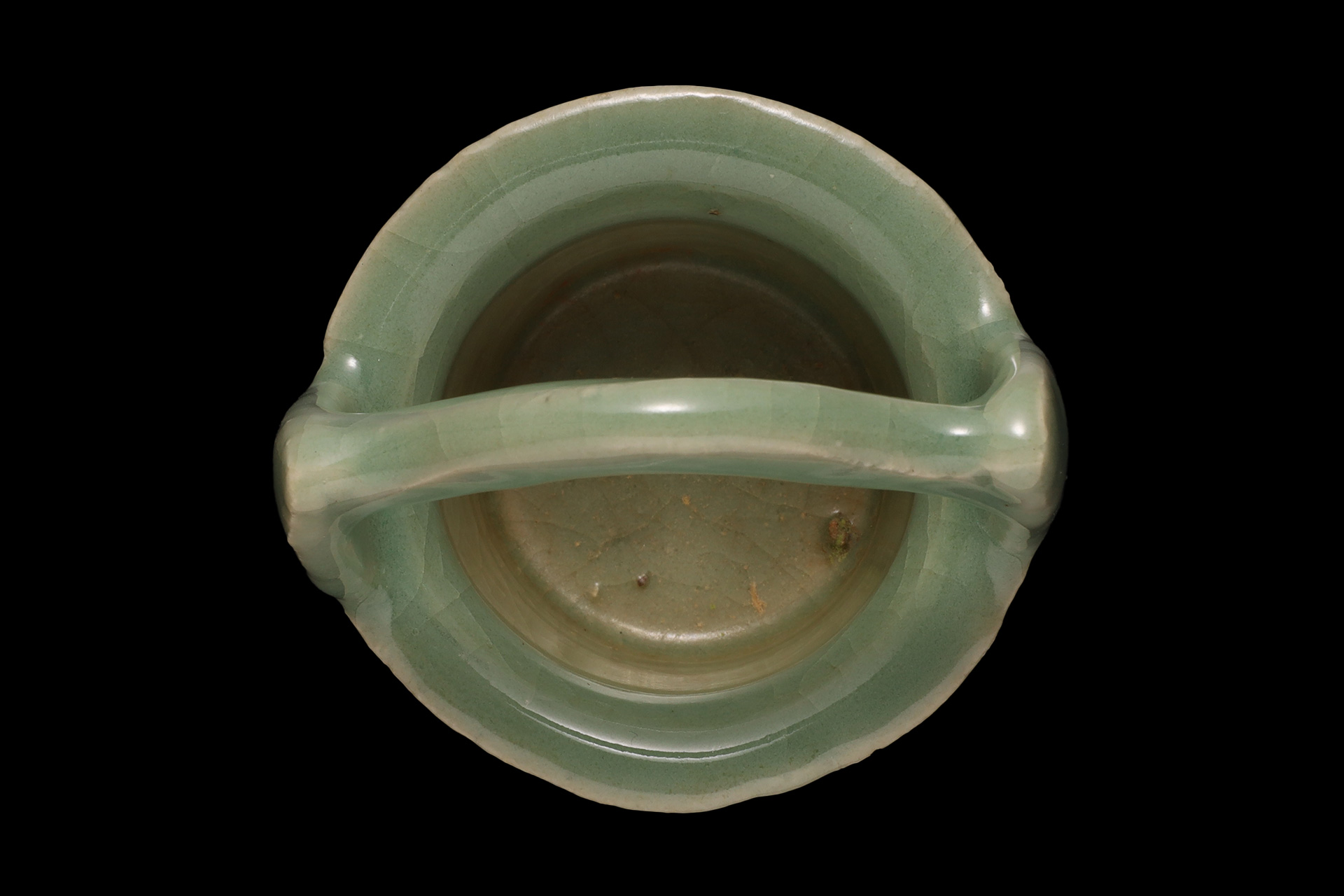


Shichikan Celadon
Shichikan celadon refers to a type of celadon ware fired at the Longquan kilns from the mid-Ming to early Qing dynasty. The name is traditionally believed to derive from Chinese officials of the seventh rank (shichikan) who are said to have introduced these wares to Japan. Favored by literati, Shichikan Celadon is characterized by small-scale vessels such as incense burners, incense containers, flower vases, and scholarly desk objects. Its glaze—an elegant greenish-blue with remarkable clarity and gloss—recalls the luminous depth of bidoro (vidro) glass. In contrast to Kinuta and Tenryūji celadon, which tend to show minimal surface crackle, Shichikan celadon often exhibit bold and expressive crazing (fine crackle patterns in the glaze), lending a rich visual texture that quietly animates the surface. Within its tranquil presence lies a subtle yet vivid expression of poetic beauty.