


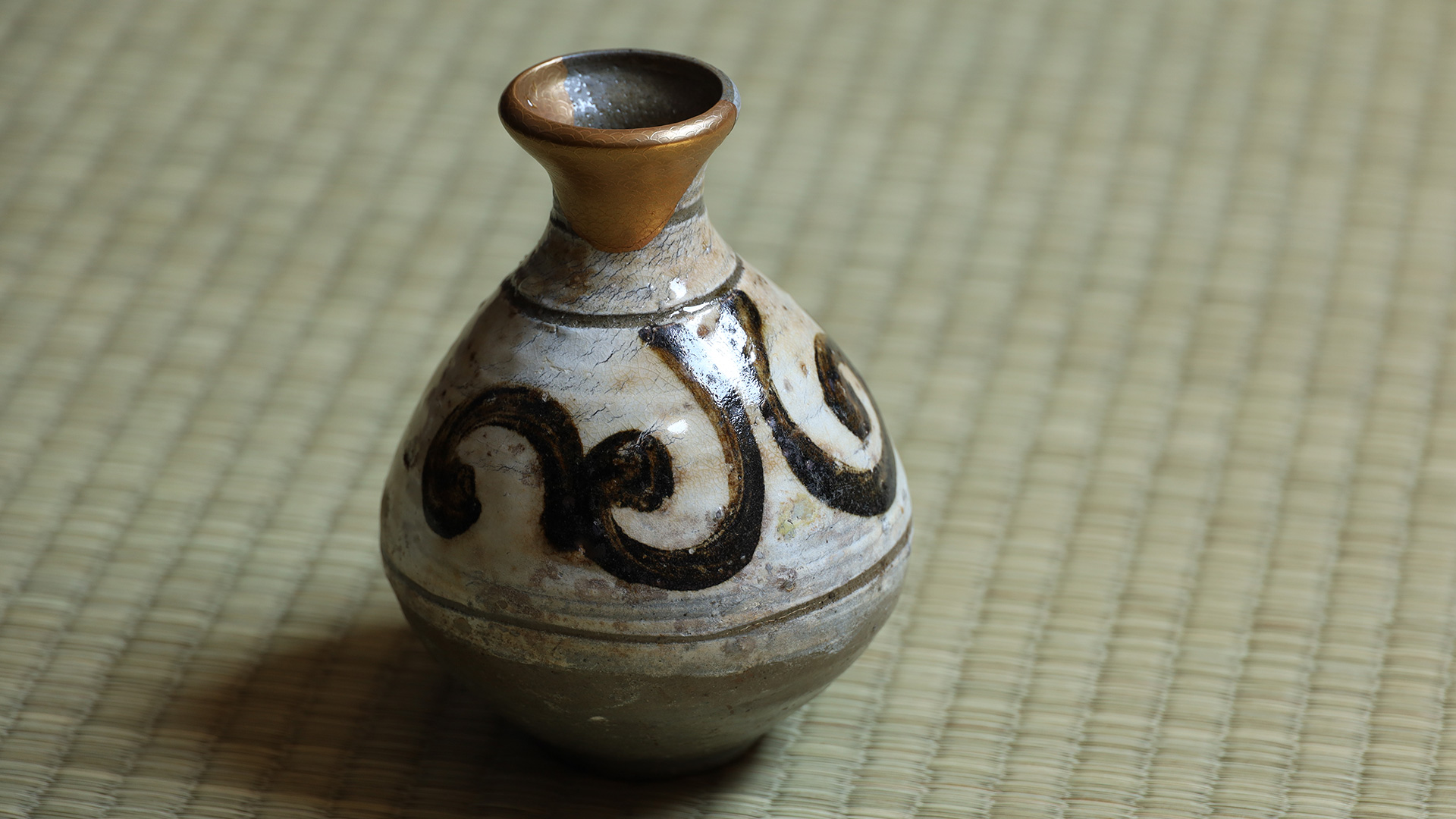
Gyeryongsan E-Hakeme Bottle with Arabesque Motif (Joseon Dynasty)
1,500,000Yen(Tax Included)
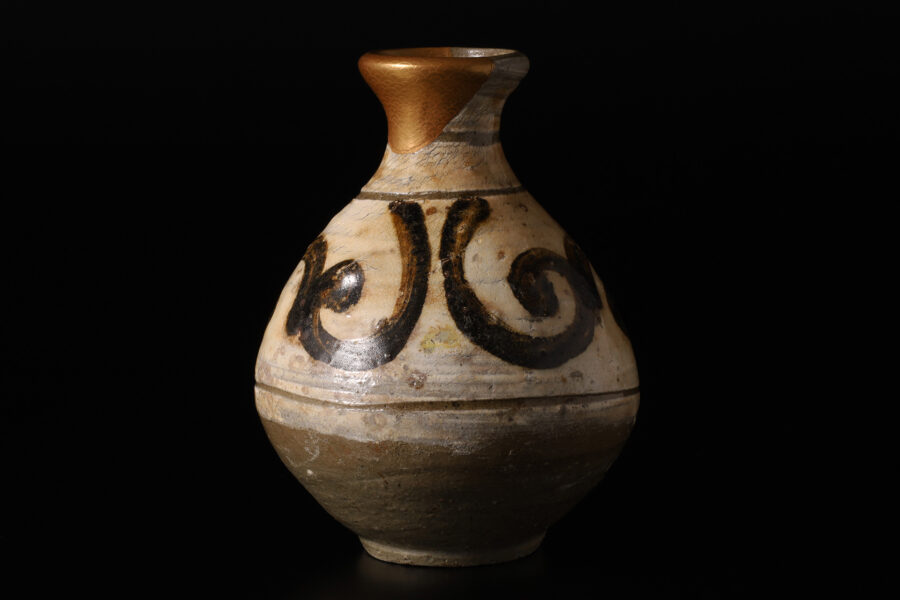
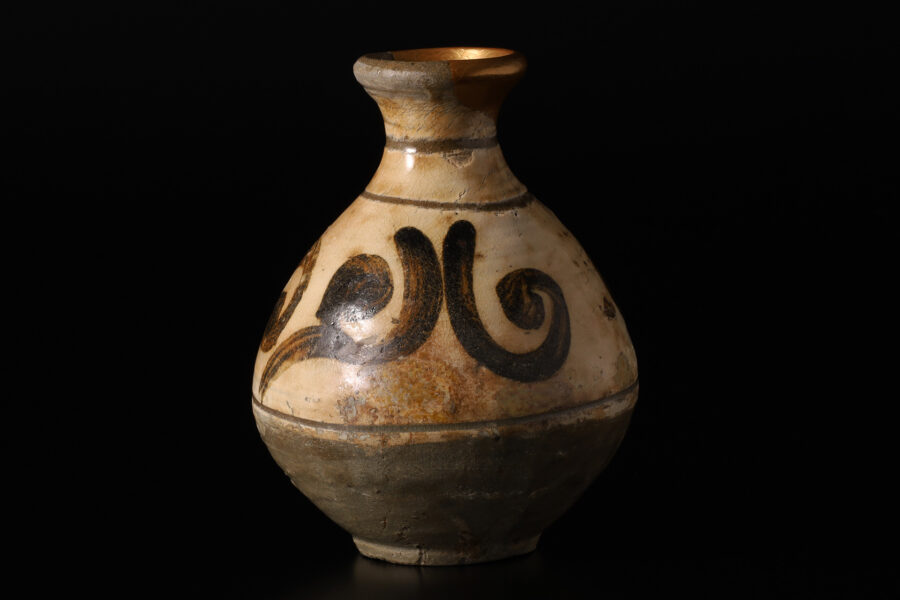
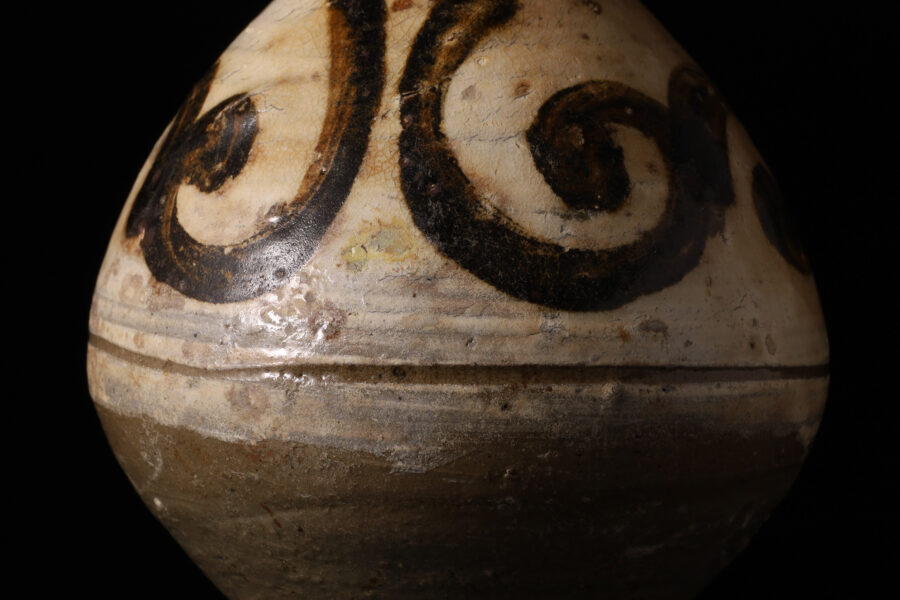
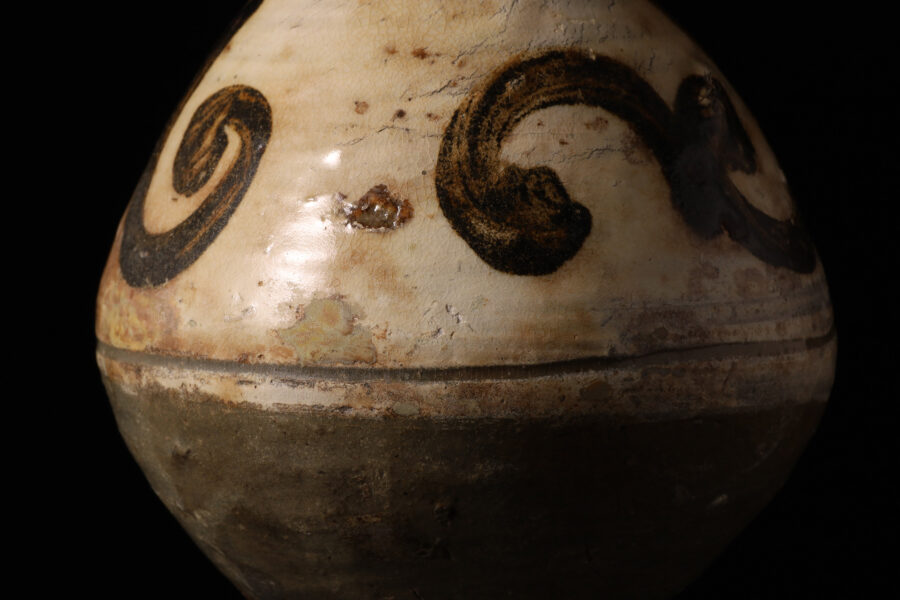
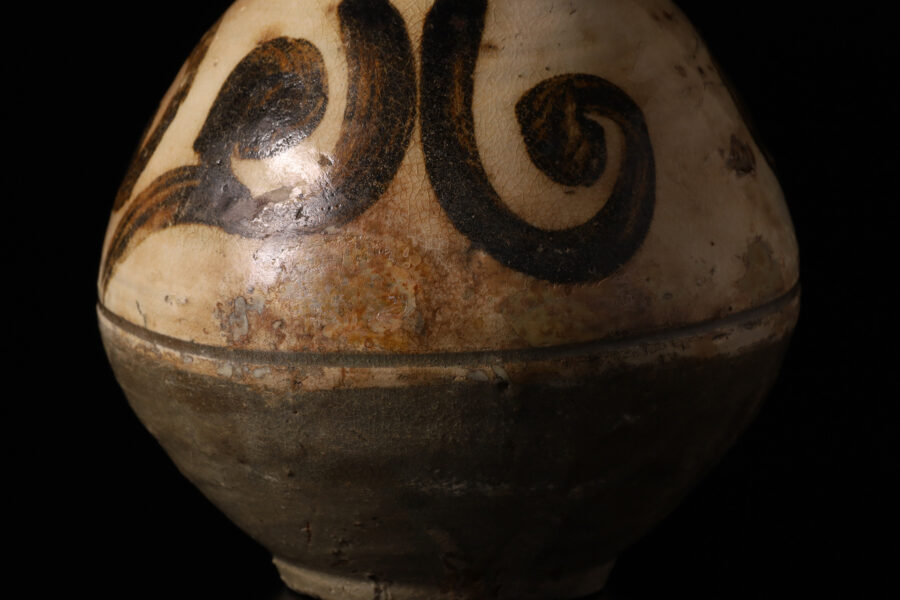
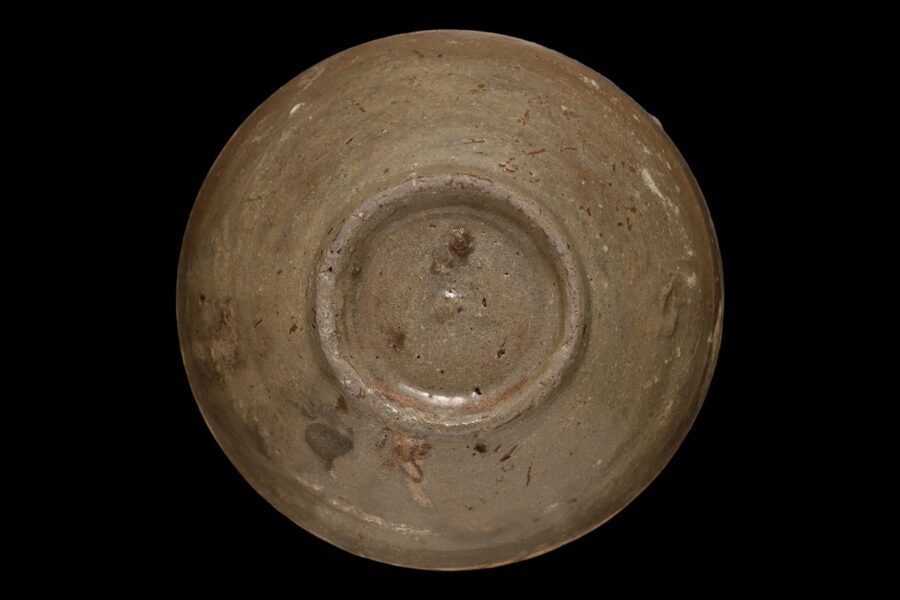
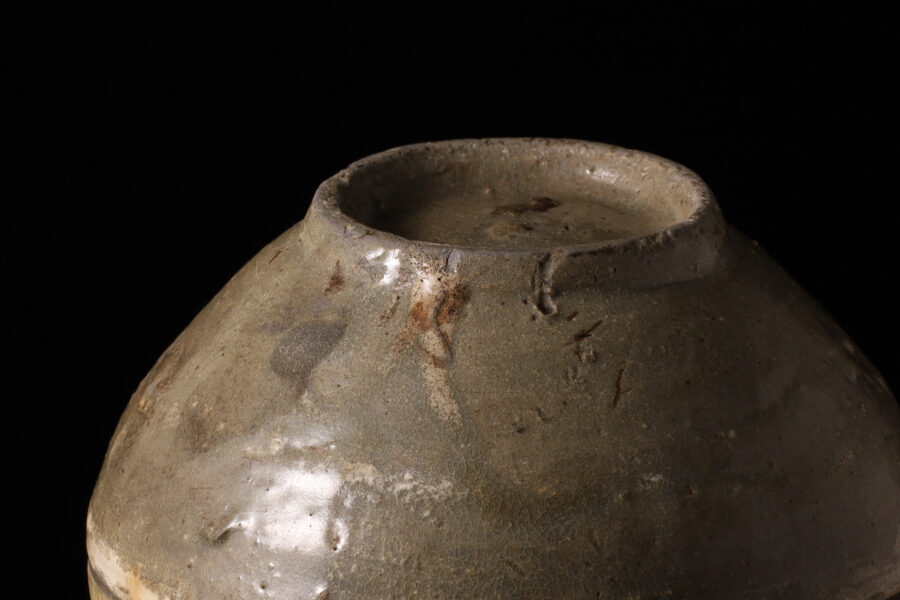
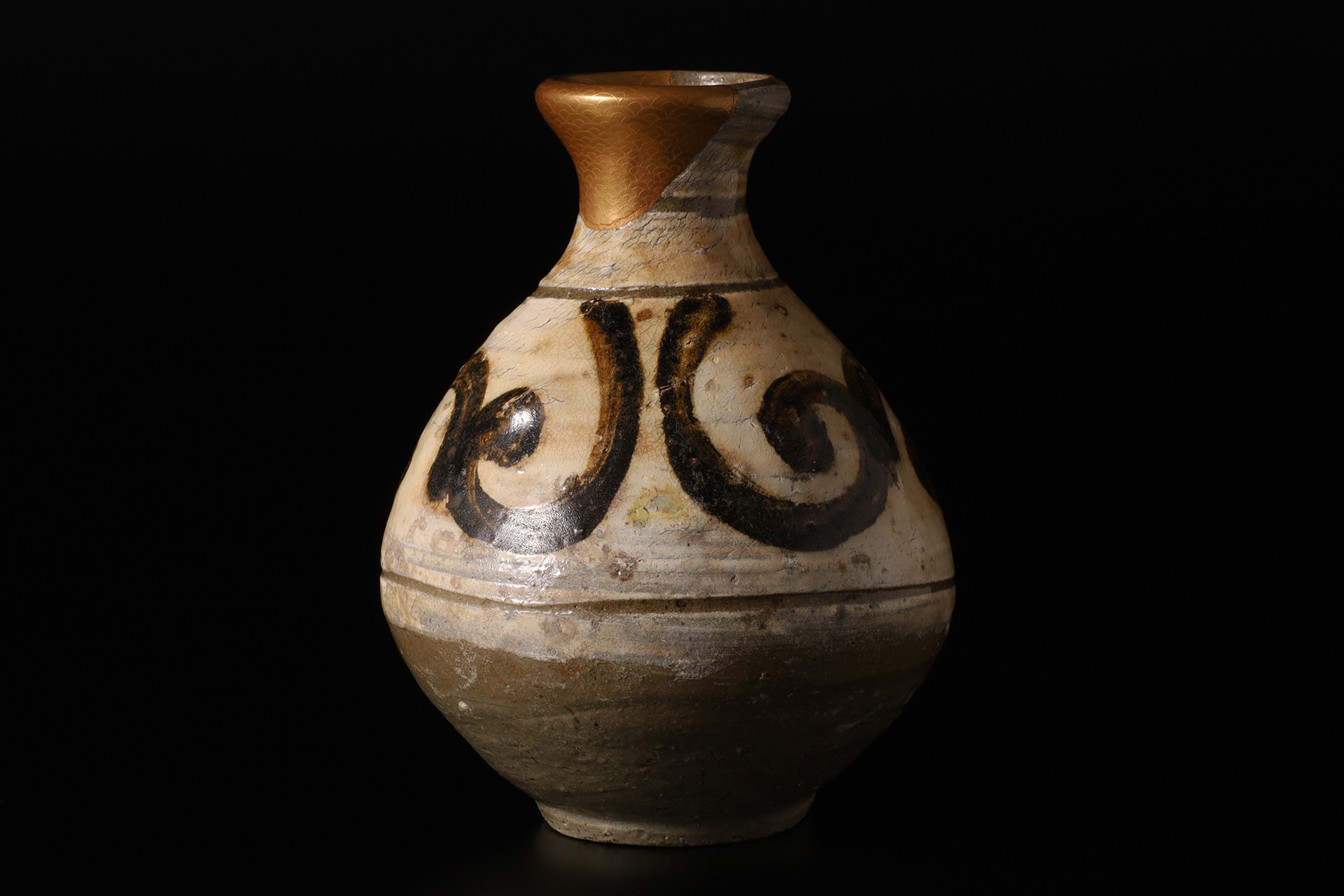
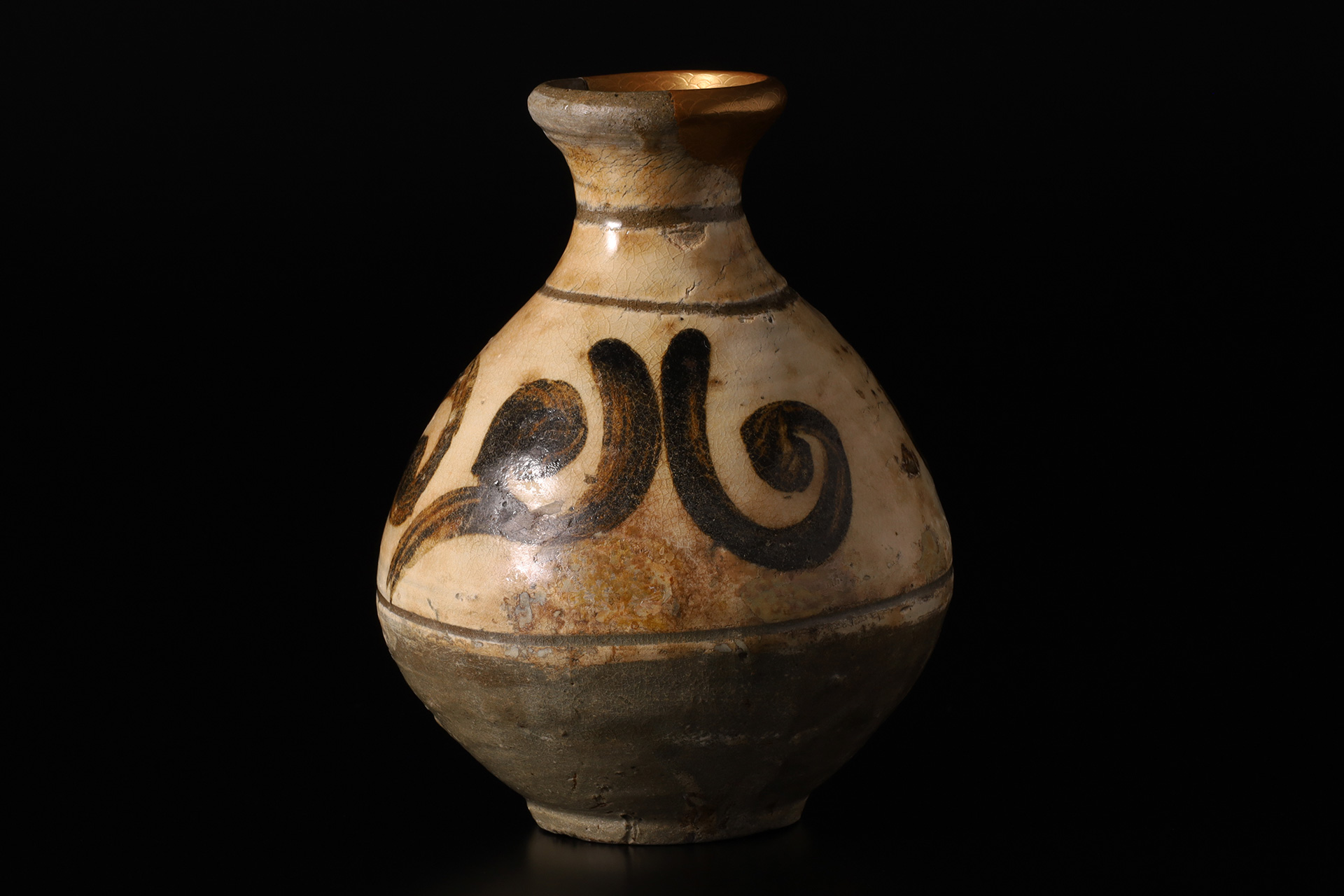
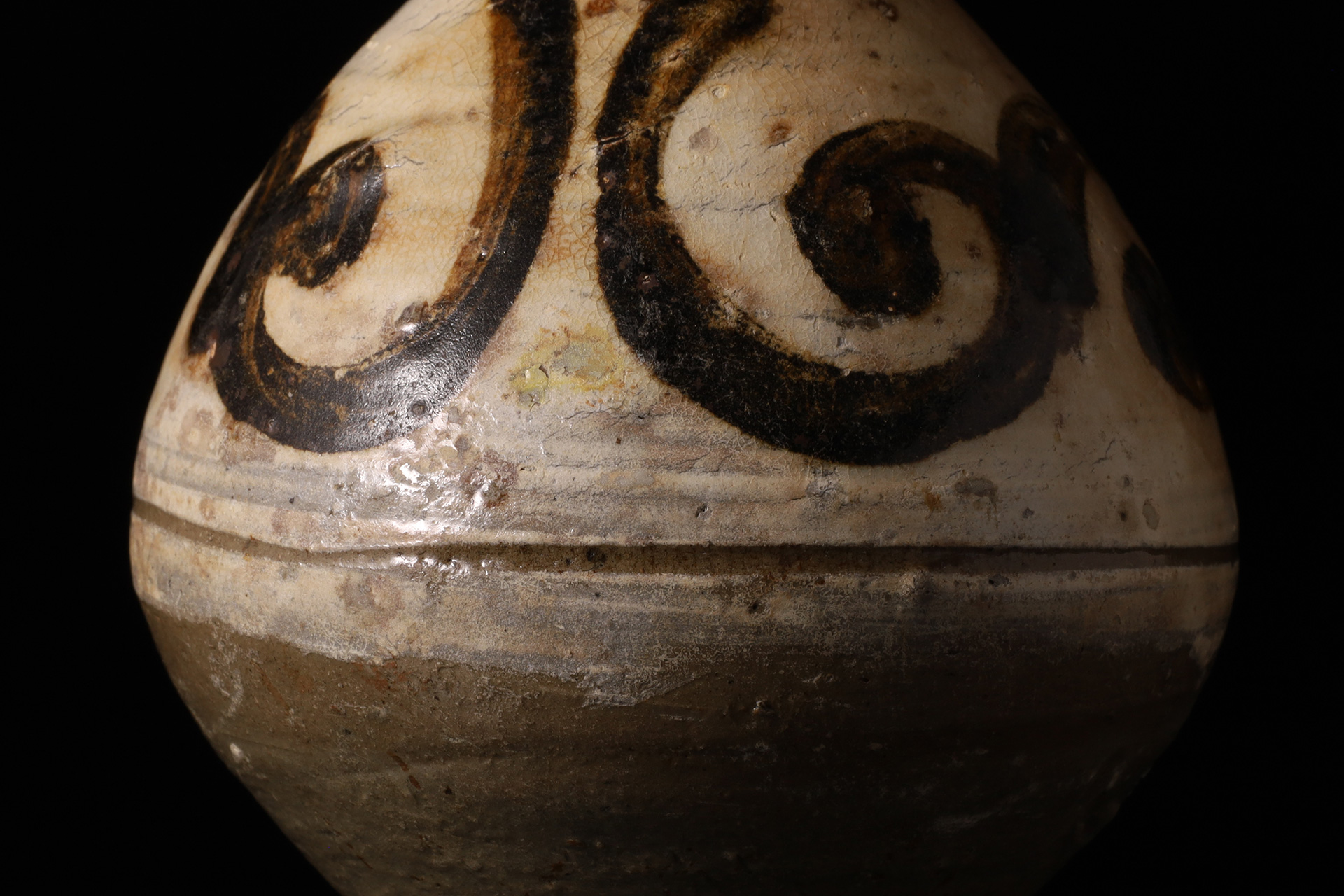
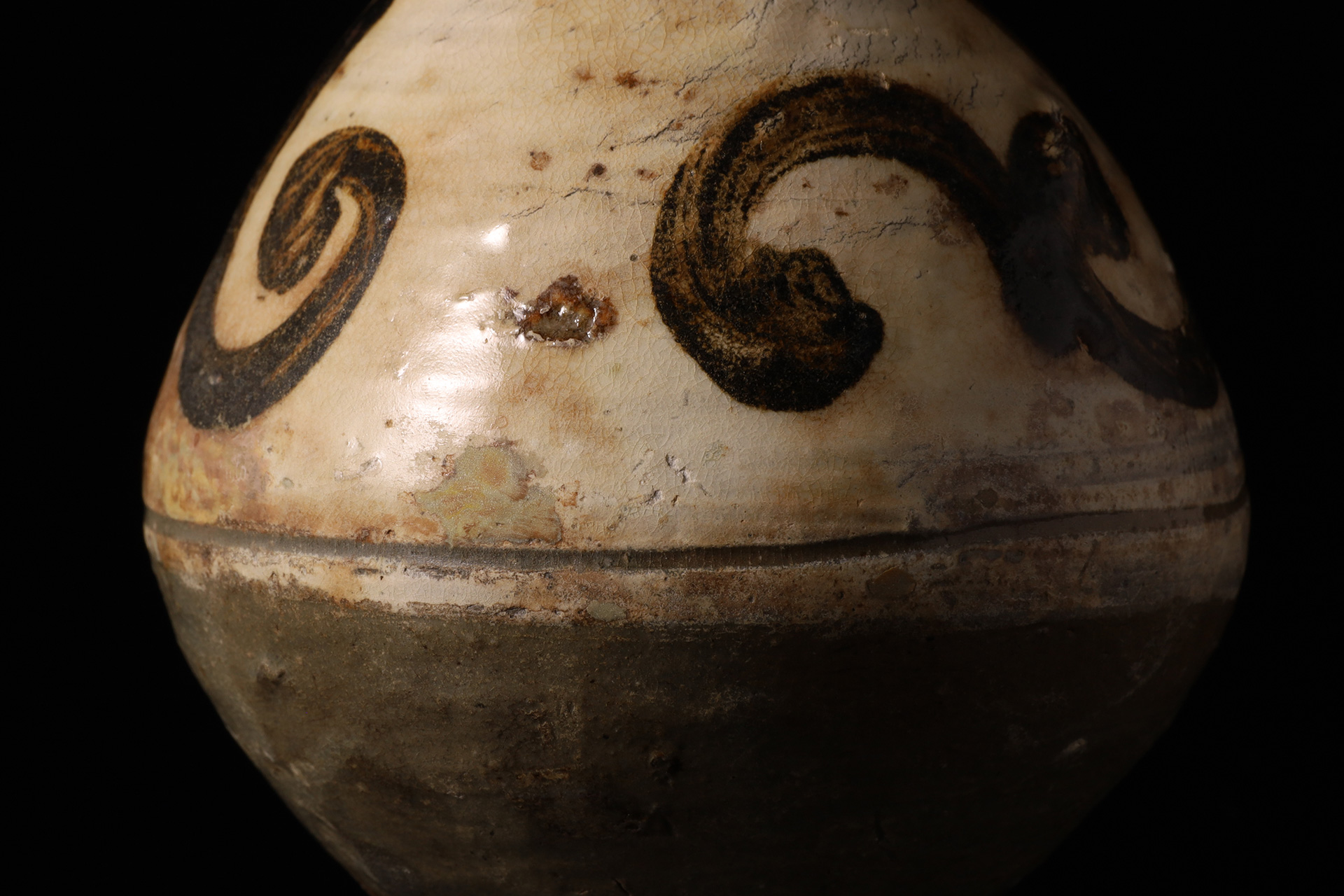
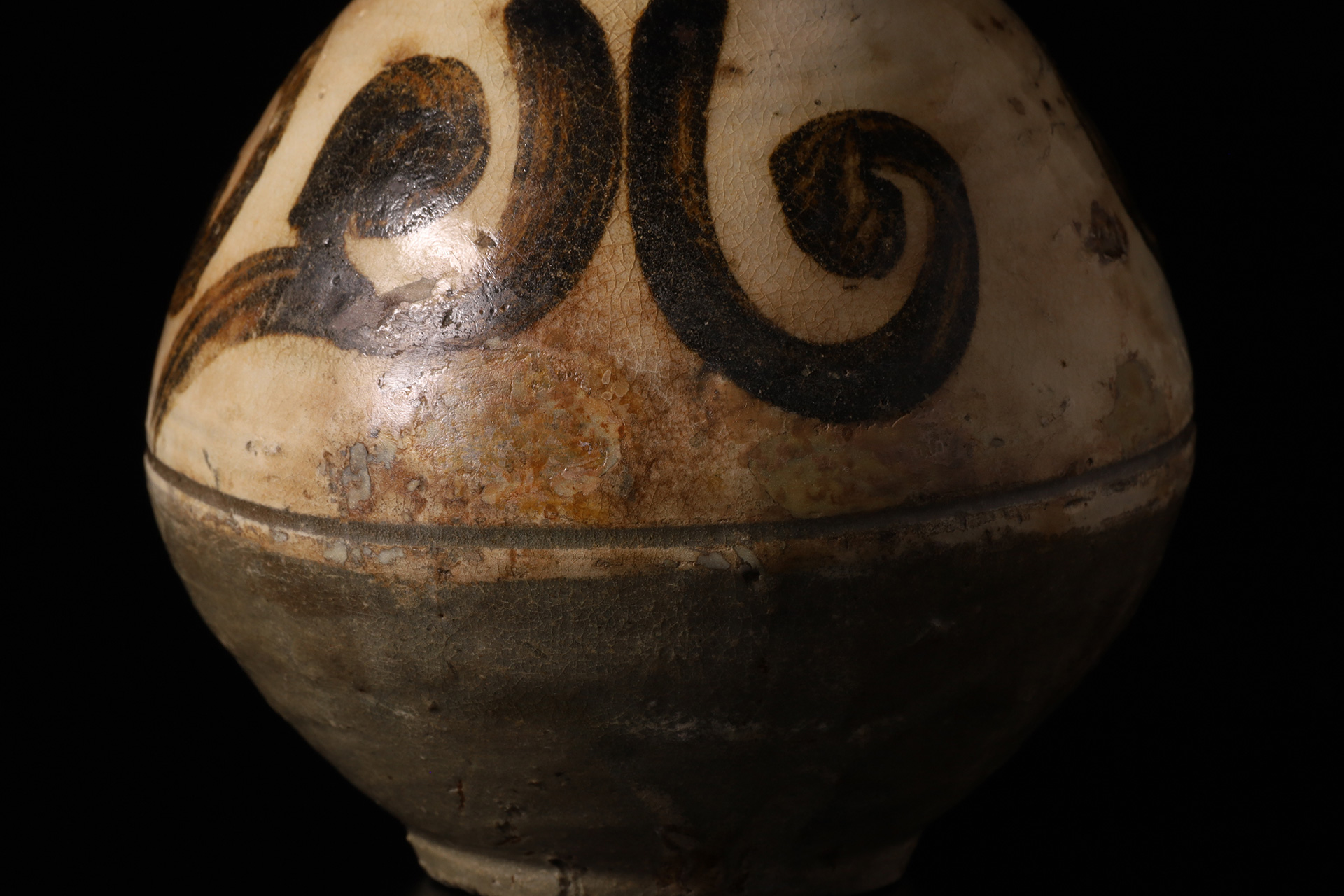
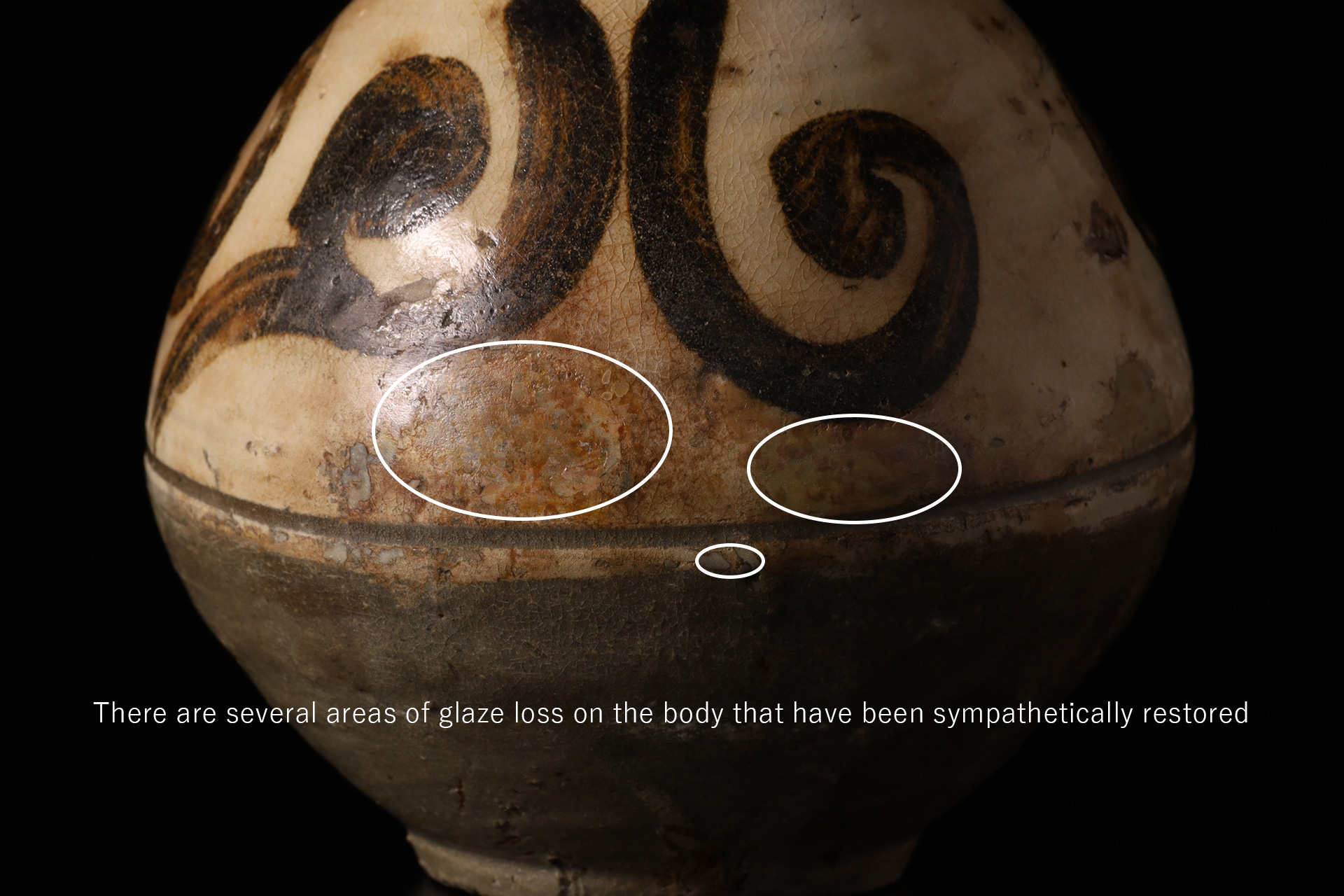
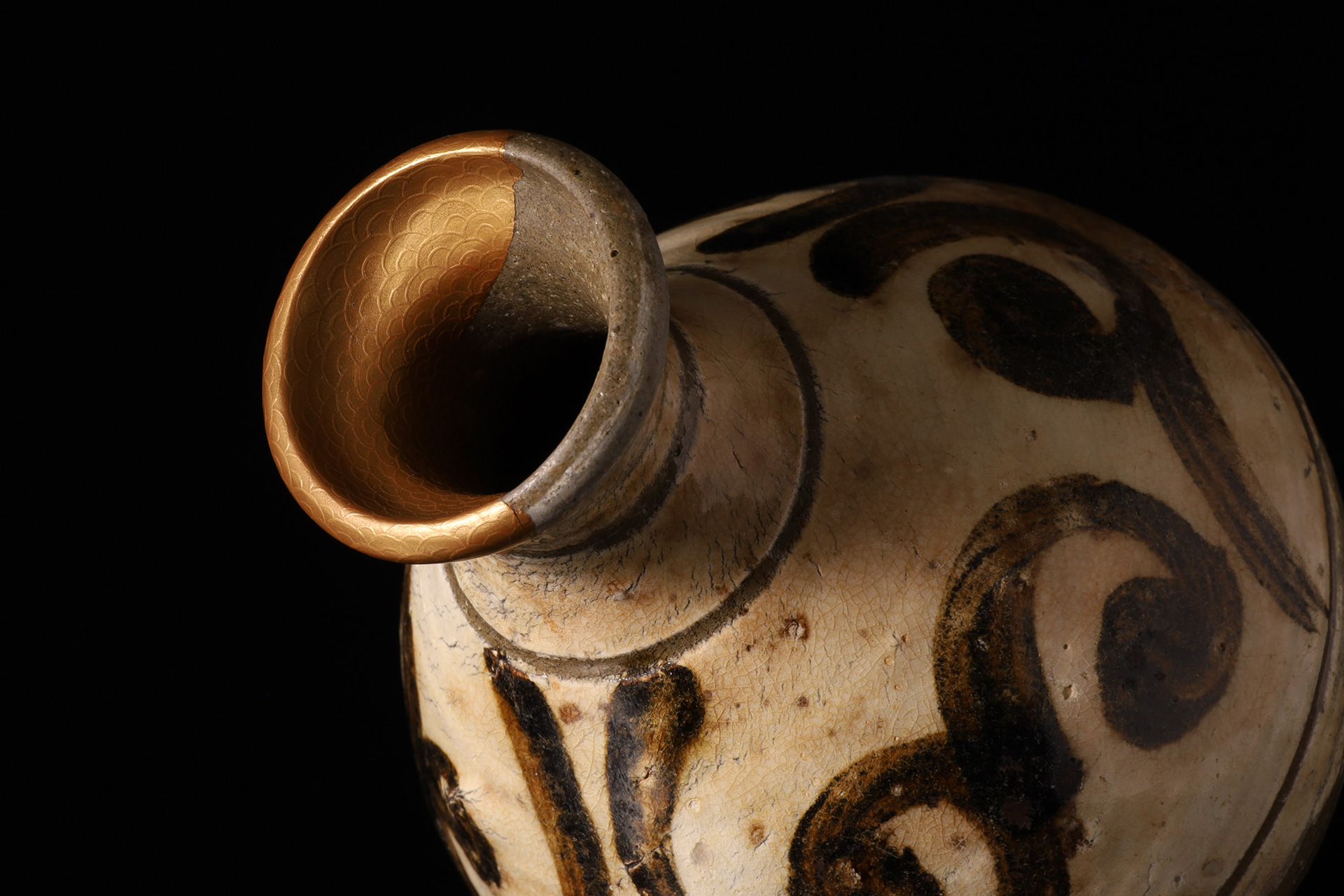
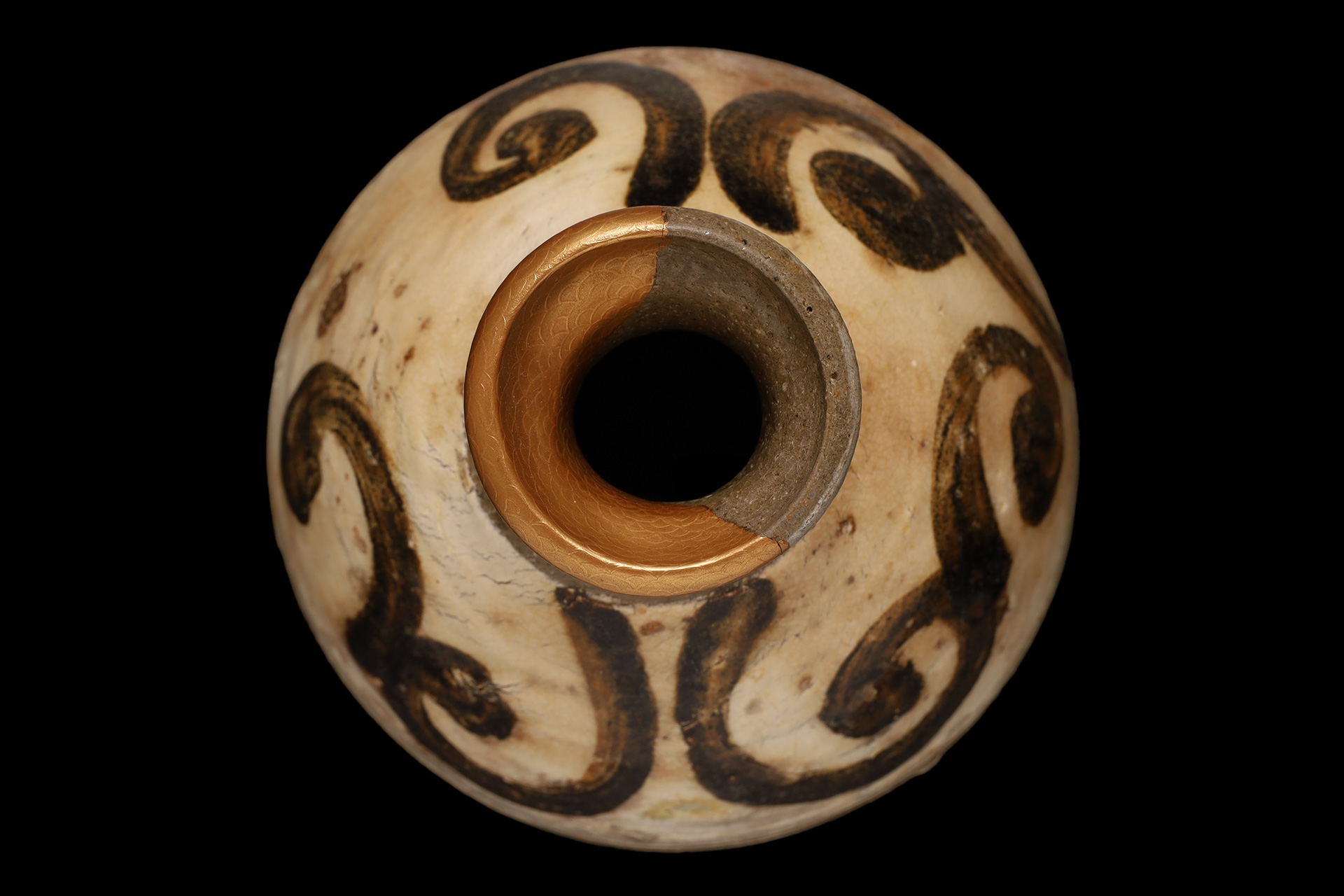
This robust Gyeryongsan bottle displays exceptionally vivid iron‑paint, with brushstrokes that leap across the surface in all their original vigor. The iron‑rich clay was coated with white slip and freely adorned with arabesque motifs, embodying the uninhibited beauty characteristic of buncheong ware. Areas of minor glaze loss have developed into quietly profound features over time, and continued use has allowed the vessel to mature into an even richer and more nuanced presence.
- Period
- Joseon Dynasty
15 - 16th Century
- Weight
- 397 g
- Width
- 10.7 cm
- Mouth Diameter
- 4.8 cm
- Height
- 14.0 cm
- Base Diameter
- 4.9 cm
- Accessories
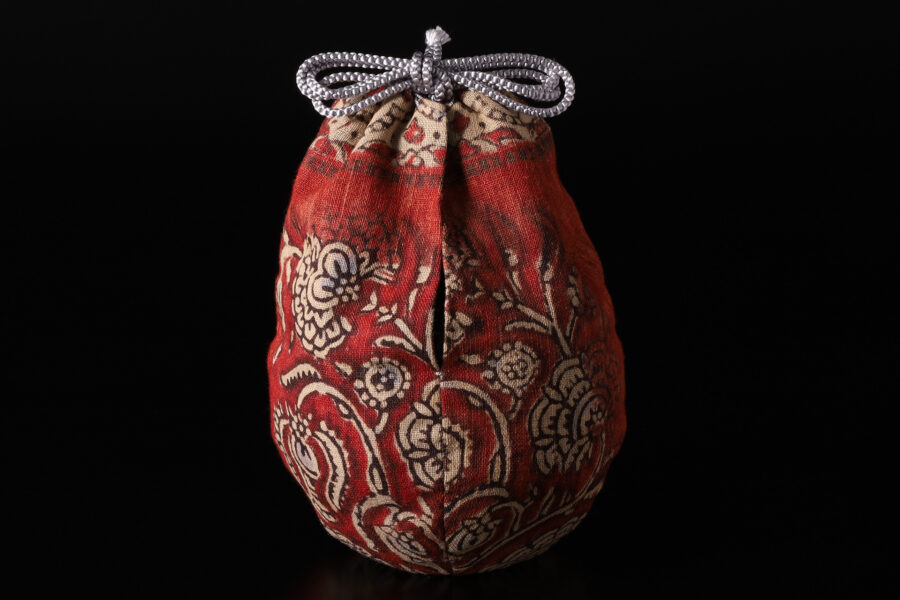
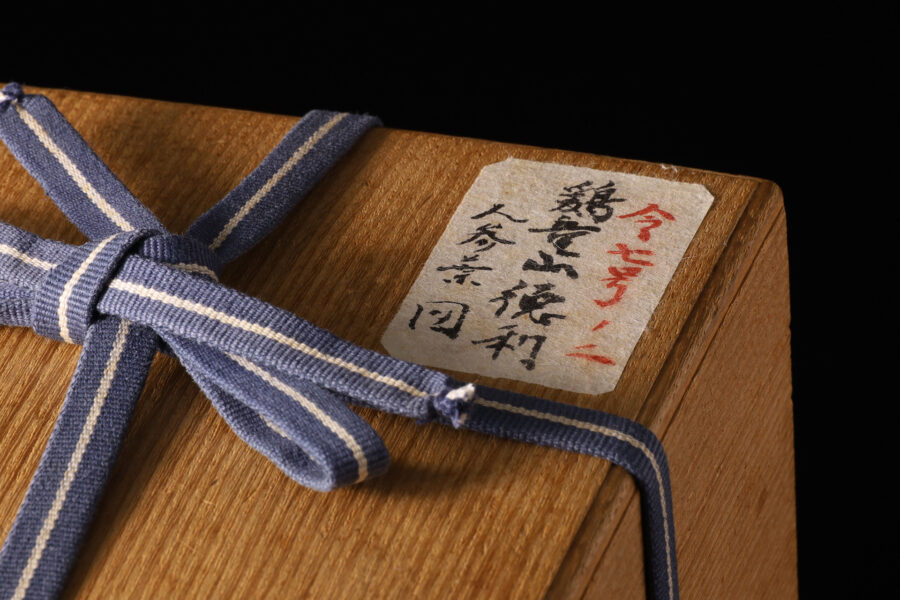
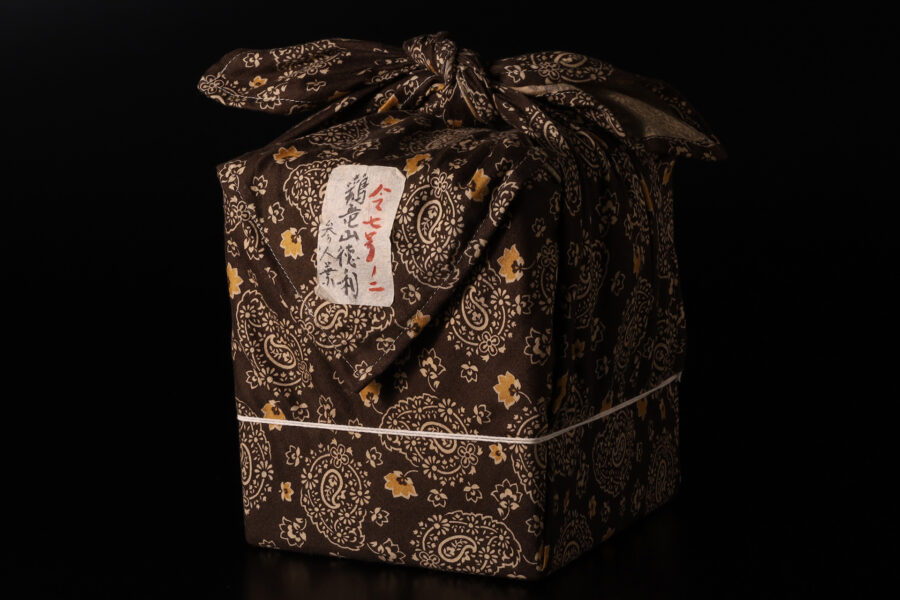
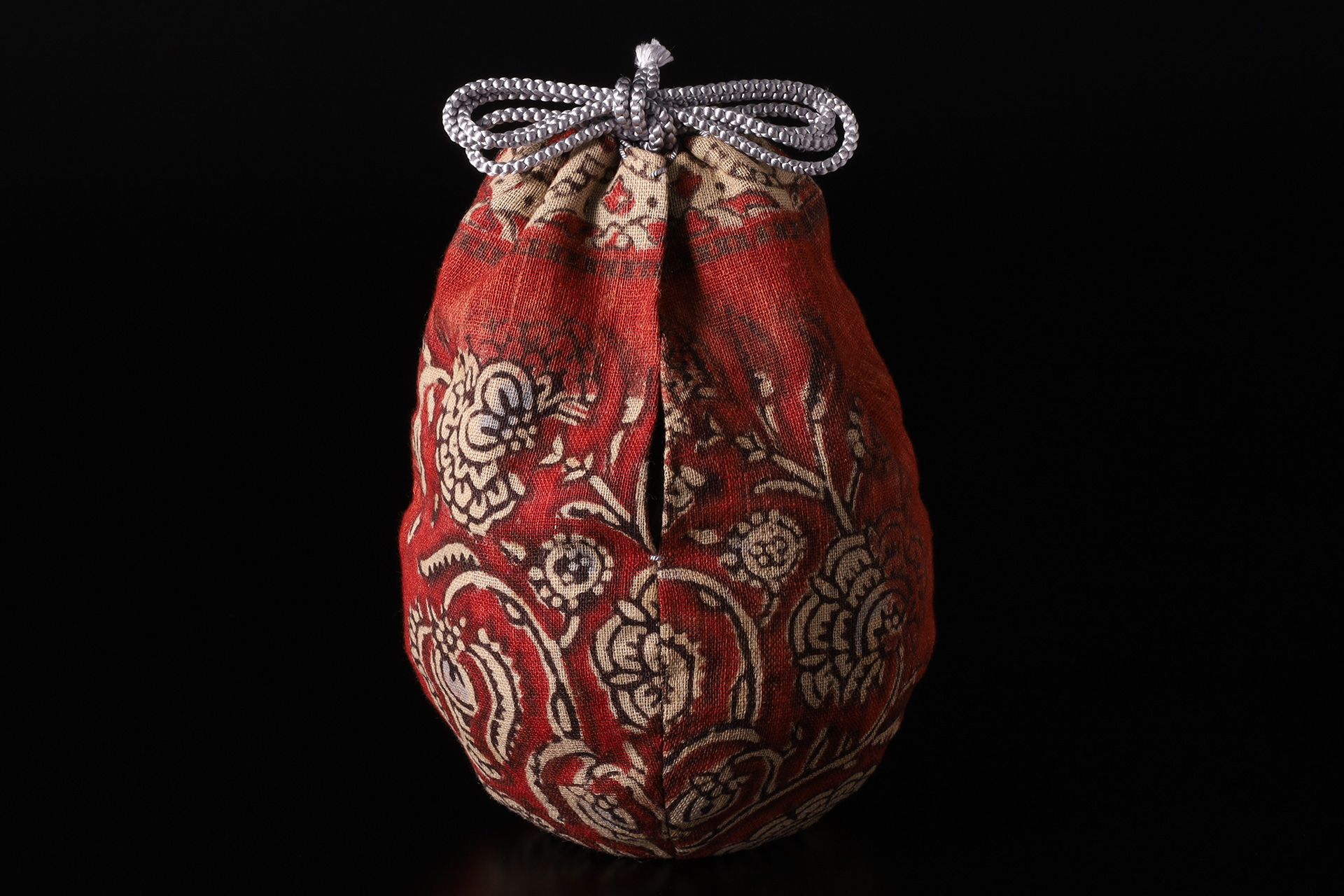
- Shifuku (Silk Pouch)
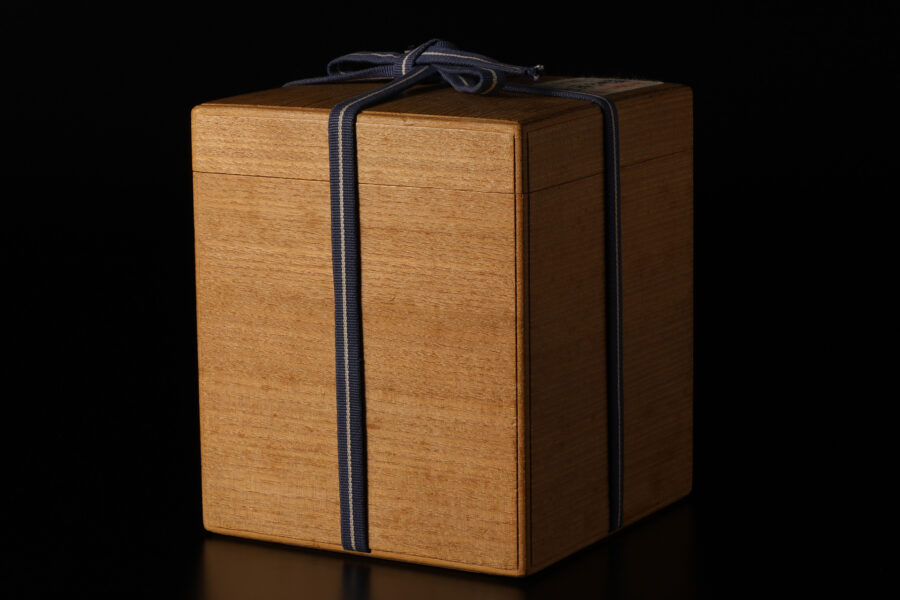
Paulownia Box
- Remarks
- Holds approximately 400 ml at roughly 90 % capacity
- Condition
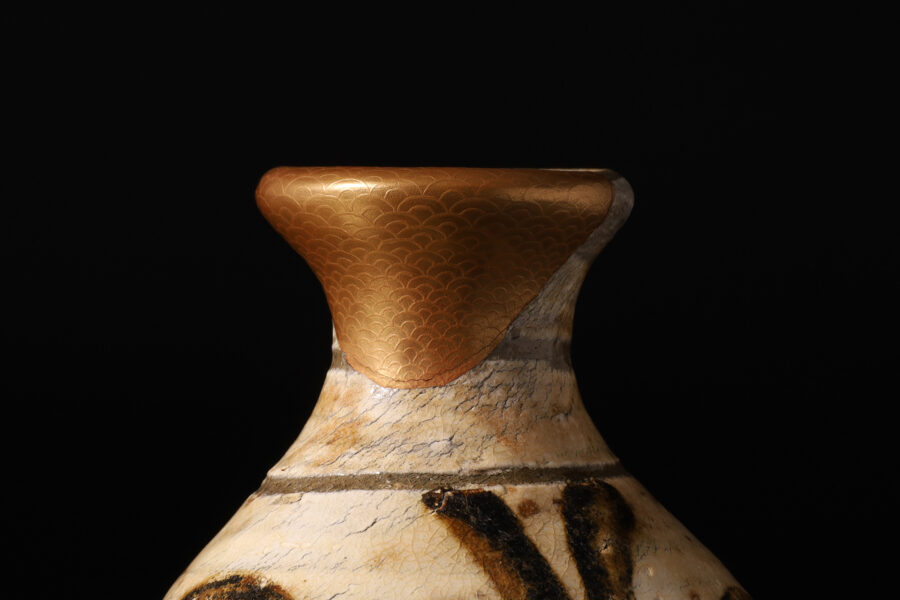
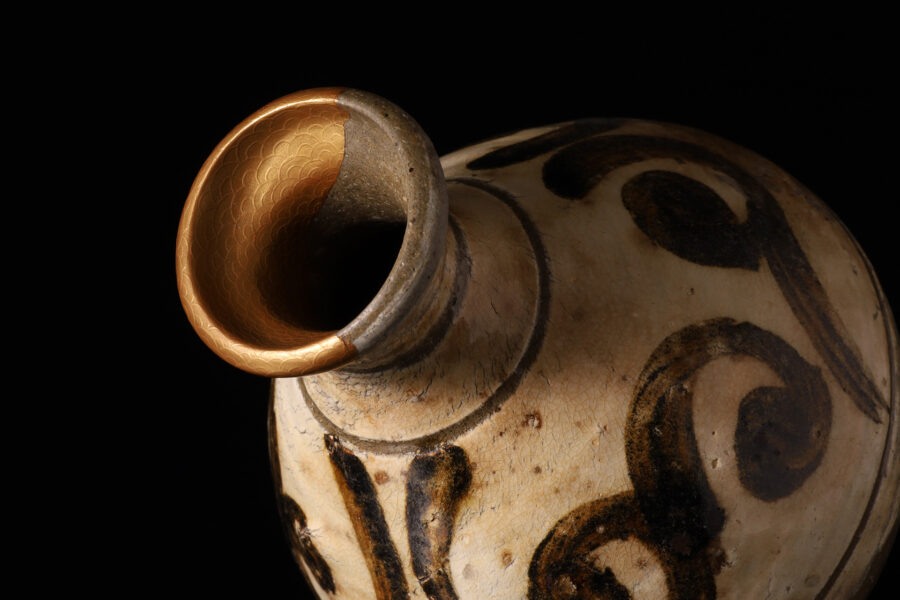
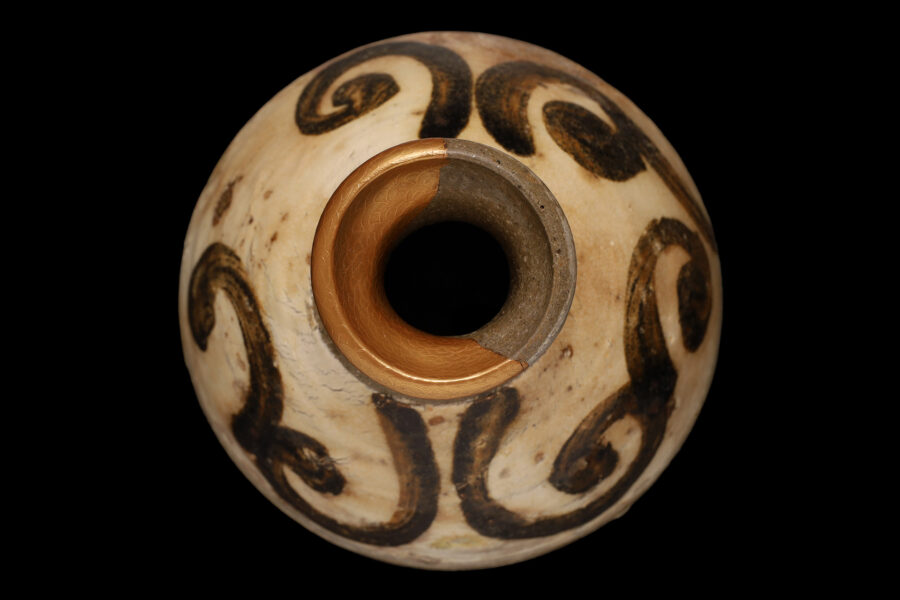
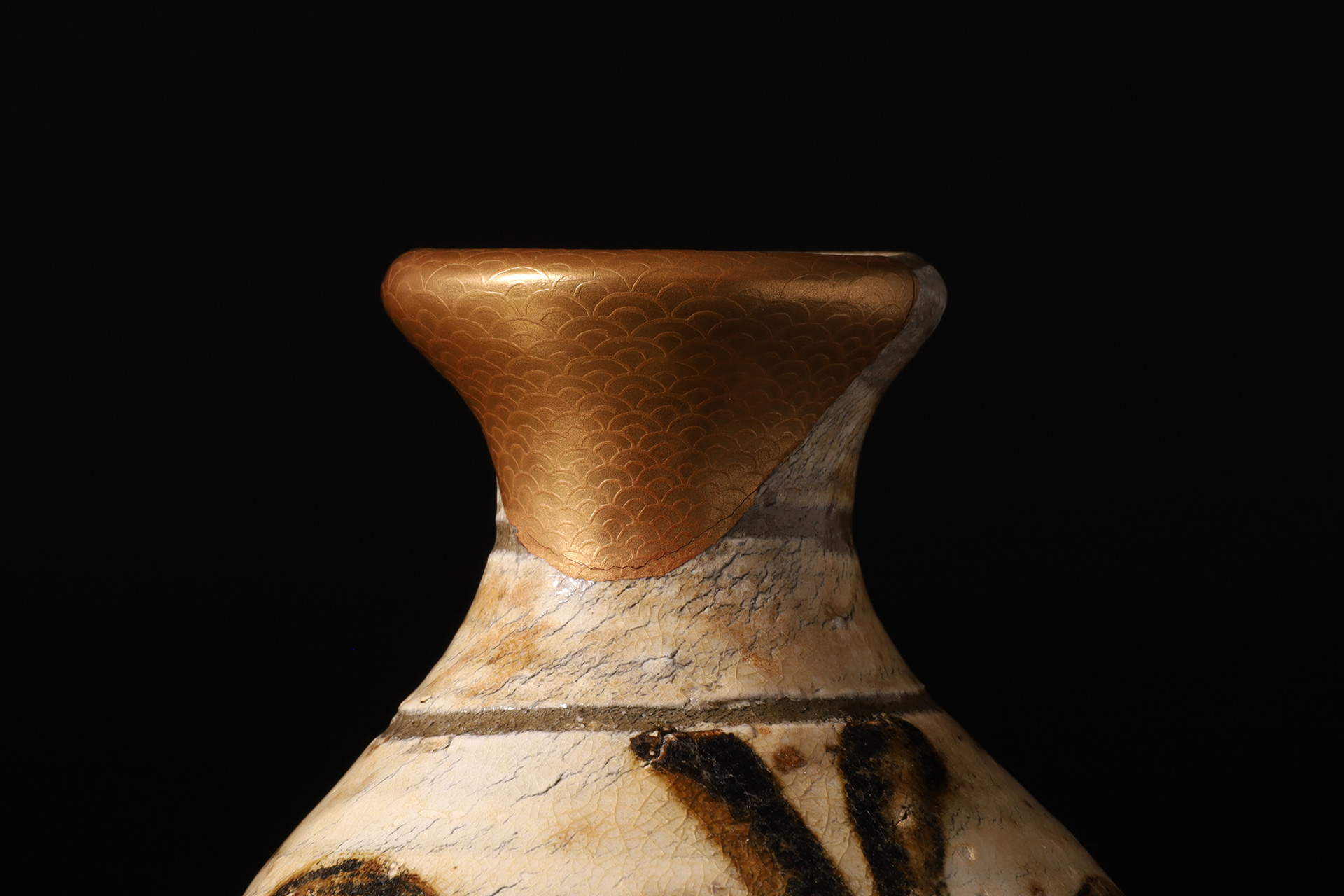
- - There is one maki-e repair on the rim (Refer to the image)
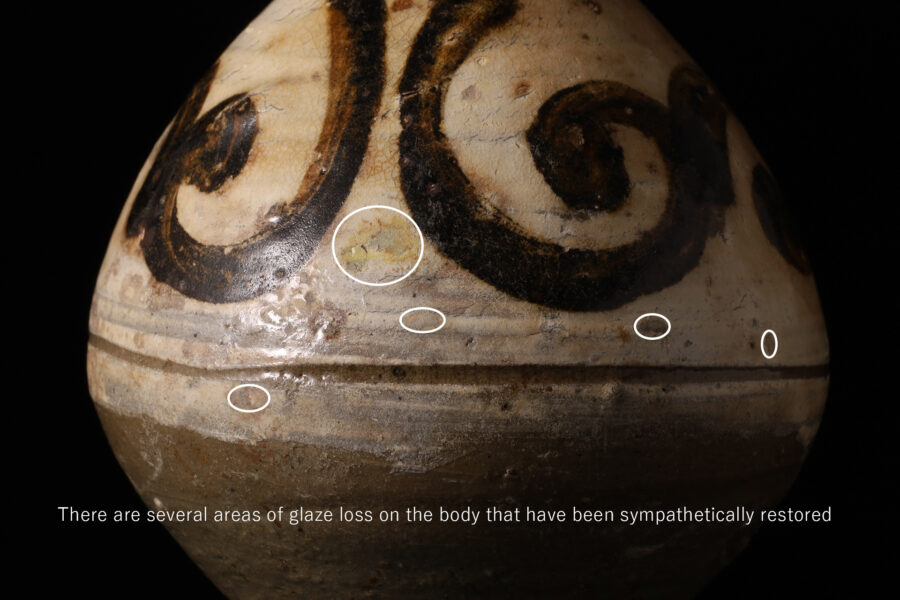
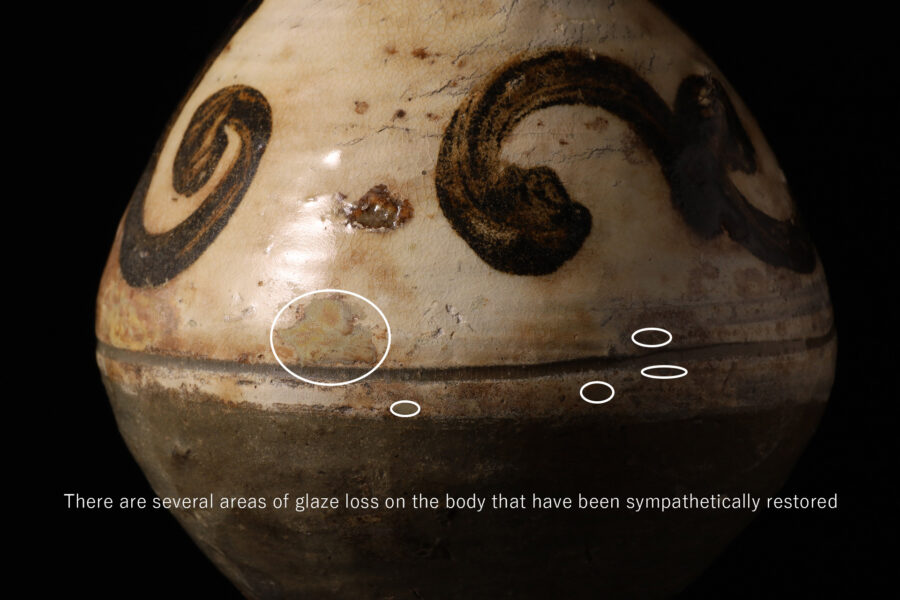
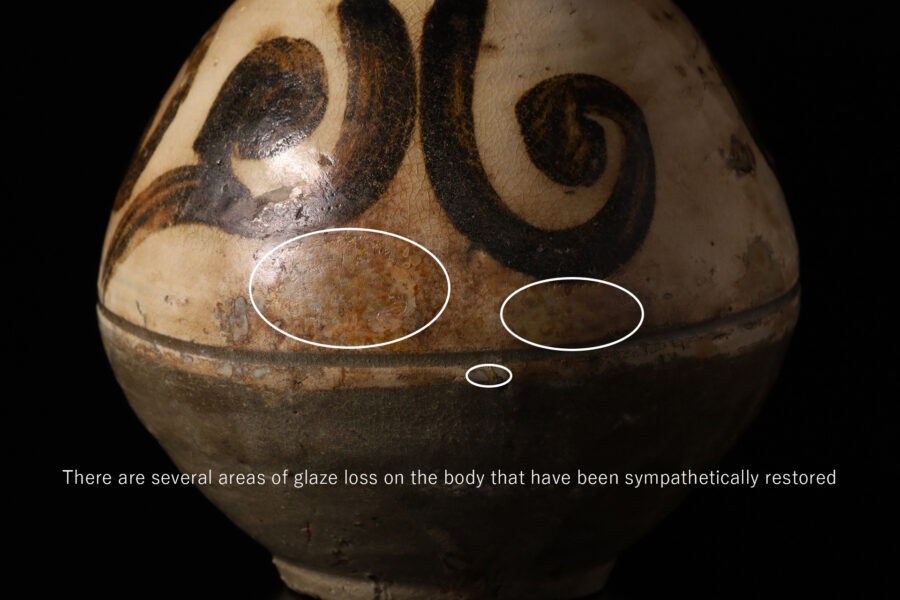
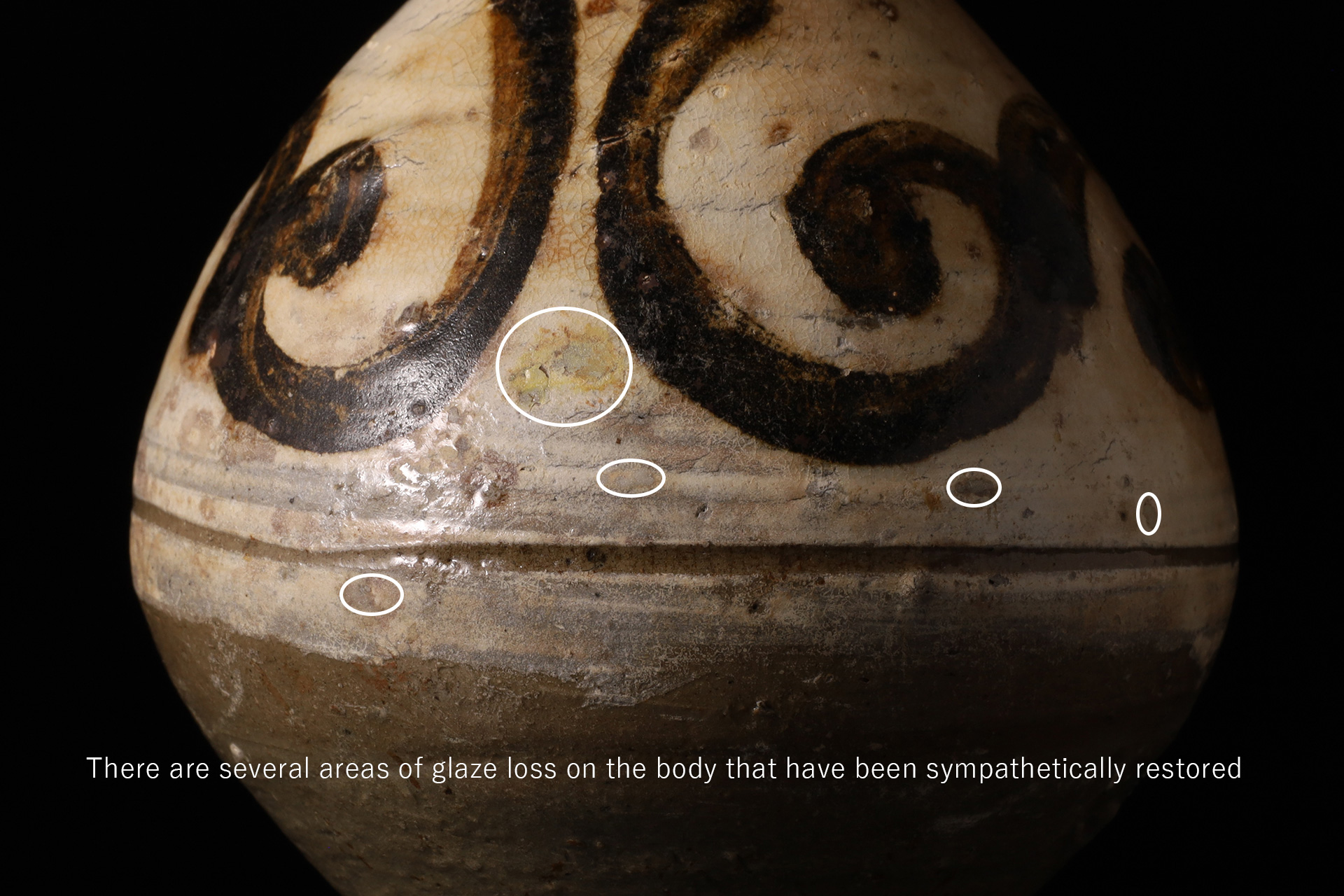
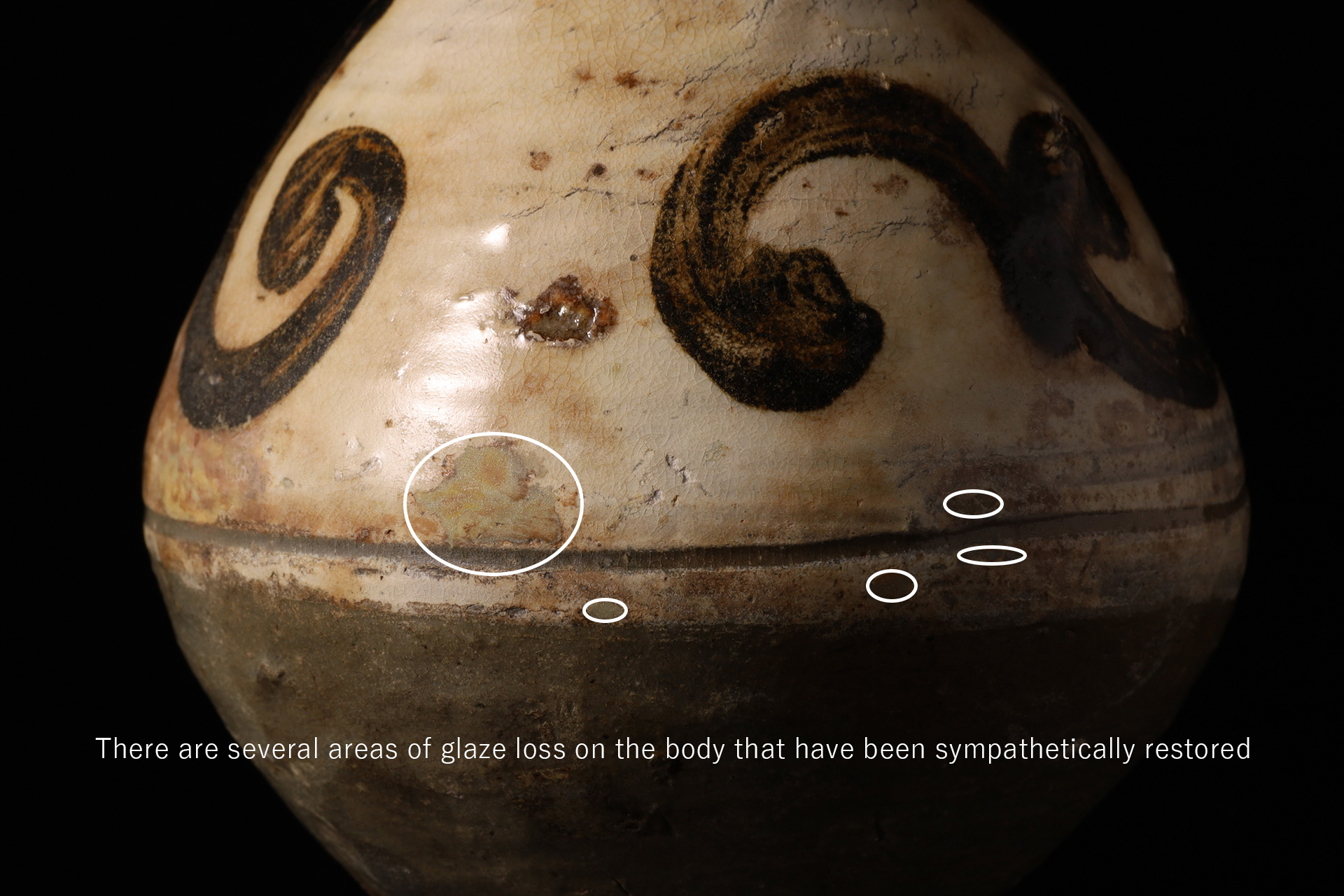
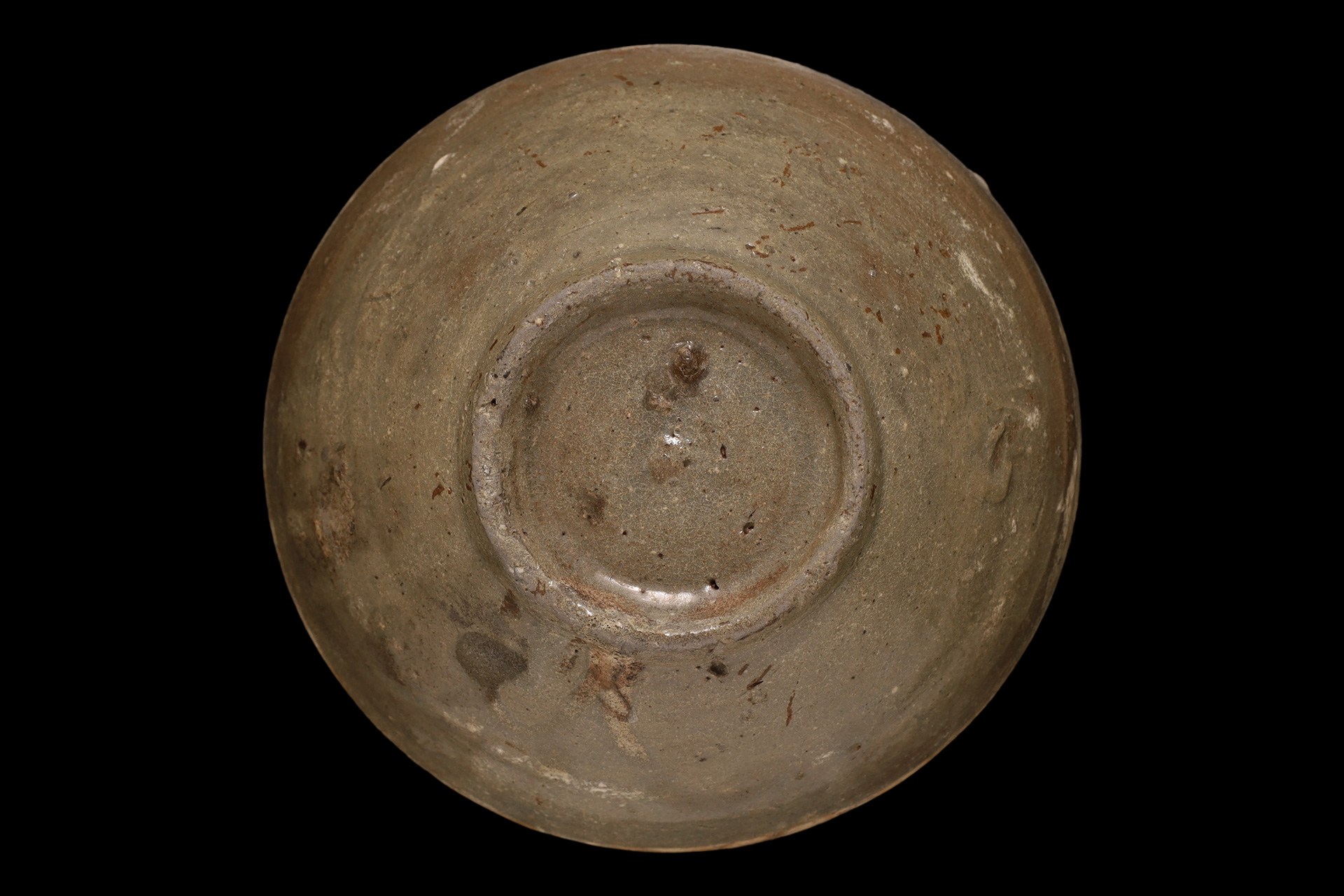
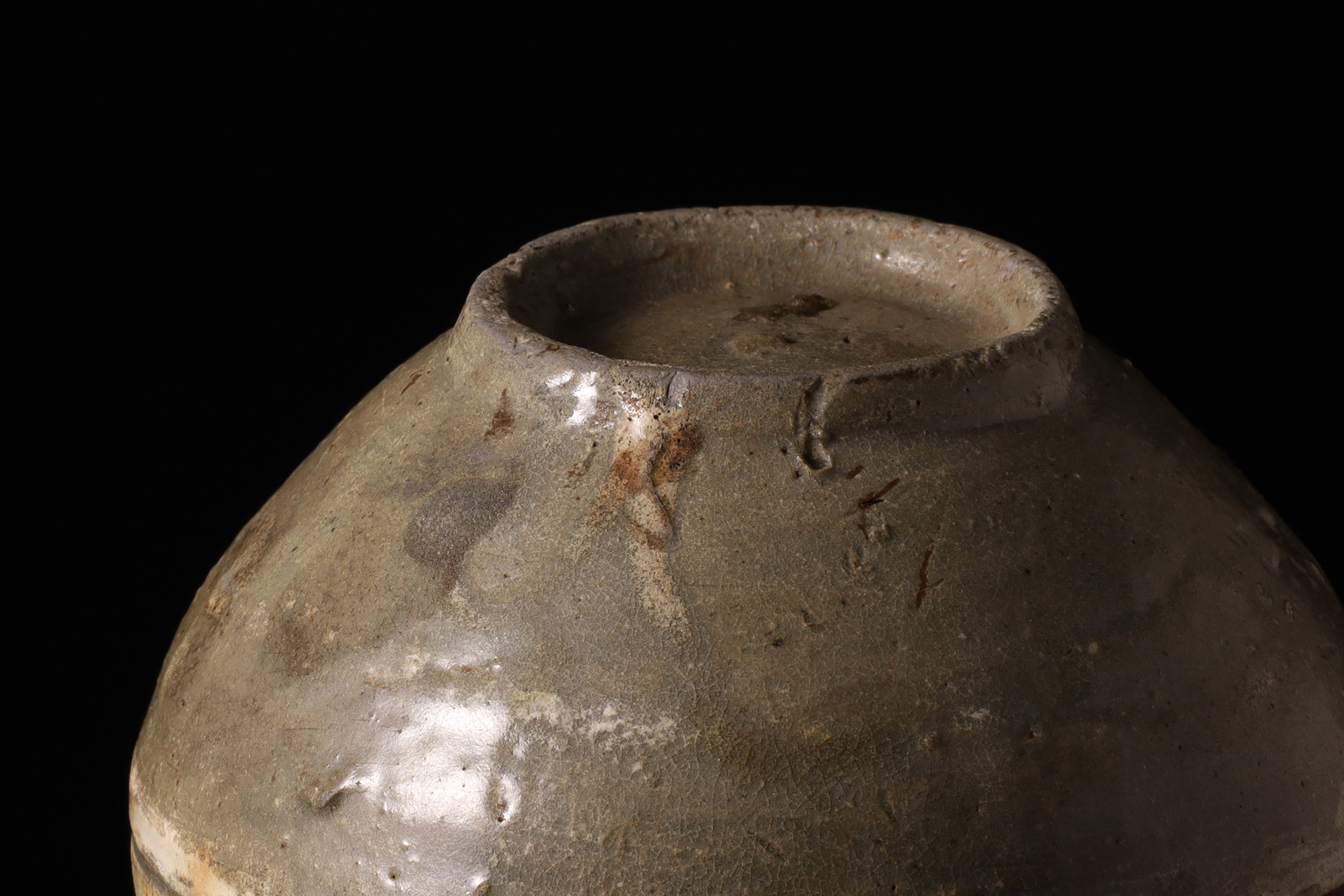
- There are several areas of glaze loss on the body that have been sympathetically restored (Refer to the image)
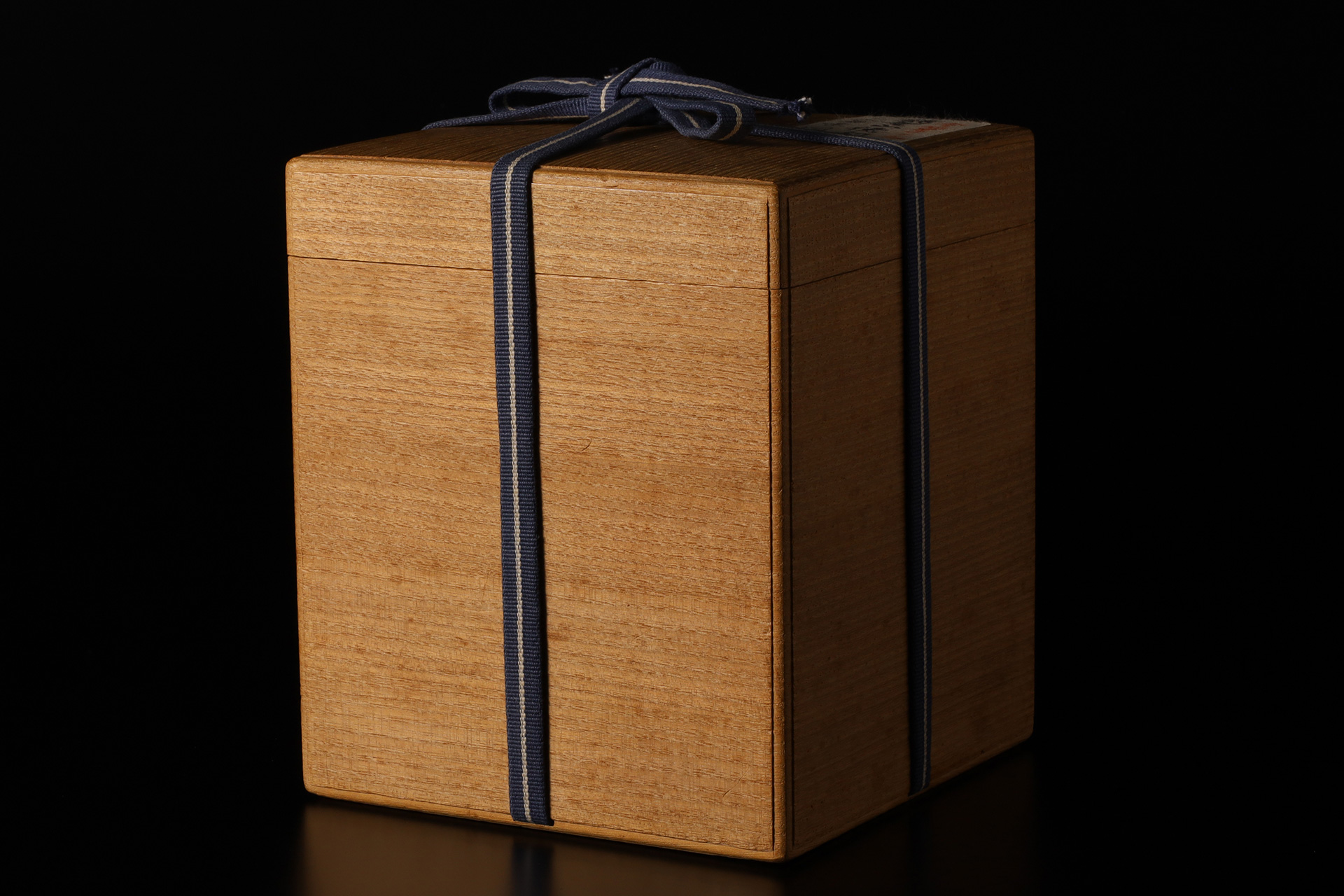
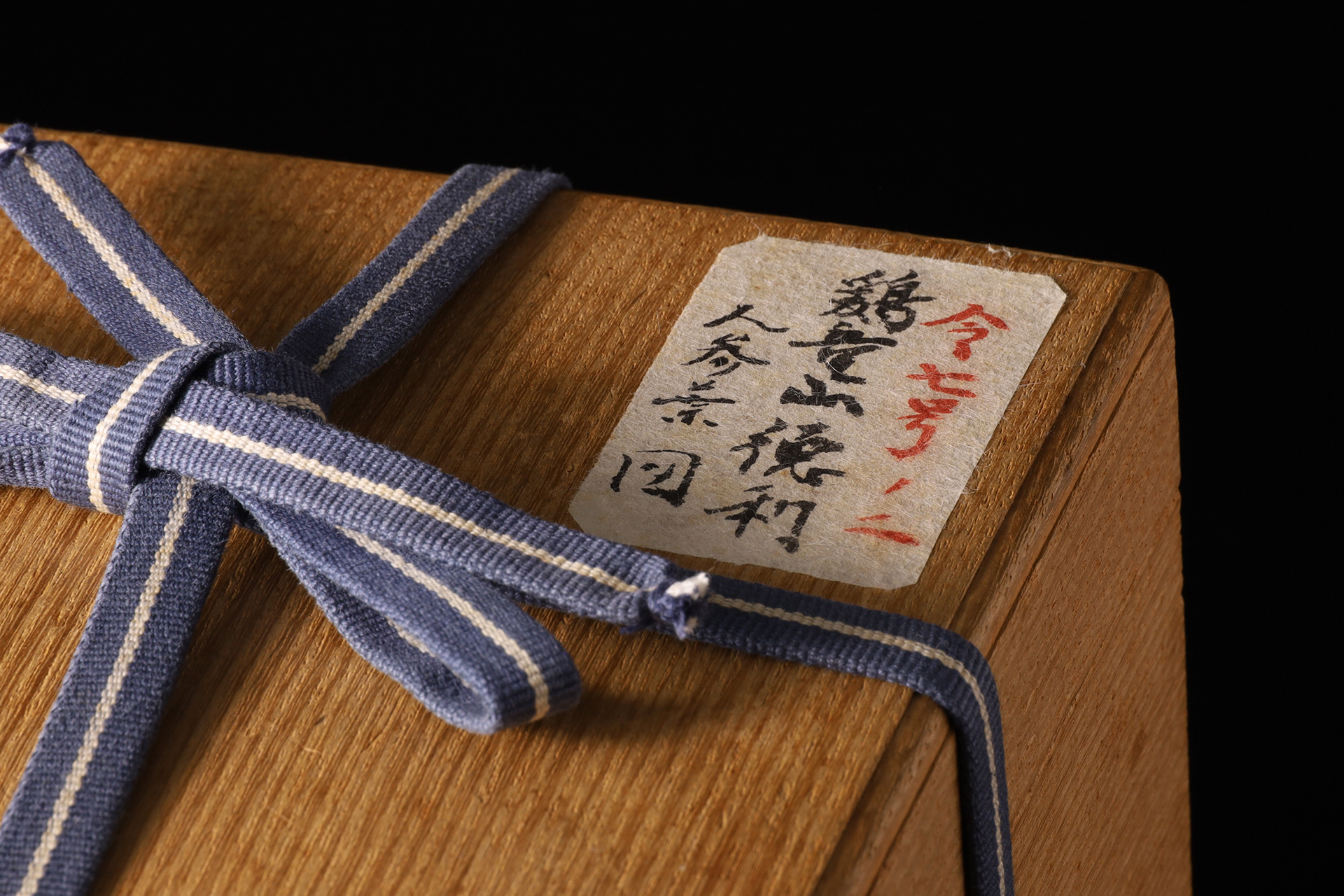
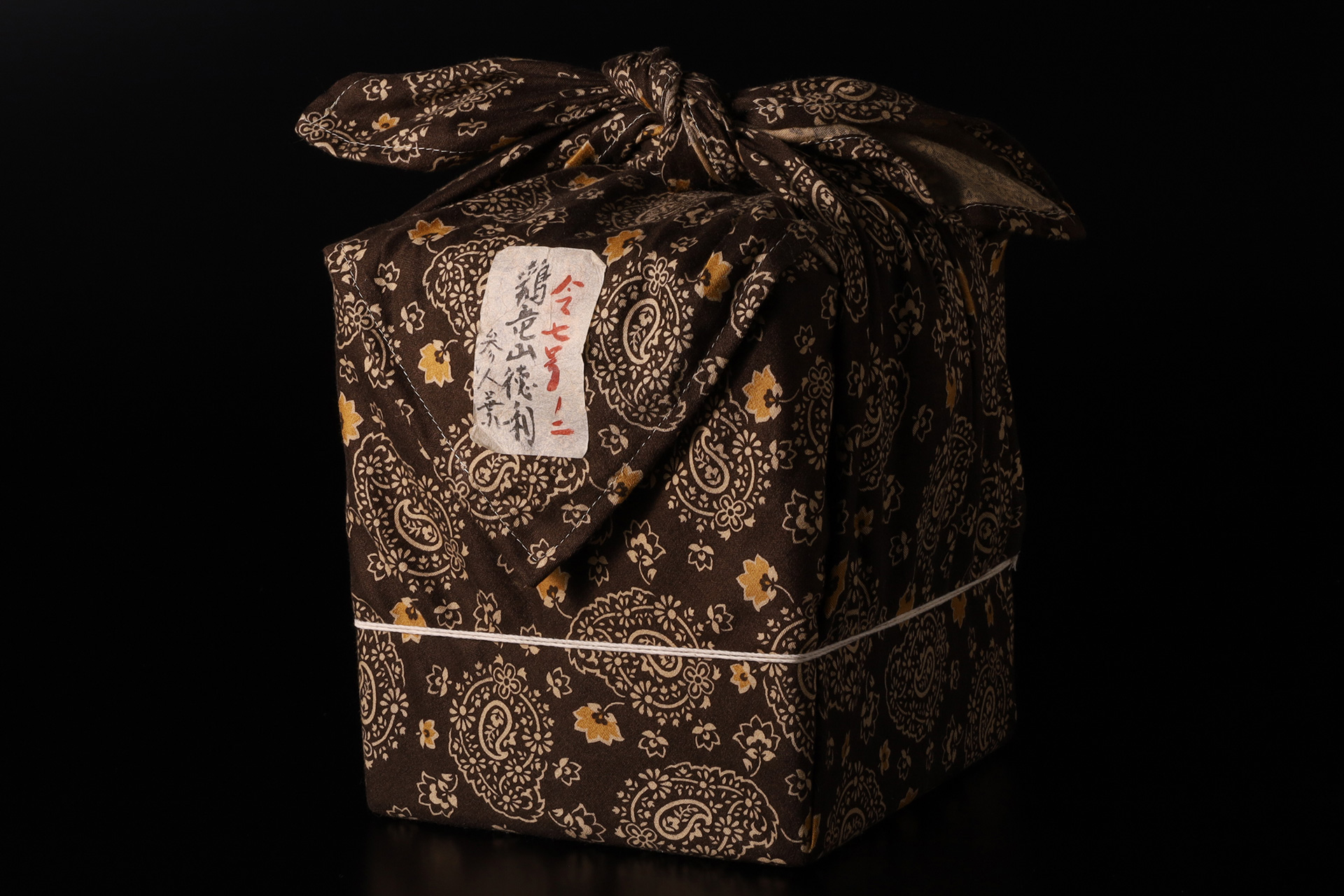


Gyeryongsan
Gyeryongsan is a celebrated peak rising in Gongju, Chungcheongnam-do, Korea, its distinctive ridgeline evoking the form of a rooster’s crest and a dragon’s head. Across the mountain’s foothills lie numerous ancient kiln sites, where, from the 15th to 16th centuries, buncheong ware was produced using iron-rich clay coated with brushed white slip and adorned with freely executed iron-painted designs. These works have long been collectively known as “Gyeryongsan” ware and are today held in high esteem worldwide. A wide range of techniques—Mishima inlay, hakeme, white ware, black glaze, and more—was developed, and vessel forms include bowls, dishes, bottles, and jars. The first full-scale archaeological investigation was conducted in 1929 by Sozo Kanda and Ken Nomori, followed by a reinvestigation in 1992–93 by the National Museum of Korea and the Hoam Art Museum. These findings have become foundational materials for the study of buncheong ware.