

Private Viewing特別内覧
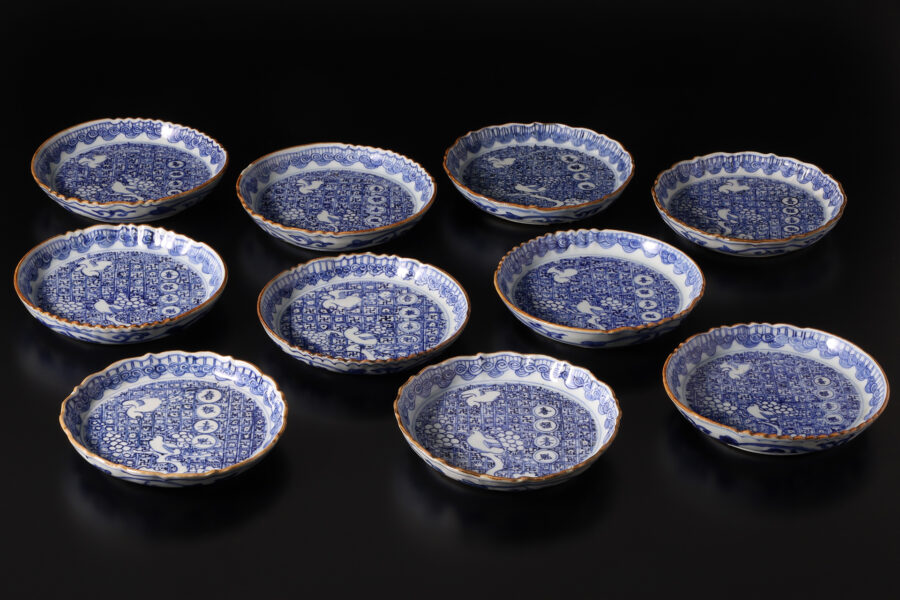
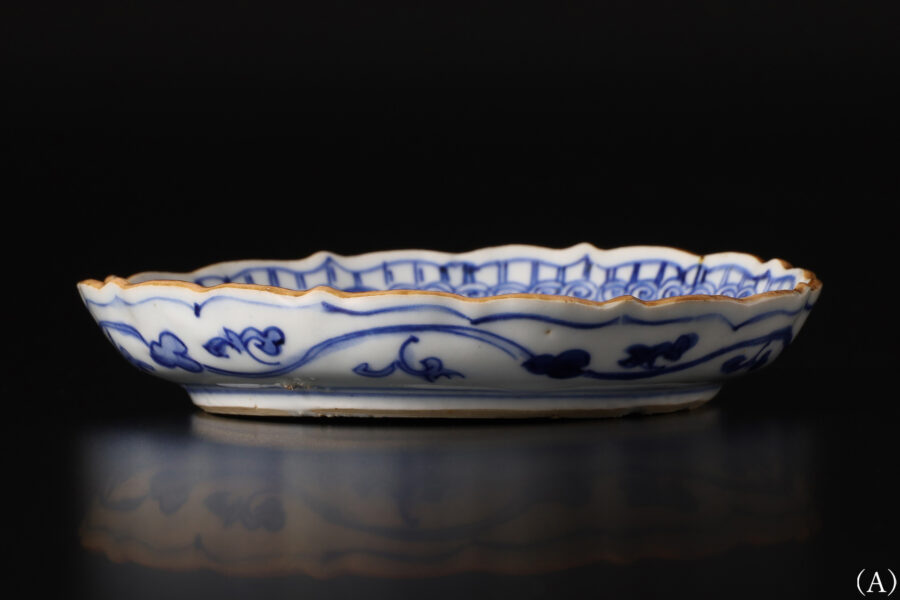
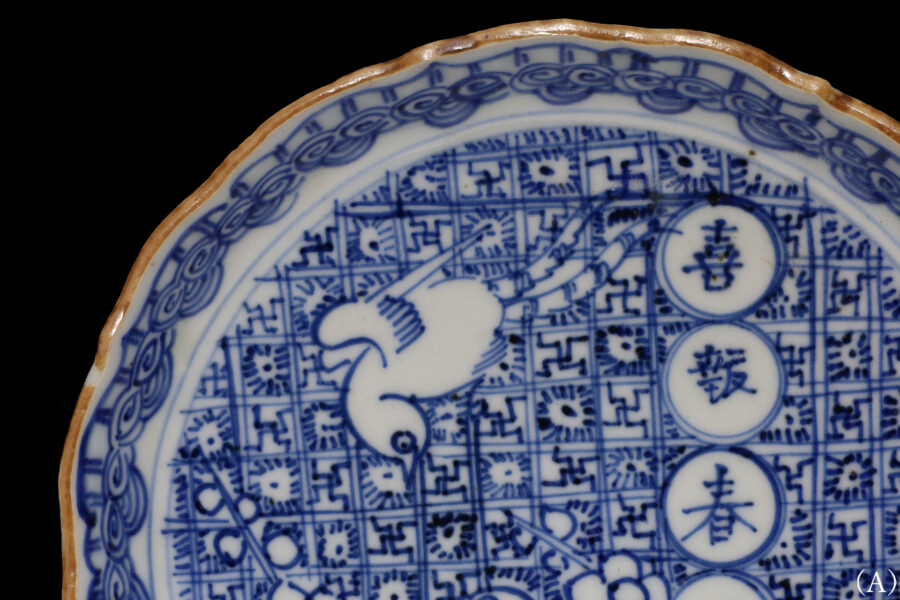
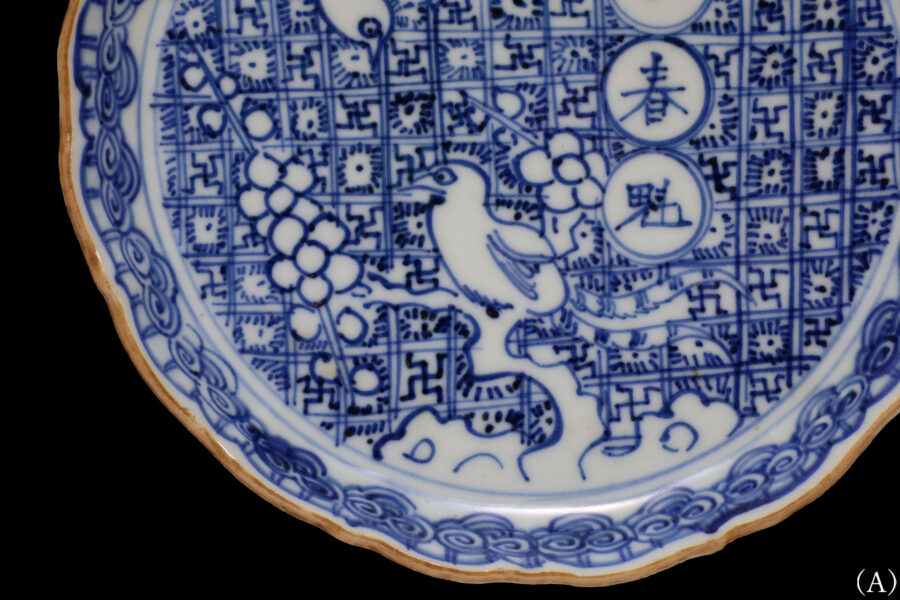
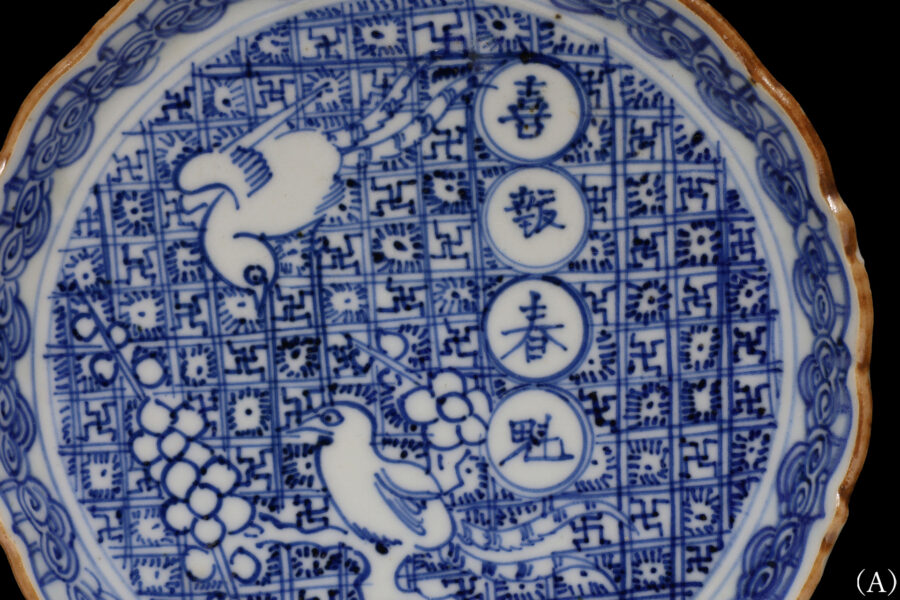
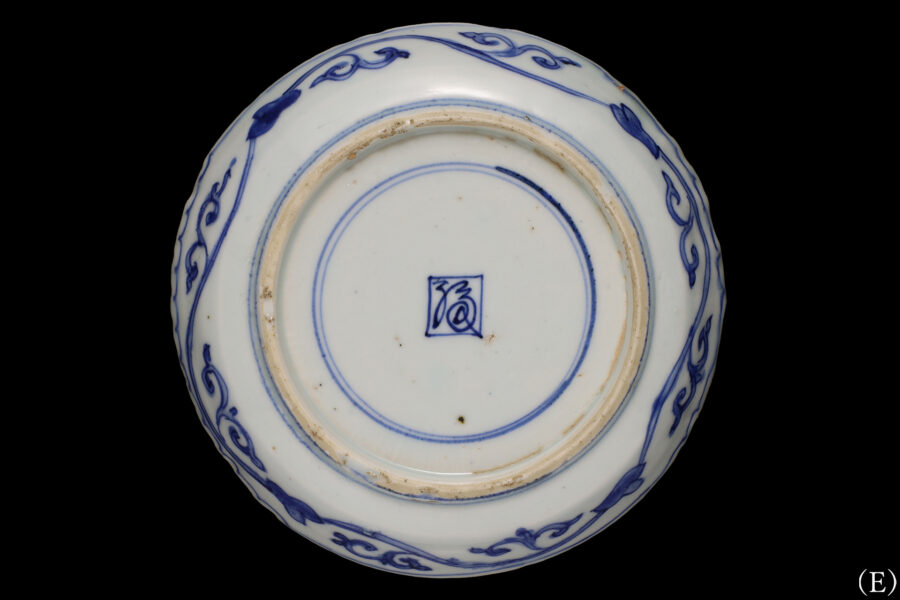
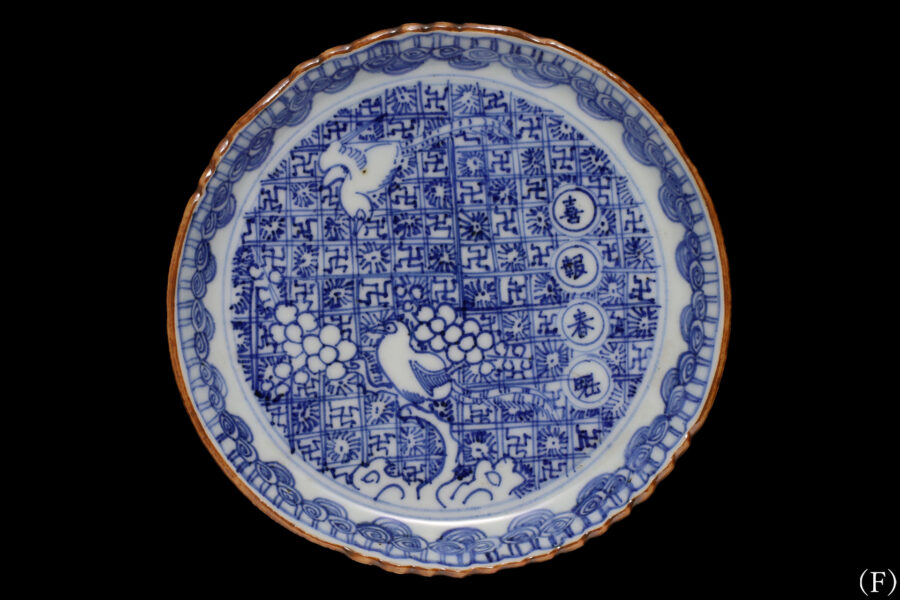
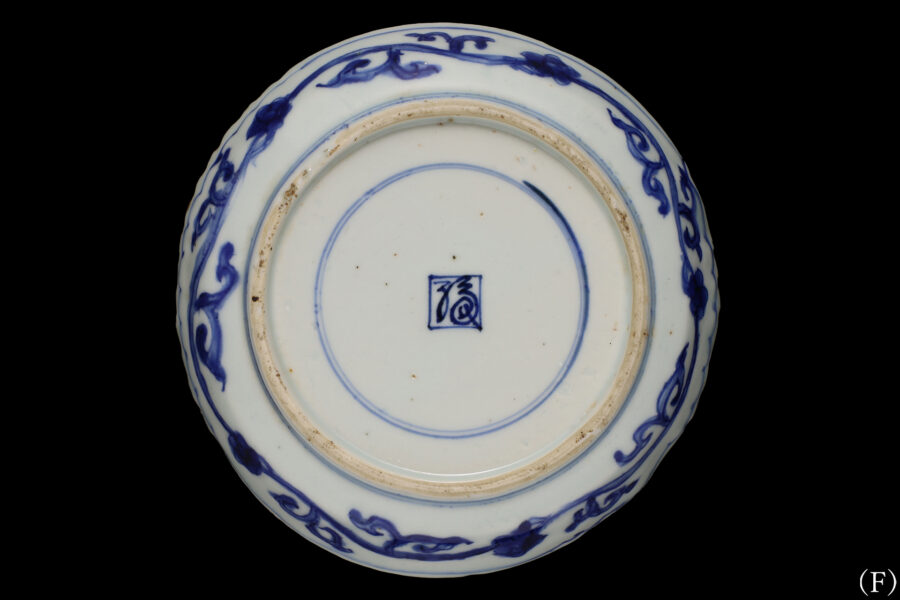
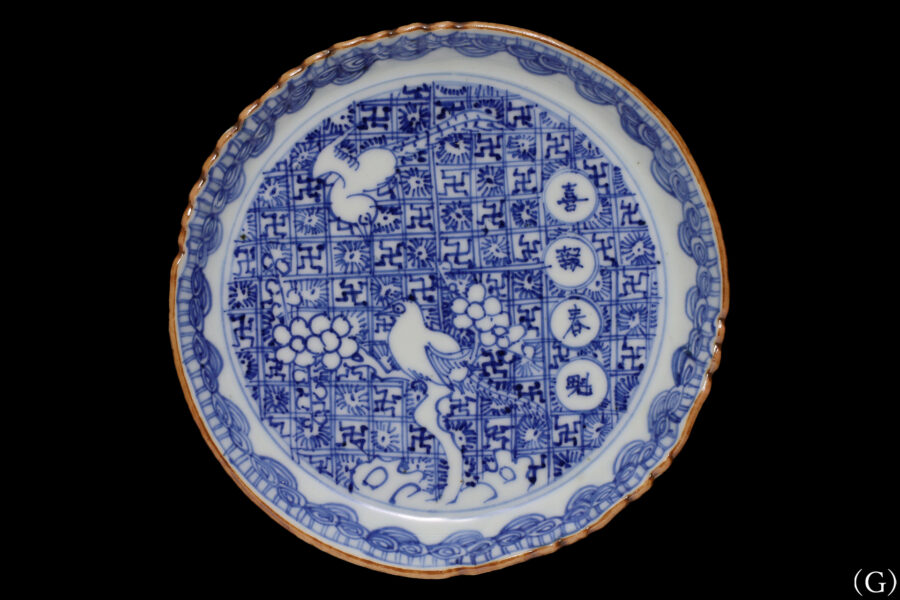
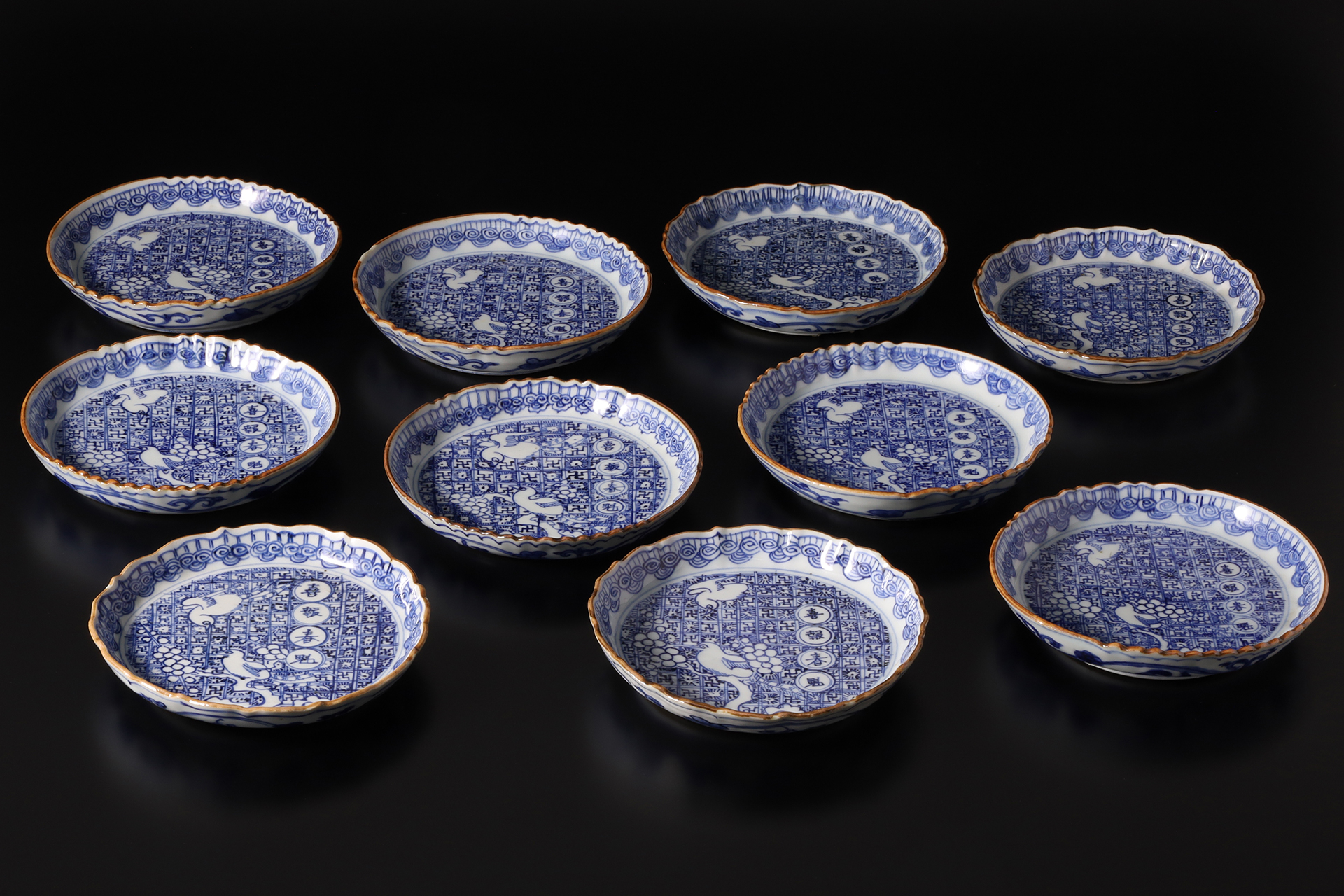
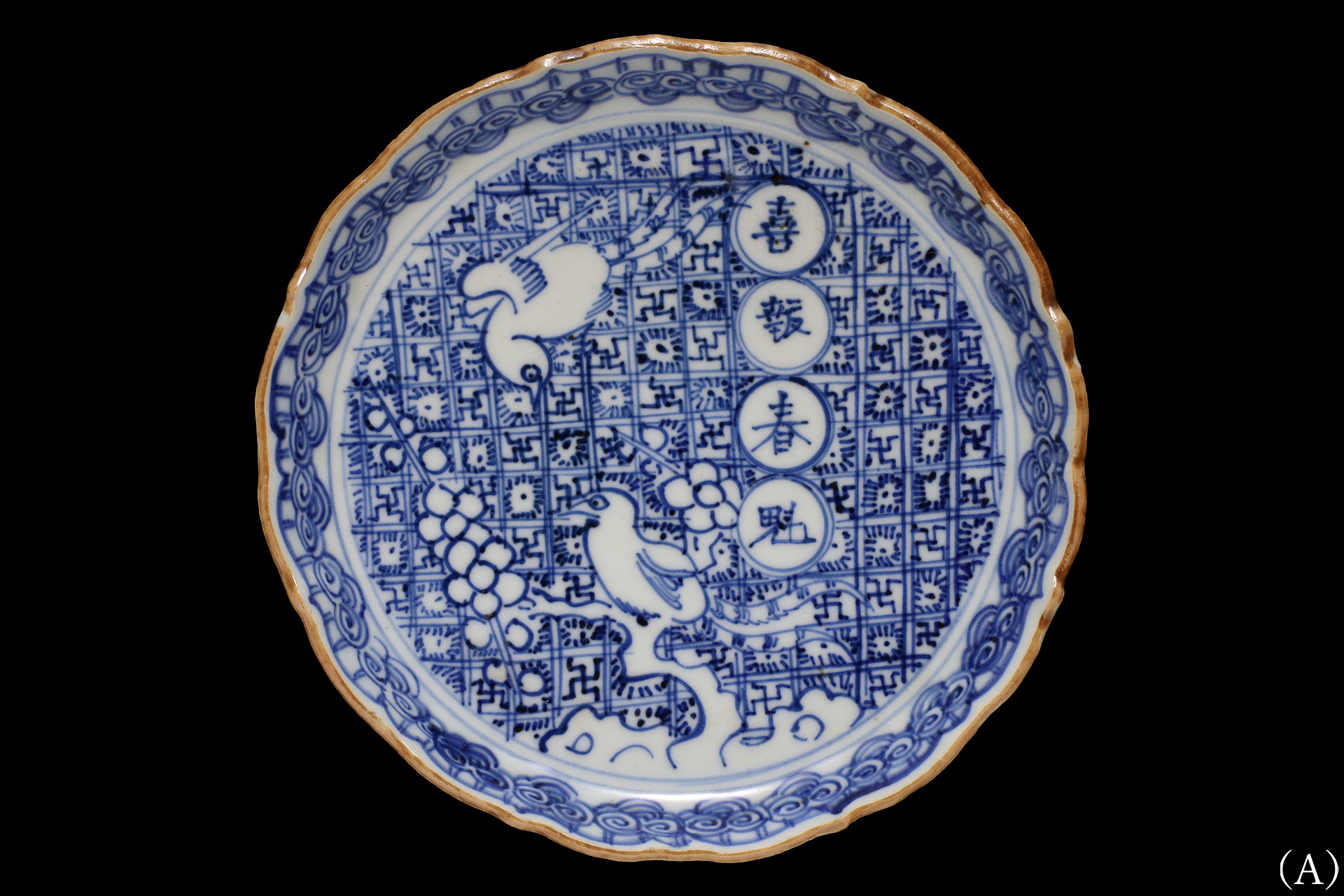
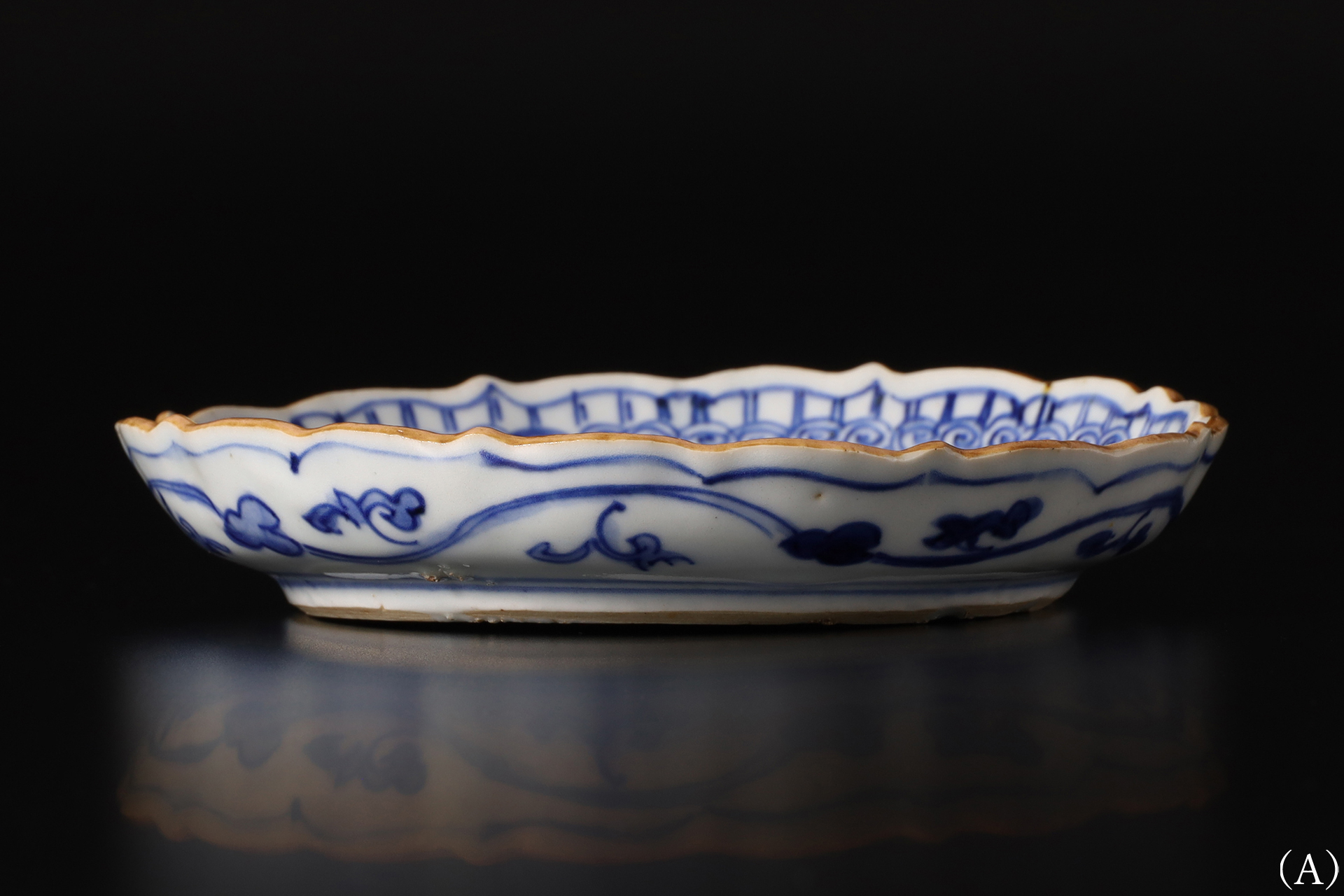
Set of Ten Shonzui Blue-and-White Lobed Small Dishes with Plum and Bird Design (Ming Dynasty)
Sold Out
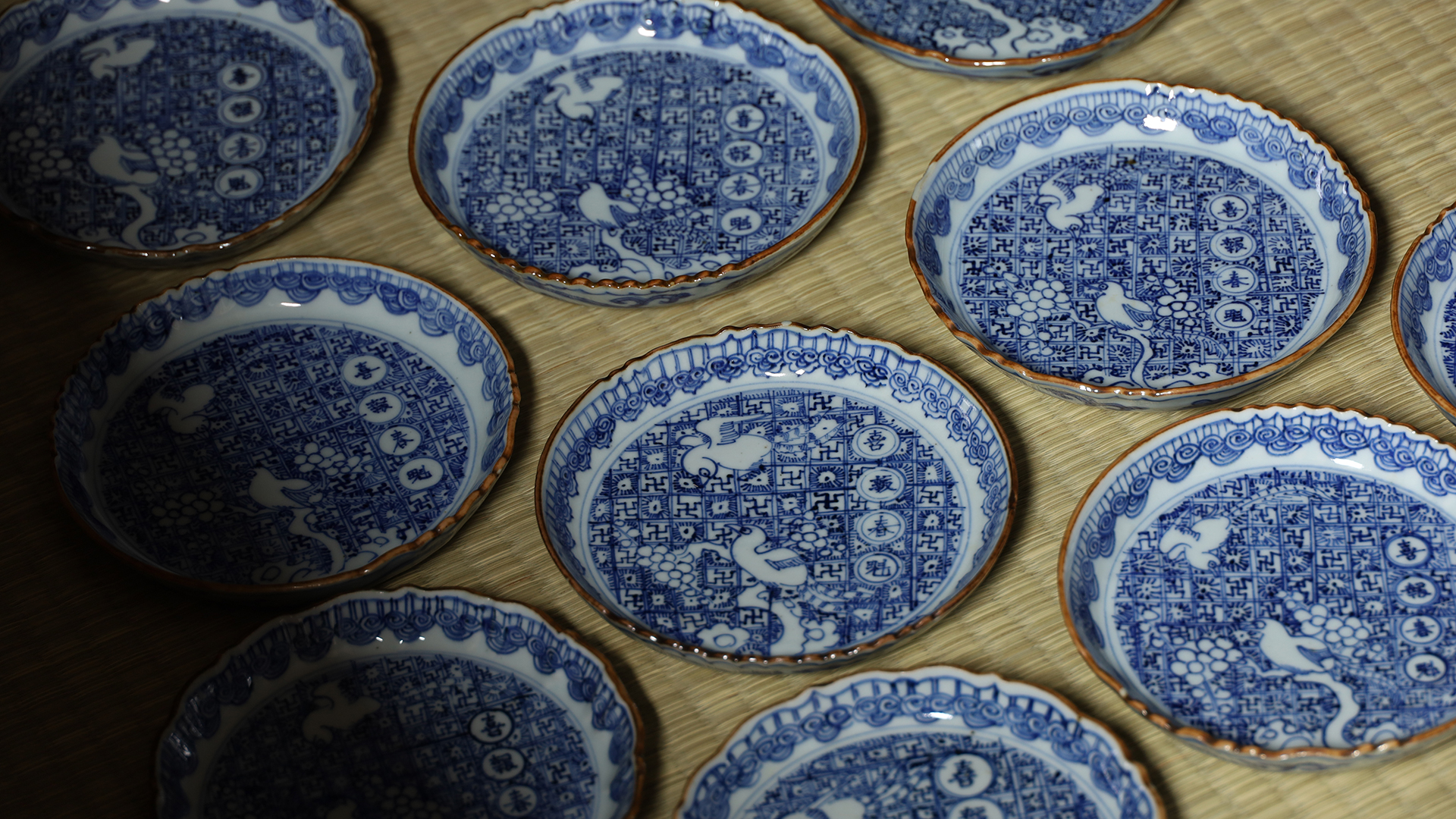
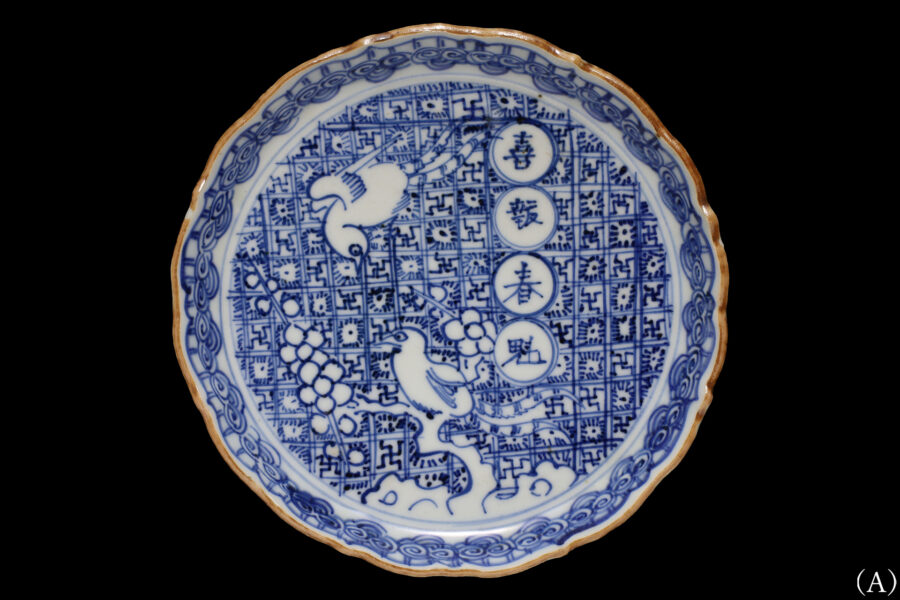
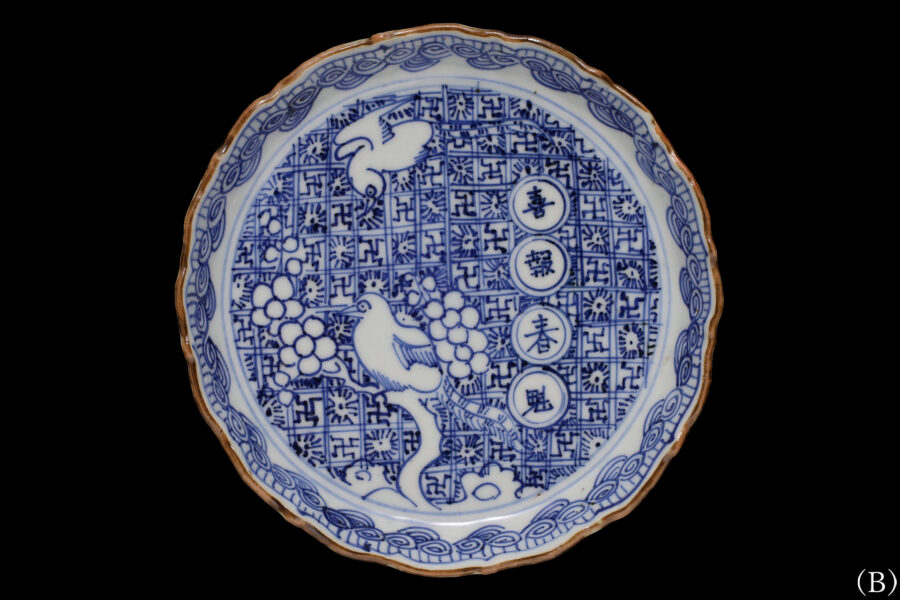
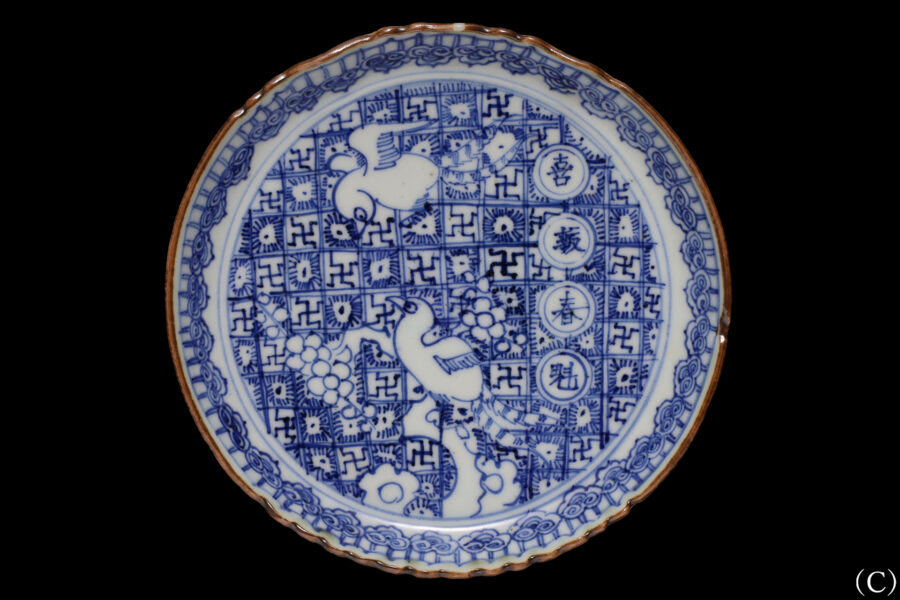
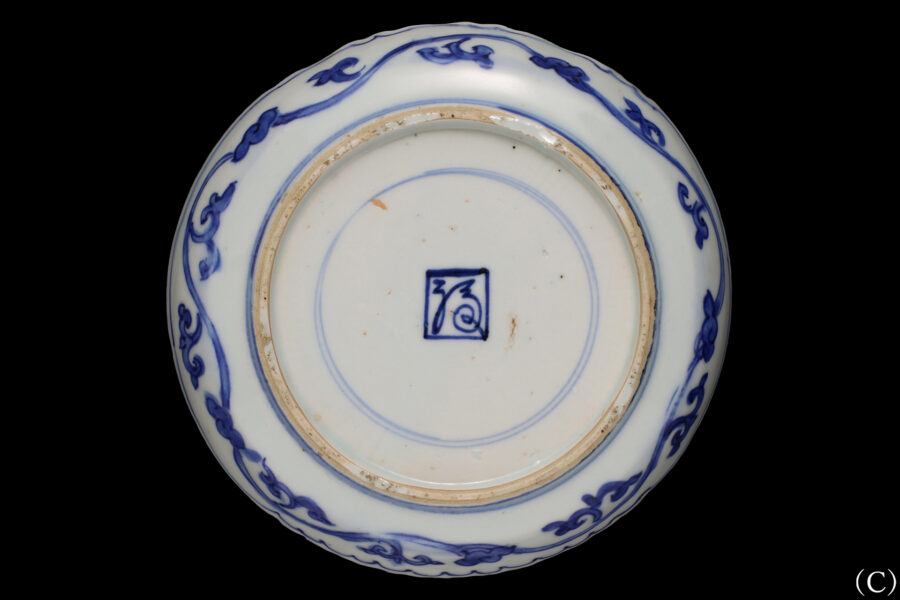
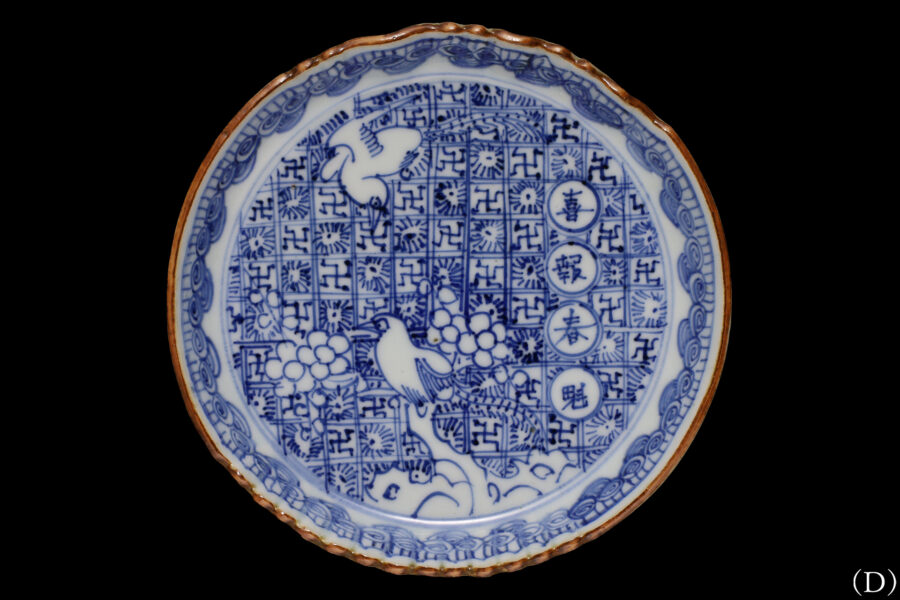
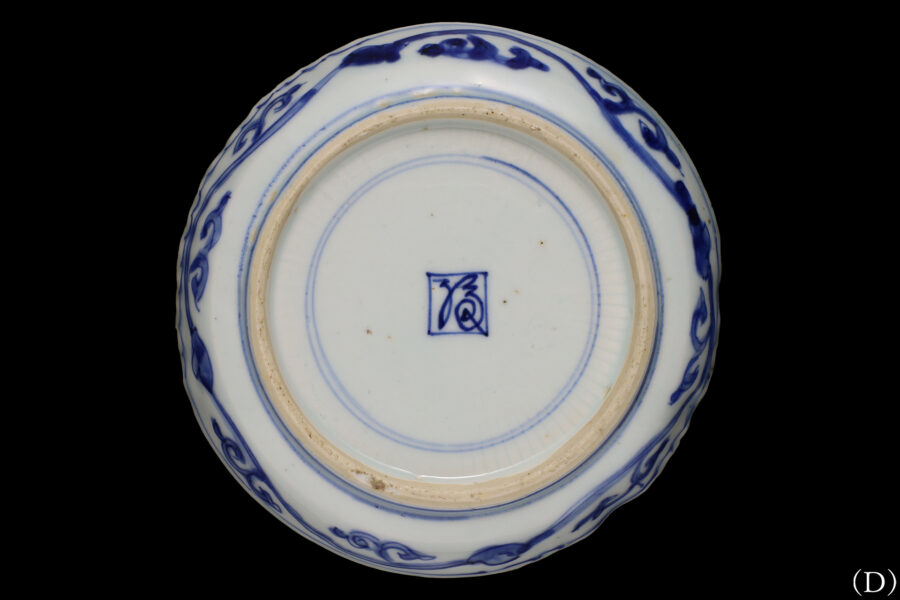
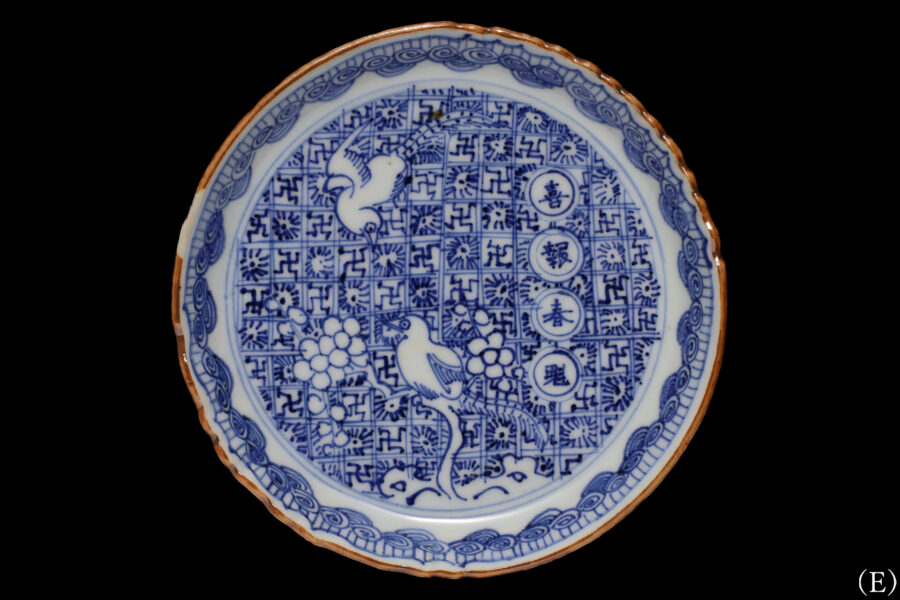
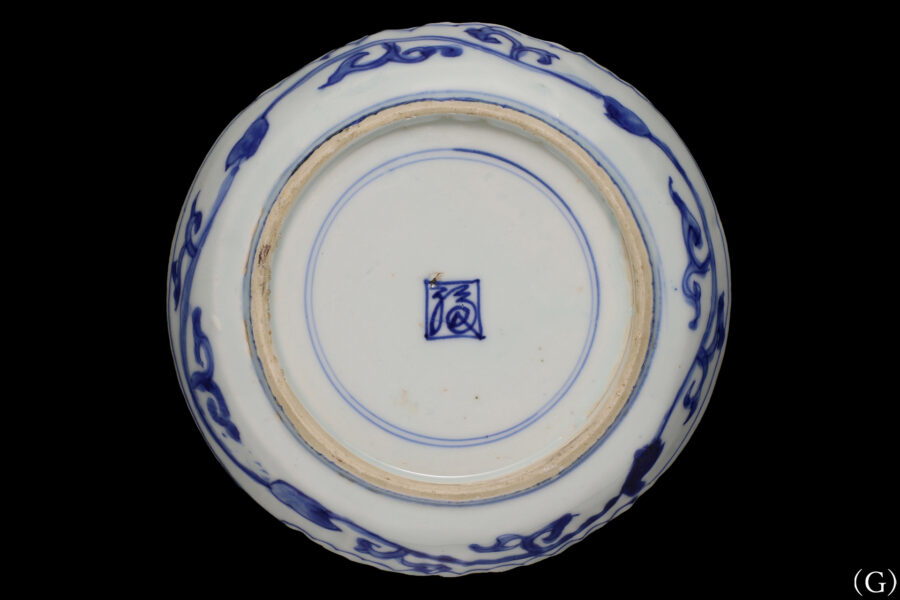
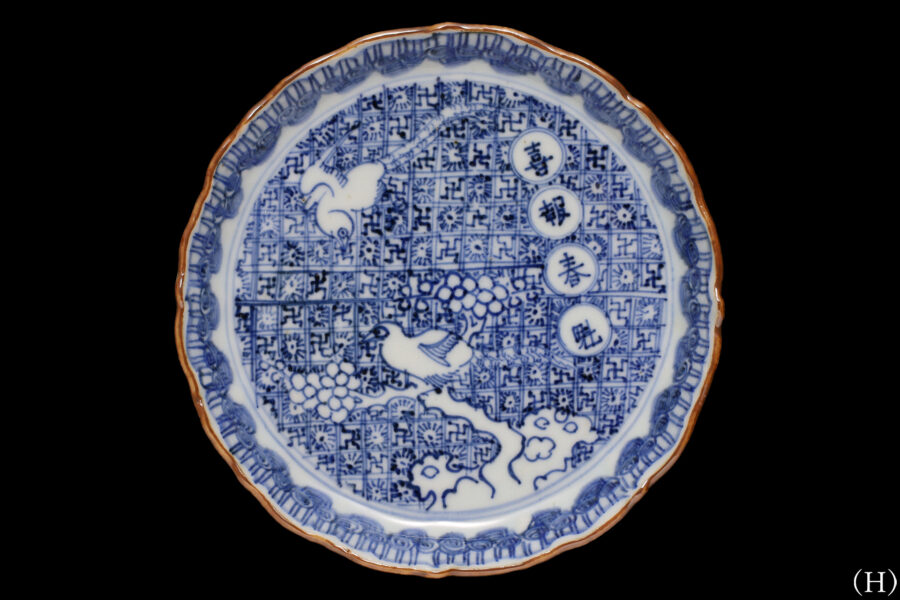
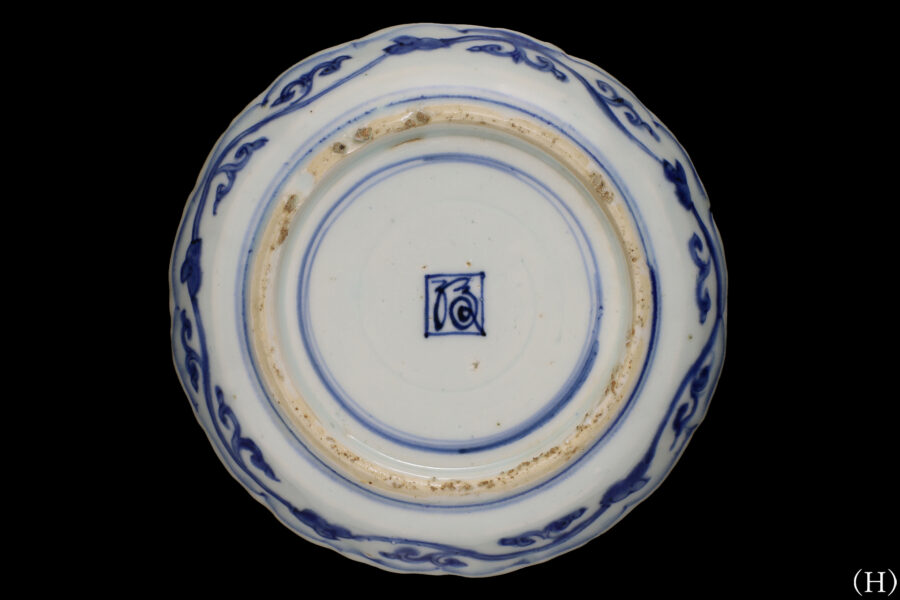
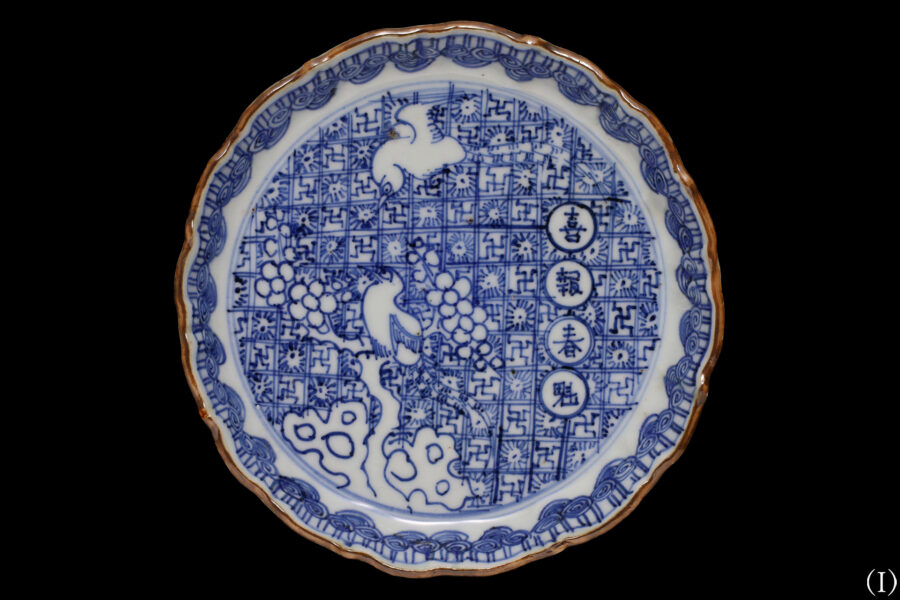
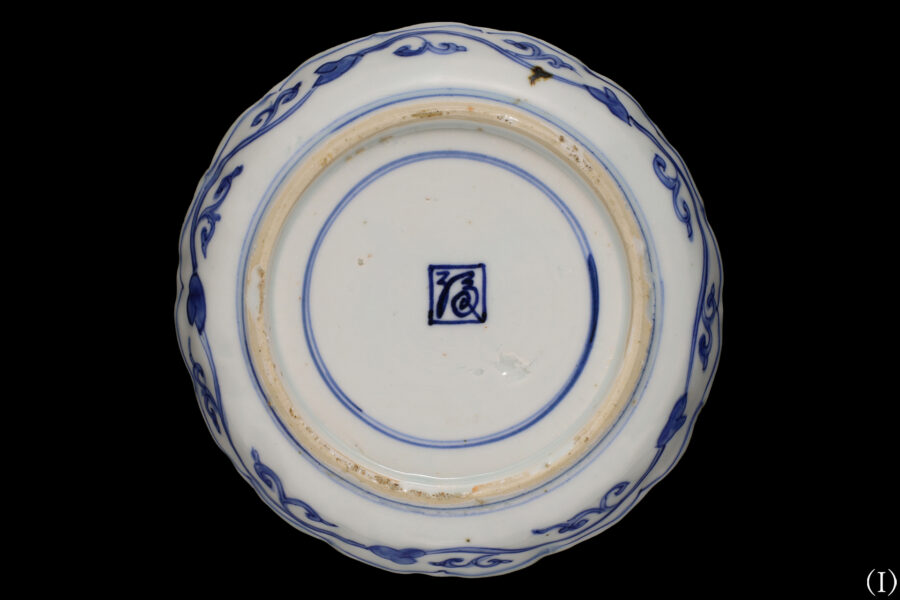
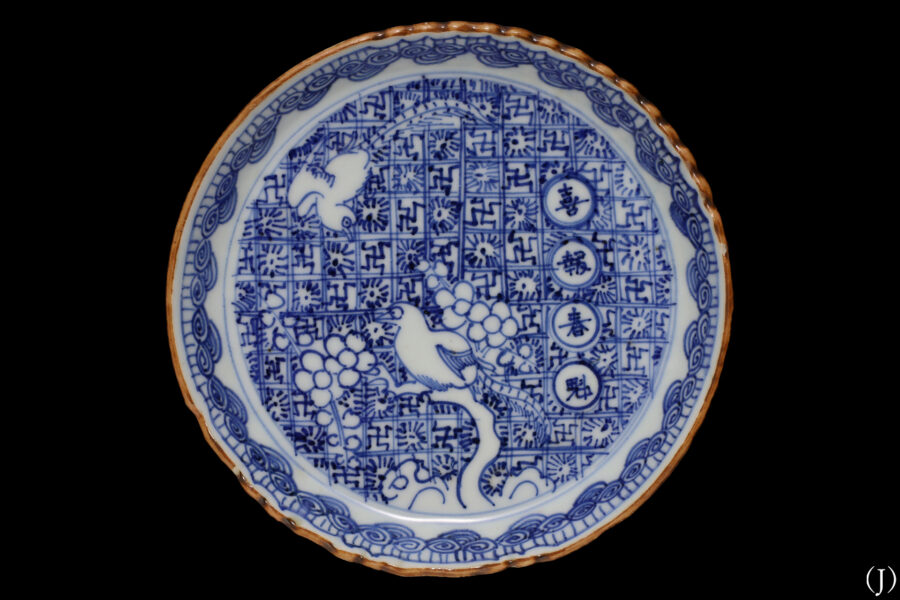
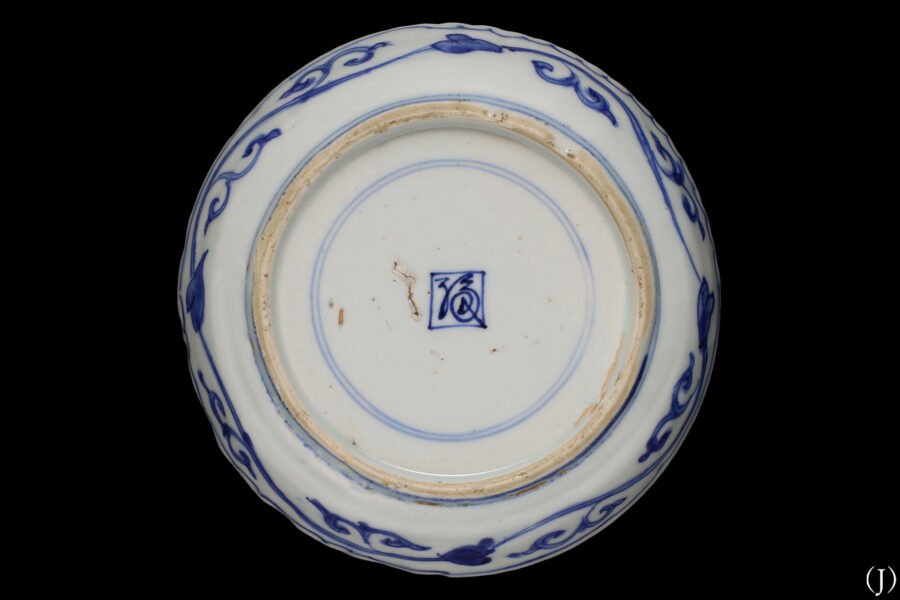
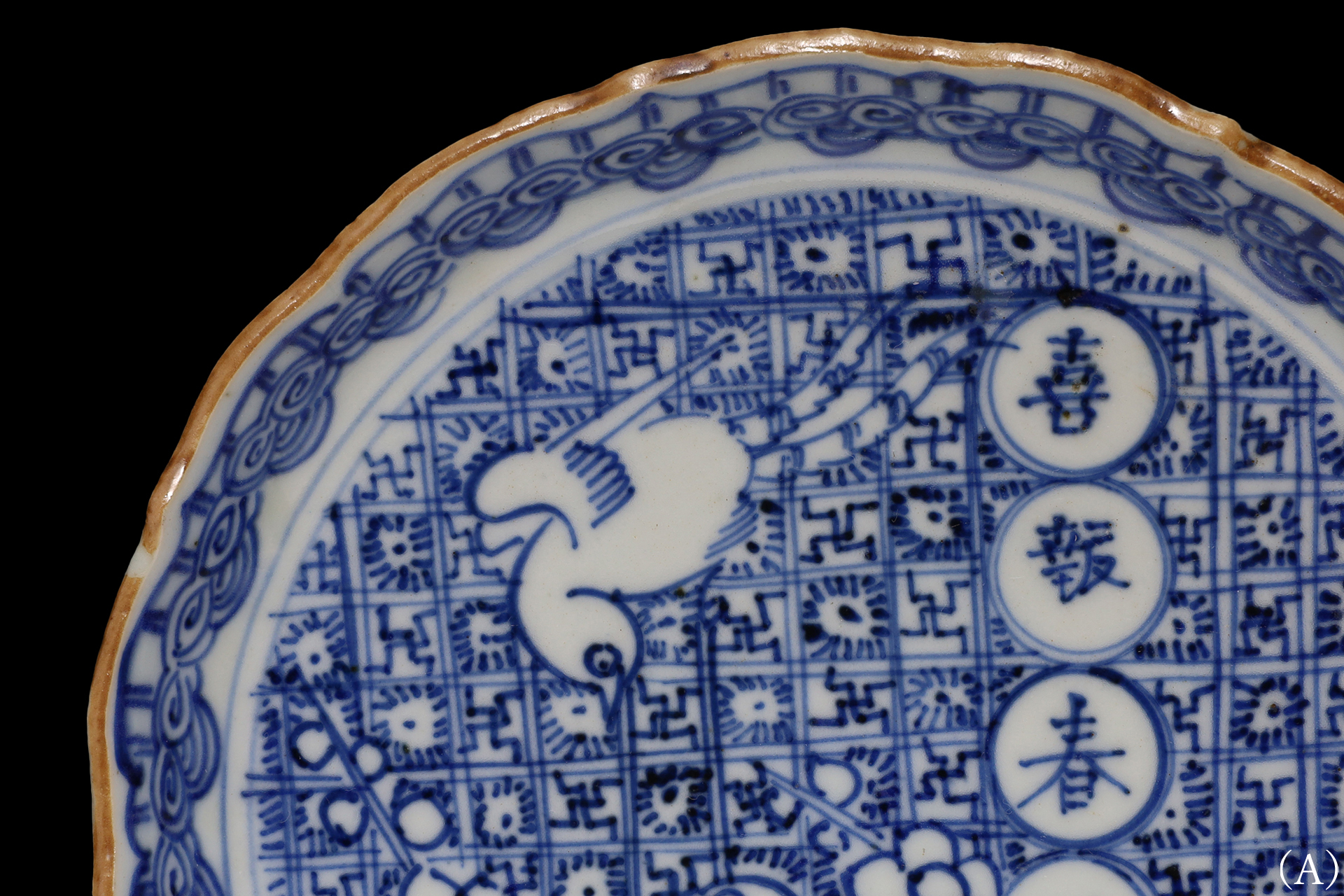
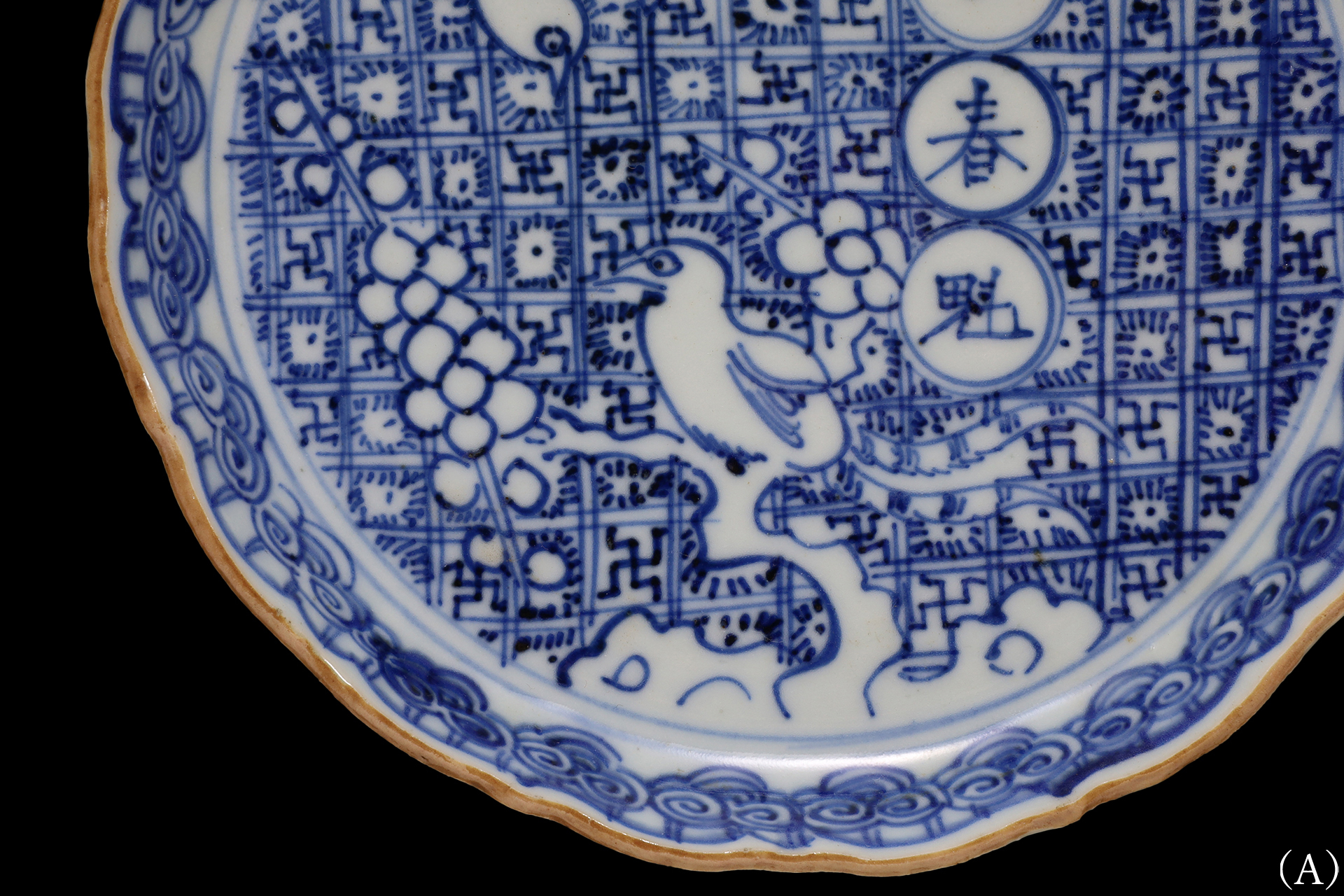
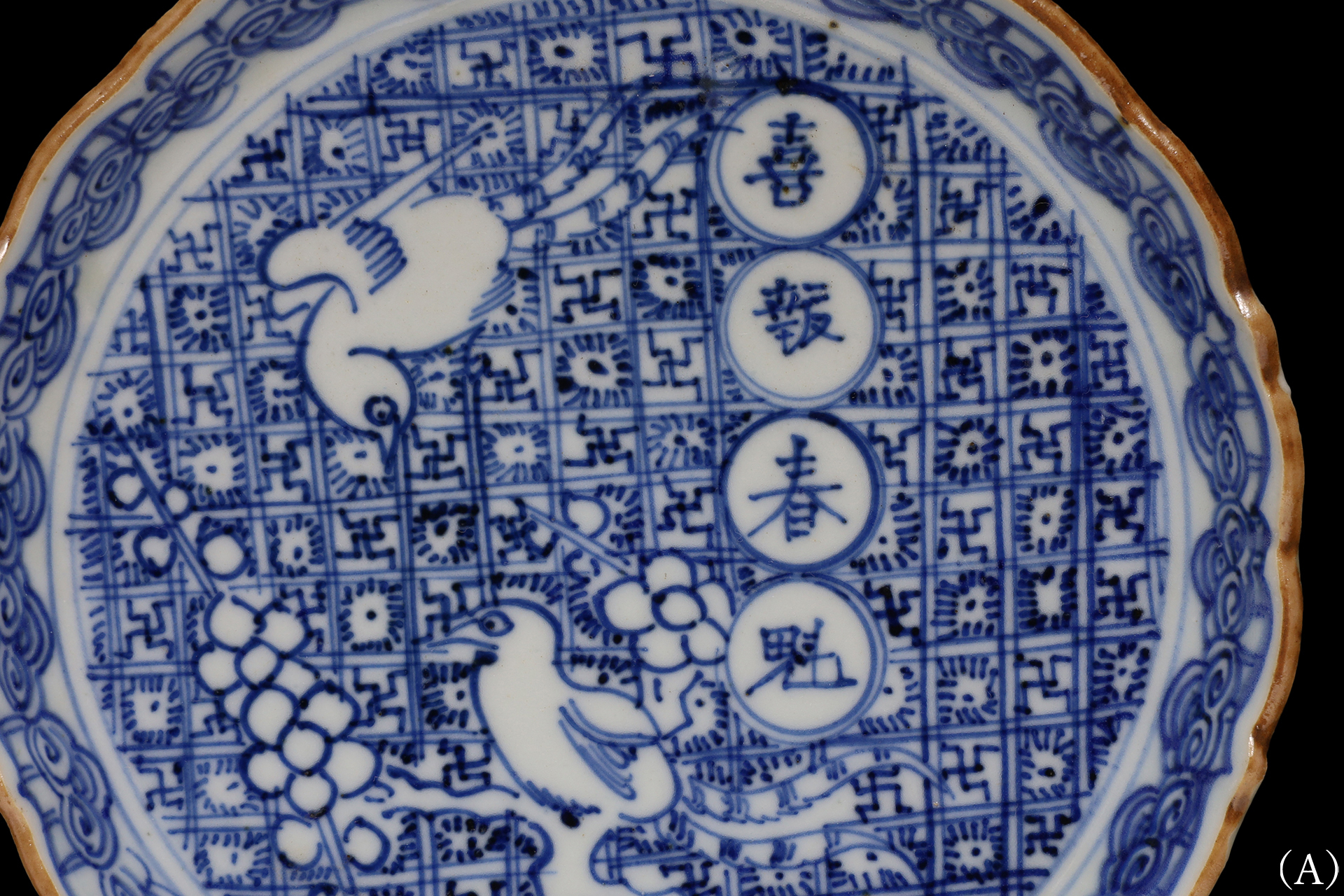
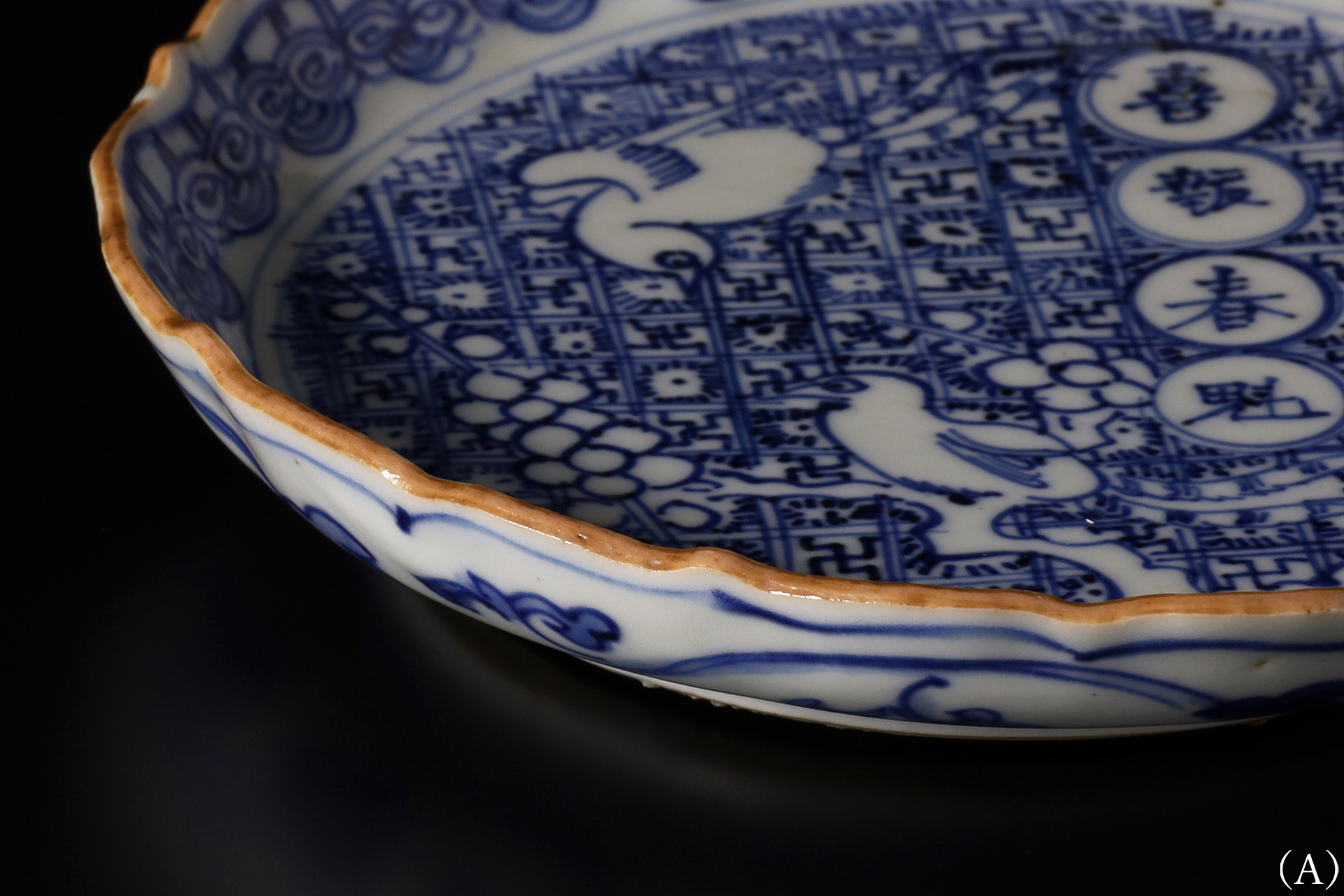
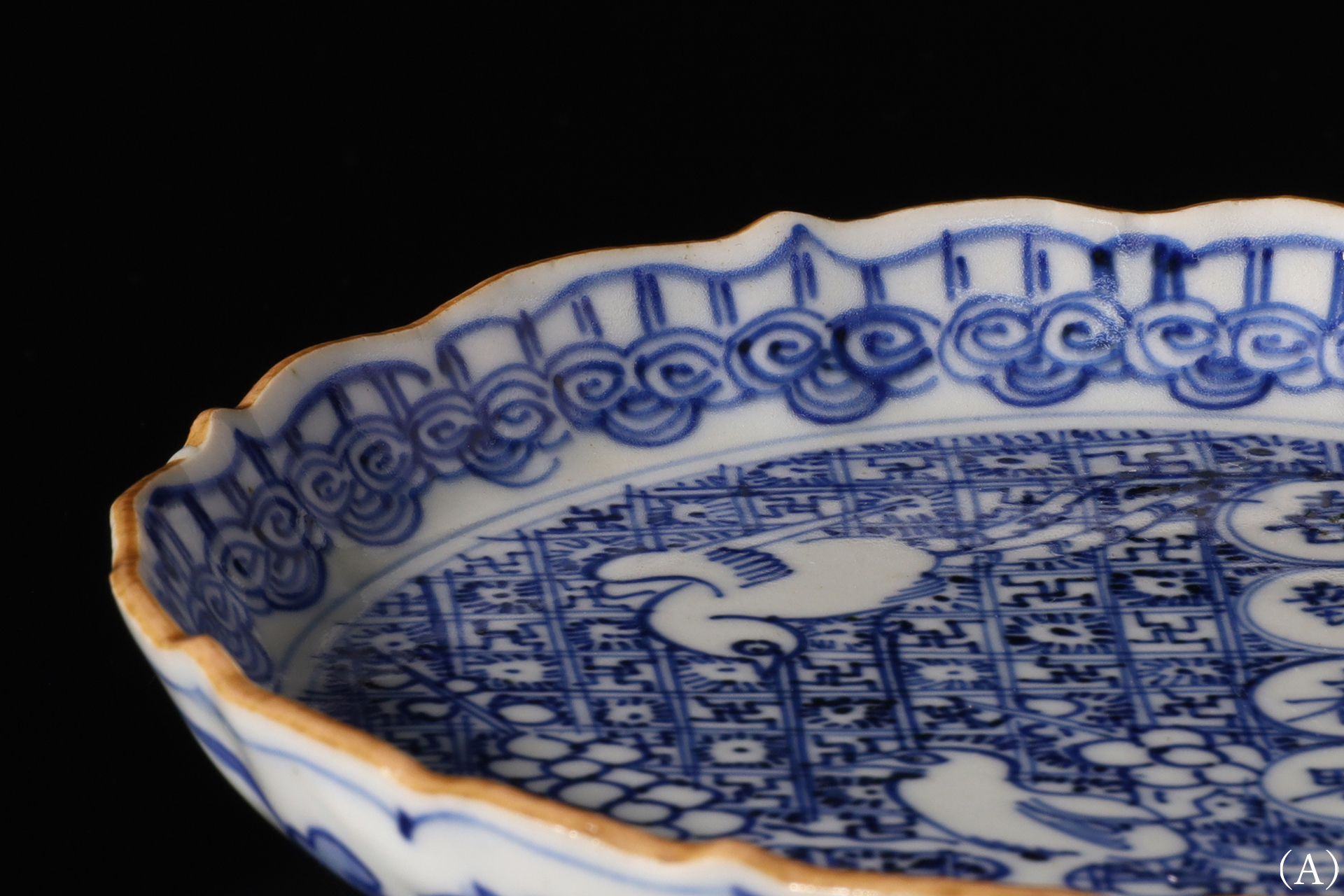
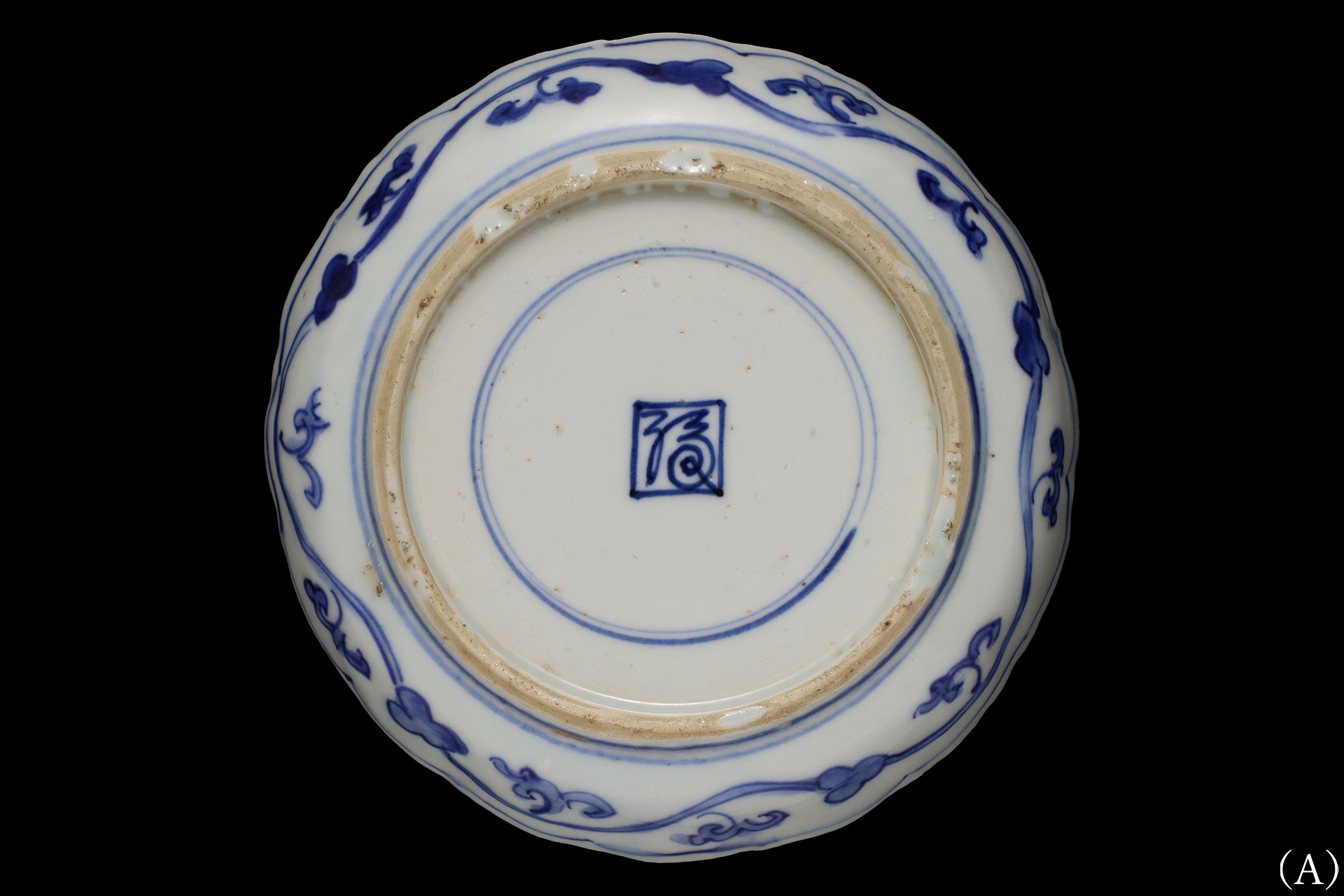
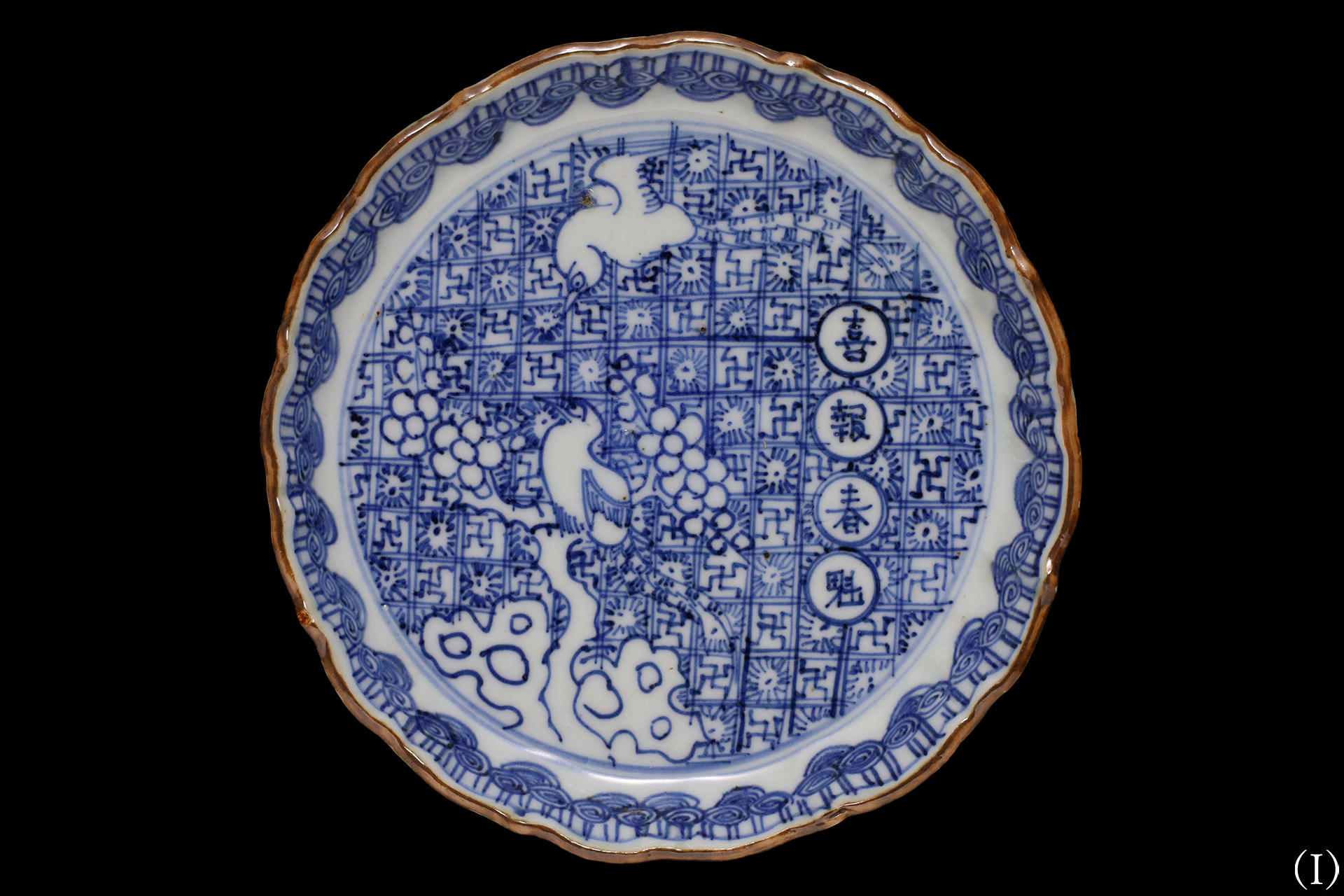
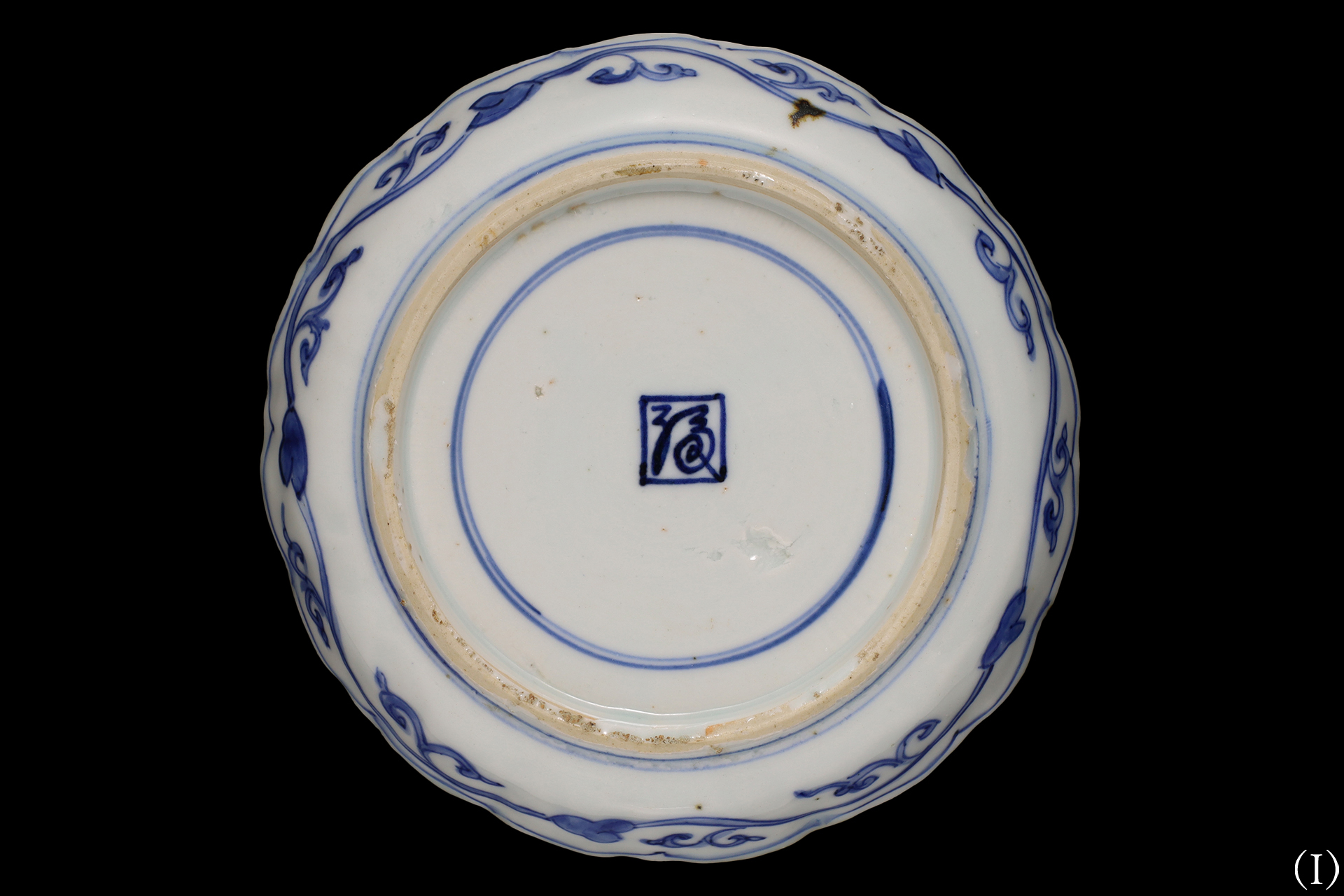
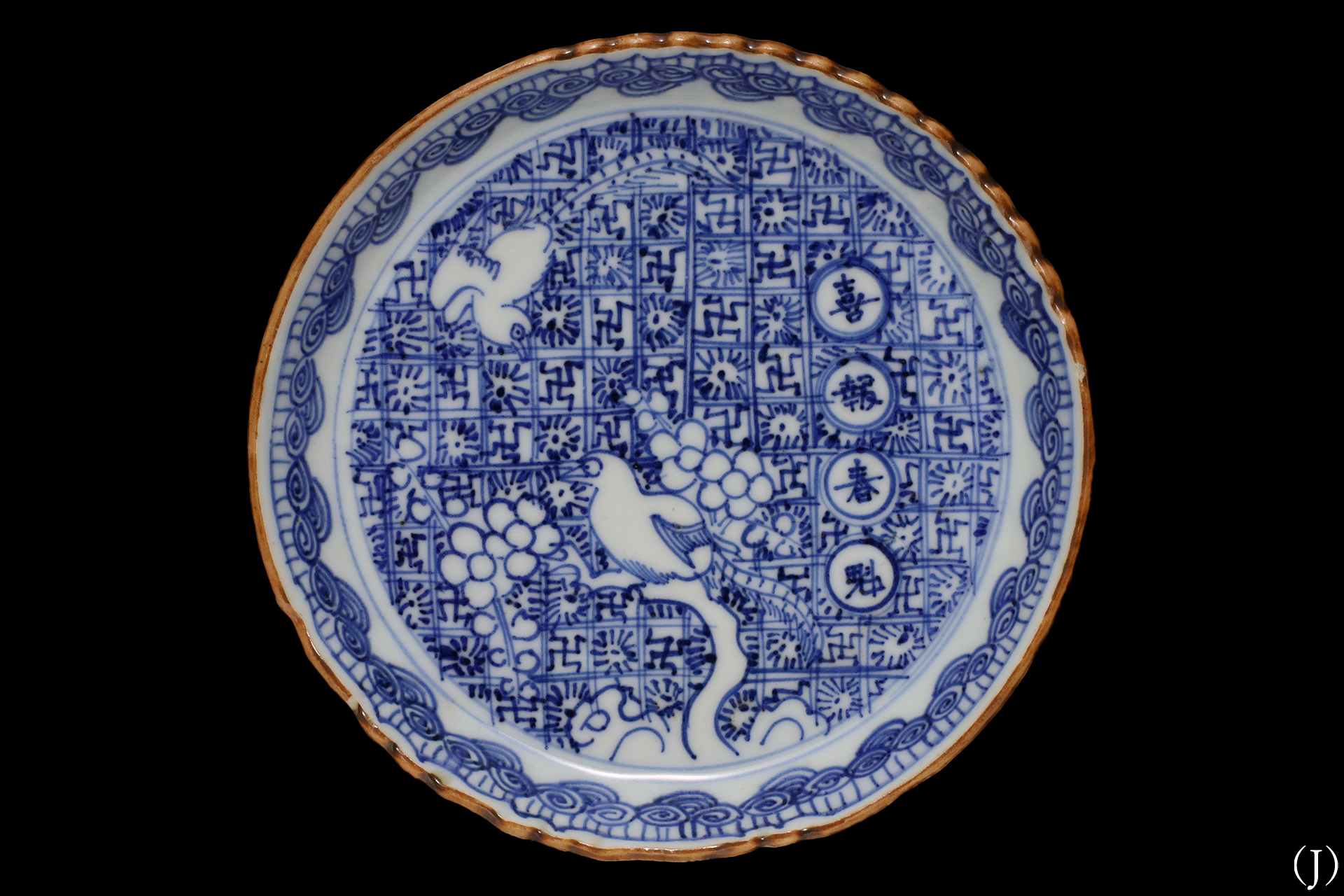
Rendered on a finely refined and luminous white porcelain body, the dish depicts plum branches and a bird—motifs that herald the coming of early spring. The soft, fluid brushwork and the deep, resonant tones of the cobalt embody the poised elegance characteristic of the Shonzui style. In the well, the four characters “Kiho Shunkai” are enclosed within a circular medallion, expressing in dignified form an auspicious wish for the arrival of spring. The graceful scalloped rim imparts gentle shadows and a quiet rhythm across the surface, suffusing the entire piece with a clear and serene spirit. A complete surviving set of ten is exceedingly rare, and this group preserves the refined stature of a high-quality commissioned work from the Ming dynasty.
-------------------------------------------------------
⇒ Collection of the Tokyo National Museum (External Site)
-------------------------------------------------------
- Product Code
- 260412-2
- Period
- Ming Dynasty
Early 17th Century
- Weight
- Approx. 248 g Per Piece
- Diameter
- Approx. 14.6 cm
- Height
- Approx. 2.8 cm
- Base Diameter
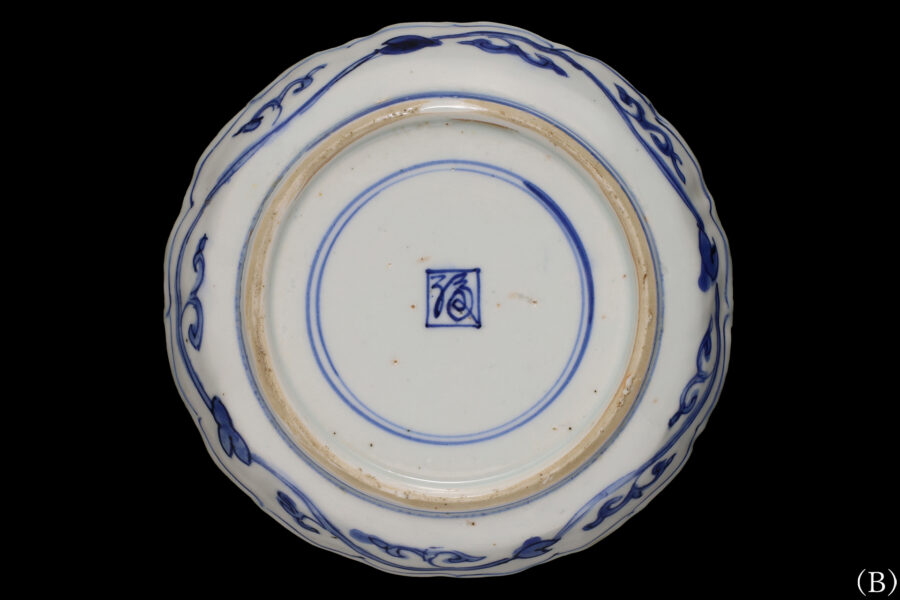
- Approx. 10.2 cm
- Accessories
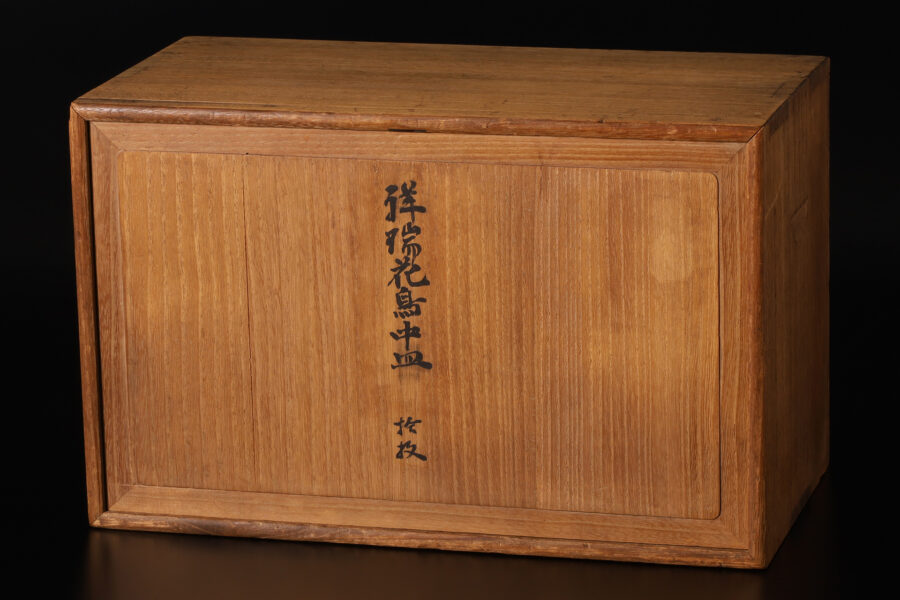
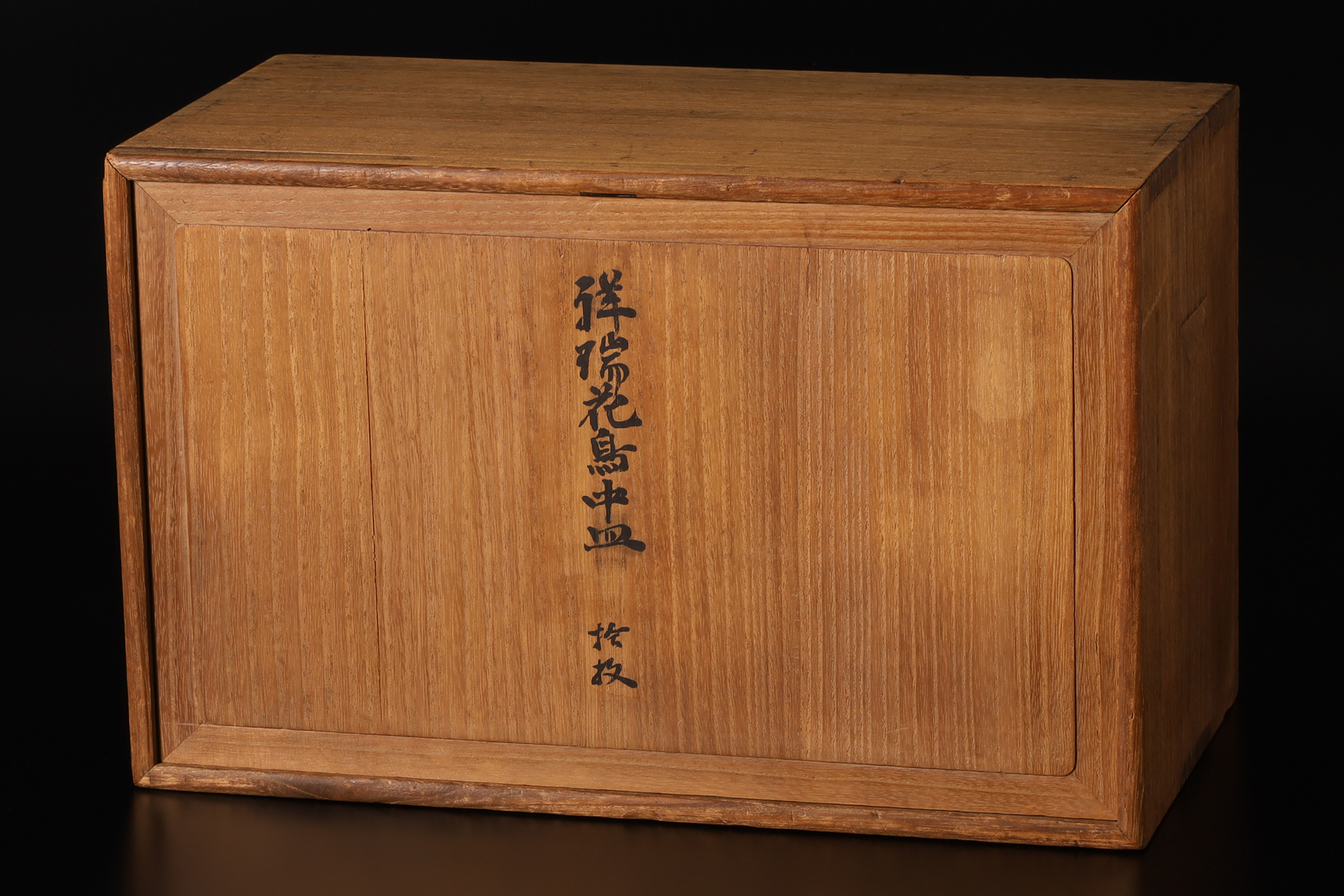
- Tiered Paulownia Box
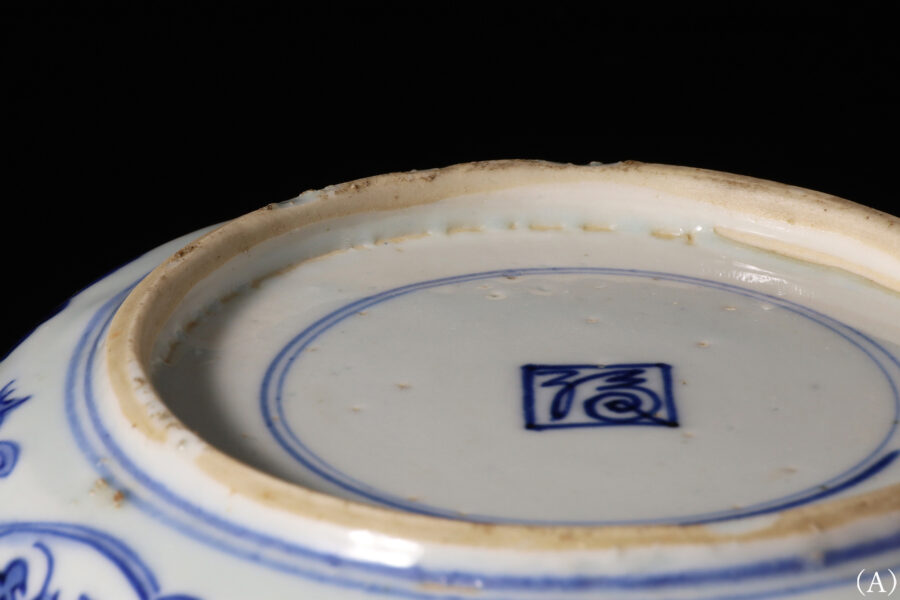
- Condition (A) - (H)
- - Perfect Condition
- Condition (J)
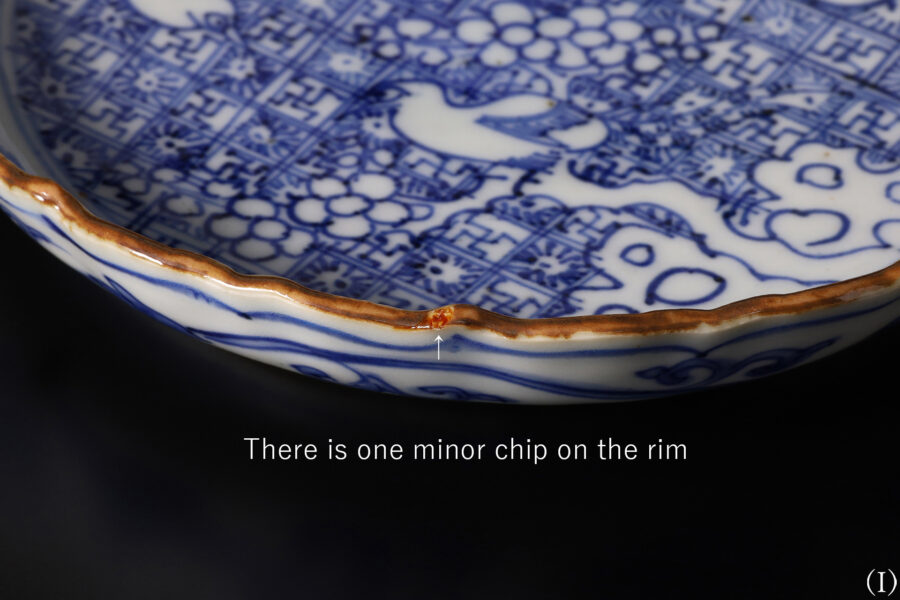
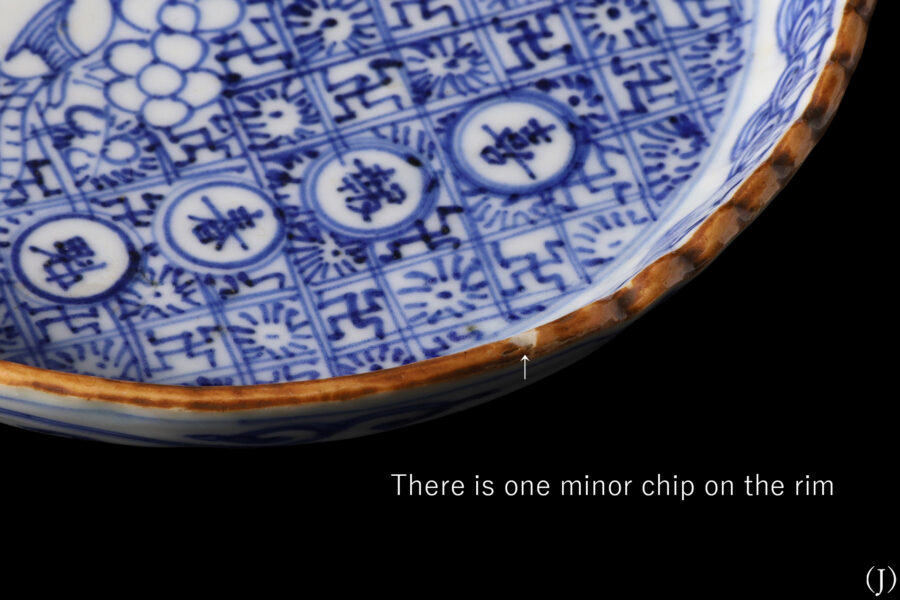
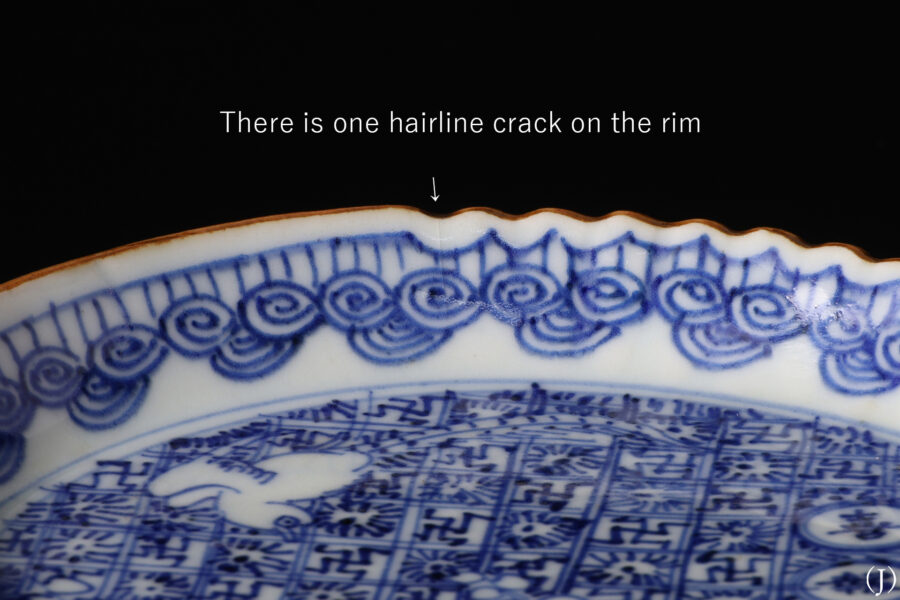
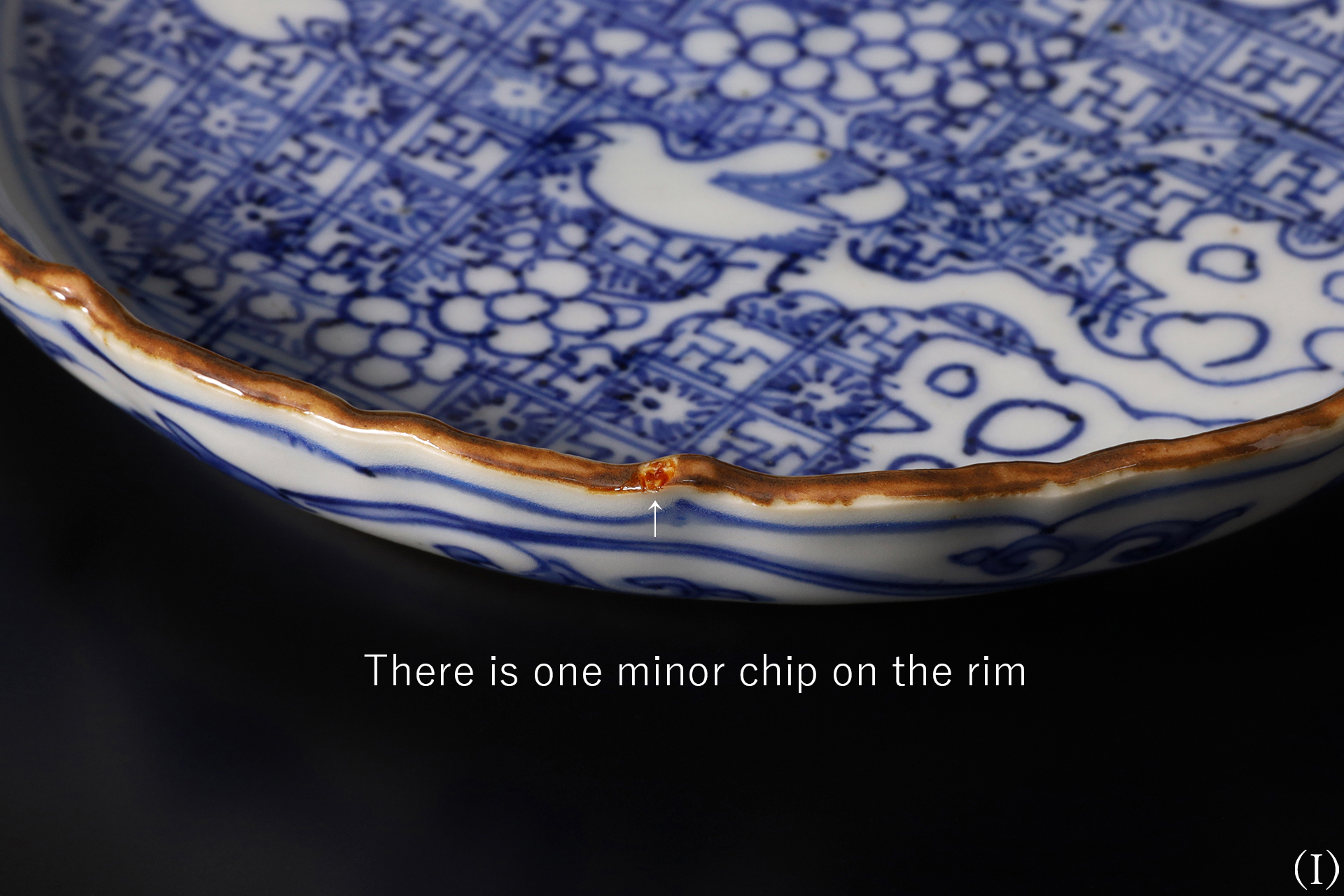
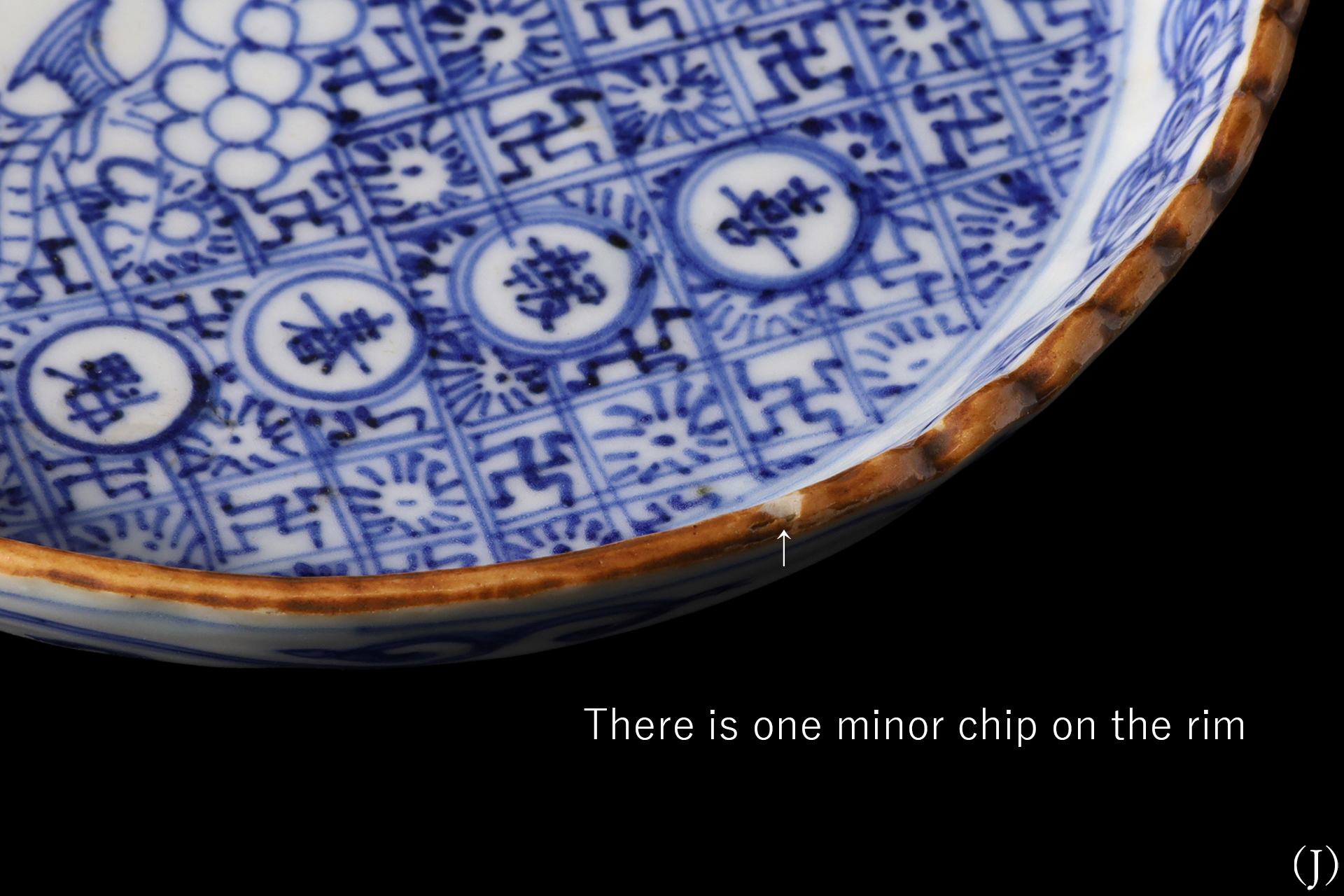
- - There is one minor chip on the rim (Refer to the image)
- Condition (K)
- - There is one minor chip on the rim (Refer to the image)
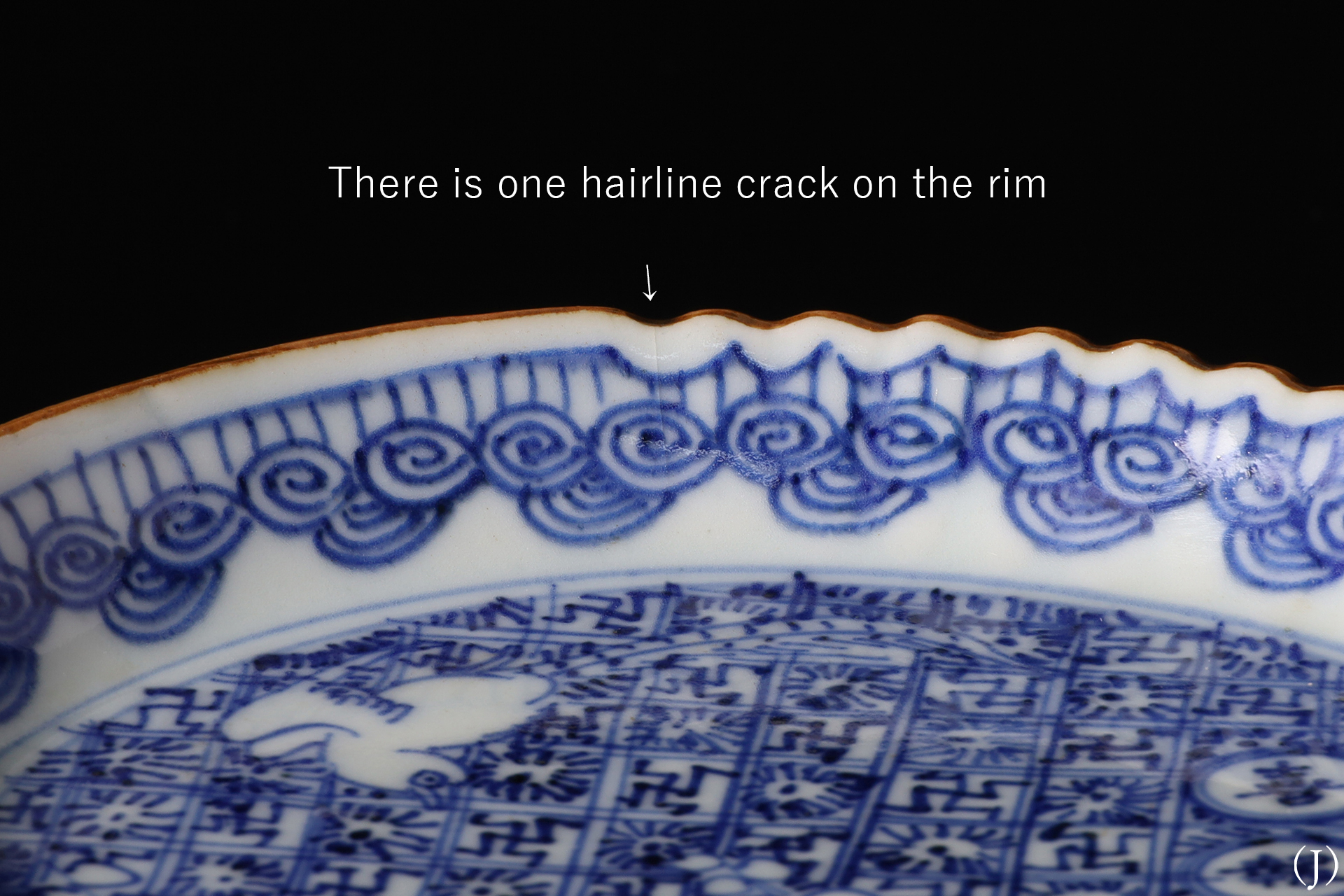
- There is one hairline crack on the rim (Refer to the image)
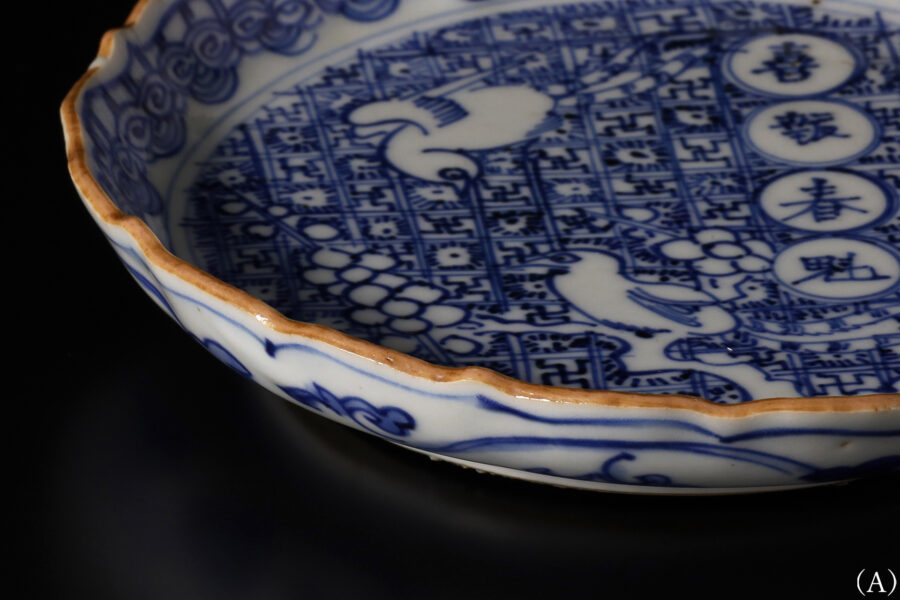
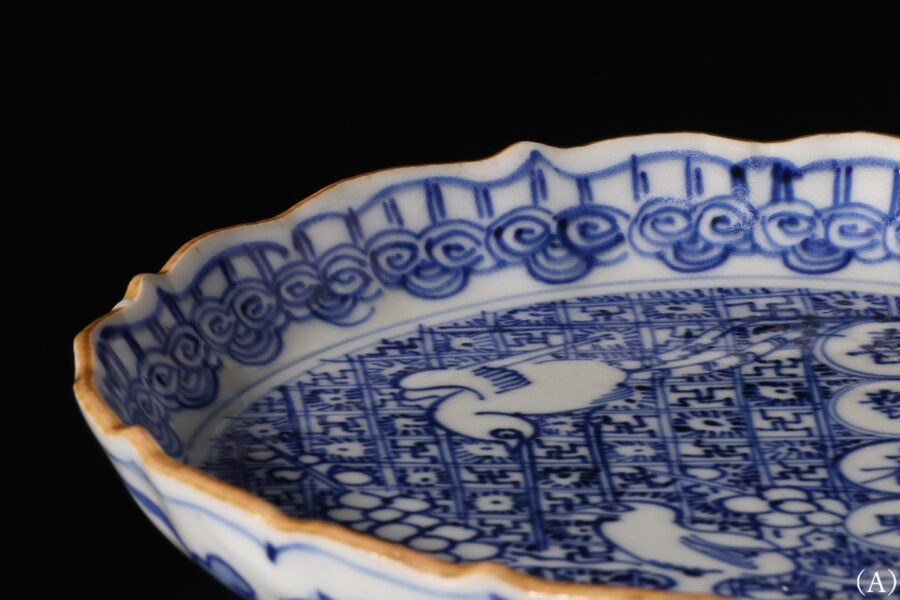
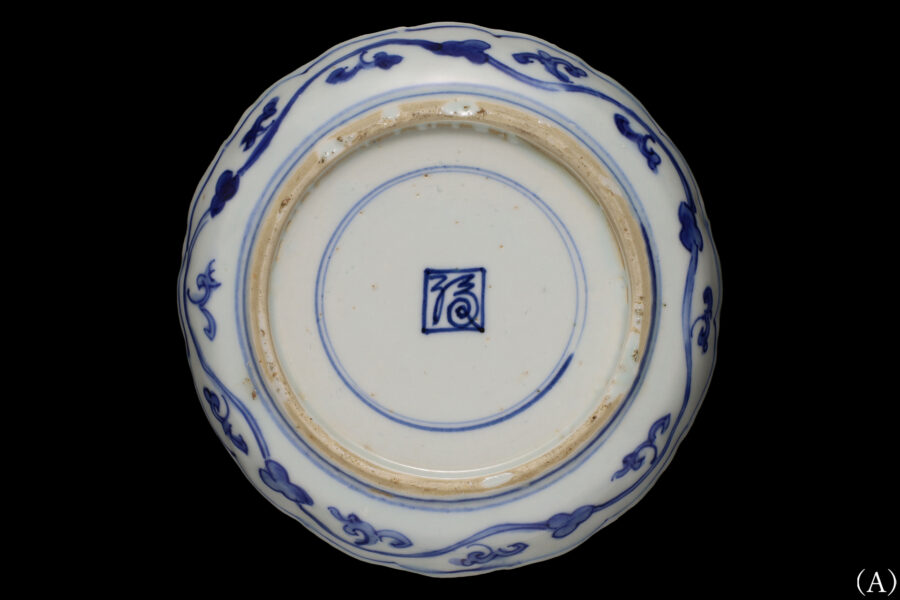
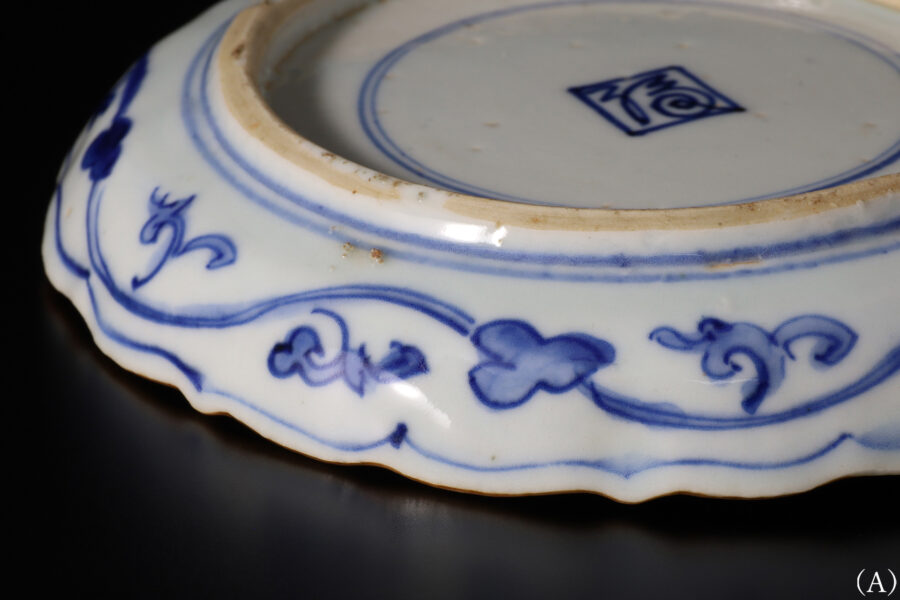
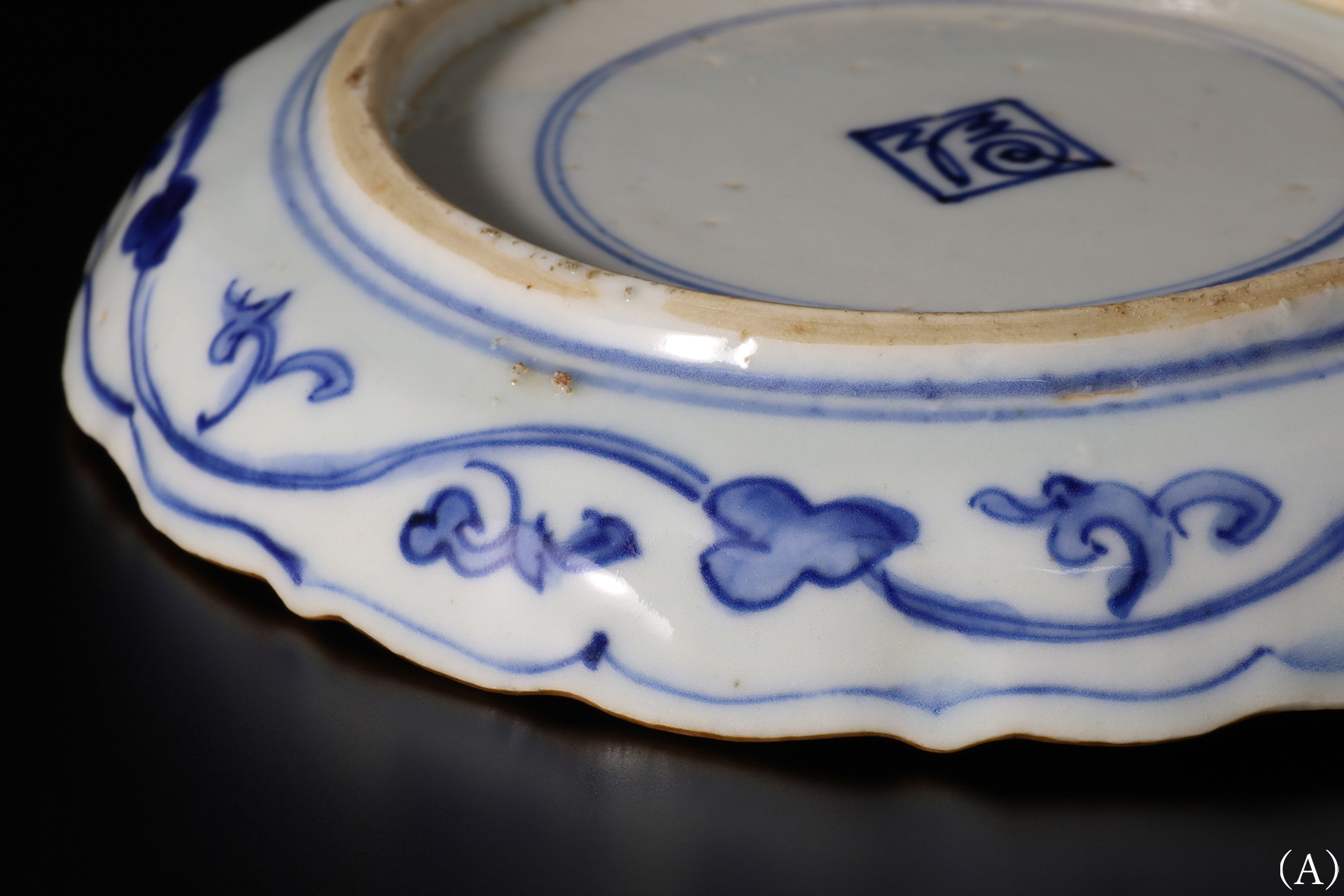
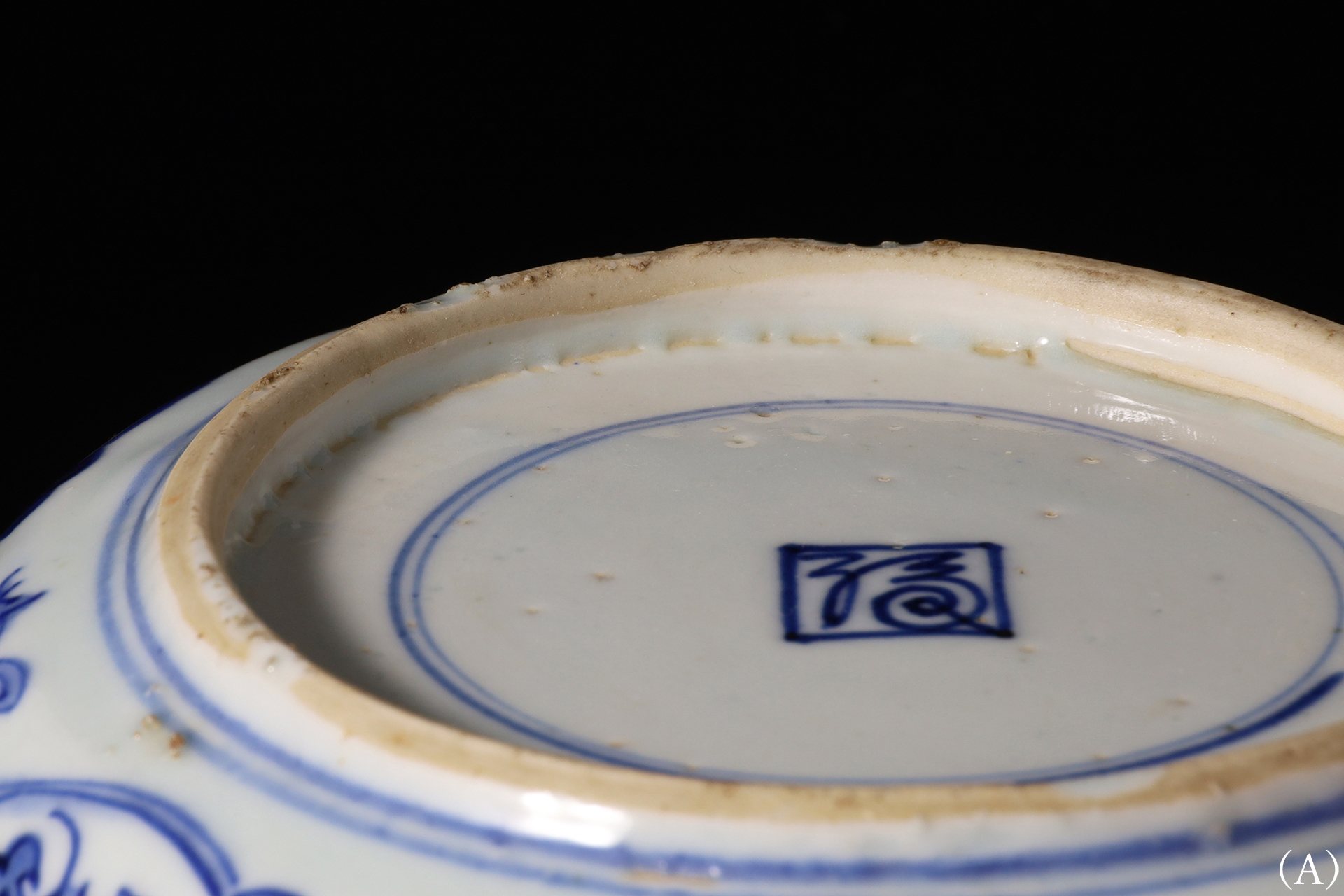
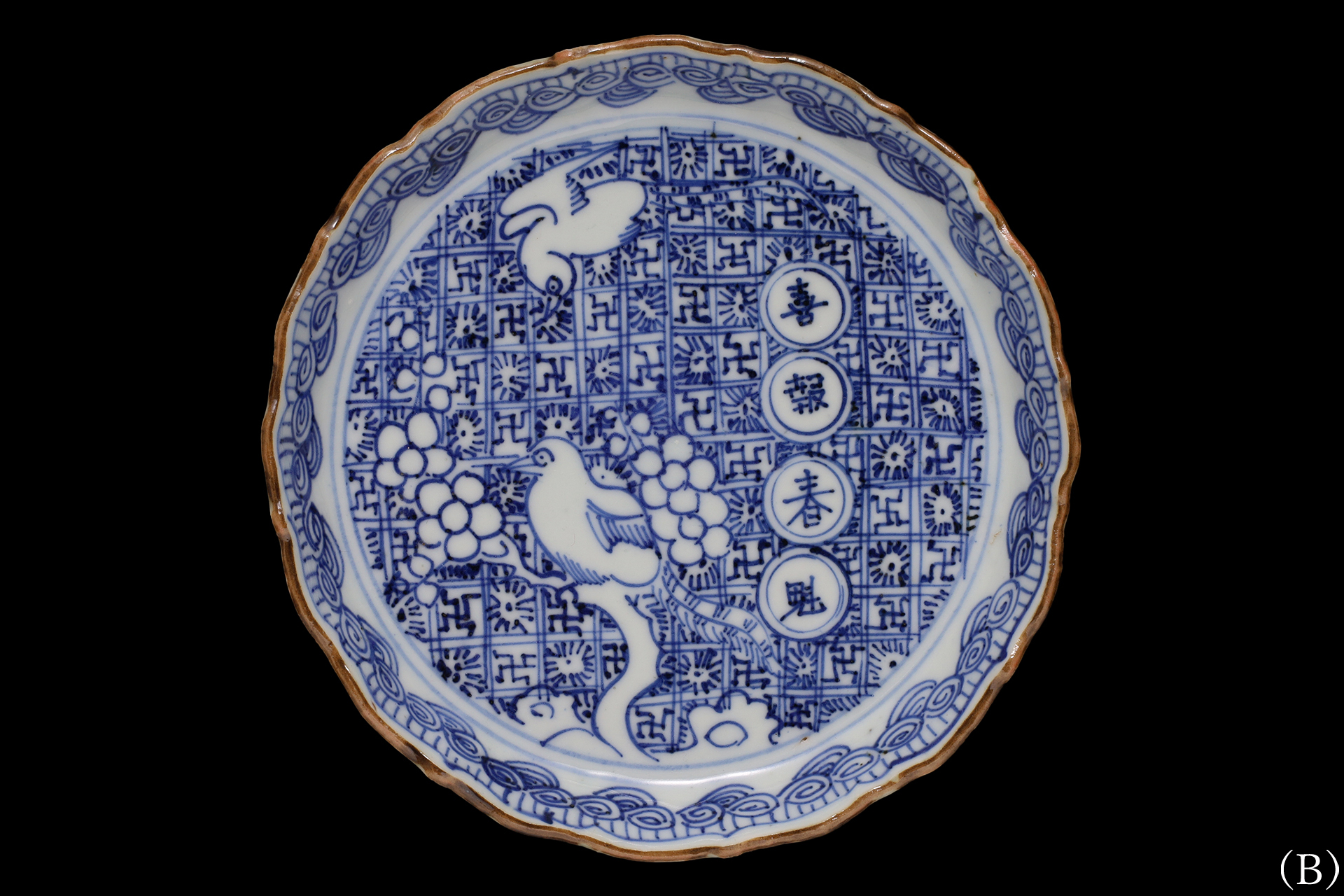
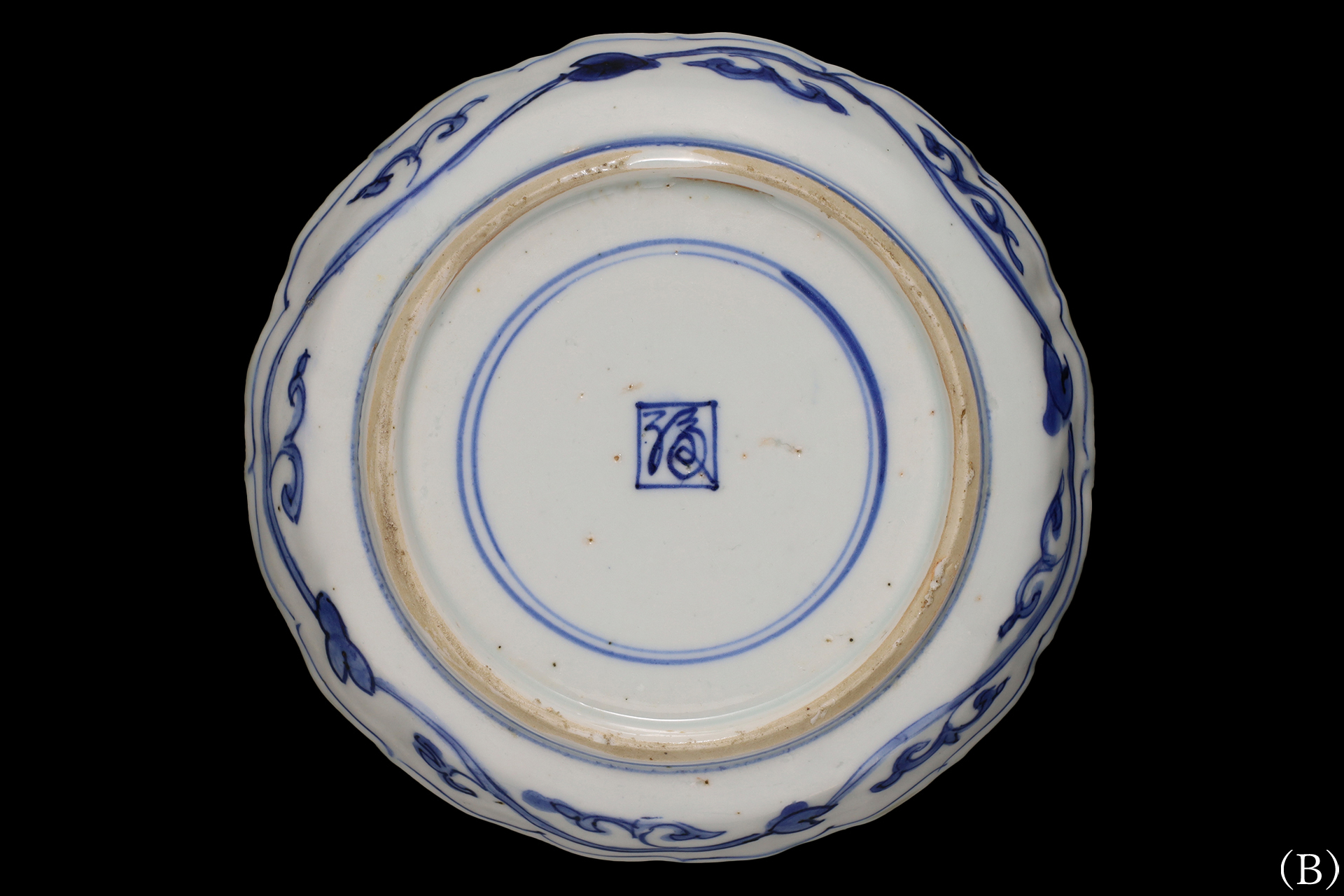
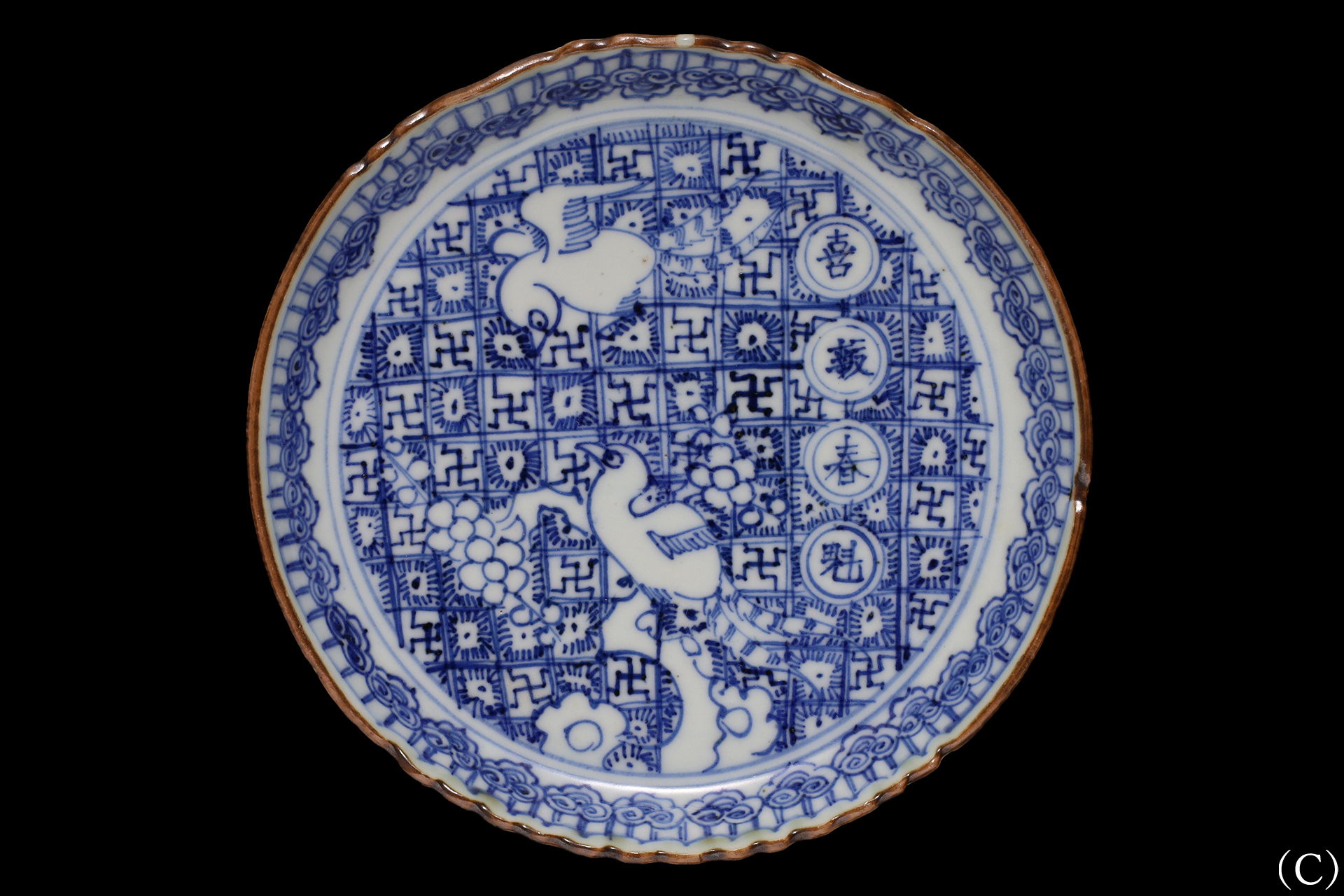
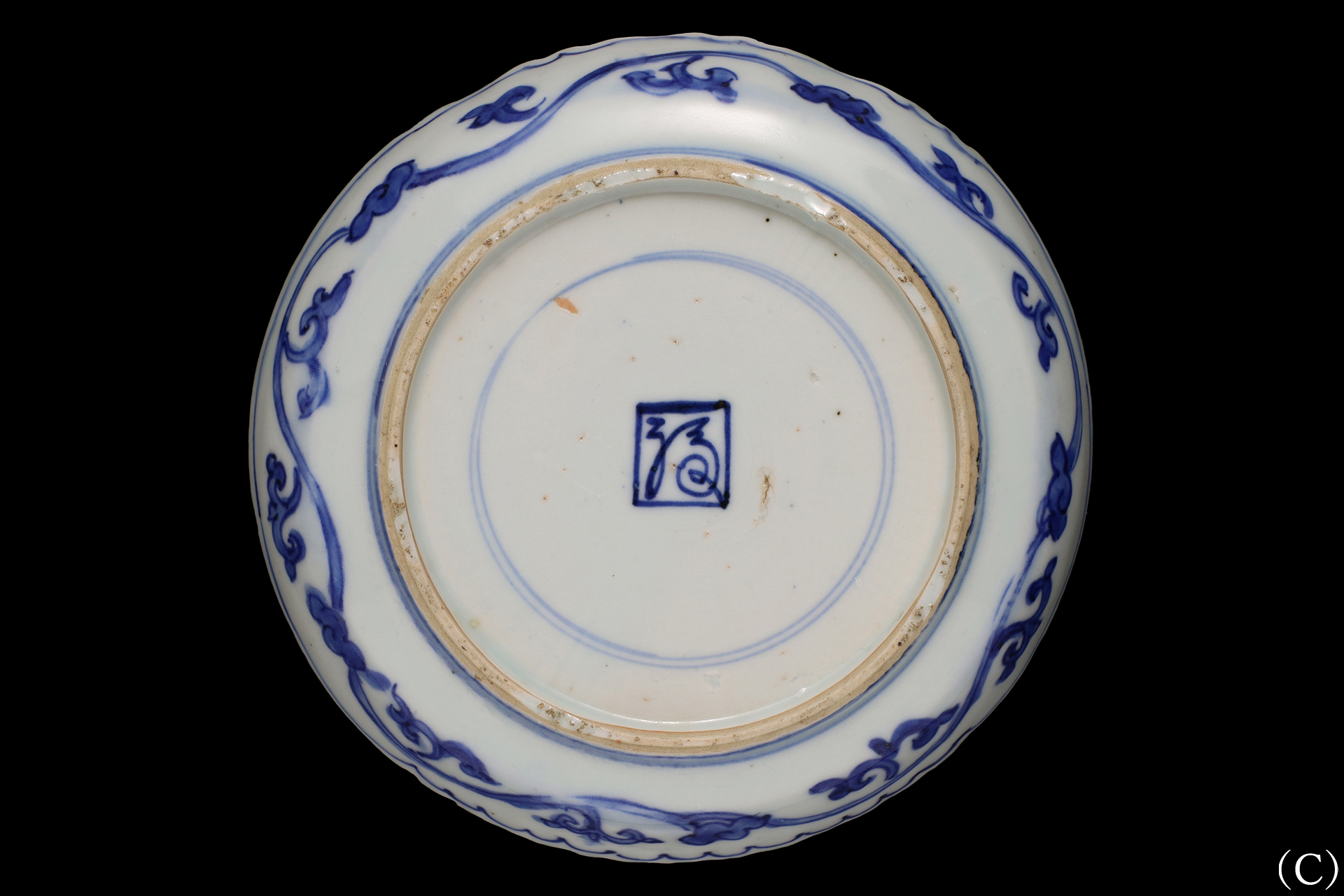
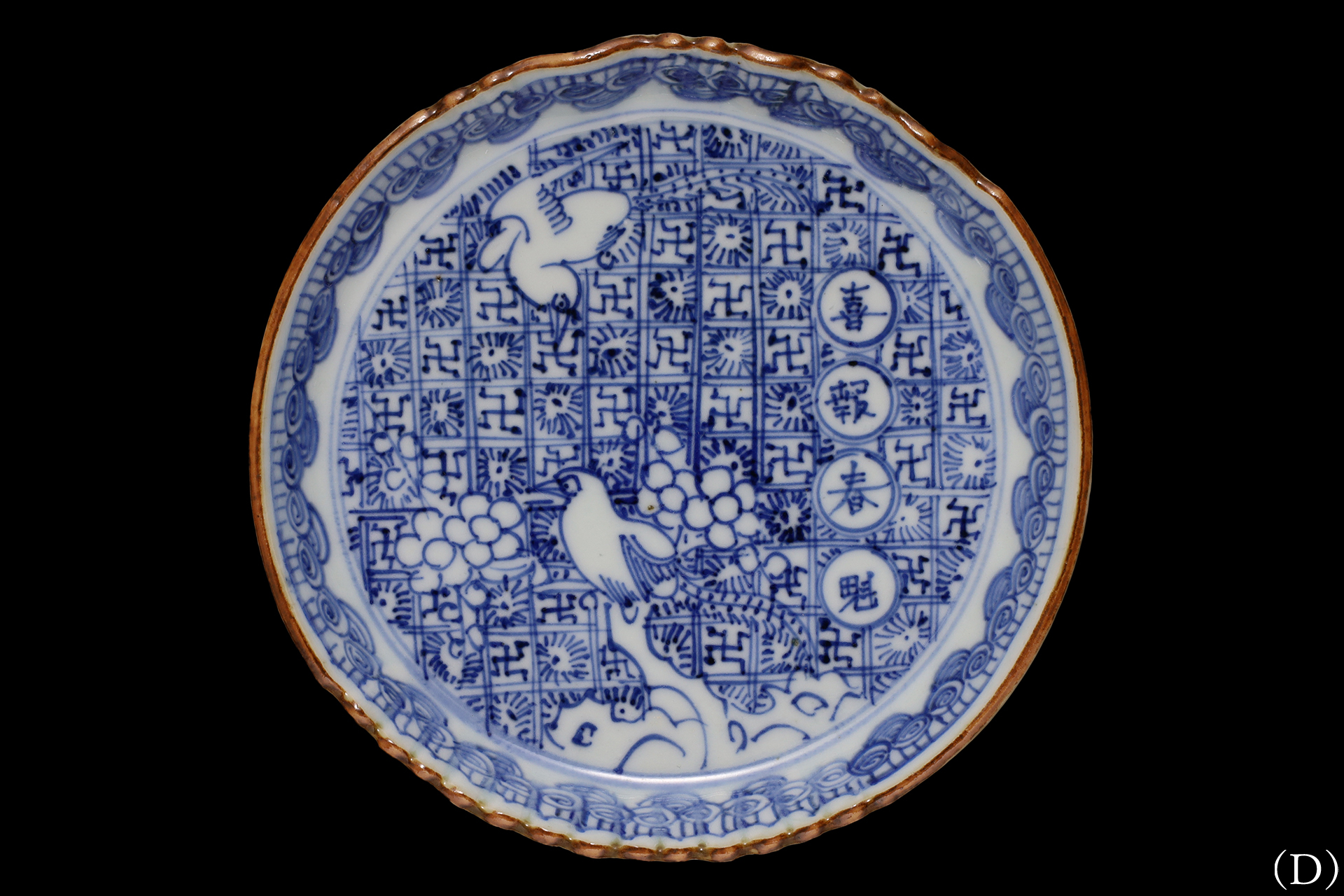
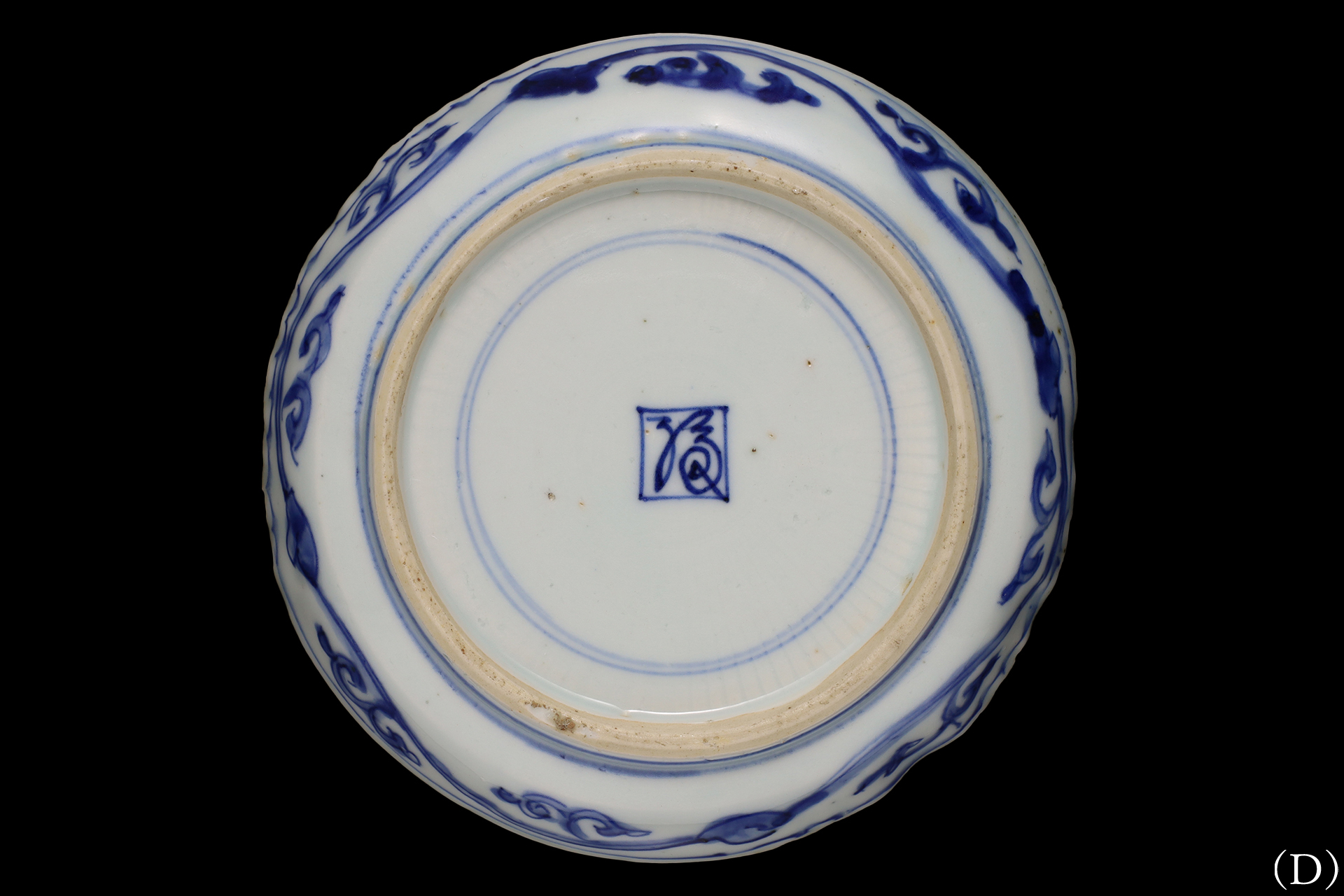
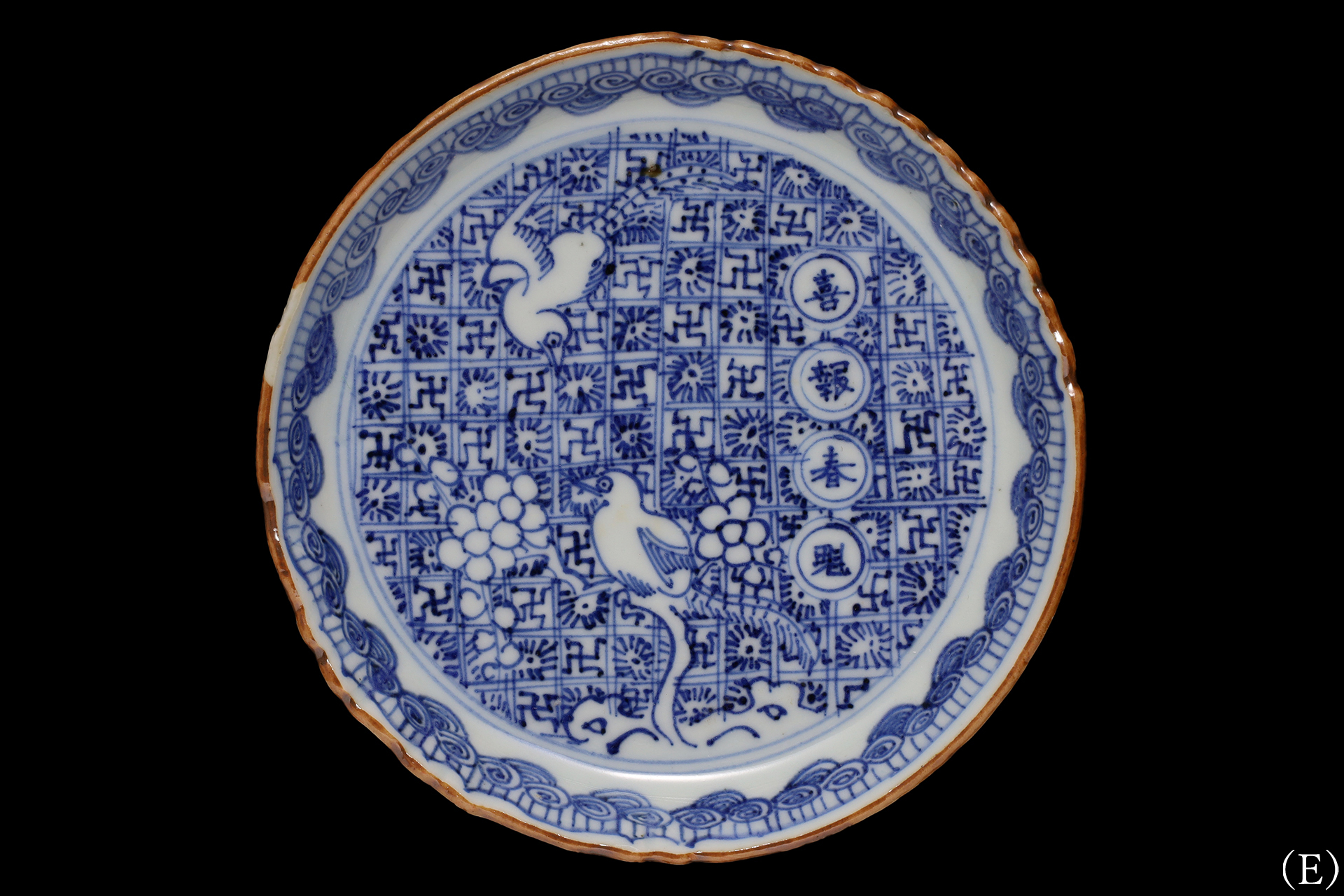
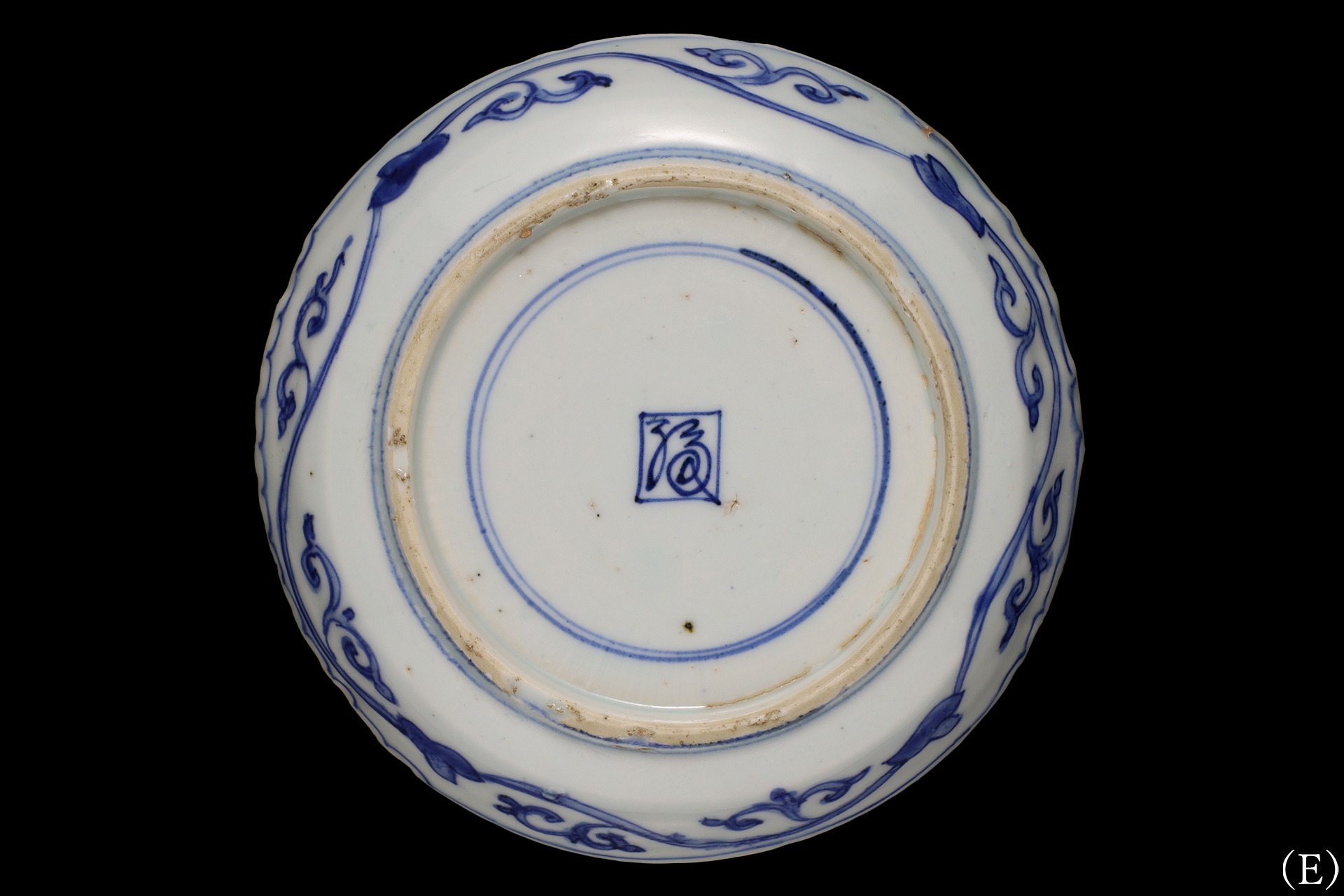
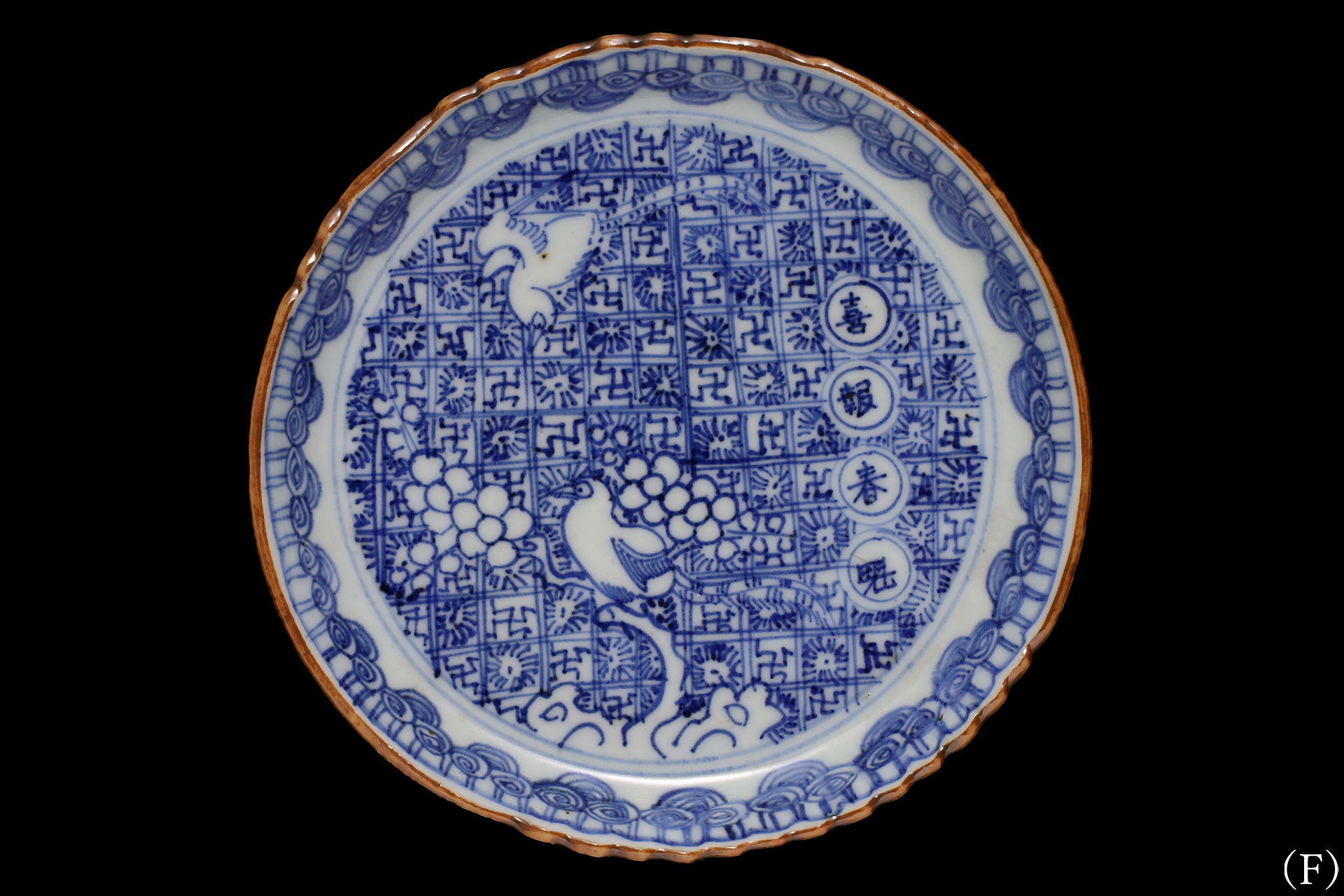
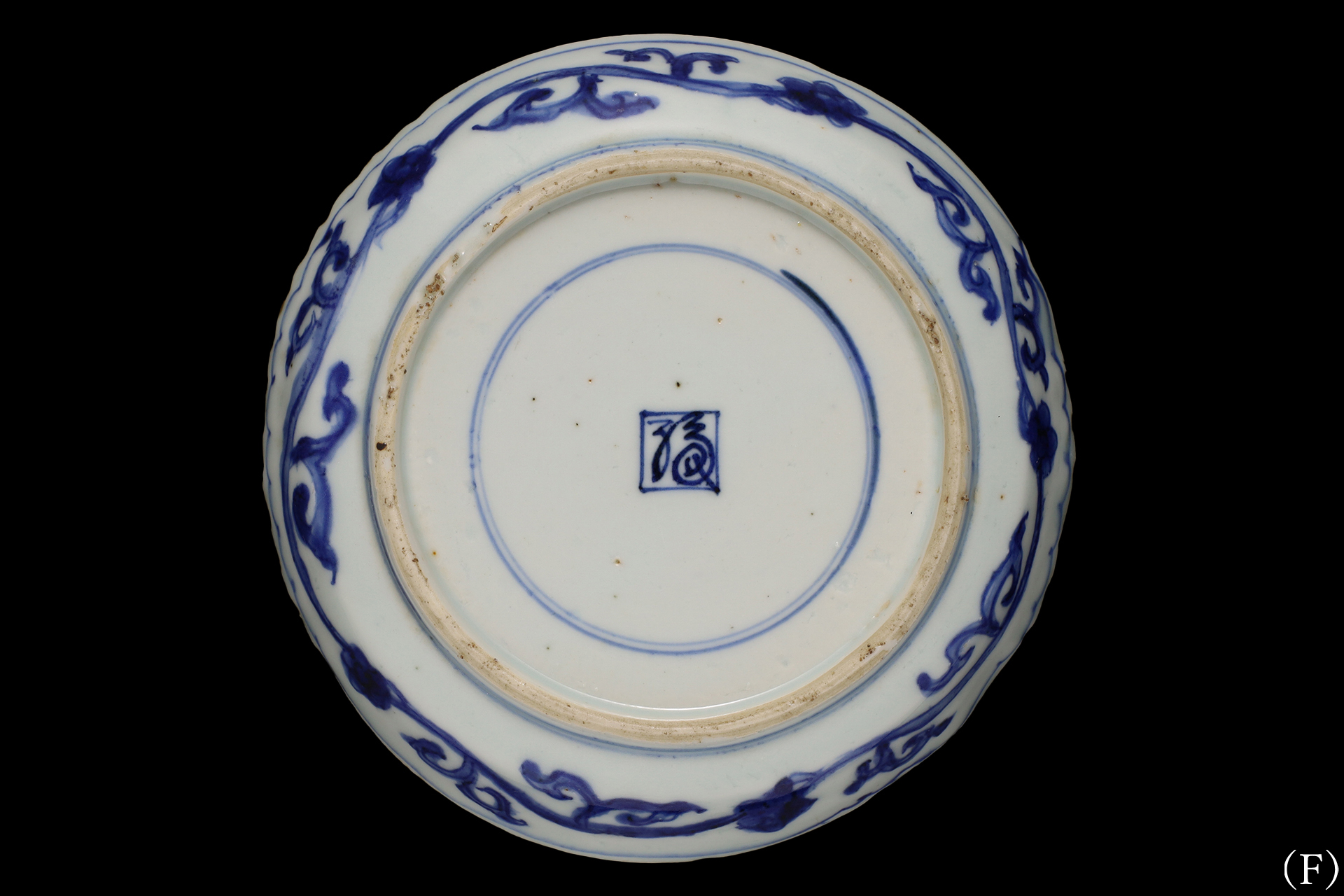
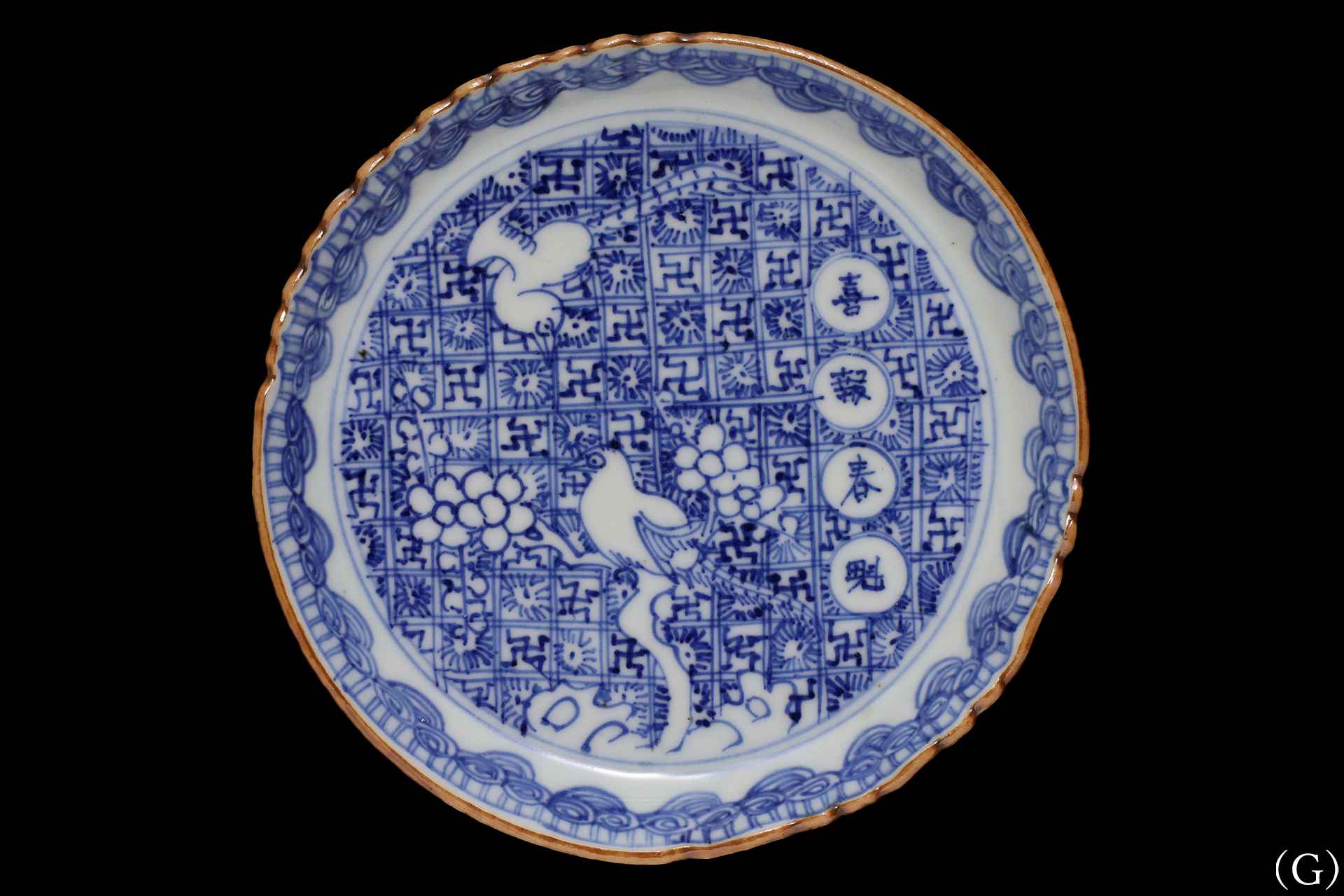
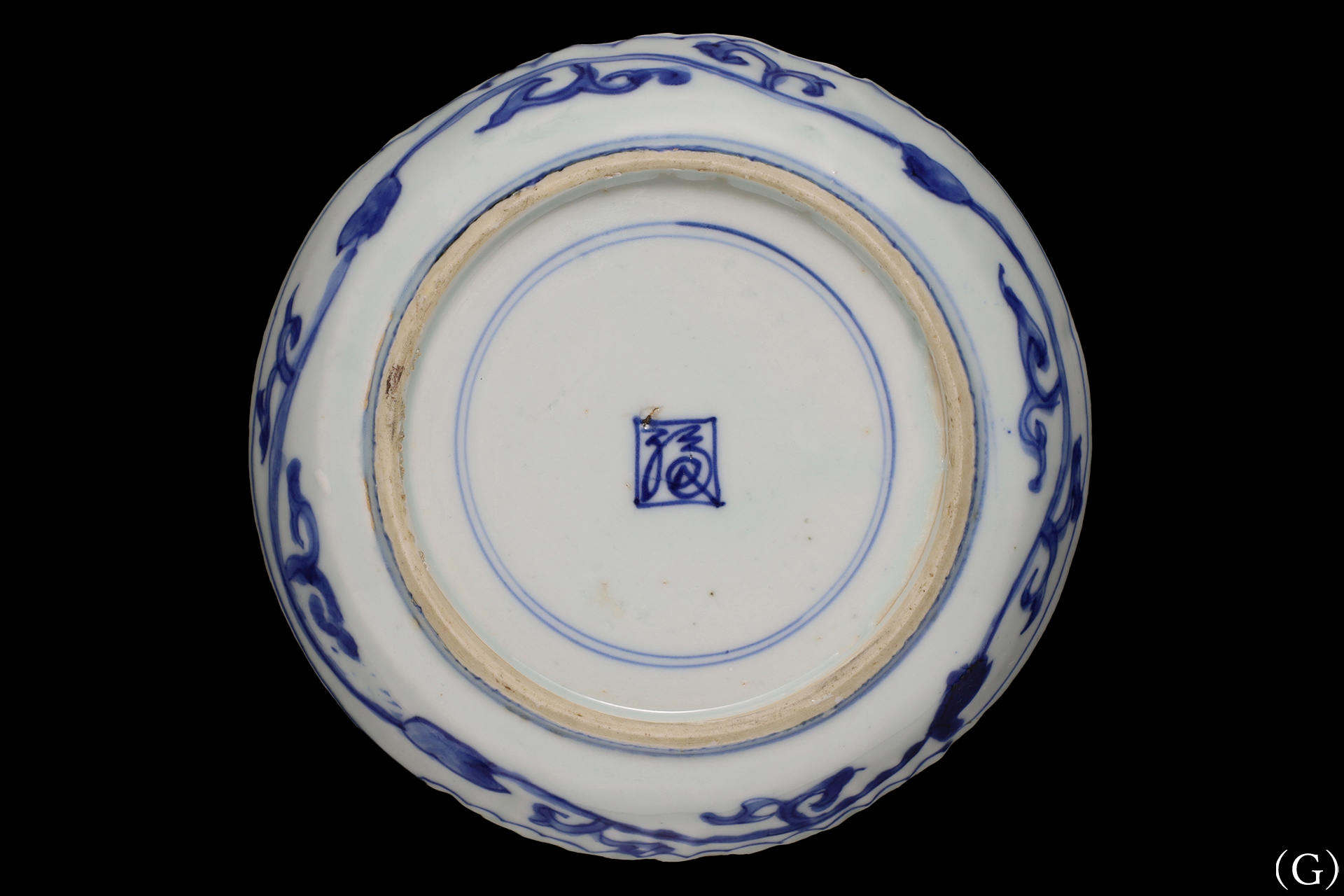
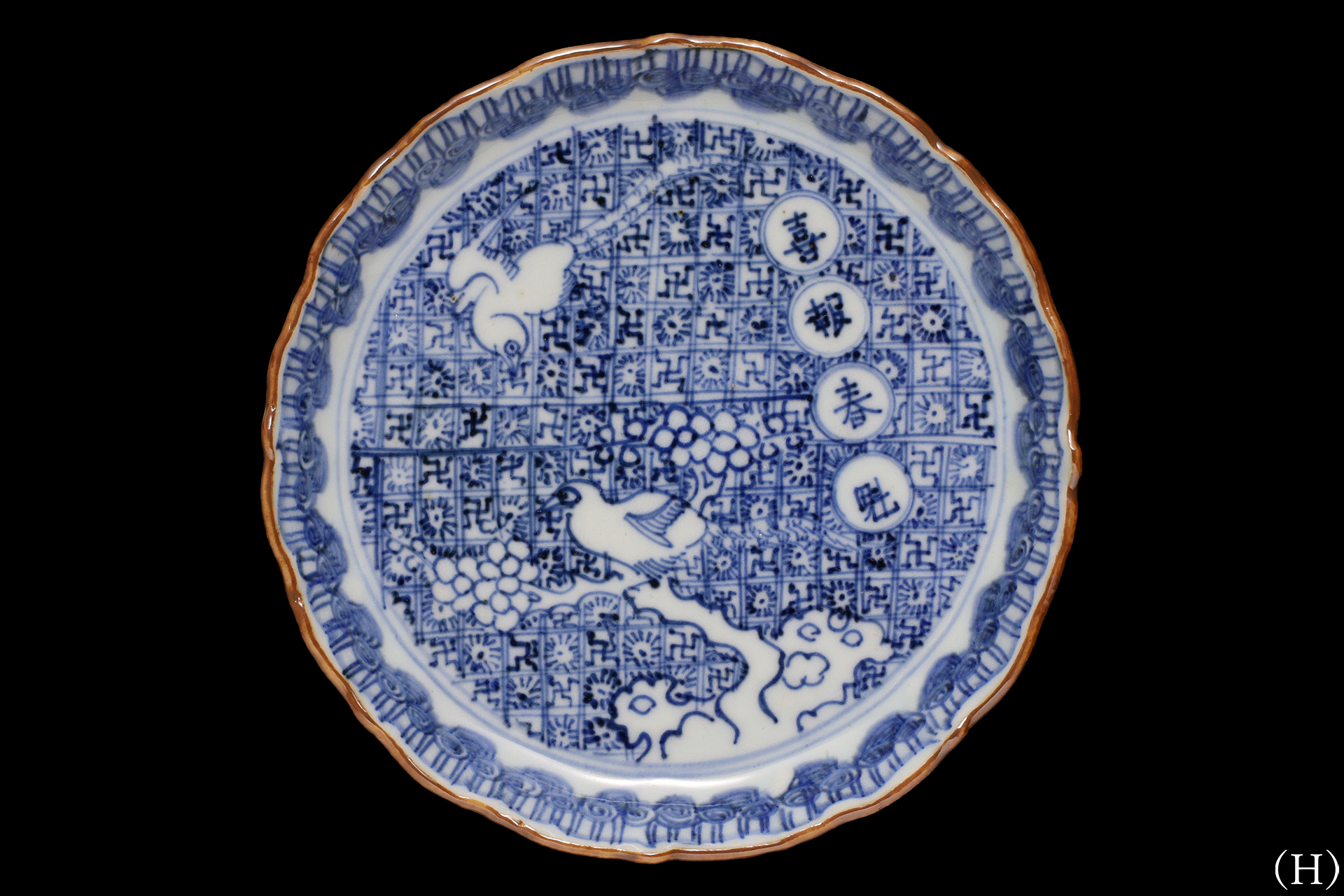
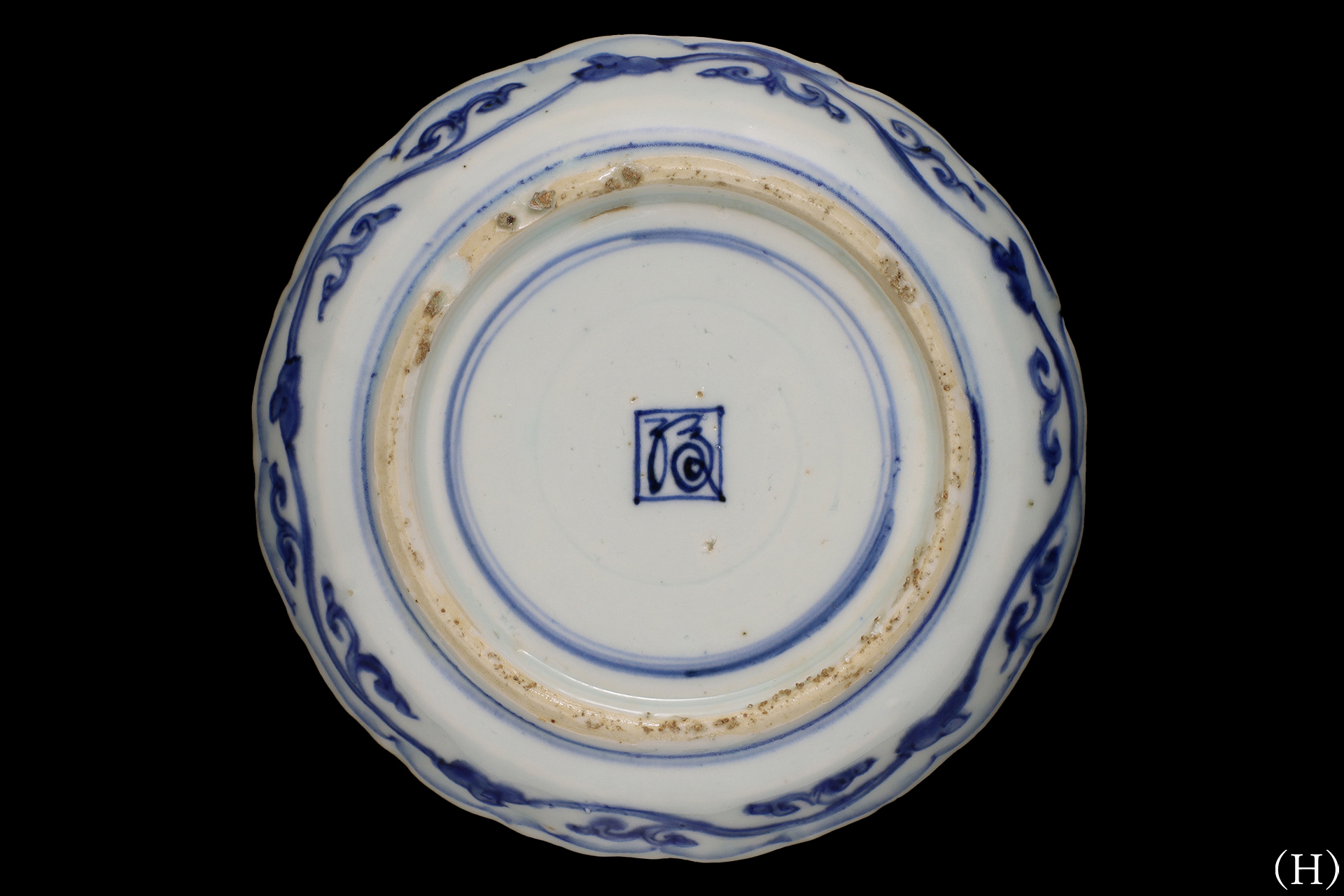


Shonzui
Shonzui refers to the finest porcelain produced at the Jingdezhen folk kilns during the late Ming dynasty, particularly in the Chongzhen era (1628–44). The name derives from the underglaze-blue inscription found on some pieces—“Gorodayu, made by Wu Shonzui”—which has been interpreted to mean “made by the eldest son of the fifth son of the Wu family.” There is also a theory that Kobori Enshu was involved in their production or selection, and these works were embraced by connoisseurs of the highest caliber, including tea masters, samurai, temples, and wealthy merchants. Formed from pure white porcelain clay and shaped with substantial thickness, Shonzui pieces have a weighty presence when held and exude a dignified, commanding aura. The cobalt blue decoration is brilliantly clear, and the glaze possesses a pristine transparency. A distinctive feature is the dense coverage of auspicious motifs and geometric patterns that leave no part of the surface unadorned, creating a style in which opulence and refinement coexist. The forms show the influence of Momoyama-period tea ceramics, and examples include tea utensils such as fresh-water containers, tea bowls, tea caddies, incense containers, chakin tubes, and furidashi, as well as high‑grade tableware such as sake bottles, bowls, mukozuke, dishes, and sake cups. Incorporating Shonzui into a tea gathering imparts a sense of purity and elegance, harmonizing beautifully with ceramics and overglaze‑enamel wares.