


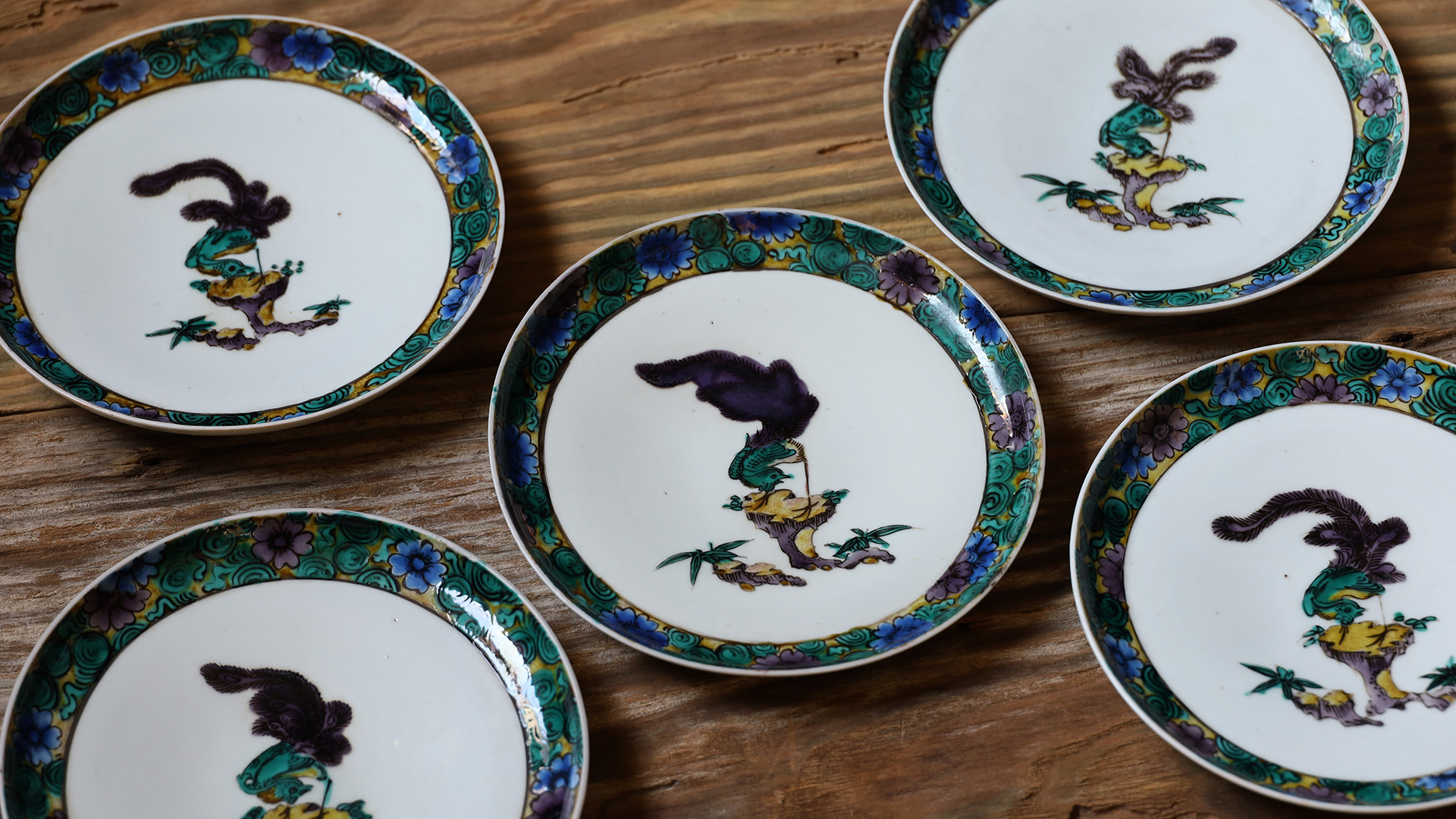
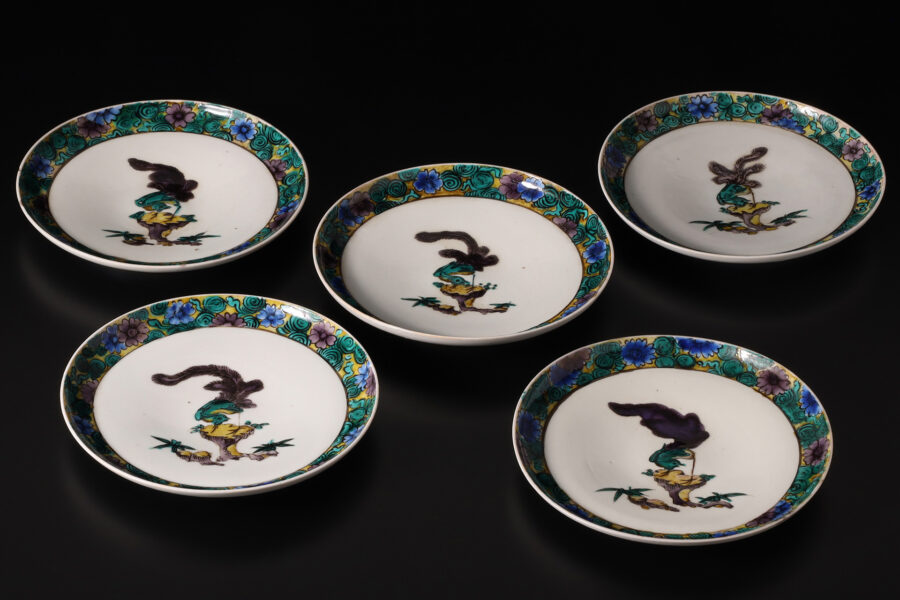
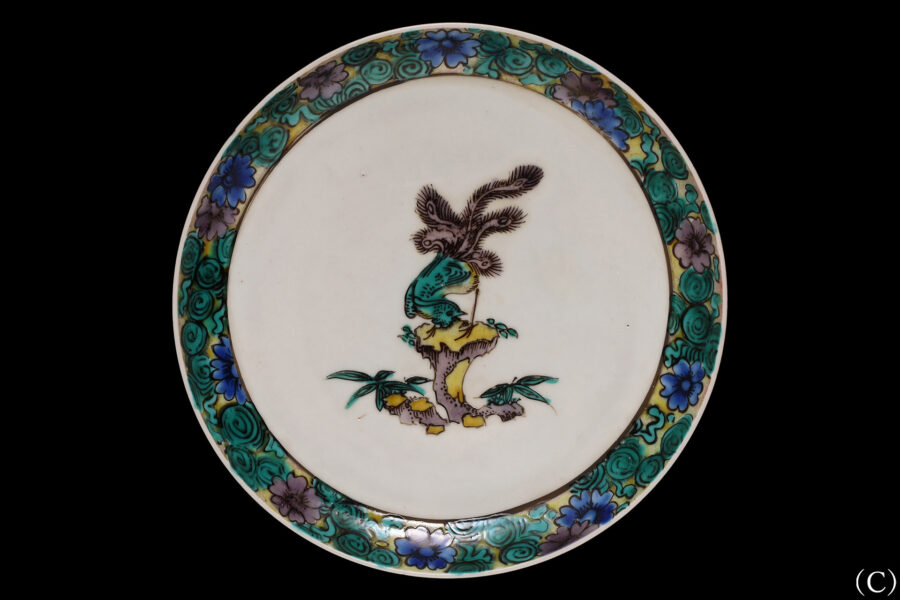
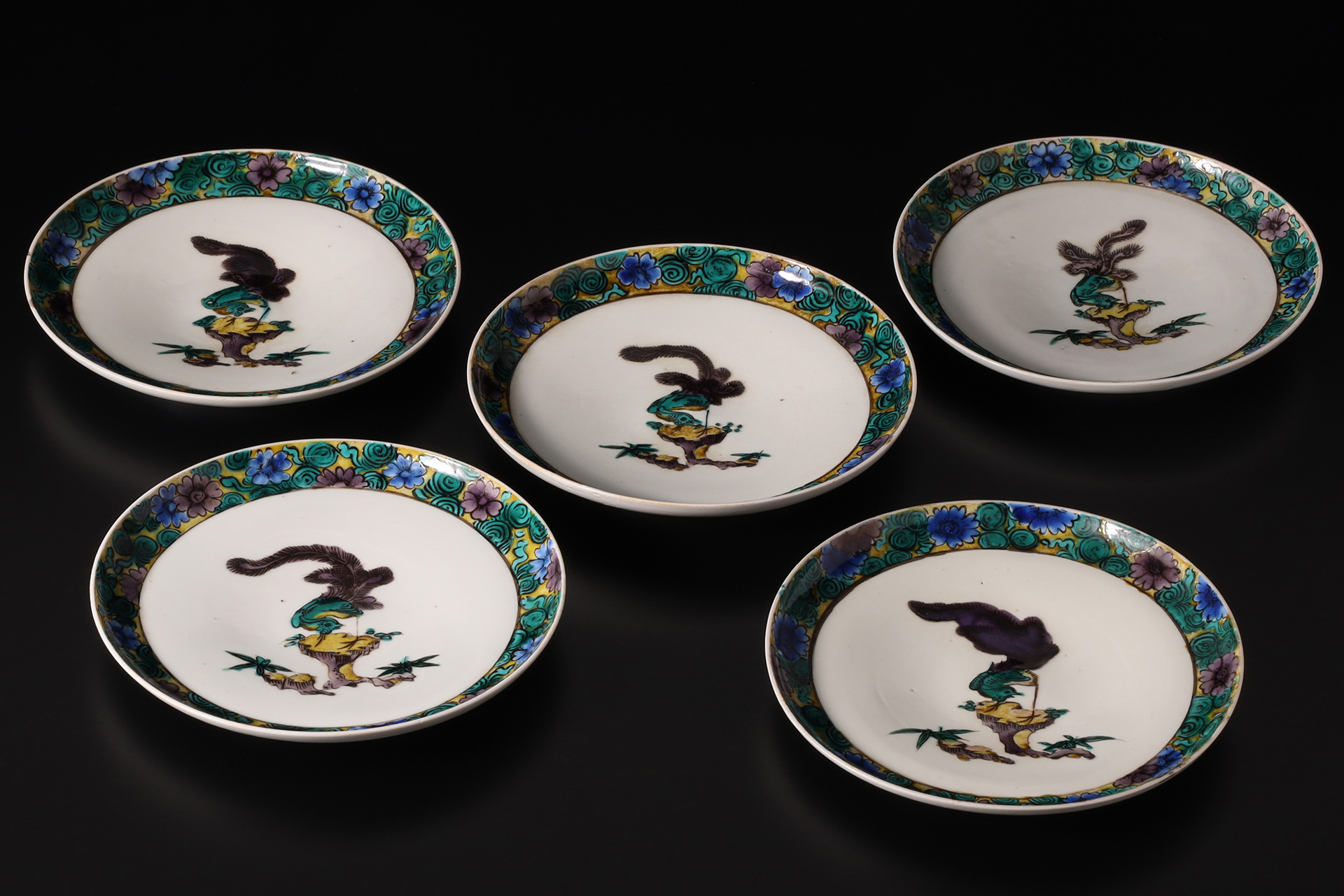
Ko-Kutani Style Polychrome Small Plates with Phoenix Motif (Set of Five / Edo Period)
1,300,000Yen(Tax Included)
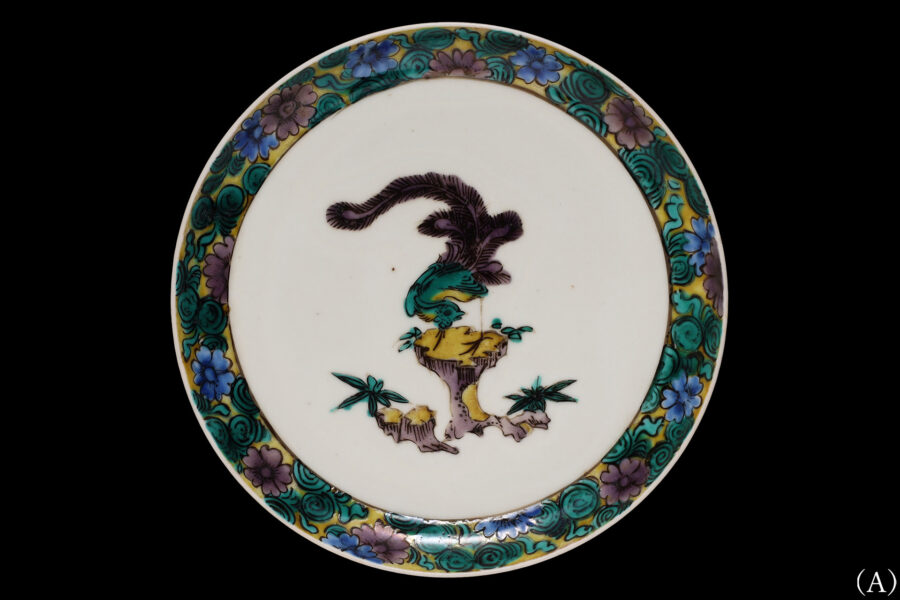
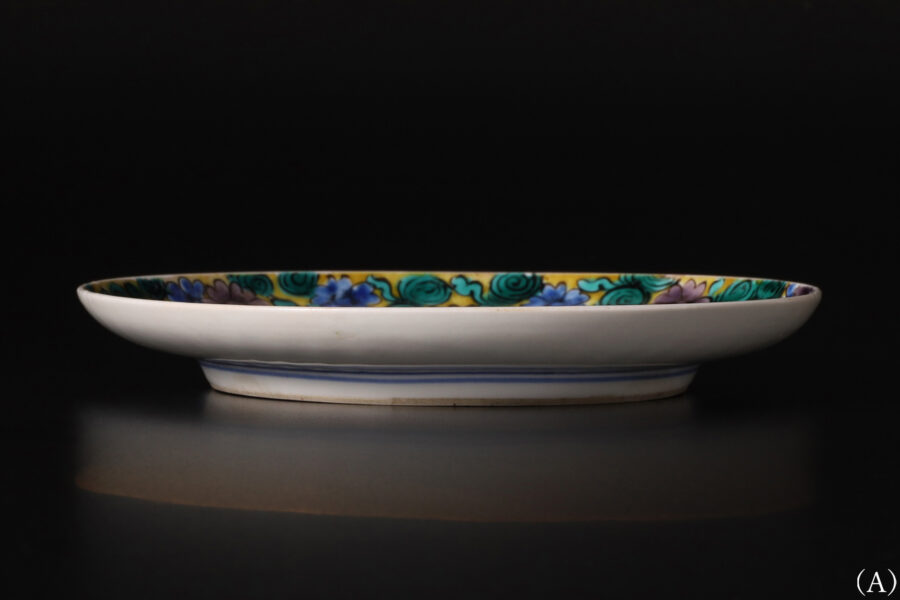
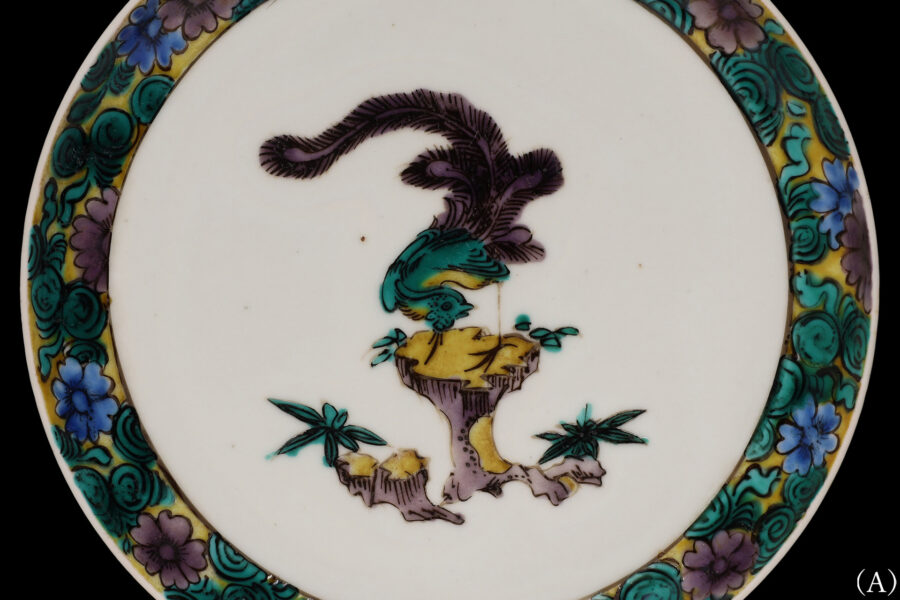
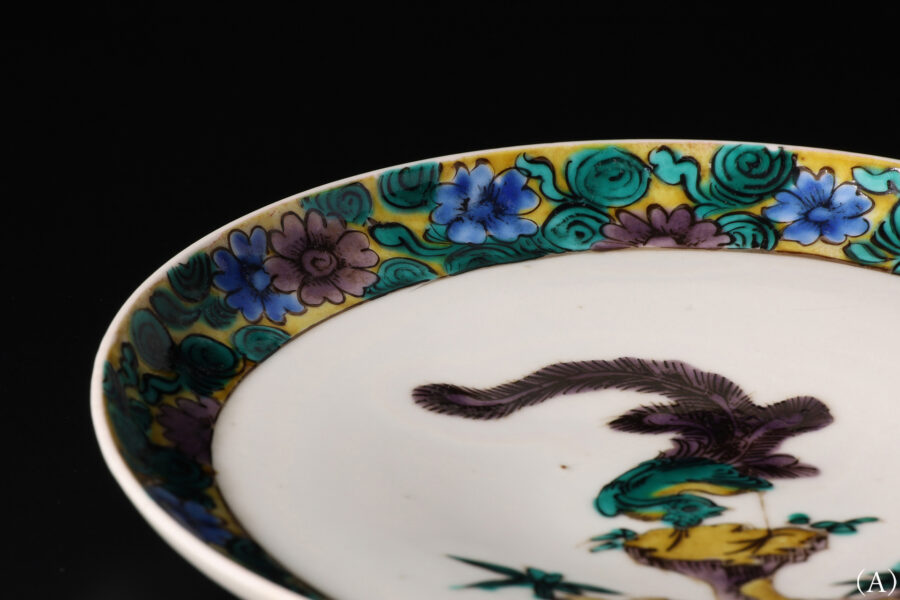
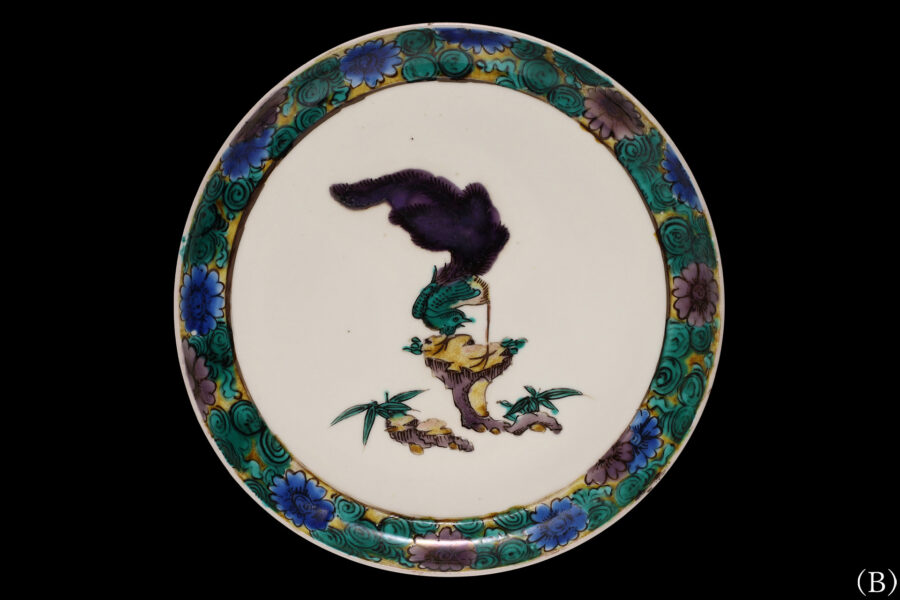
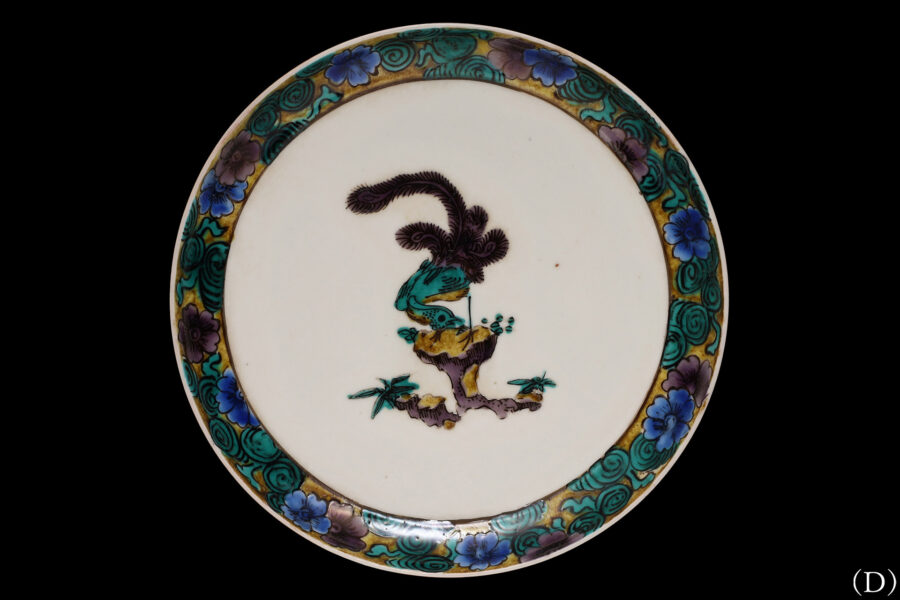
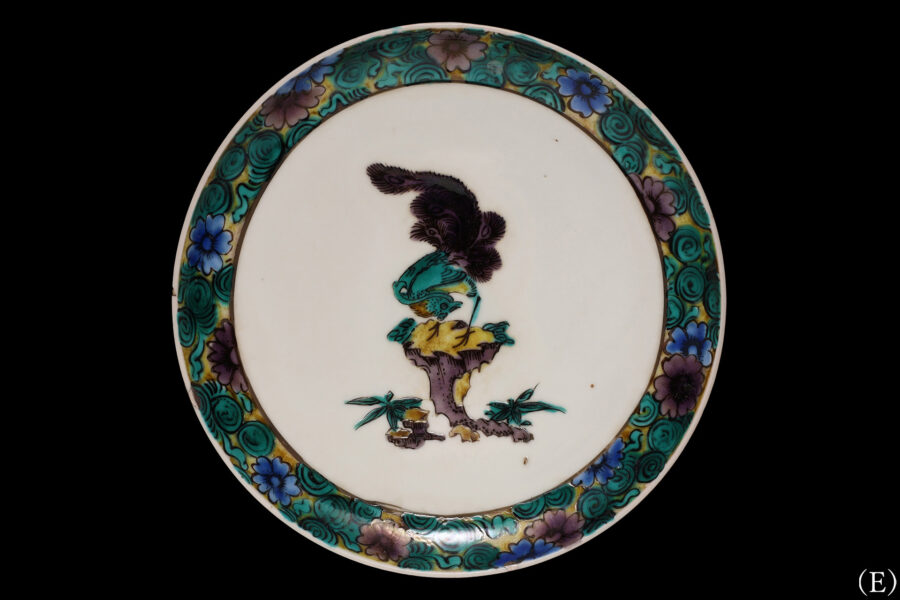
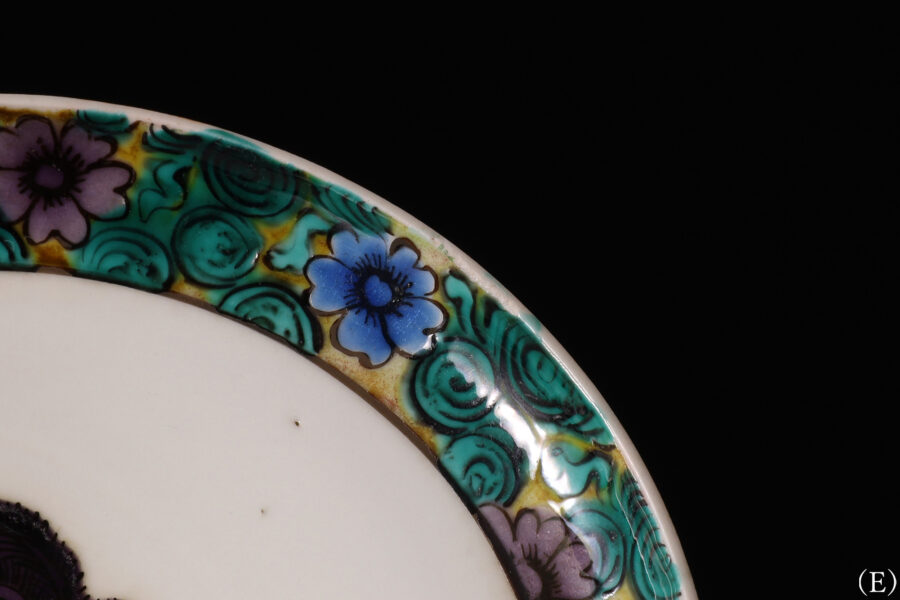
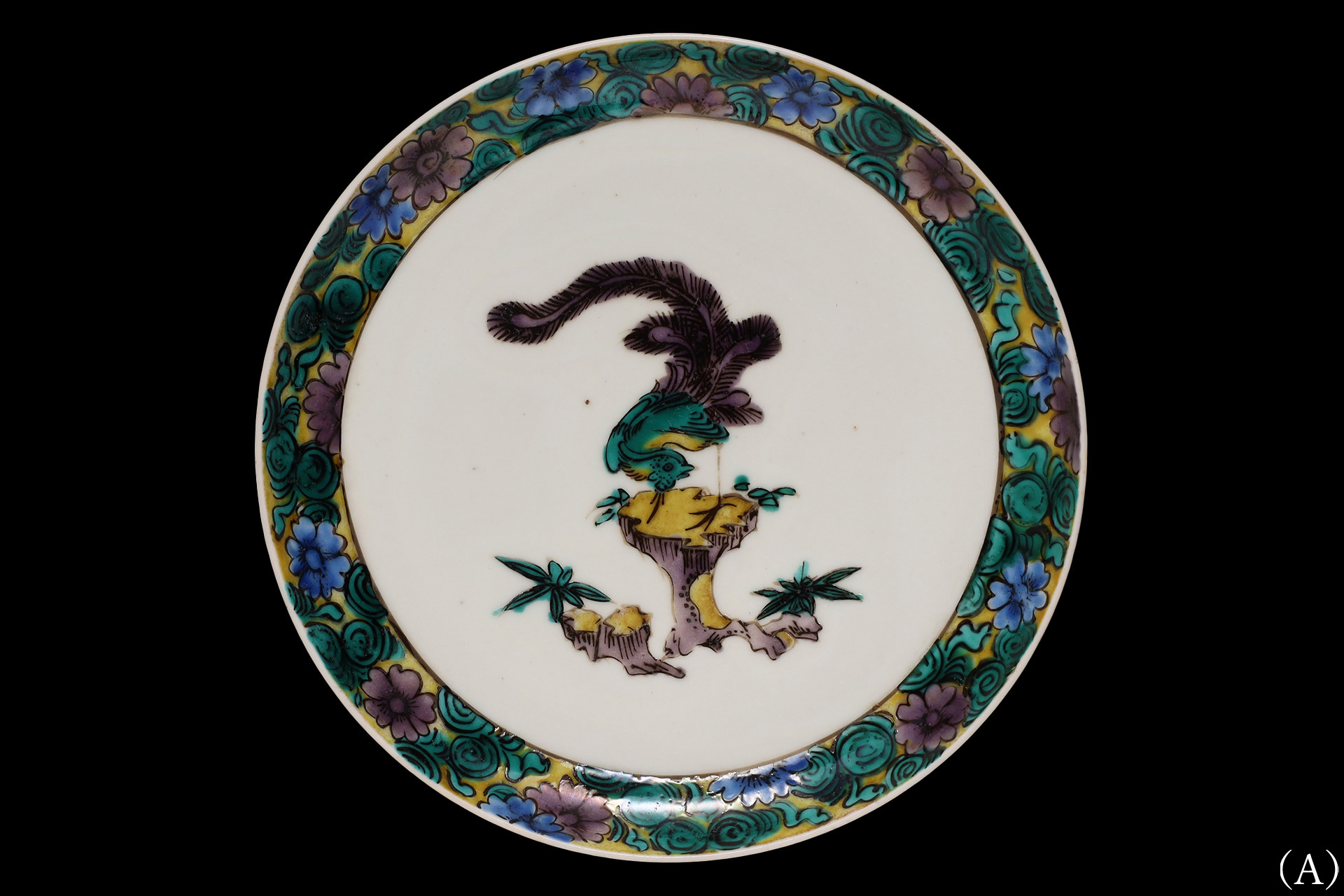
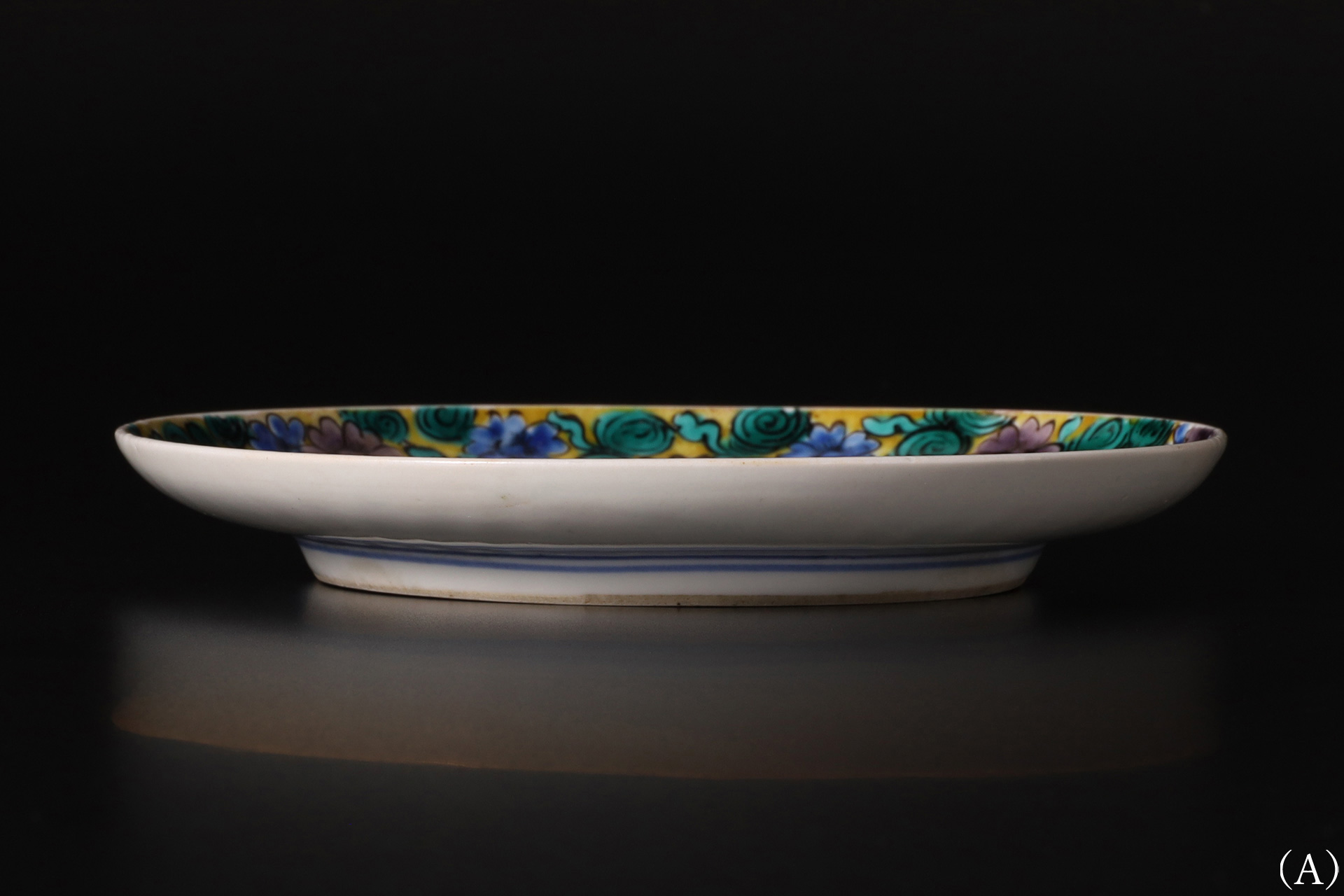
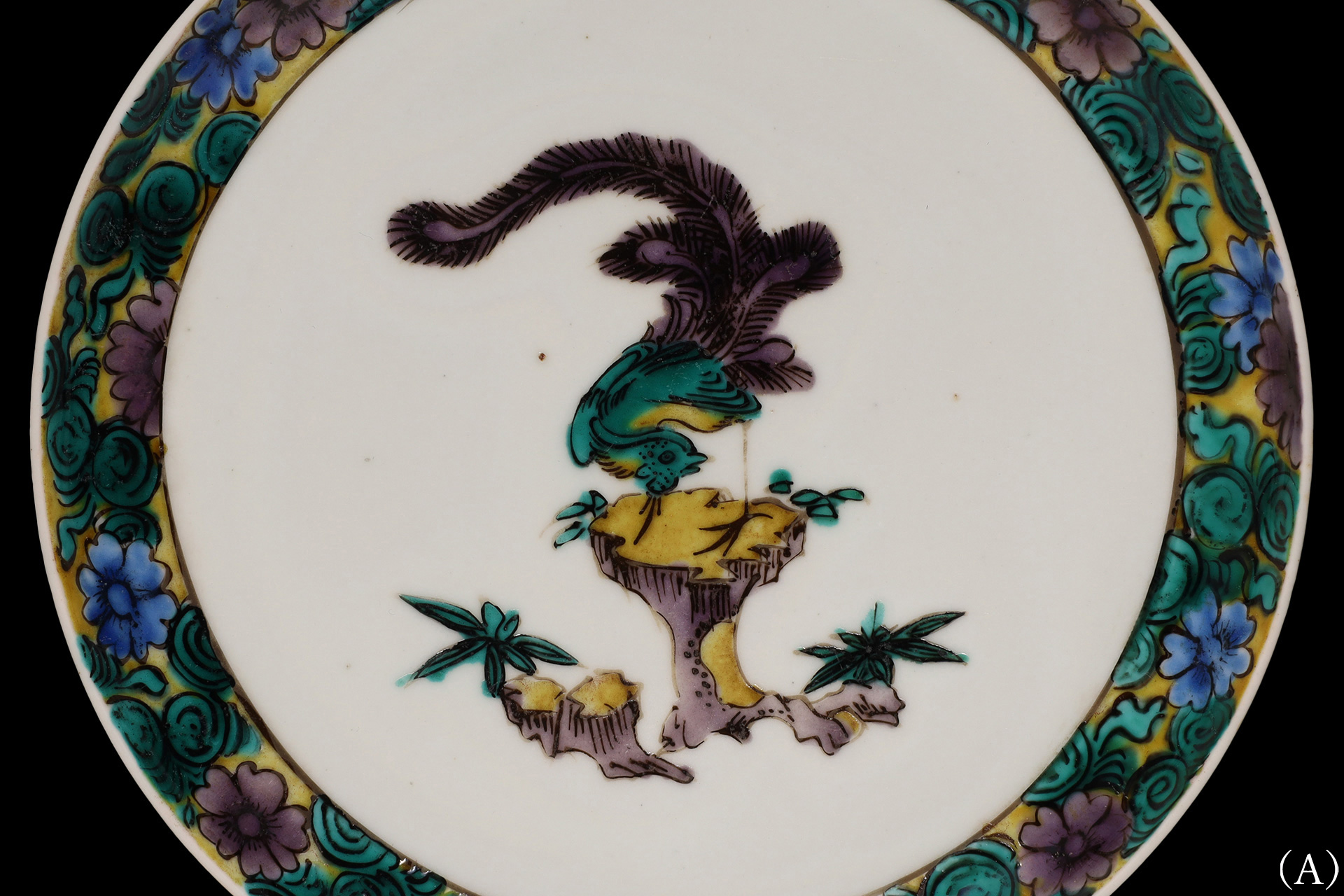
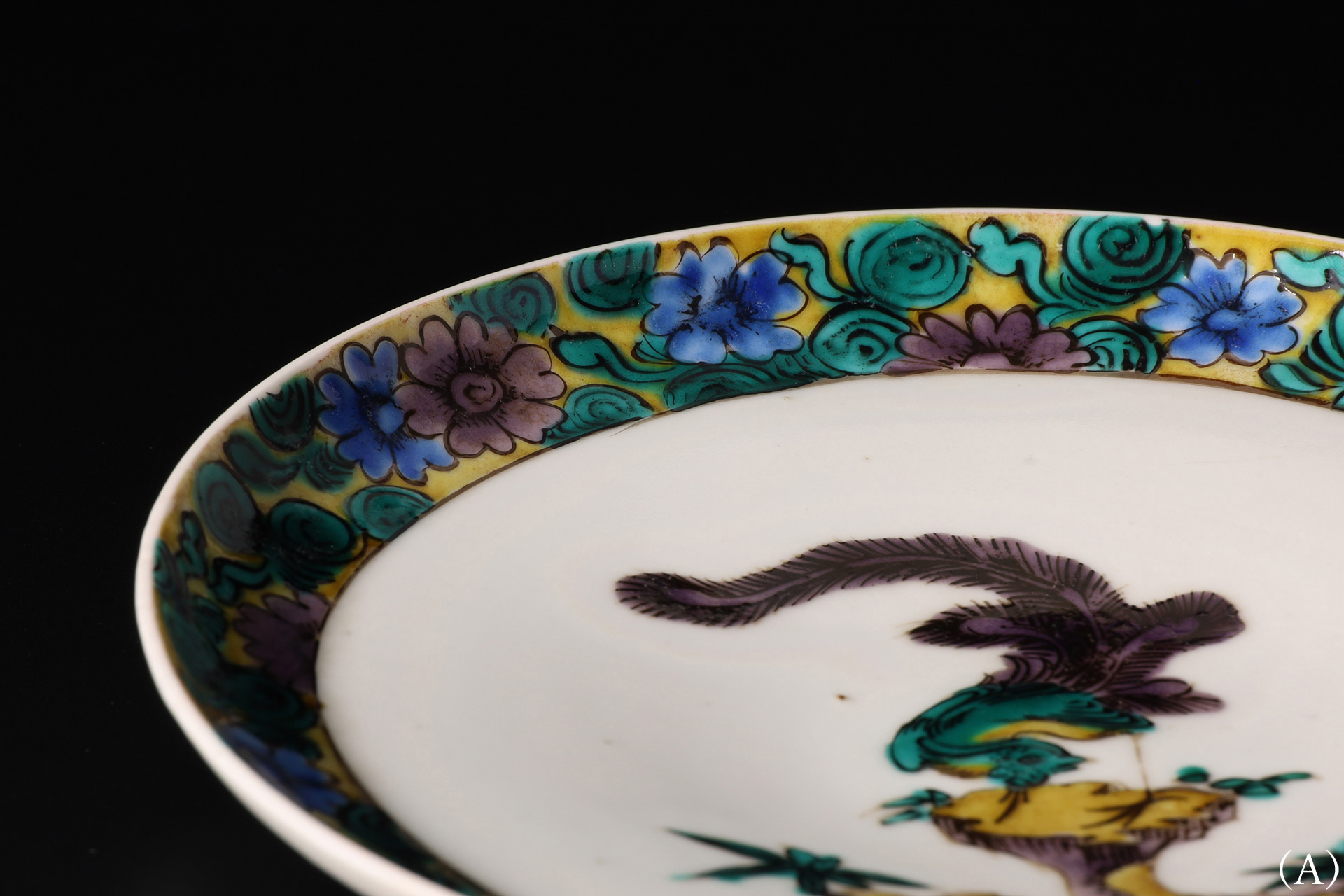
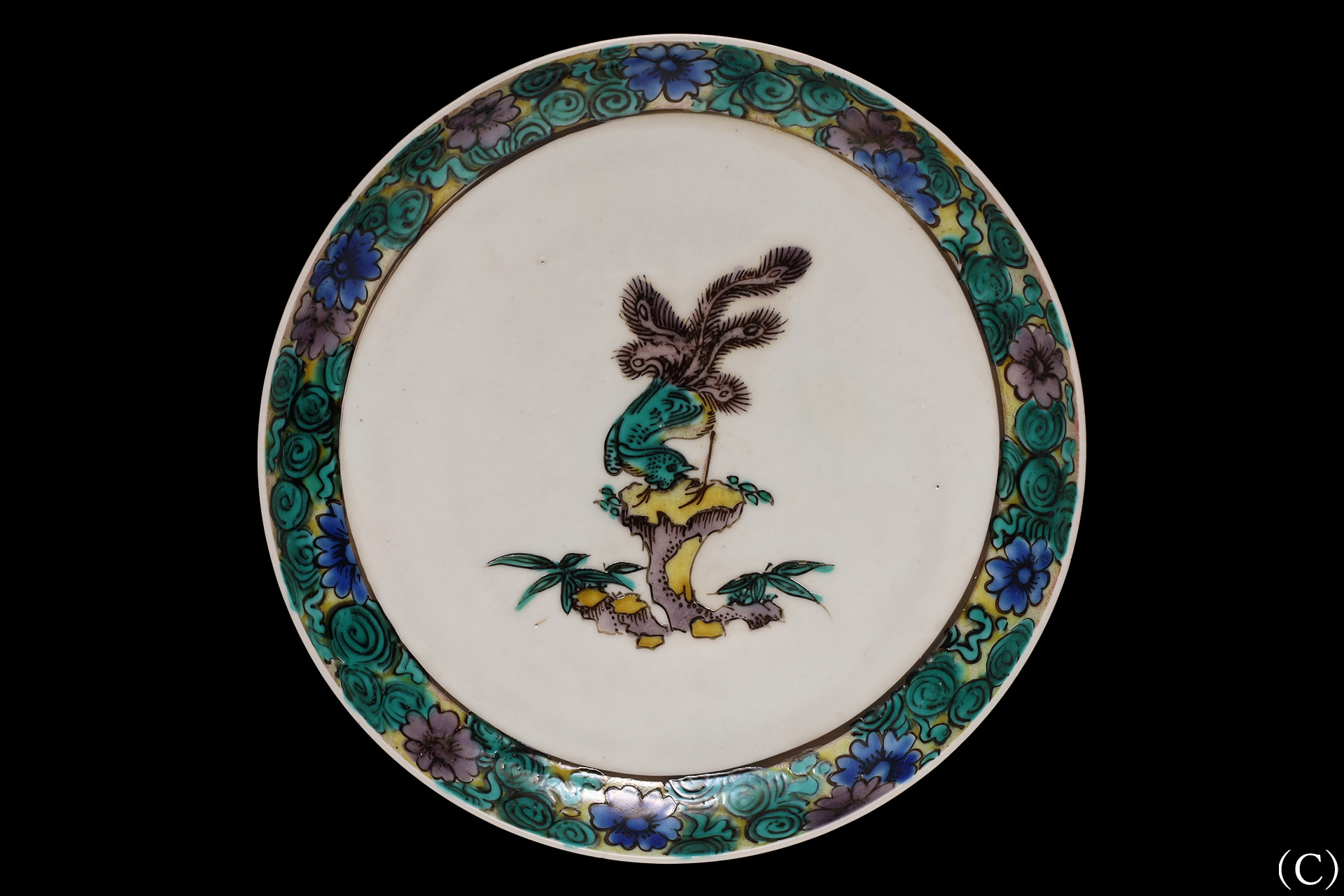
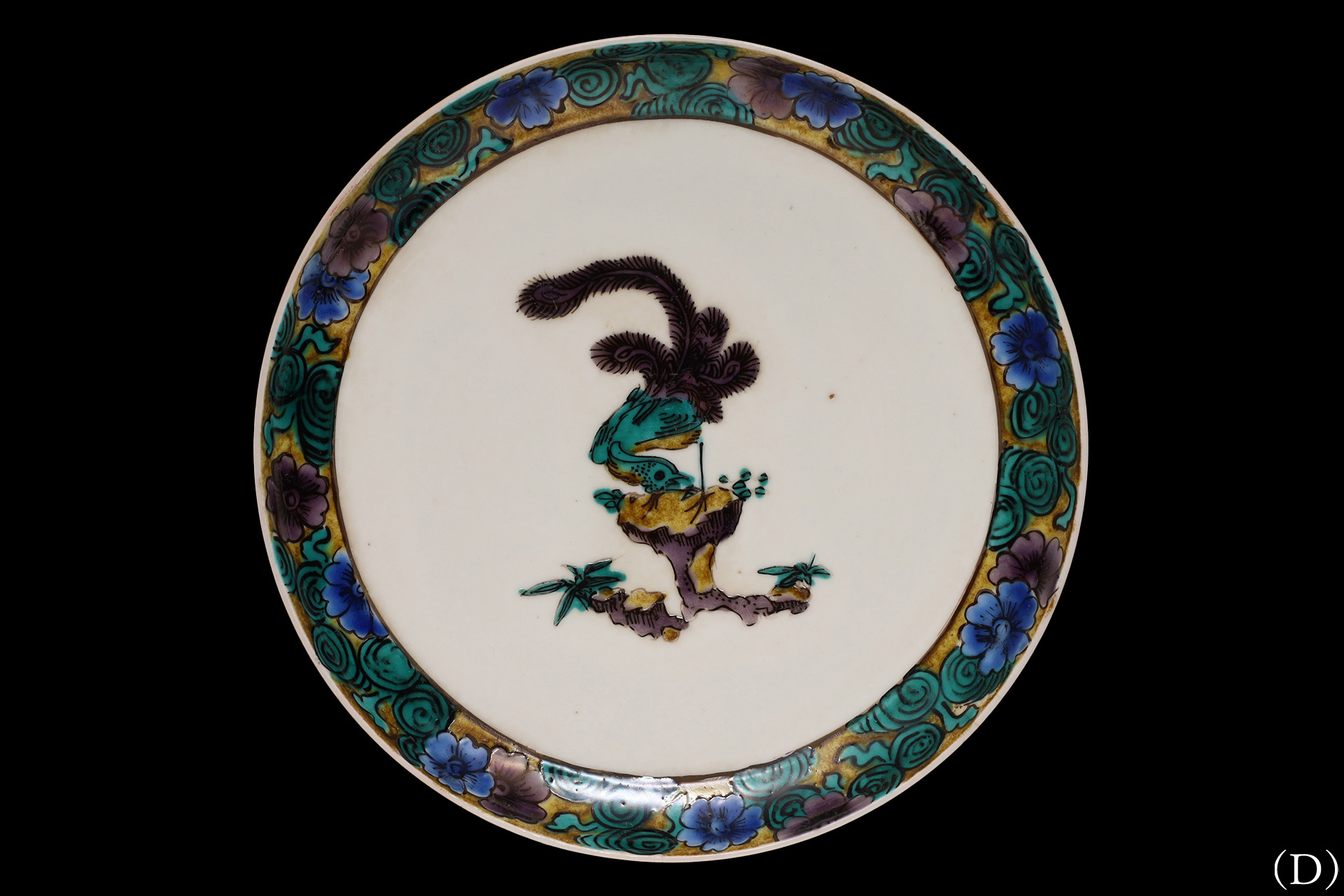
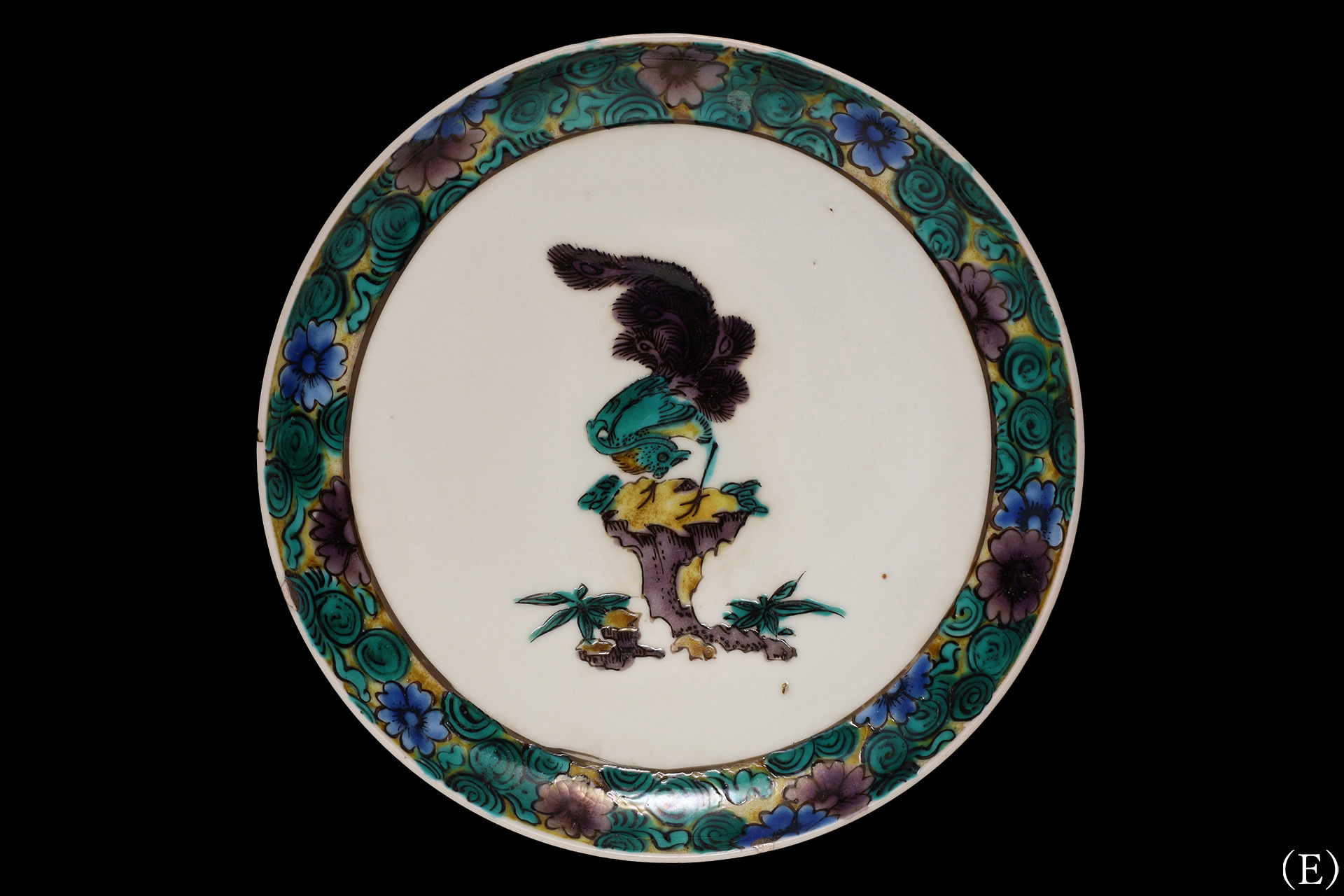
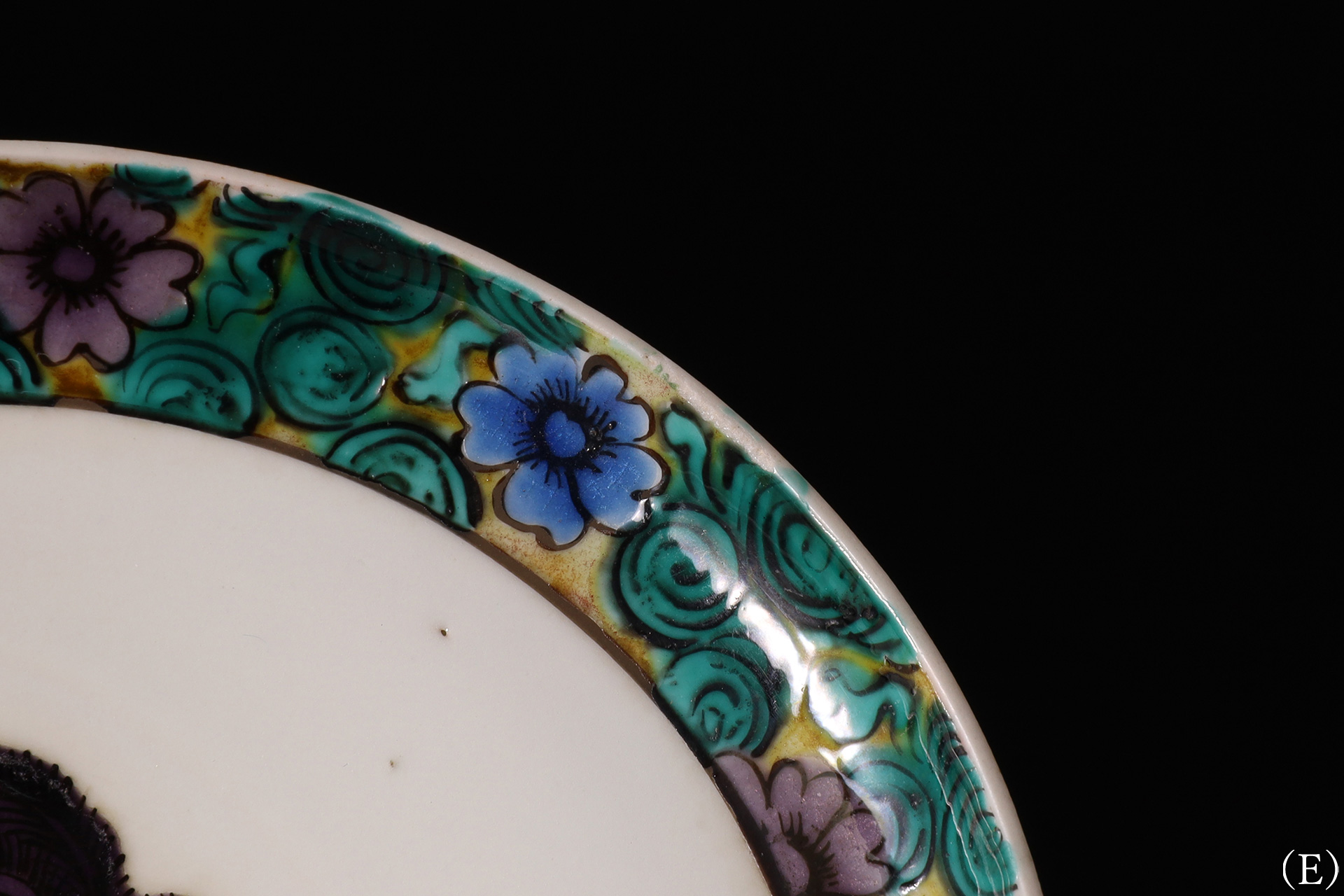
The alluring, almost bewitching palette exemplifies the finest qualities of Ko-Kutani polychrome ware. Its sharply refined, wafer-thin construction represents a pinnacle achieved during a period of rapid technical advancement, when the demands of daimyō and wealthy merchants spurred potters to pursue both strength and delicacy in equal measure. At the center, the phoenix—revered as a sacred bird said to descend only upon places of virtue—symbolizes peace and prosperity, embodying prayers for stability, abundant harvests, dignity, and auspicious fortune. That all five plates have been preserved together further enhances their rarity. The ensemble stands as a crystallization of masterful technique and cultivated aesthetic sensibility—truly a work deserving to be called one of the purest expressions of Ko-Kutani artistry.
- Period
- Edo Period
Middle 17th Century
- Weight
- Approx. 119 g Per Piece
- Diameter
- Approx. 14.7 cm
- Height
- Approx. 2.0 cm
- Base Diameter
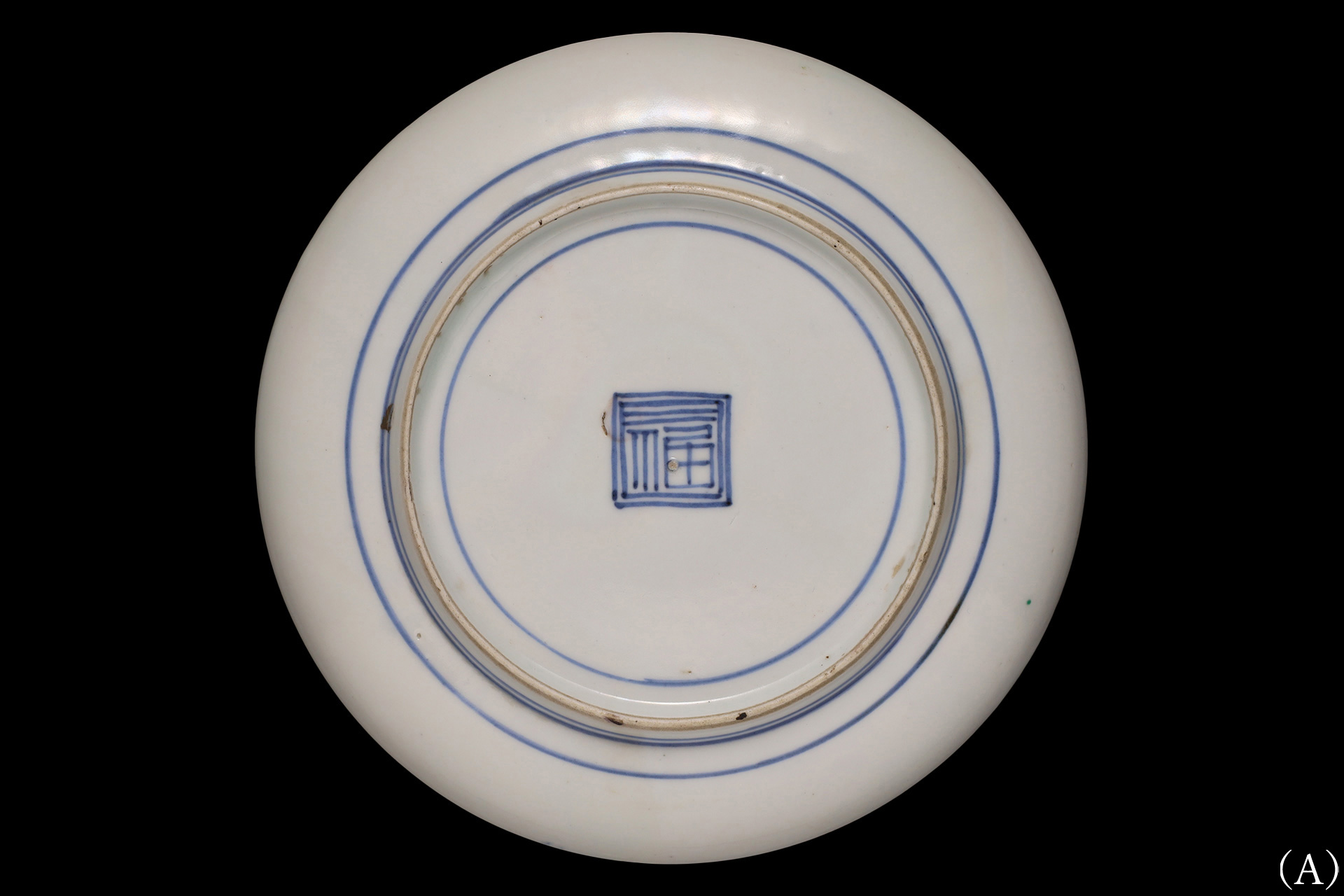
- Approx. 9.5 cm
- Accessories
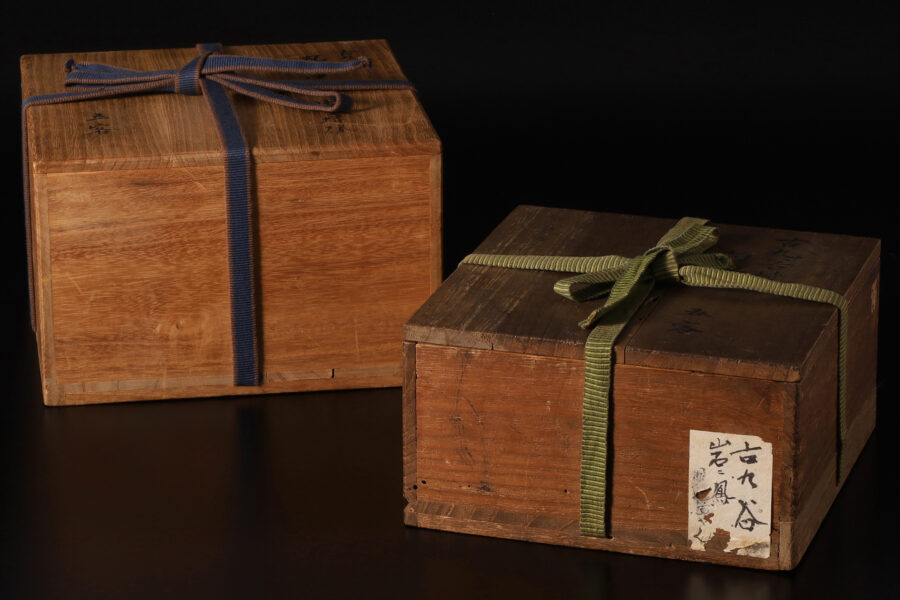
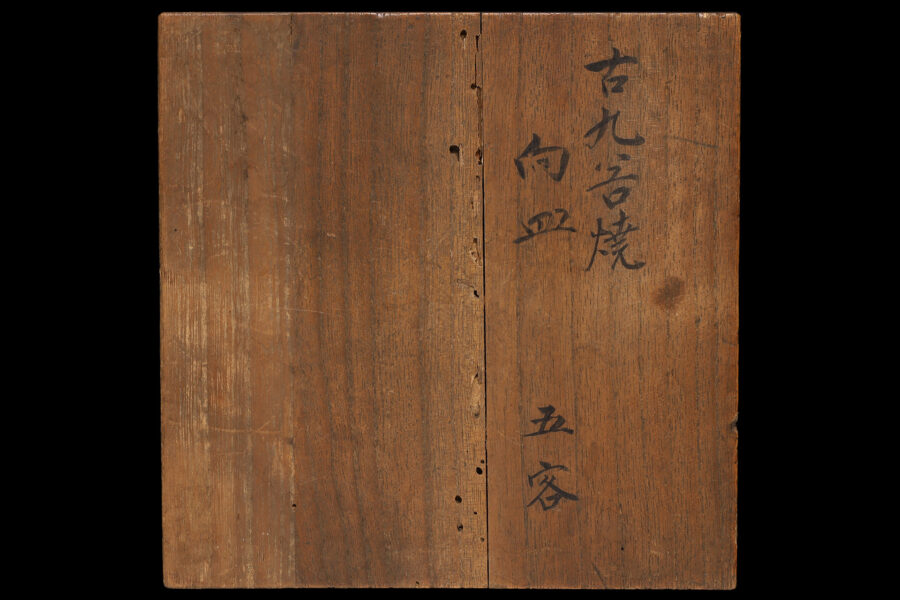
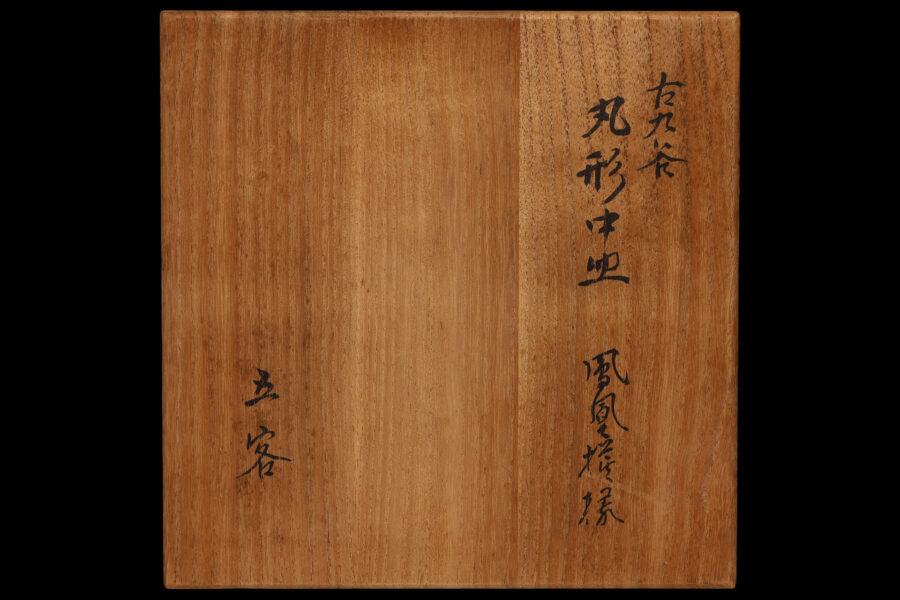
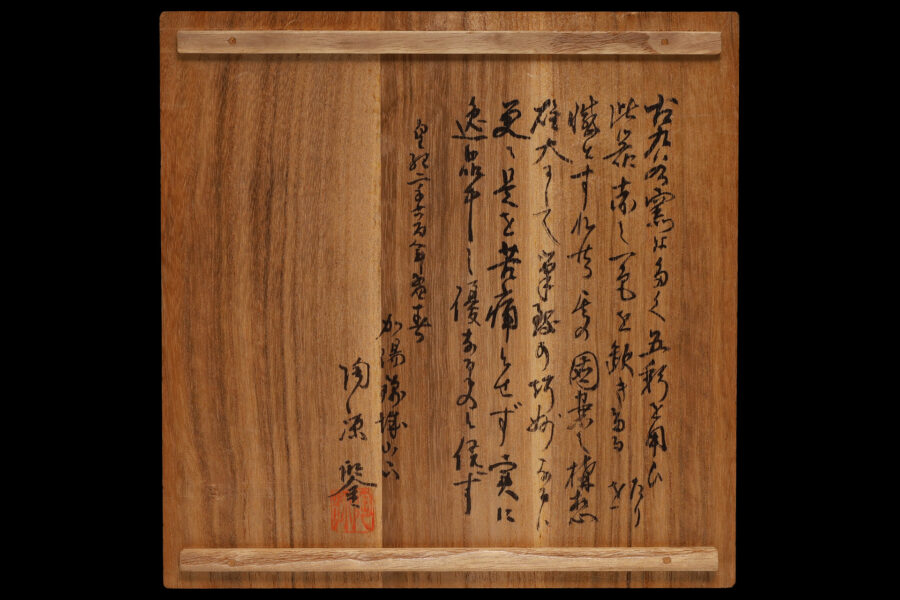
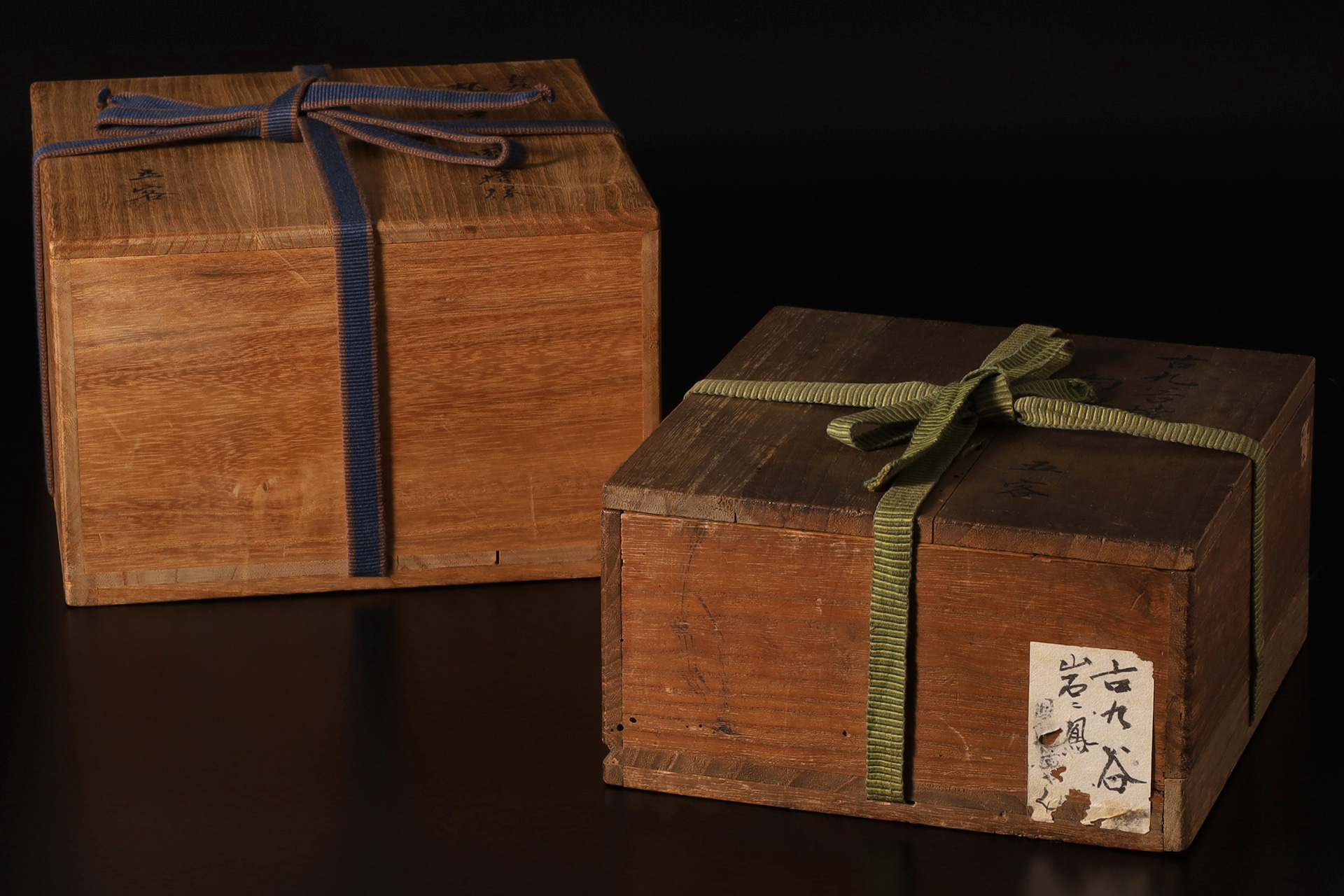
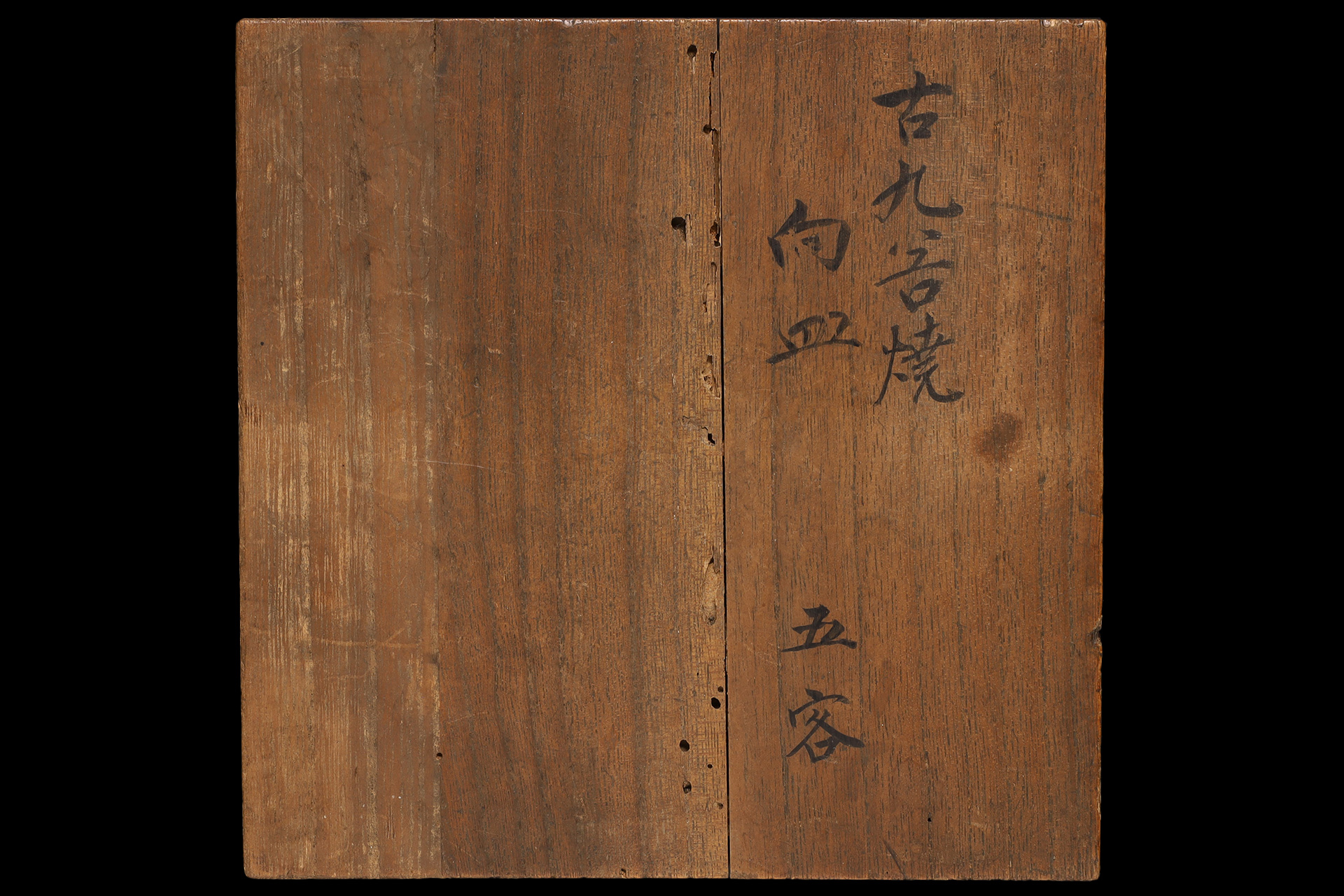
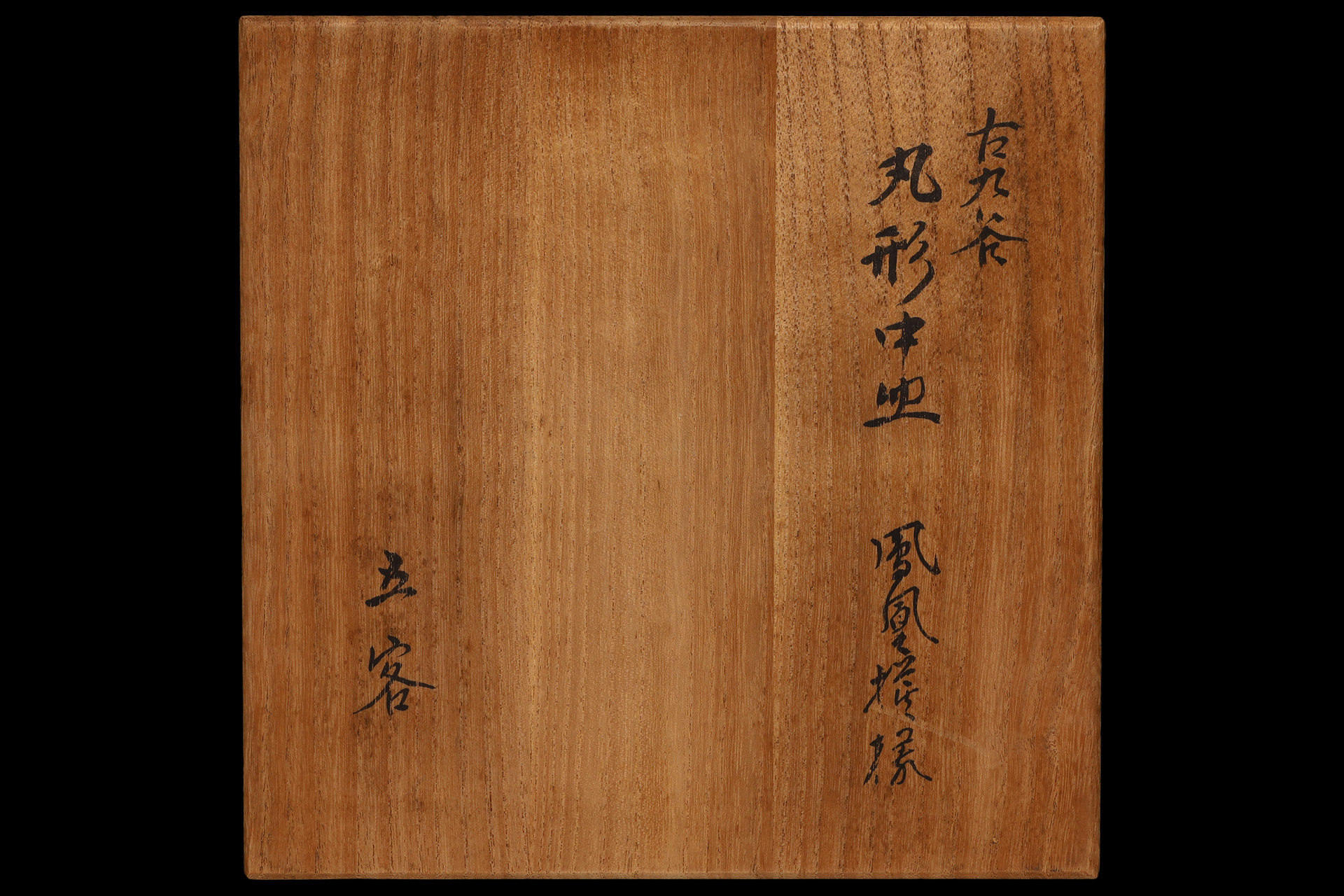
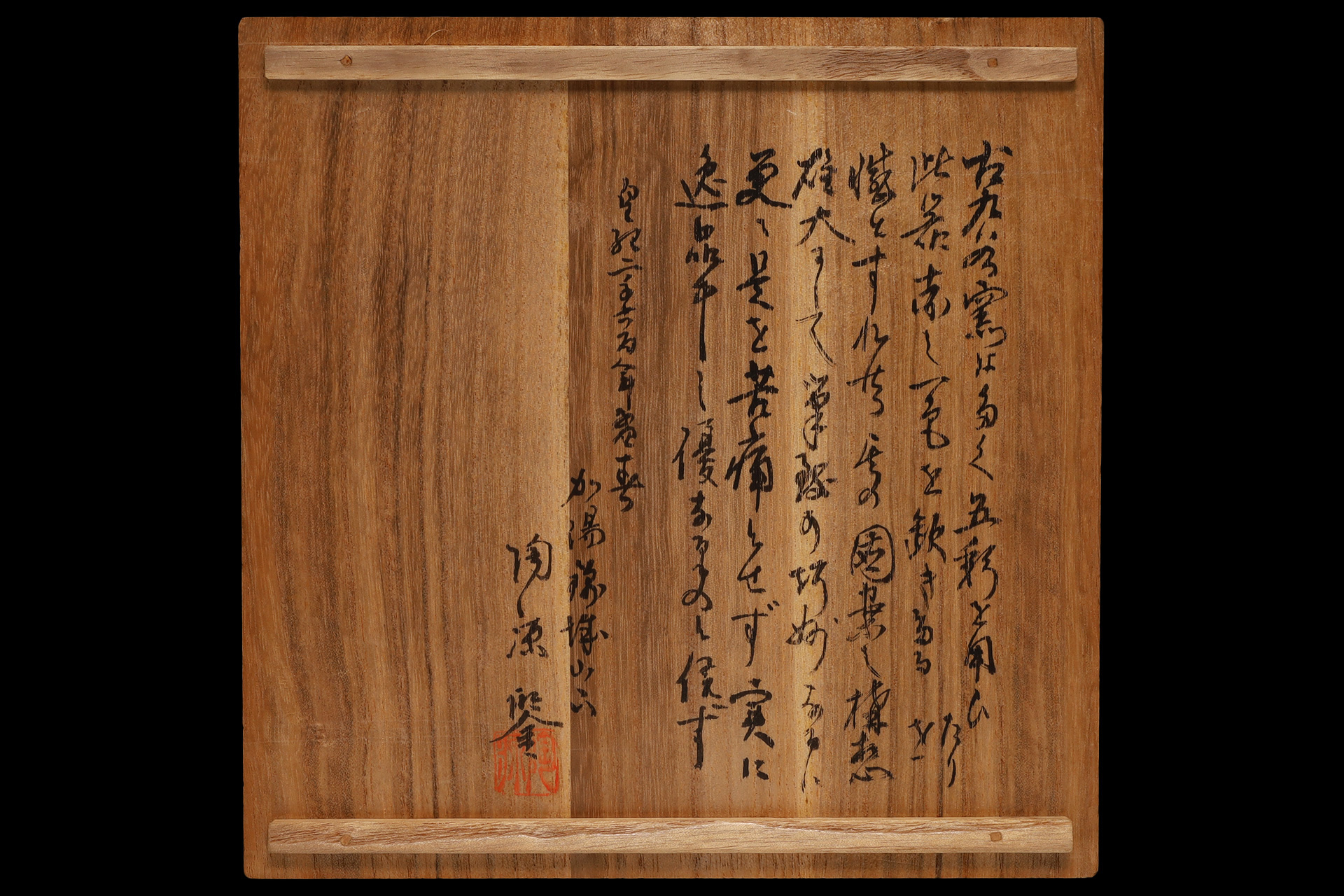
- Paulownia Box, Outer Paulownia Box
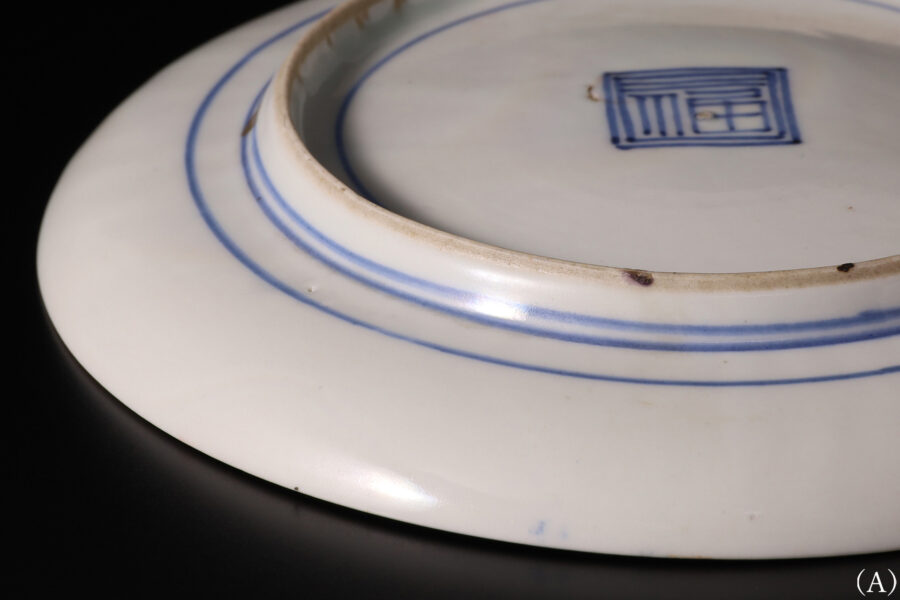
- Condition (A)
- - Perfect Condition
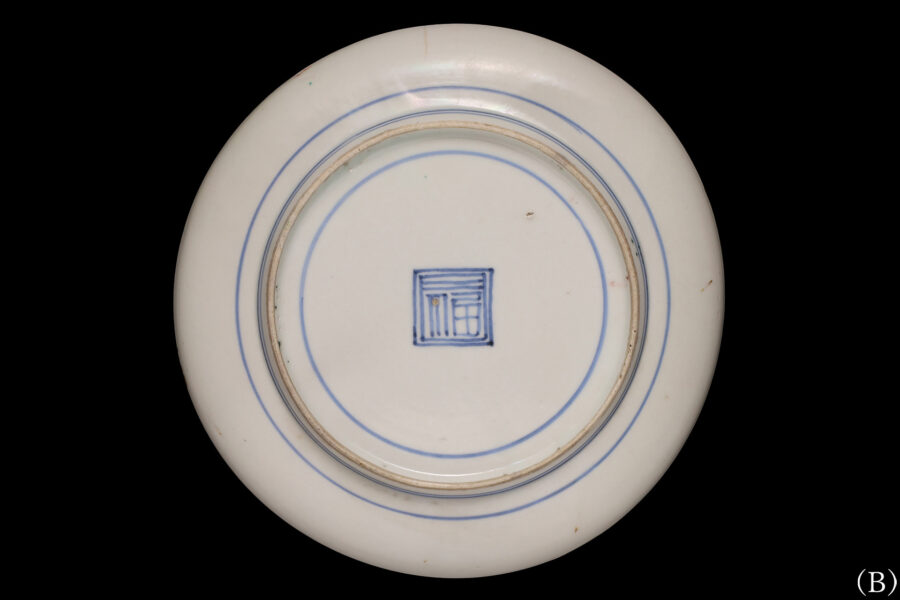
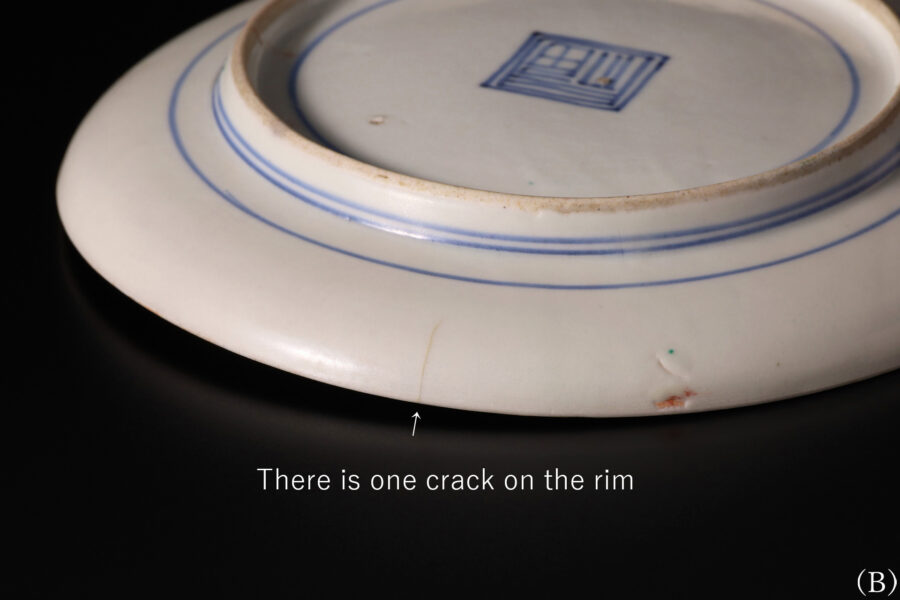
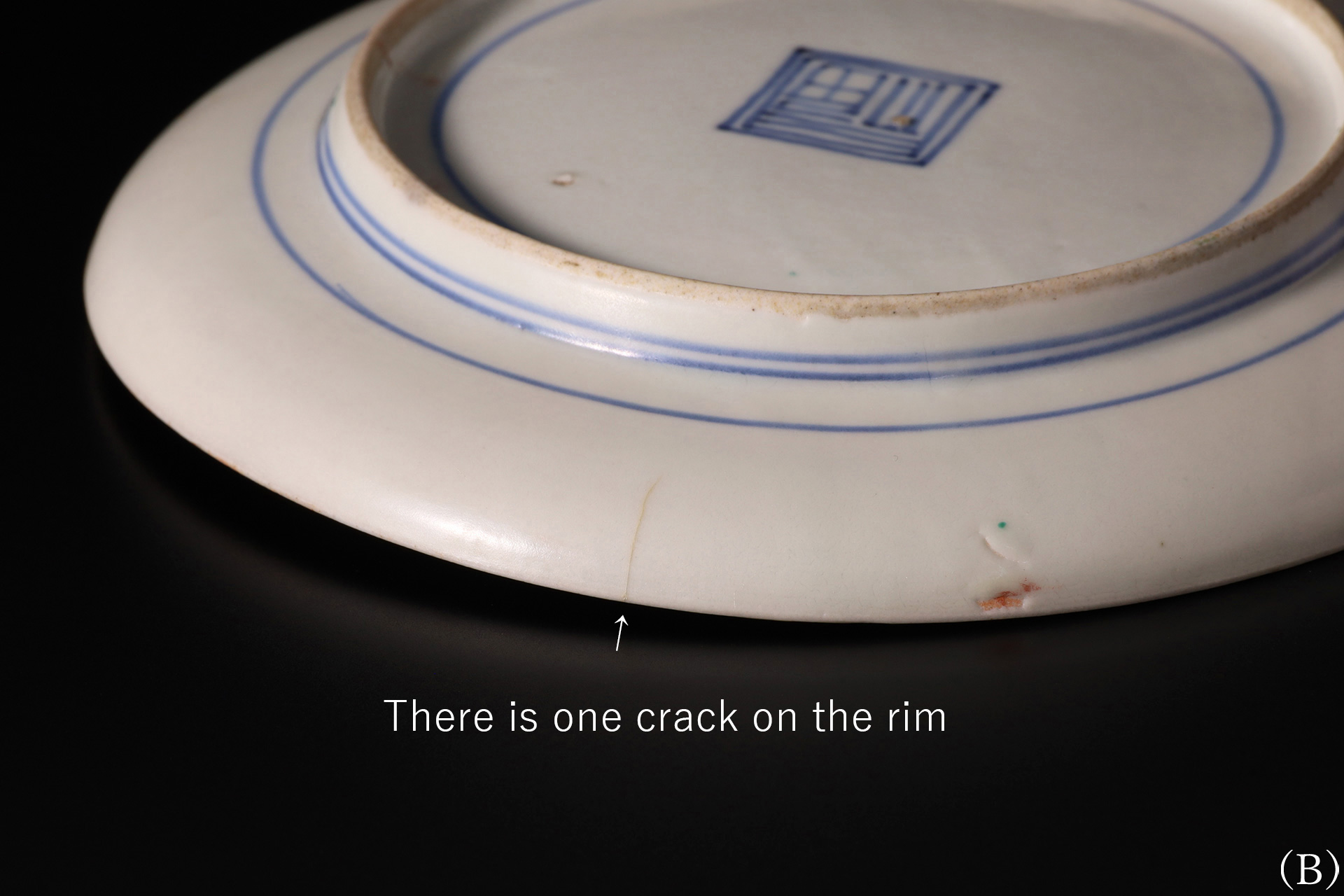
- Condition (B)
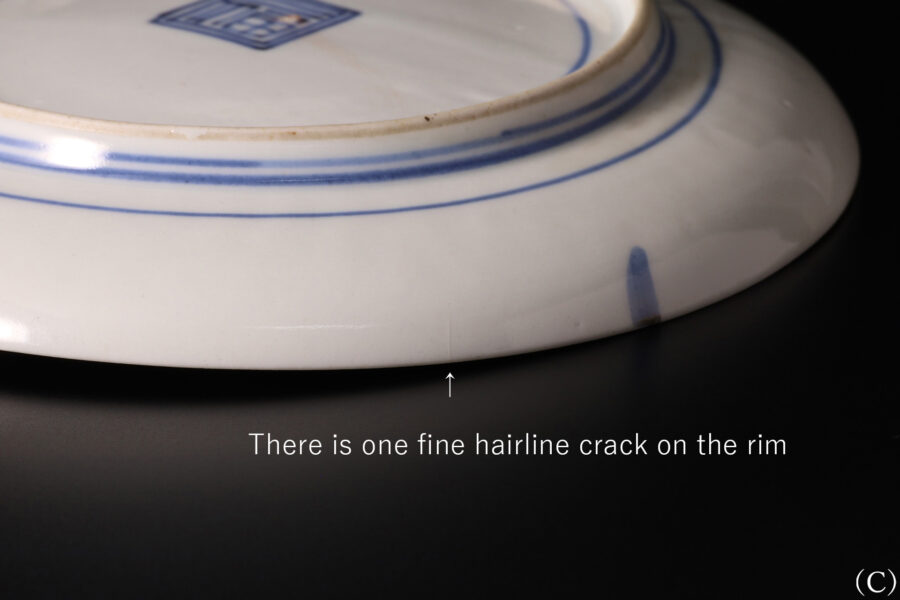
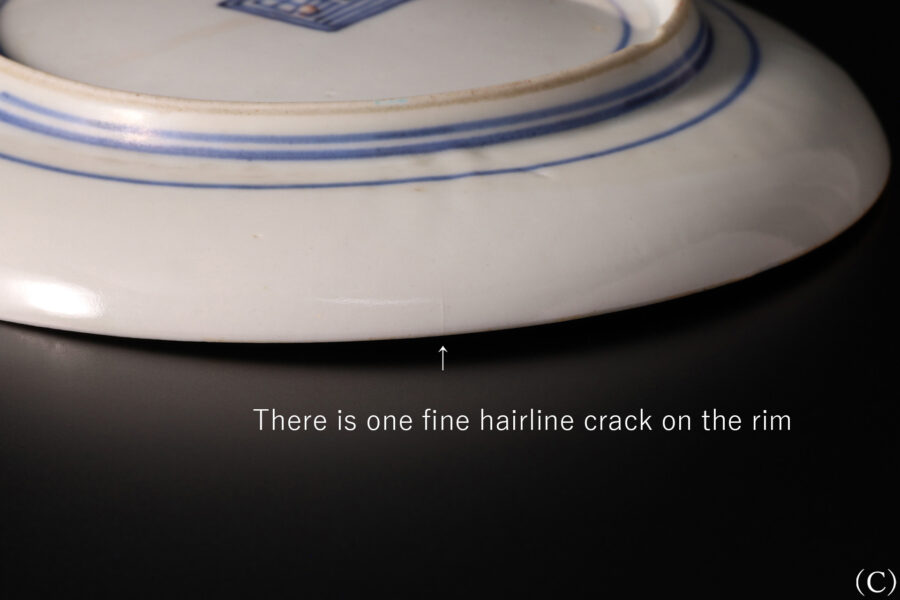
- - There is one crack on the rim (Refer to the image)
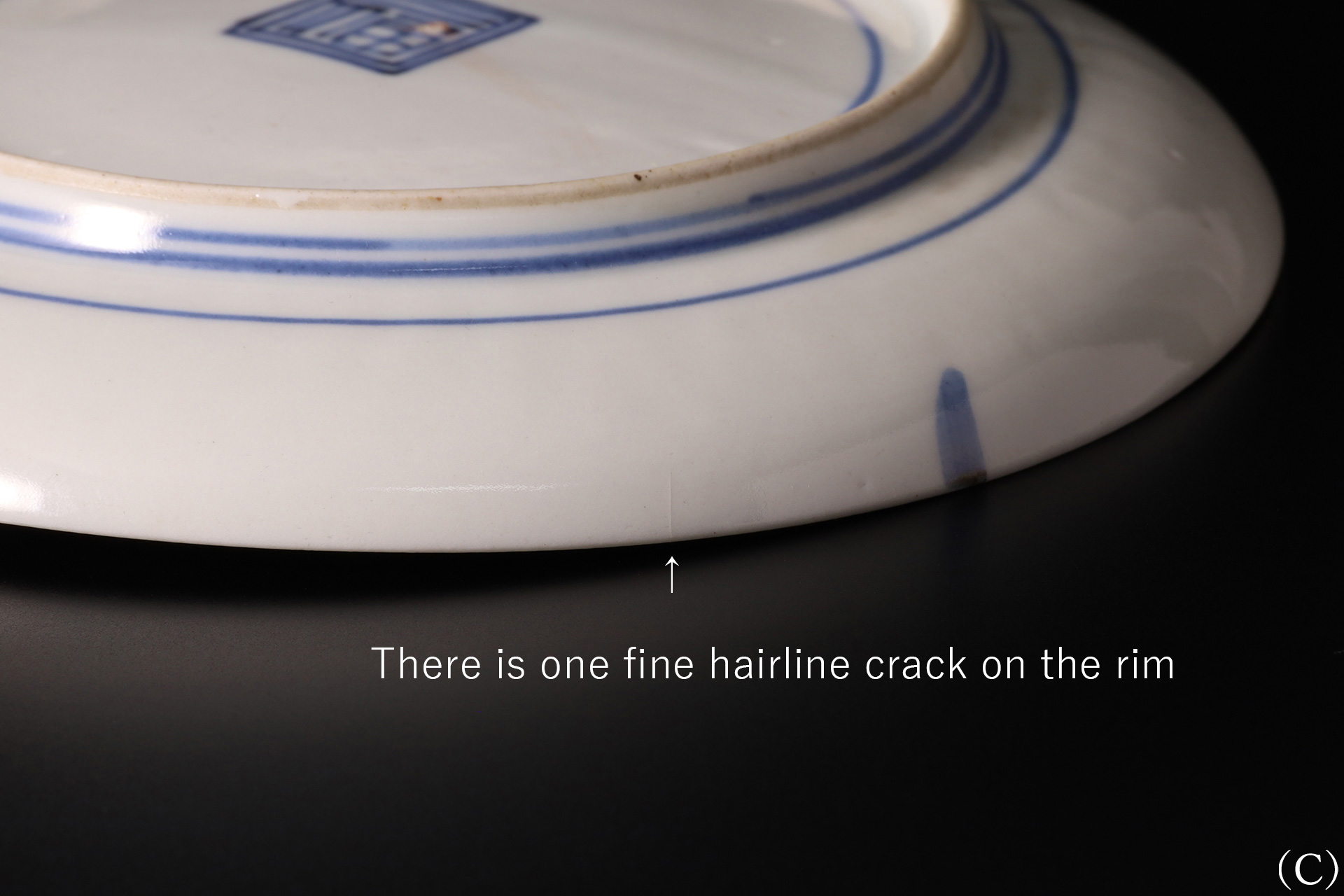
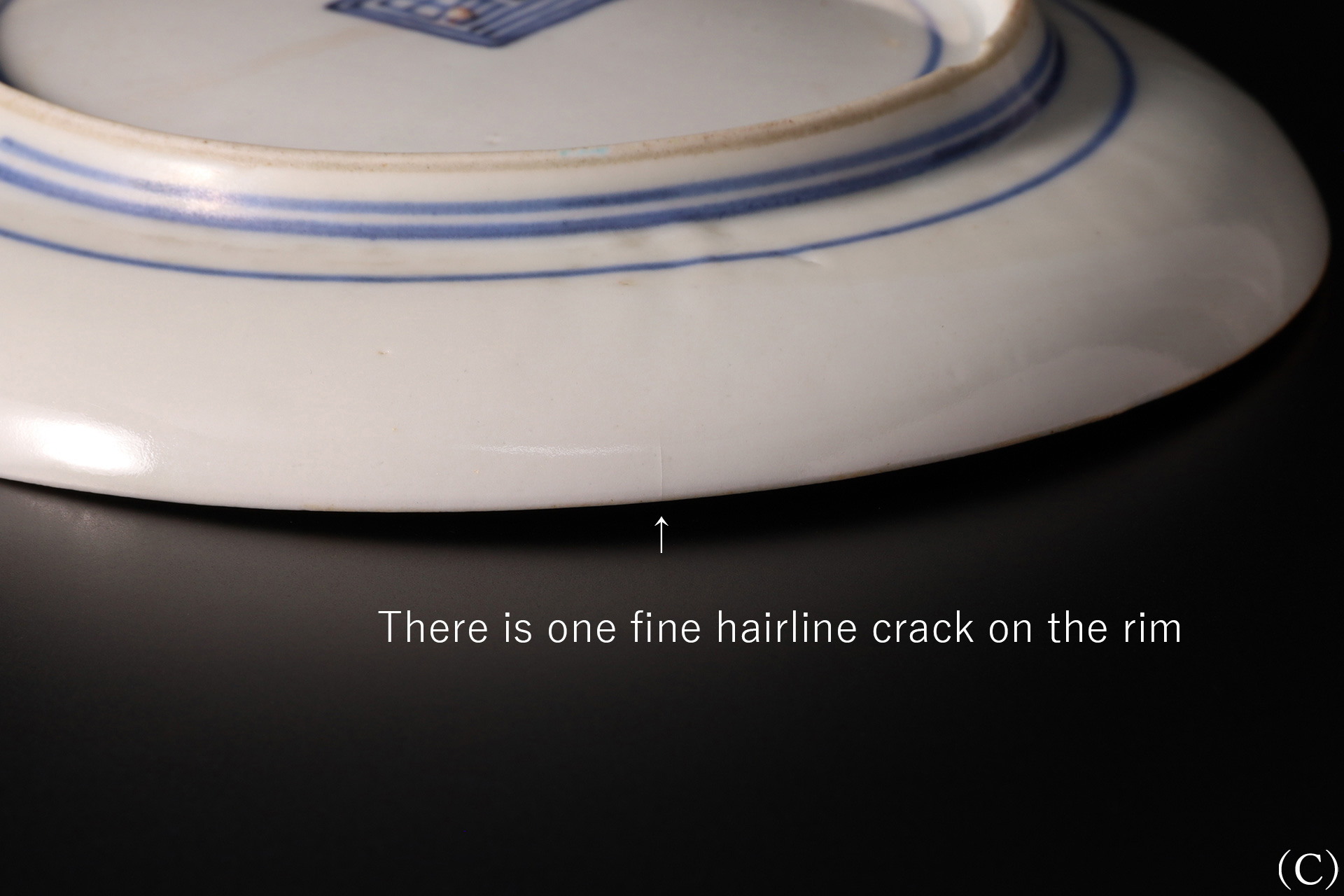
- Condition (C)
- - There are two fine hairline cracks on the rim (Refer to the image)
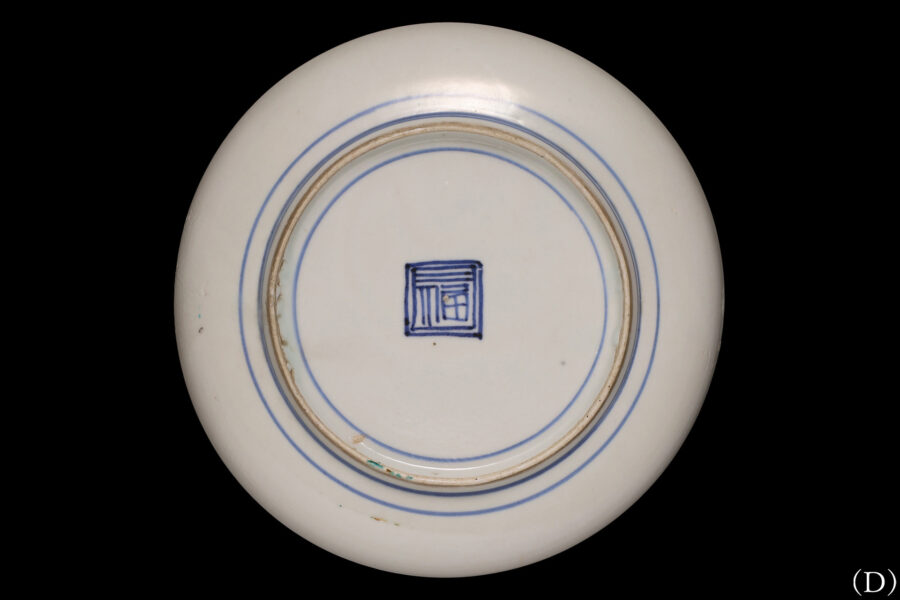
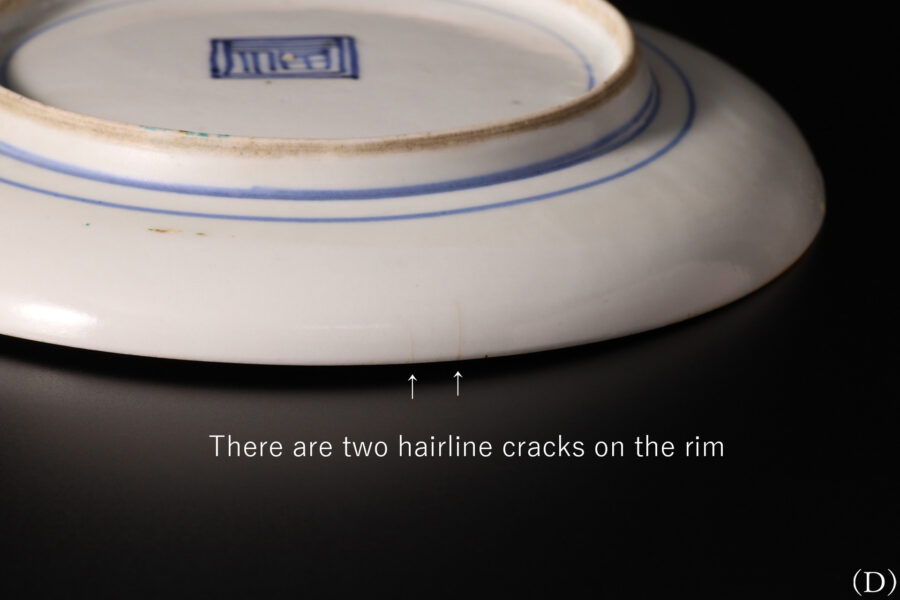
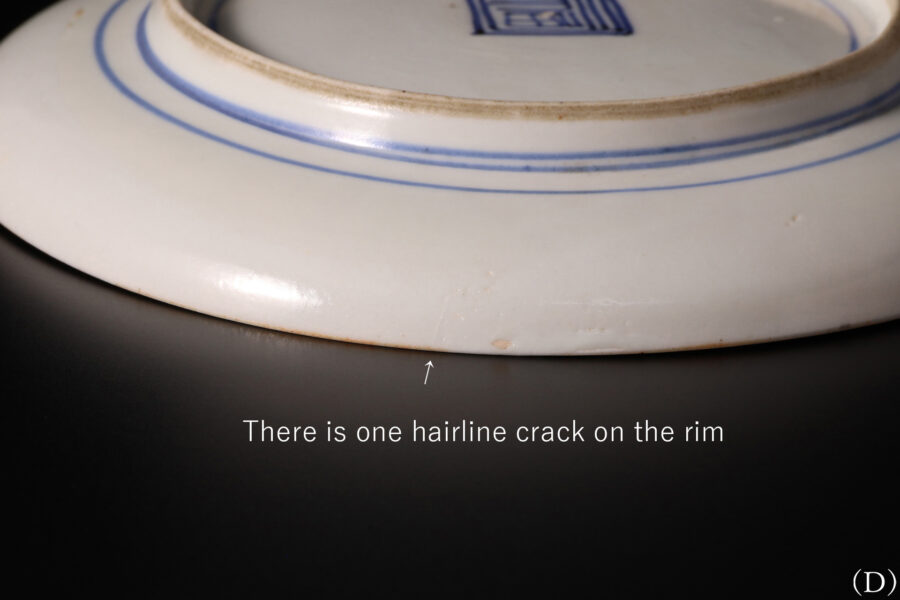
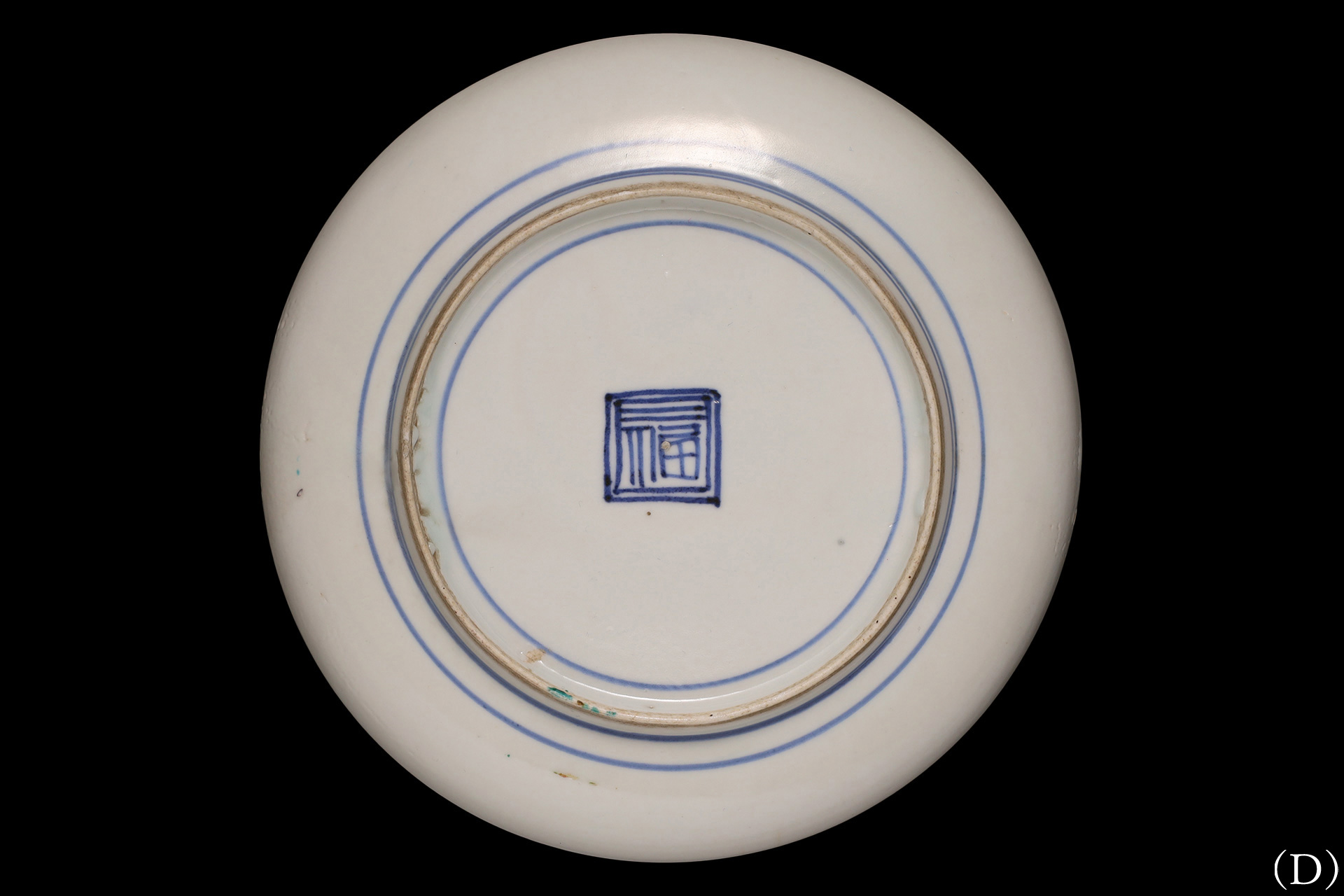
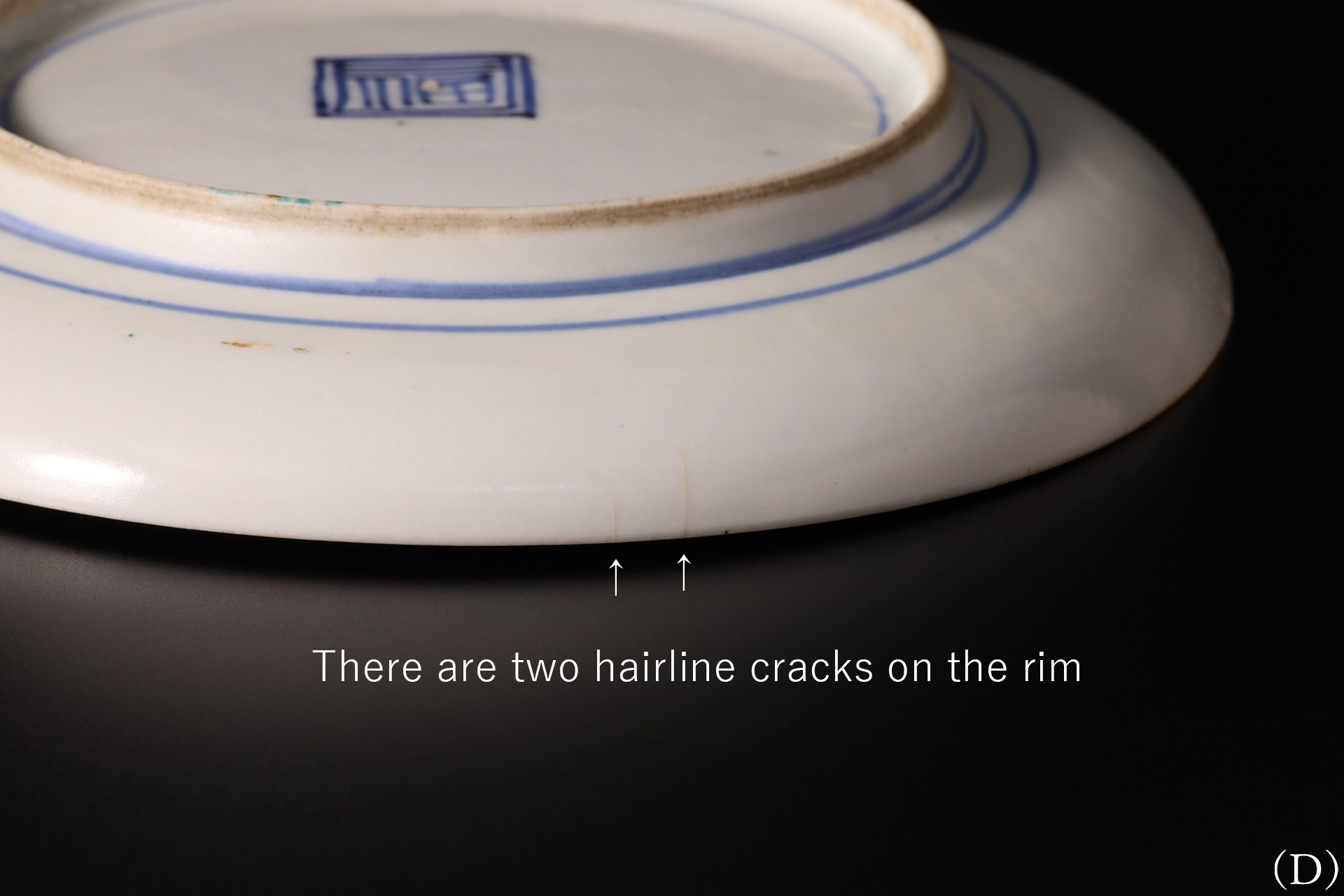
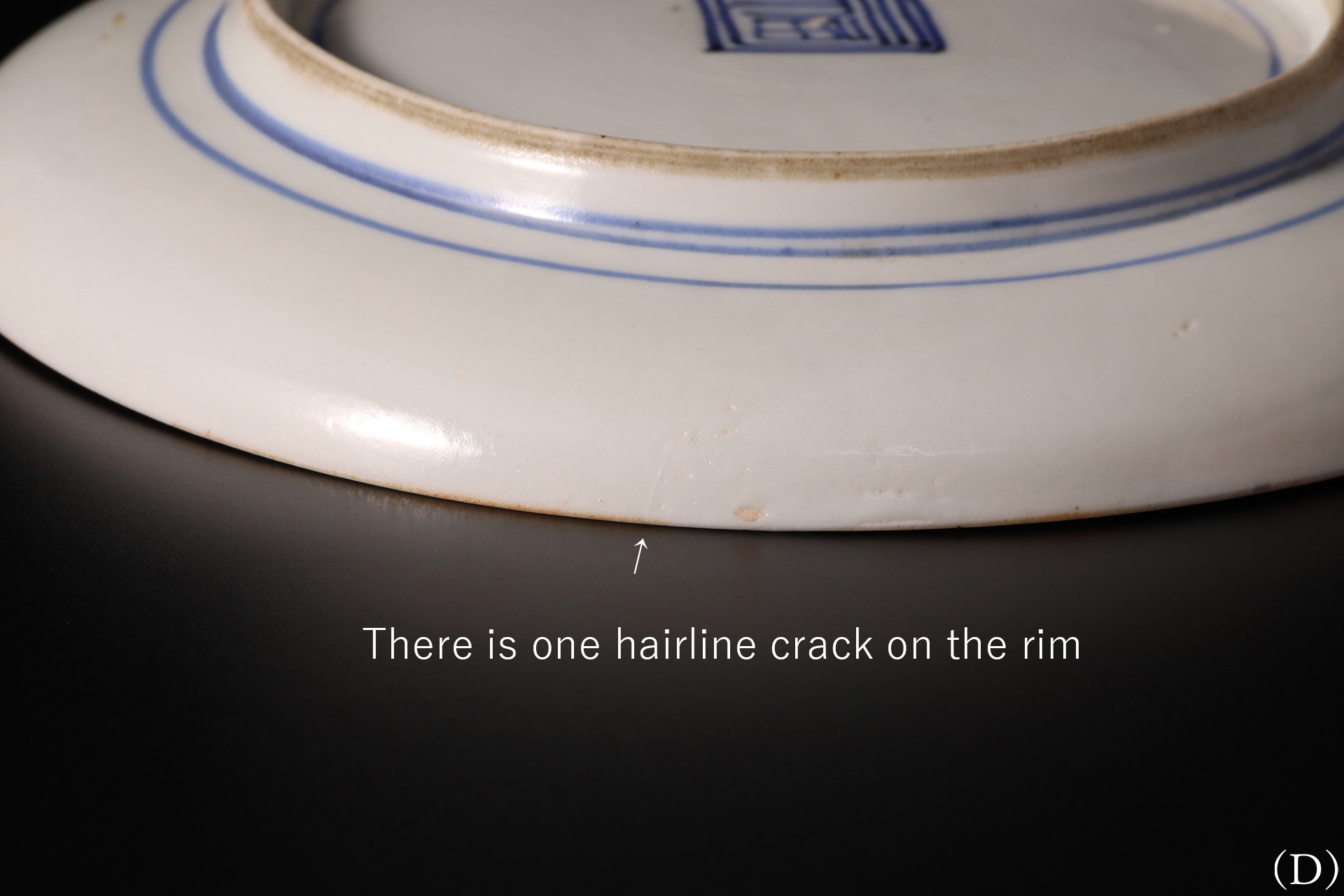
- Condition (D)
- - There are three hairline cracks on the rim (Refer to the image)
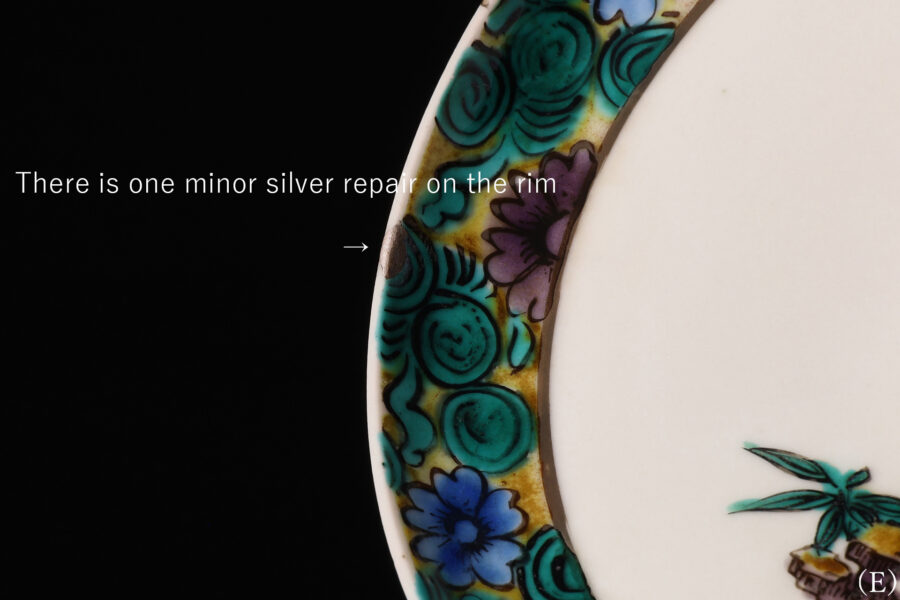
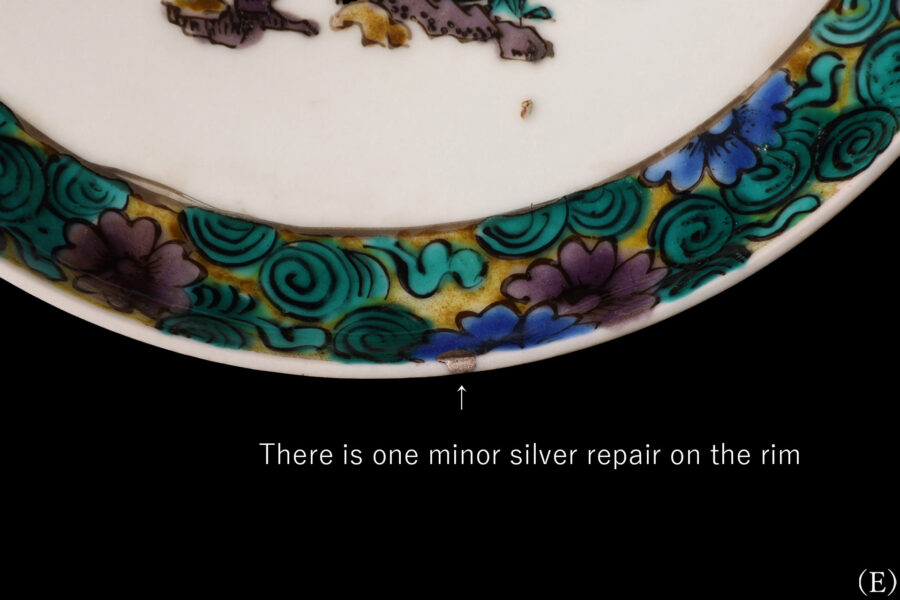
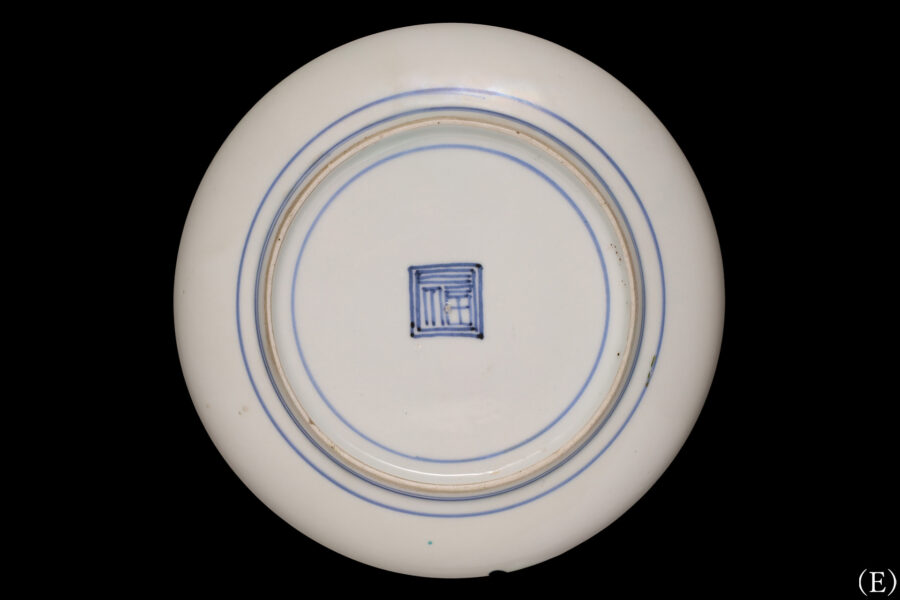
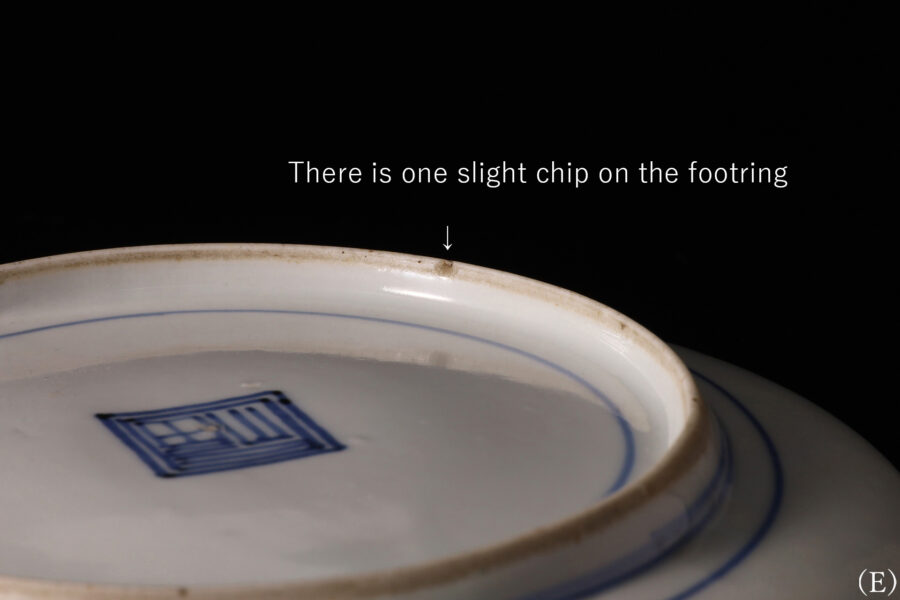
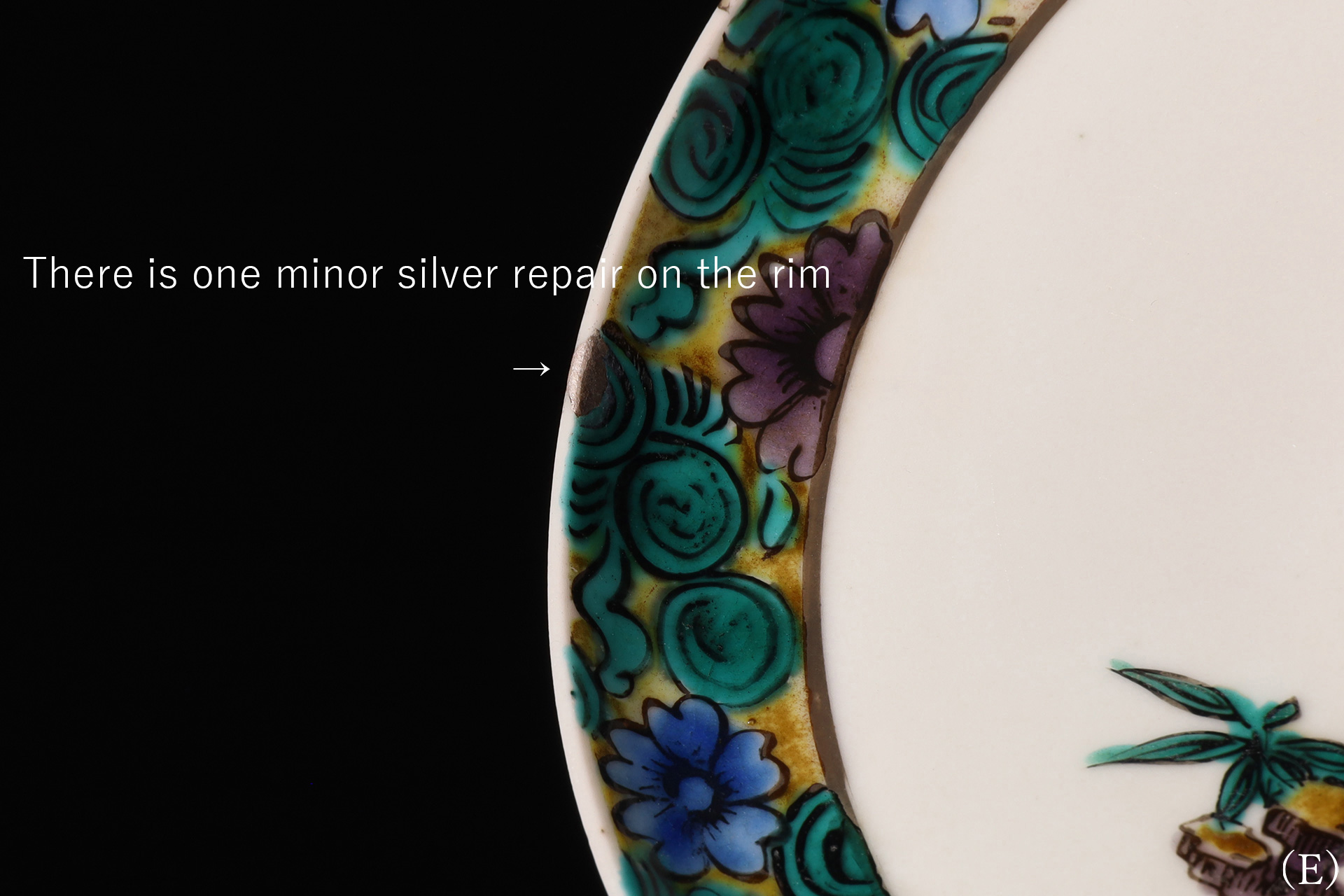
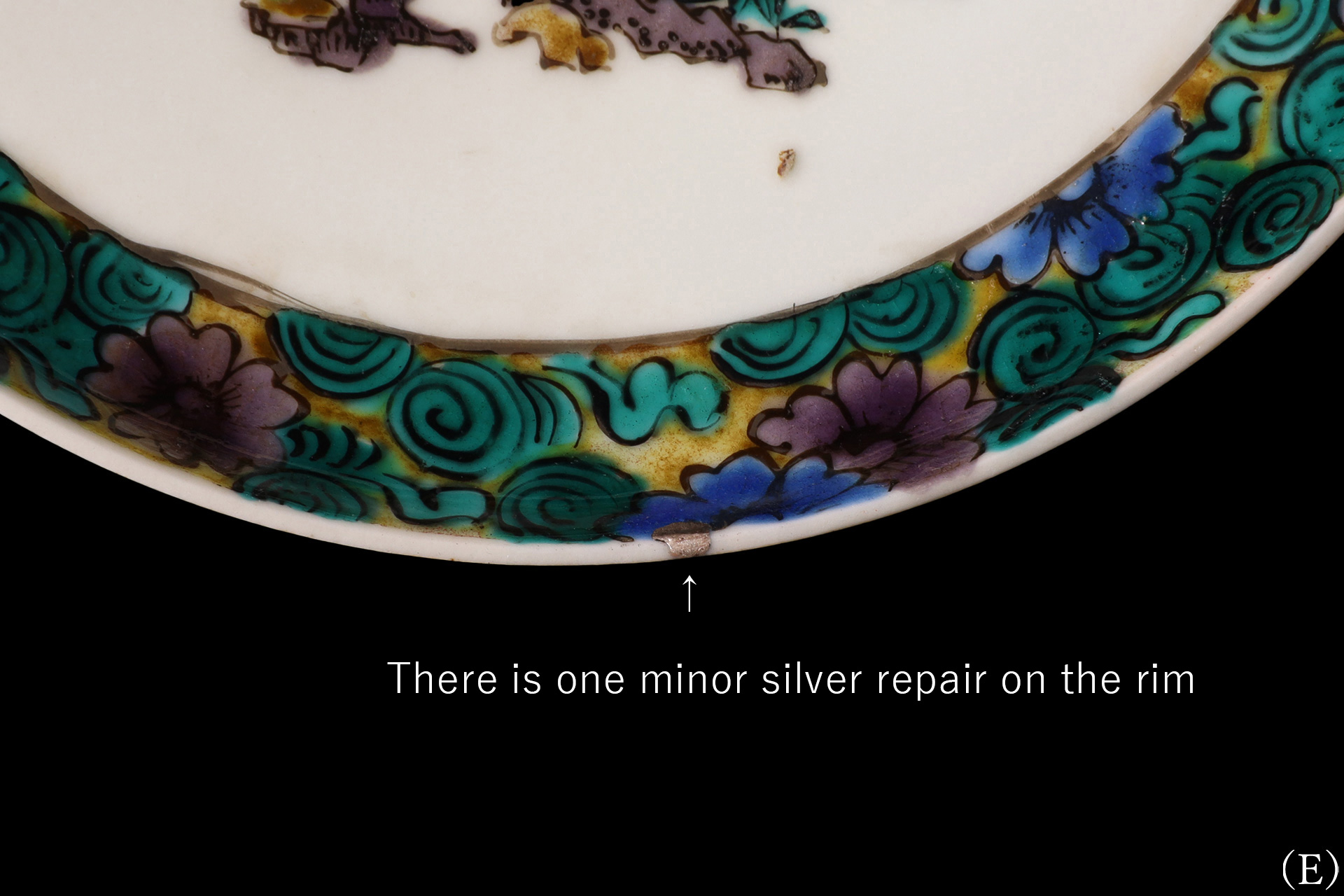
- Condition (E)
- - There are two minor silver repairs on the rim (Refer to the image)
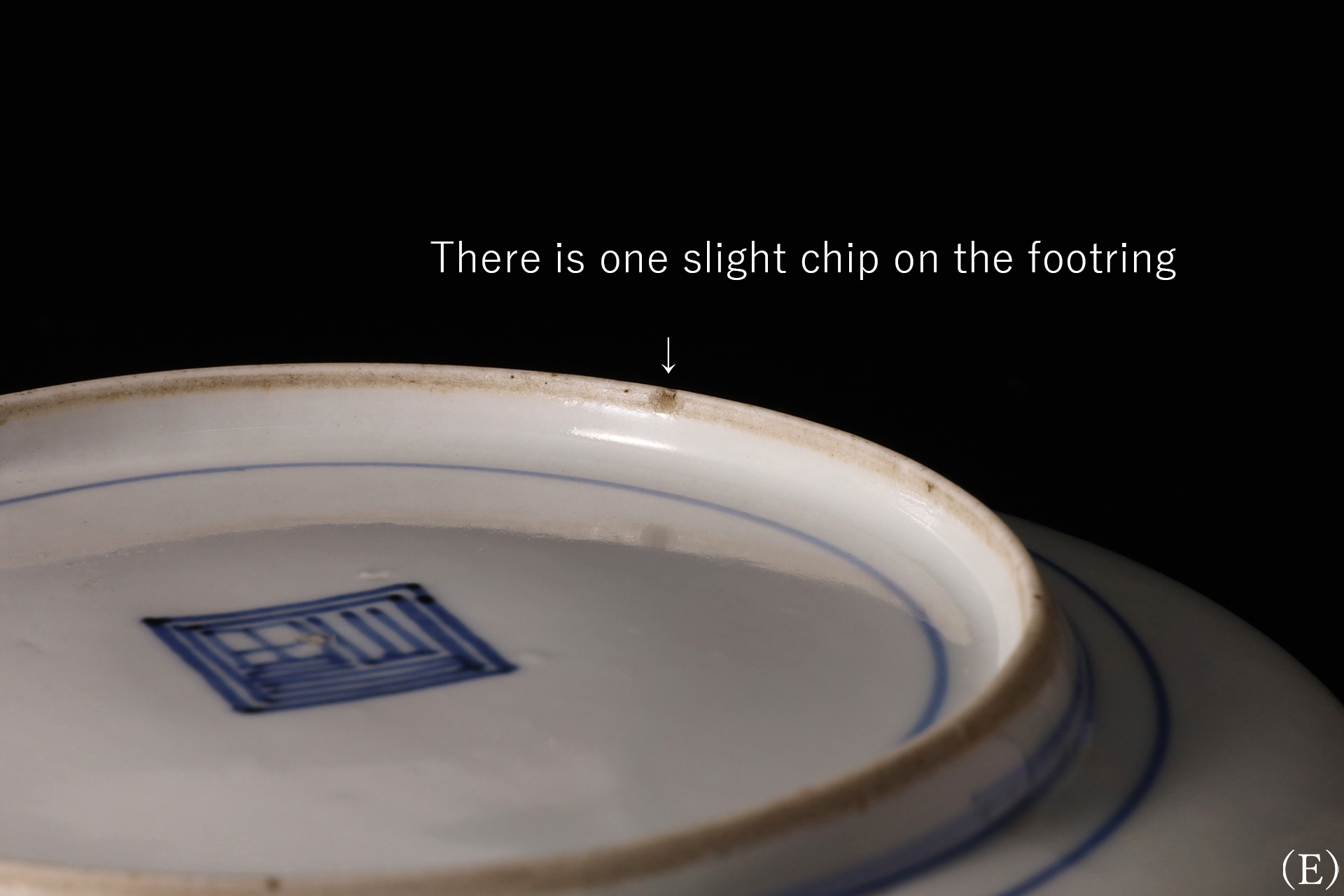
- There is one slight chip on the footring (Refer to the image)
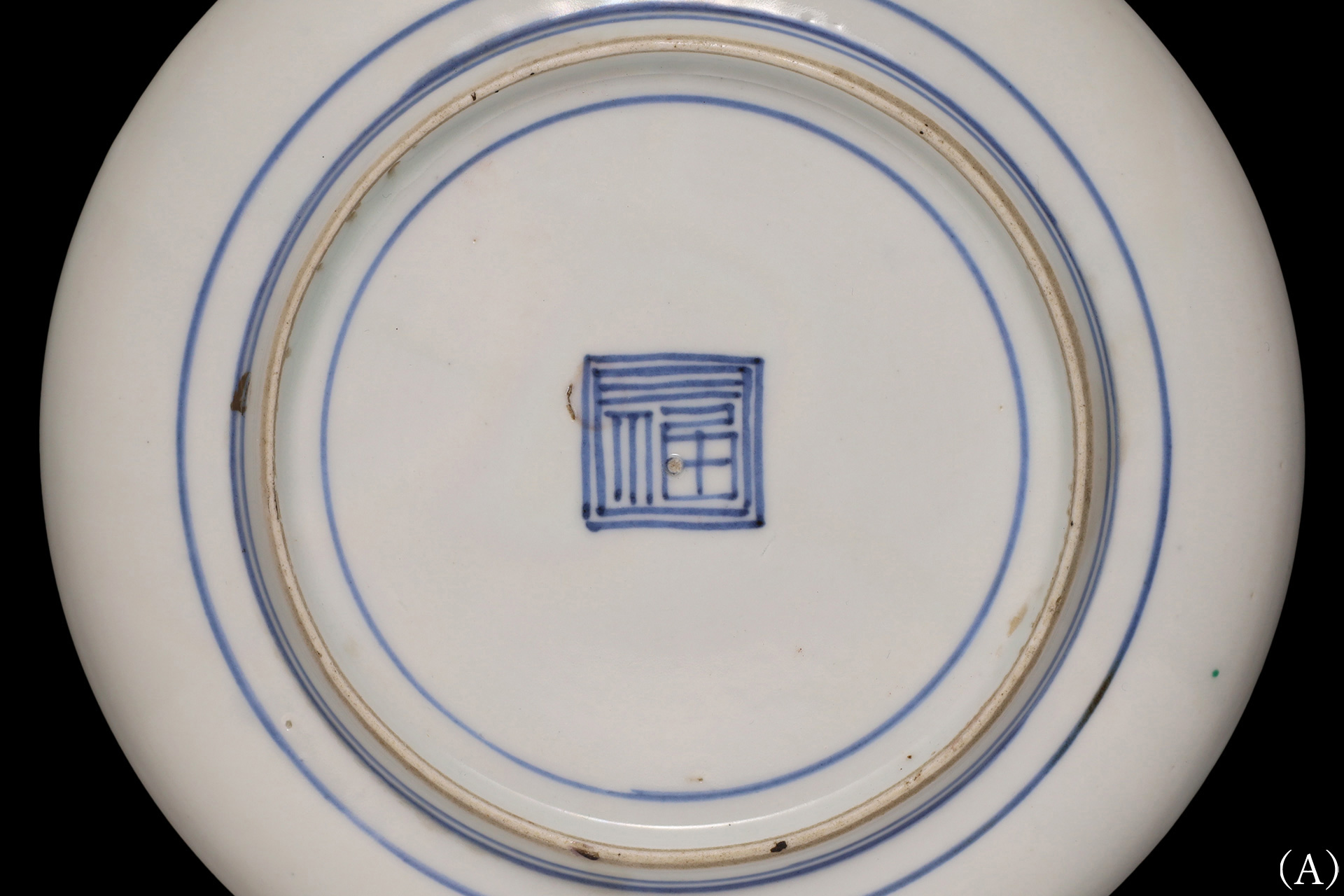
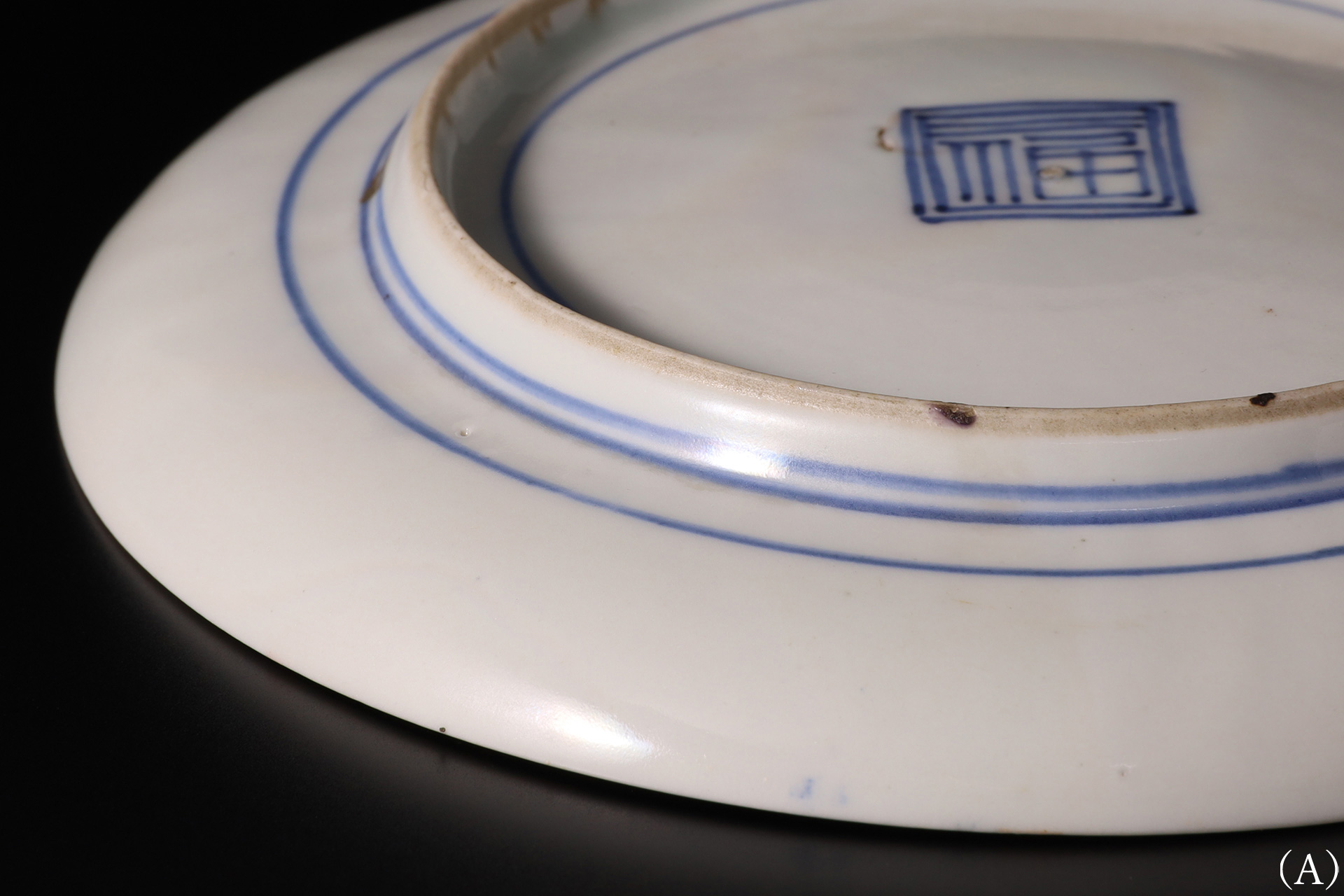
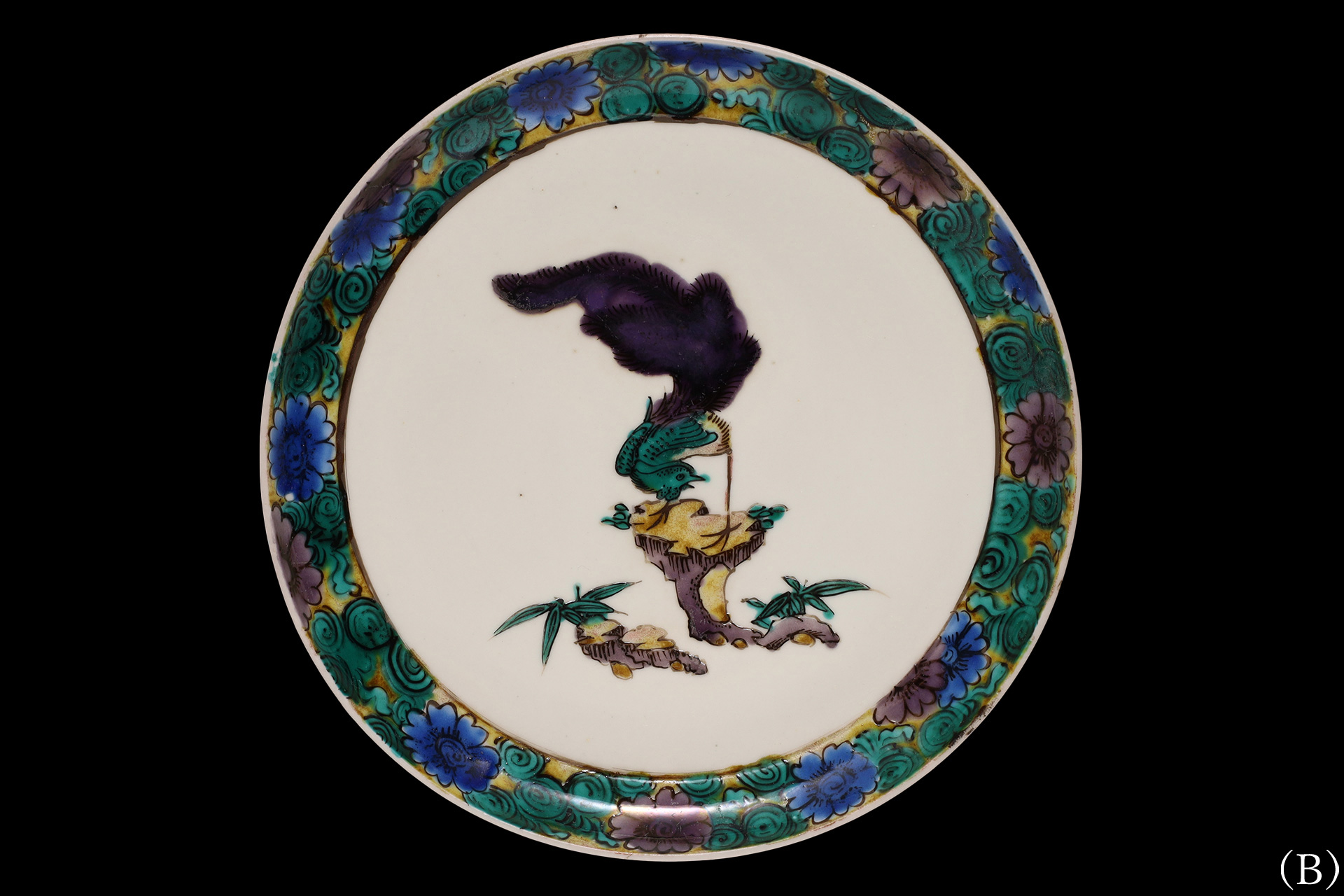
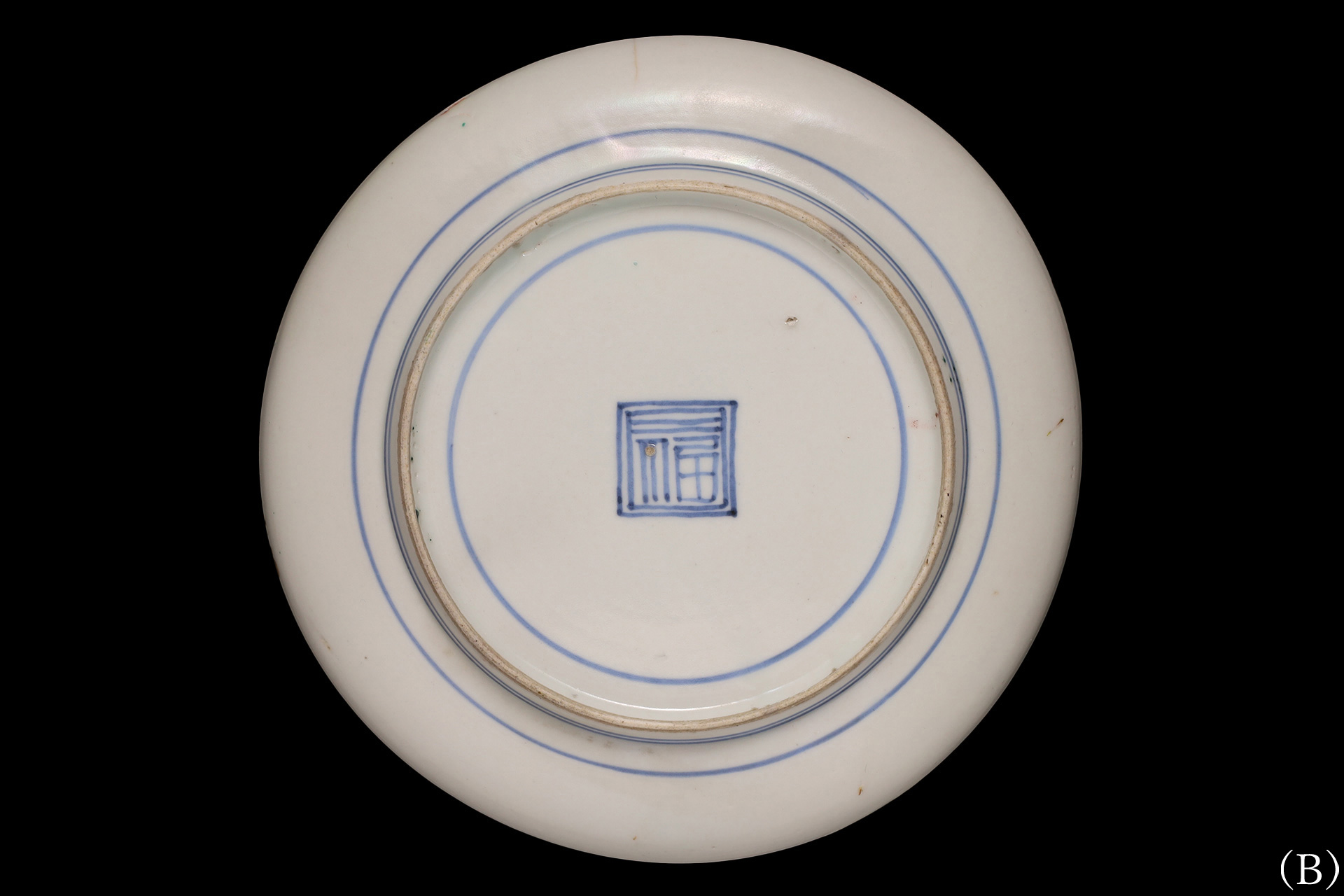


Ko-Kutani Style
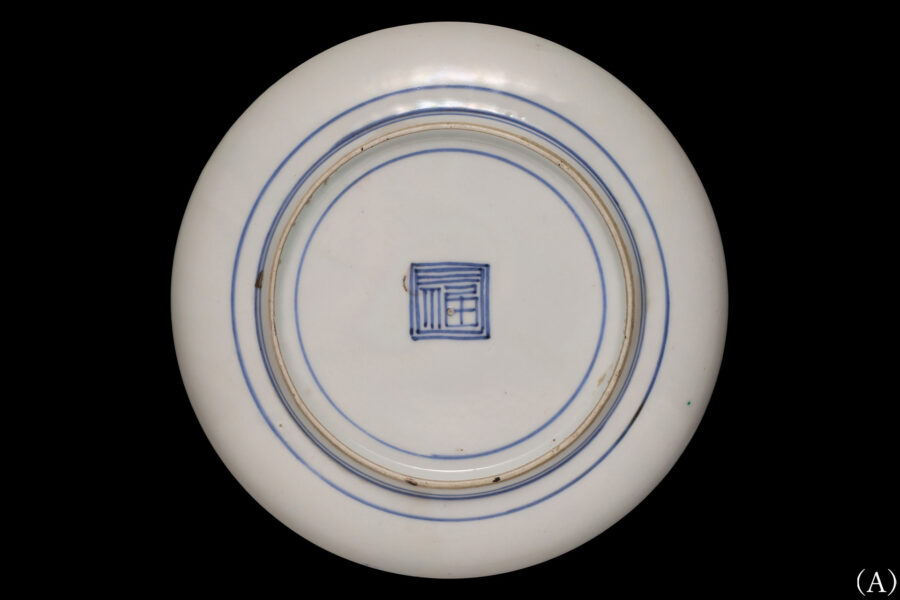
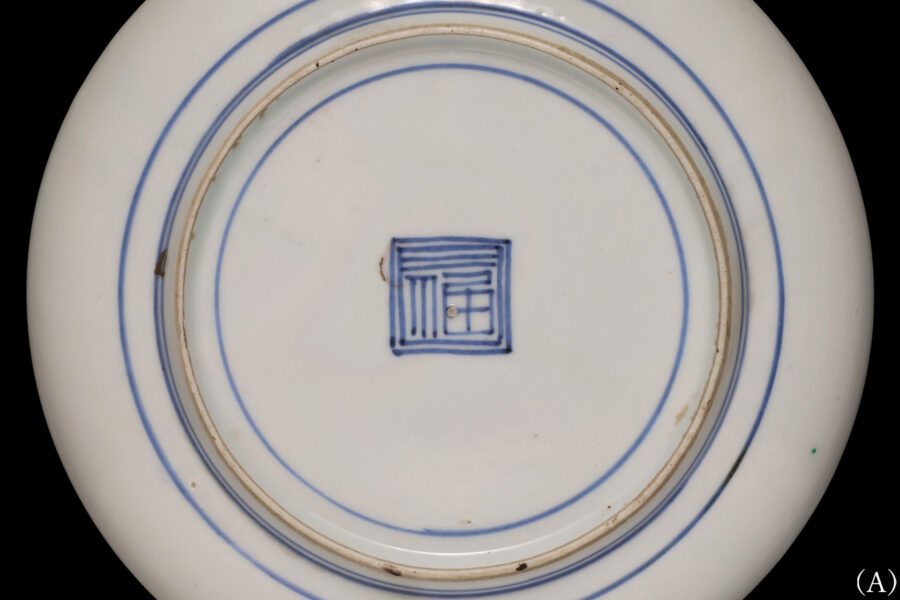
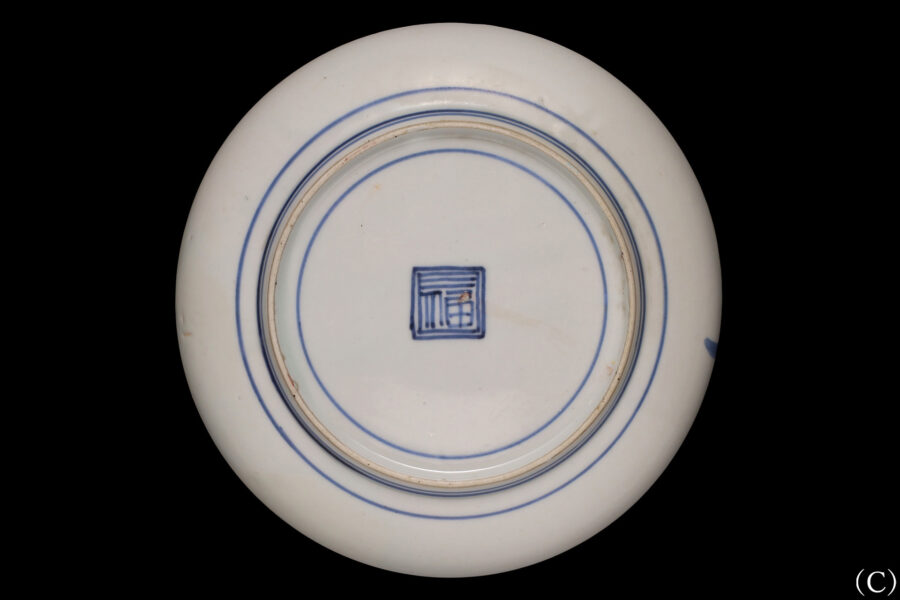
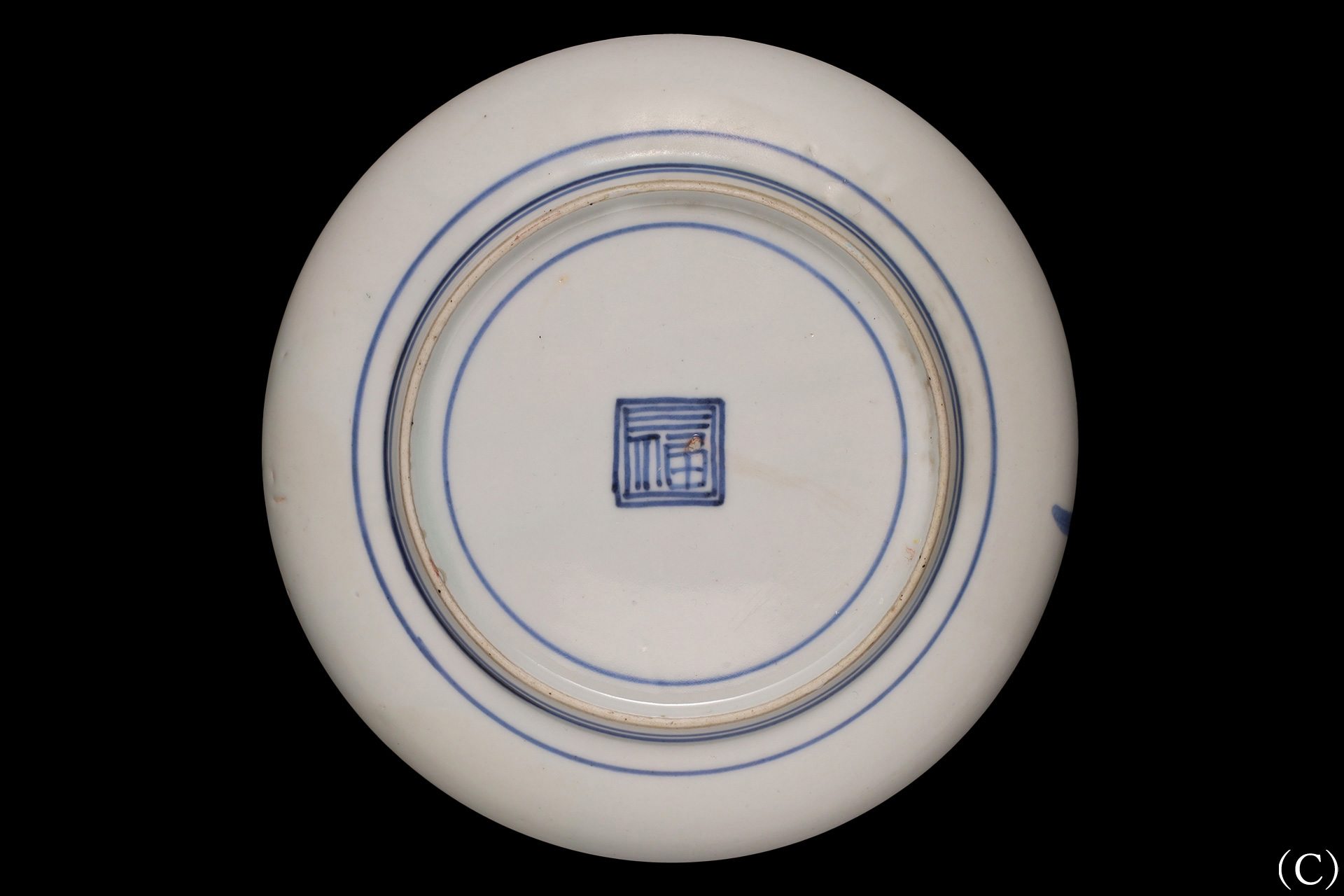
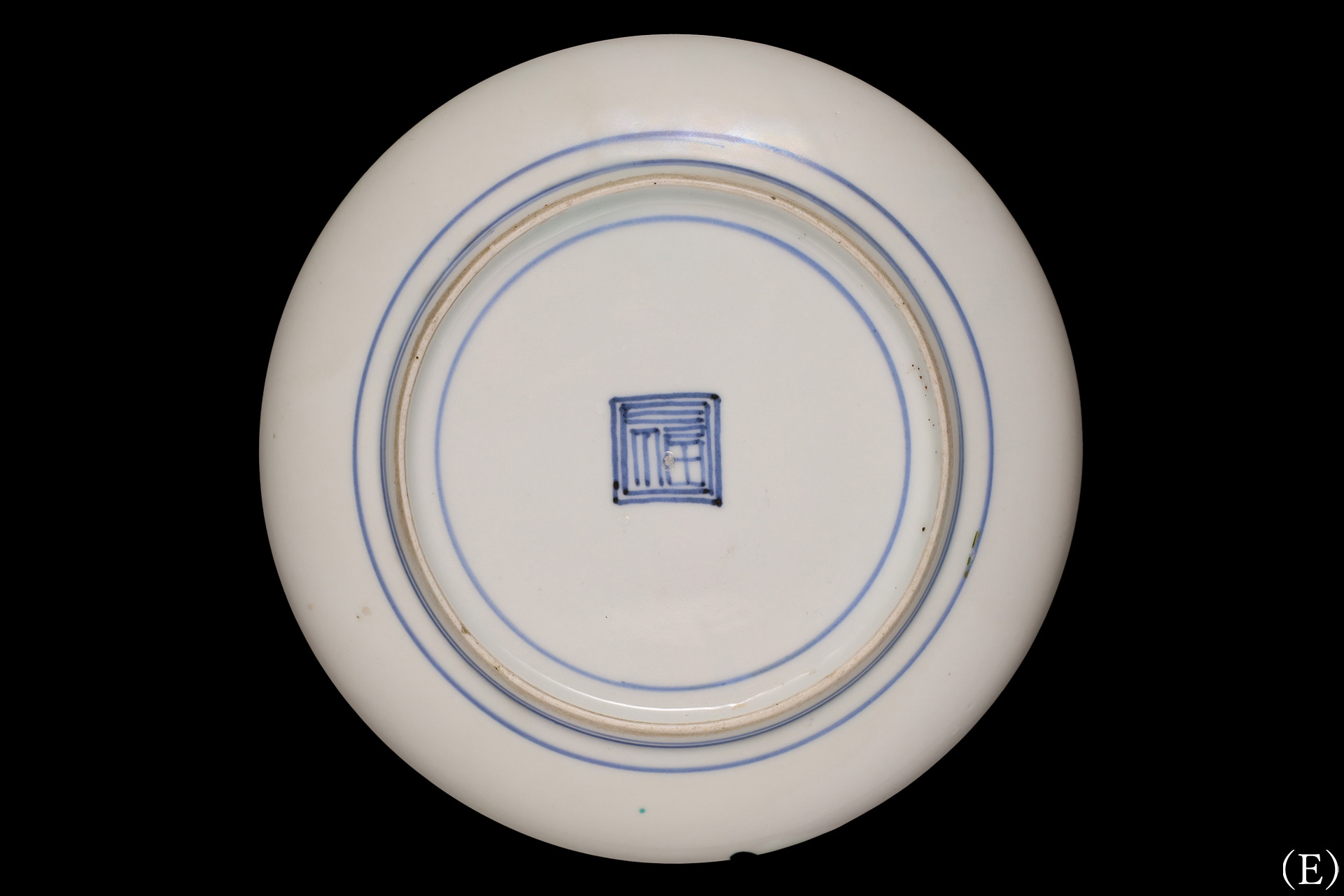
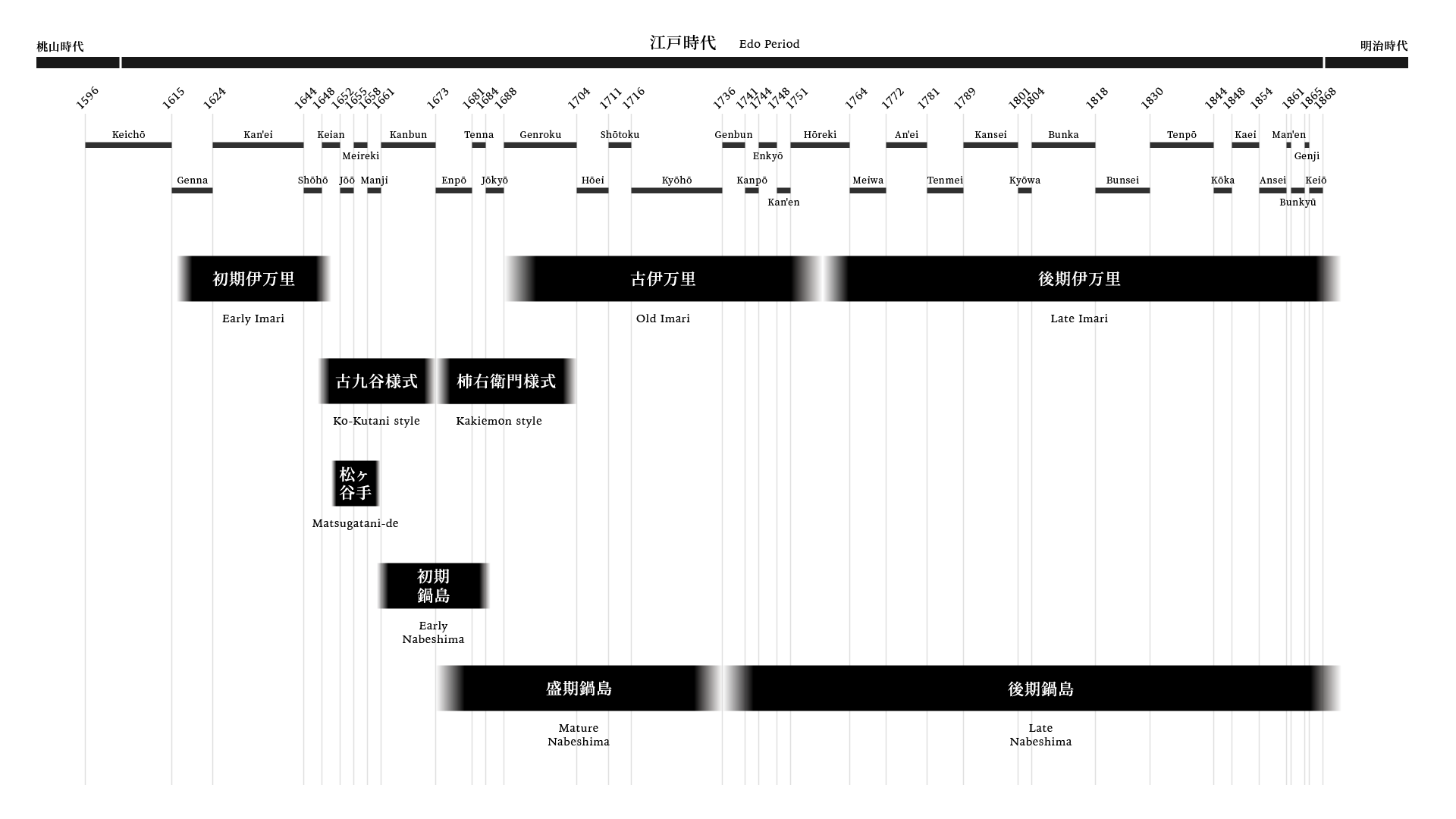
The Ko-Kutani style refers to a mode of Imari ware produced in Arita, Hizen during the early Edo period. In the 1640s–1650s, the introduction of overglaze enamel techniques to Imari ware—previously centered on underglaze blue—sparked remarkable technical innovation and led to the development of what is now known as the Ko-Kutani style. Although these early overglaze porcelains began as adaptations of Chinese models, they gradually came to embody a distinctly Japanese aesthetic. Many pieces were created for celebratory banquets or as utensils for the tea ceremony, reflecting the tastes of connoisseurs. As painting techniques advanced rapidly, works showing the involvement of professional painters began to appear. Signed pieces also increased, with a variety of marks such as Kakufuku and Homare coming into use. As the diameter of plate footrings widened, potters adopted a method of supporting vessels during firing with conical props made of the same porcelain material—known as hari (firing marks)—to prevent sagging at the base. Ko-Kutani polychrome ware is distinguished by its bold, vigorous presence, its richly saturated palette reminiscent of oil painting, and its highly individual designs. These qualities long supported the “Kaga theory,” which held that such wares were produced in Kaga (present-day Ishikawa Prefecture). However, extensive discoveries of Ko-Kutani-style biscuit shards and enamelled fragments at early kiln sites in Arita have led to the widespread acceptance of the “Hizen theory,” which identifies Arita in Saga Prefecture as the true place of production. By the mid‑17th century, Arita potters—through tireless effort—had reached a level of mastery that allowed them to look toward Jingdezhen, the world’s foremost porcelain center. The brilliance of the Ko-Kutani style stands today as a testament to their technical achievement and refined artistic sensibility.