


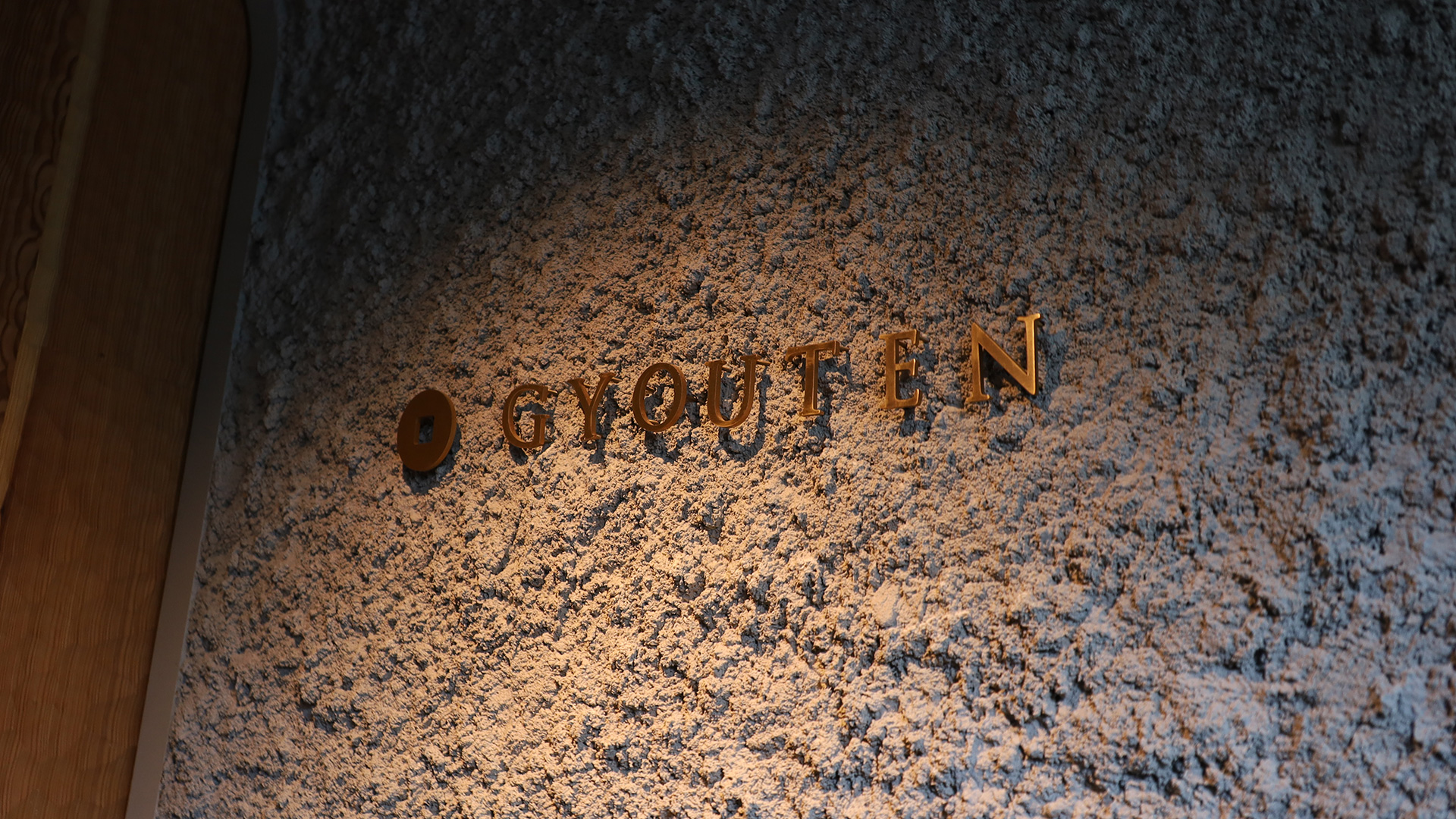
Based in Fukuoka, GYOUTEN has continued to captivate discerning gourmands from Japan and around the world. Its owner, Kenji Gyouten, is regarded as one of Japan’s foremost sushi masters, earning Michelin’s highest distinction of three stars at the youngest age in history and making a profound impact on both the culinary world and gastronomic circles worldwide. Grounded in tradition yet unbound by convention, Gyouten pursues a singular vision that extends far beyond sushi itself. Architecture, antiquities, lighting, and ceramics are seamlessly unified under a coherent aesthetic philosophy, creating an experience that transcends dining. His influence also reaches Tokyo, where he oversees and produces Sushi Hoseki – Kenji Gyoten at the BVLGARI HOTEL TOKYO. Through these endeavors, Gyouten continues to share the richness of Japanese culture with audiences both in Japan and abroad.
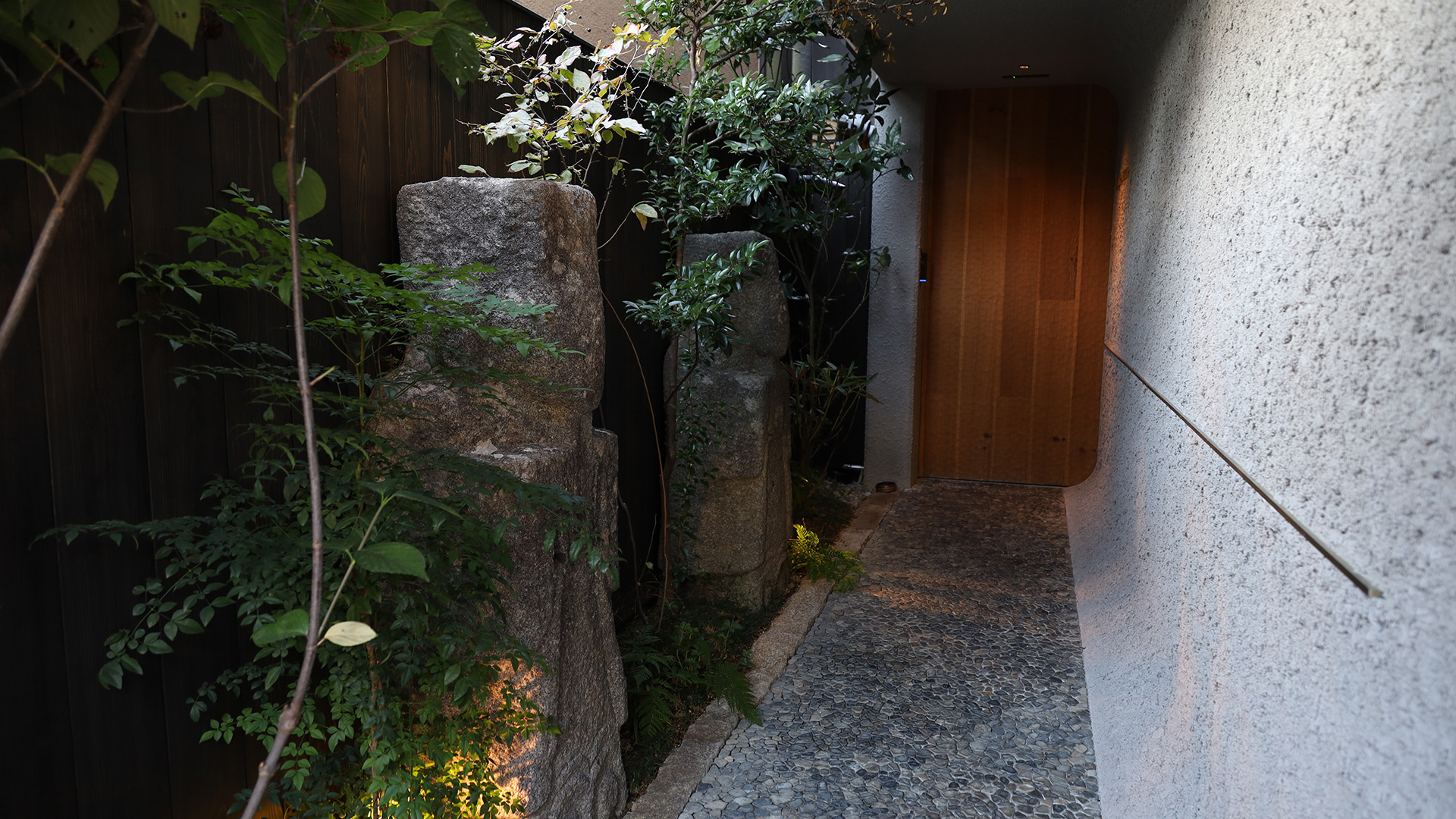
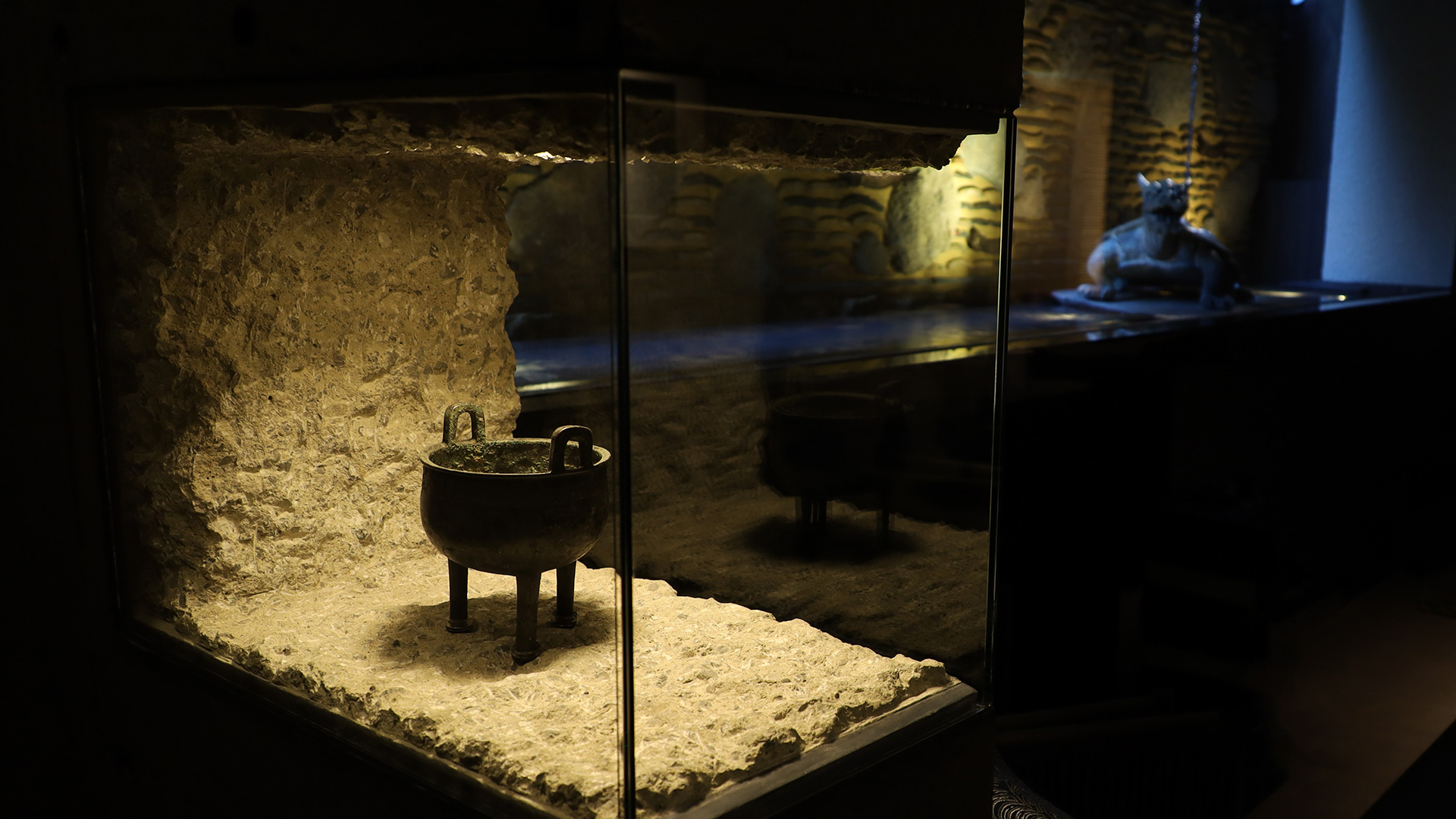
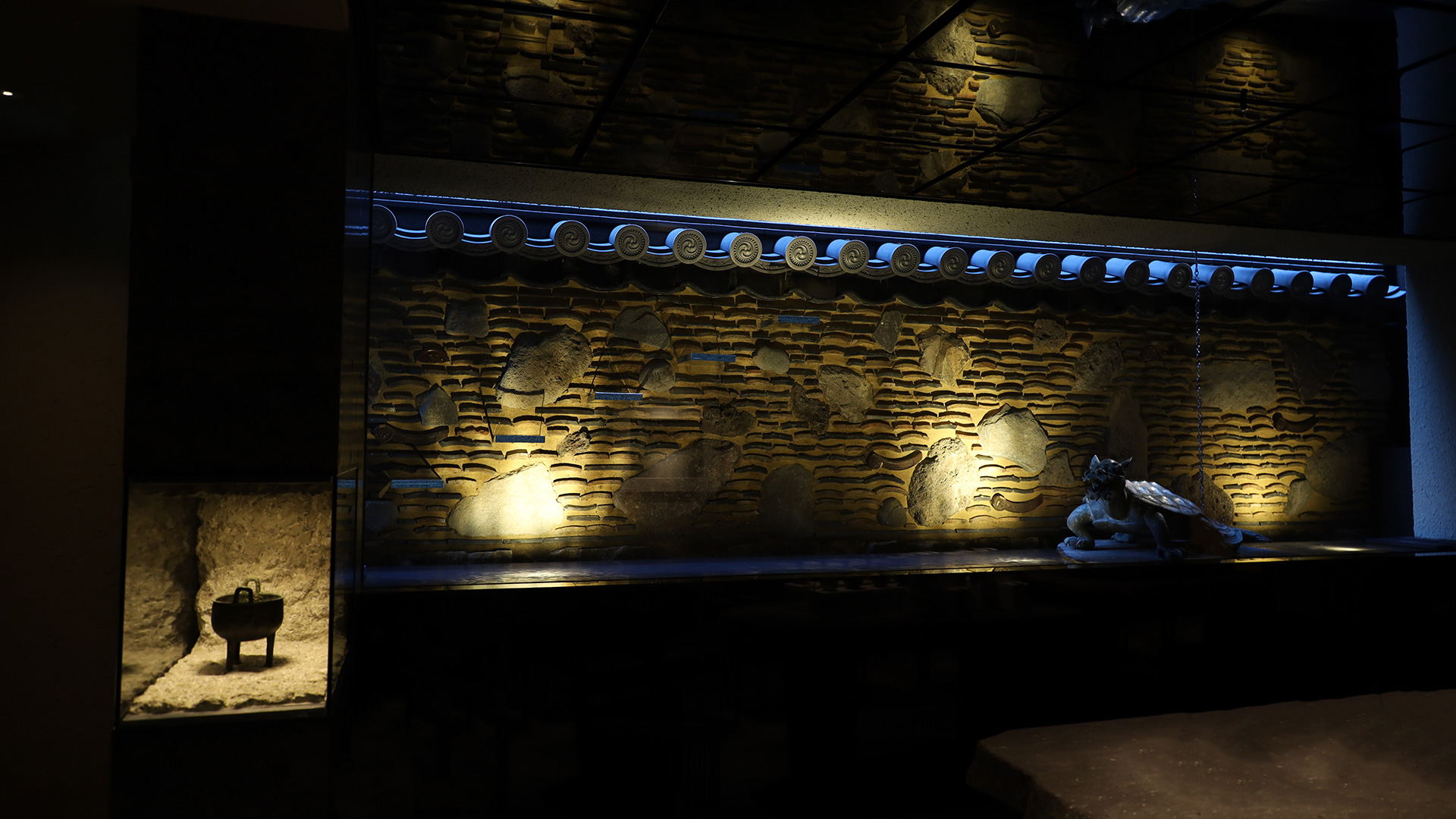
One of GYOUTEN’s defining characteristics is its serene, museum-like atmosphere, which begins the moment one steps inside. In the waiting lounge, ancient Chinese bronze vessels are thoughtfully displayed, while soft lighting gently reveals the dignified presence they have acquired through the passage of centuries. Even before the meal begins, guests are drawn into the world envisioned by Kenji Gyouten, transforming the time spent waiting into a rich and contemplative aesthetic experience.
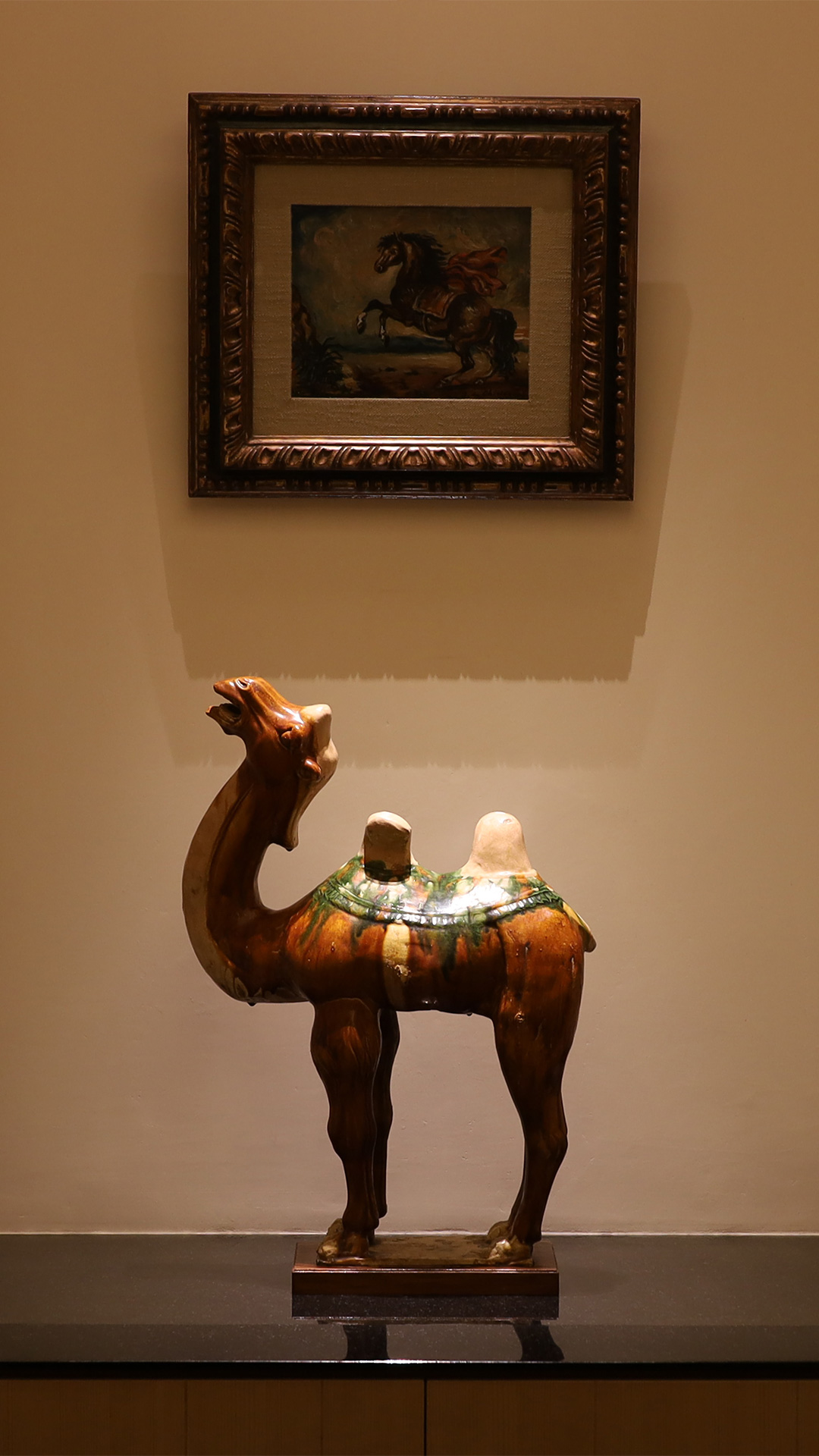
In the world of Asian art, a masterpiece cannot be defined simply by age or rarity alone. Material, form, negative space, and the patina cultivated through the passage of time all contribute to its character. Only when these elements exist in harmony does a work fully reveal its true beauty. The same philosophy of beauty permeates the world that Kenji Gyoten has created. Beyond the craftsmanship and sensibility embodied in each piece of sushi, meticulous attention is given to every detail: the selection of ingredients, their temperature, the precise timing of service, and even the spatial setting in which guests are welcomed. This uncompromising pursuit of perfection elevates a meal into a truly singular artistic experience.
Giorgio de Chirico, Horse with a Red Cloak
Tang Sancai Camel
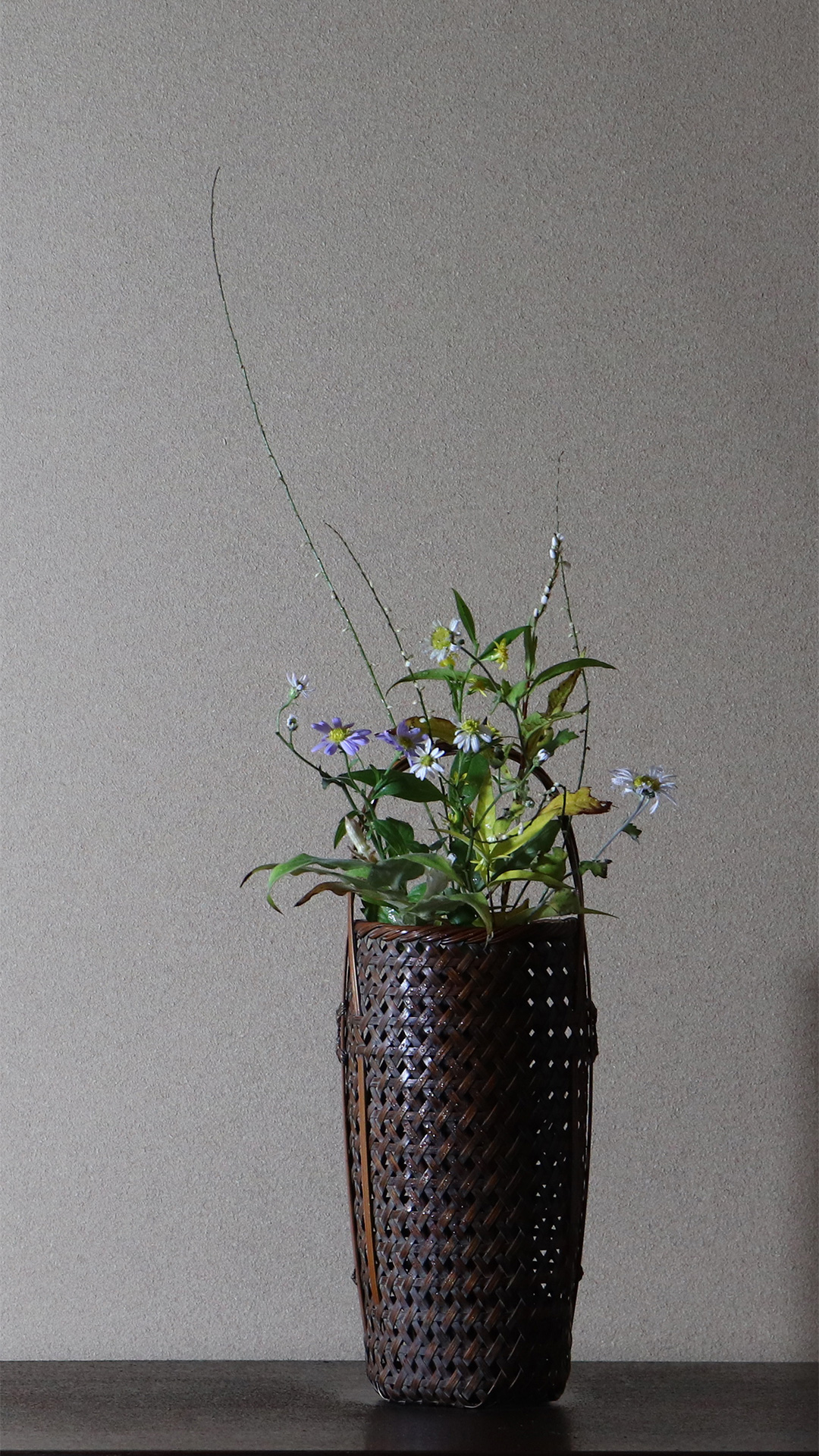
Iizuka Rokansai, Bamboo Flower Basket, “Fukuju”
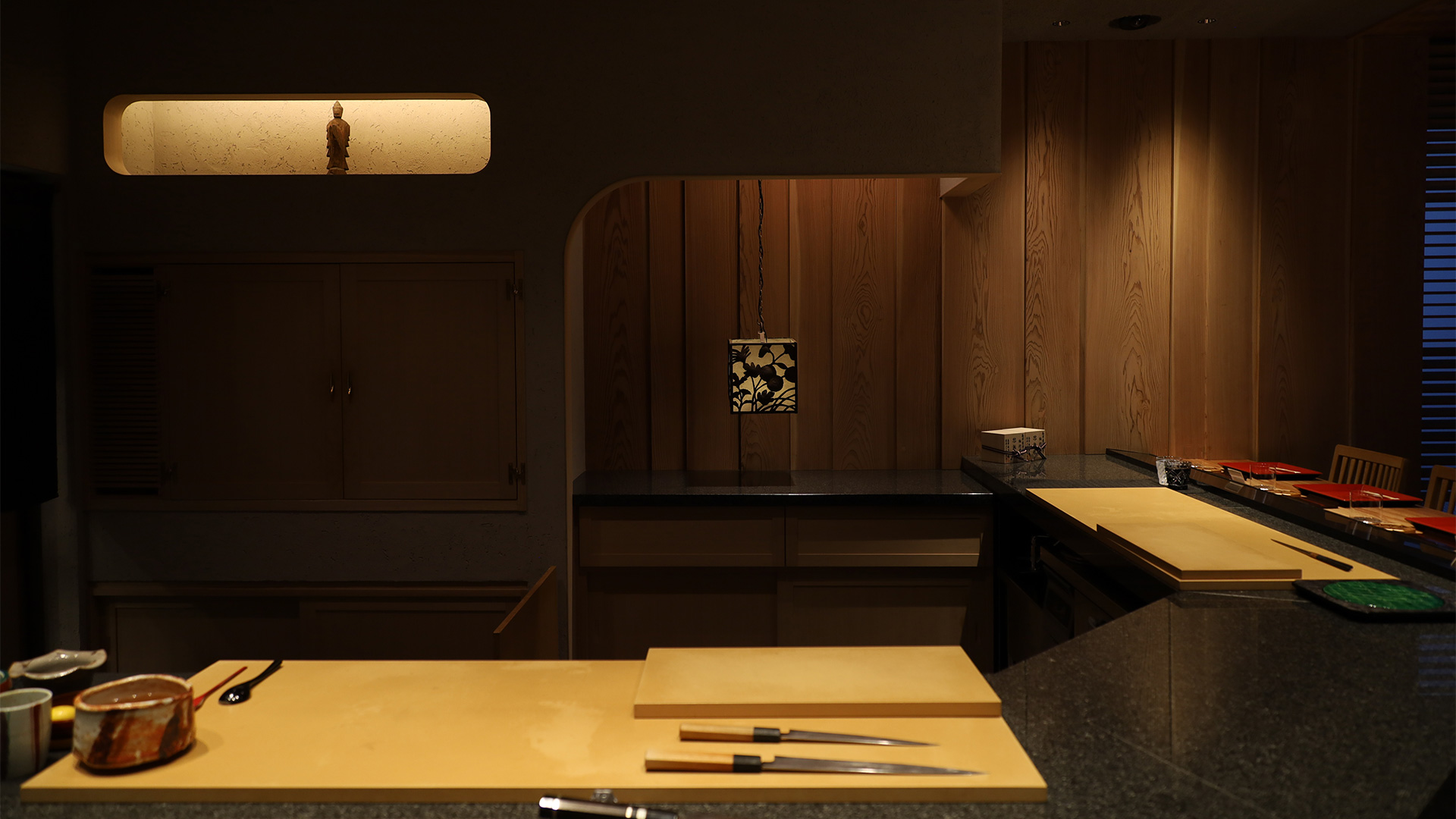
Ascending to the second floor by elevator, guests arrive at an intimate ten-seat dining room centered around a magnificent counter crafted from Yakusugi cedar. The jet-black tsukedai of polished black granite, reminiscent of a midnight sky, and the richly figured grain of the ancient Yakusugi wood, shaped by centuries of growth, create a striking harmony. Every material and design element resonates with one another, resulting in a space that, while dedicated to the enjoyment of sushi, possesses the completeness and presence of a work of art in its own right.
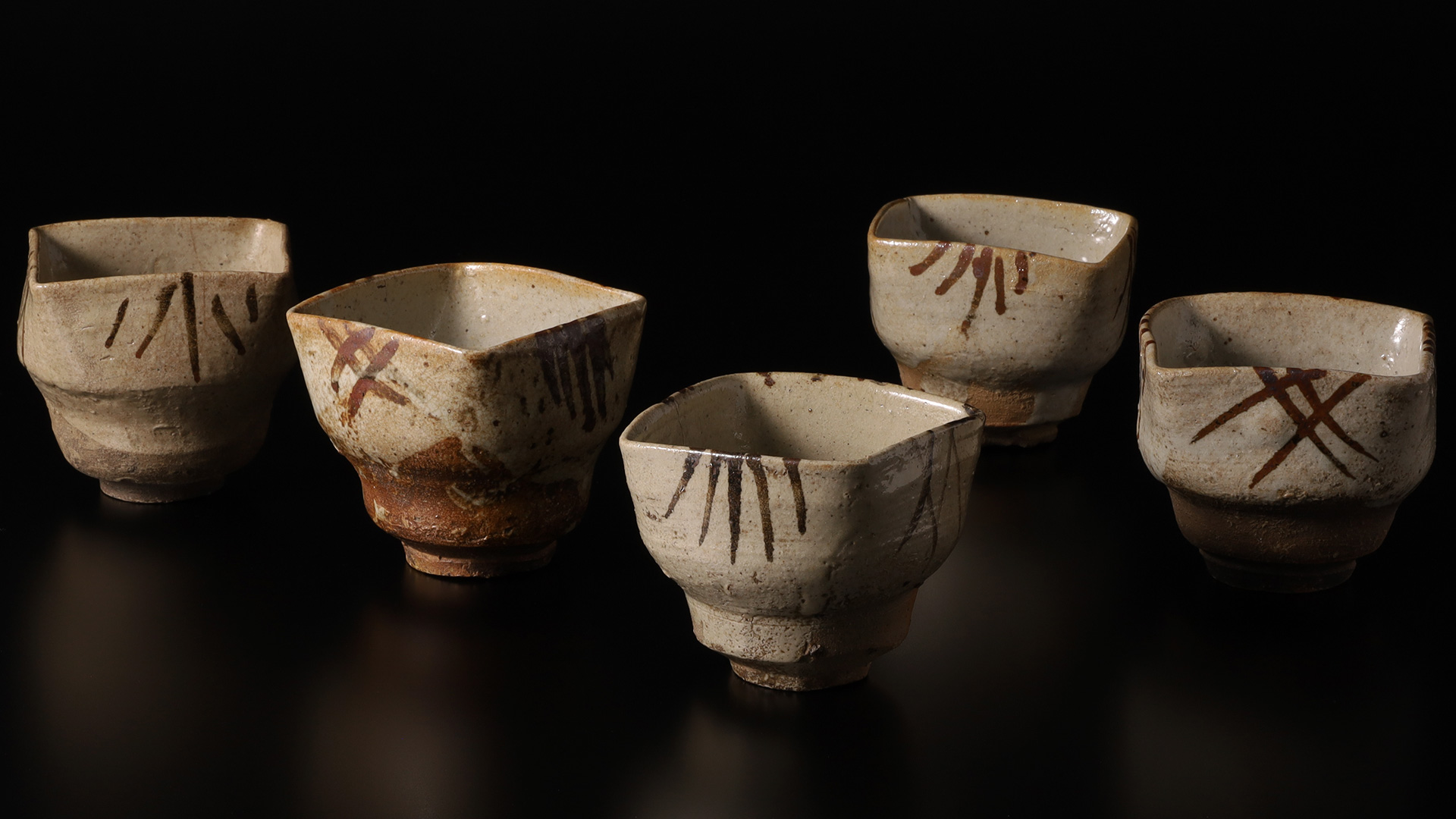
A set of mukozuke from the Komizo Kiln, regarded as among the finest examples of Momoyama-period E-Karatsu ware. Their gently hand-formed shape, created by smoothing the rim into a subtle square profile, possesses a distinctive charm. While intended for serving food, they may also be enjoyed as sake cups, lending an added layer of enjoyment to their use. Complete sets of five surviving together to the present day are exceptionally rare, and they bring a quiet sense of playfulness and refined elegance to the drinking table.

A Bizen Teoke Flower Vase by Kitaoji Rosanjin, preserved in its original signed wooden box crafted by Maeda Yūsai. Around 1949, Rosanjin developed a profound interest in unglazed ceramics and became a frequent visitor to the kiln of Kaneshige Tōyō. In 1953, he established his own Bizen kiln, where, under Tōyō’s guidance, he pursued an increasingly personal mode of expression. Through these efforts, he successfully brought forth the rustic strength and elemental beauty inherent in Bizen clay. Works from this period are highly regarded for embodying the ceramic ideals and artistic vision that defined Rosanjin’s later years.
Just as tea utensils come to life when used in the tea ceremony, vessels are fulfilled when they are used to present food. In the same way that hanging scrolls and flower containers serve to welcome the seasons and honored guests, Japanese art has long found its value not merely in appreciation, but in its function and use. Experiencing the spaces created by Kenji Gyouten offers a renewed appreciation for the richness of Asian art as a living presence within contemporary culture and daily life. To enjoy exceptional sushi while immersing oneself in his aesthetic vision and worldview is an experience that leaves a lasting impression on all five senses. Reservations are exceedingly difficult to obtain due to the restaurant’s membership-only policy, yet GYOUTEN is far more than an acclaimed sushi destination. It is a truly extraordinary place that embodies the cultural and aesthetic values Japan has to offer the world.
GYOUTEN
Address: Undisclosed