


Nestled in the heart of Nakasu, Fukuoka, “Sumi to Ogawa” is a remarkable culinary destination that burst onto the scene in November 2022 like a comet. Today, it remains one of the city’s most sought-after restaurants, with reservations booked out nearly six months in advance. The owner-chef, Kojiro Ogawa, honed his craft at the renowned Hyotei in Kyoto and later served as head chef at a distinguished Japanese restaurant in Fukuoka. In 2014, he was awarded the “BRONZE EGG” in the prestigious RED U-35 competition. At a gracefully curved counter, Ogawa’s live culinary performance unfolds in the spirit of a tea gathering—refined, intimate, and deeply expressive.
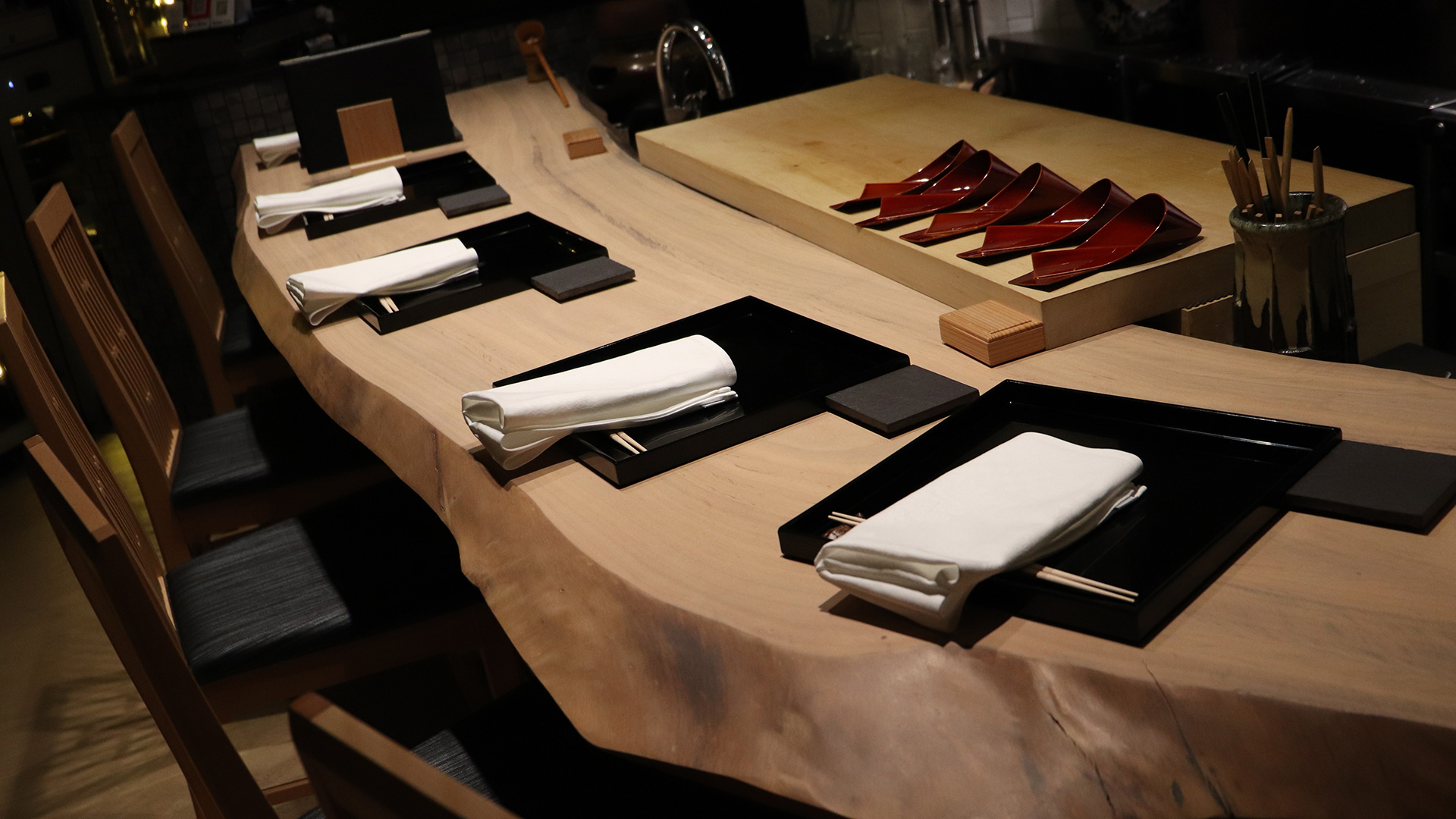
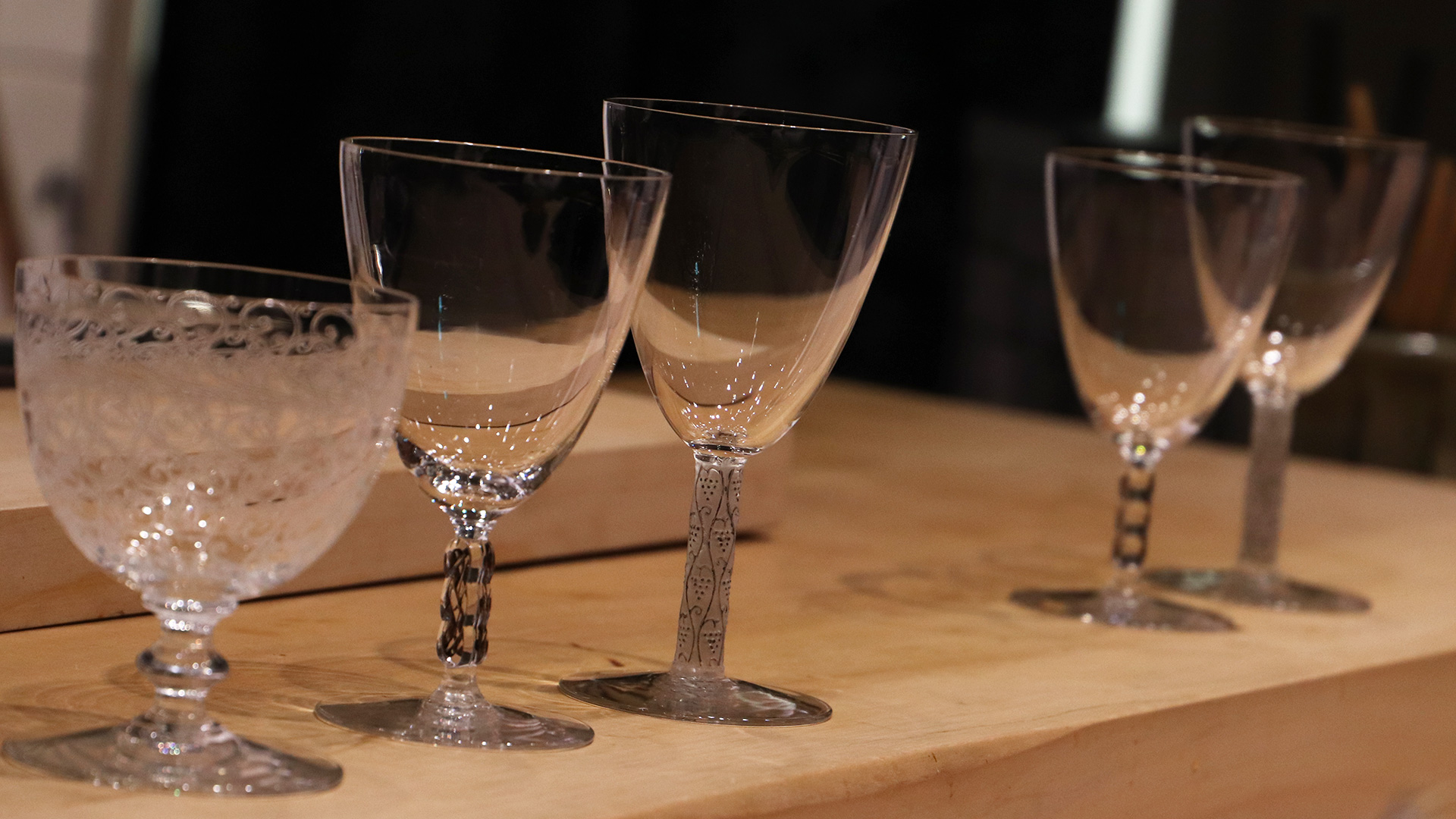
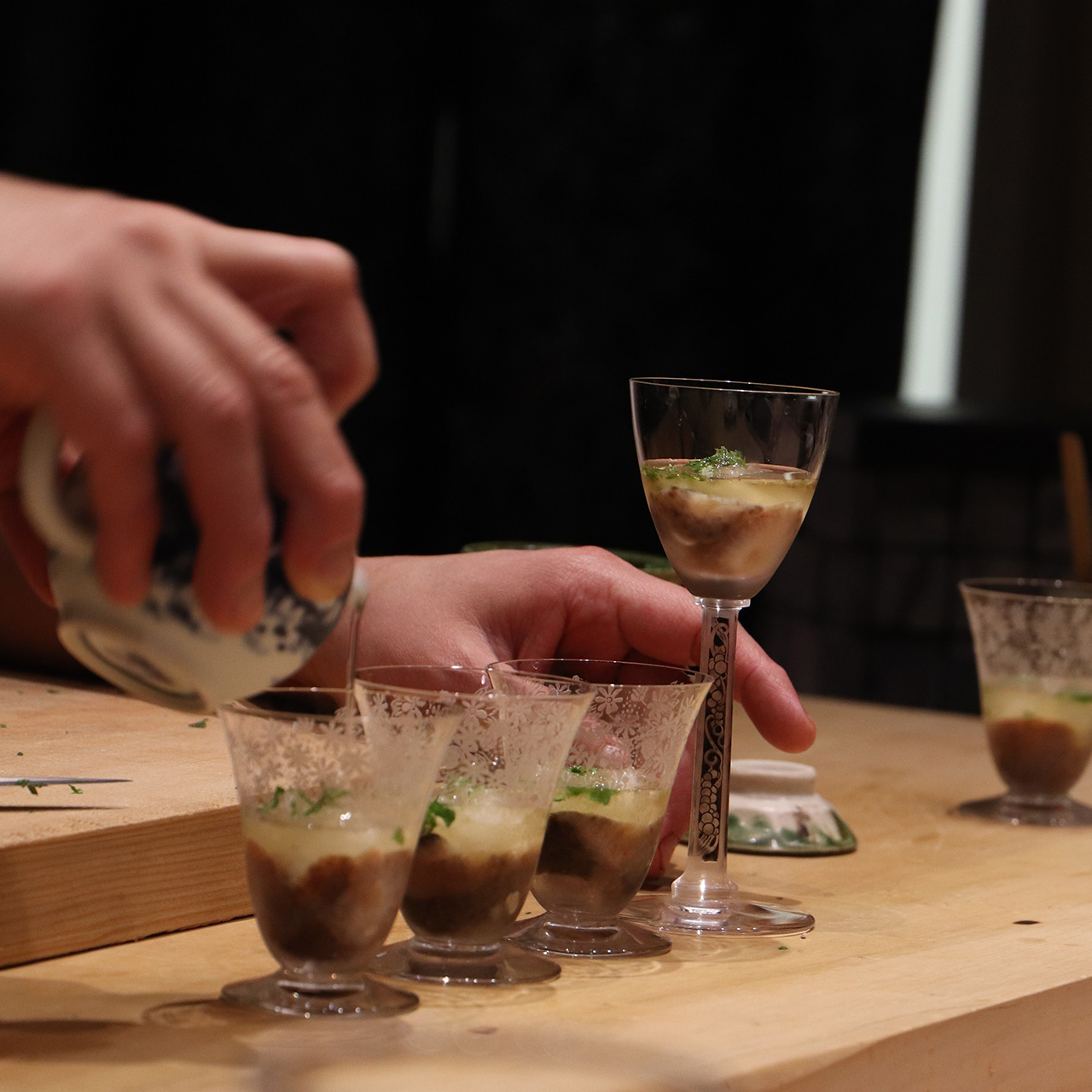
The drink menu is well-curated, with a fine selection of wines and other beverages thoughtfully paired to complement each dish. On the counter, from left to right, sit coupe glasses by Rohan (Old Baccarat), Guebwiller, and Thann (René Lalique), each contributing to a refined setting where time flows with quiet luxury.
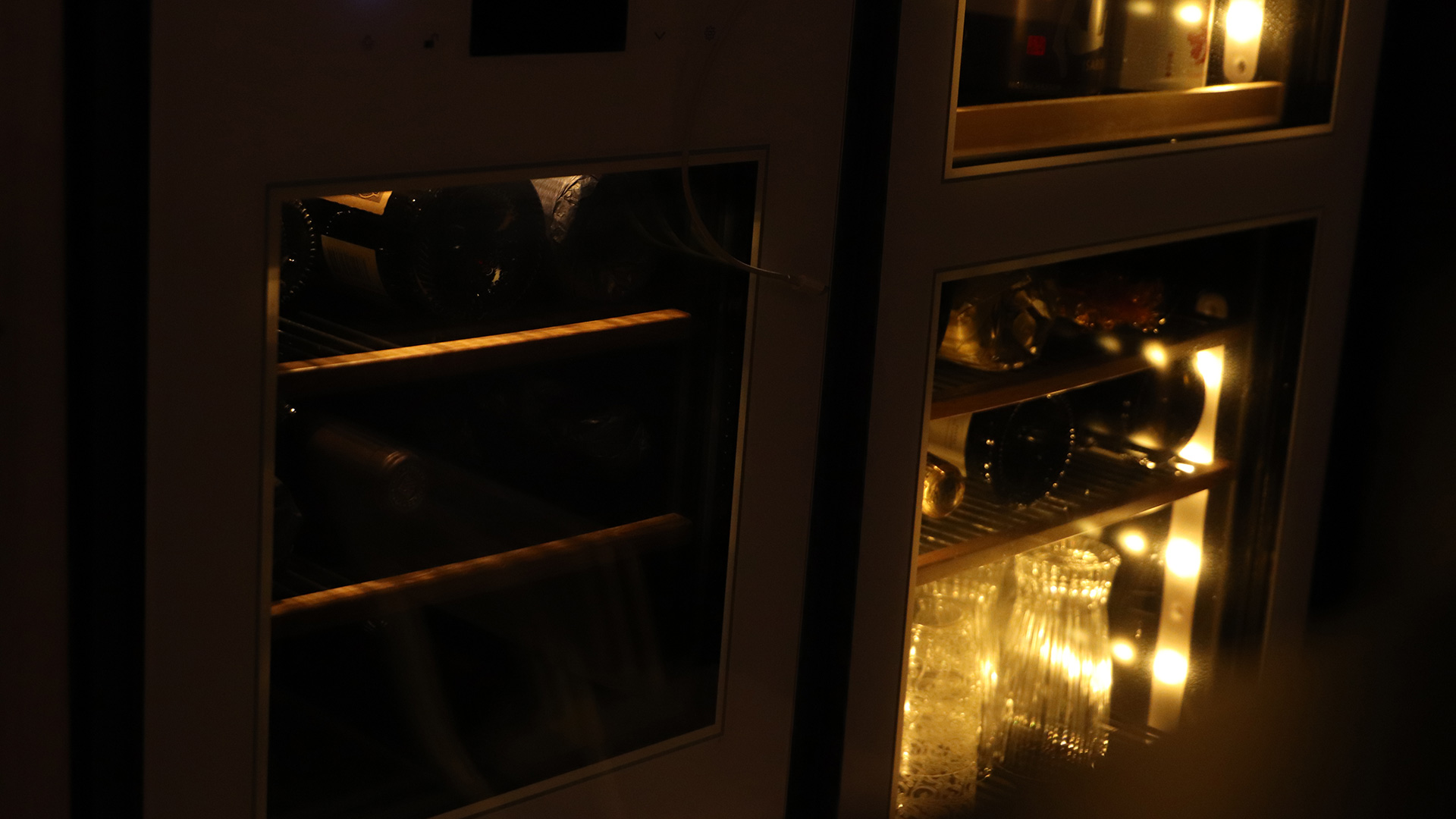
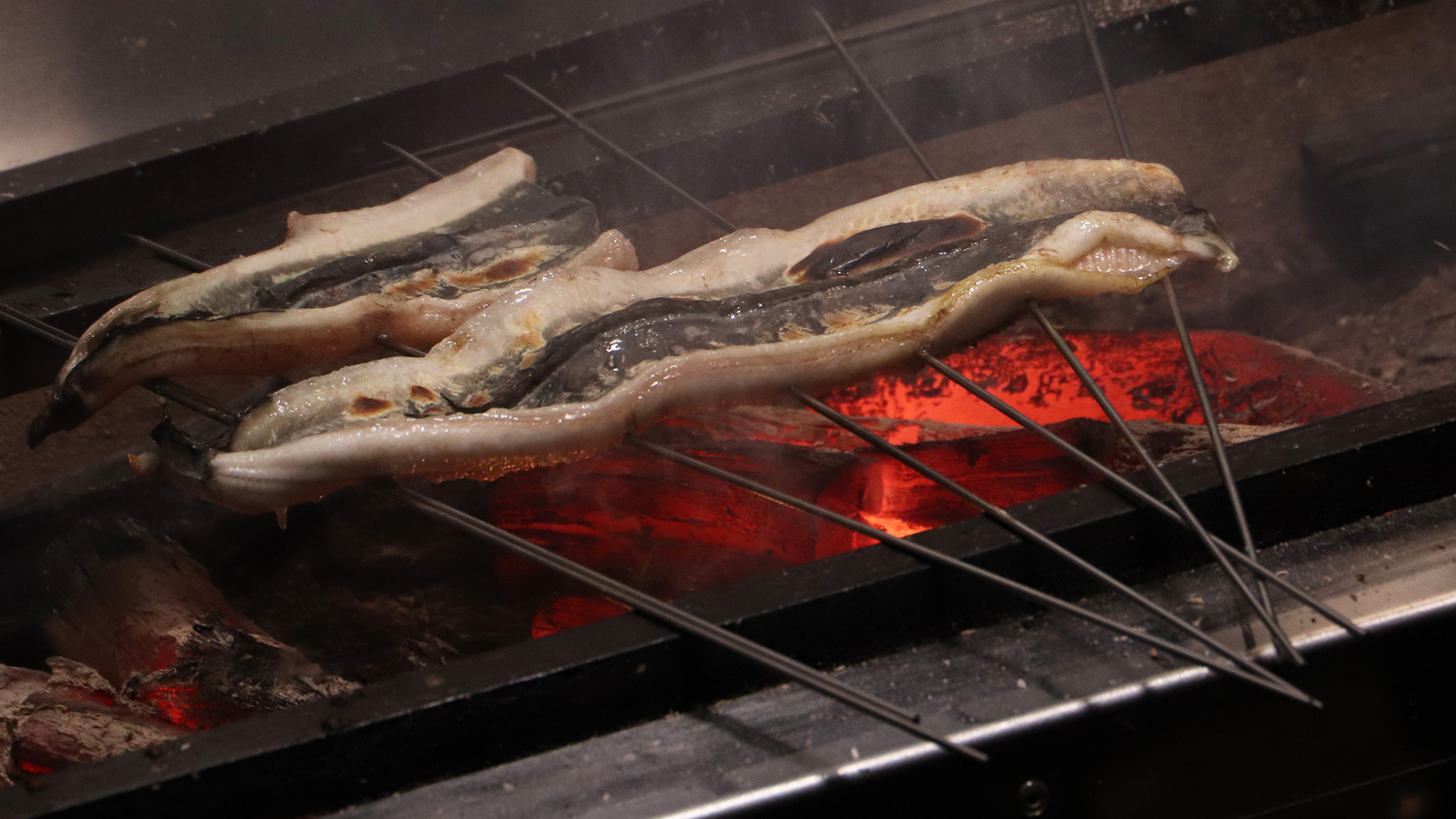
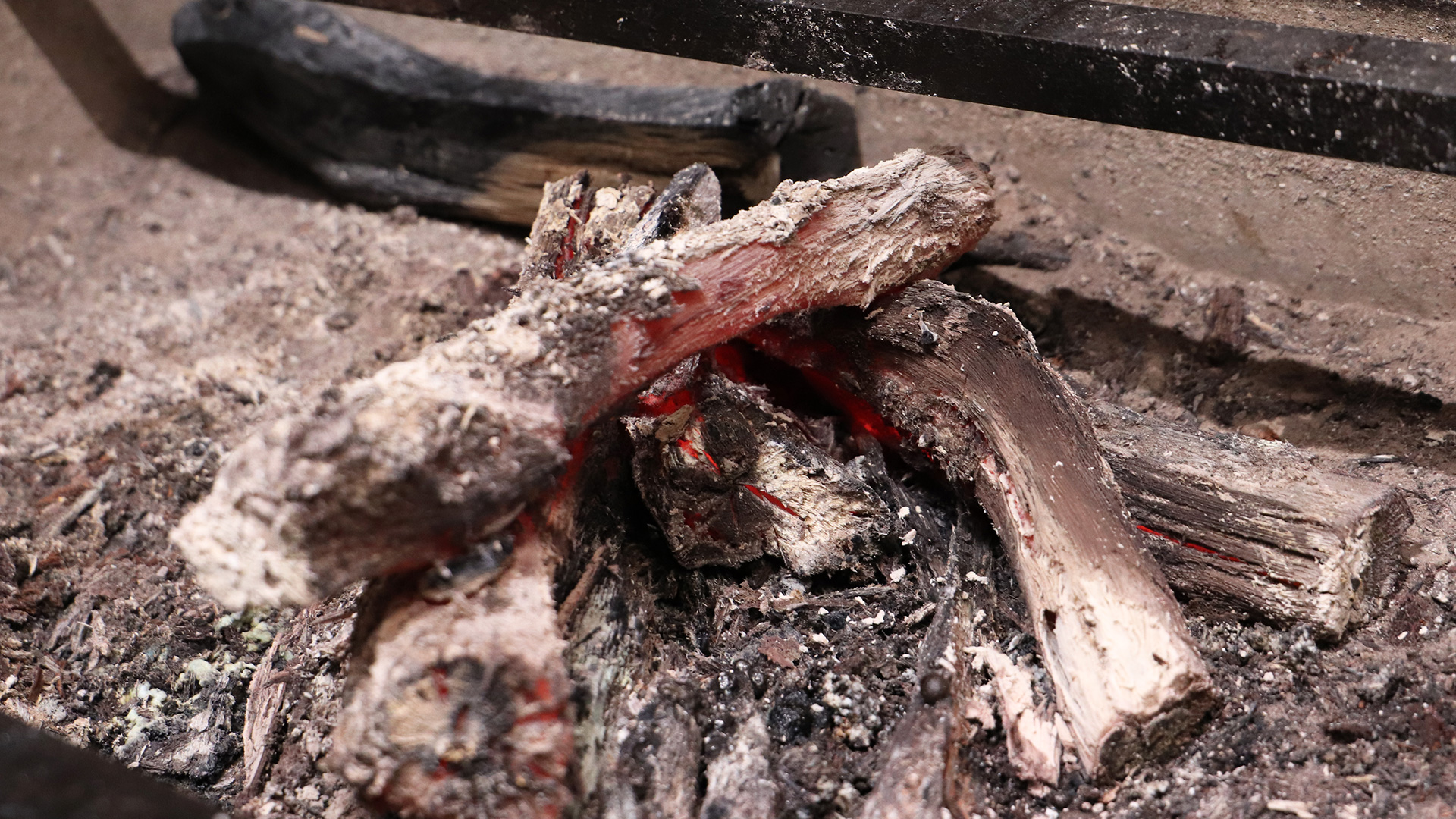
Charcoal—reverently referred to by Mr. Ogawa as his trusted companion—infuses the space with a deep, aromatic presence.
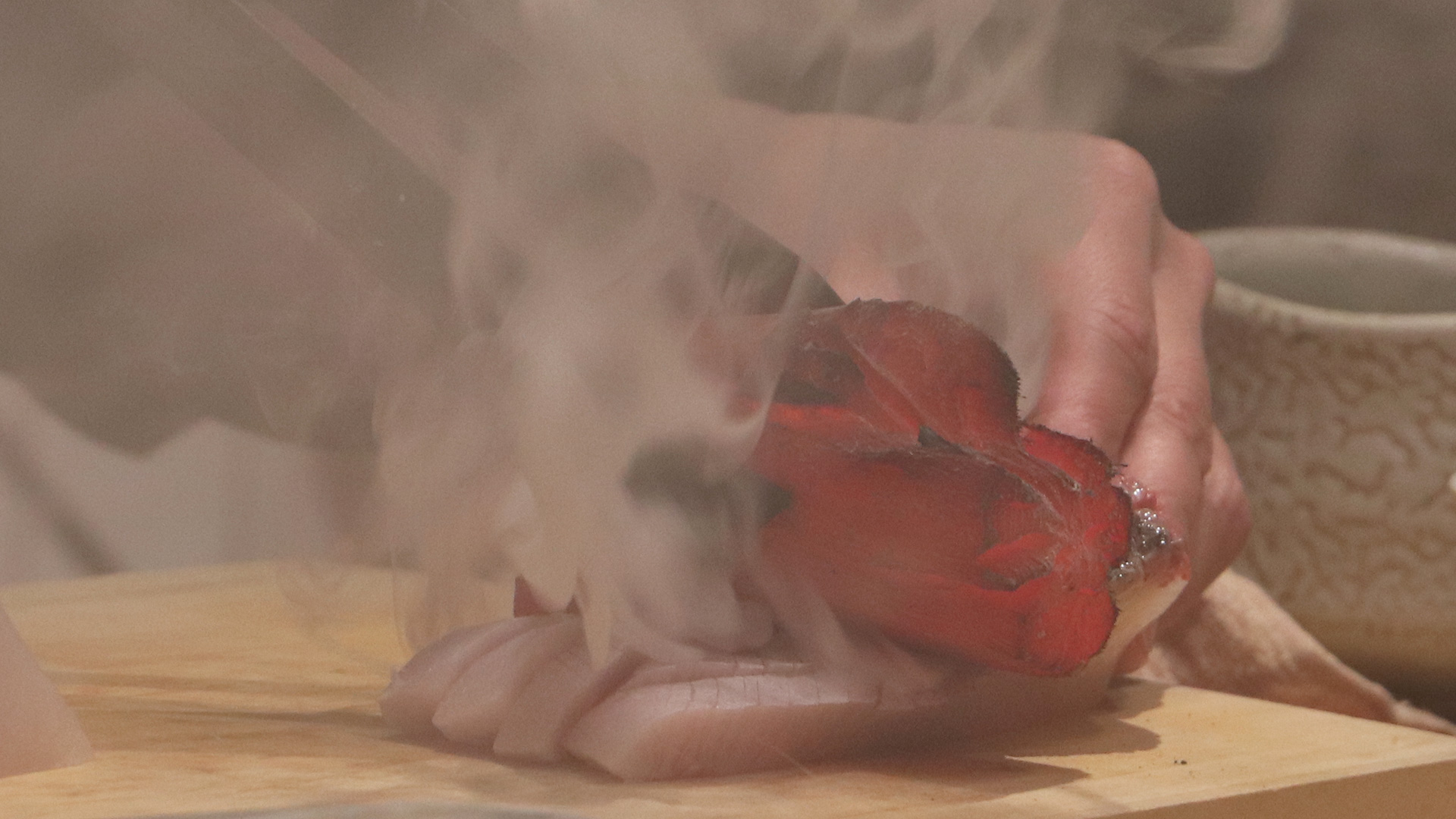
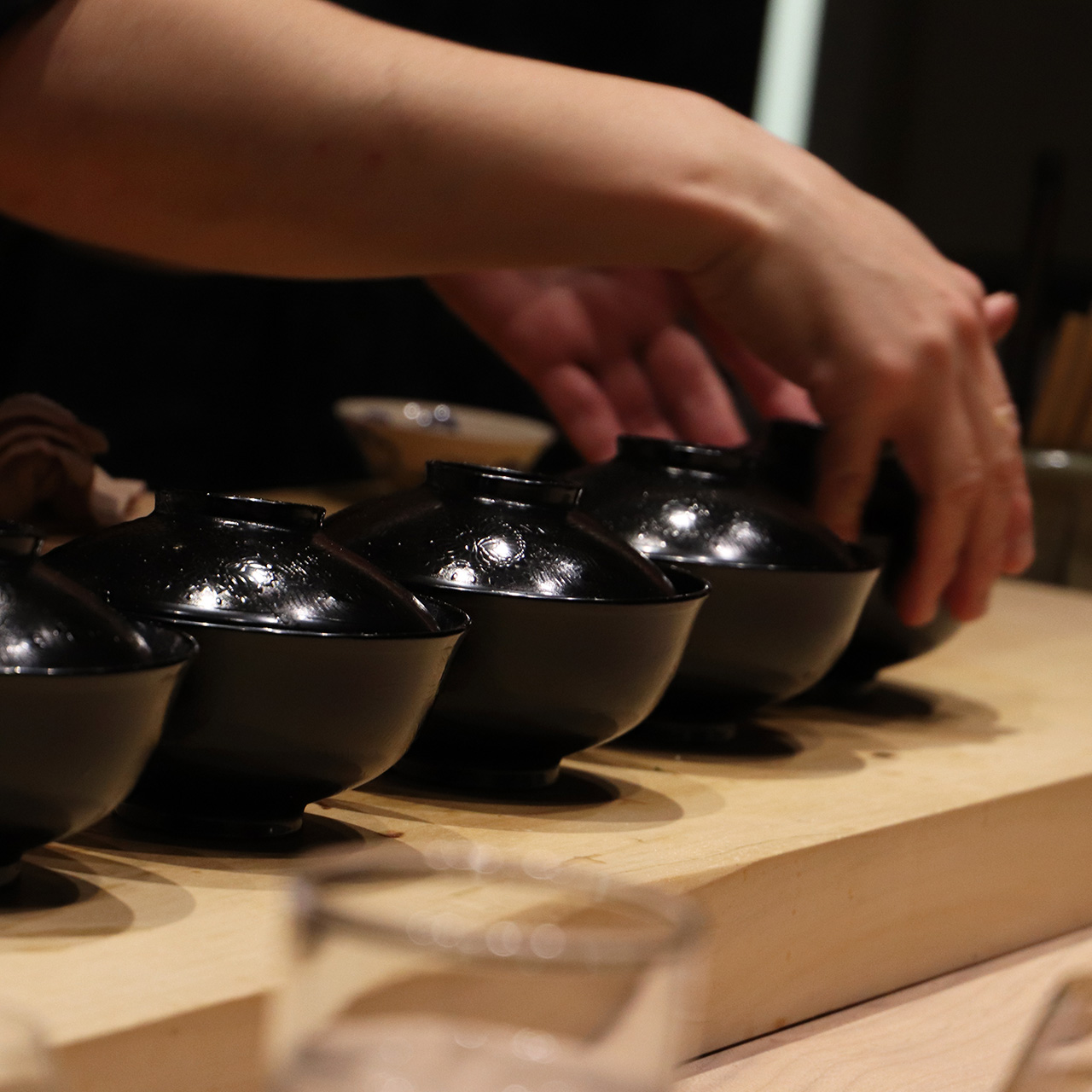
Each movement, conveyed through the fingertips, is exquisitely delicate and refined. The meal unfolds with graceful rhythm—from the sakizuke and mukōzuke to the shiizakana and white miso course. The carefully selected vessels seem to embody a quiet wish: that guests may savor the harmony between seasonal dishes and the artistry of the tableware.
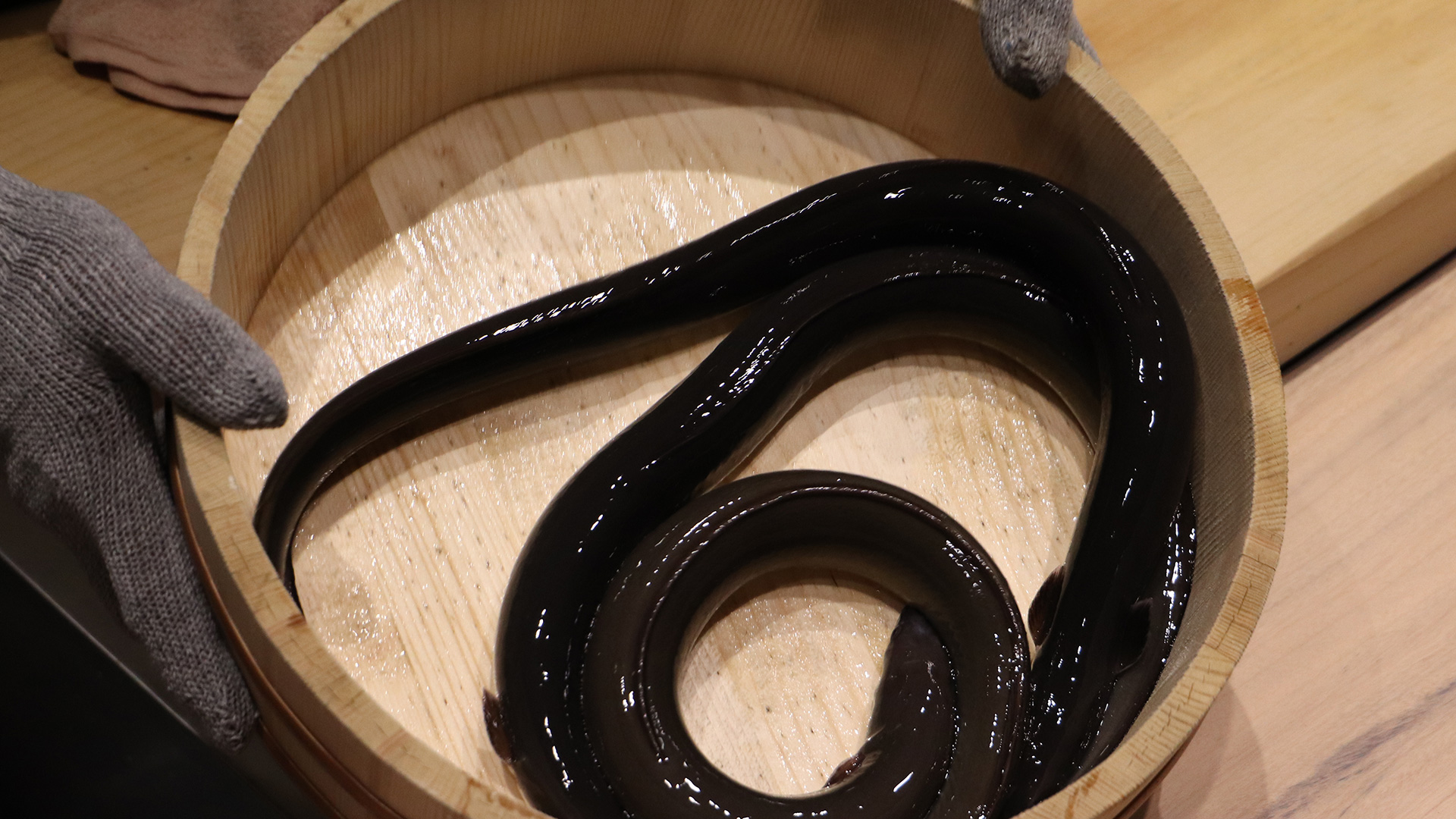
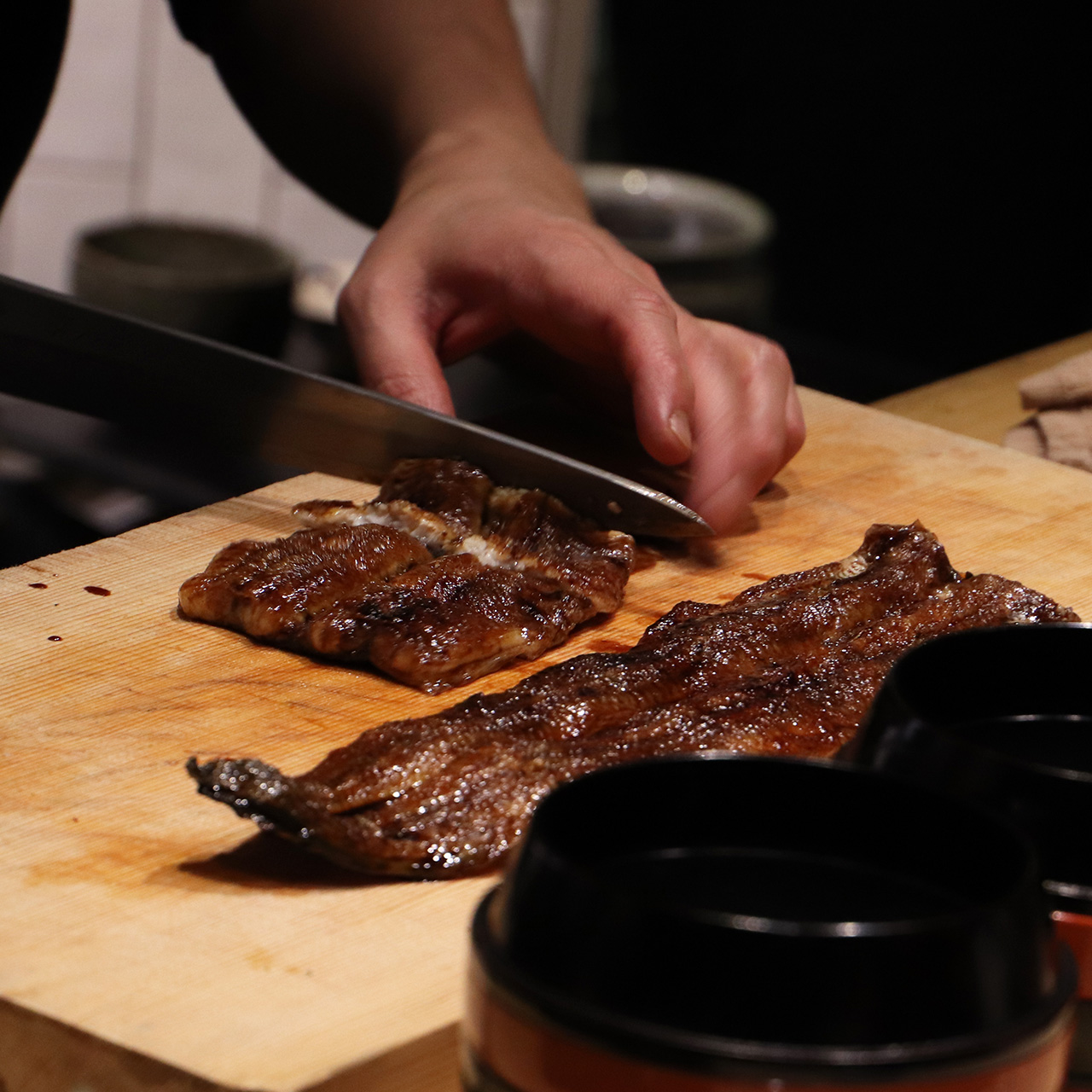
The restaurant’s signature dish—grilled eel—begins with the preparation of live eel, and the grilling method is adjusted according to the quality of each specimen. On this particular day, a variety known as shinko, prized for its tender skin and sourced from the Ōsumi Peninsula in Kagoshima Prefecture, was used.
There is no heat source more capable of enhancing flavor than charcoal: its aromatic smoke and far-infrared radiation draw out textures and umami that gas simply cannot replicate. This is where “Sumi to Ogawa” reveals its true essence.
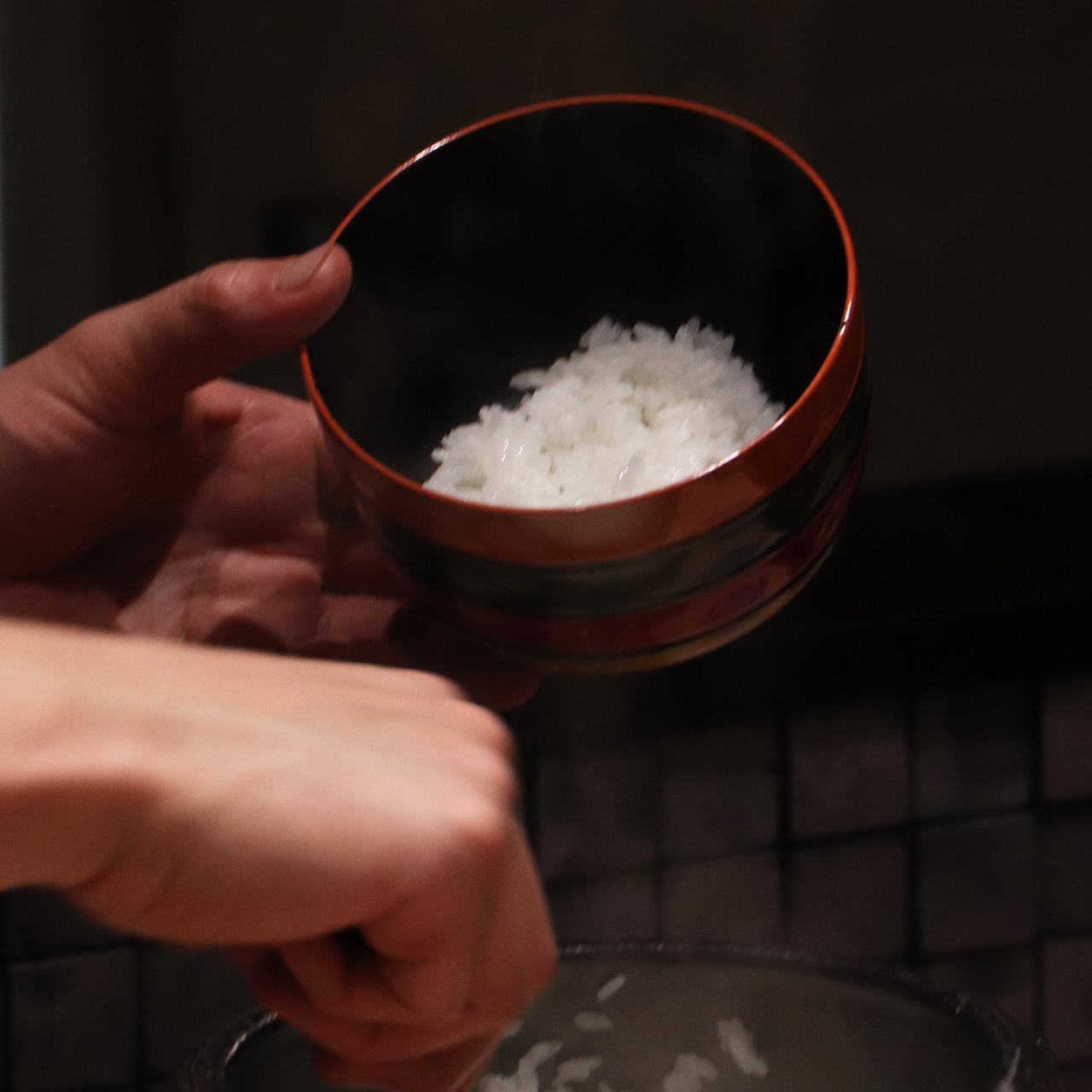
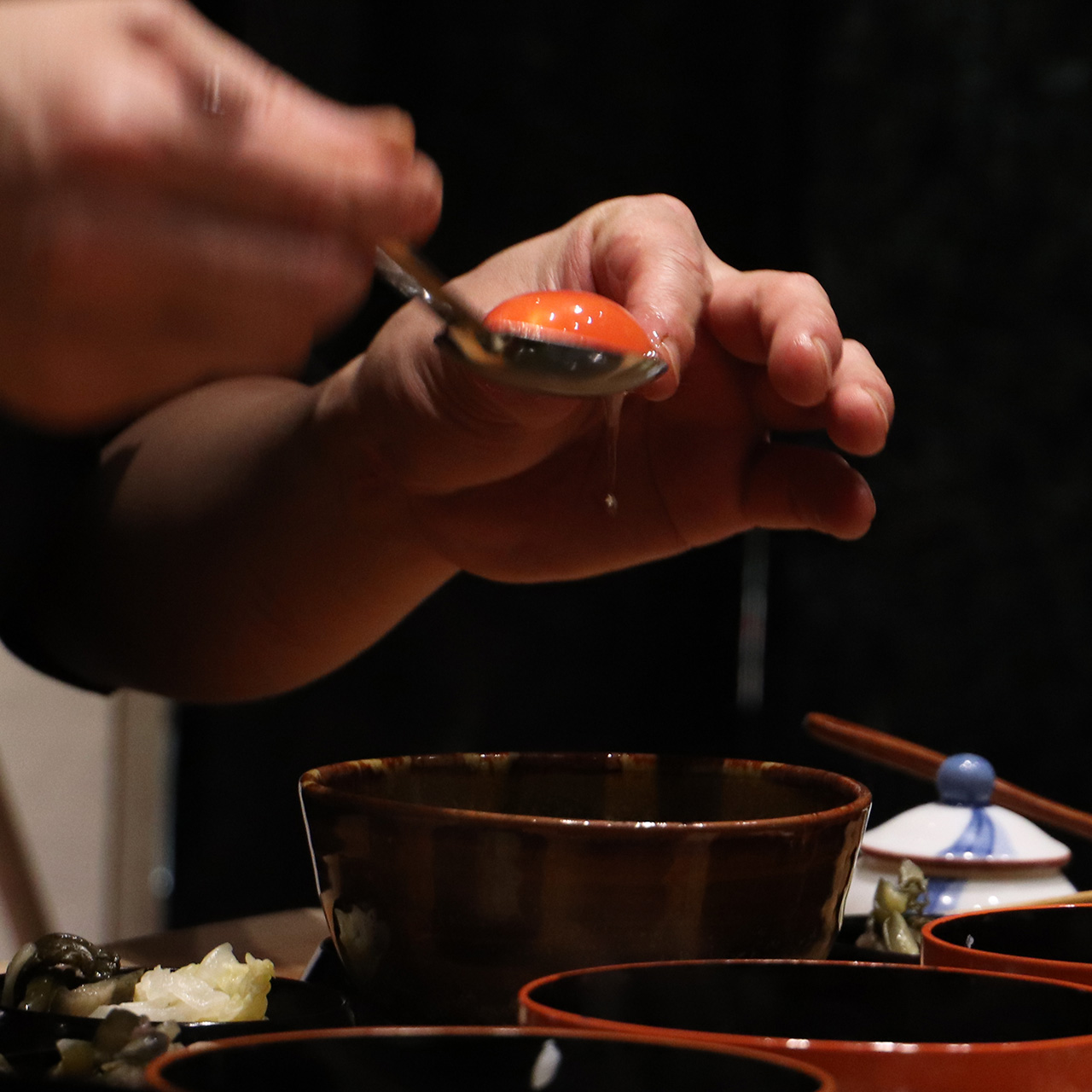
The rice—“Kumasan no Kagayaki,” a plump and fragrant variety from Kumamoto—is lovingly cooked in a traditional earthenware pot. Paired with “Ran-ō” eggs from Ōita and the rich savor of grilled eel (kabayaki), the harmony is nothing short of exquisite.
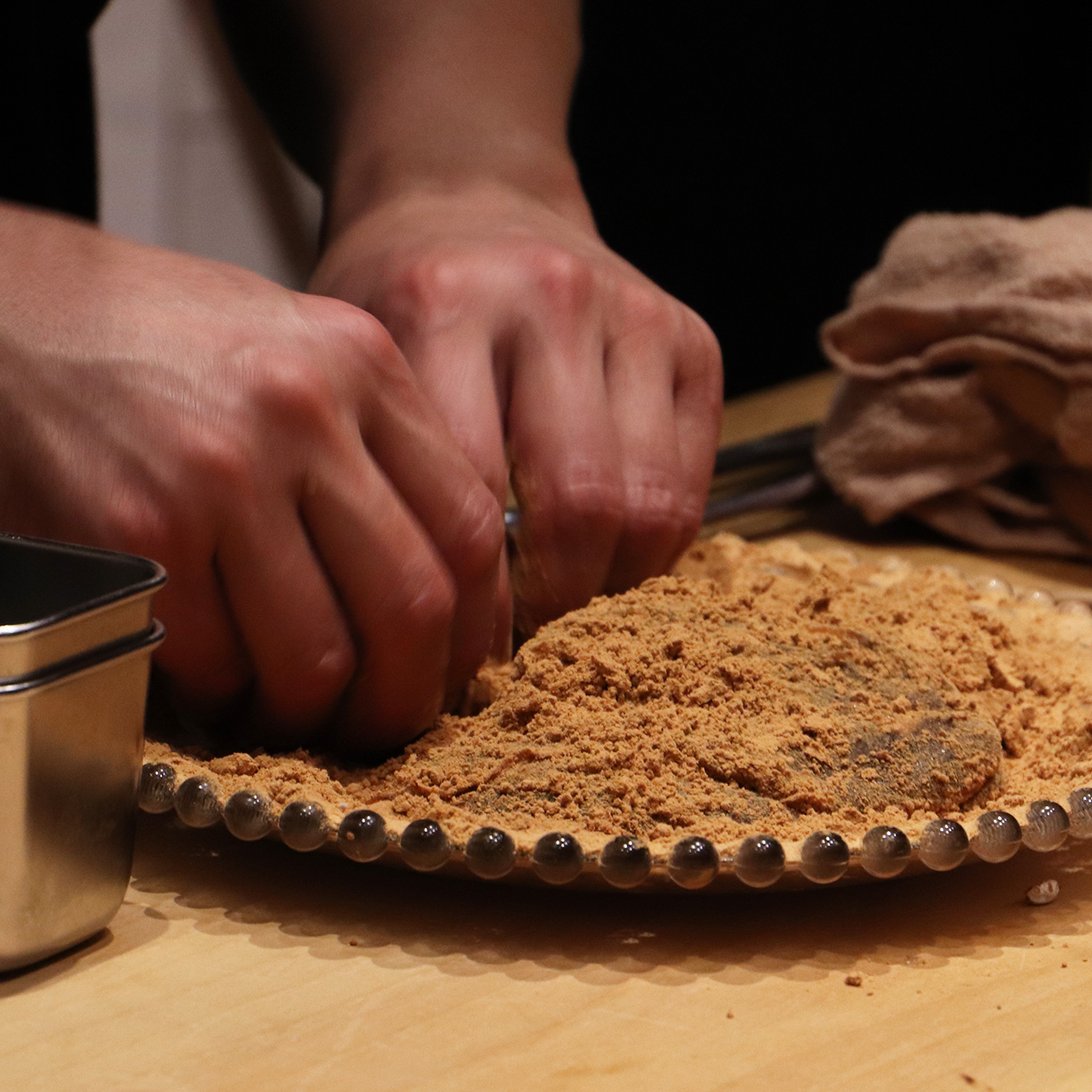
The dessert features freshly made warabi mochi atop a scoop of caramel ice cream. The kuromame-an (sweet black bean paste) is crafted from premium Dainagon azuki beans from Hokkaido. The layered hues are beautifully reflected in the cut of the Saint-Louis flute glass, adding a final note of elegance to the experience.
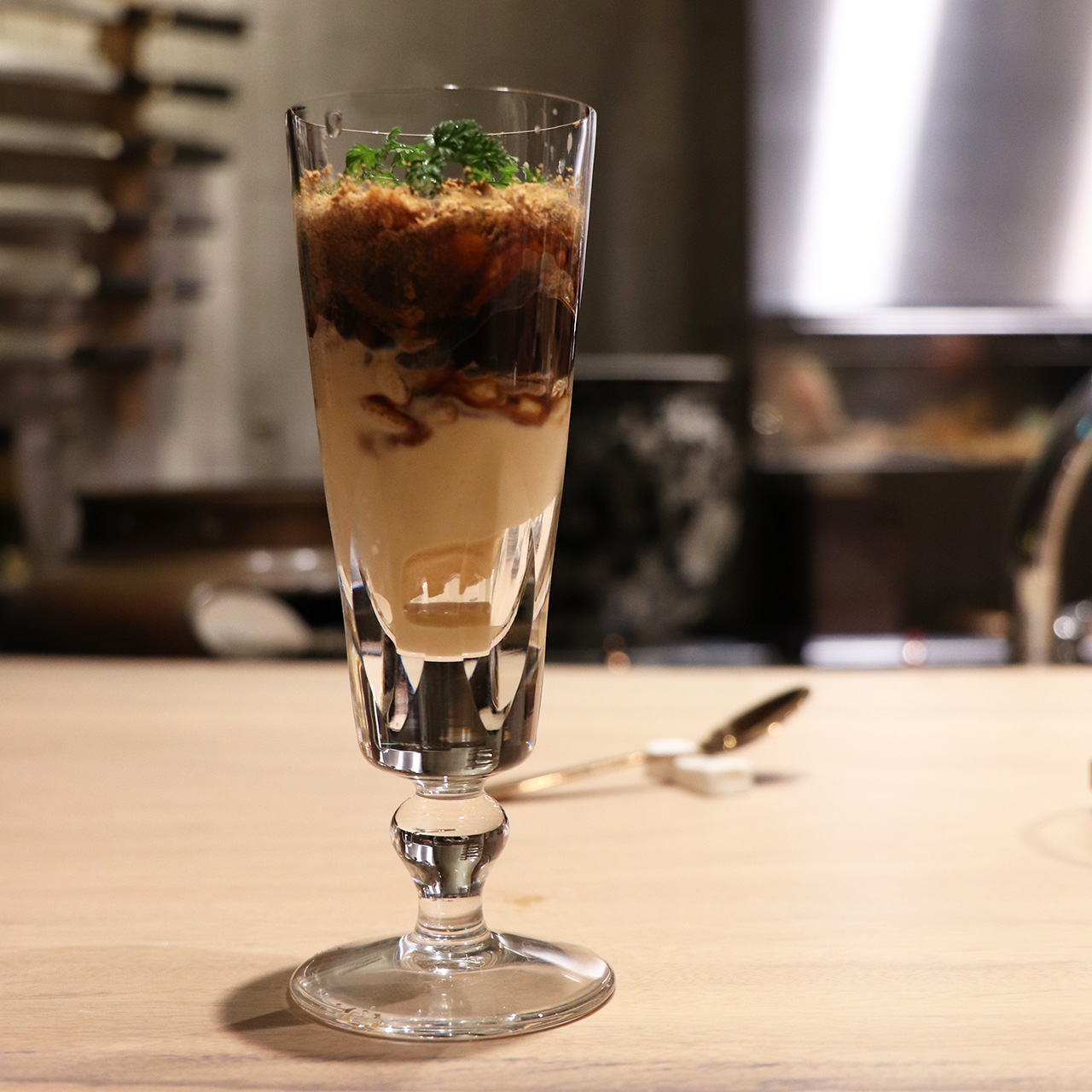
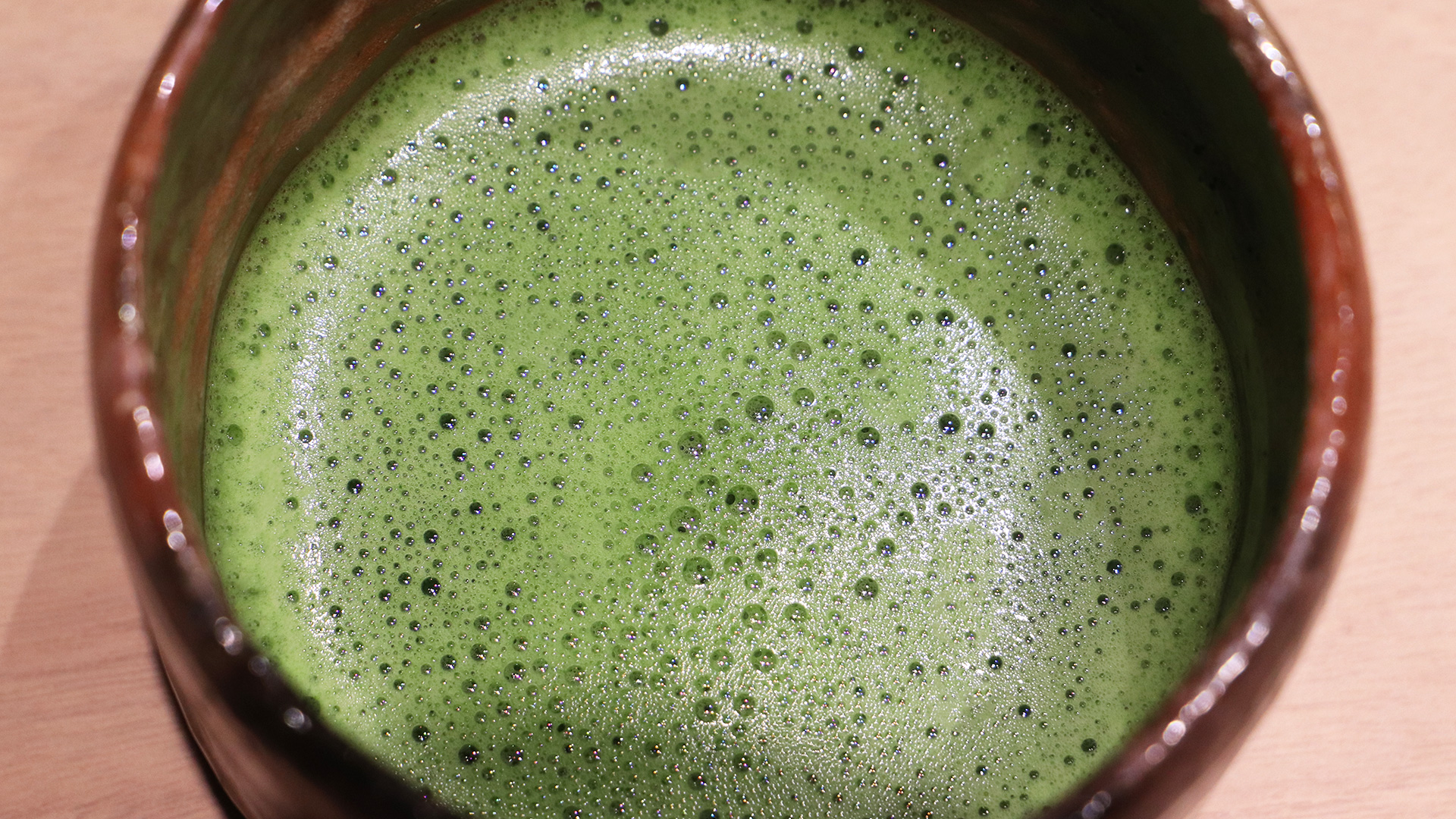
For Mr. Ogawa, a practitioner of the tea ceremony, the ultimate aim of his course is to guide guests toward a single, exquisite bowl of usucha (thin matcha). In the tradition of chaji—a full tea gathering regarded as a synthesis of the arts—the host invites a small group of guests, prepares the charcoal, serves kaiseki cuisine and sake, and fosters quiet, meaningful exchange. All of this unfolds as a prelude to the final act: sharing a bowl of koicha (thick tea).
“Don’t worry too much—just enjoy yourselves,” he says with a refreshing smile that lingers in memory. By the end of the evening, even first-time guests seem like old friends. It is, no doubt, a reflection of Mr. Ogawa’s deep respect for ichigo ichie—the once-in-a-lifetime spirit of hospitality.
5-2-5-3F Nakasu, Hakata-ku, Fukuoka-shi
Sumi to Ogawa