


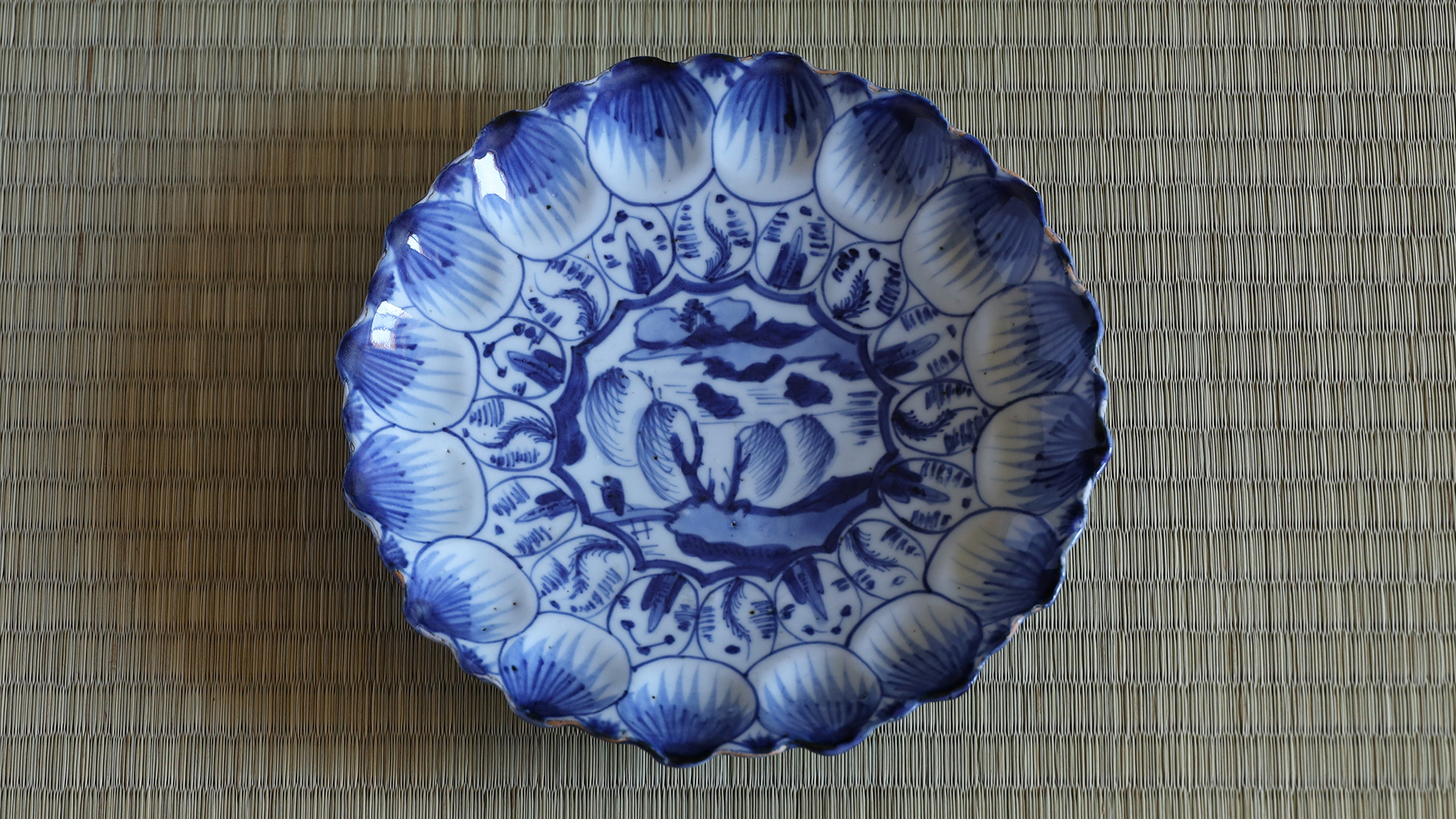
Ko-Sometsuke Lotus-Shaped Plate with Landscape Motif (Ming Dynasty)
Sold Out
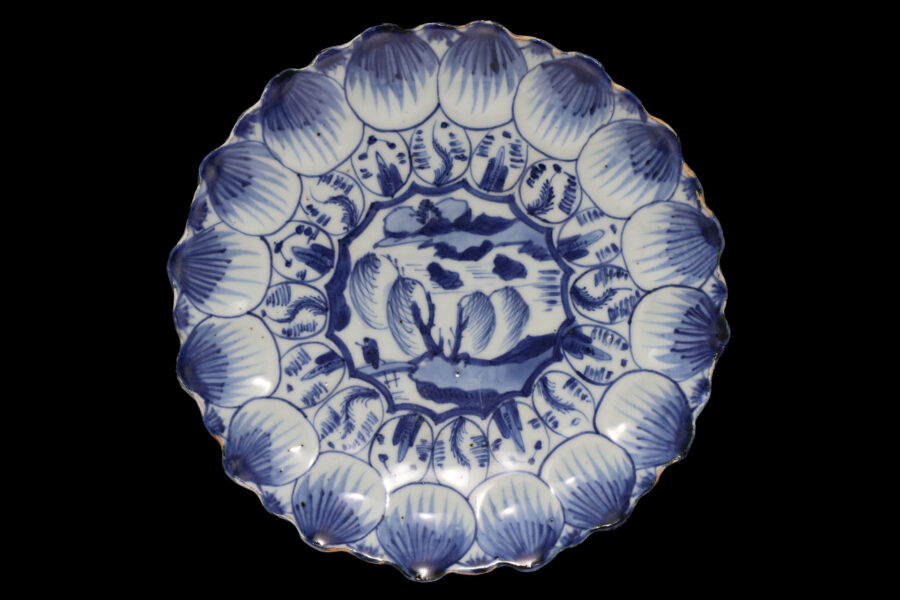
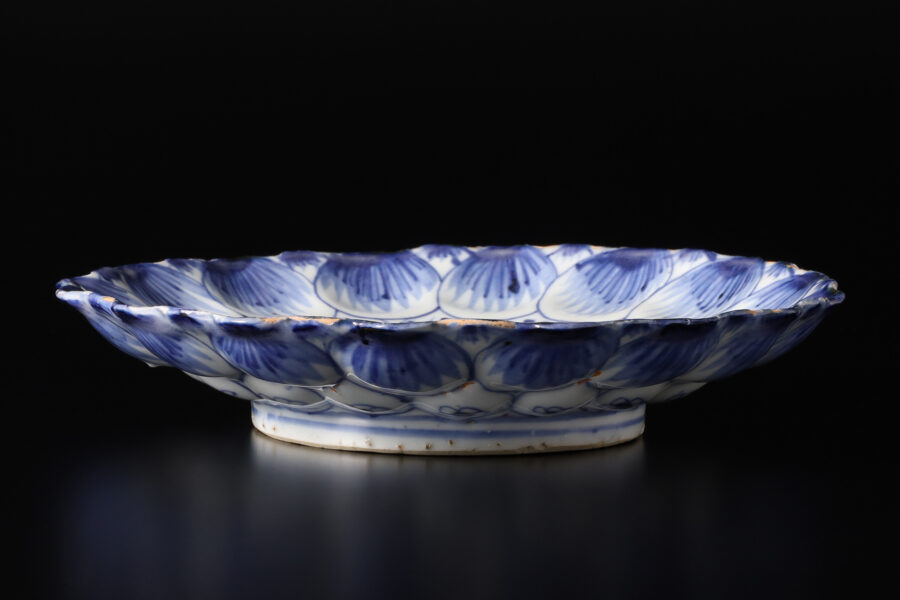
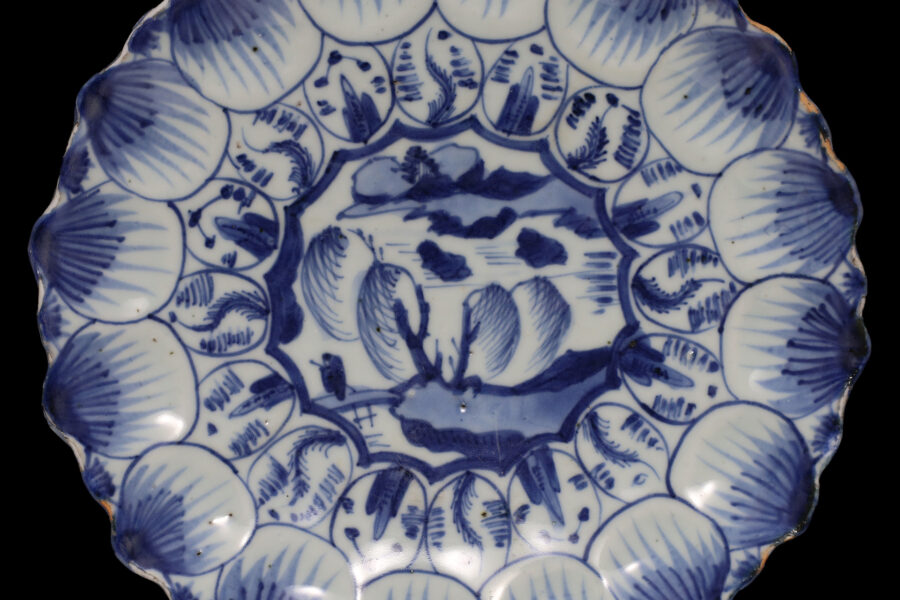
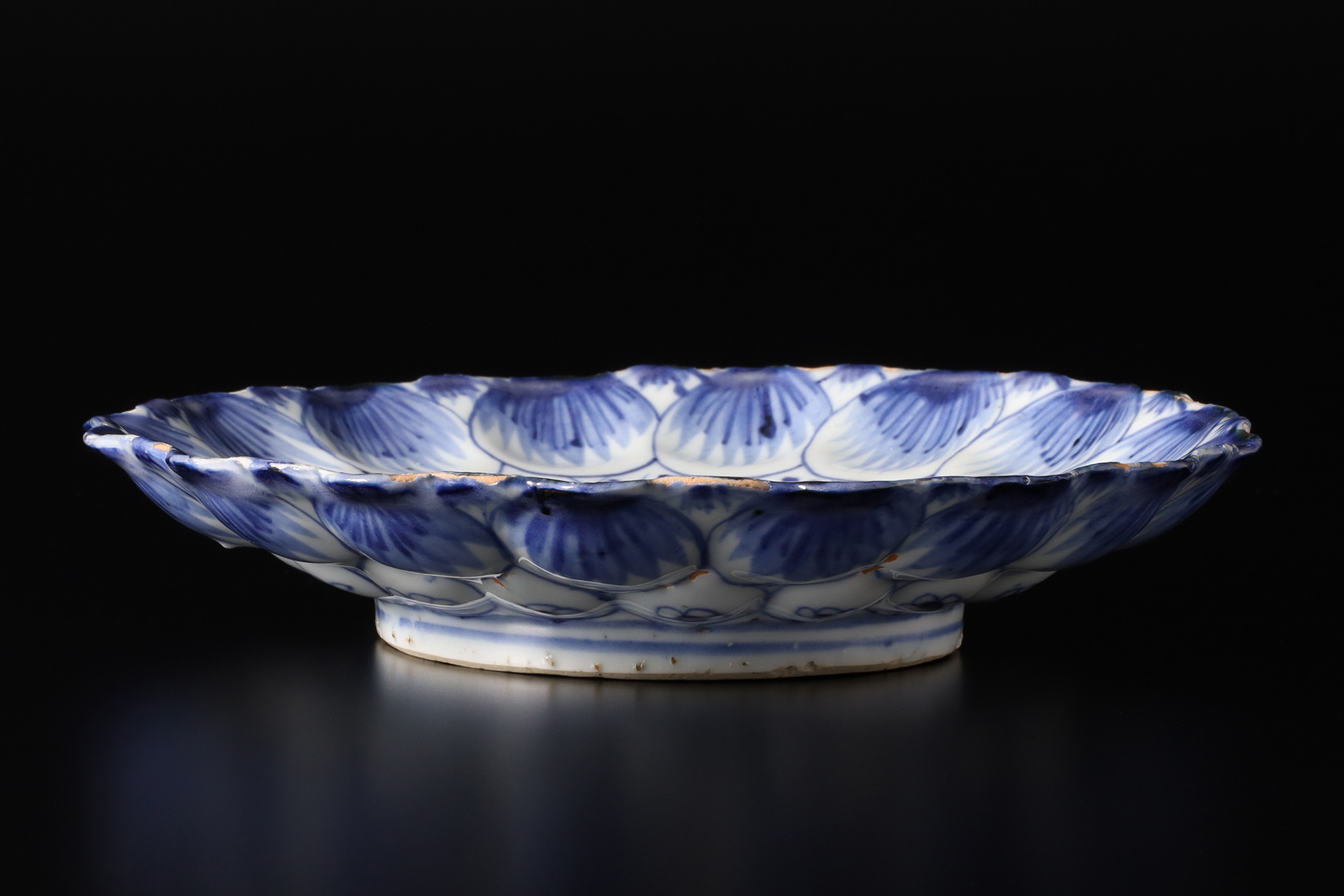
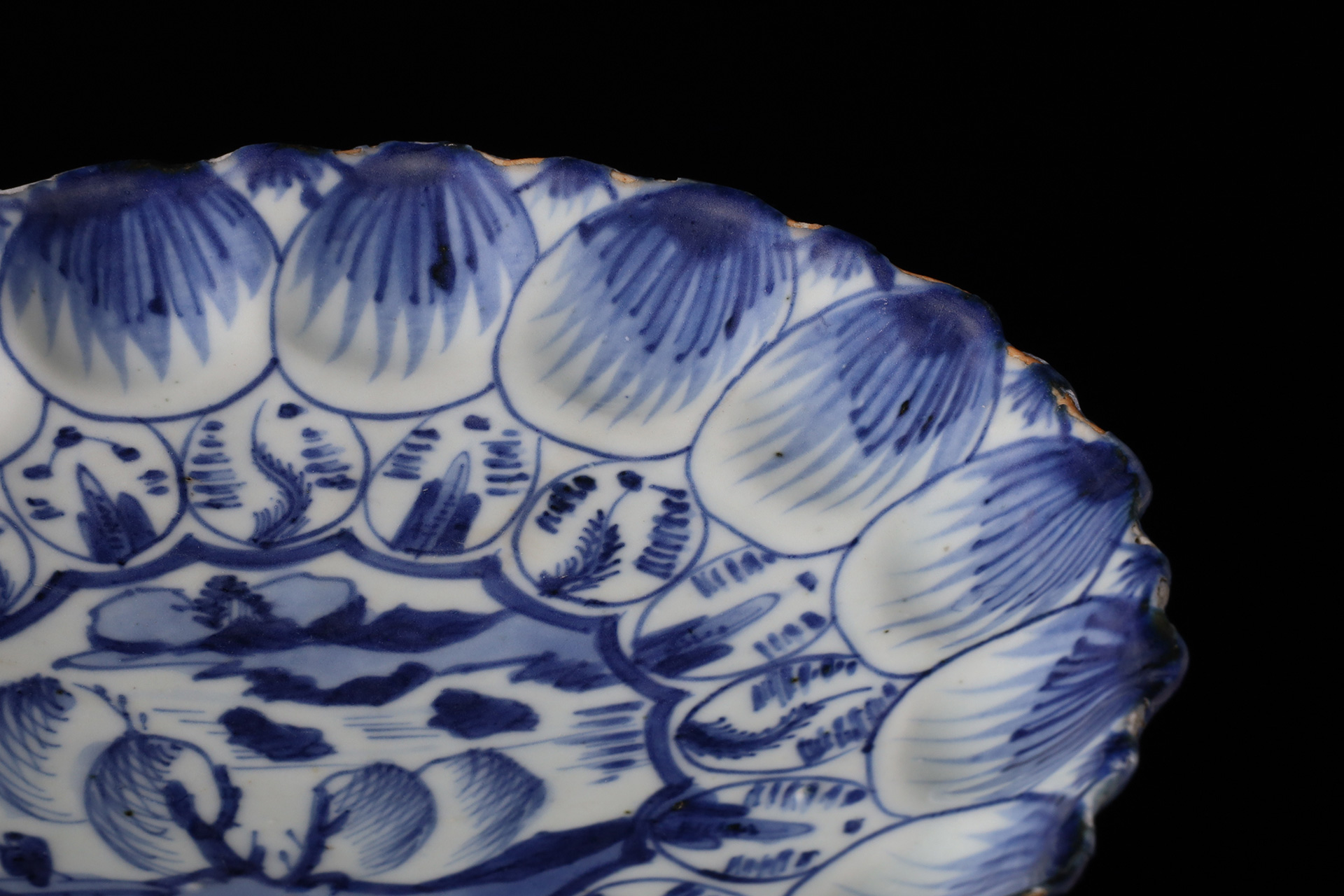
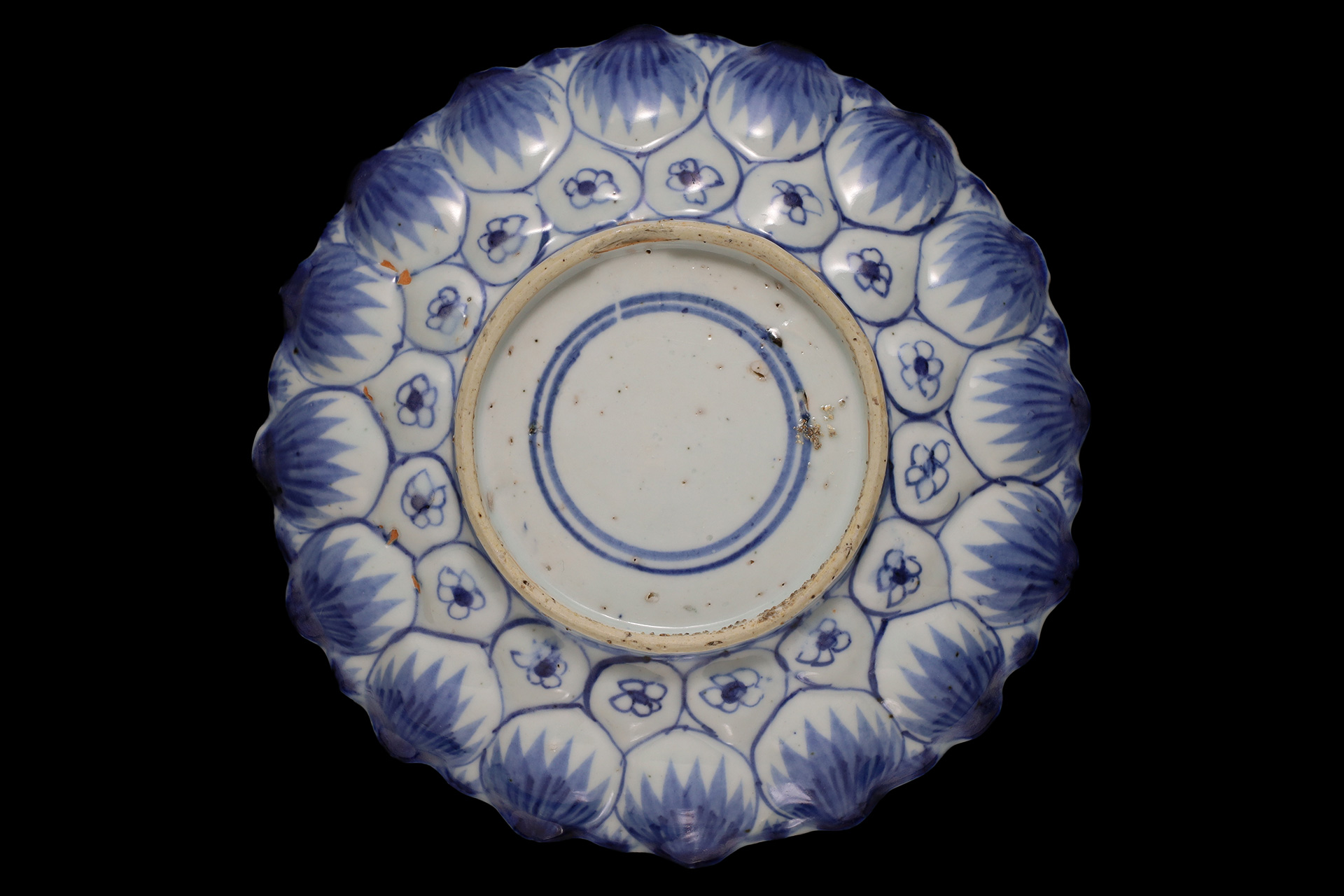
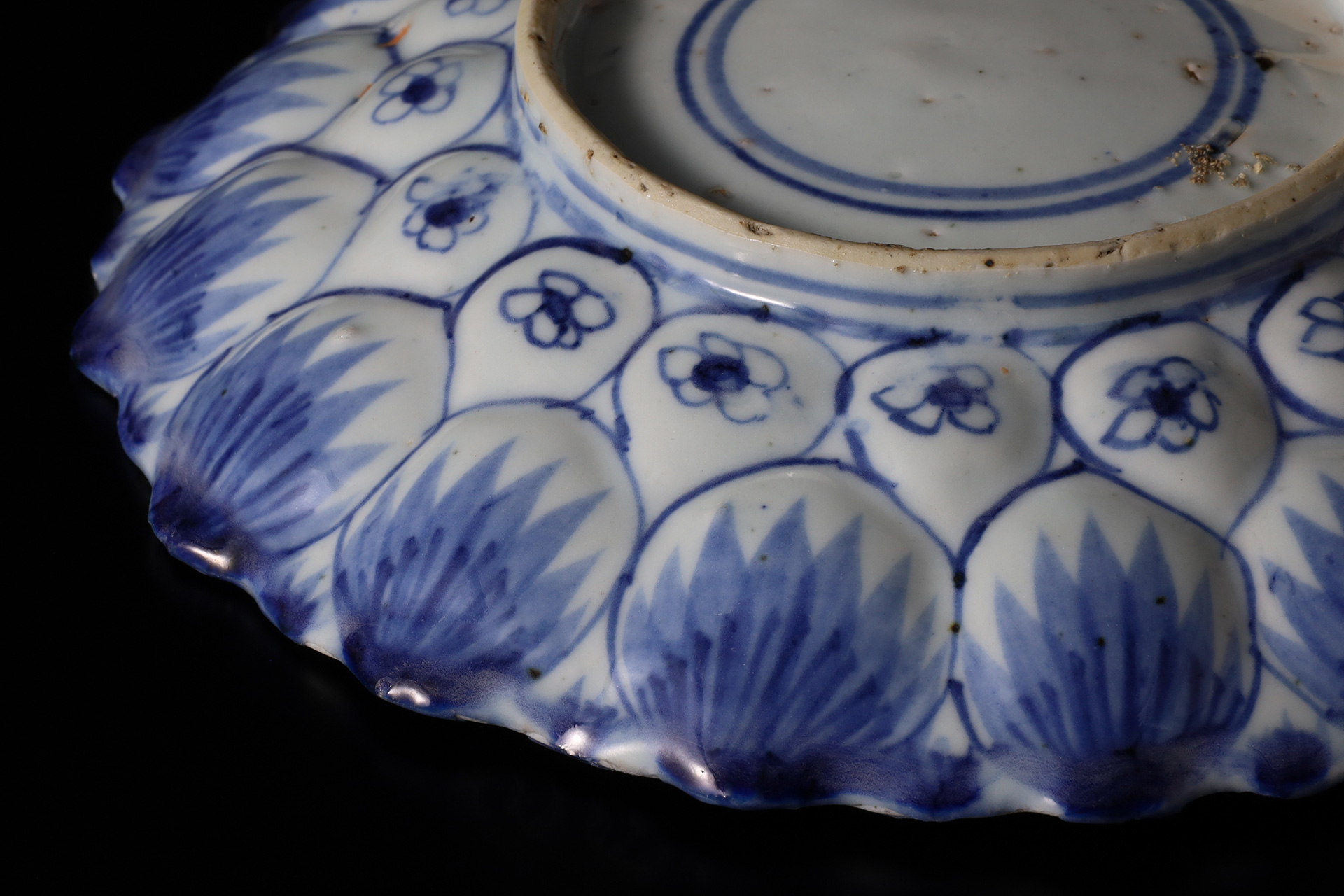
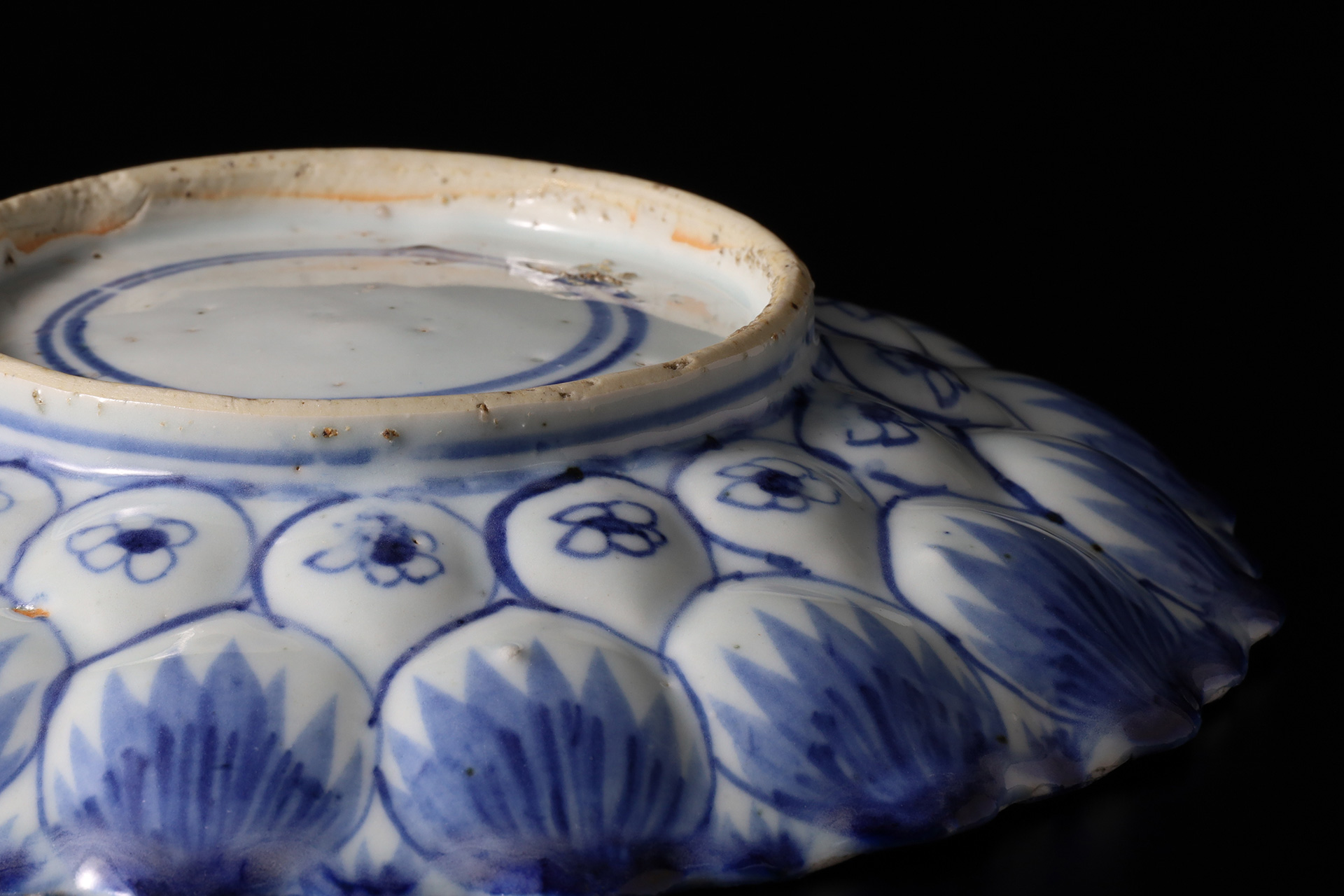
This is a thickly potted piece of ko‑sometsuke that conveys both its characteristic spontaneity and a gentle, tranquil atmosphere. The lotus‑petal pattern, formed through mold‑pressing, encircles the vessel and imparts a calm rhythmic movement to its shape. Used as a sweets bowl, it brings an added sense of refinement to the hospitality setting. In Buddhist thought, the lotus is regarded as a sacred flower blooming in the Pure Land; its ability to rise unstained from the muddy waters of ponds and marshes symbolizes the Buddha’s wisdom and compassion.
- Product Code
- 260903-3
- Period
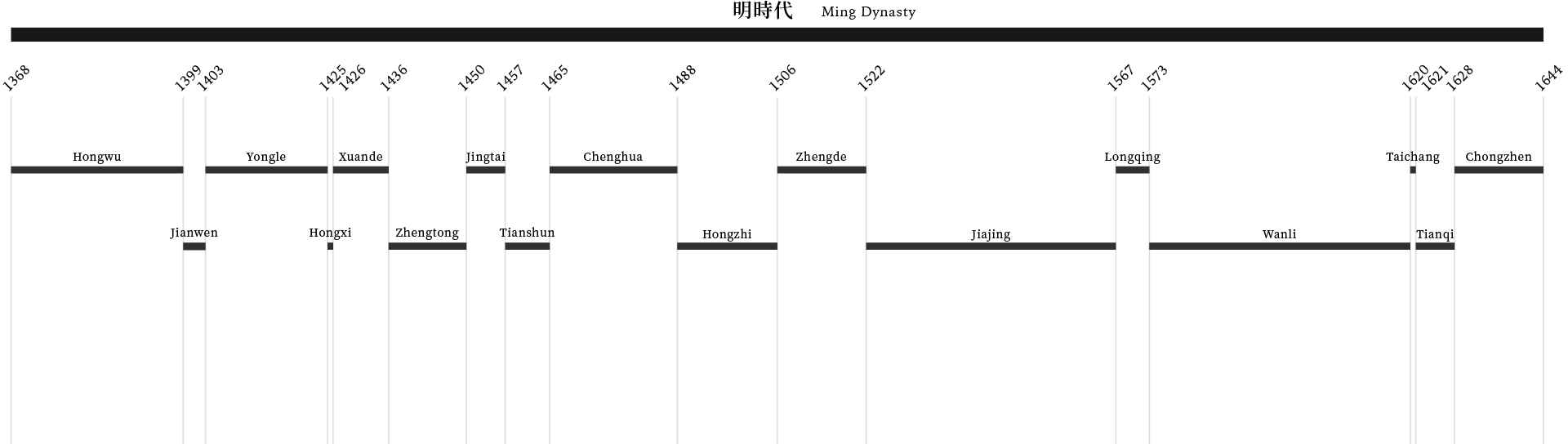
- Ming Dynasty
Early 17th Century
- Weight
- 501 g
- Diameter
- 20.5 cm
- Height
- 4.1 cm
- Base Diameter
- 10.1 cm
- Accessories
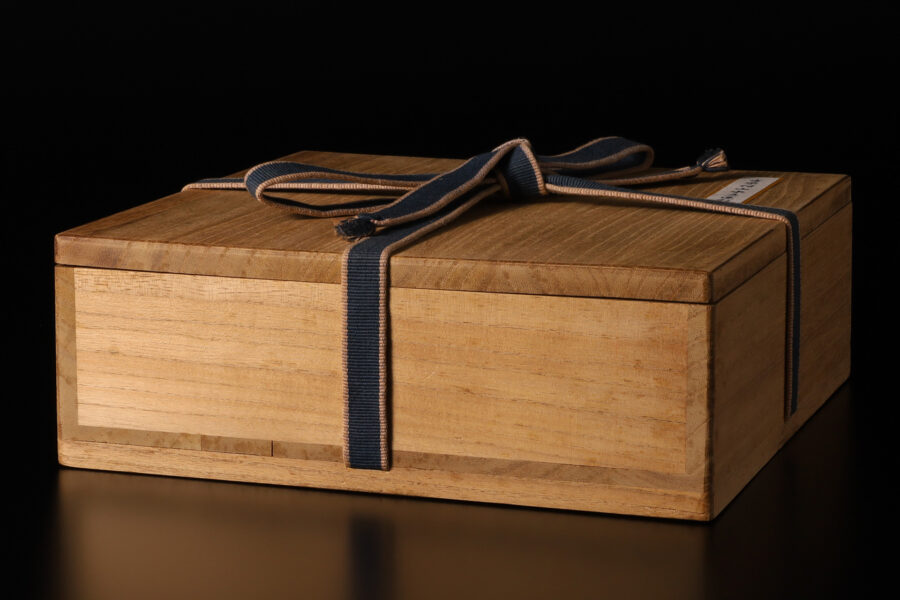
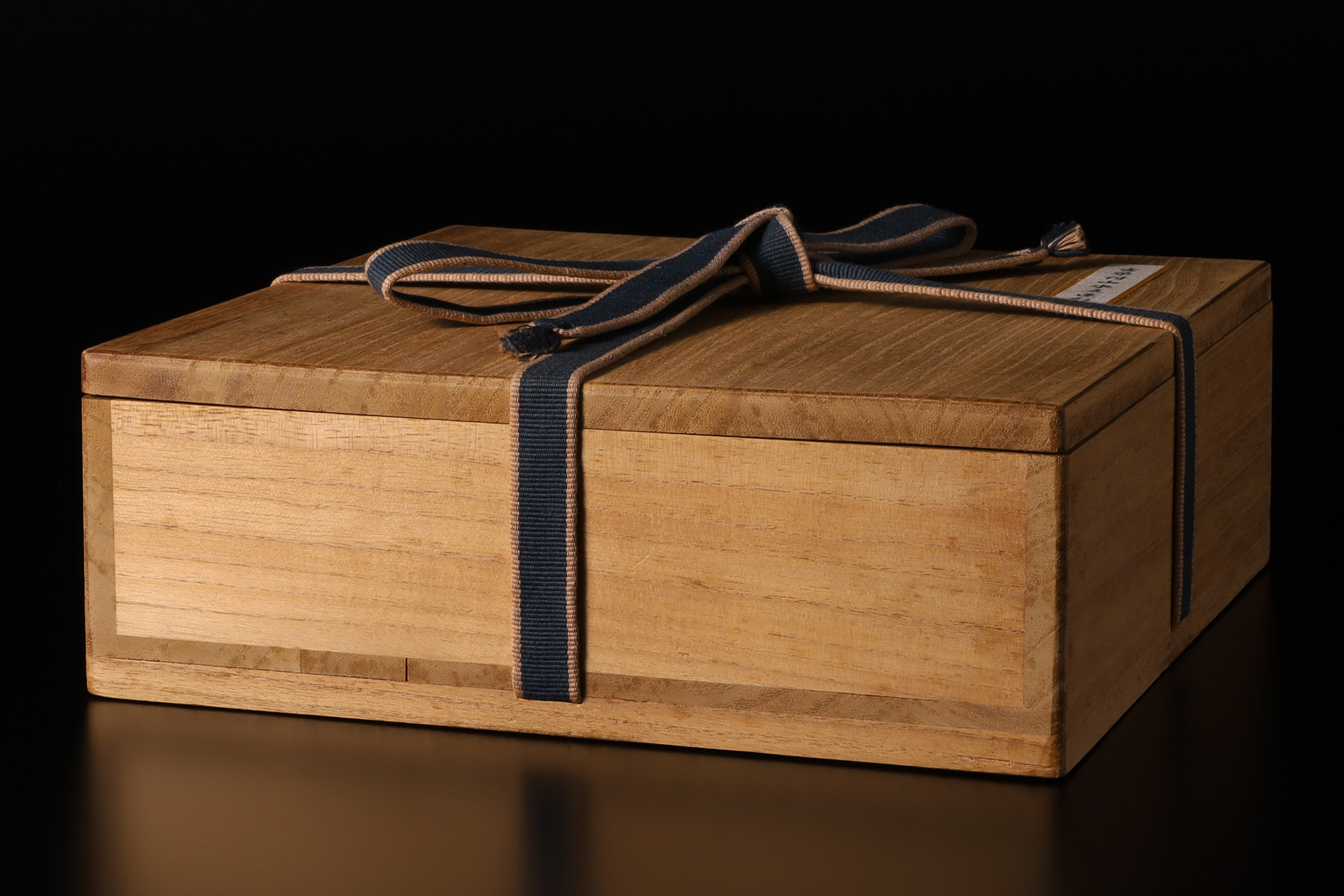
- Paulownia Box
- Condition
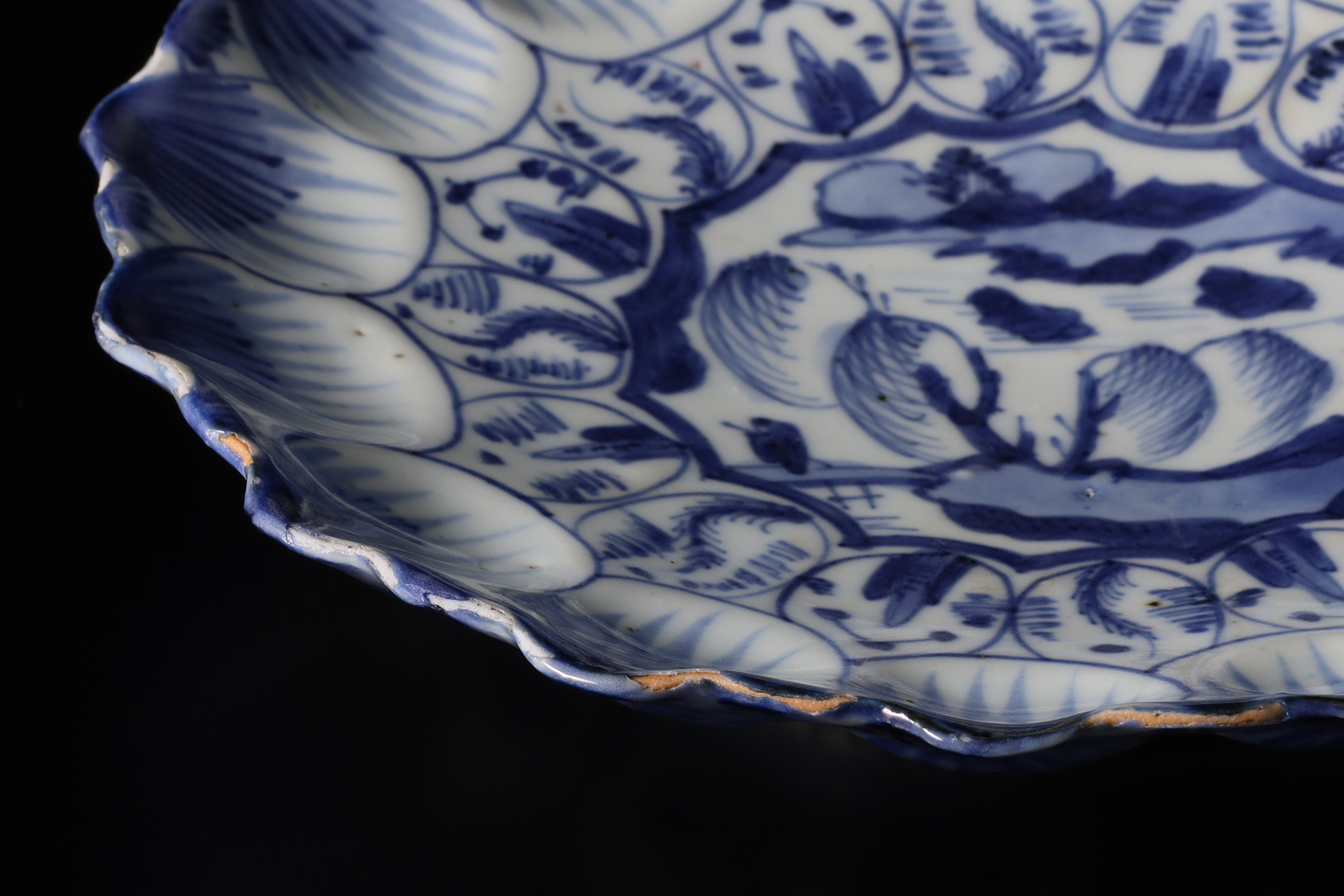
- - There is pitting (mushikui) on the rim
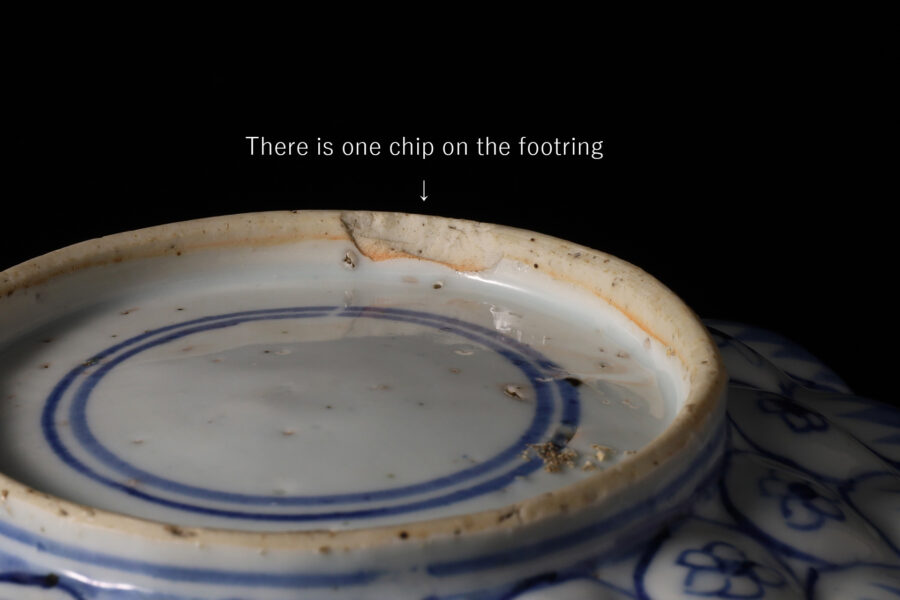
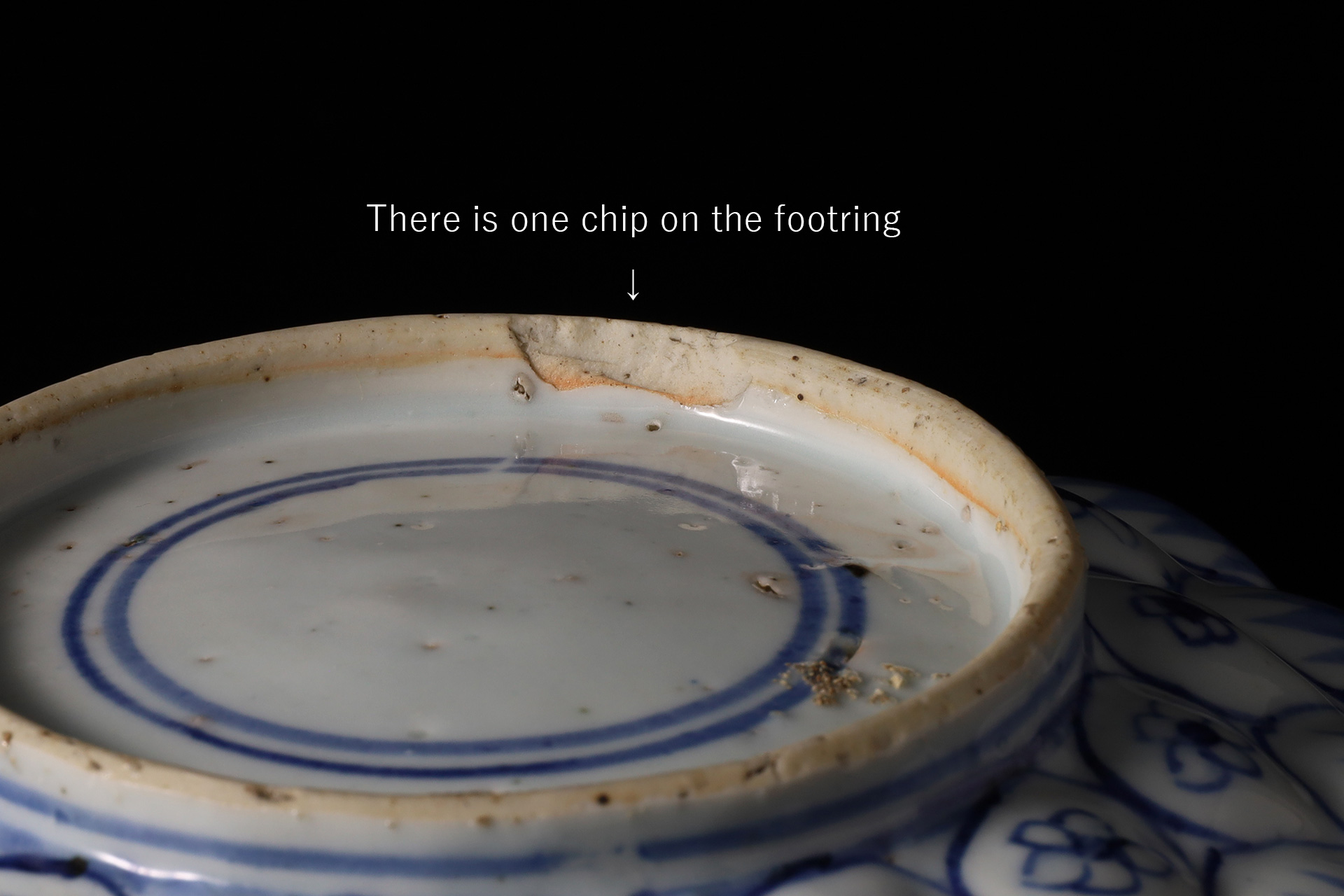
- There is one chip on the footring (Refer to the image)
(* Near‑perfect condition)
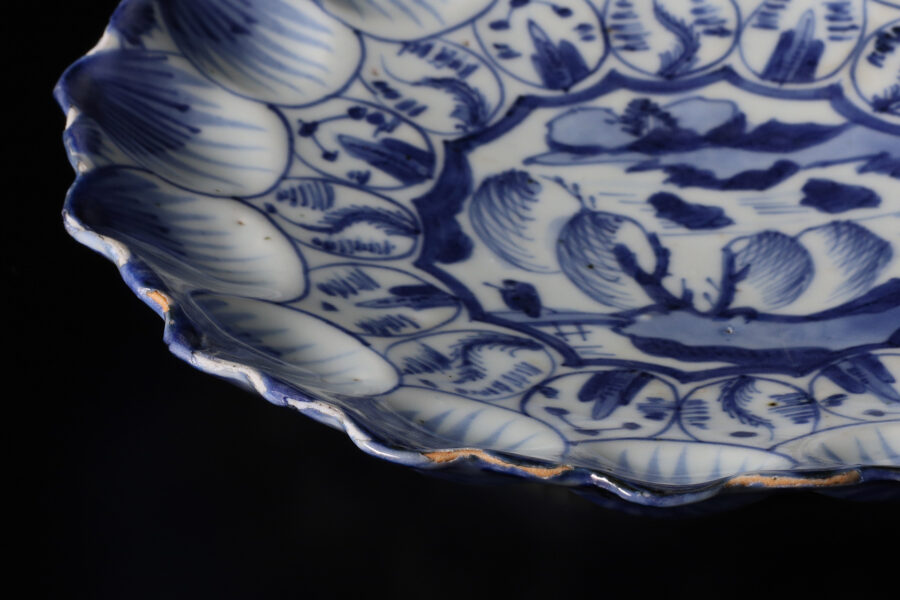
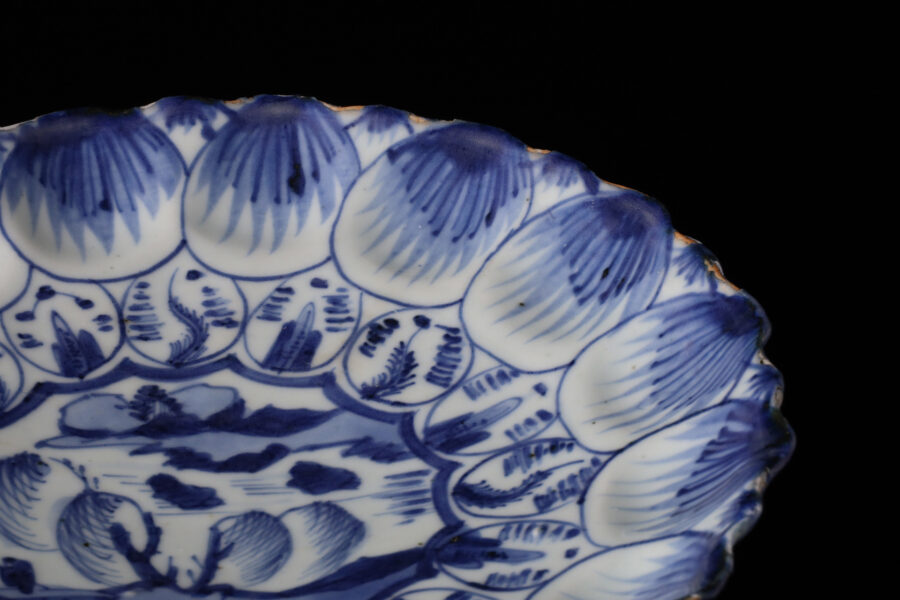
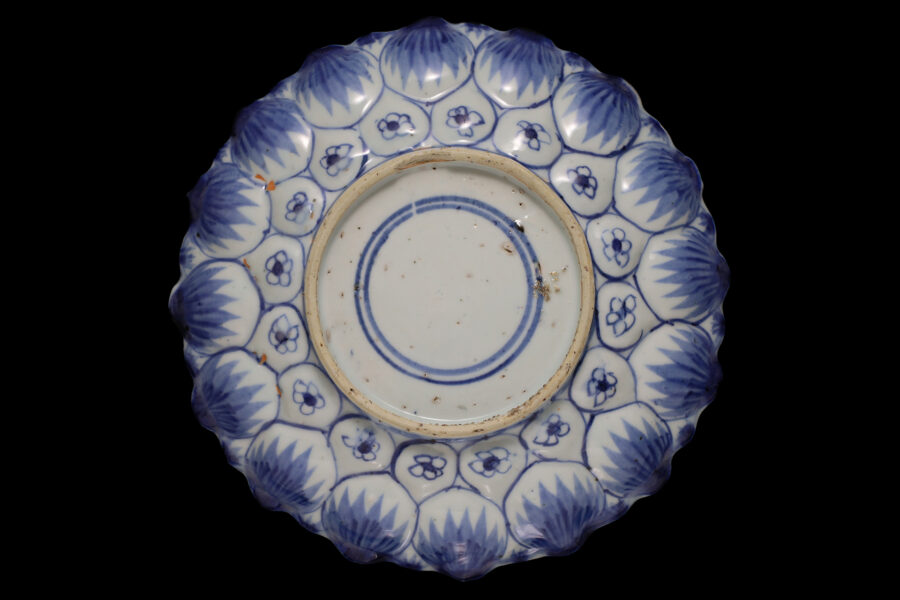
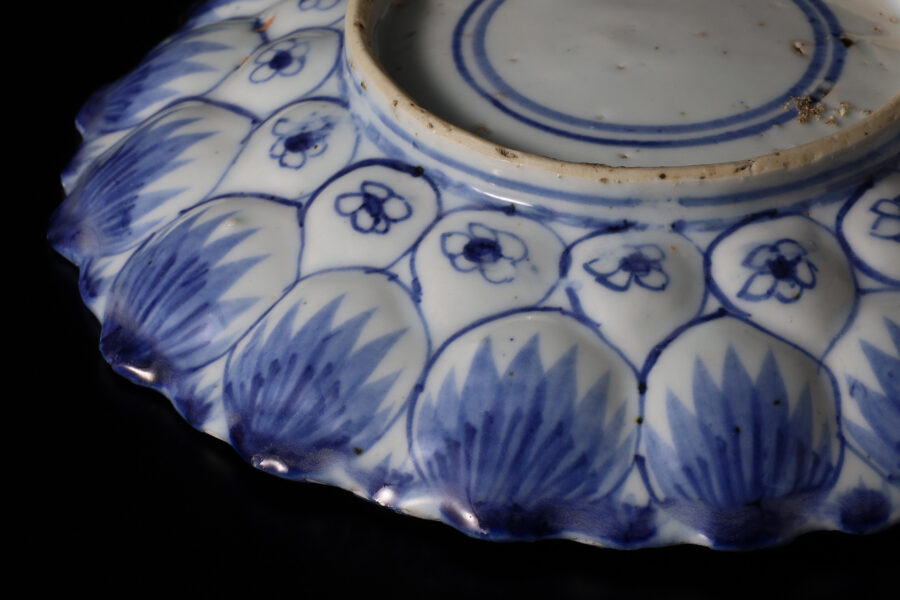
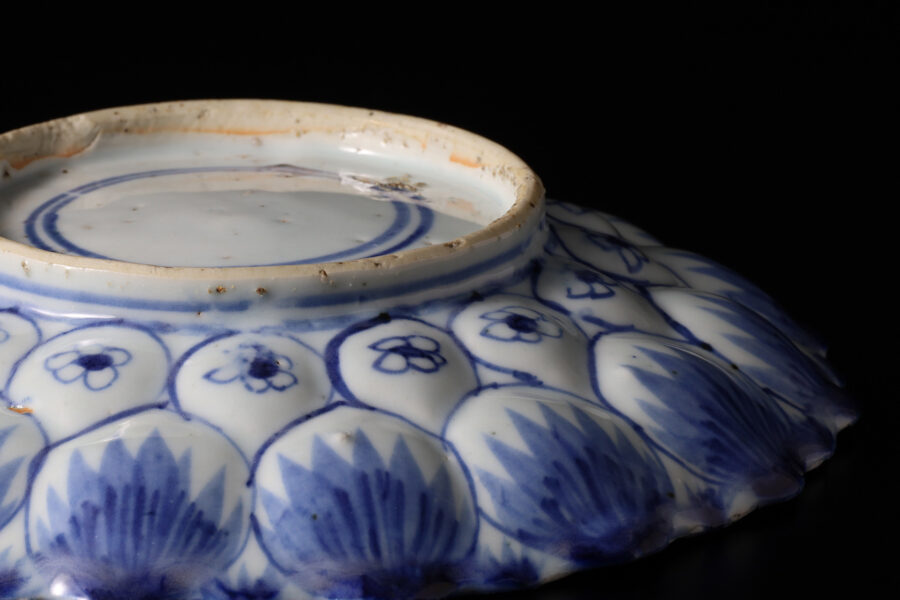
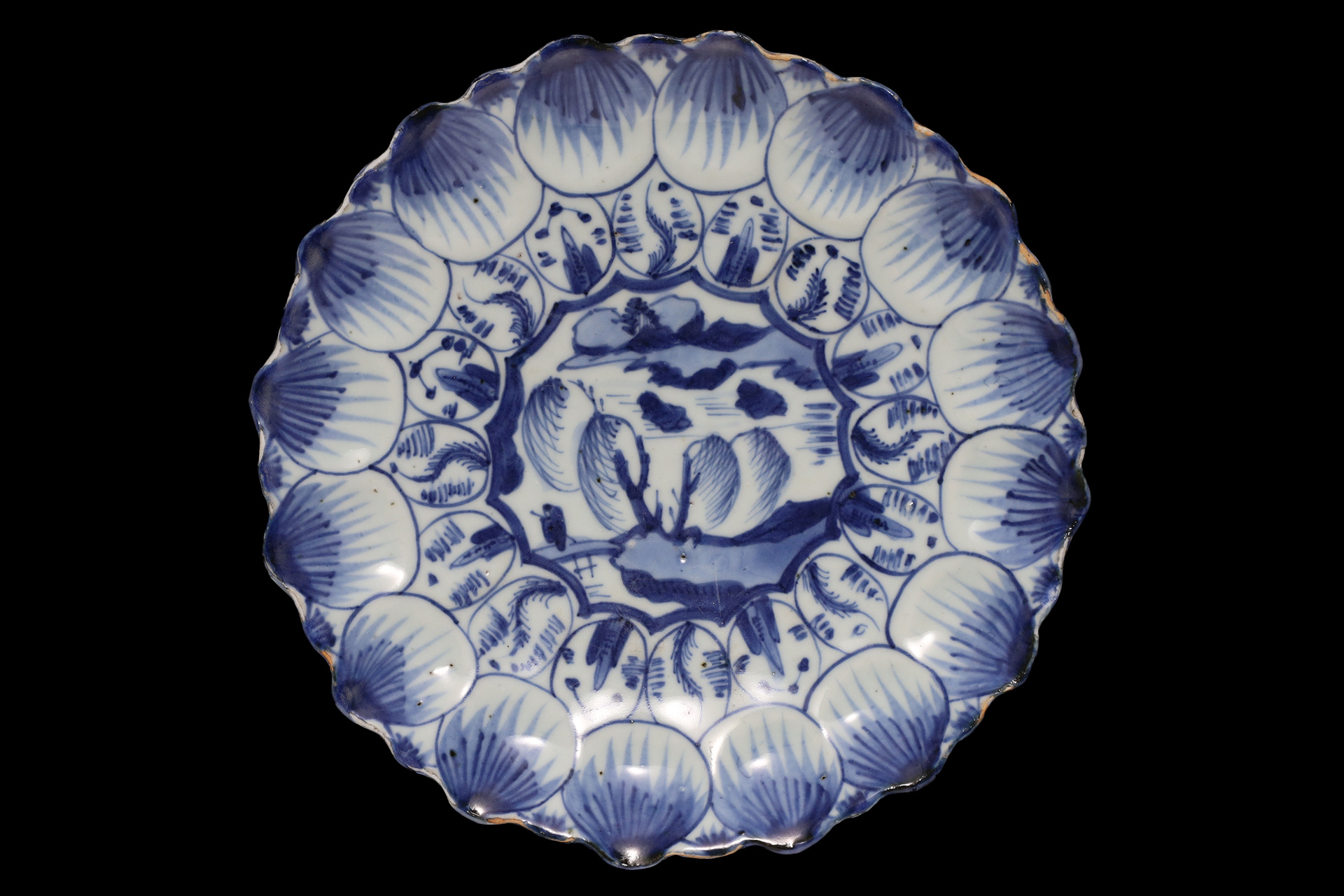
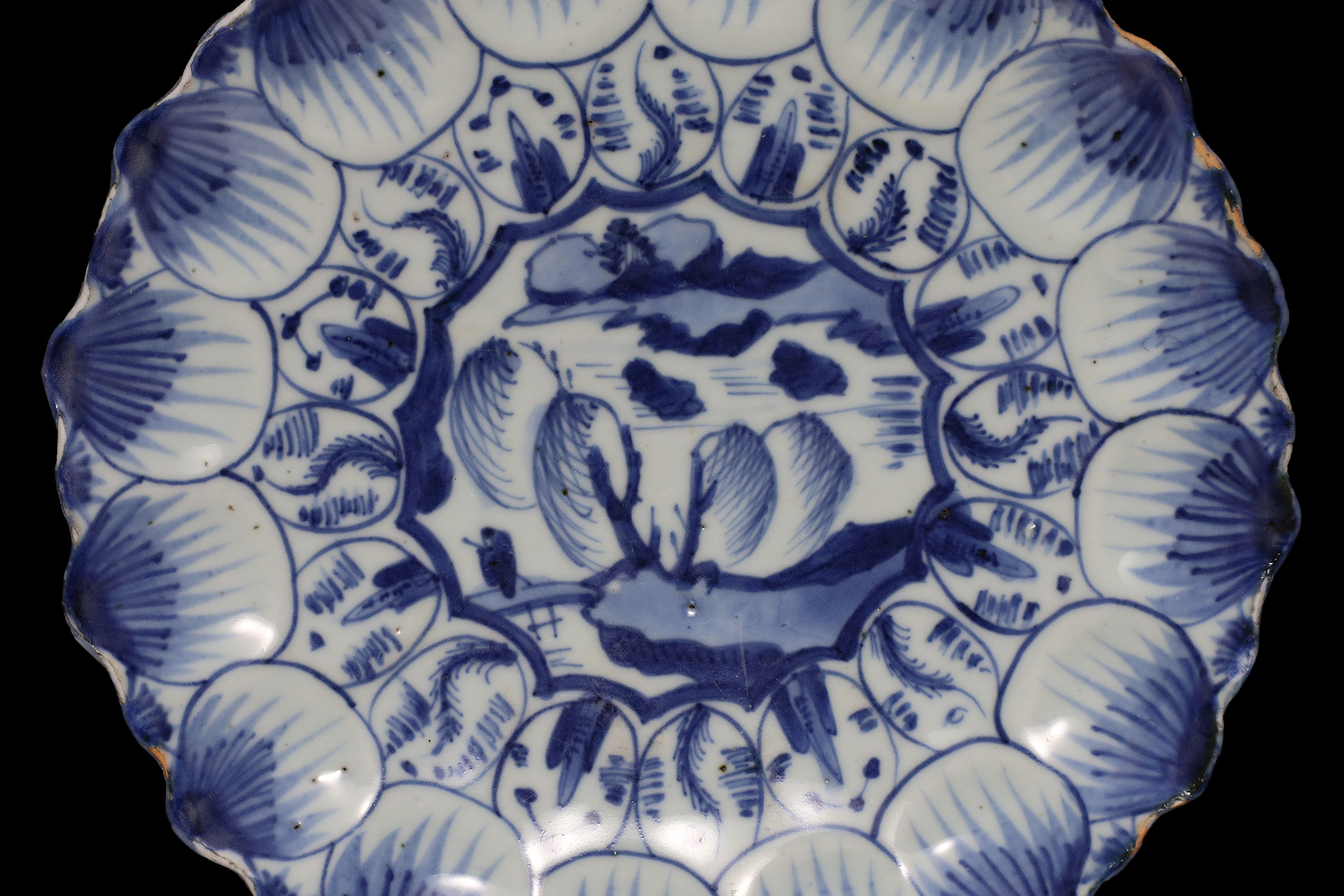


Ko-Sometsuke
Ko-Sometsuke refers to a distinctive group of blue-and-white porcelain fired at the Jingdezhen kilns during the late Ming dynasty, particularly in the Tianqi era (1621–27). A distinct group of blue-and-white porcelains, known as Ko-Sometsuke, is cherished as a category of its own, characterized by unique stylistic features. In contrast to the Qing dynasty Shin-watari (New Imports), these works belong to the older tradition of Ko-watari (Old Imports), and many surviving examples were transmitted to Japan. Following the death of the Wanli Emperor, the Jingdezhen imperial kilns were shut down, and Jingdezhen private kilns assumed control over both production and distribution. Many potters who had once served in the imperial kilns moved to private kilns to sustain their livelihoods, leaving behind works that still reflect the refinement of official ware. A significant portion of these works are classified as Ko-Sometsuke and Shonzui. Ko-Sometsuke is broadly divided into two categories: tea pottery commissioned by Japanese tea masters, and everyday utensils for general use. As tea pottery, Ko-Sometsuke works were crafted in imitation of the thick-bodied forms favored by Japanese tastes, characterized by substantial walls and a bold, vigorous presence. In the late Ming dynasty, Japanese tea masters actively commissioned the production of novel tea utensils, seeking works that reflected their individual aesthetic sensibilities. Many Ko-Sometsuke works exhibit a phenomenon in which the glaze flakes away due to differences in shrinkage between the base and the glaze, exposing the underlying base. This effect, resembling insect bites, is poetically referred to as “Mushikui”. This phenomenon is most commonly observed along the rim and at the corner, where the glaze tends to be applied more thinly. Though typically regarded as a flaw in conventional ceramics, tea masters discerned in it a natural elegance, appreciating its rustic simplicity as a form of aesthetic expression.
Mold-Pressing
Mold‑pressing is a forming technique in which a wheel‑thrown body is carefully laid over a clay mold and pressed to transfer the mold’s contours and decorative patterns. While based on the perfectly circular form produced on the wheel, it allows for more complex shapes such as lobed or flower‑petal rims. Because the foot is trimmed on the wheel with the body still set on the mold, the foot retains its circular shape.