

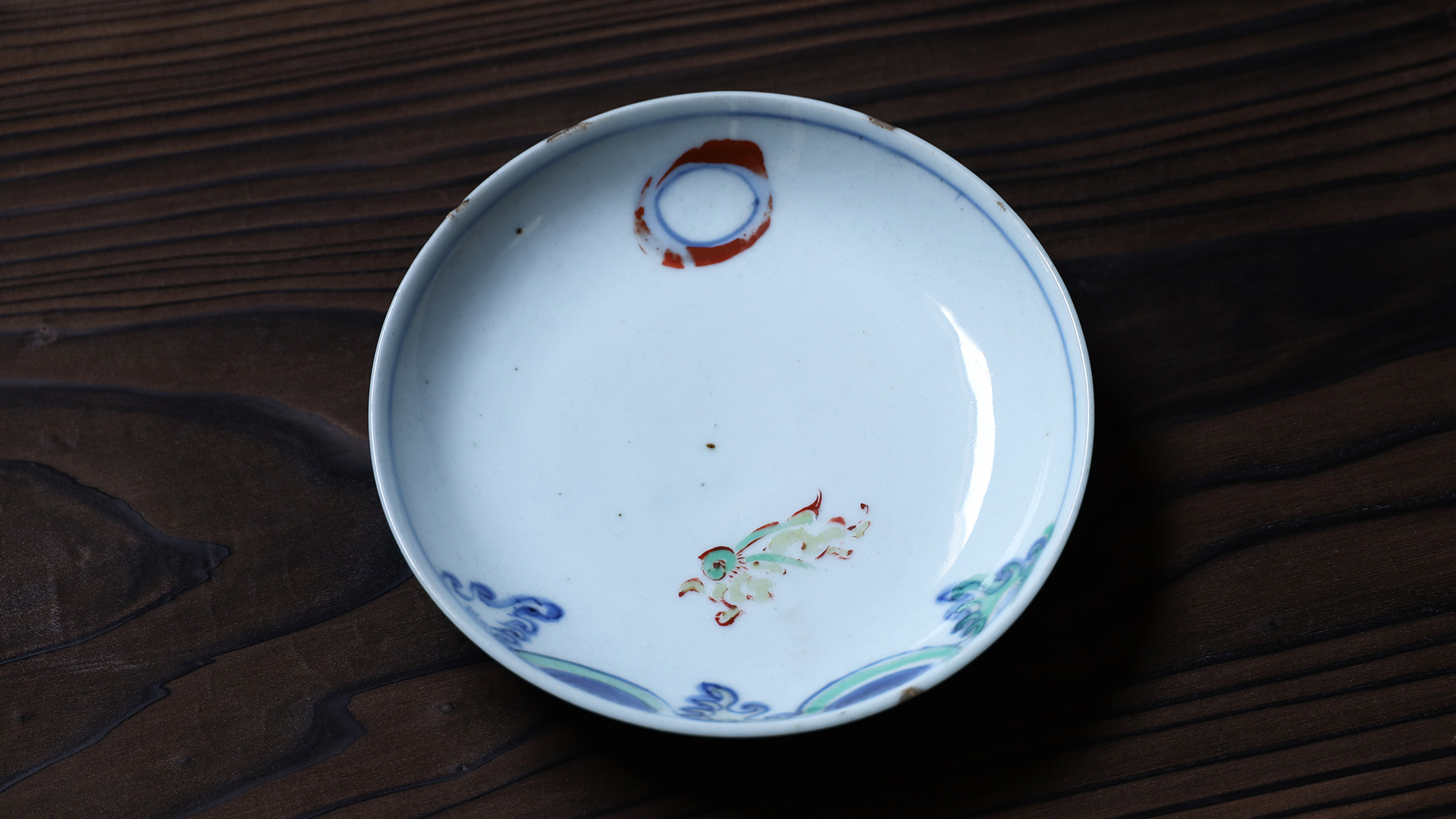
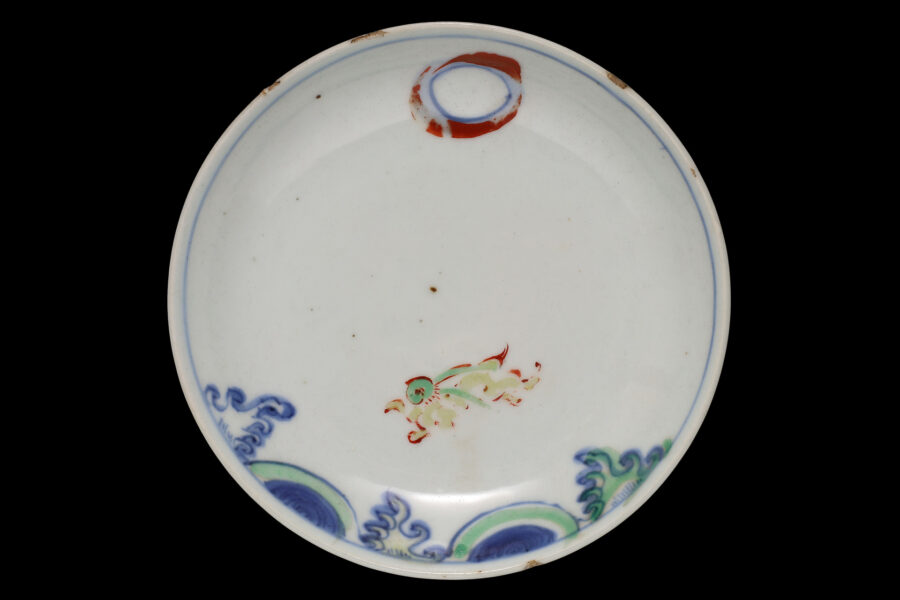
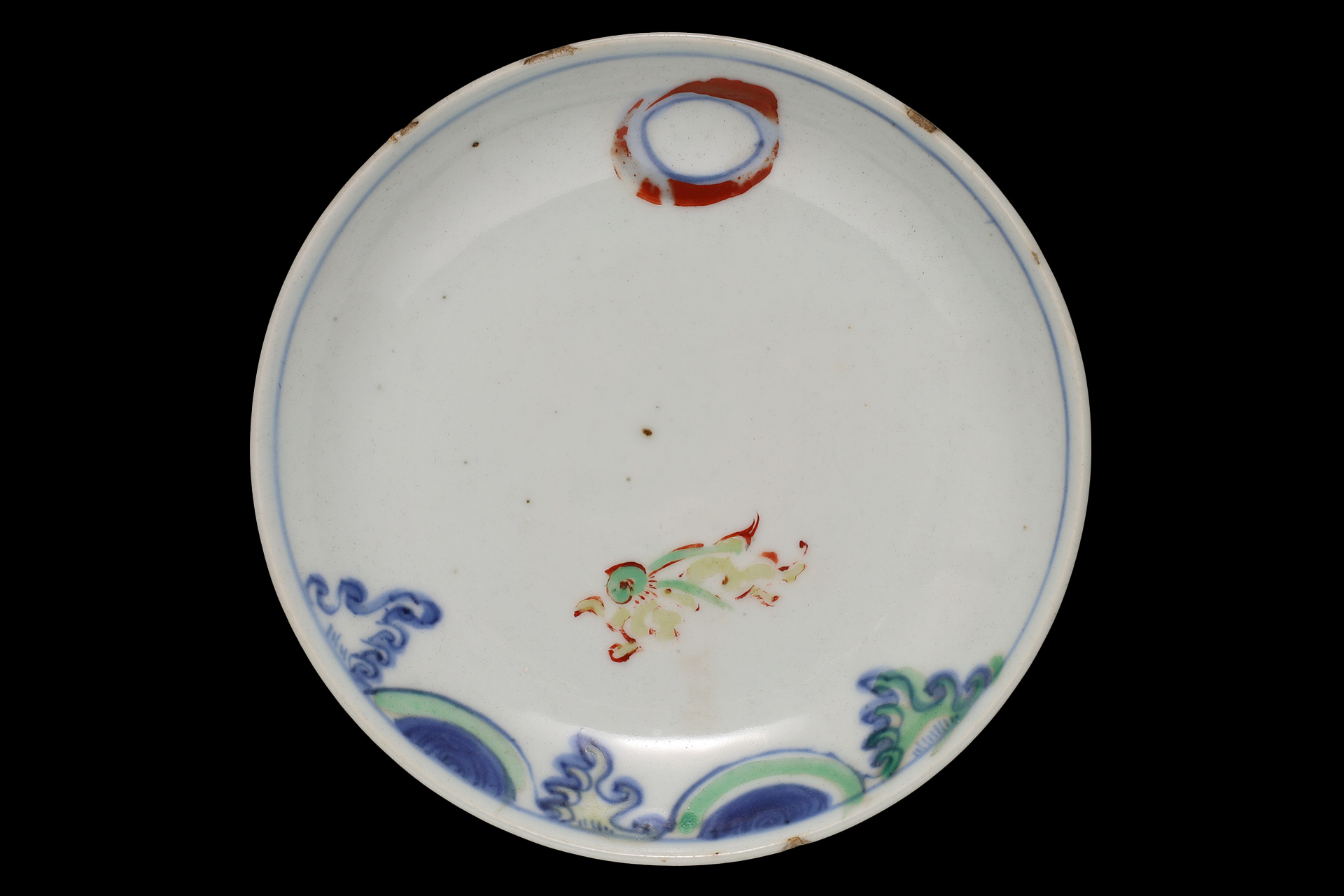
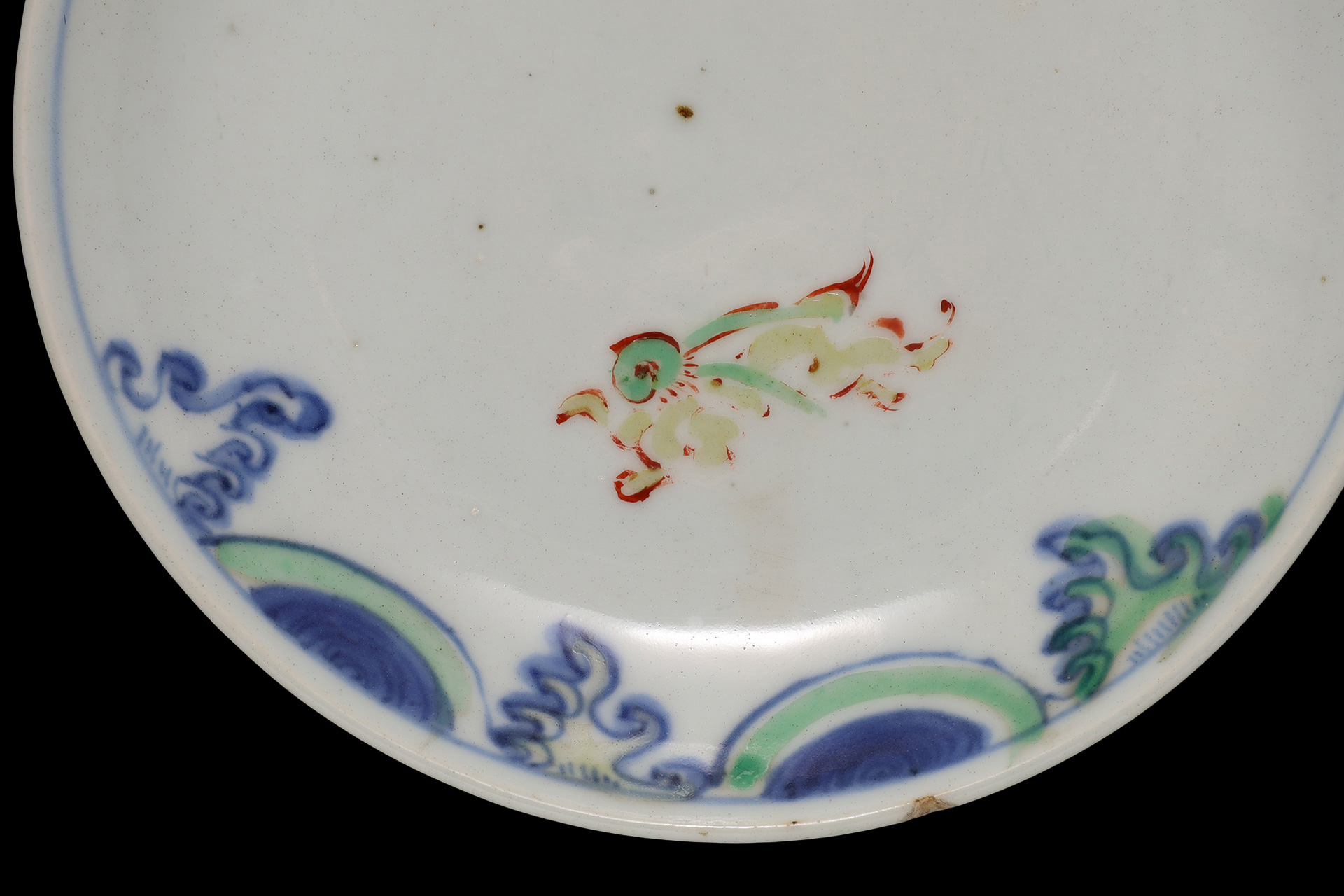
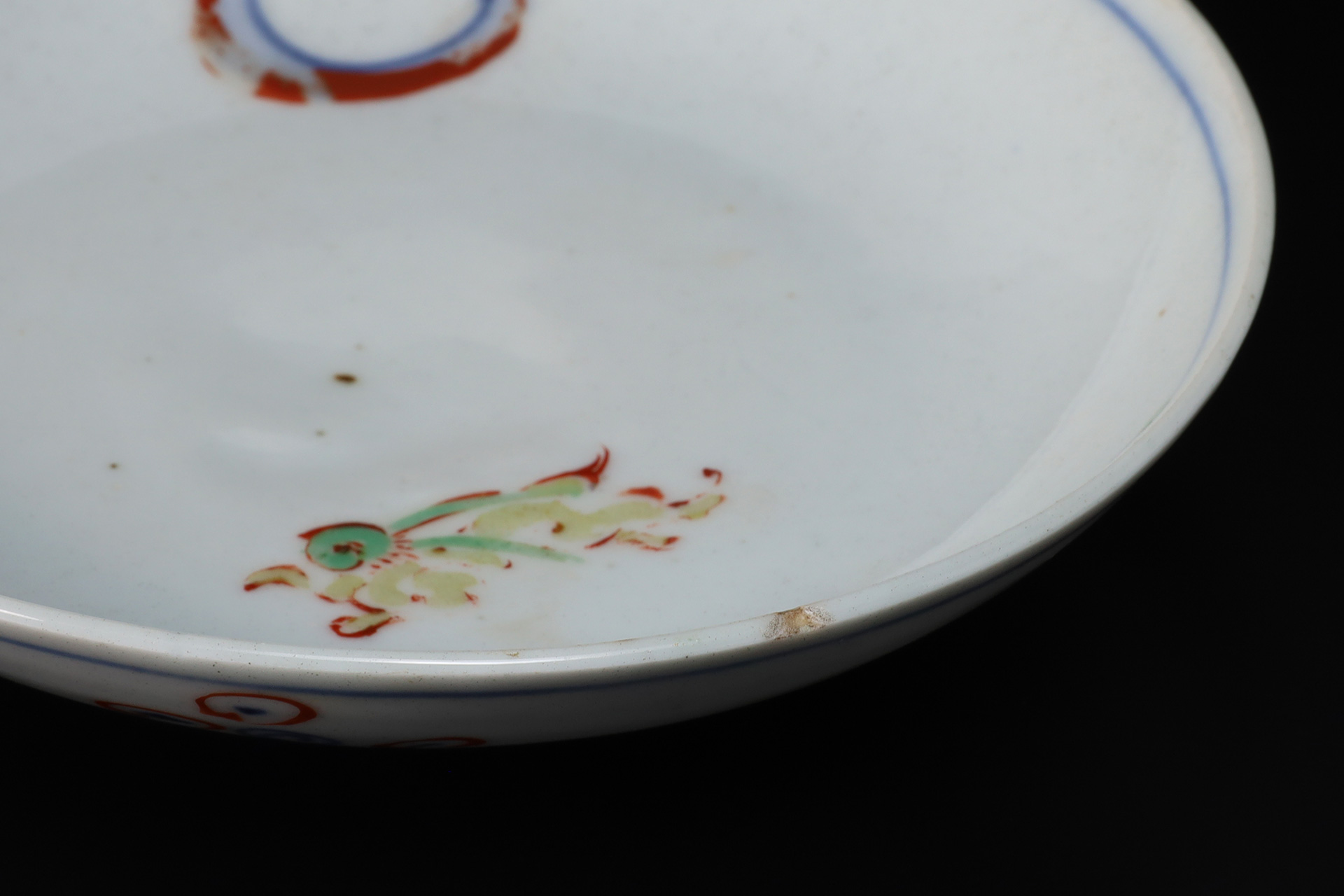
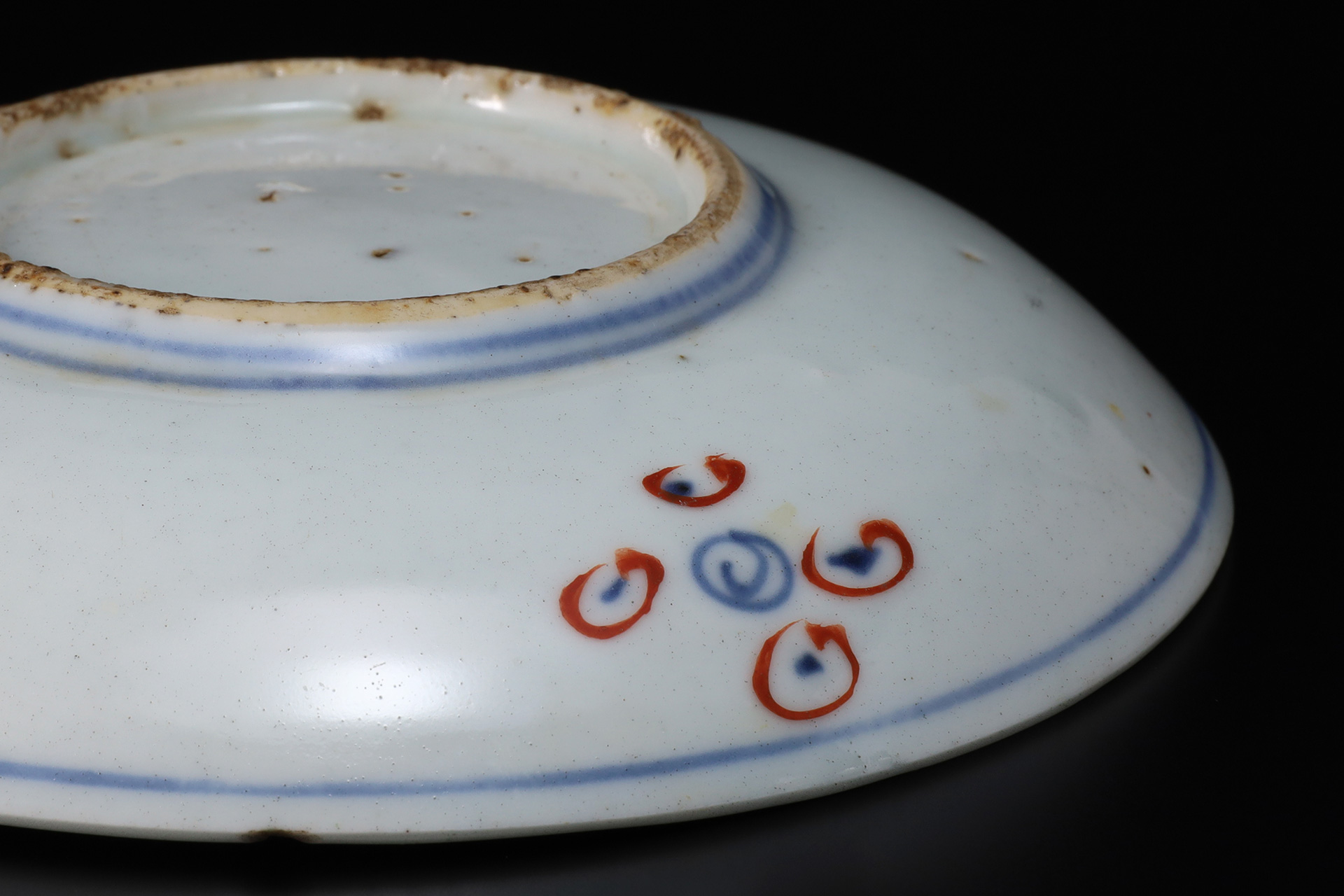
This is a Tianqi aka-e small dish depicting a rabbit racing across the waves under the moonlight. The rabbit, with its leaping form, symbolizes progress and advancement; its prolific nature represents fertility, abundance, and prosperity; and because it is said to dwell in the moon, it is also believed to invite tsuki—good fortune.
Inquiry
- Product Code
- 251213-4
- Period
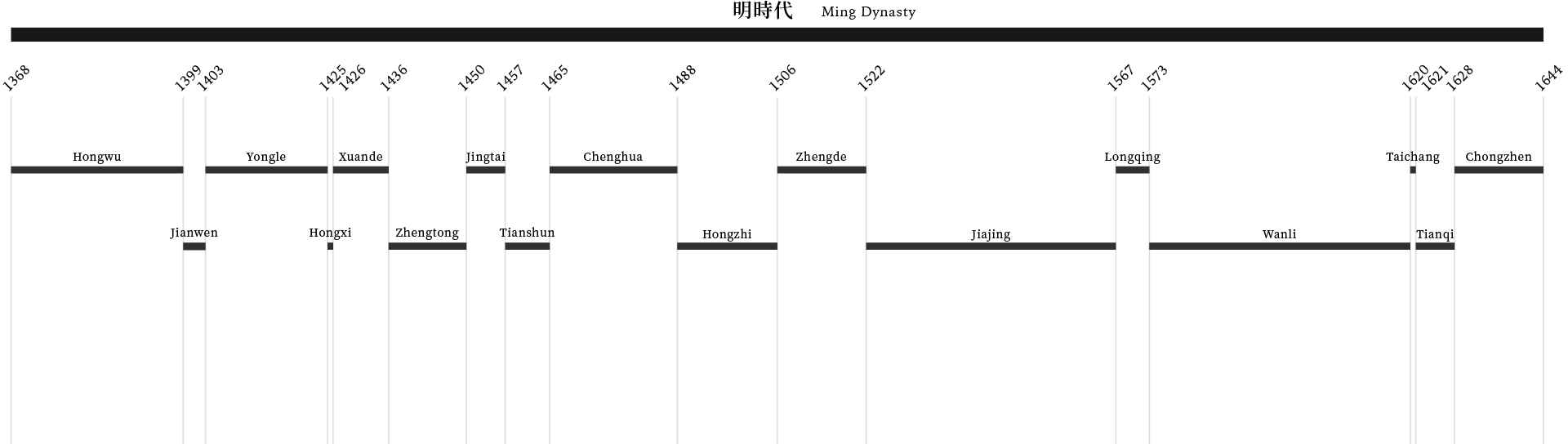
- Ming Dynasty
Early 17th Century
- Weight
- 160 g
- Mouth Diameter
- 14.6 cm
- Height
- 3.0 cm
- Base Diameter
- 6.8 cm
- Fittings
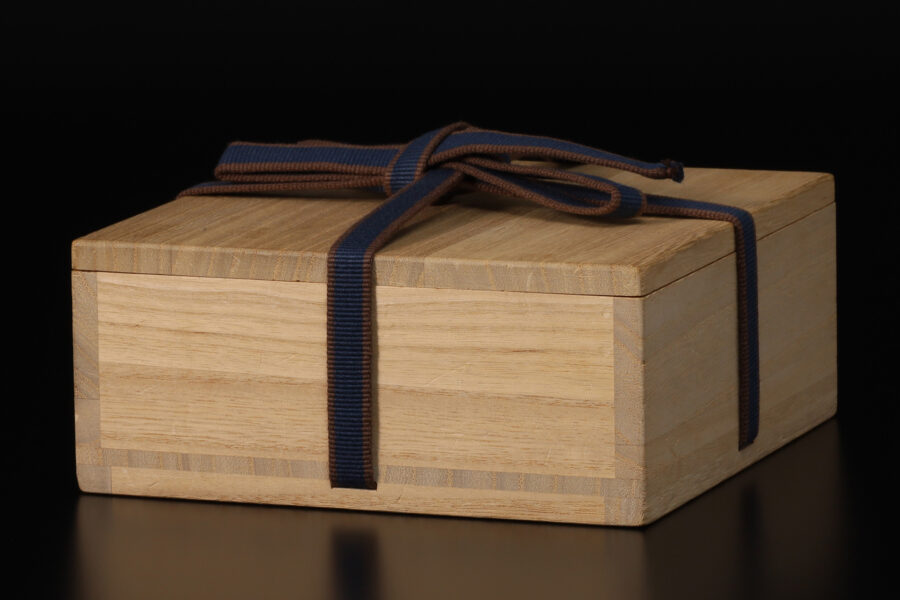
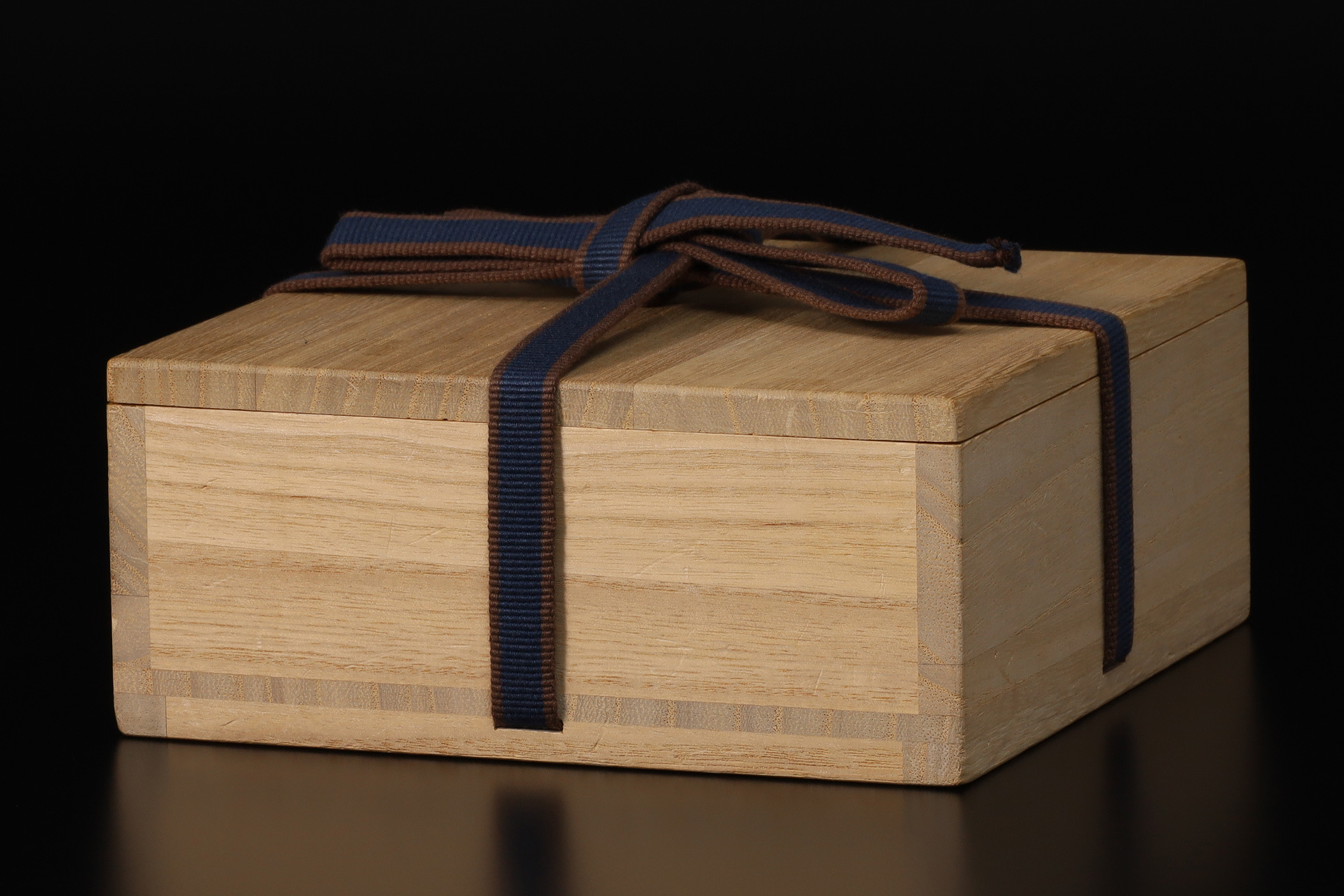
- Paulownia Box
- Condition
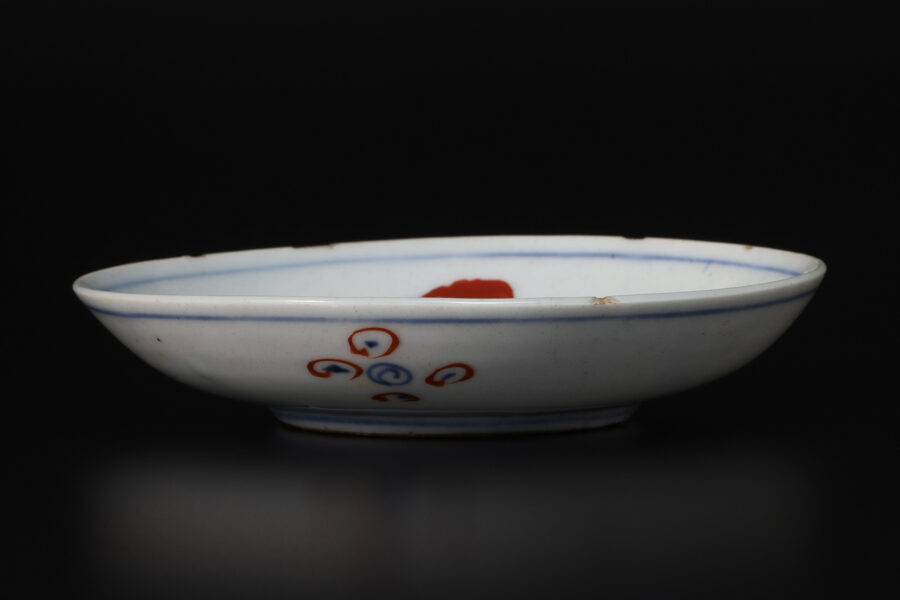
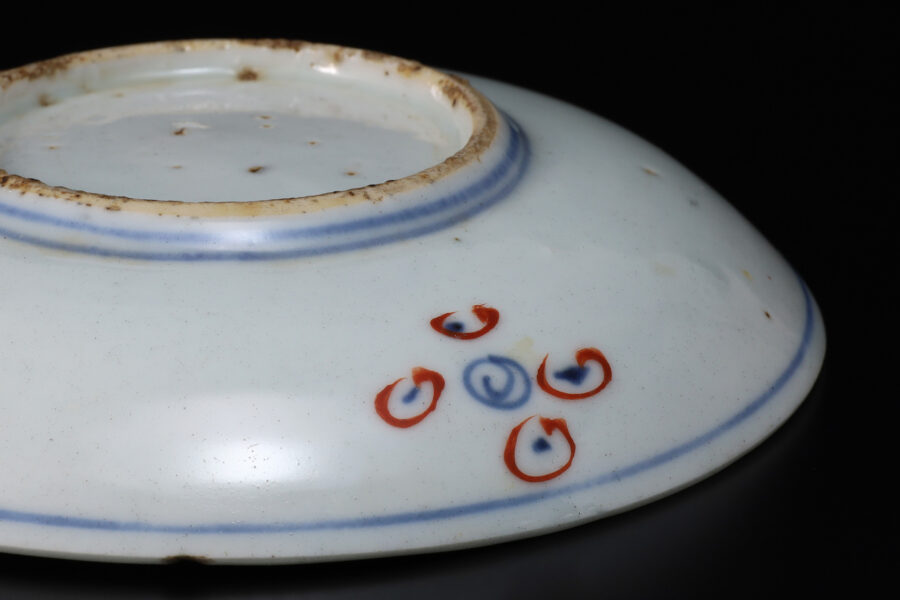
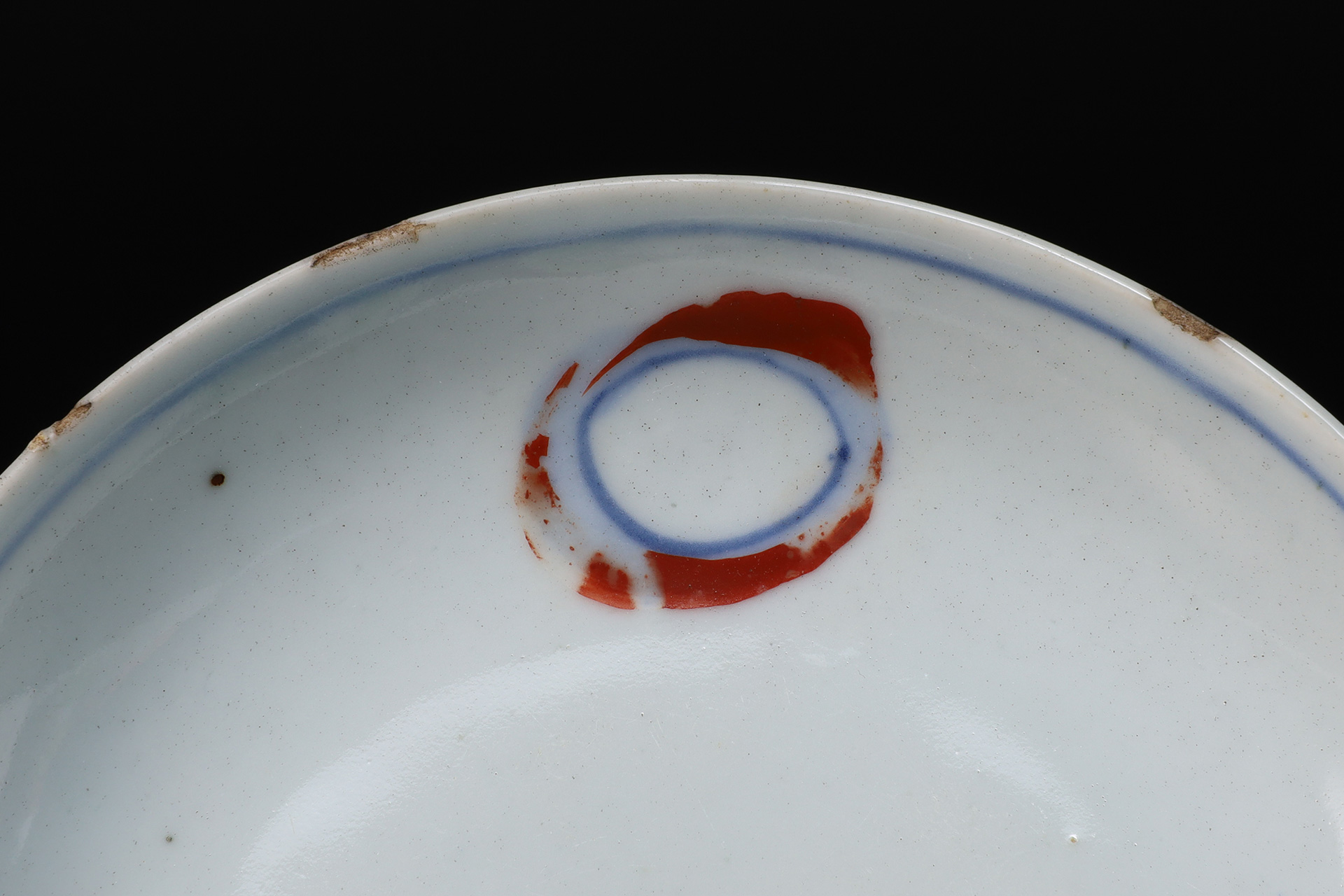
- Good (with mushikui on the rim)
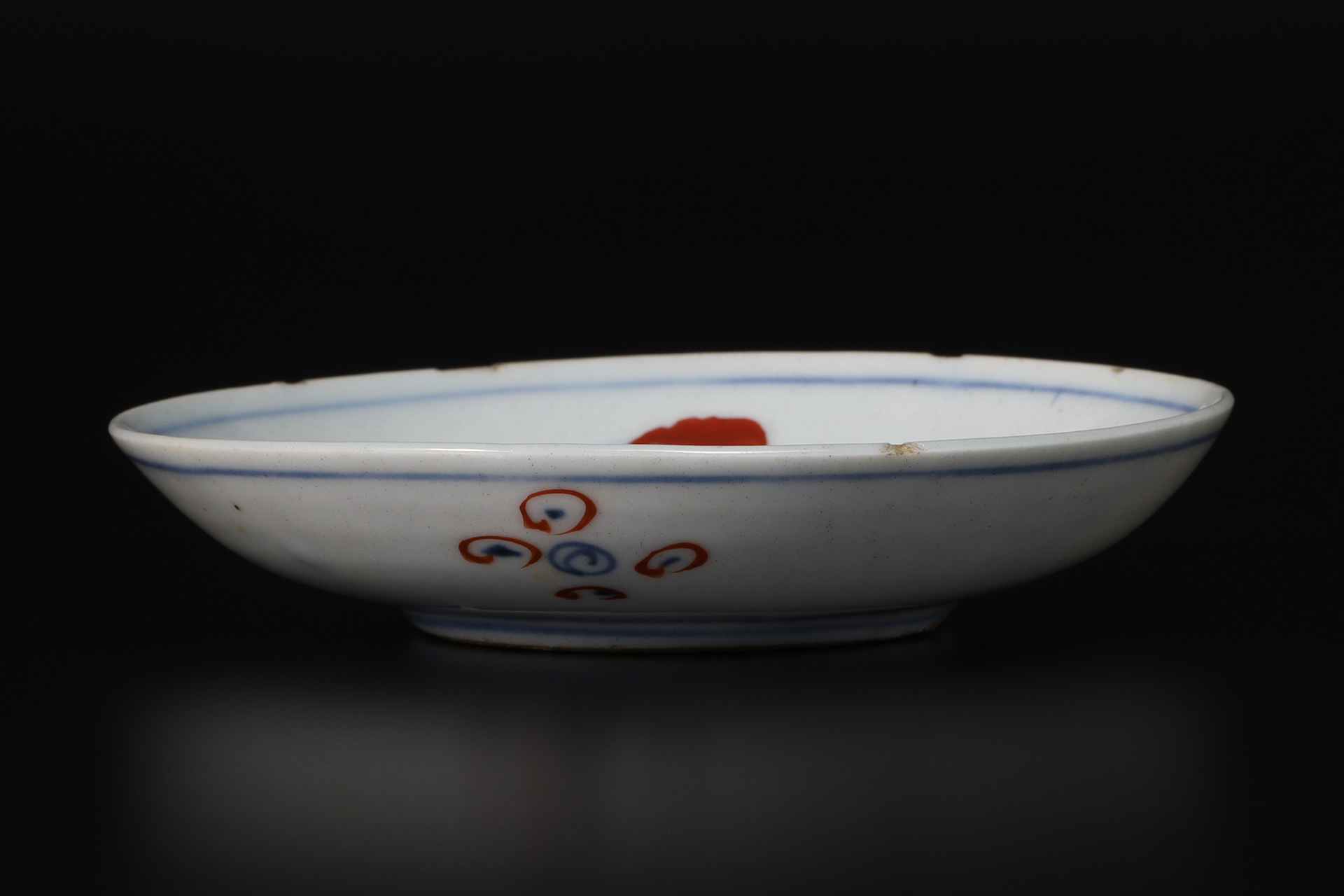
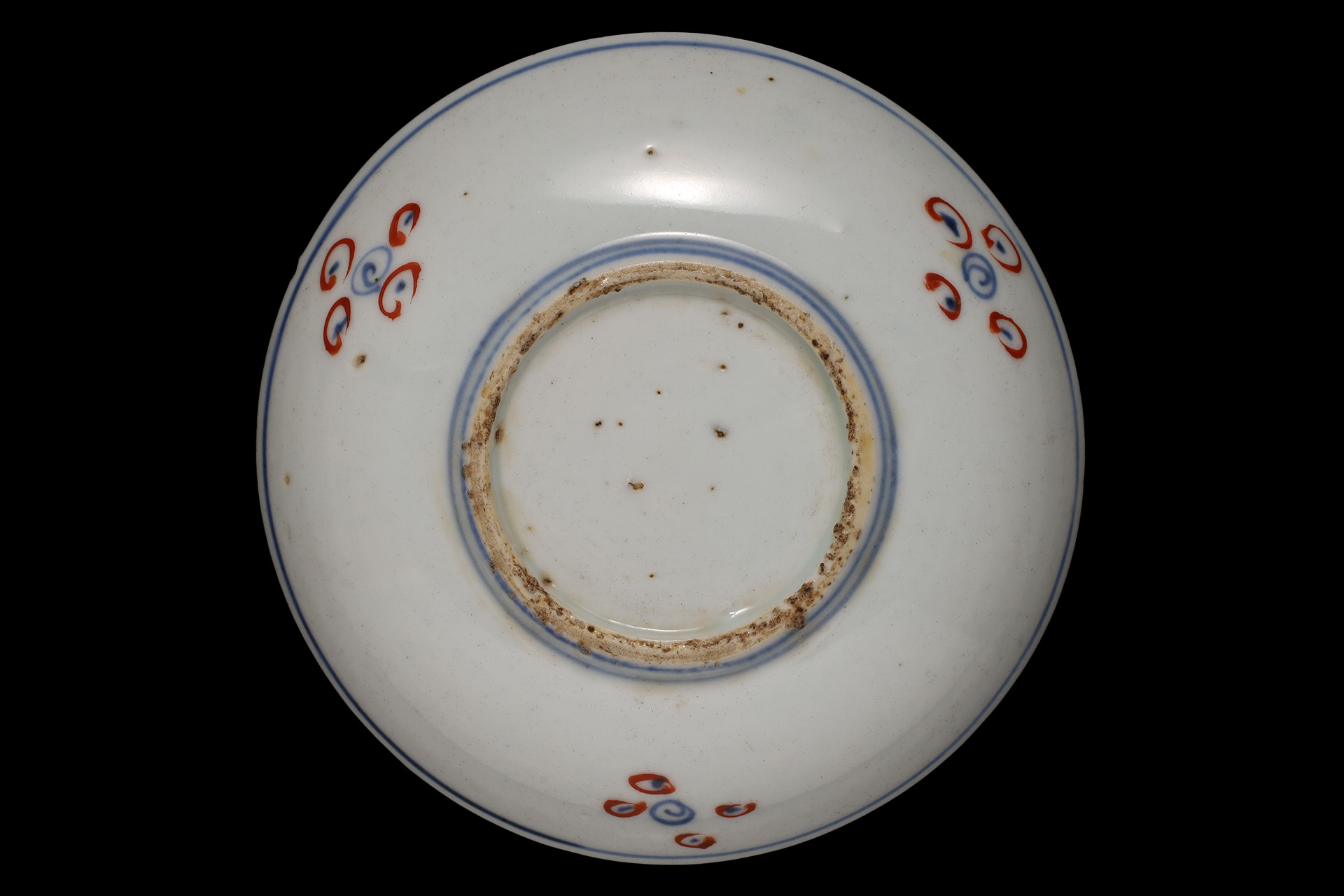
The harmony between the underglaze blue and overglaze enamels is beautiful, and the piece has been well preserved.
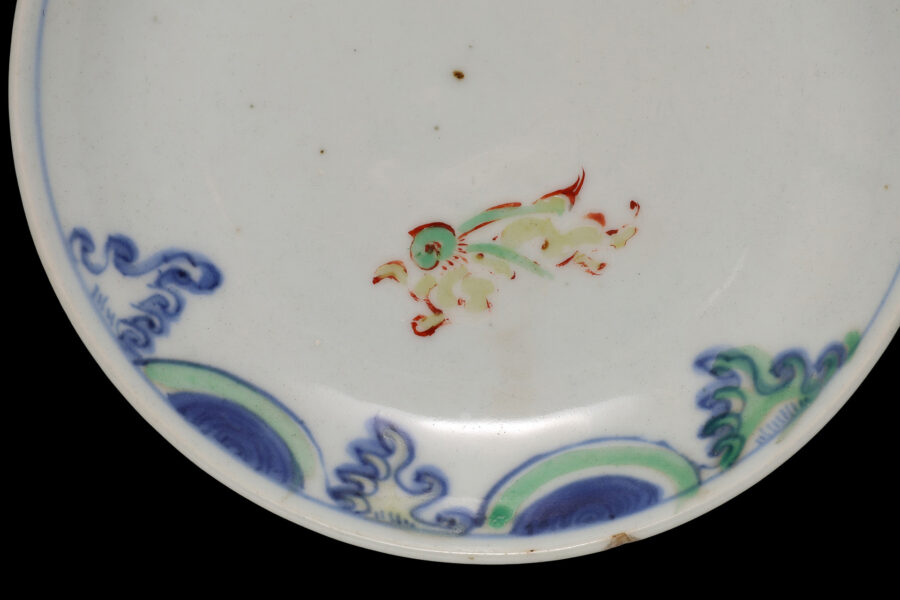
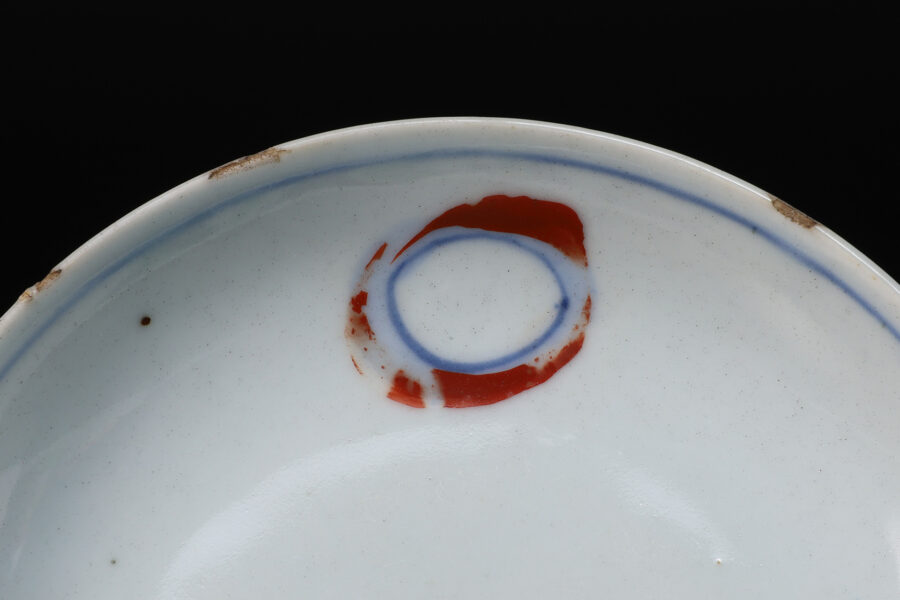
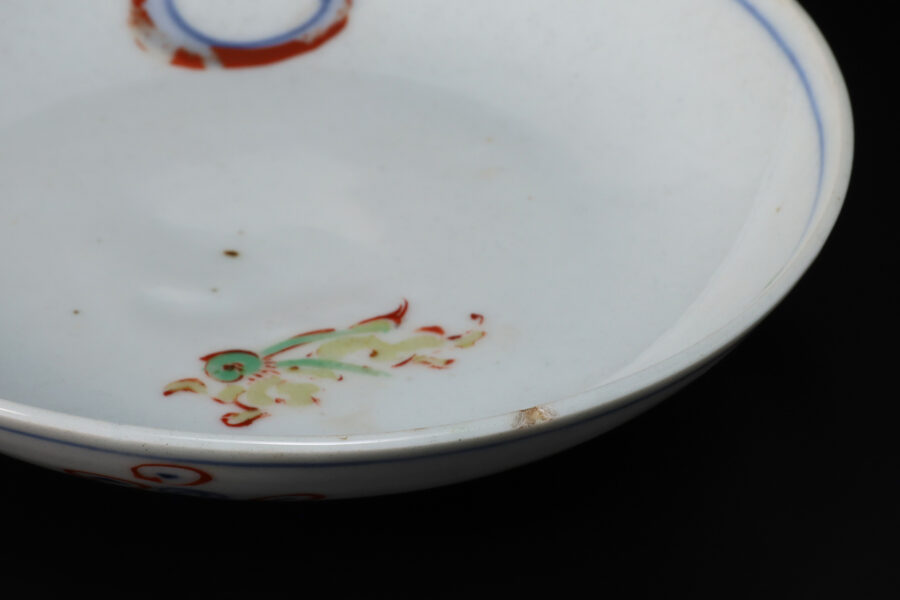
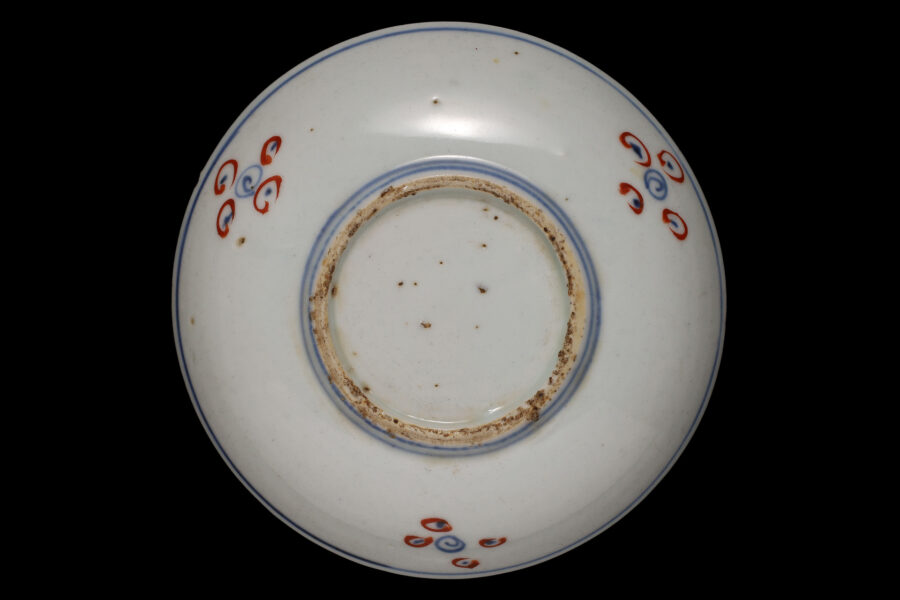


Tianqi Aka-e
Tianqi aka-e refers to overglaze-enamel porcelain produced mainly during the Tianqi era (1621–1627) of the late Ming dynasty at the folk kilns of Jingdezhen. Overglaze enamels in red, green, yellow, black, and other colors are fired atop cobalt-blue underglaze decoration, creating a style distinguished by its refined yet freely executed and spirited expression. Following the death of the Wanli Emperor, the imperial kilns at Jingdezhen fell into closure, and production shifted to the folk kilns. Artisans who had formerly served in the imperial workshops moved to the folk kilns to make a living, where they produced numerous works that retained the elegance and discipline associated with official ware. These works are today classified as Tianqi aka-e, as well as ko-sometsuke and shonzui, both highly valued in the tea world. Tianqi aka-e often exhibits areas where the glaze has flaked away due to differences in shrinkage between the body and the glaze, exposing the underlying clay. Because these pits resemble insect bites, the phenomenon is known as mushikui (“insect-nibbled”). It commonly appears along rims and corners where the glaze was applied thinly. Although such features might ordinarily be regarded as flaws, tea connoisseurs appreciated them as natural accents of elegance, valuing the rustic beauty that emerges from these unintended effects.