

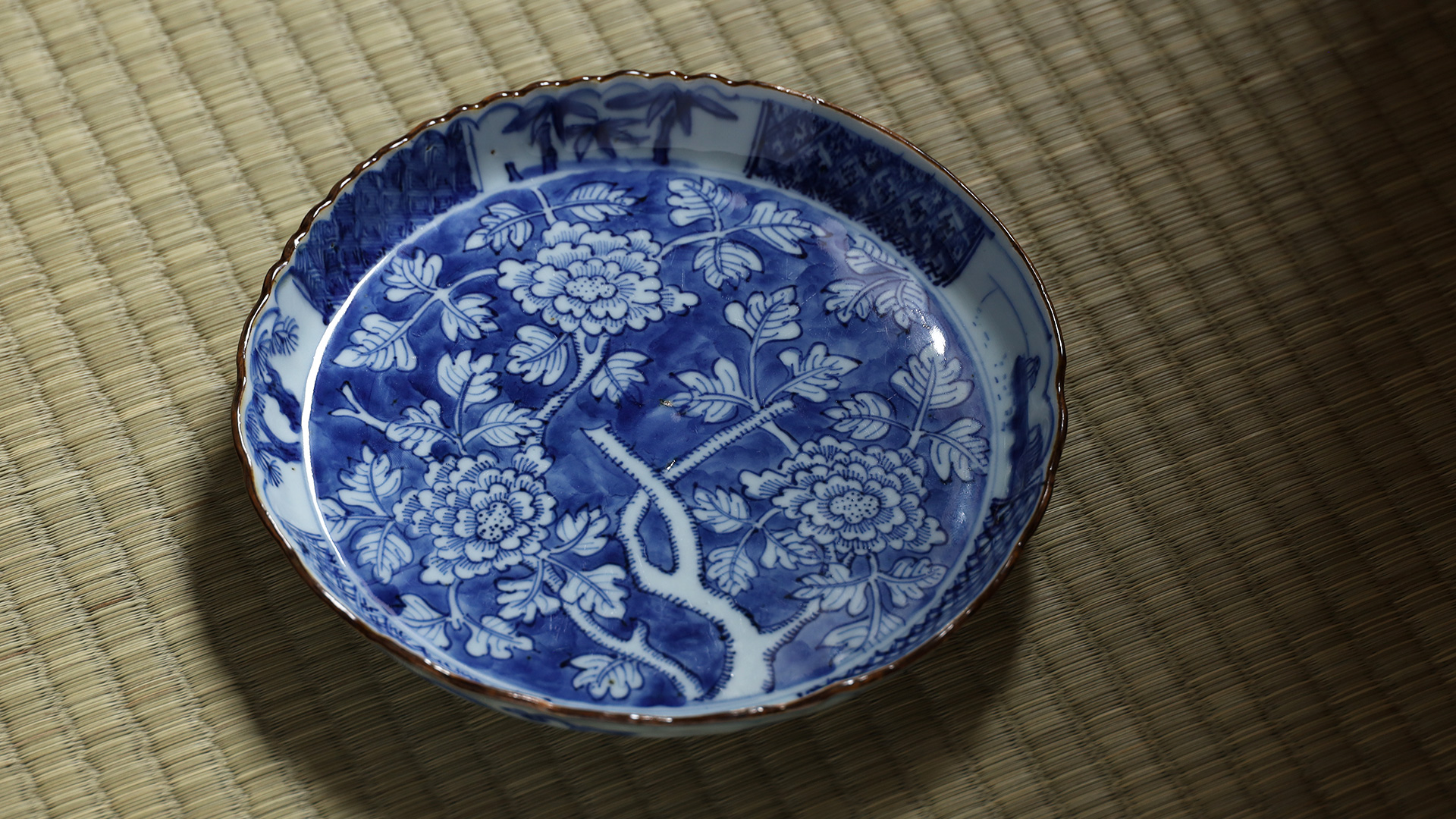
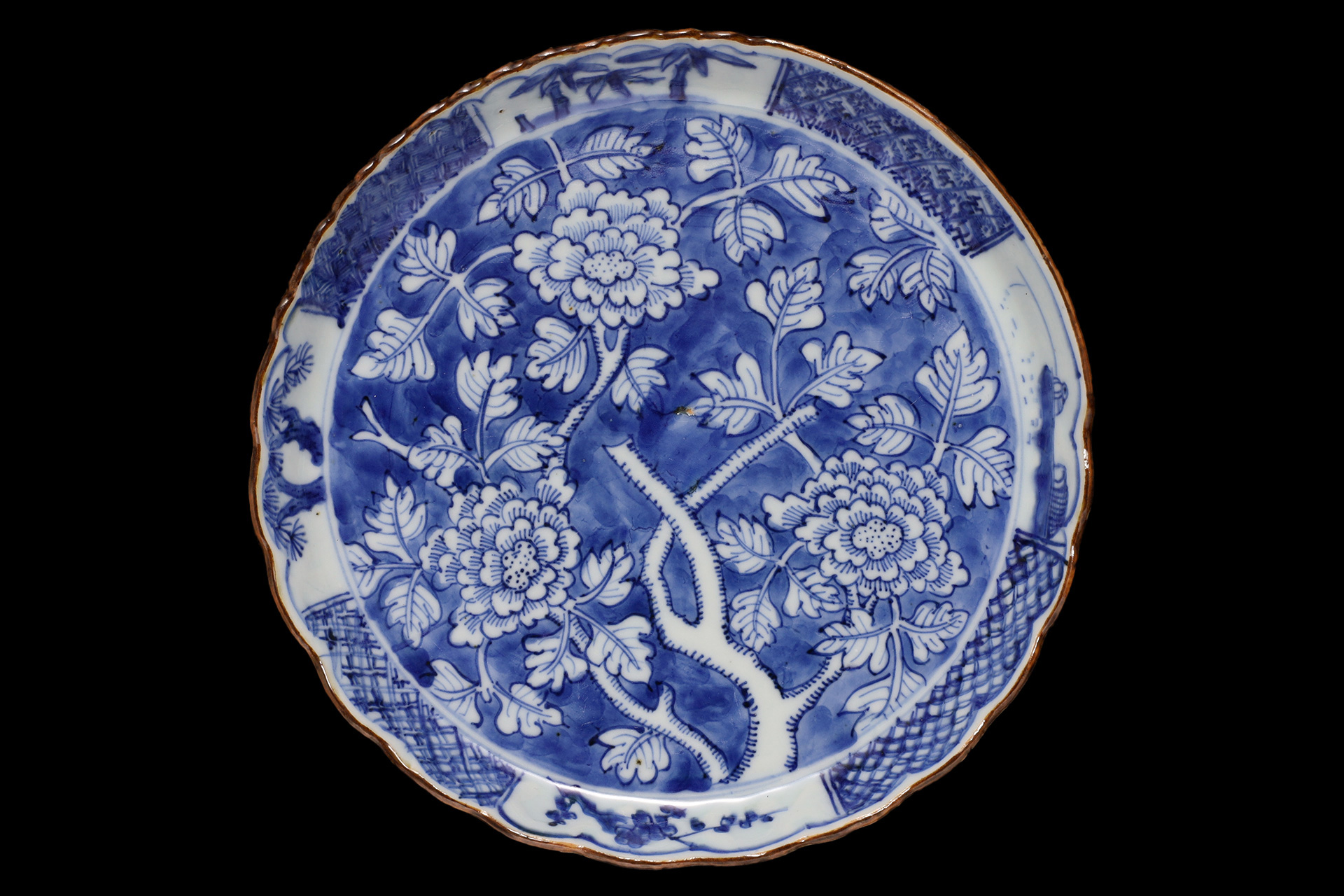
Shonzui Blue-and-White Lobed Dish with Floral Motif (Ming Dynasty)
Sold Out
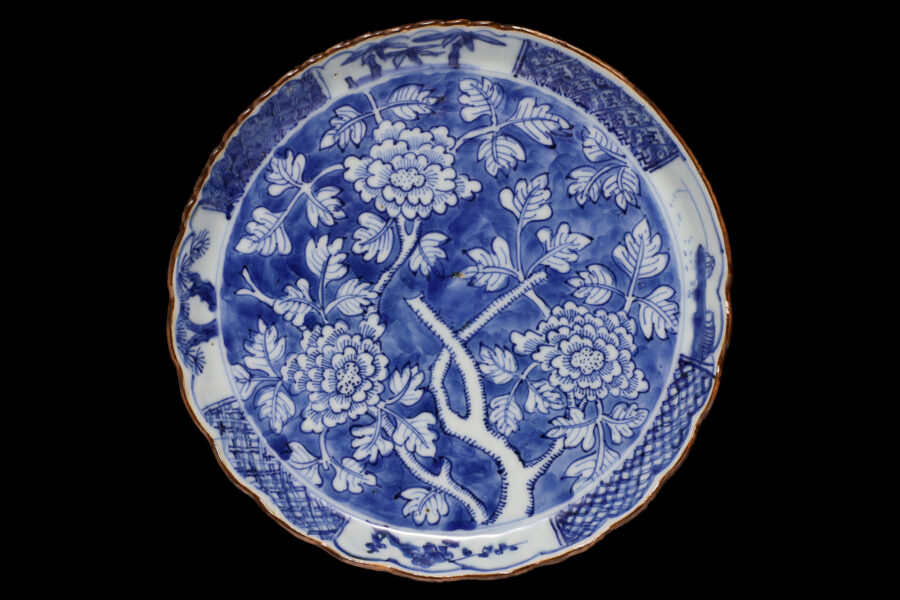
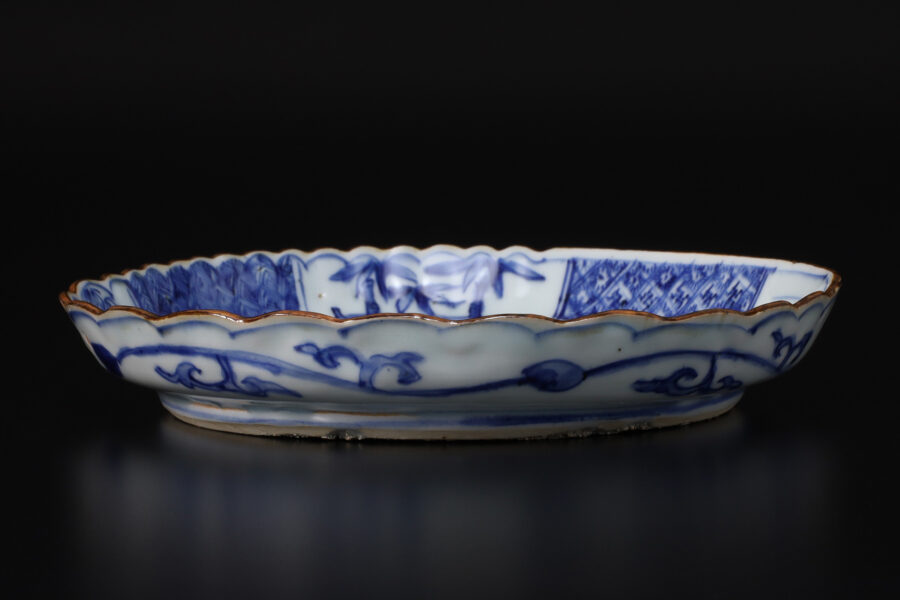
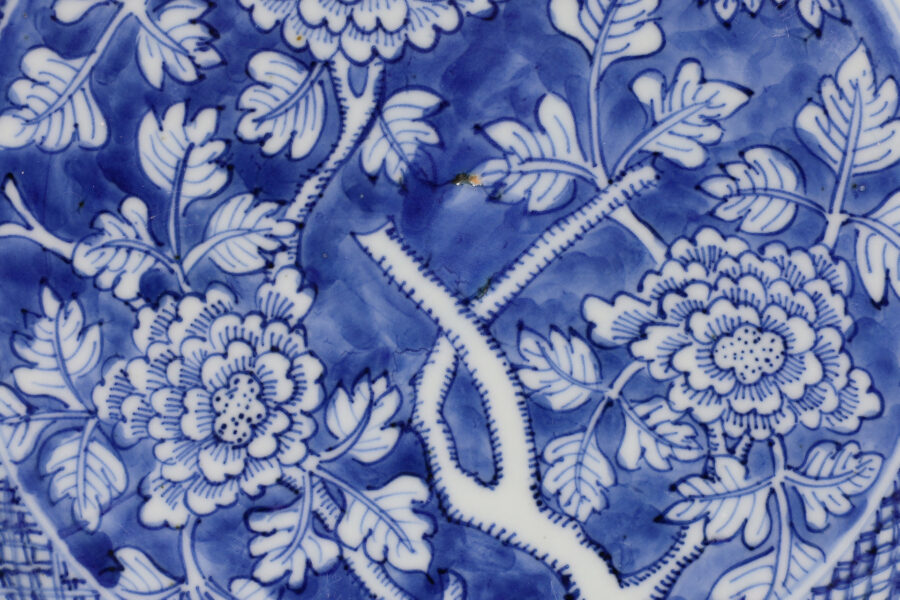
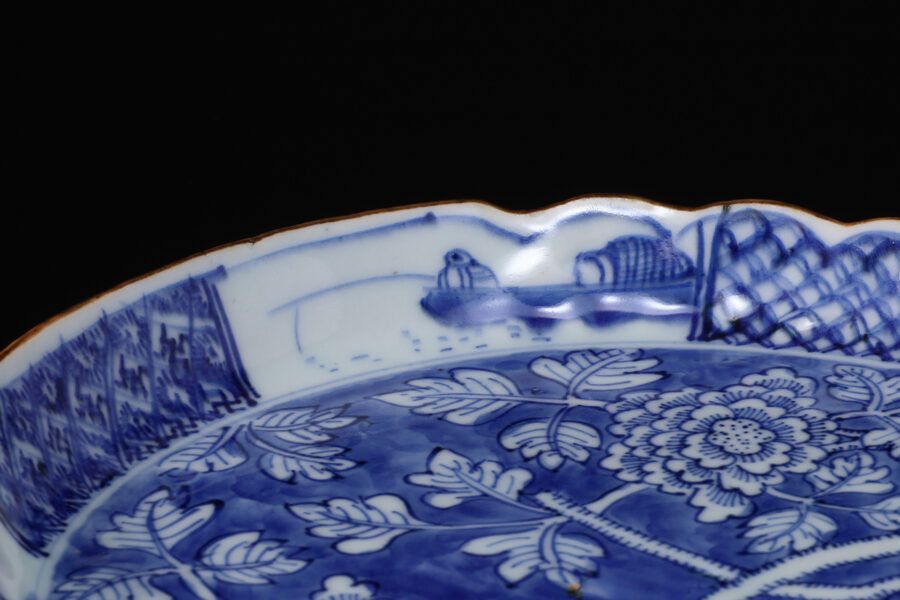
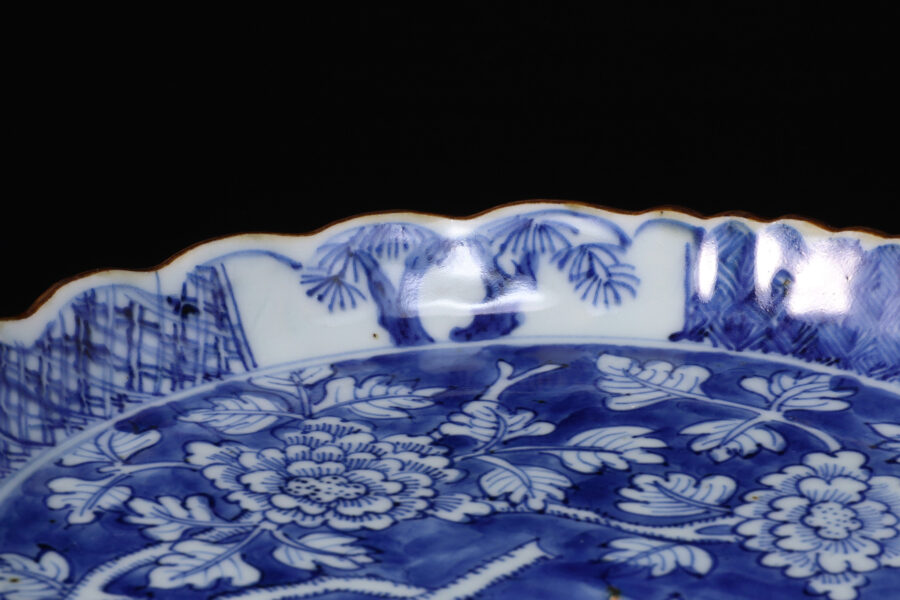
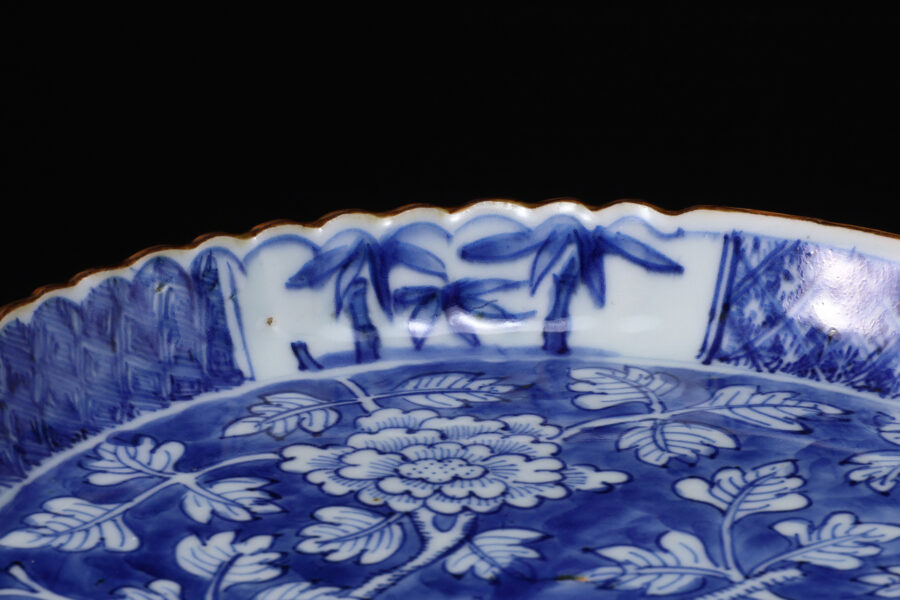
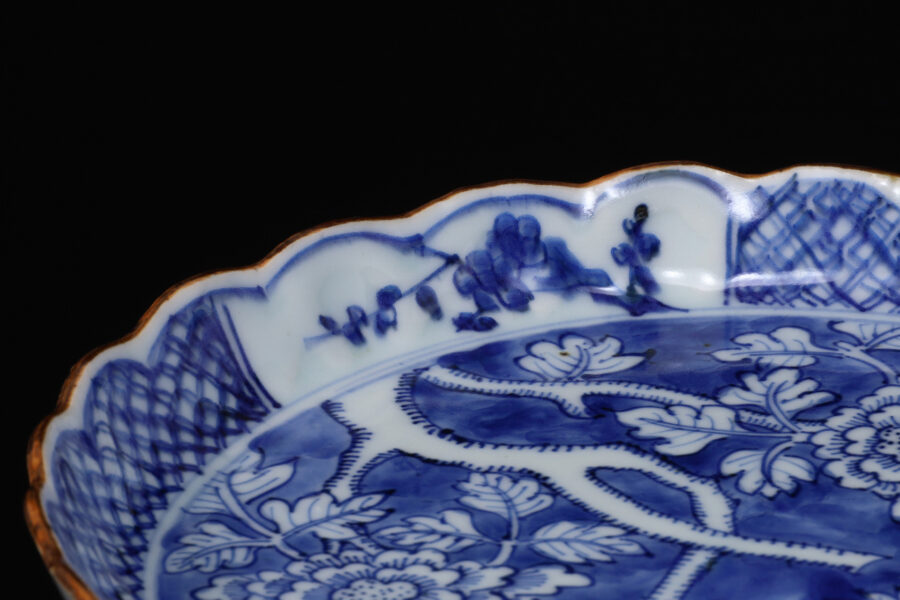
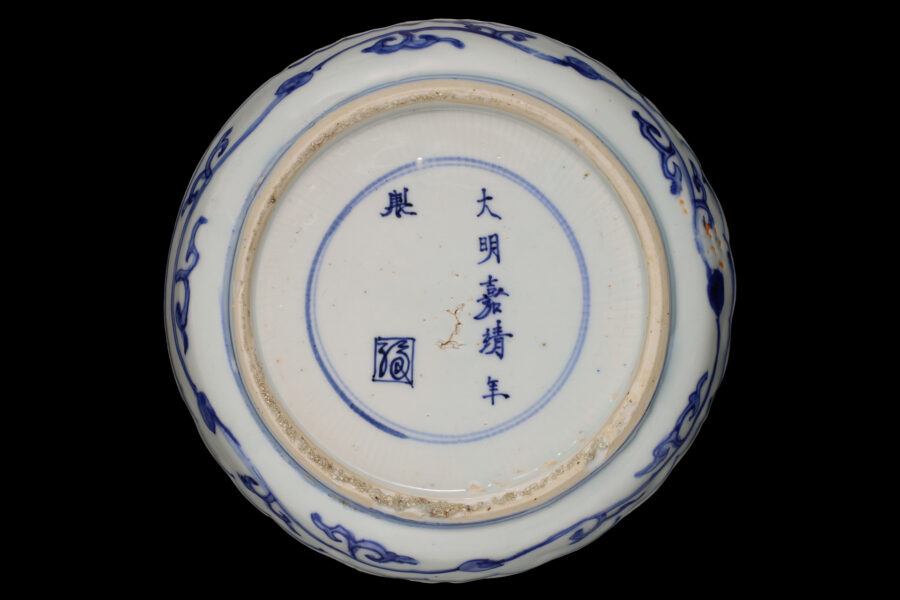
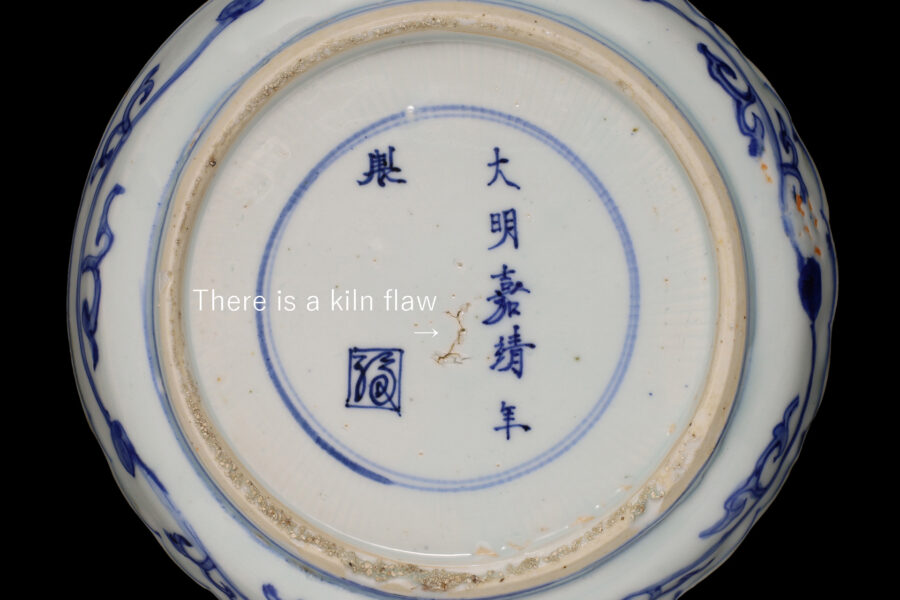
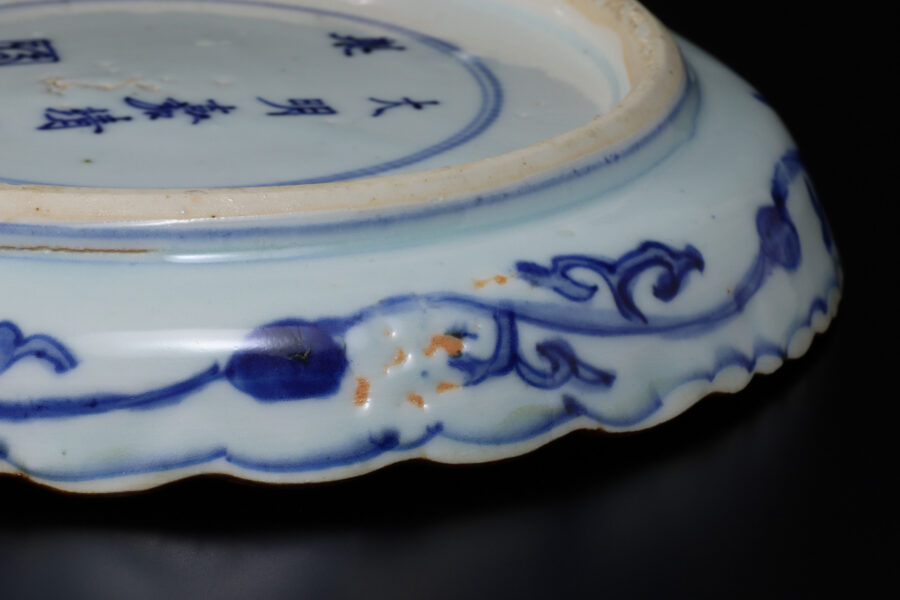
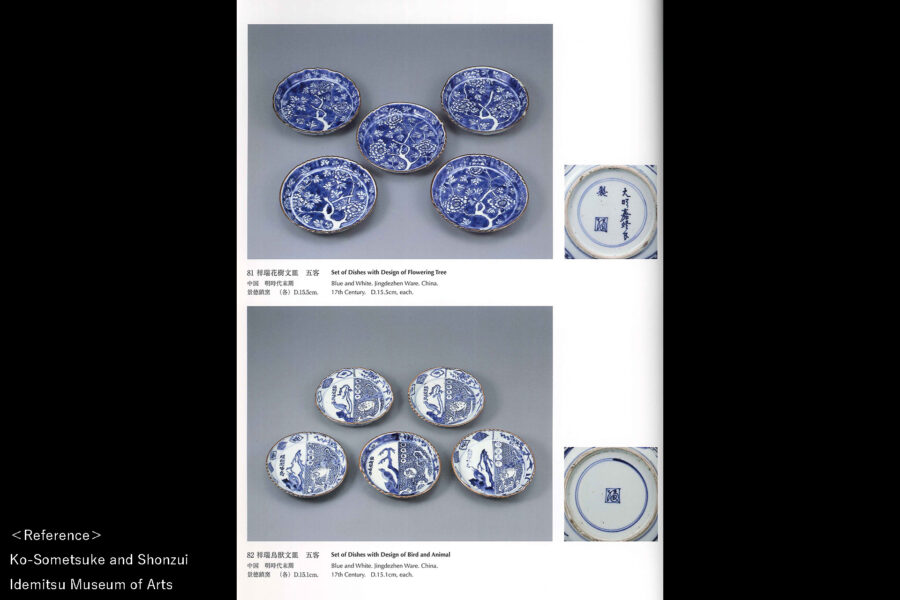
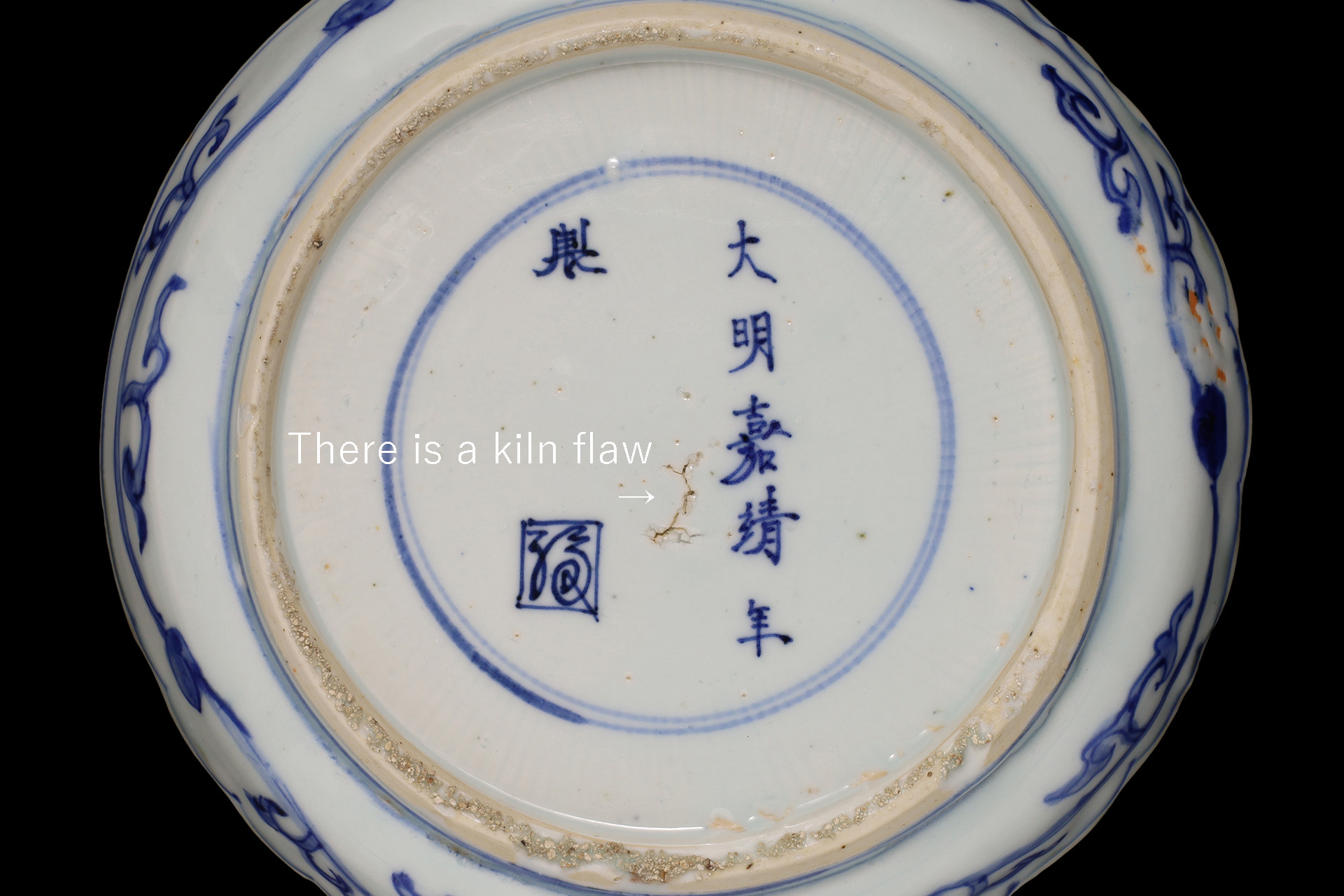
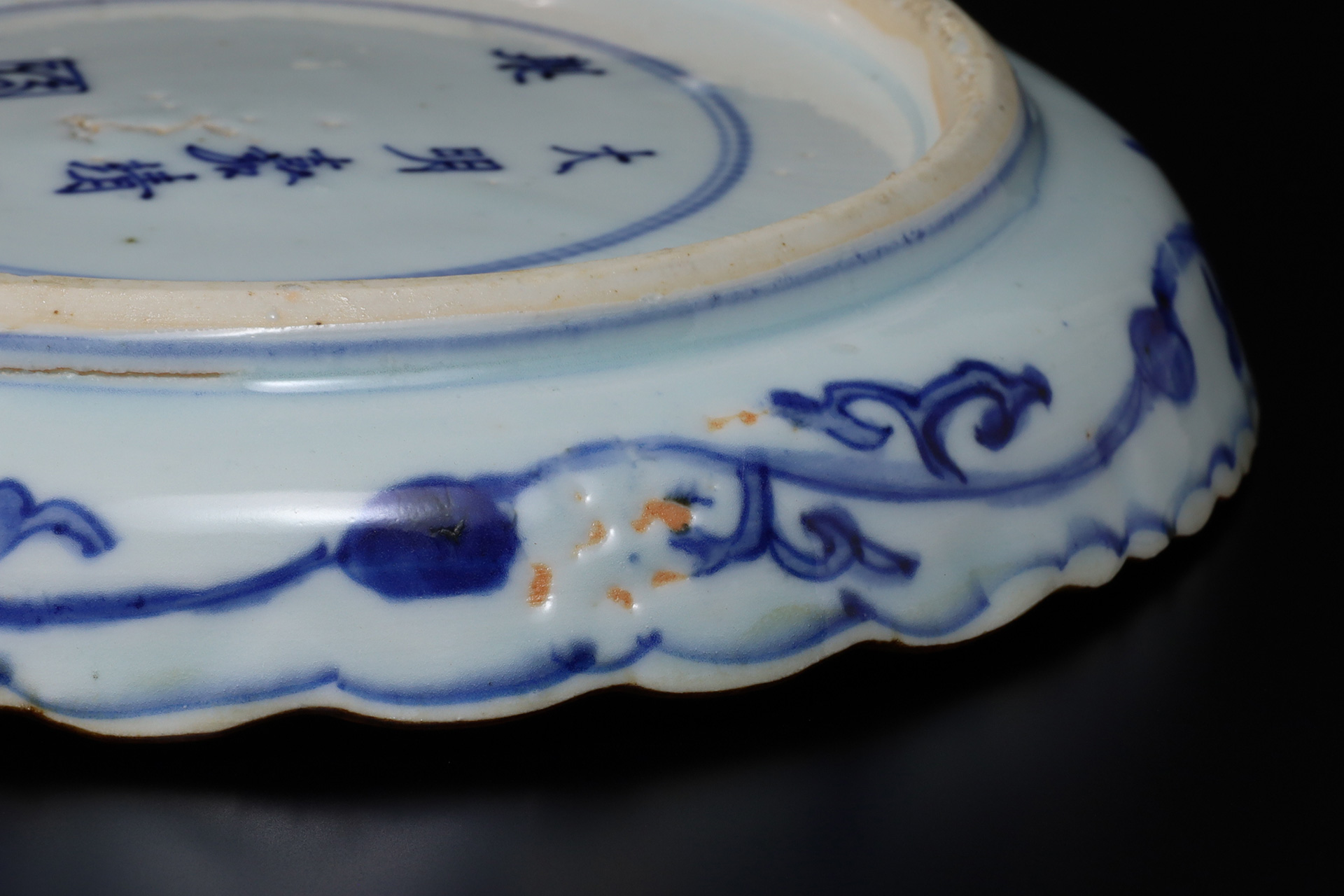
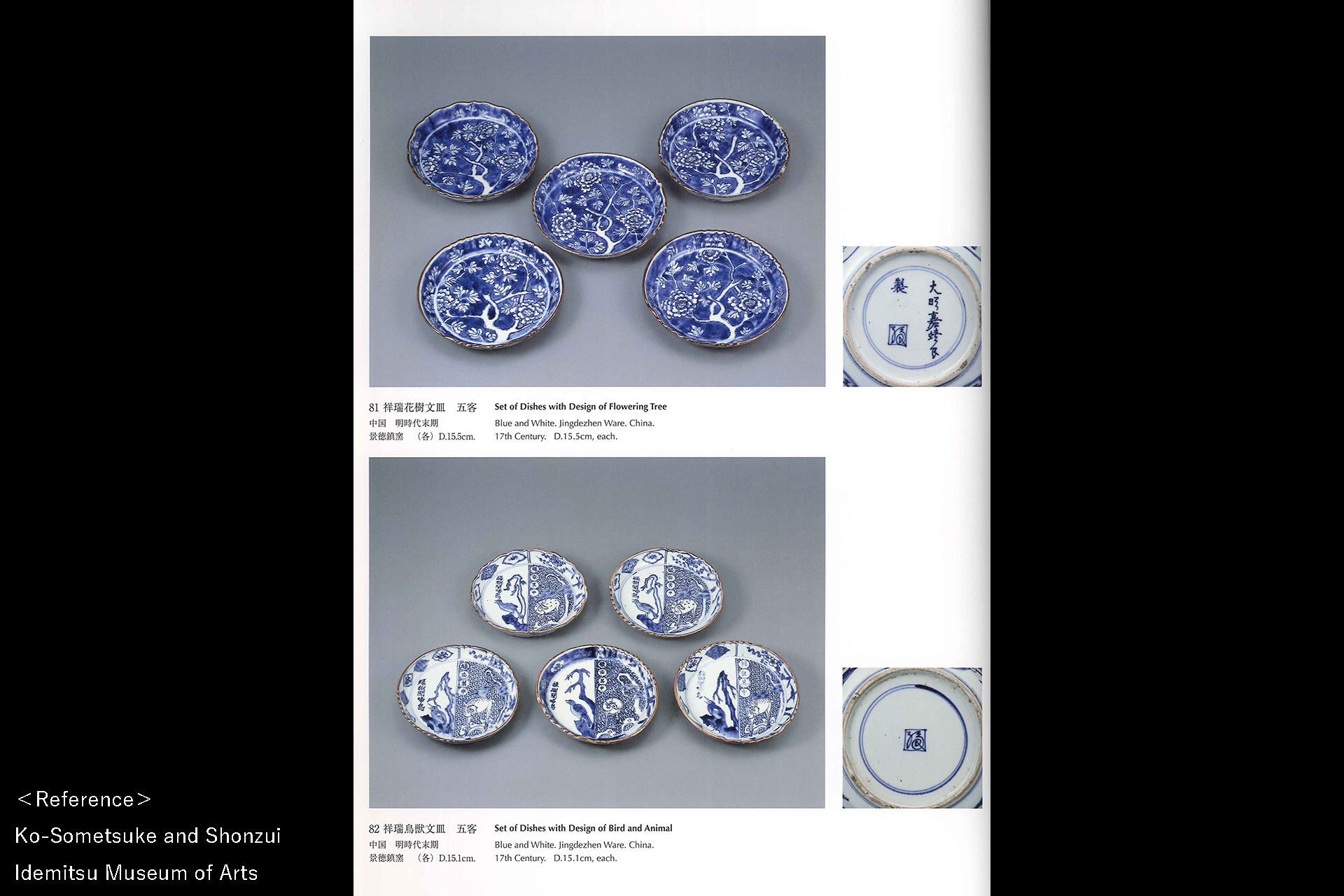
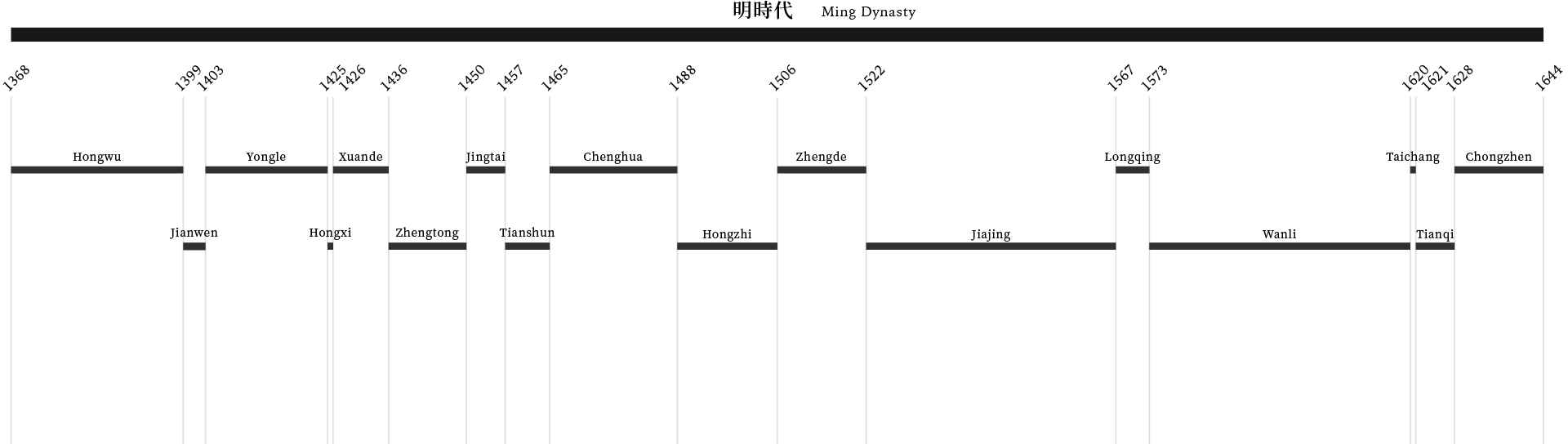
This flat dish is densely adorned across its surface, showcasing the crisp brilliance unique to Shonzui. At its center blooms a peony—revered as the “King of a Hundred Flowers”—radiating refined dignity. Surrounding it, auspicious motifs of pine, bamboo, and plum, alongside a fisherman and subtle ground patterns, harmonize in quiet resonance. In ko-sometsuke, insufficient clay refinement often allowed air to enter the rim during firing, resulting in small pitted flaws known as mushikui. Shonzui works, however, are said to employ a distinctive technique: after glazing, the rim glaze is carefully removed and replaced with iron glaze, preventing air intrusion during firing. The dish’s thick, finely wrought asymmetrical form embodies a distinctly Japanese aesthetic sensibility. Within the footring, the hallmark inscription—“Made in the Great Ming Dynasty, Jiajing Era. Fuku.”—speaks to the enduring pride of its artisans.
Inquiry
- Product Code
- 250903-1
- Period
- Ming Dynasty
Early 17th Century
- Weight
- 532g
- Mouth Diameter
- 19.9cm
- Height
- 3.4cm
- Base Diameter
- 14.5cm
- Fittings
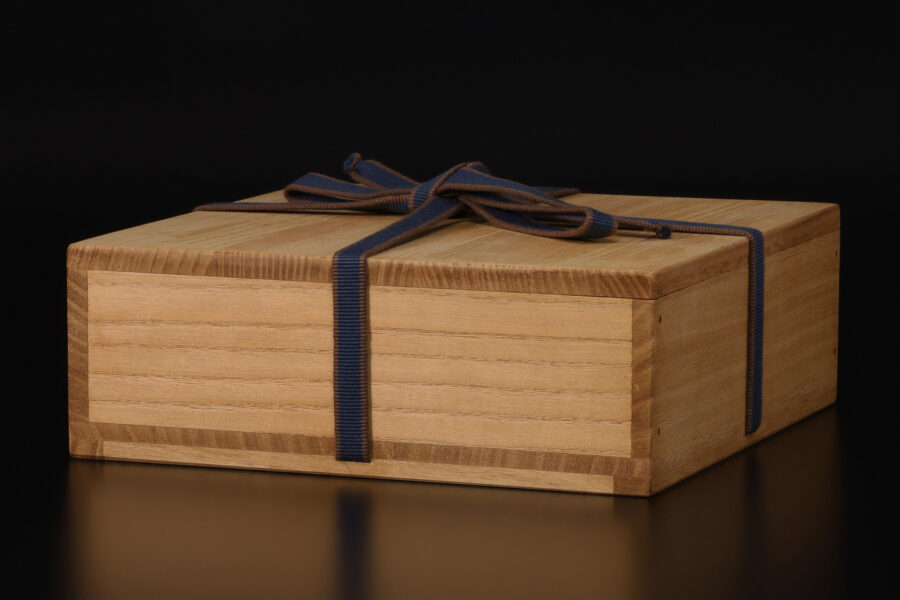
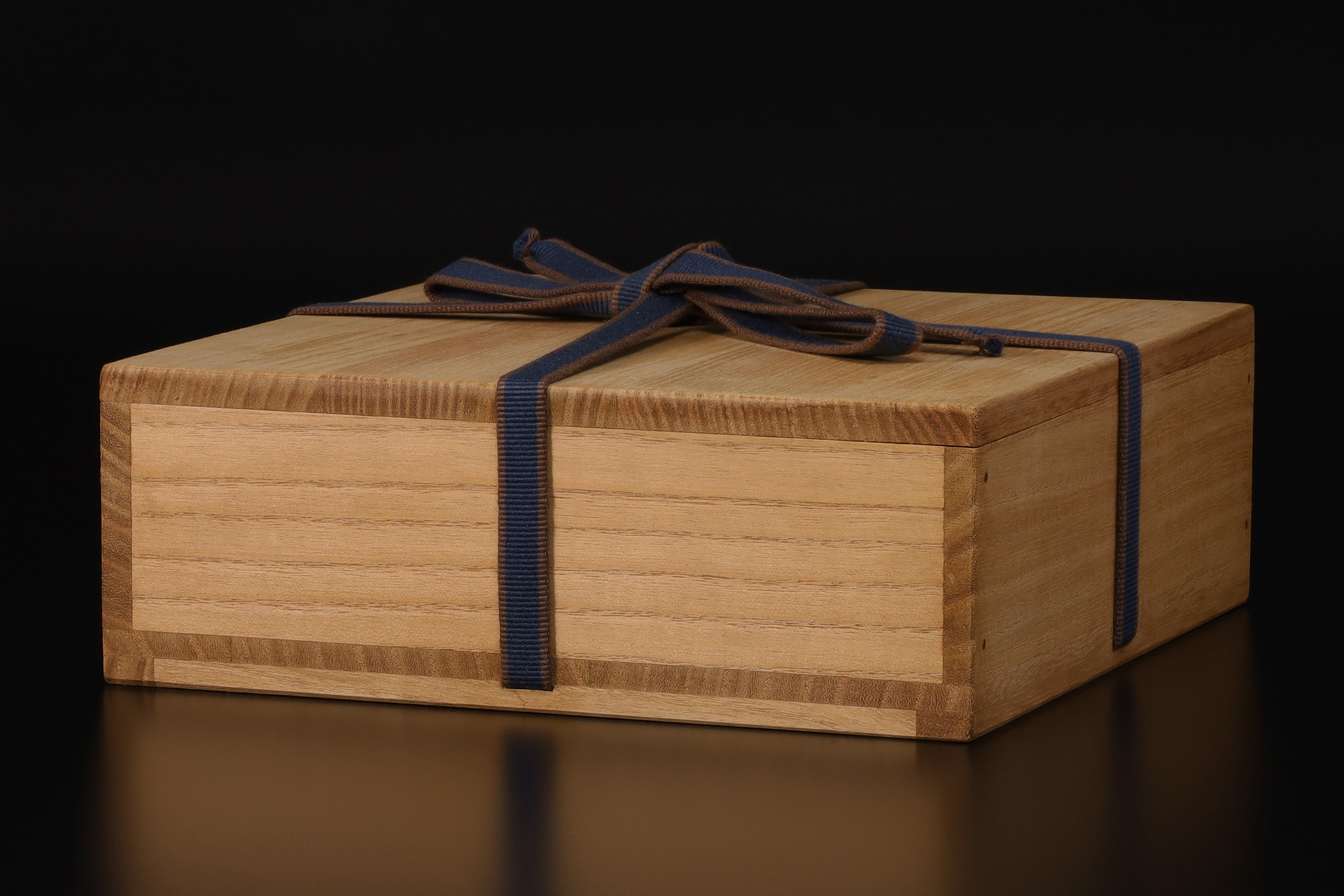
- Paulownia Box
- Condition
- Intact
There is a kiln flaw on the base
It possesses a beautiful surface, ideal cobalt-blue decoration, and an outstanding firing—fulfilling all the conditions of a superior work.

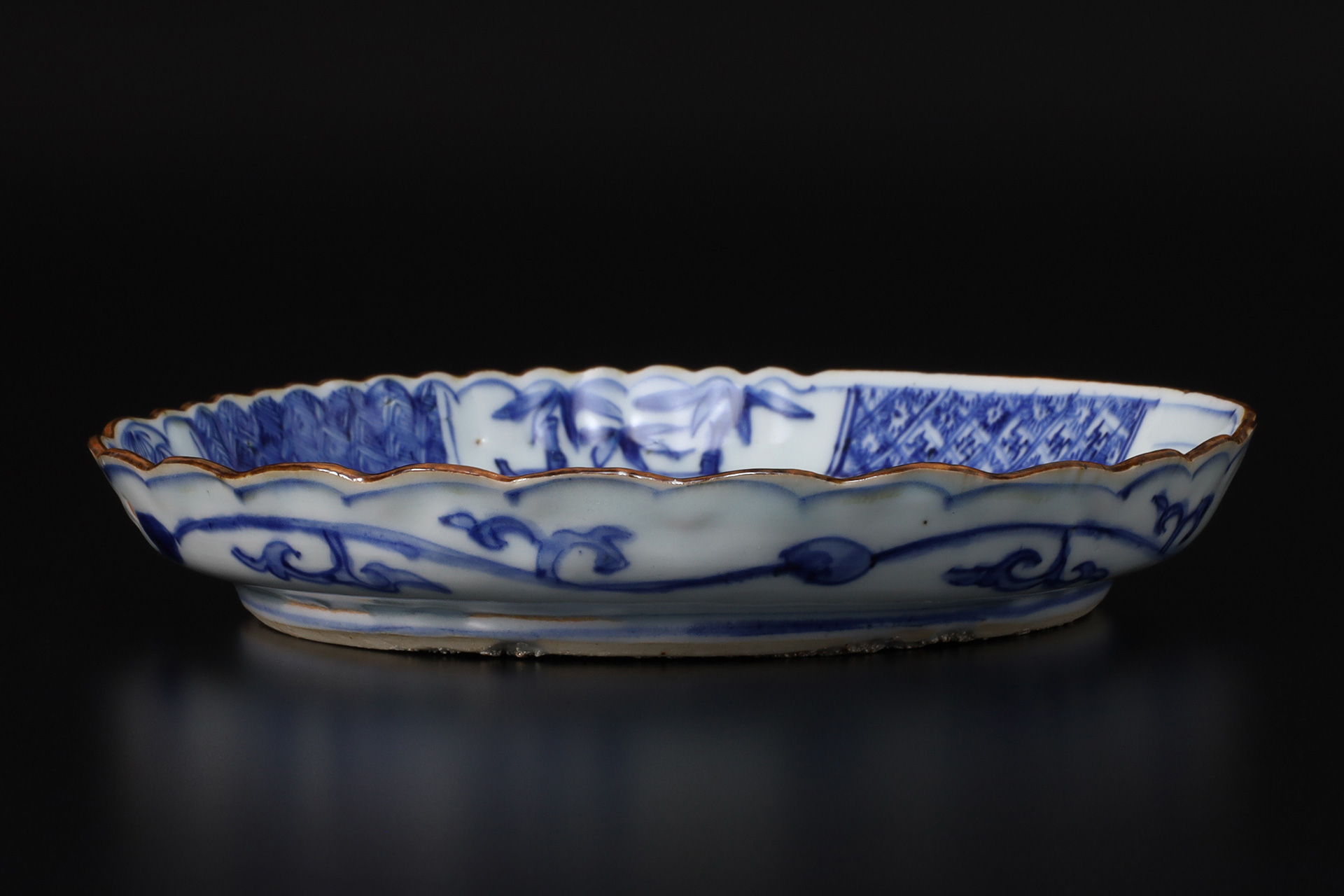
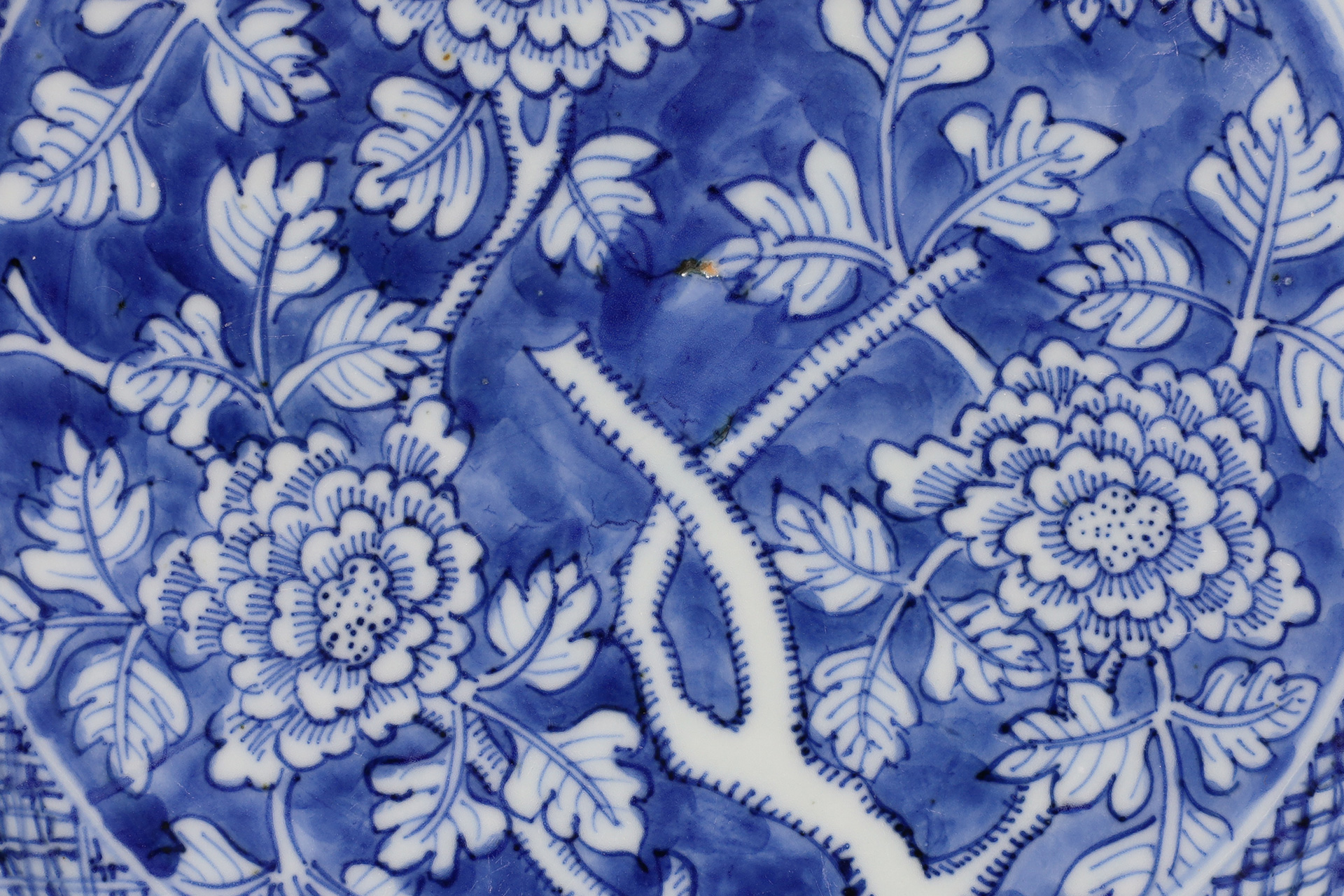
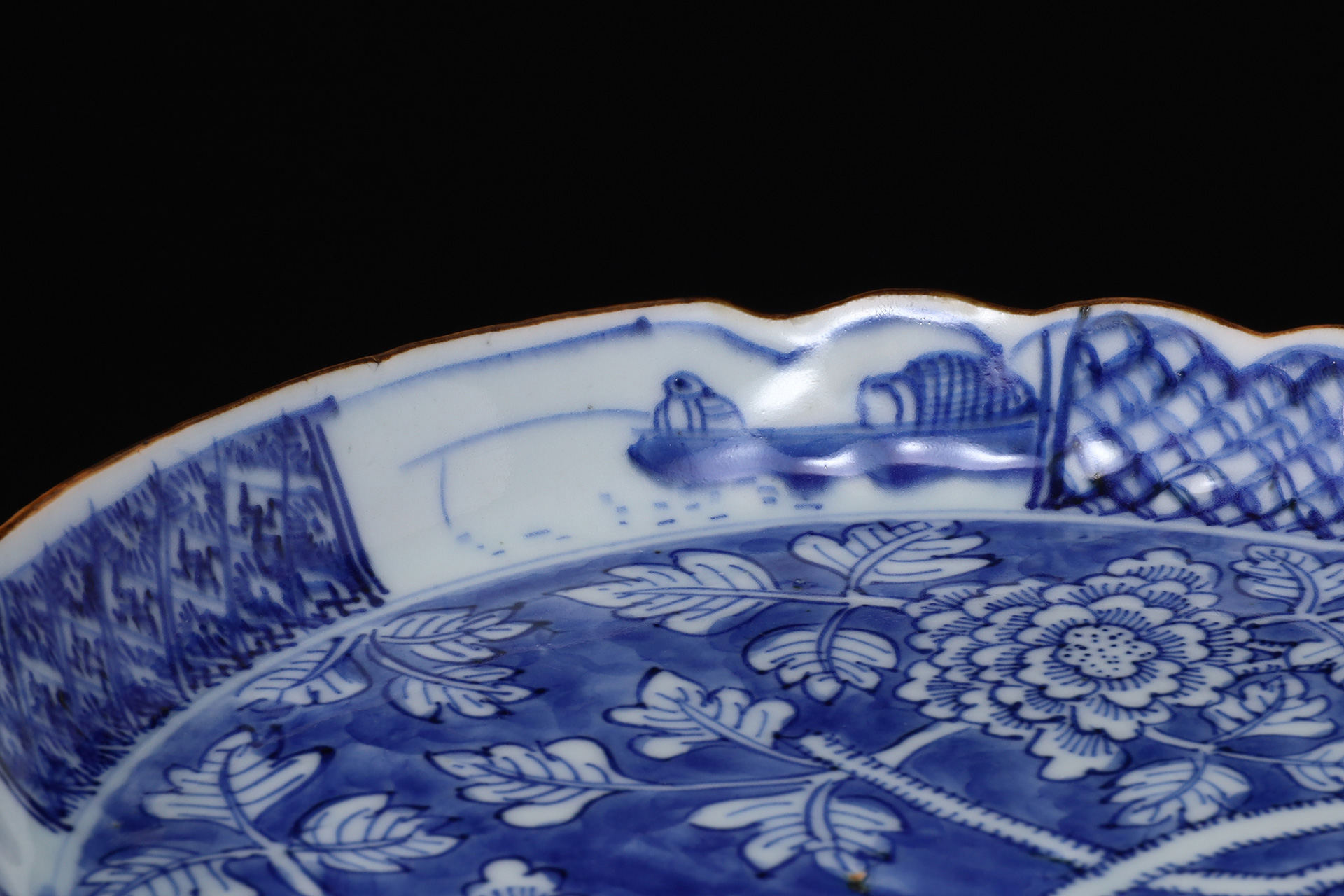
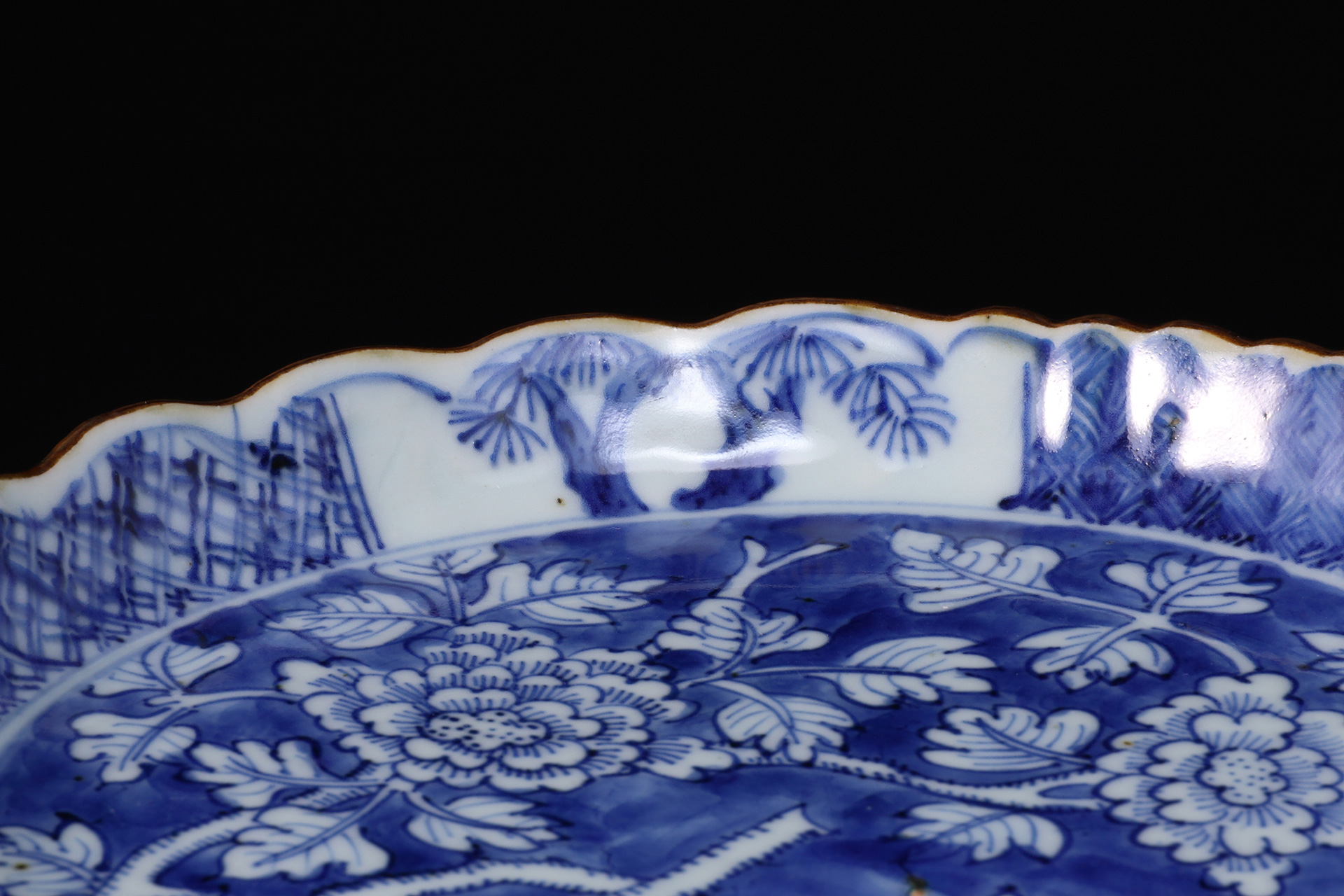
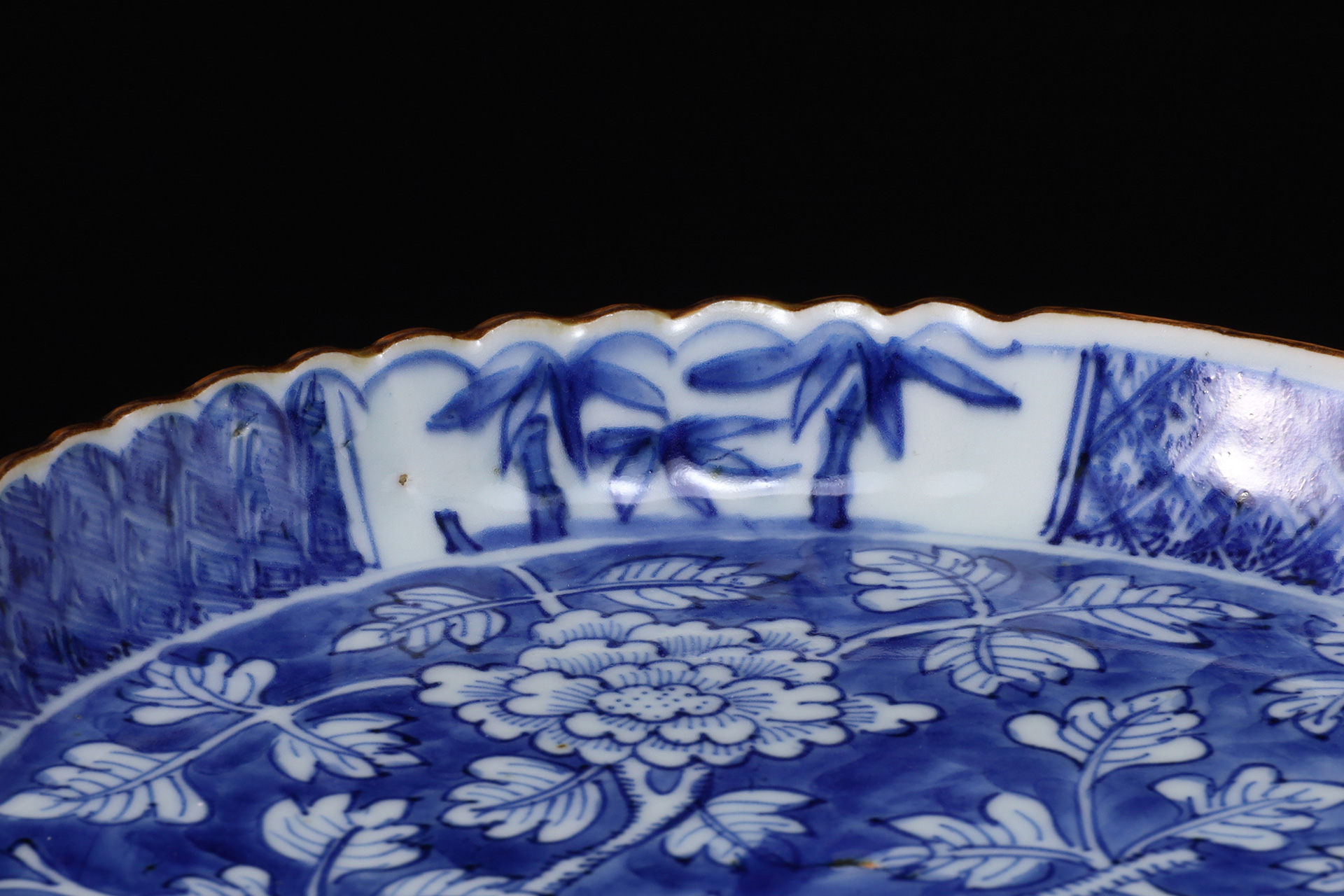
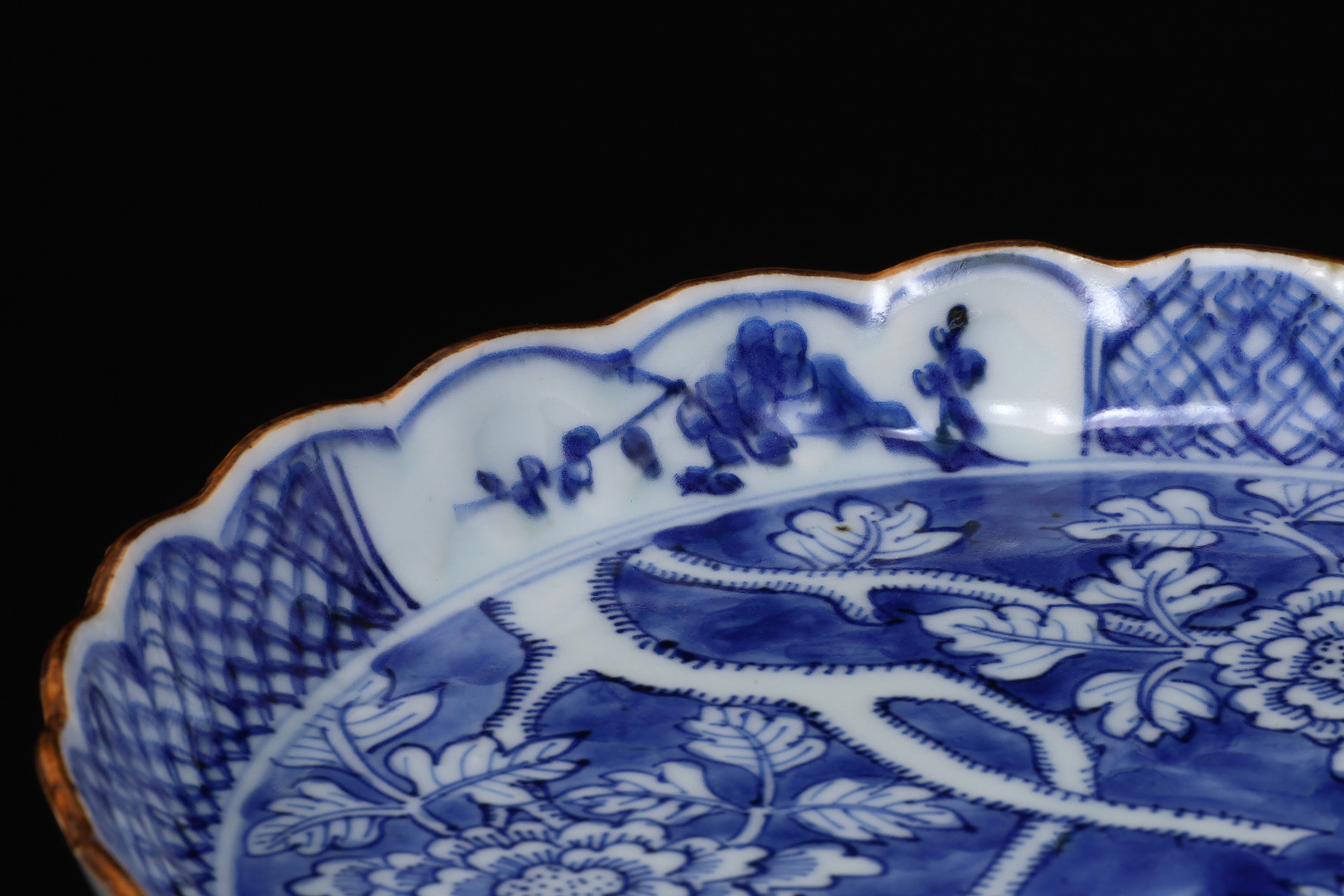
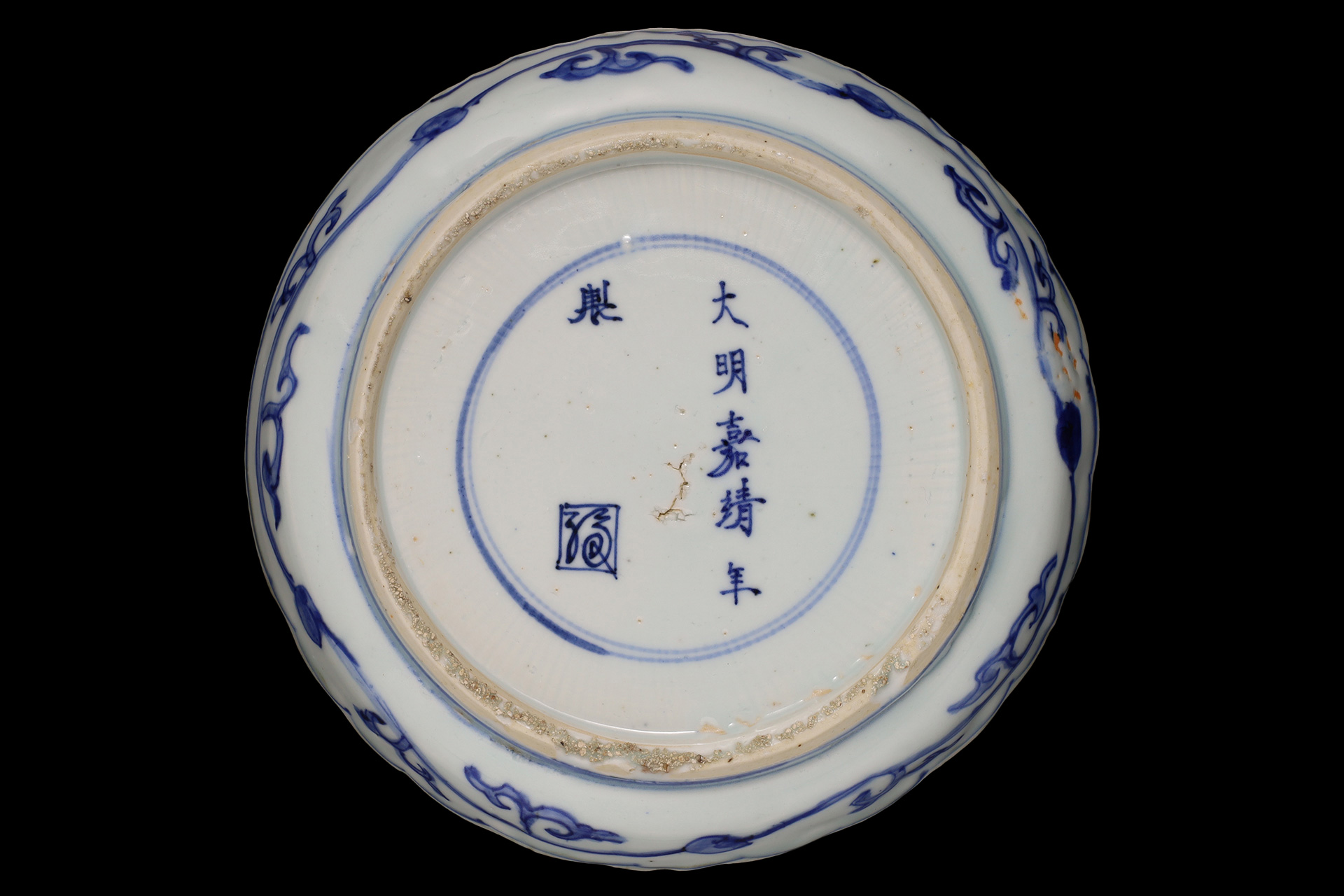
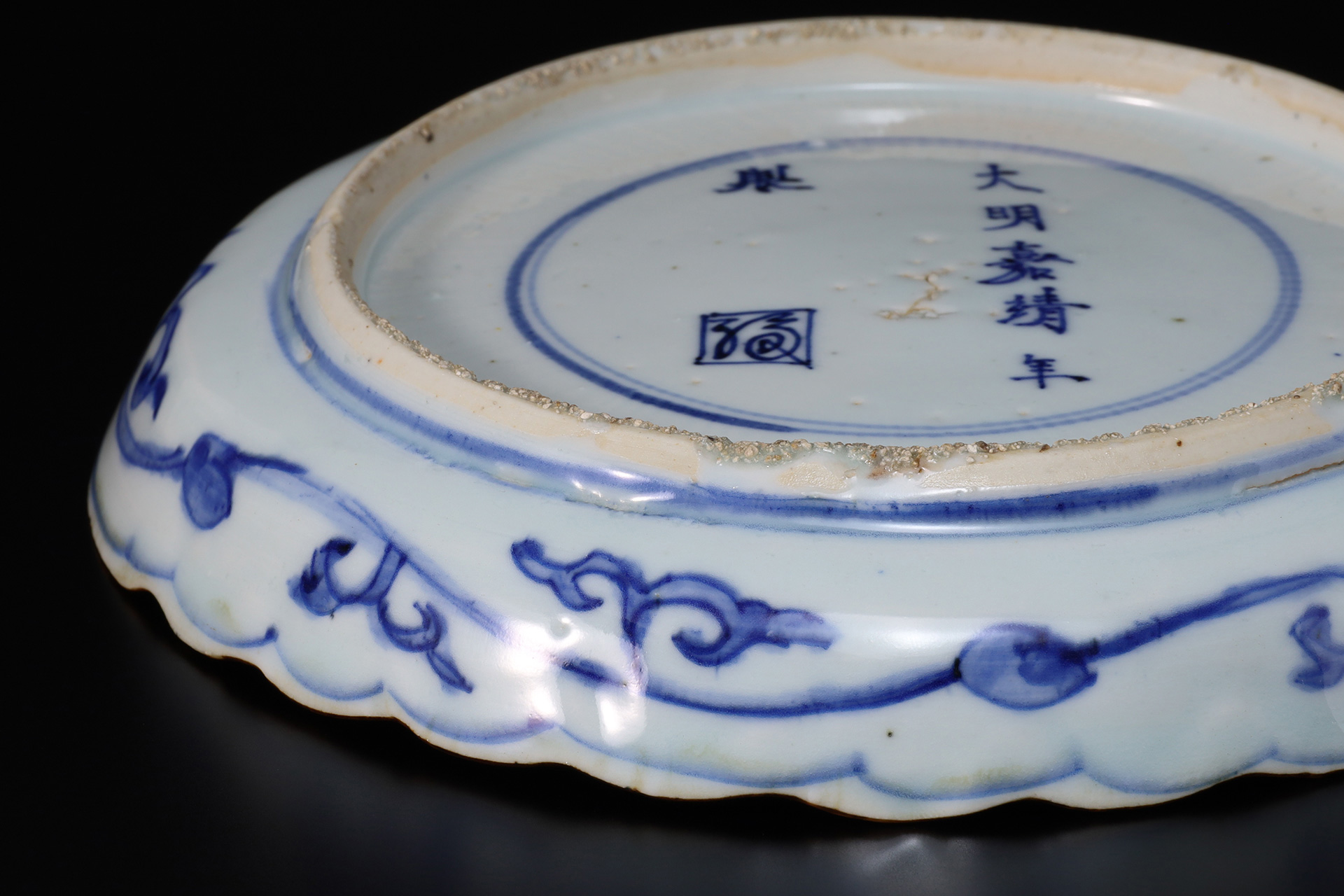


Shonzui
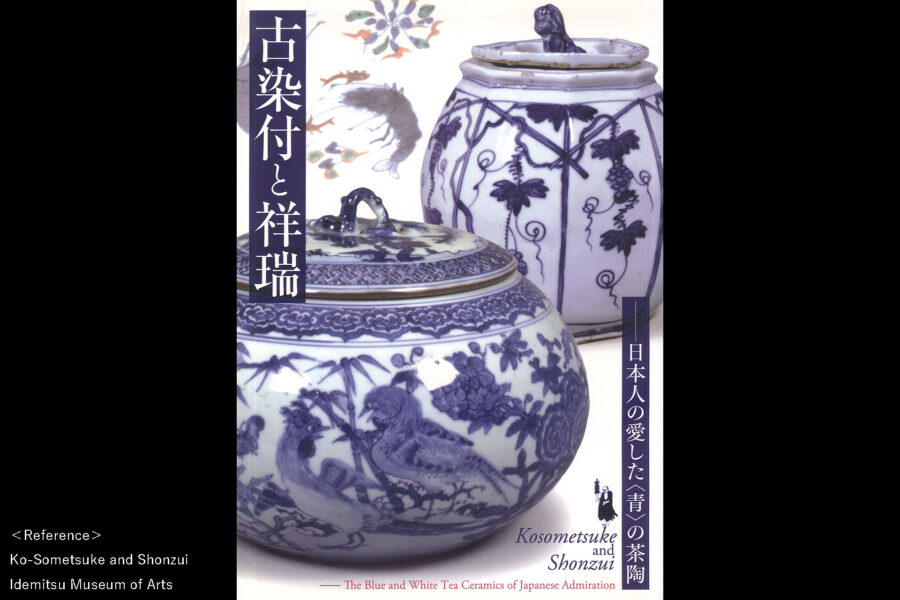
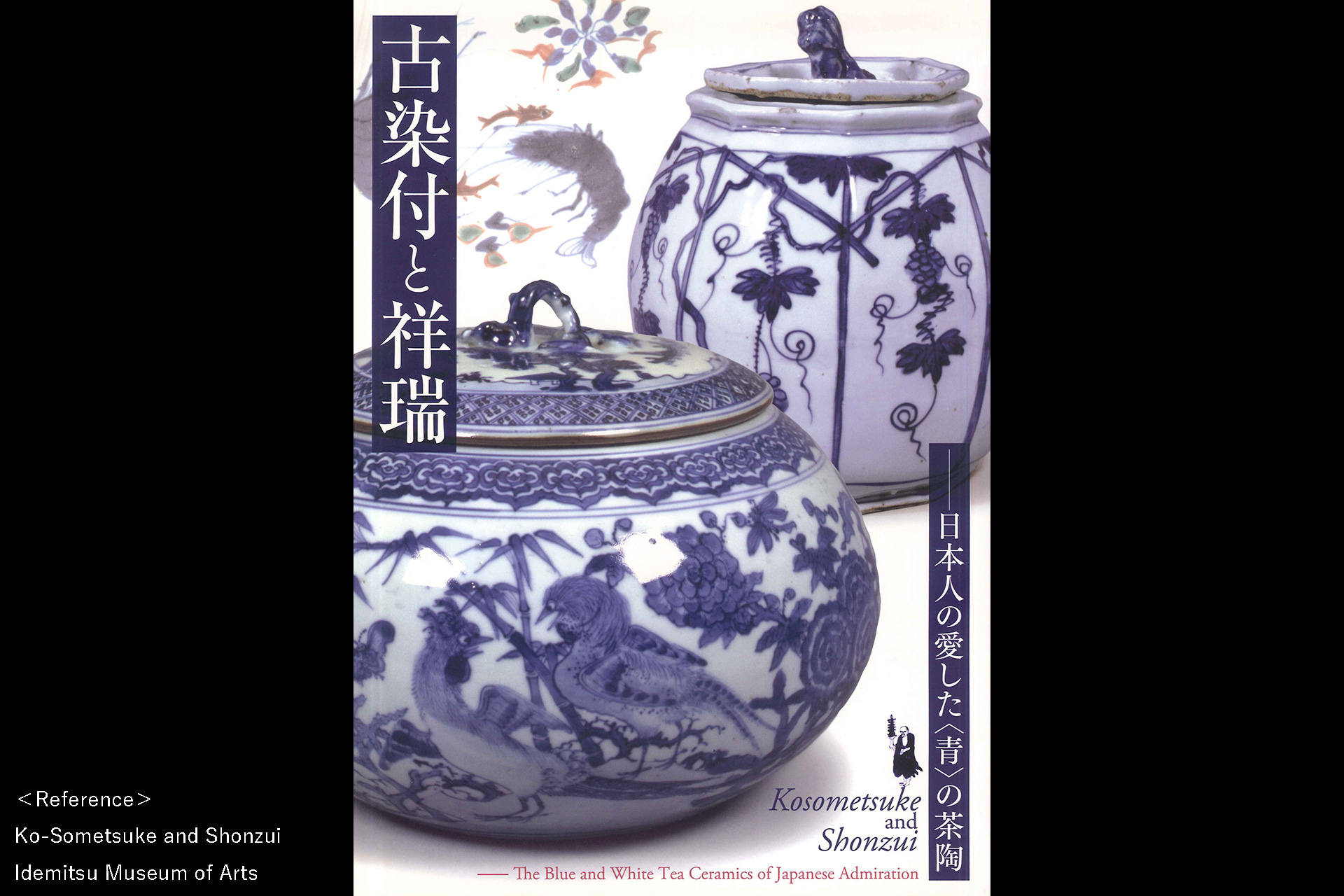
Shonzui refers to the finest porcelain produced at the Jingdezhen folk kilns during the late Ming dynasty, particularly in the Chongzhen era (1628–44). The name derives from the underglaze-blue inscription found on some pieces—“Gorodayu, made by Wu Shonzui”—which has been interpreted to mean “made by the eldest son of the fifth son of the Wu family.” There is also a theory that Kobori Enshu was involved in their production or selection, and these works were embraced by connoisseurs of the highest caliber, including tea masters, samurai, temples, and wealthy merchants. Formed from pure white porcelain clay and shaped with substantial thickness, Shonzui pieces have a weighty presence when held and exude a dignified, commanding aura. The cobalt blue decoration is brilliantly clear, and the glaze possesses a pristine transparency. A distinctive feature is the dense coverage of auspicious motifs and geometric patterns that leave no part of the surface unadorned, creating a style in which opulence and refinement coexist. The forms show the influence of Momoyama-period tea ceramics, and examples include tea utensils such as fresh-water containers, tea bowls, tea caddies, incense containers, chakin tubes, and furidashi, as well as high‑grade tableware such as sake bottles, bowls, mukozuke, dishes, and sake cups. Incorporating Shonzui into a tea gathering imparts a sense of purity and elegance, harmonizing beautifully with ceramics and overglaze‑enamel wares.