


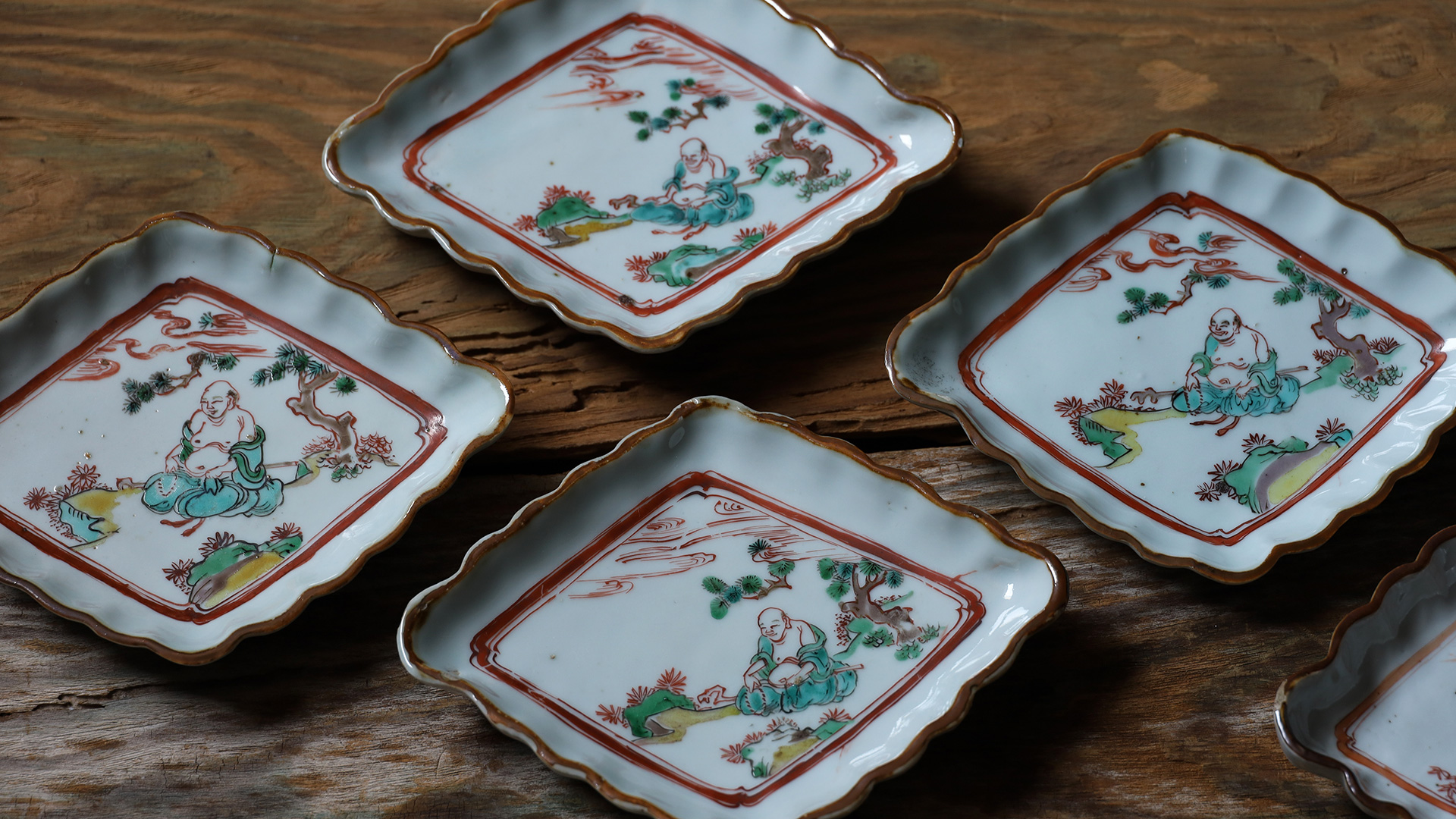
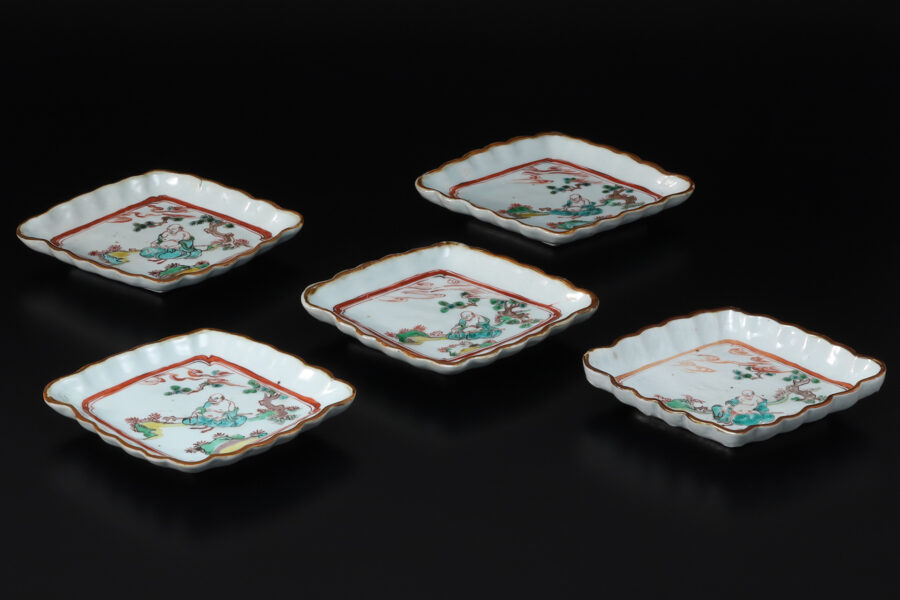
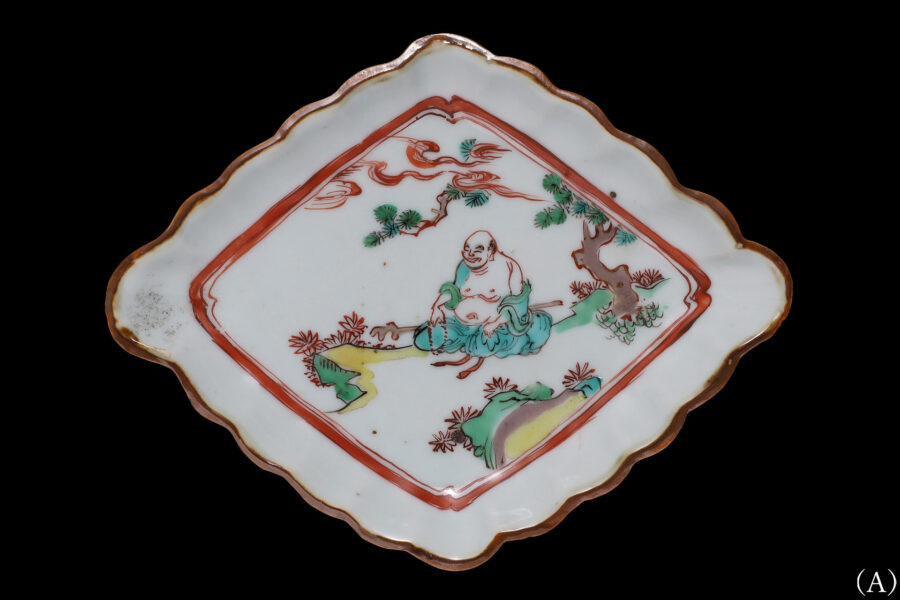
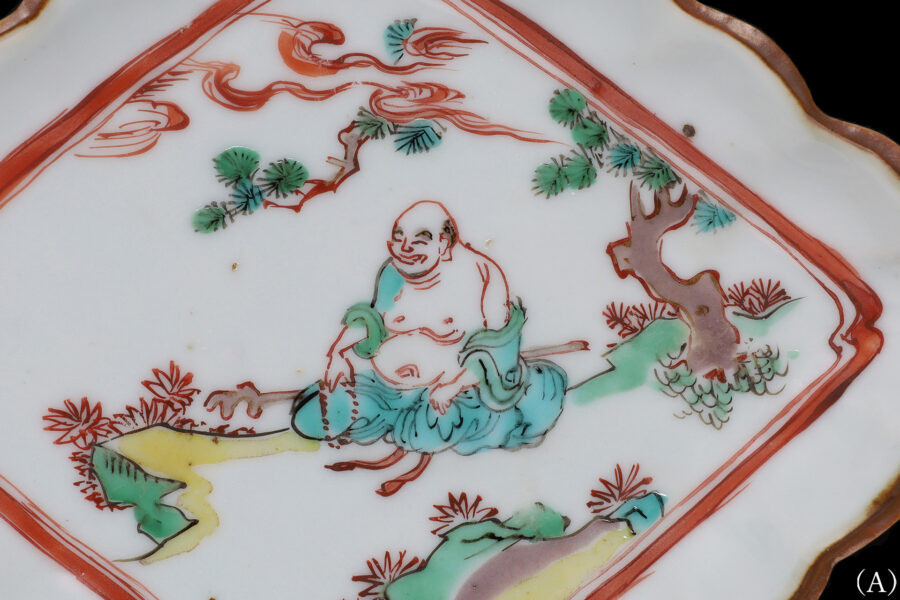
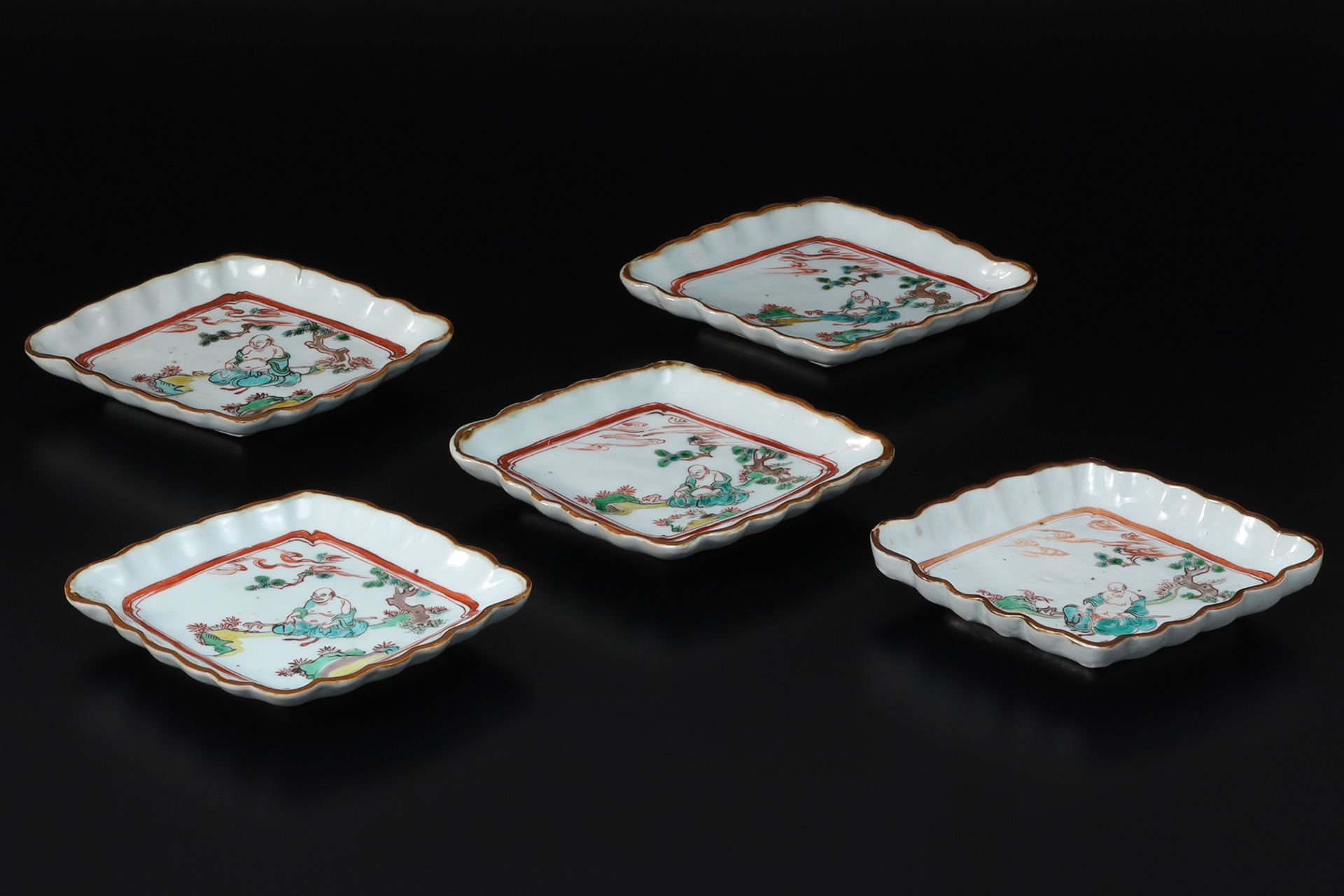
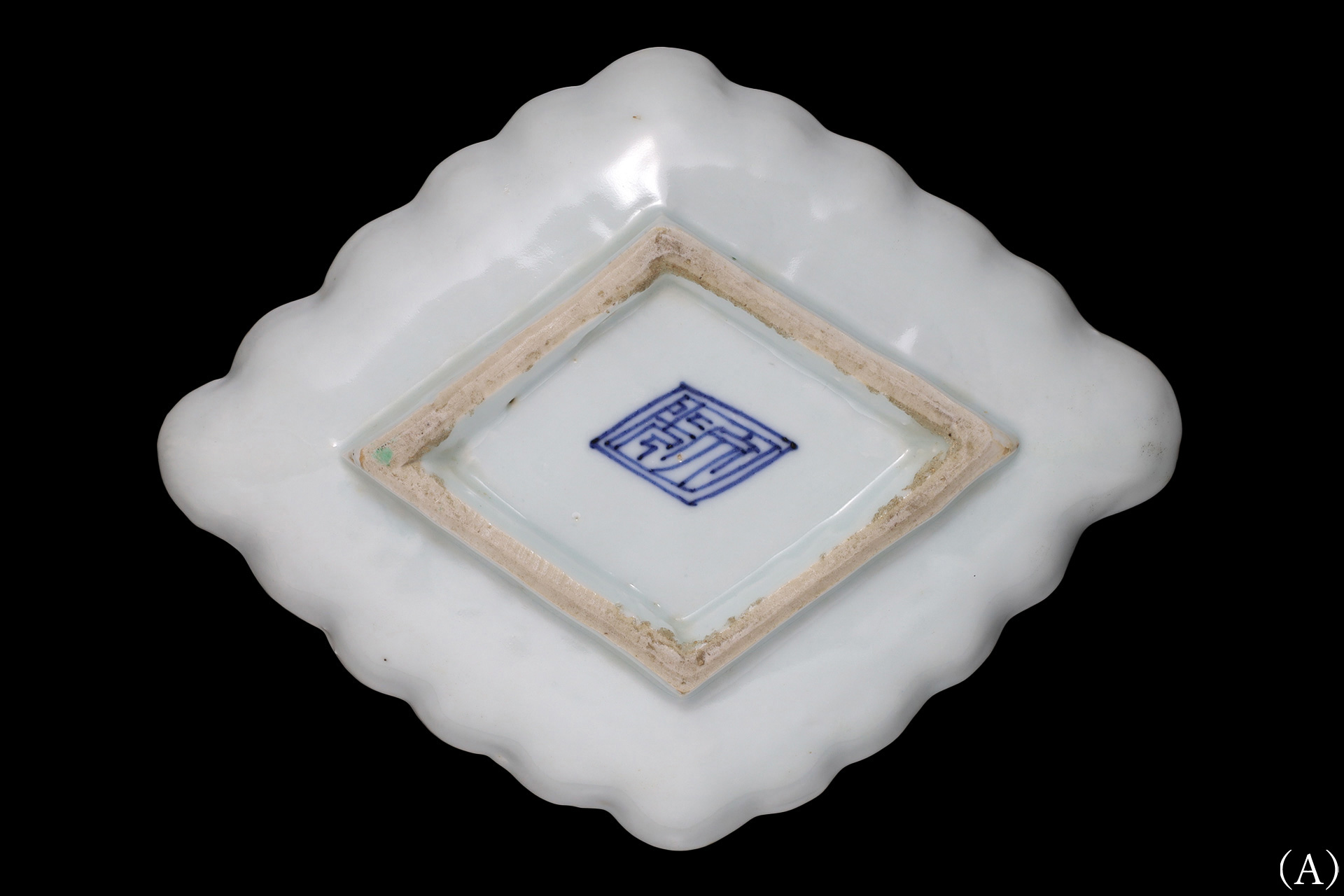
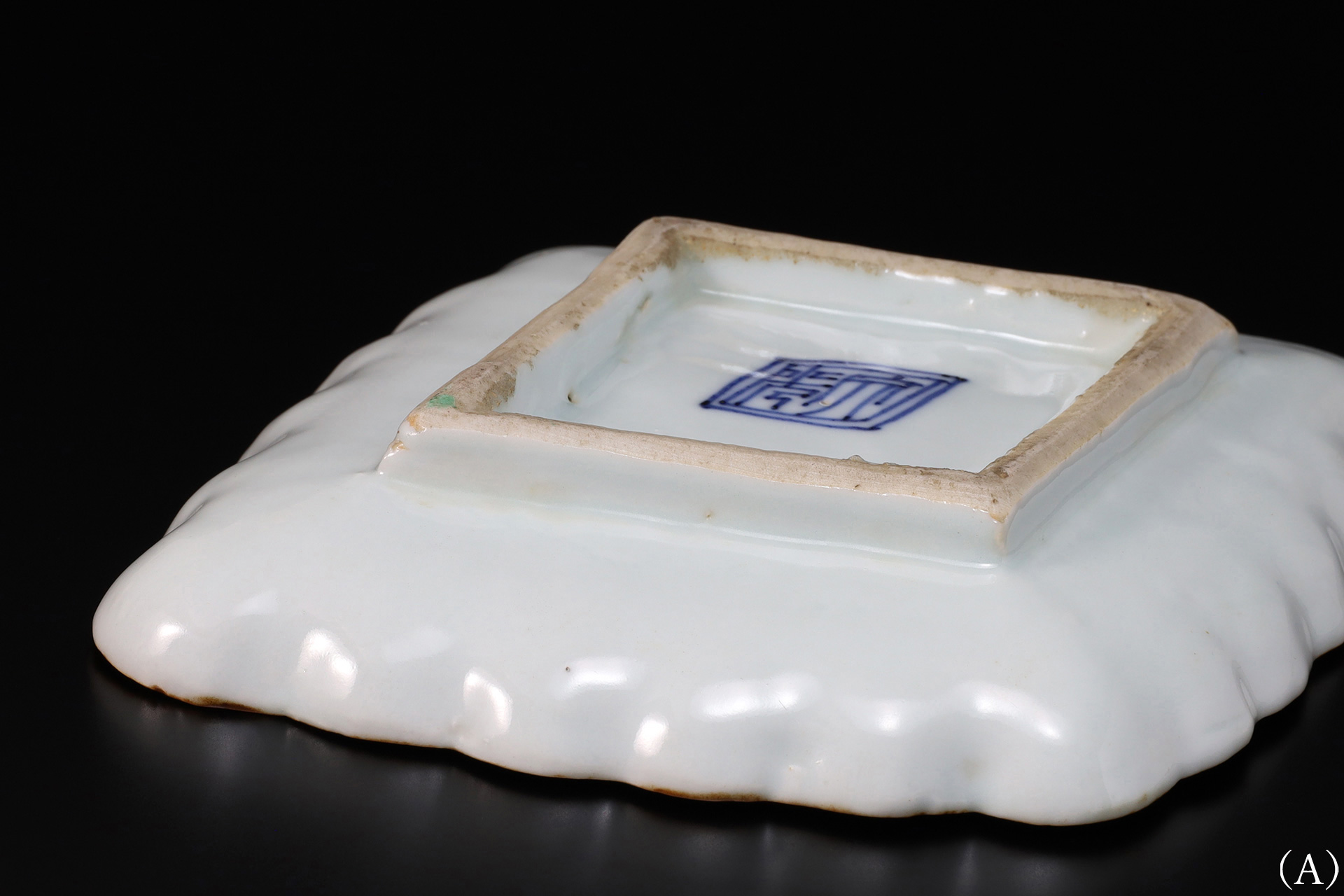
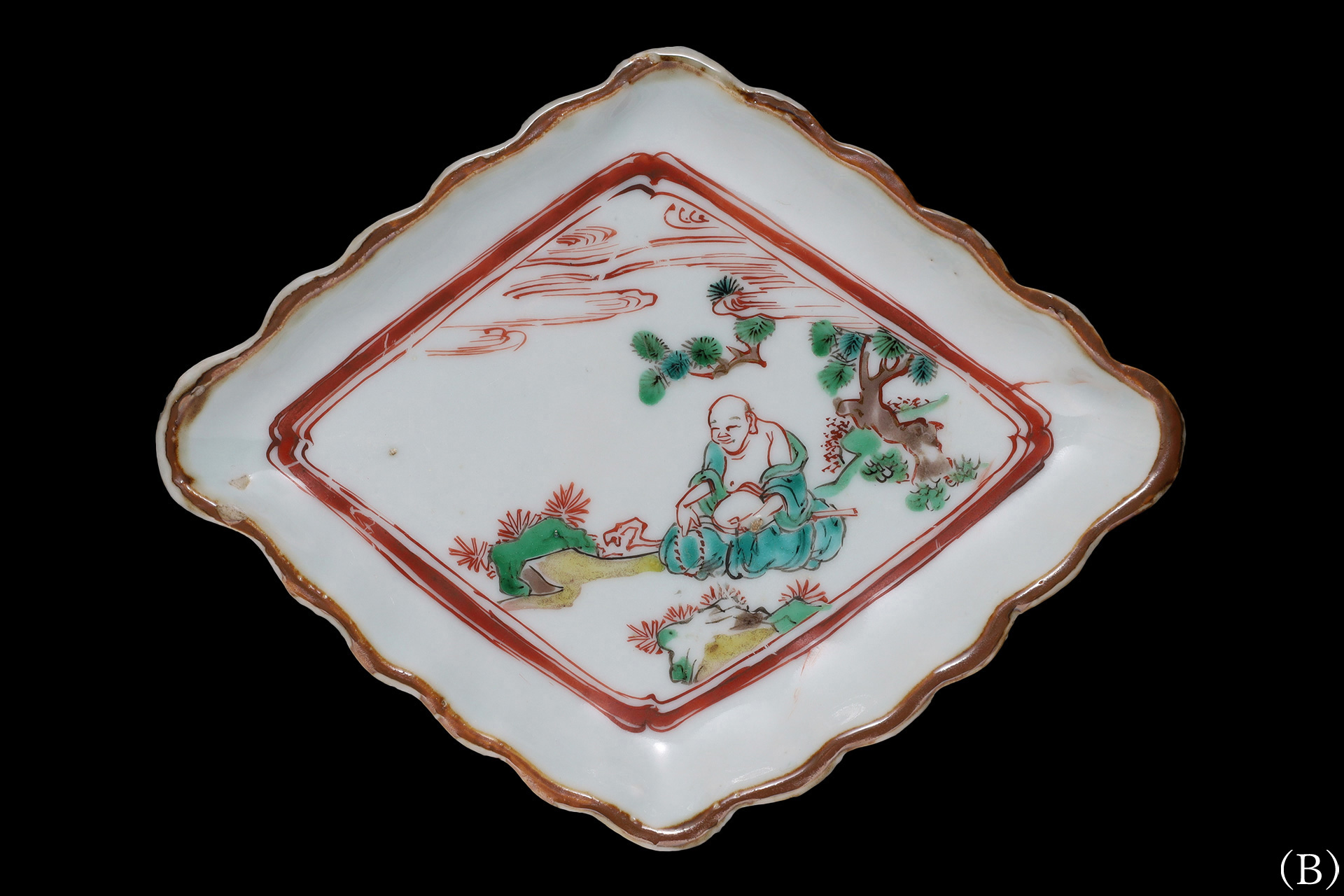
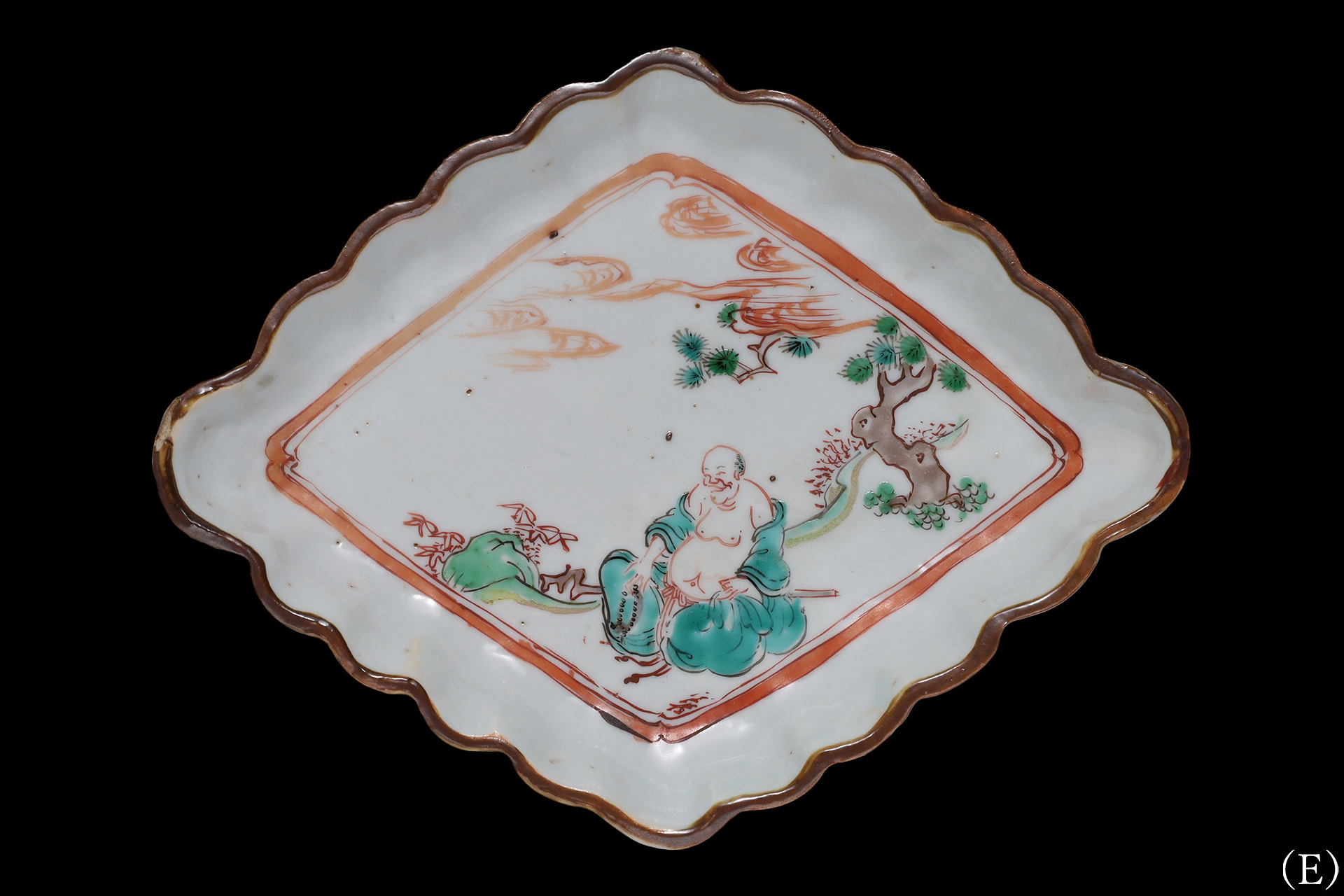
Set of Five Nanking Aka-e Rhombus Dishes with Hotei Motif (Ming – Qing Dynasty)
Sold Out
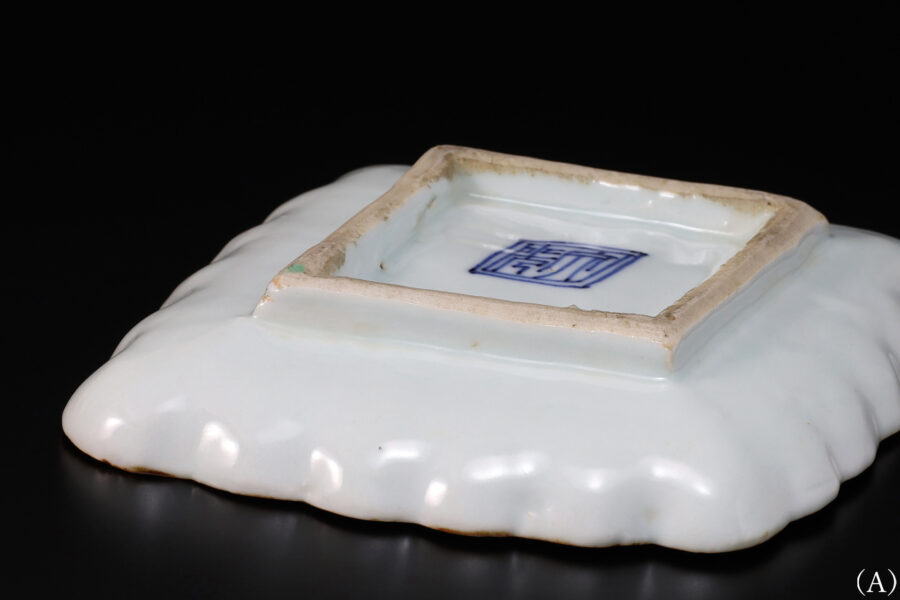
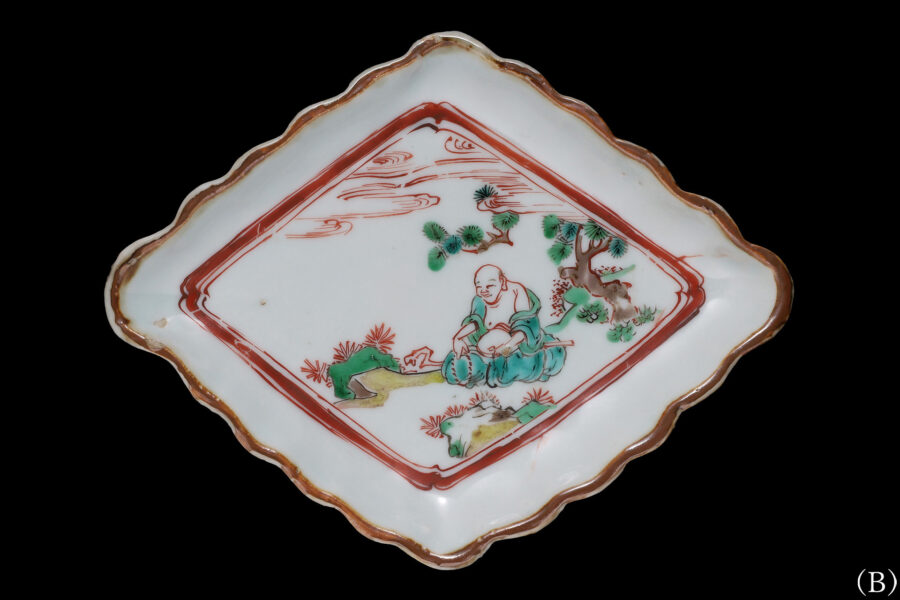
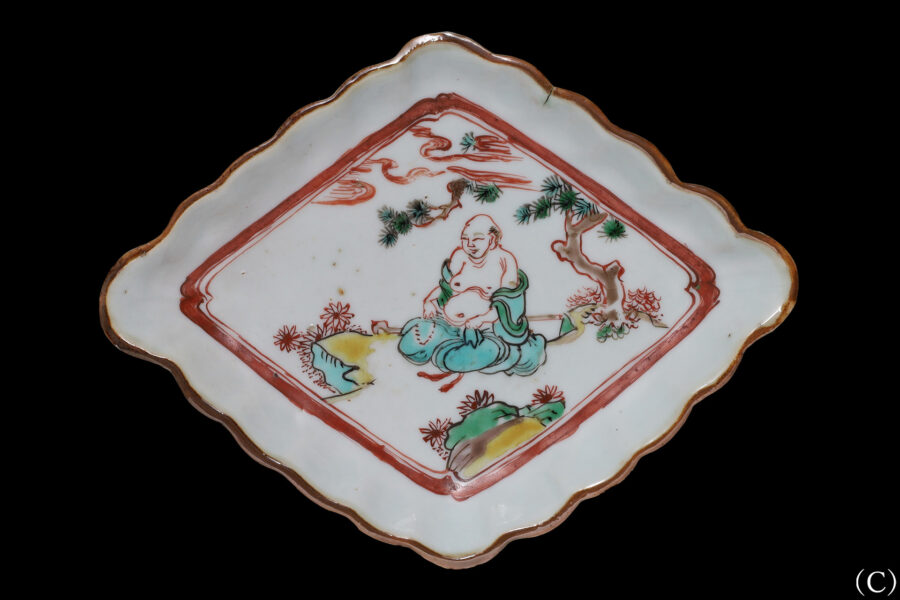
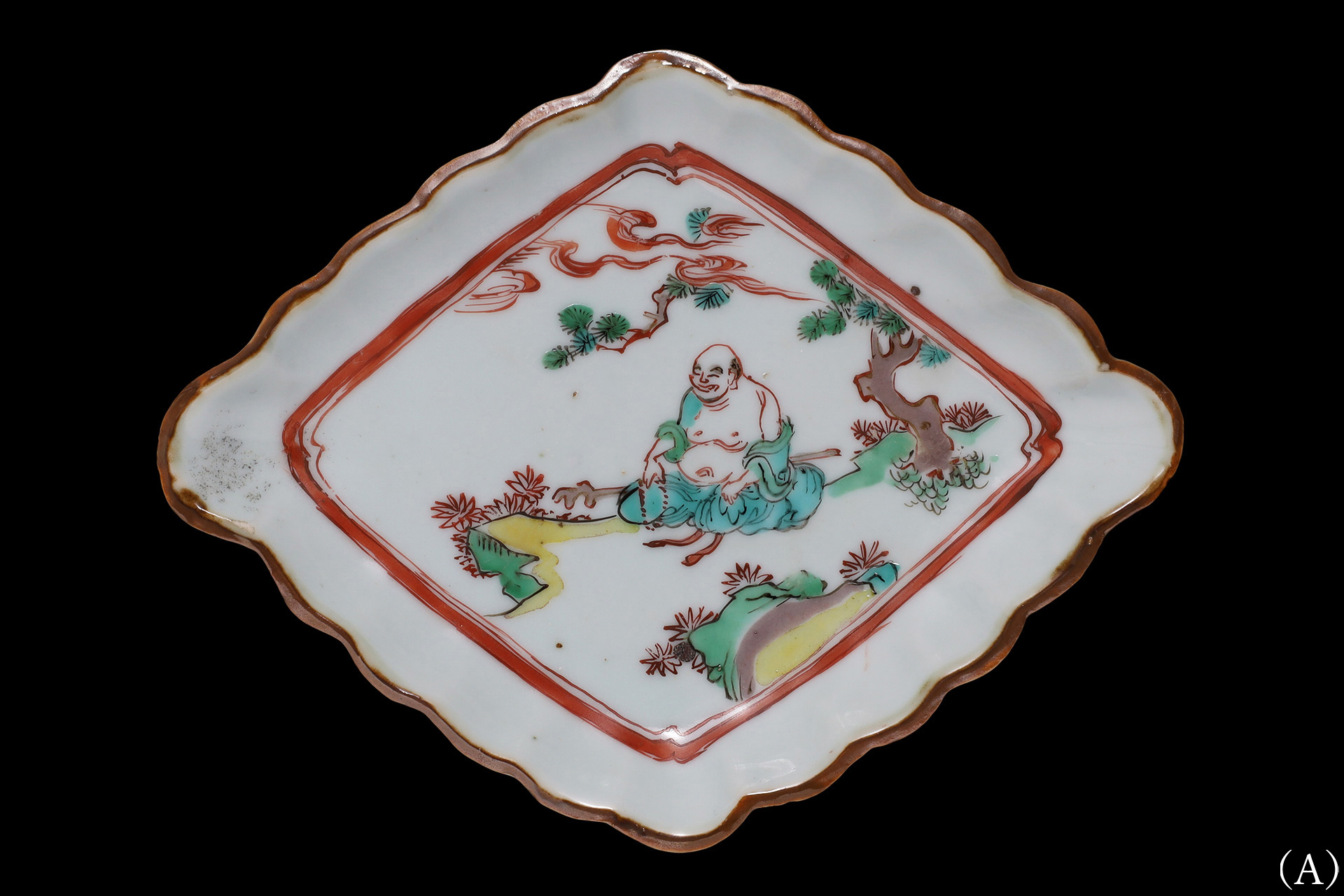
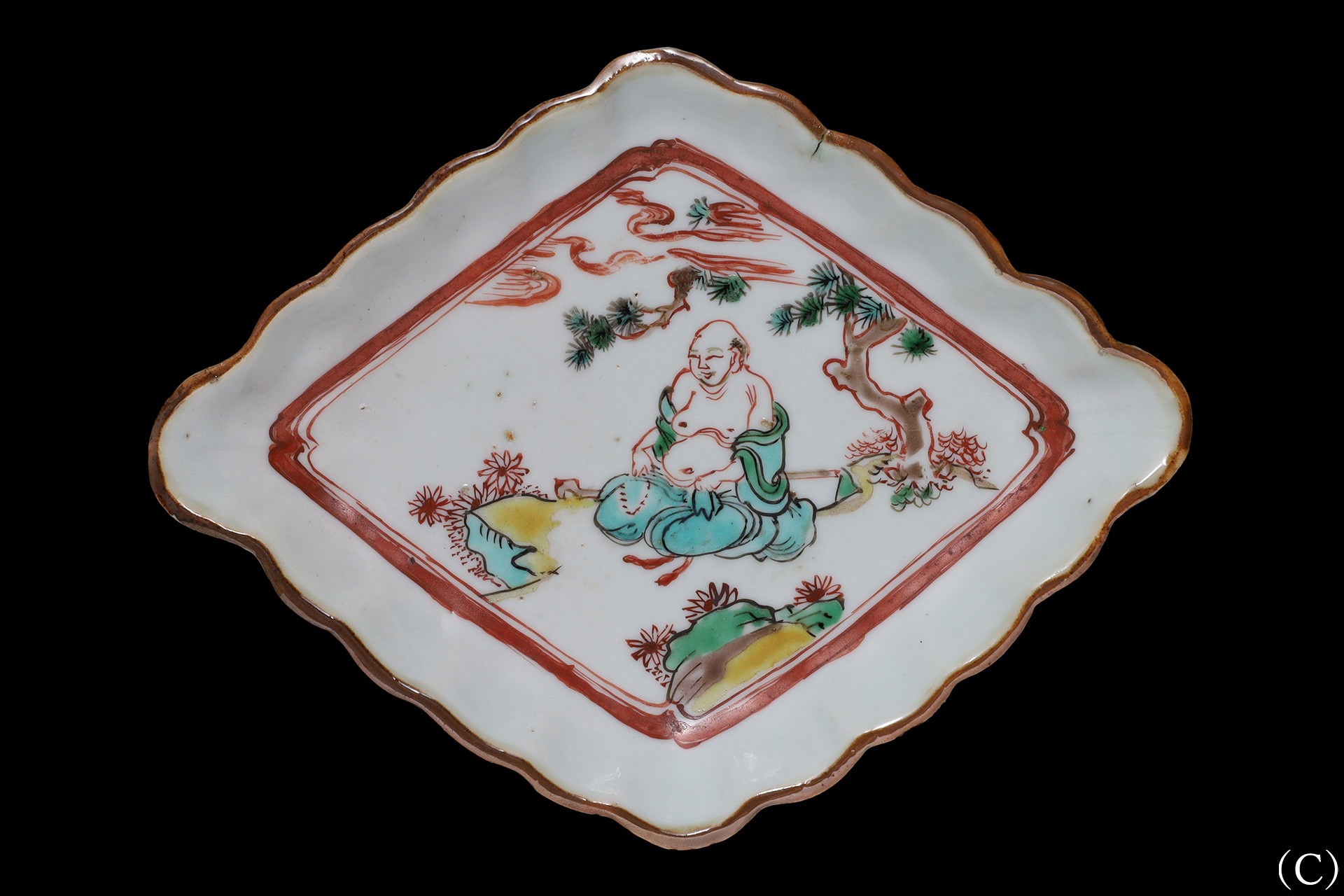
On thick white porcelain, vibrant five-color enamels bloom with spirited freedom. The expressive brushwork of Nanking Aka-e harmonizes with the clarity of the base, quietly honoring the blessings of Hotei. Revered in China as an incarnation of Maitreya, and in Japan as one of the Seven Lucky Gods, he is a symbol of abundance and tranquility.
- Product Code
- 250221-2
- Period
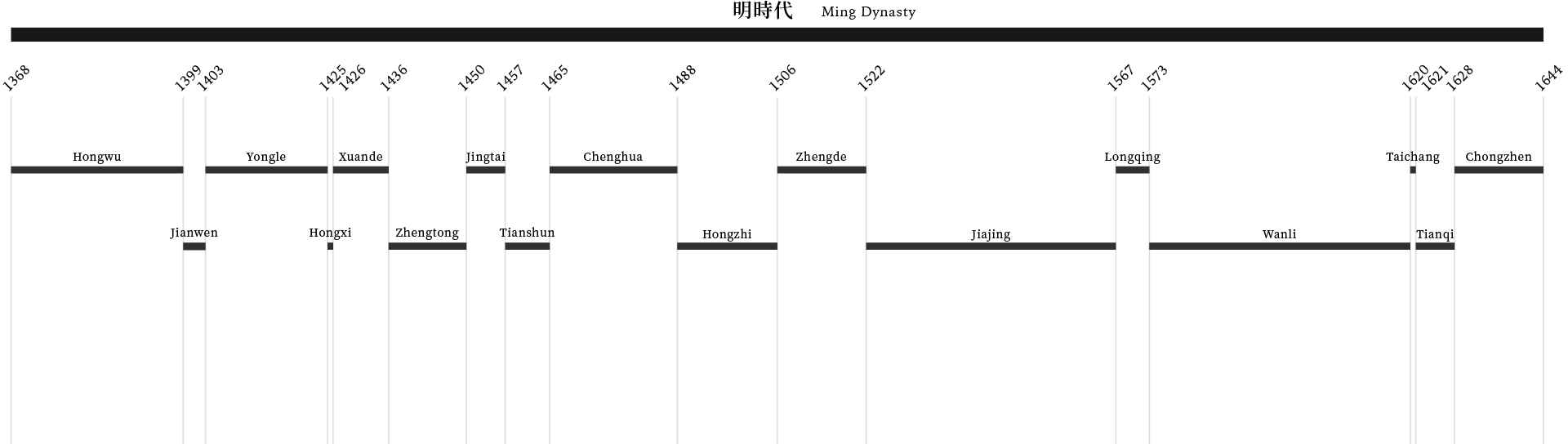
- Ming - Qing Dynasty
17th Century
- Weight
- Approx. 282g Per Piece
- Width × Depth
- Approx. 18.7 × 14.3 cm
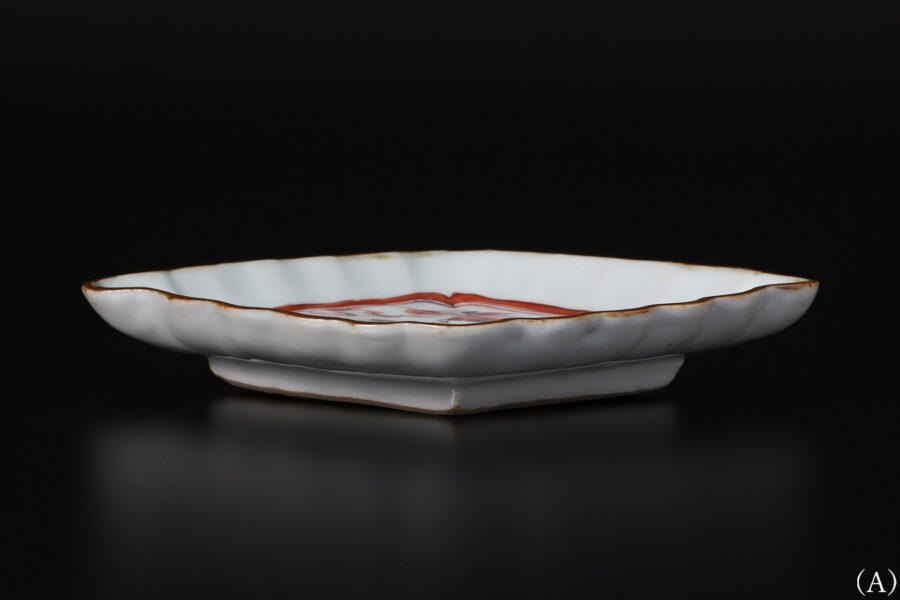
- Height
- Approx. 3.0 cm
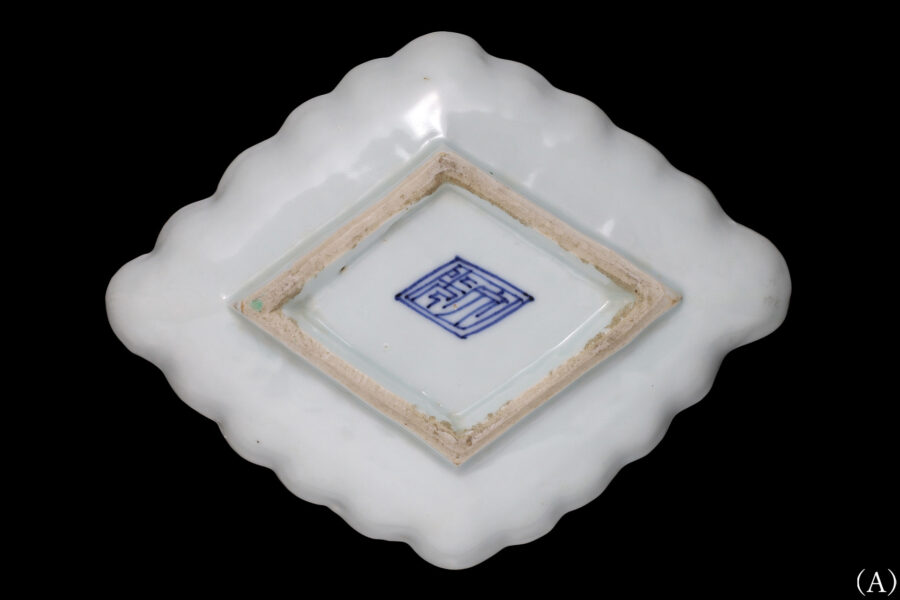
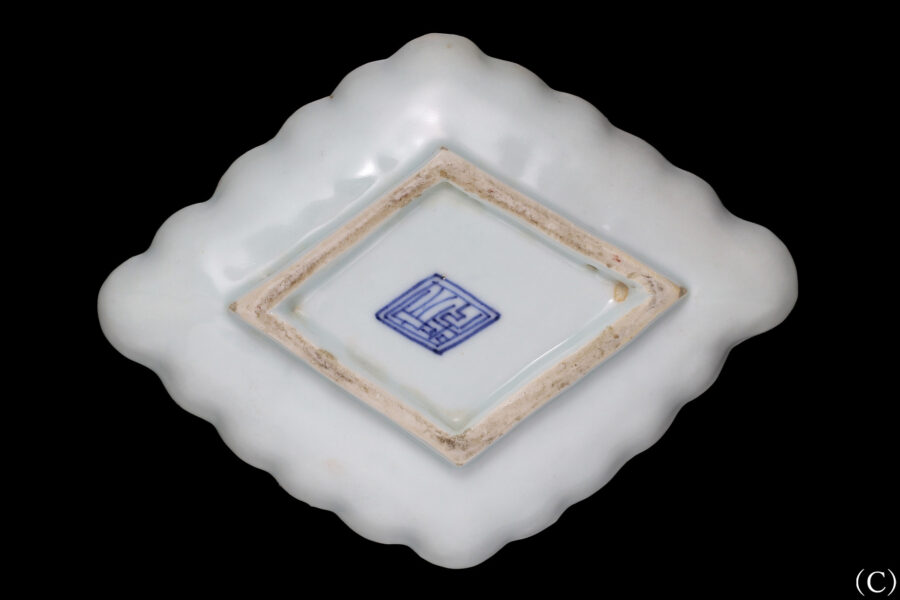
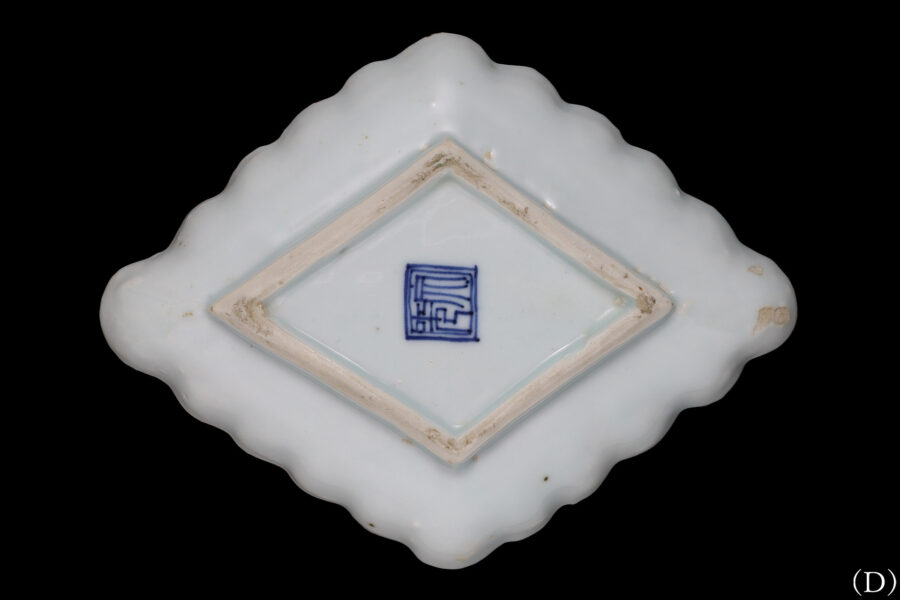
- Bottom Diameter
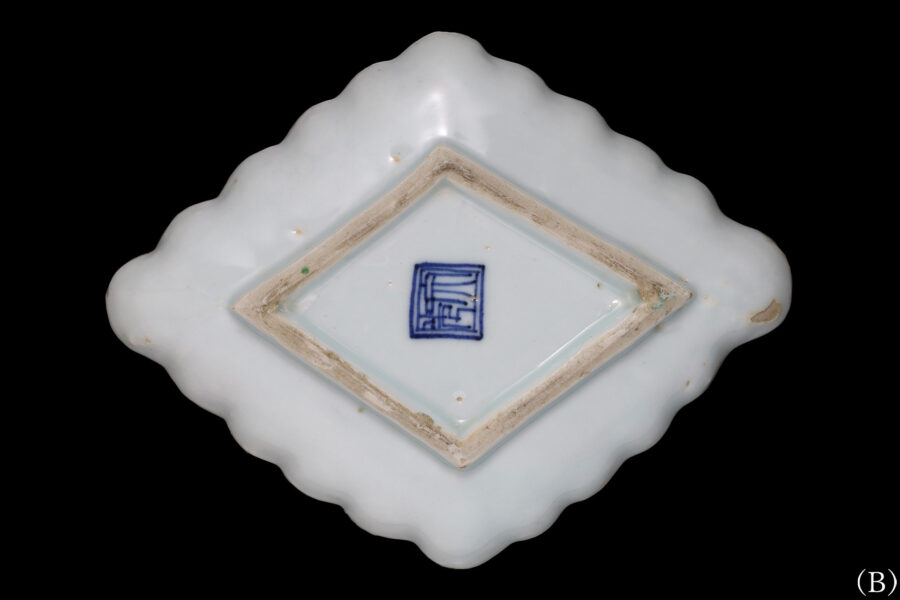
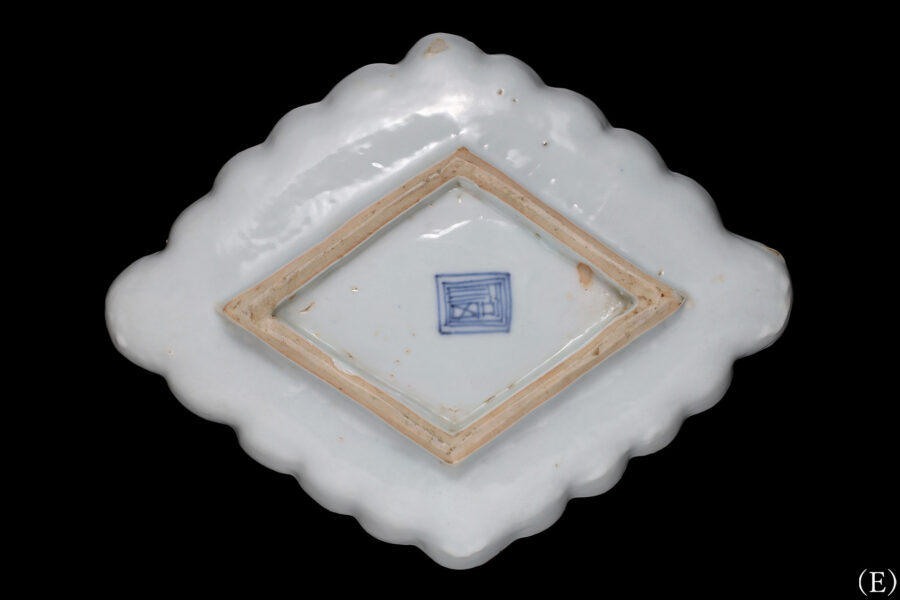
- Approx. 11.3 × 8.1 cm
- Accessories
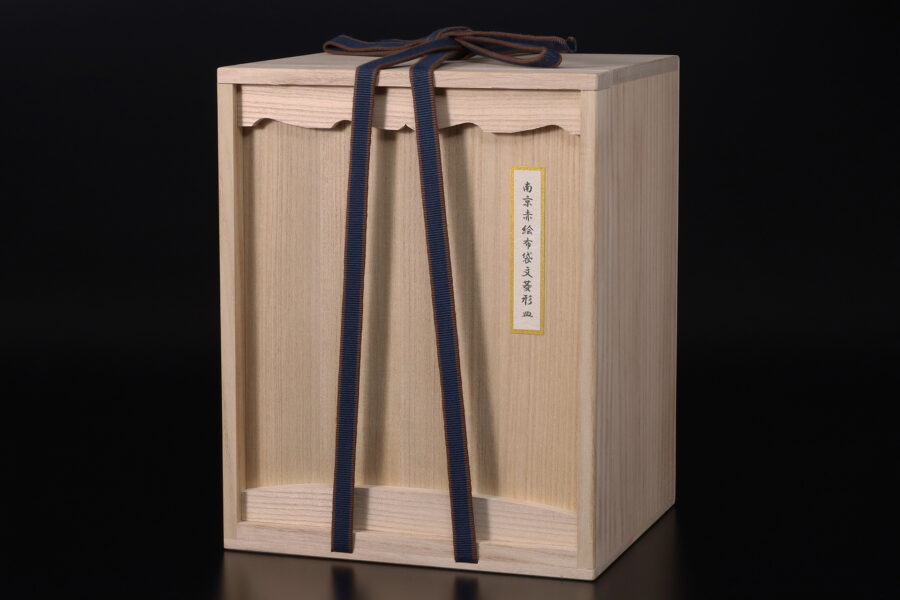
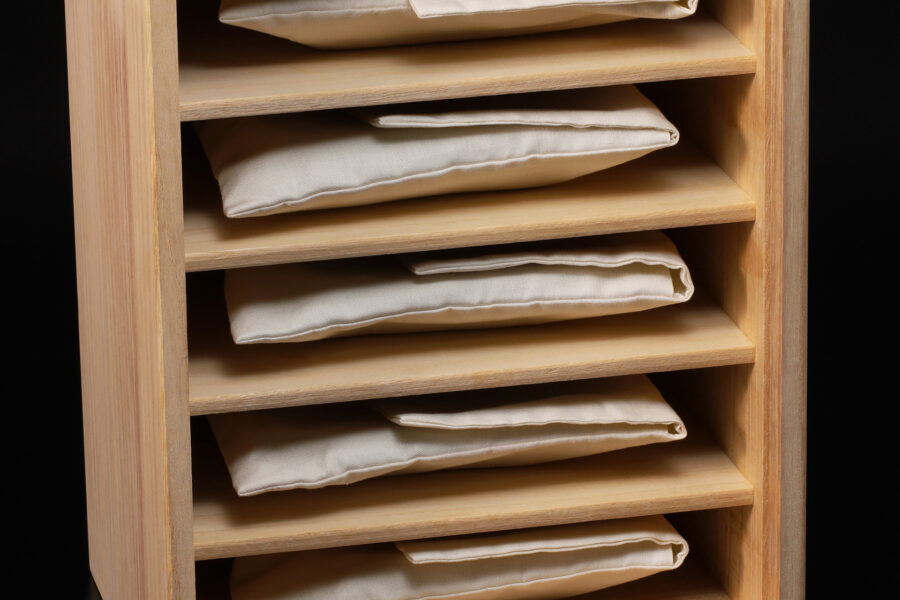
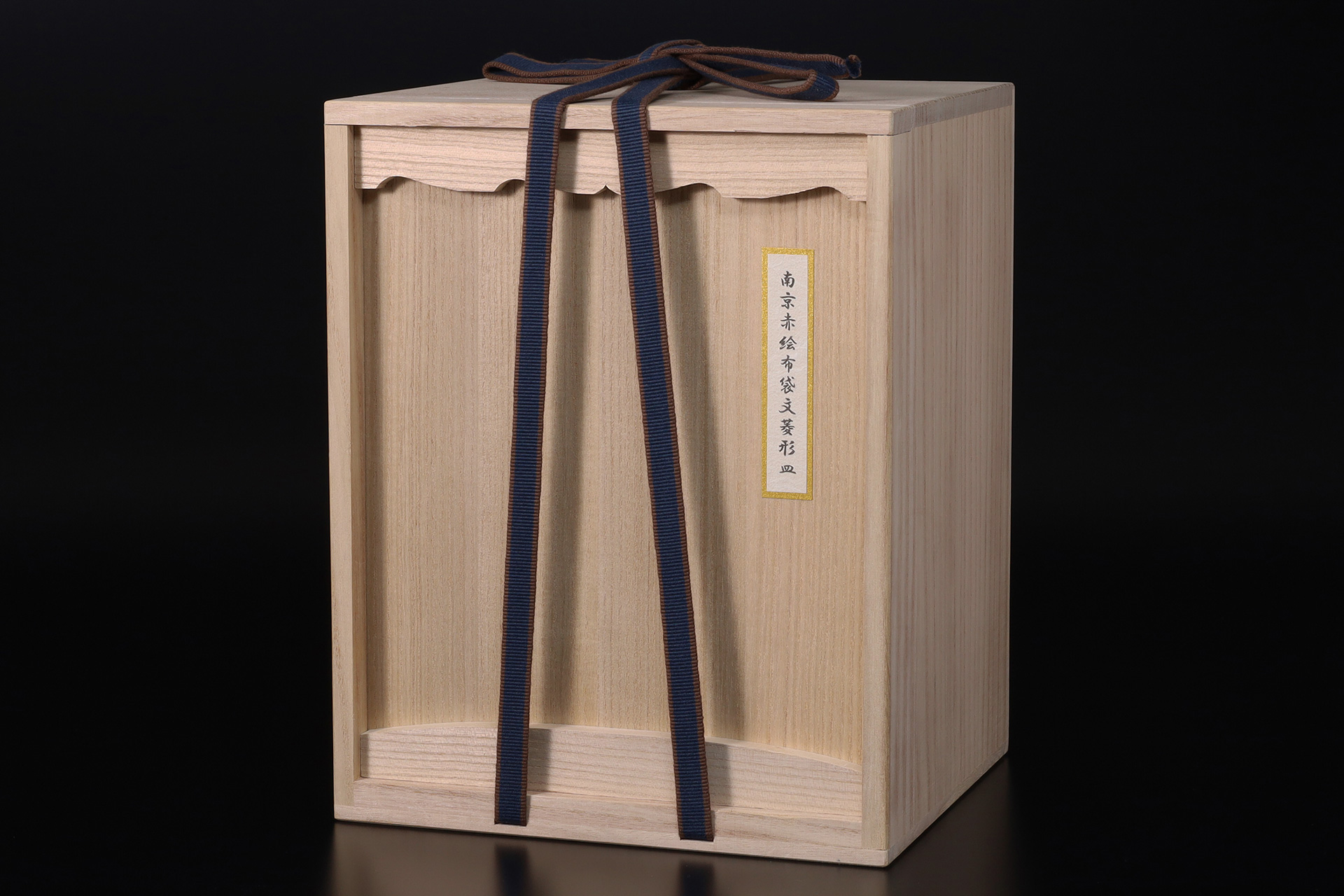
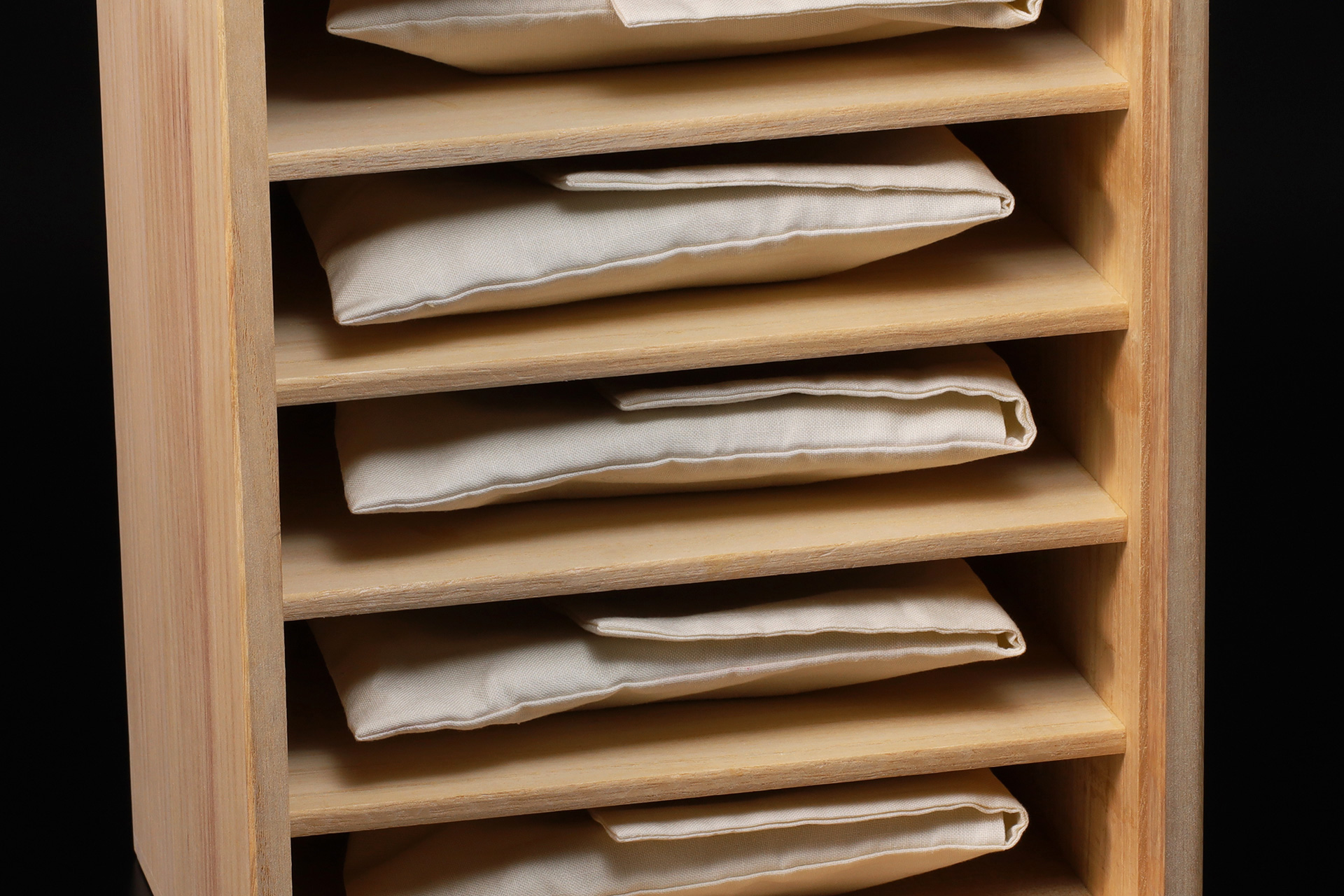
- Tiered Paulownia Box
- Condition
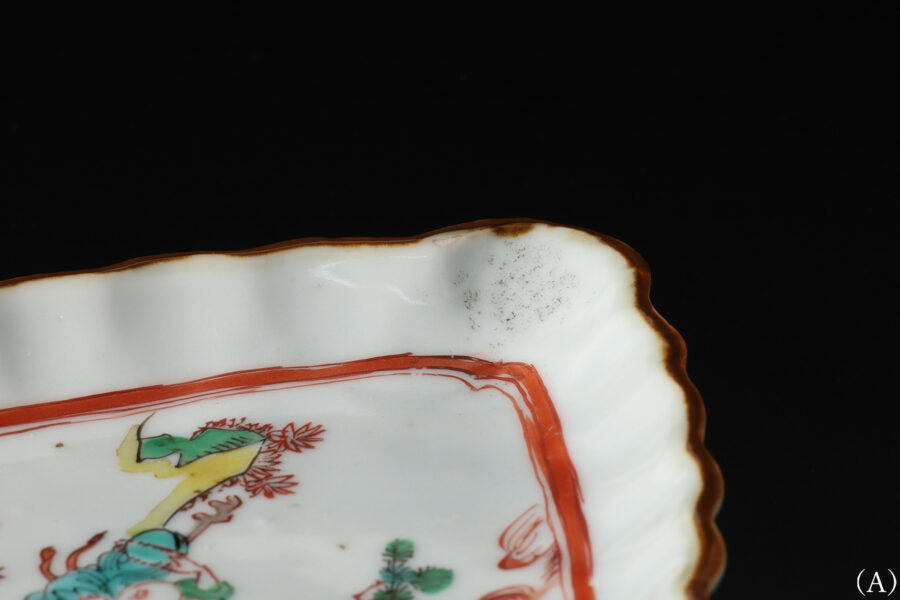
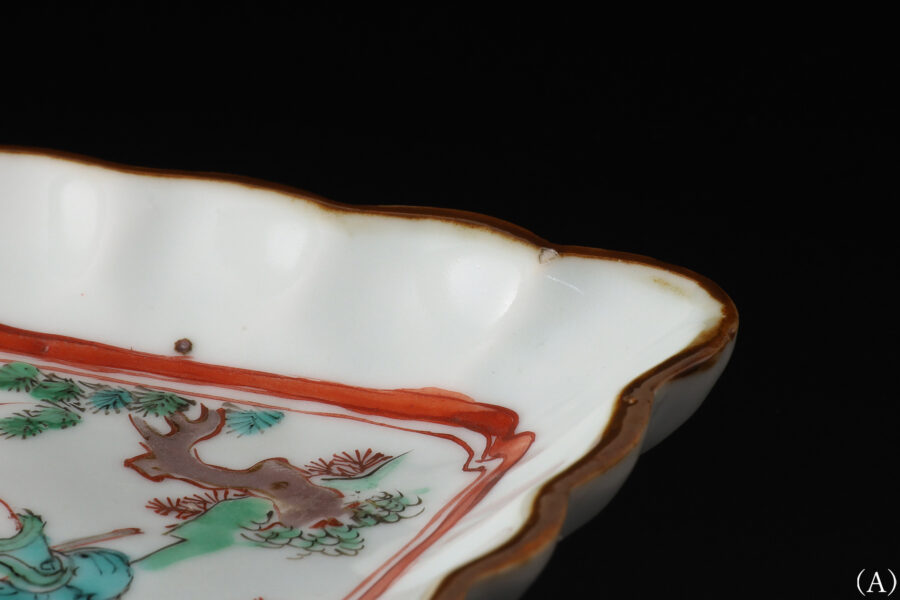
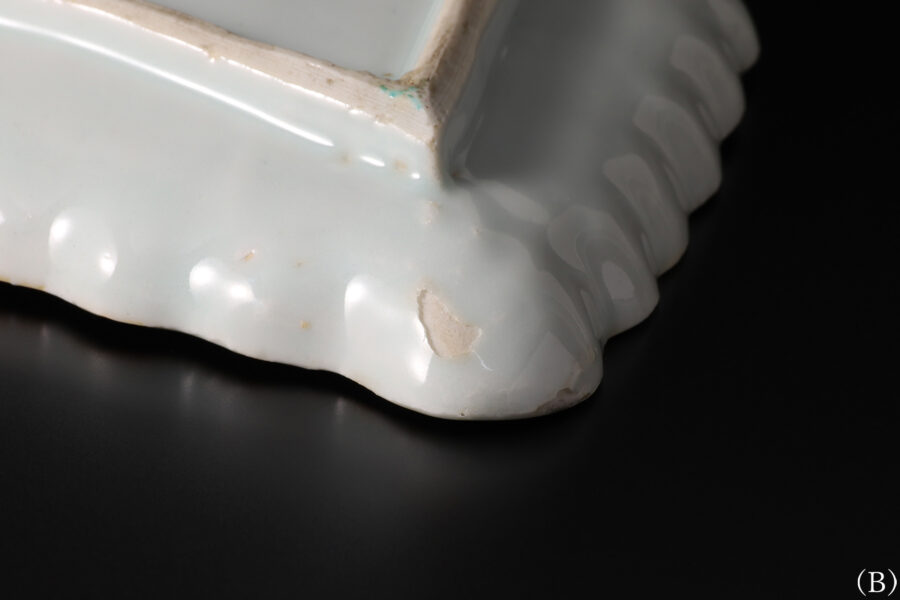
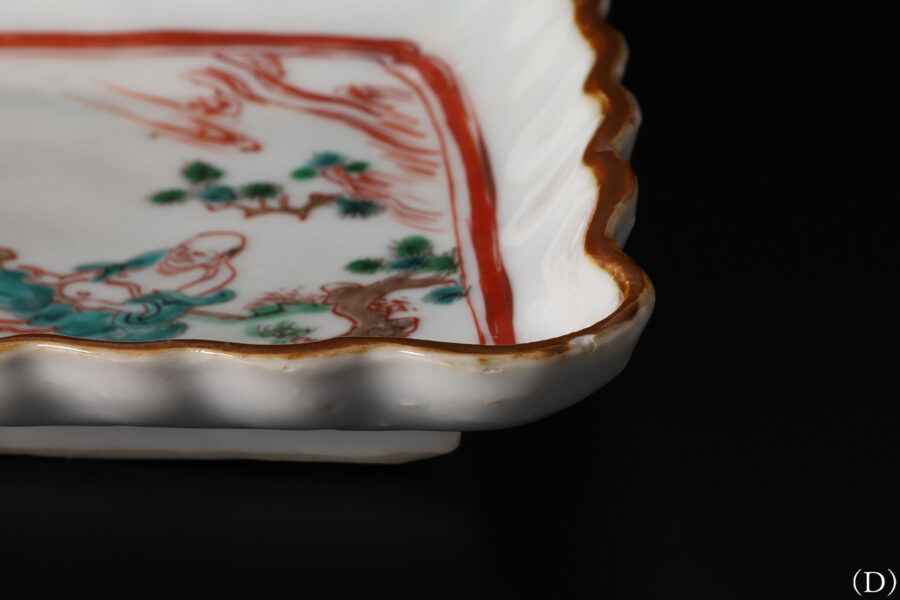
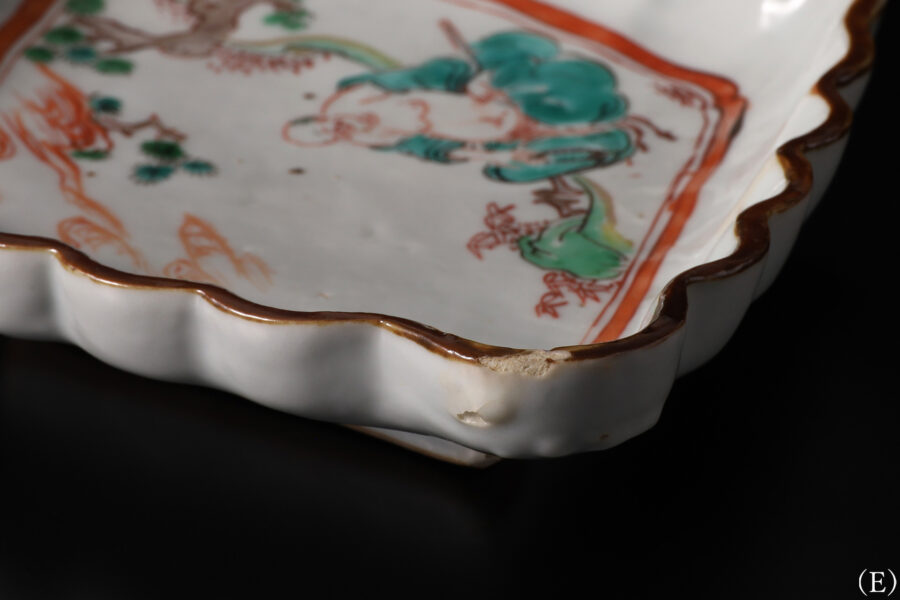
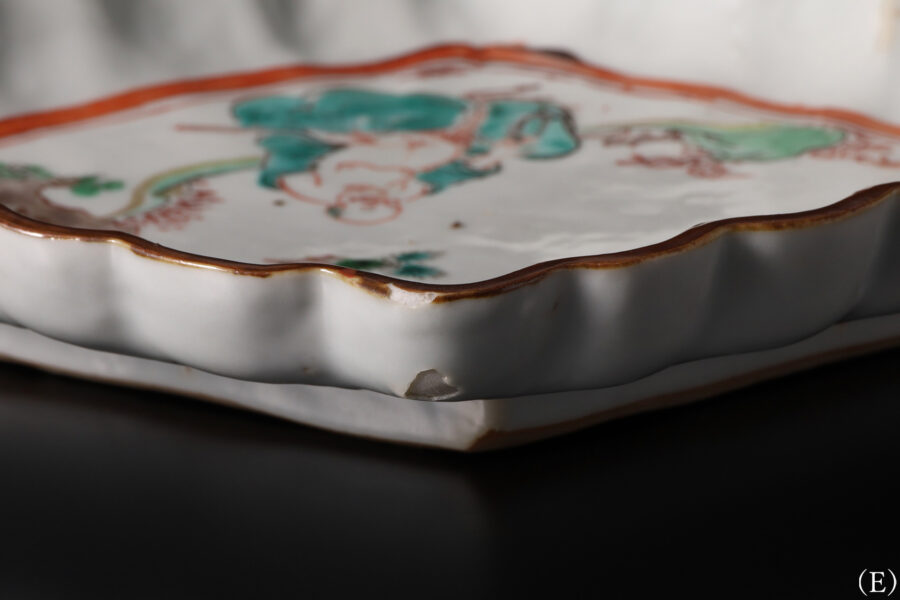
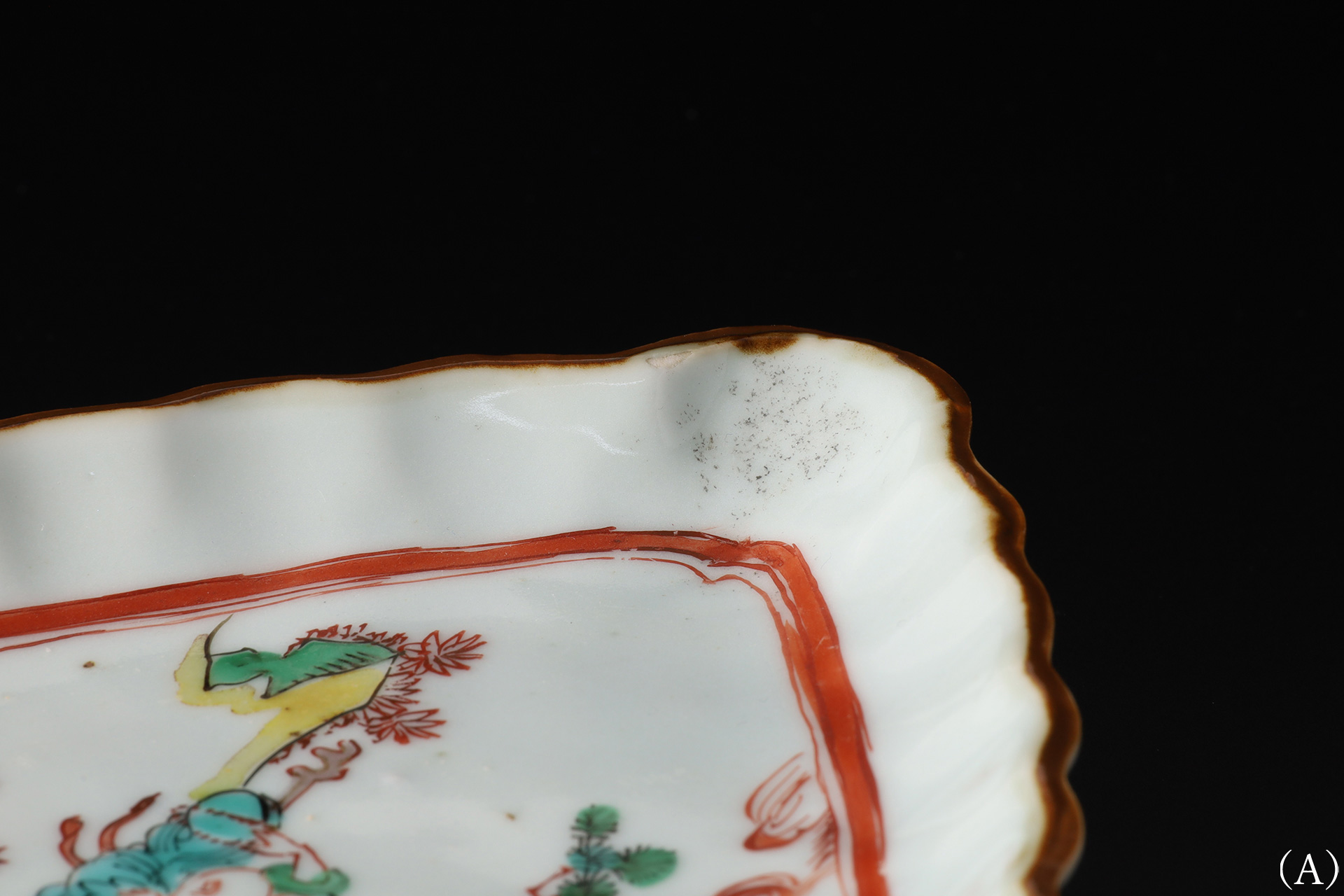
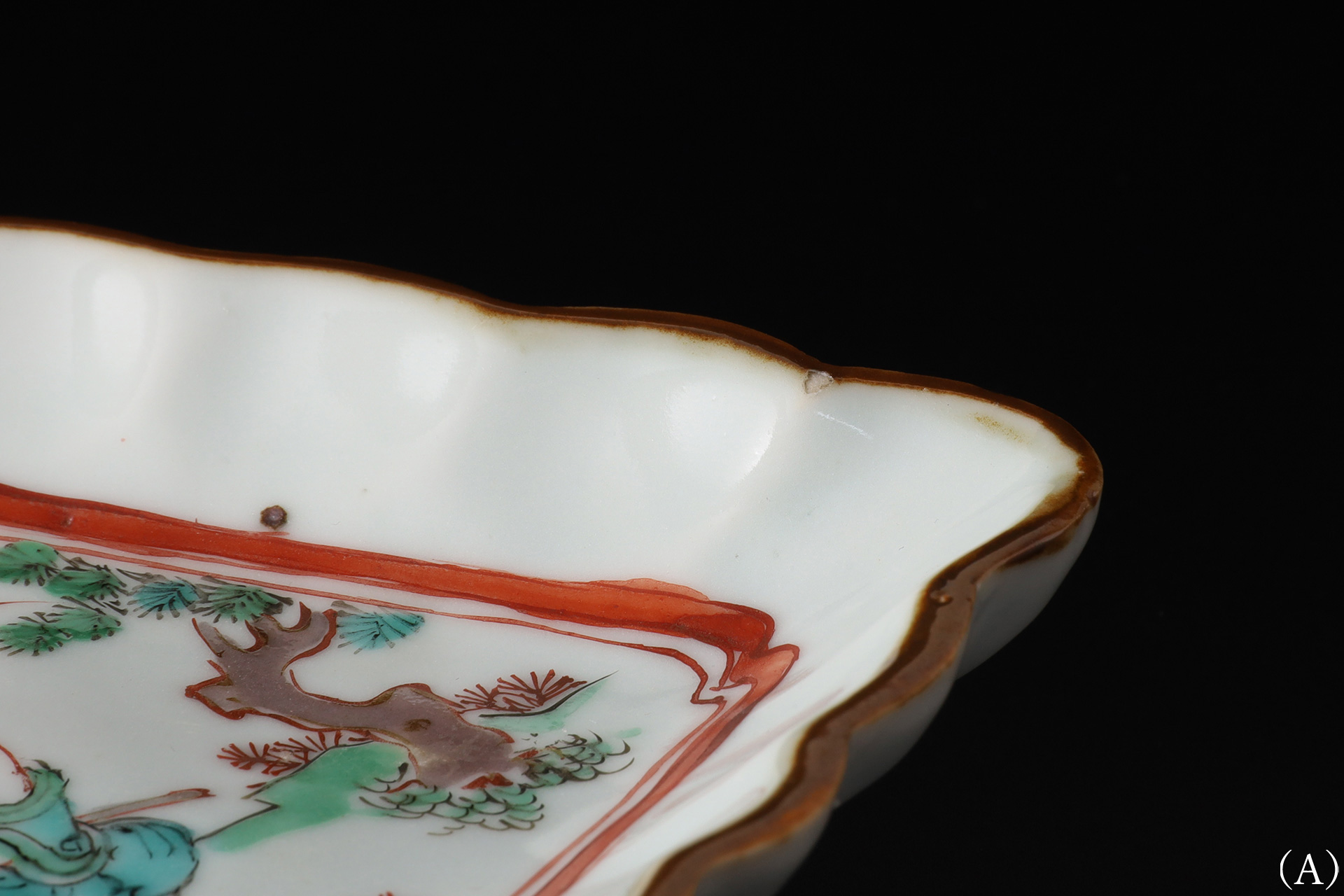
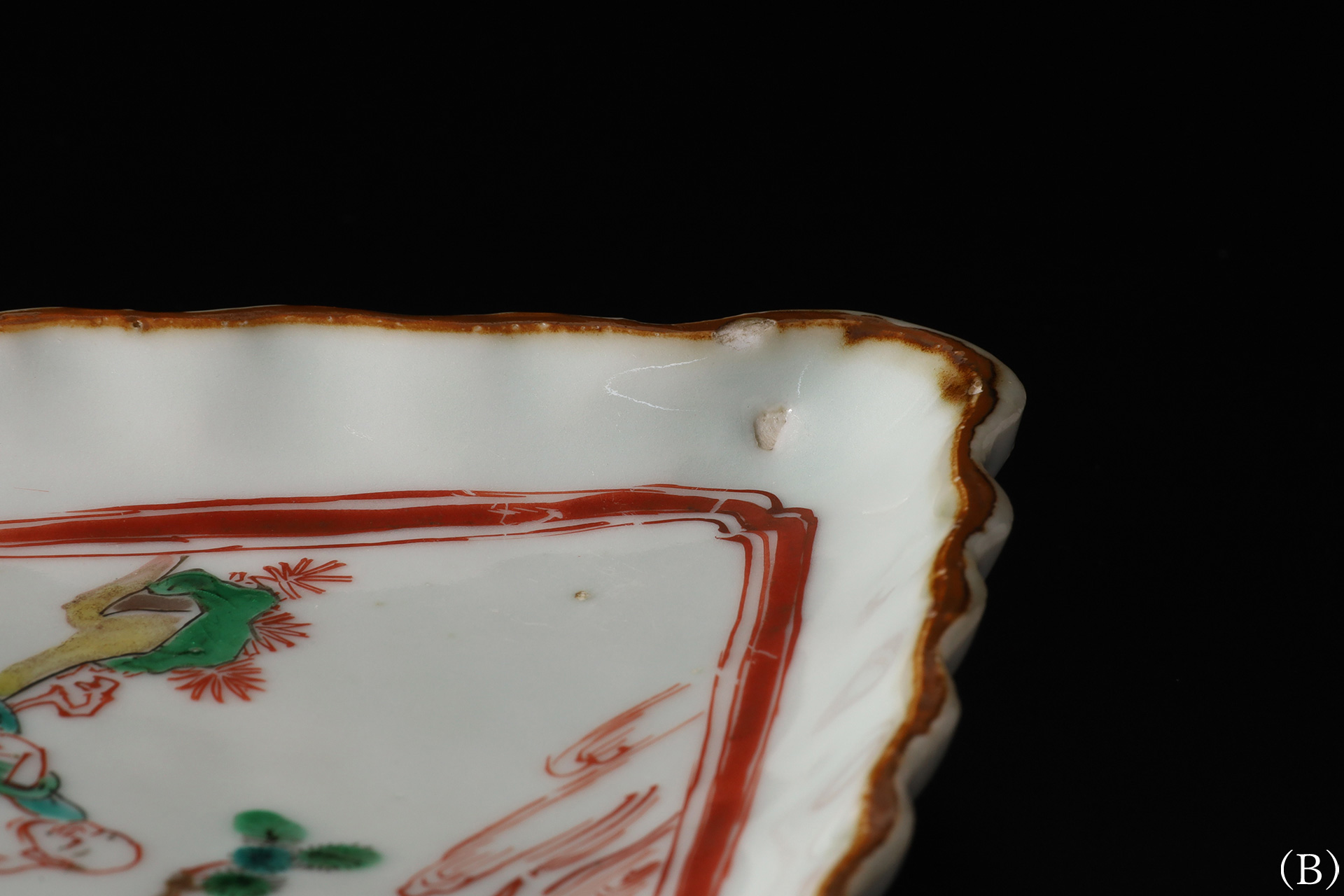
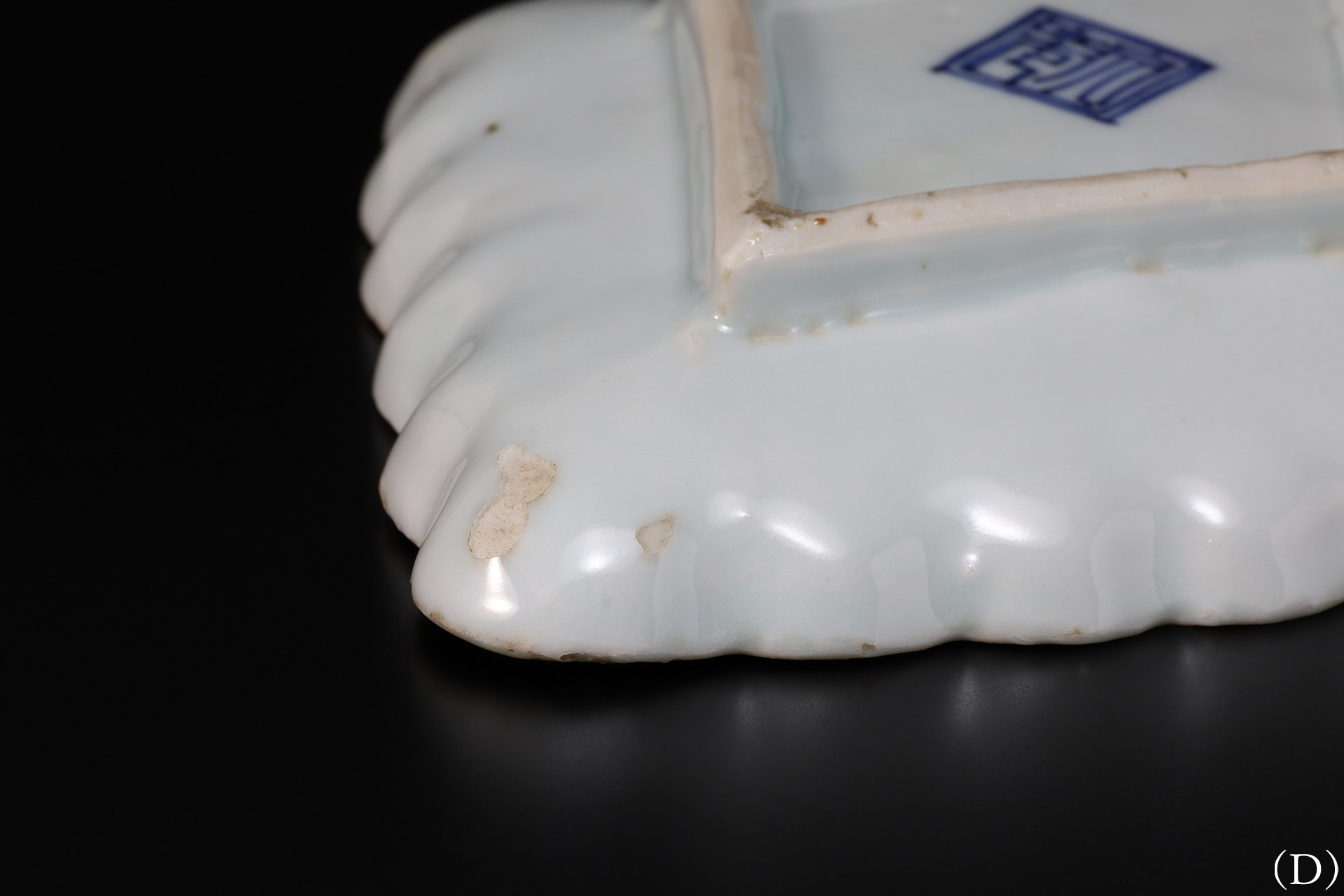
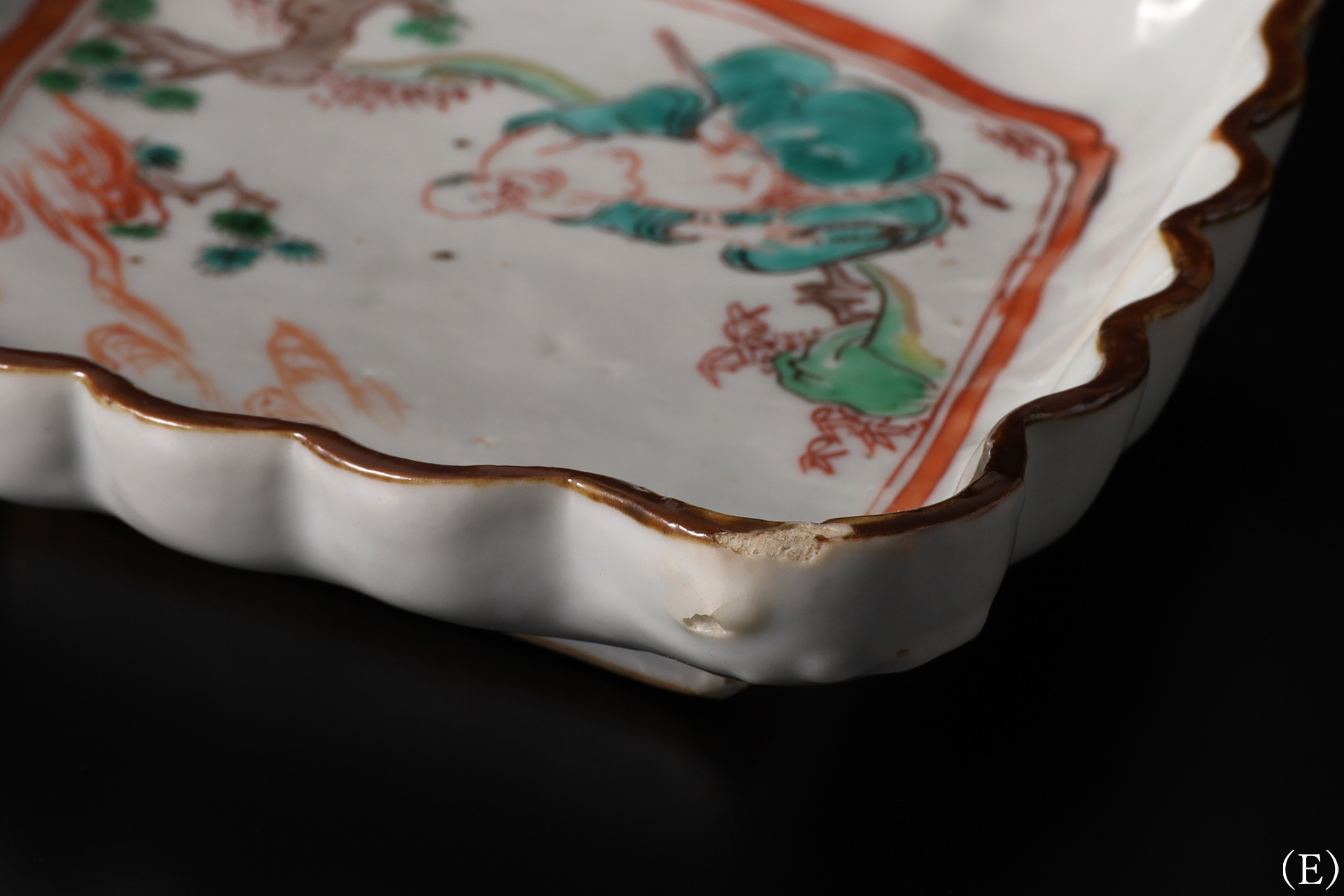
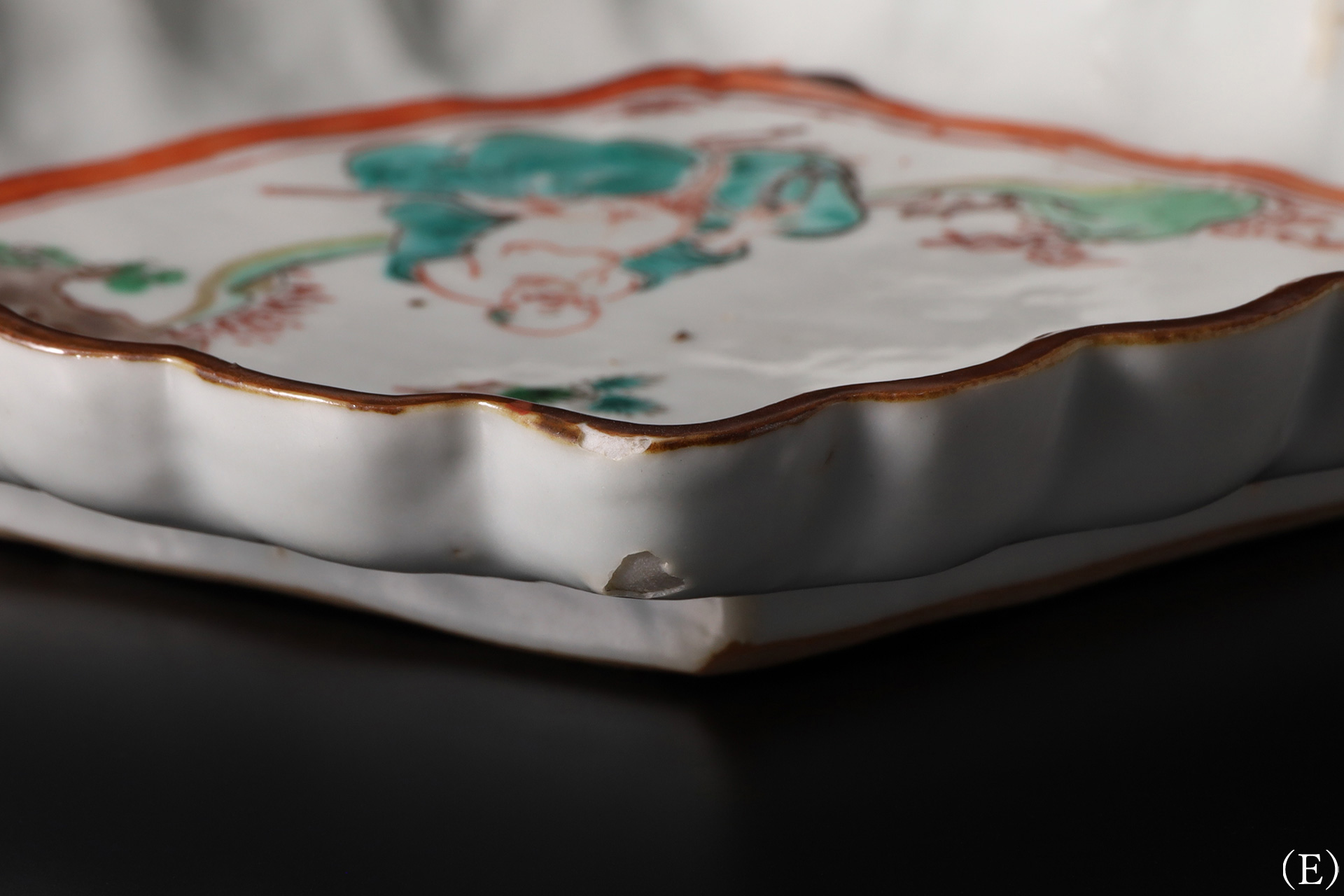
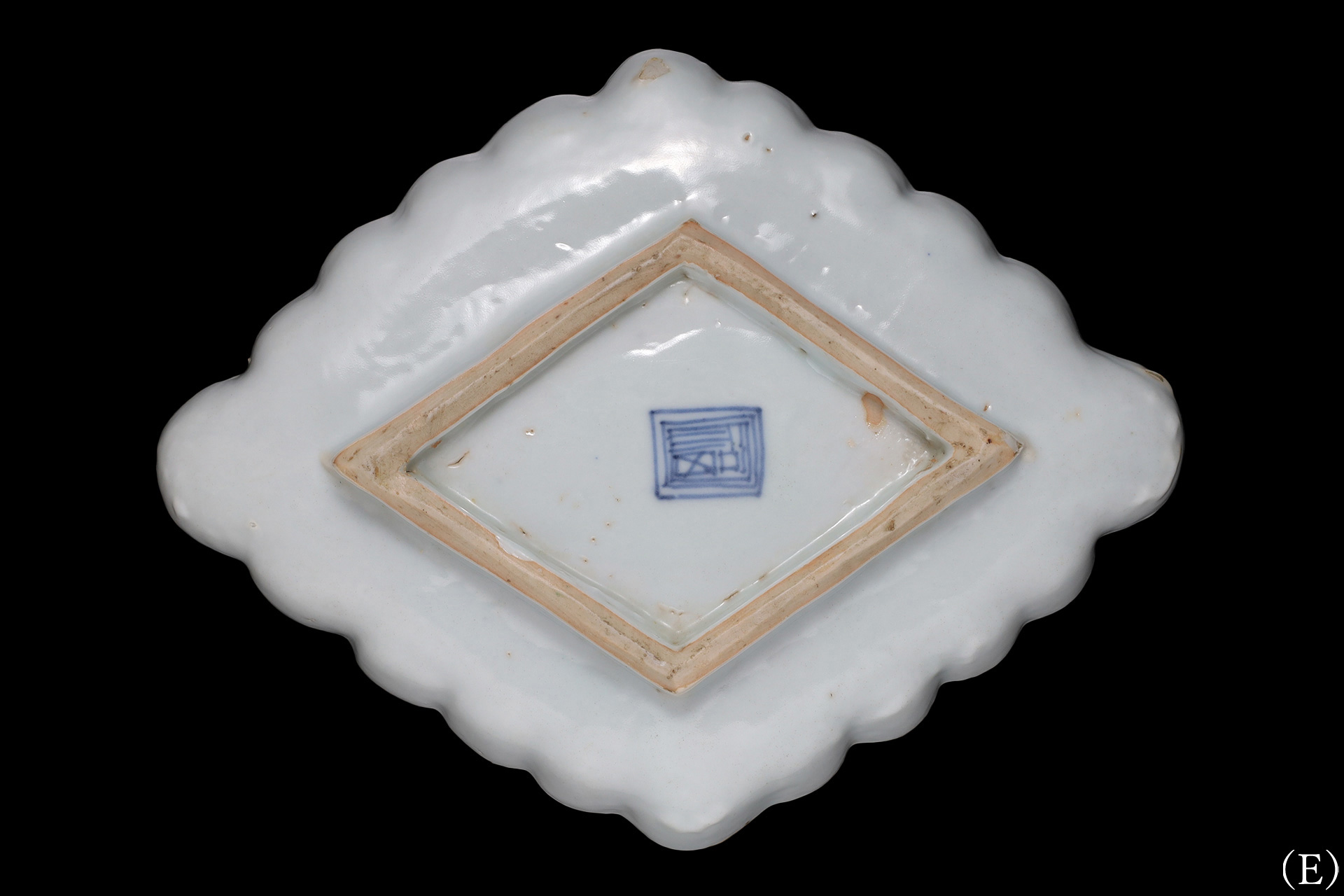
- - Good Condition: with pitting (mushikui) on the rim
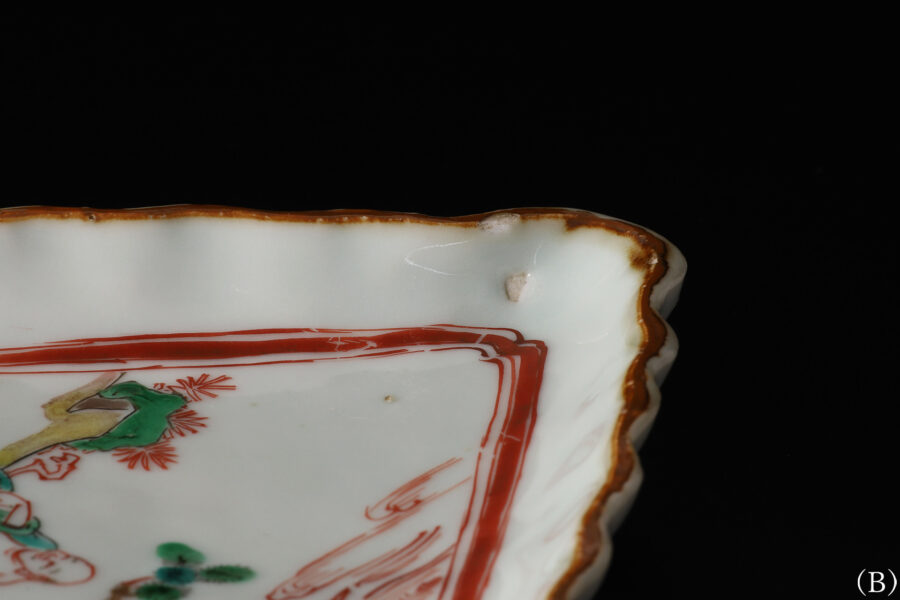
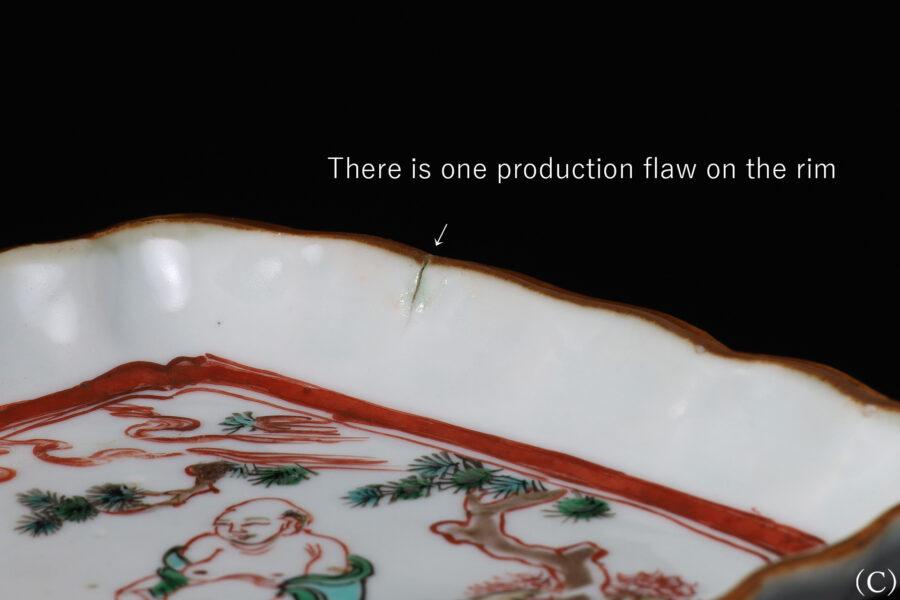
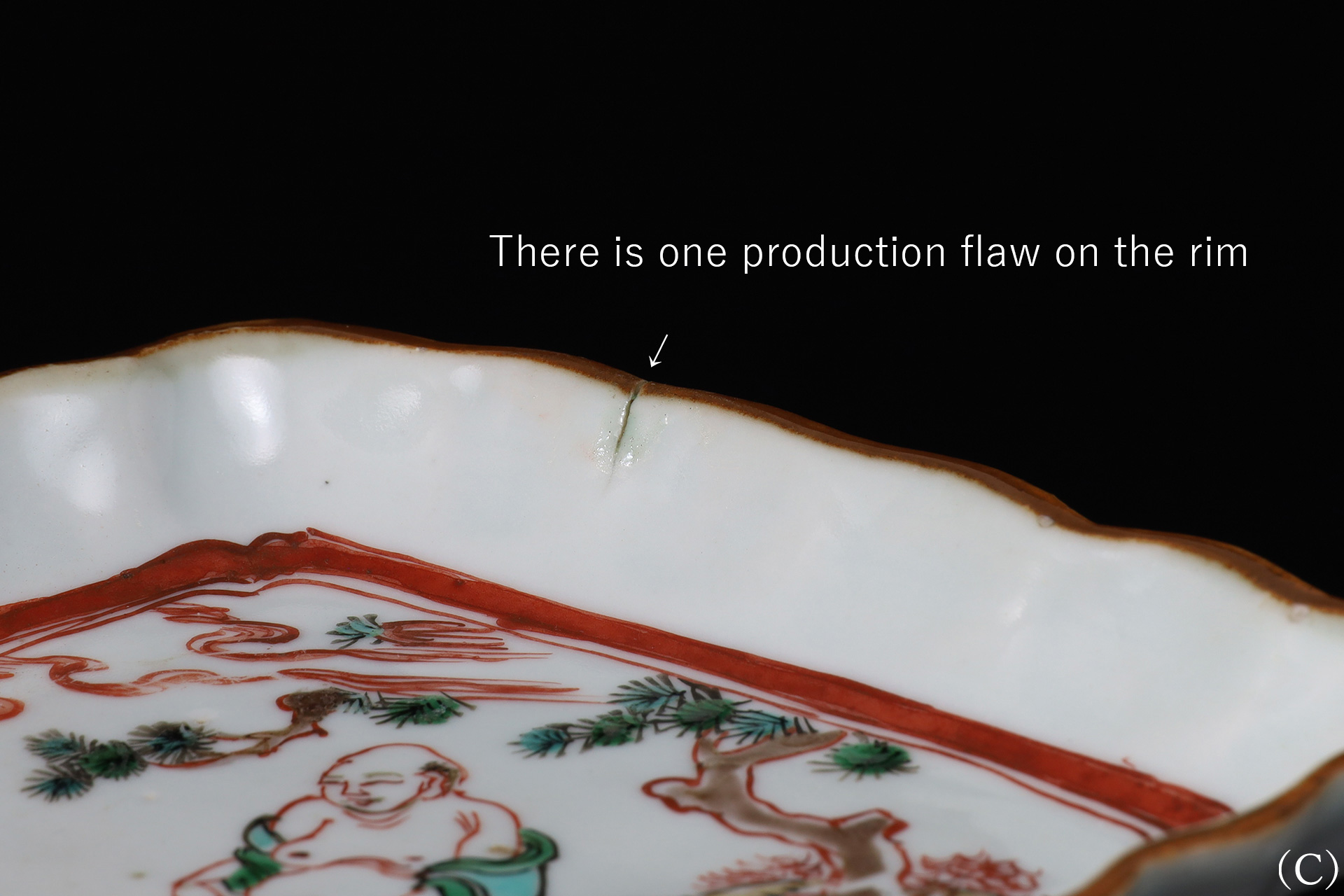
- Condition (C)
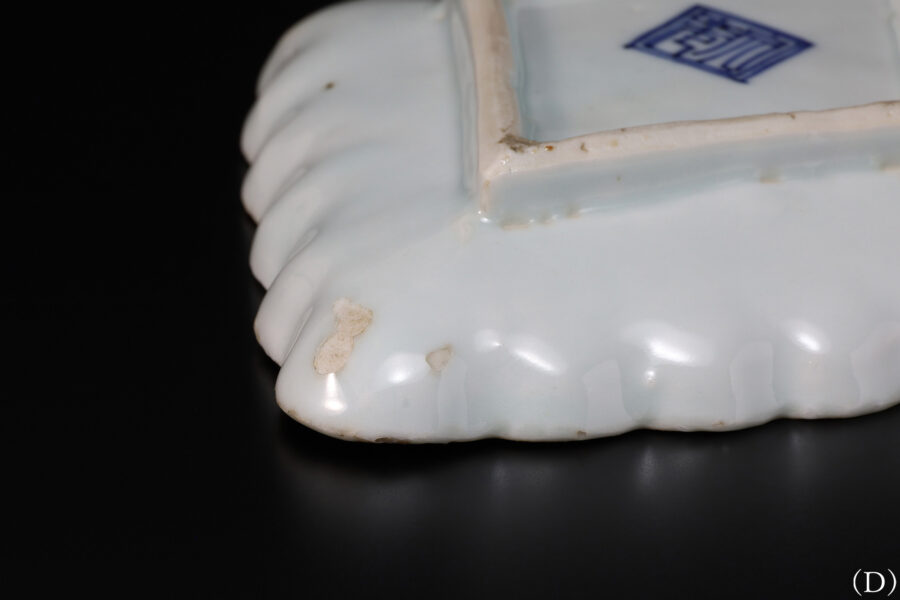
- - There is one production flaw on the rim (Refer to the image)
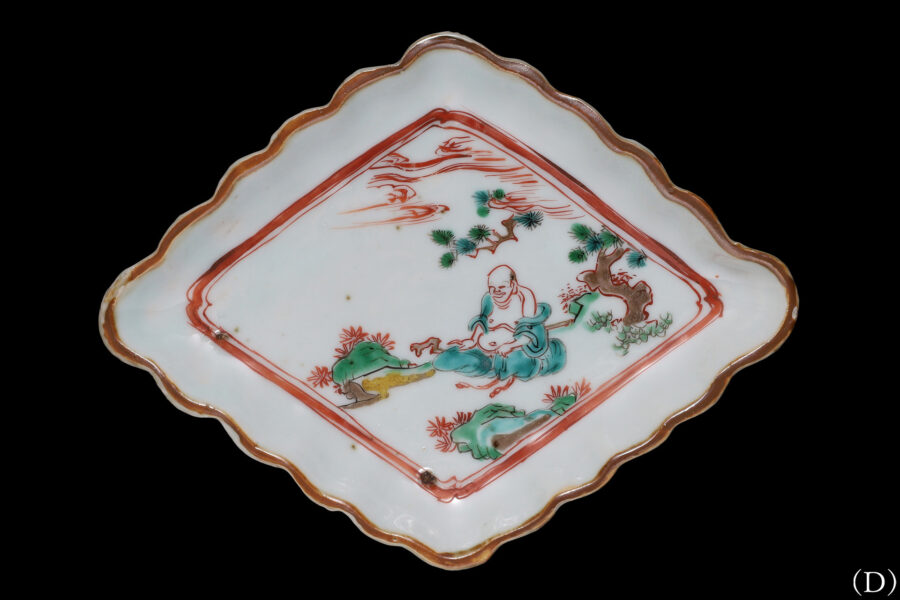
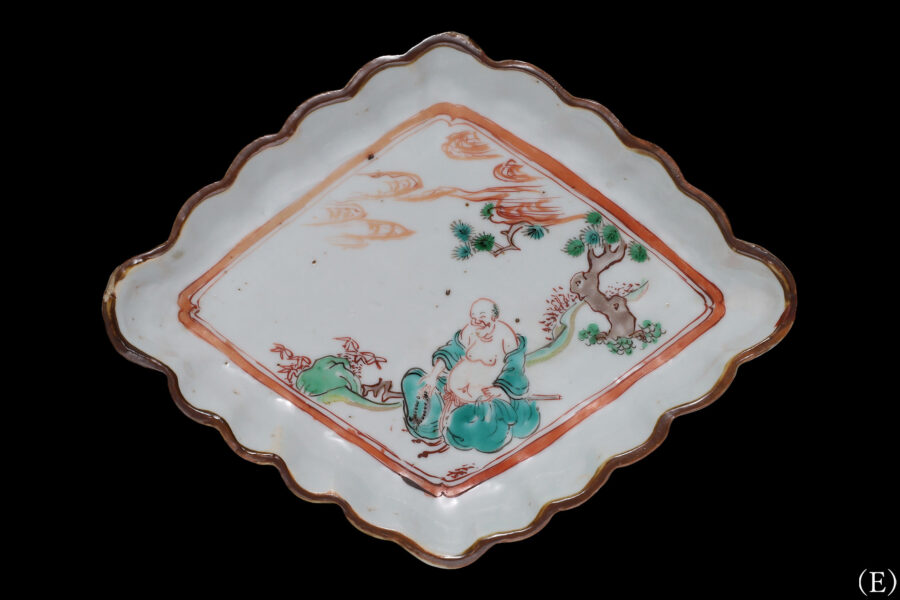
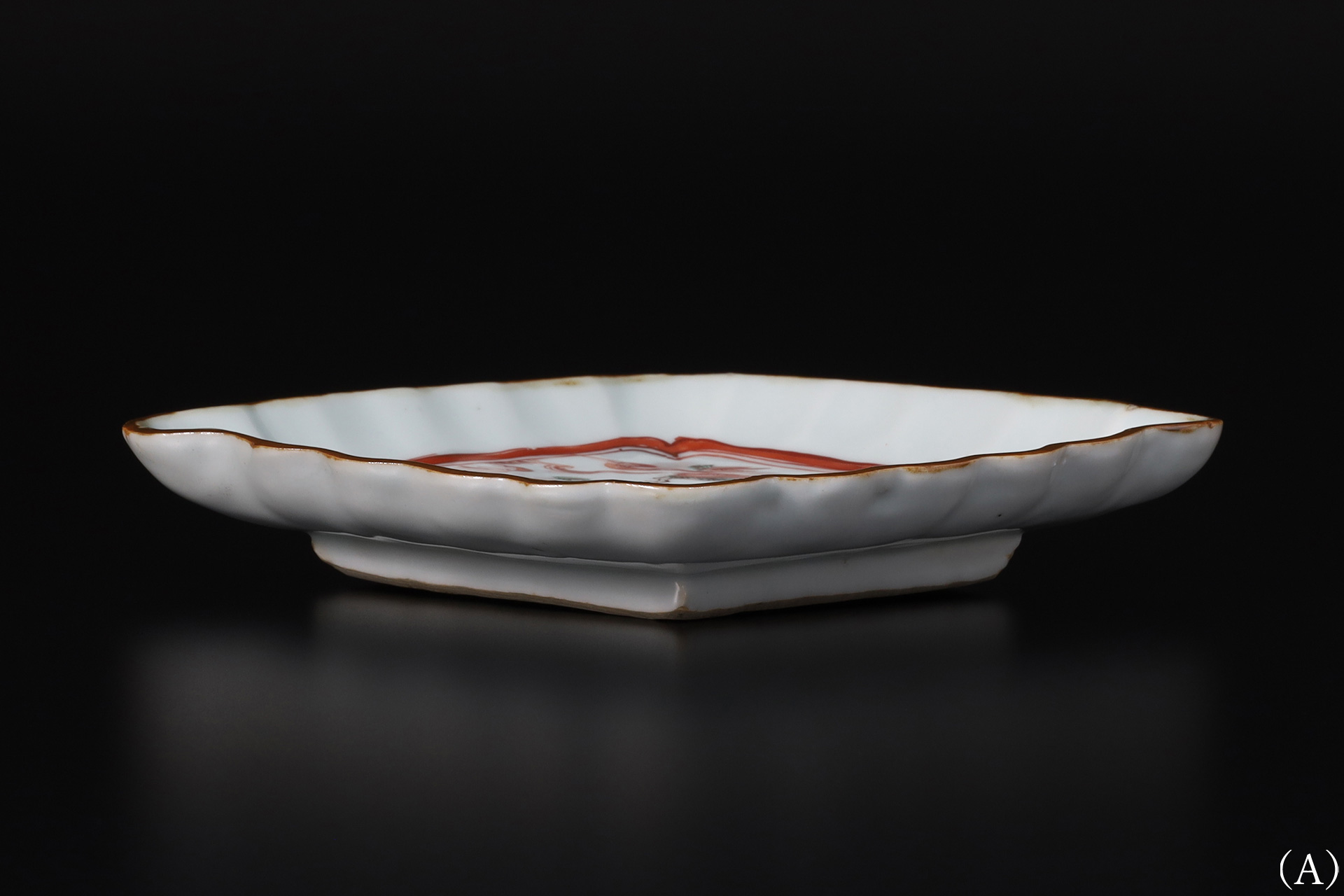
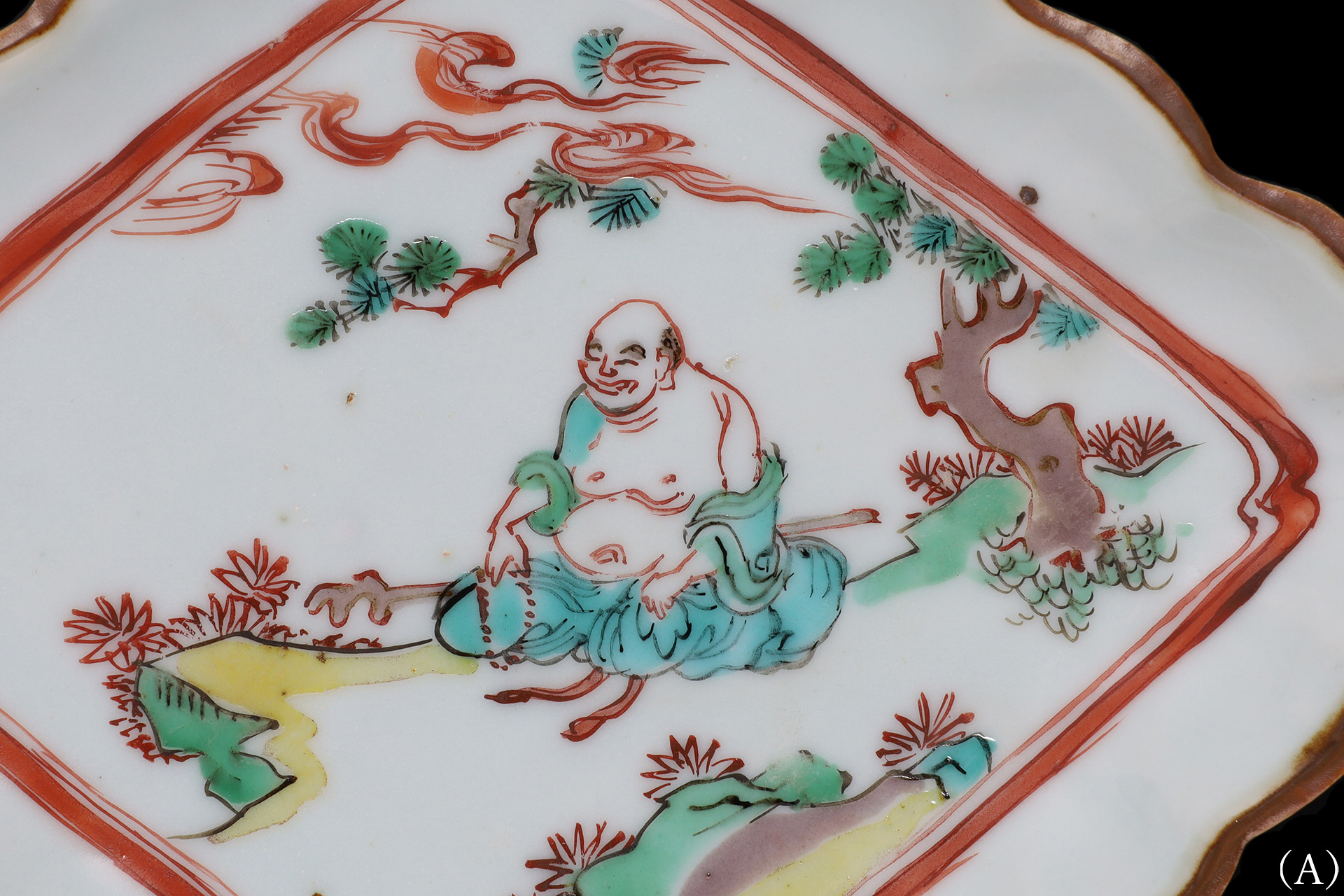
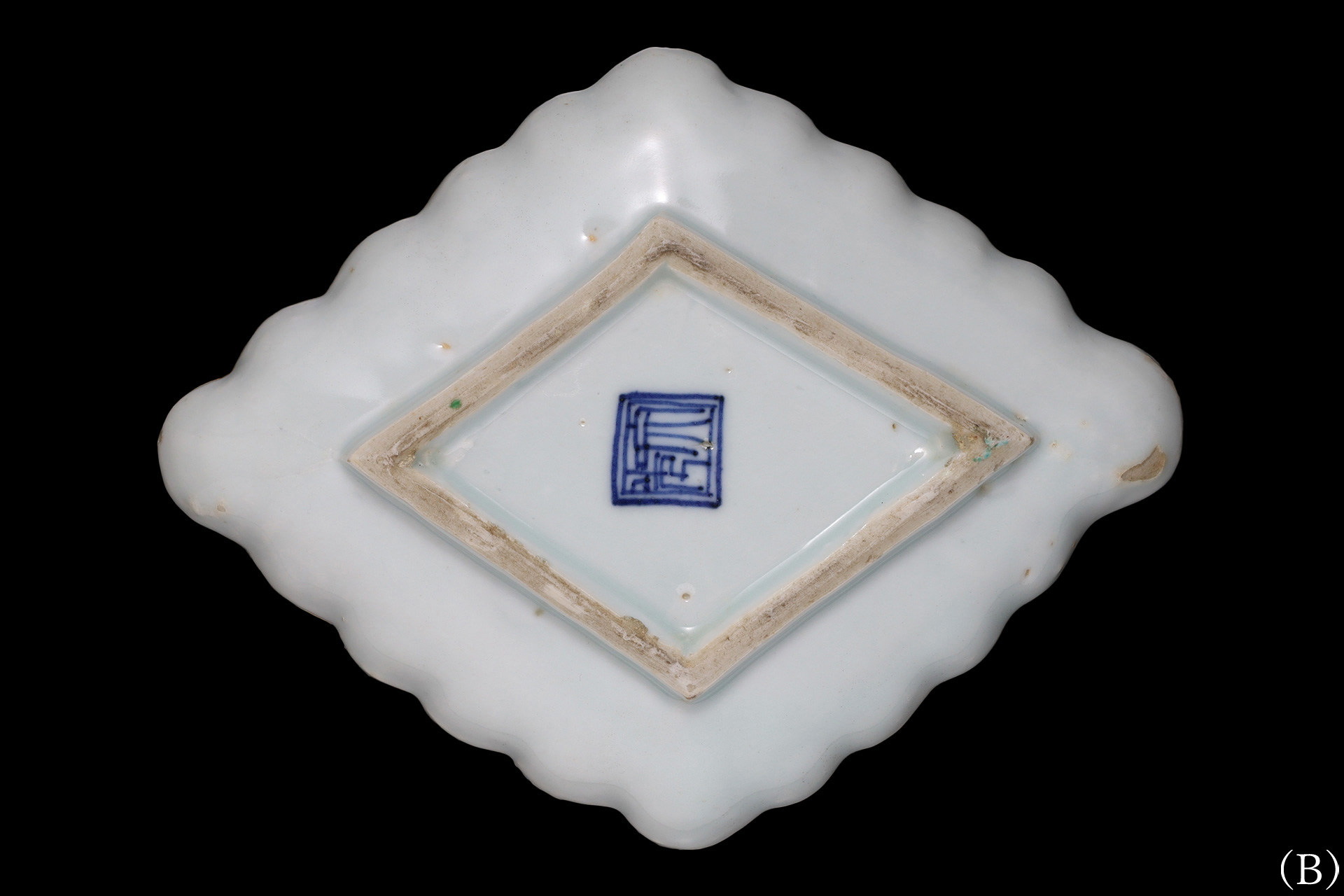
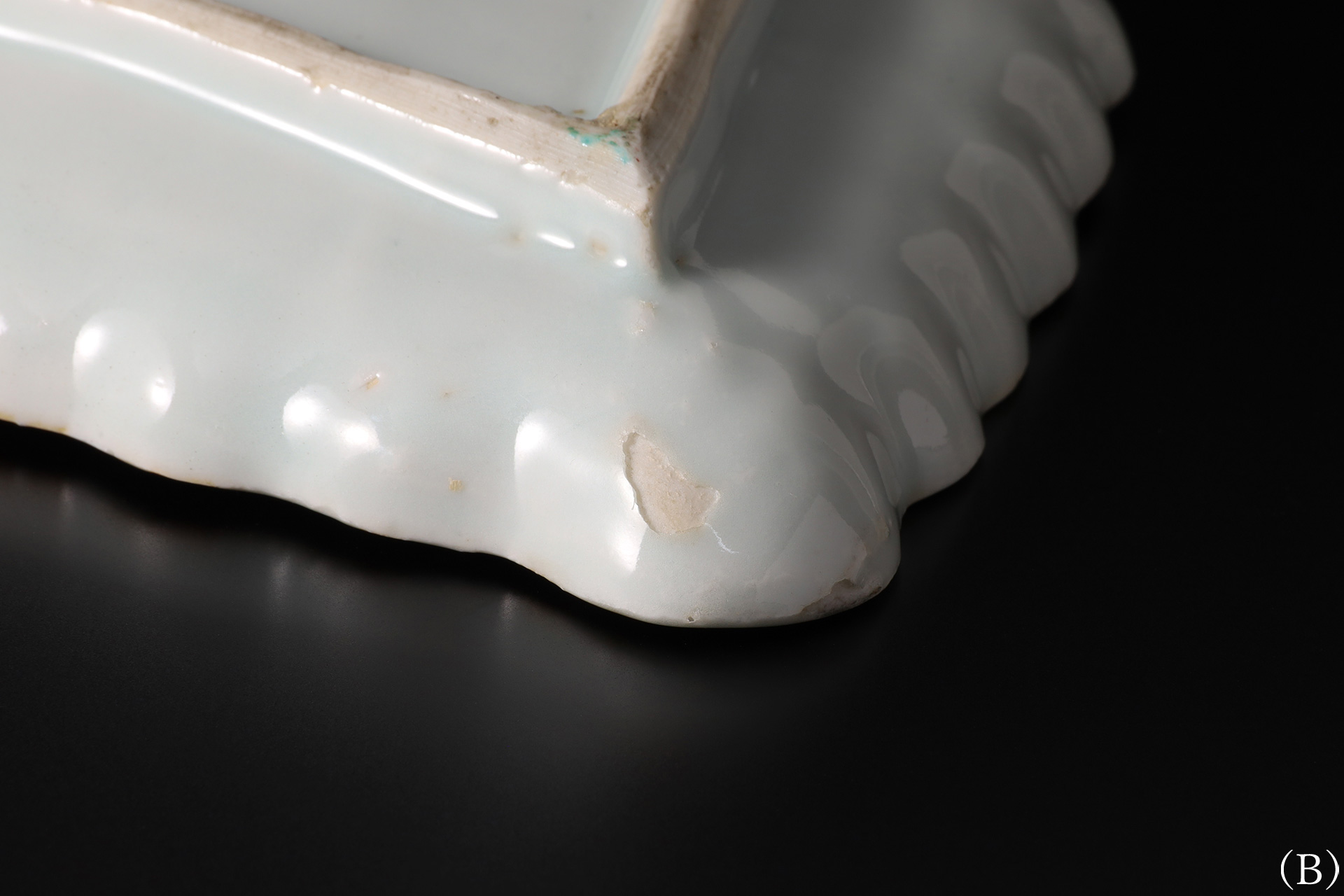
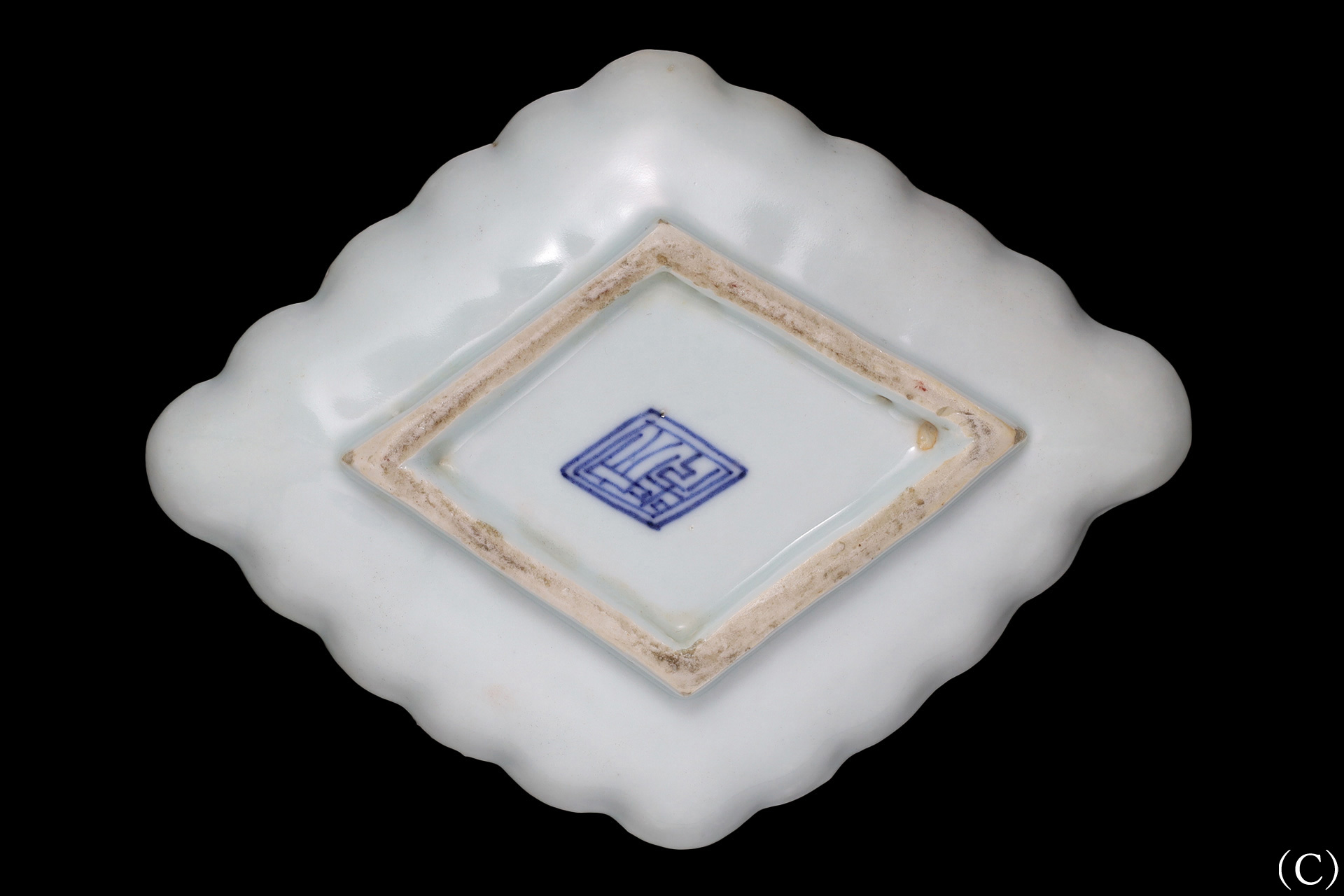
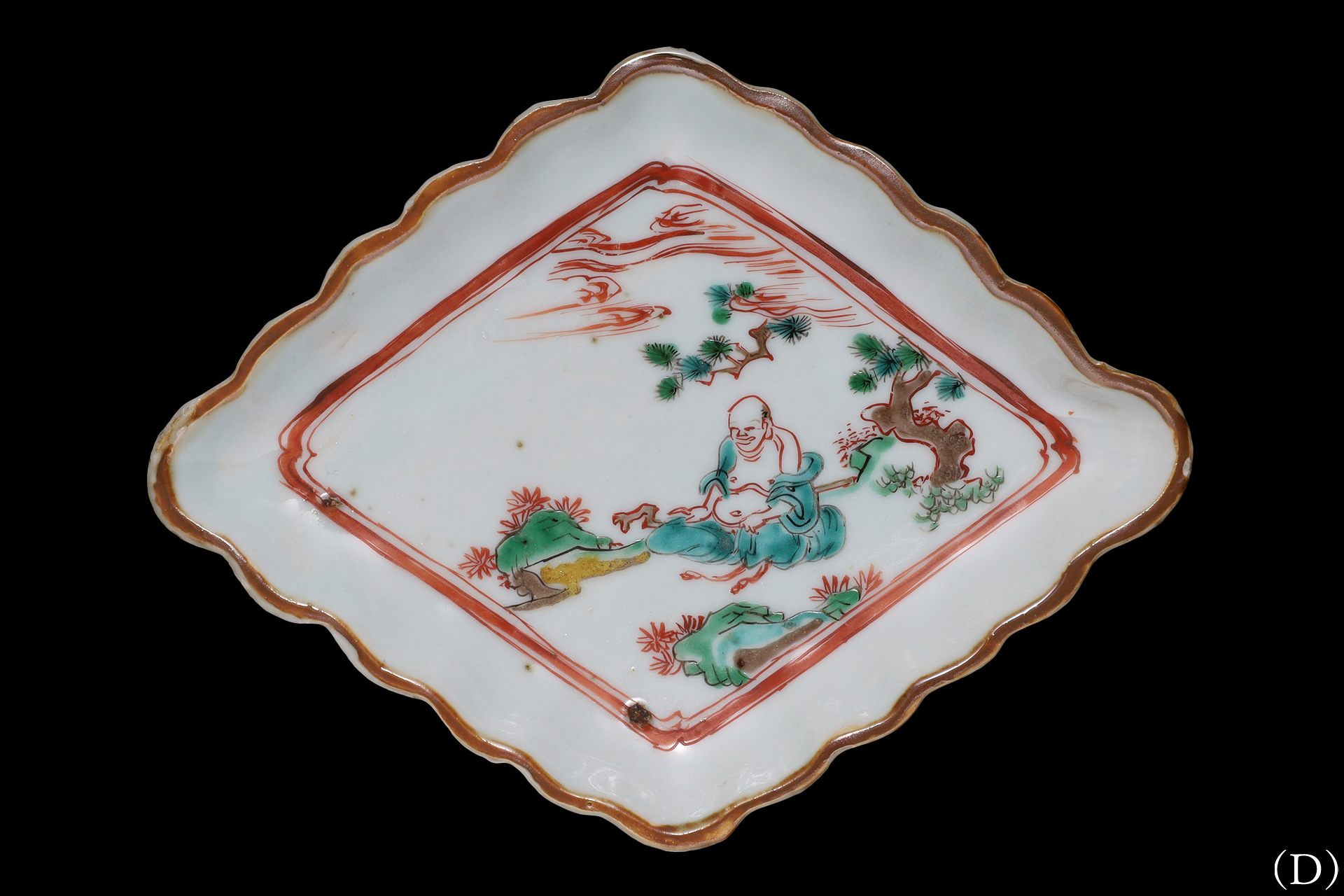
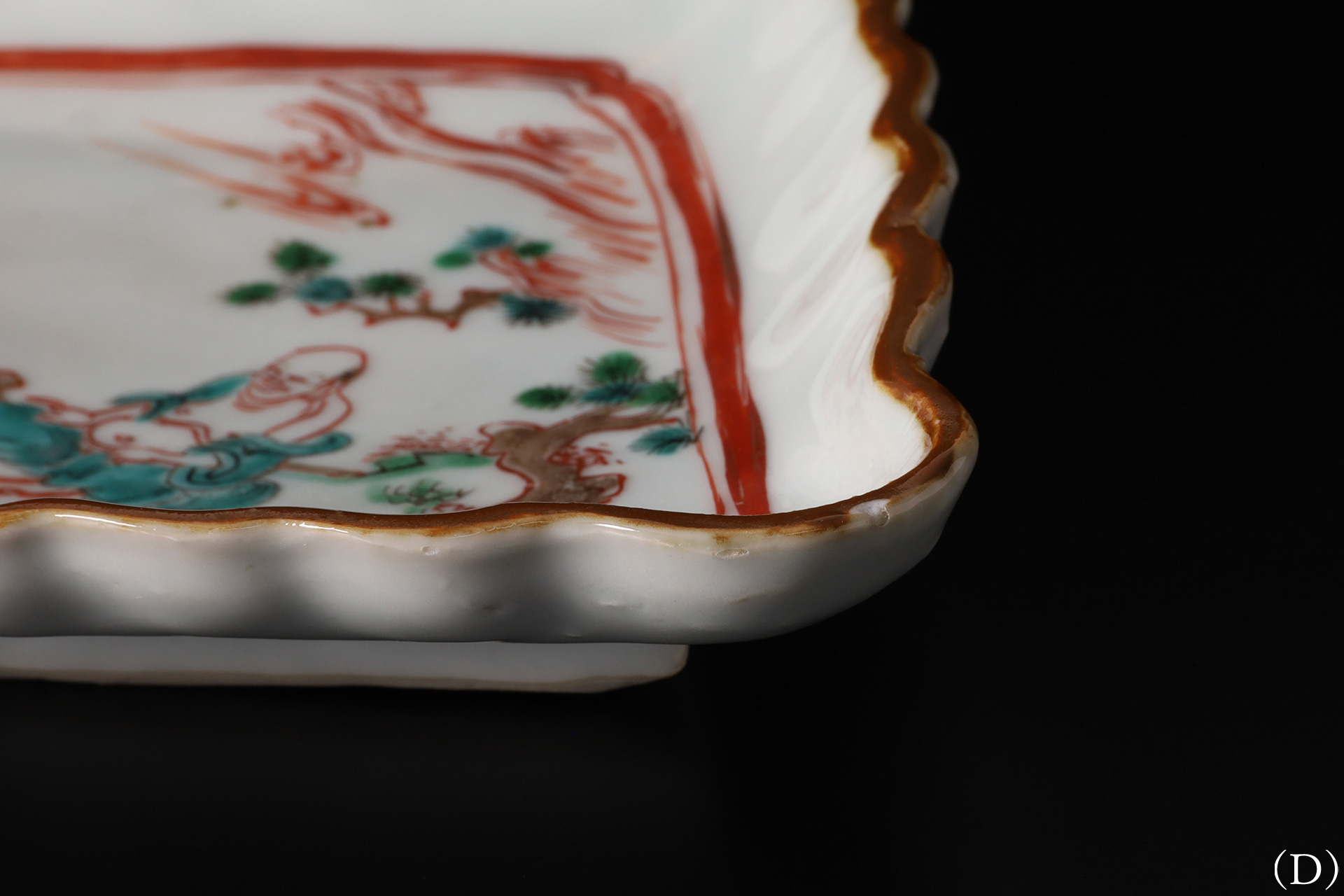
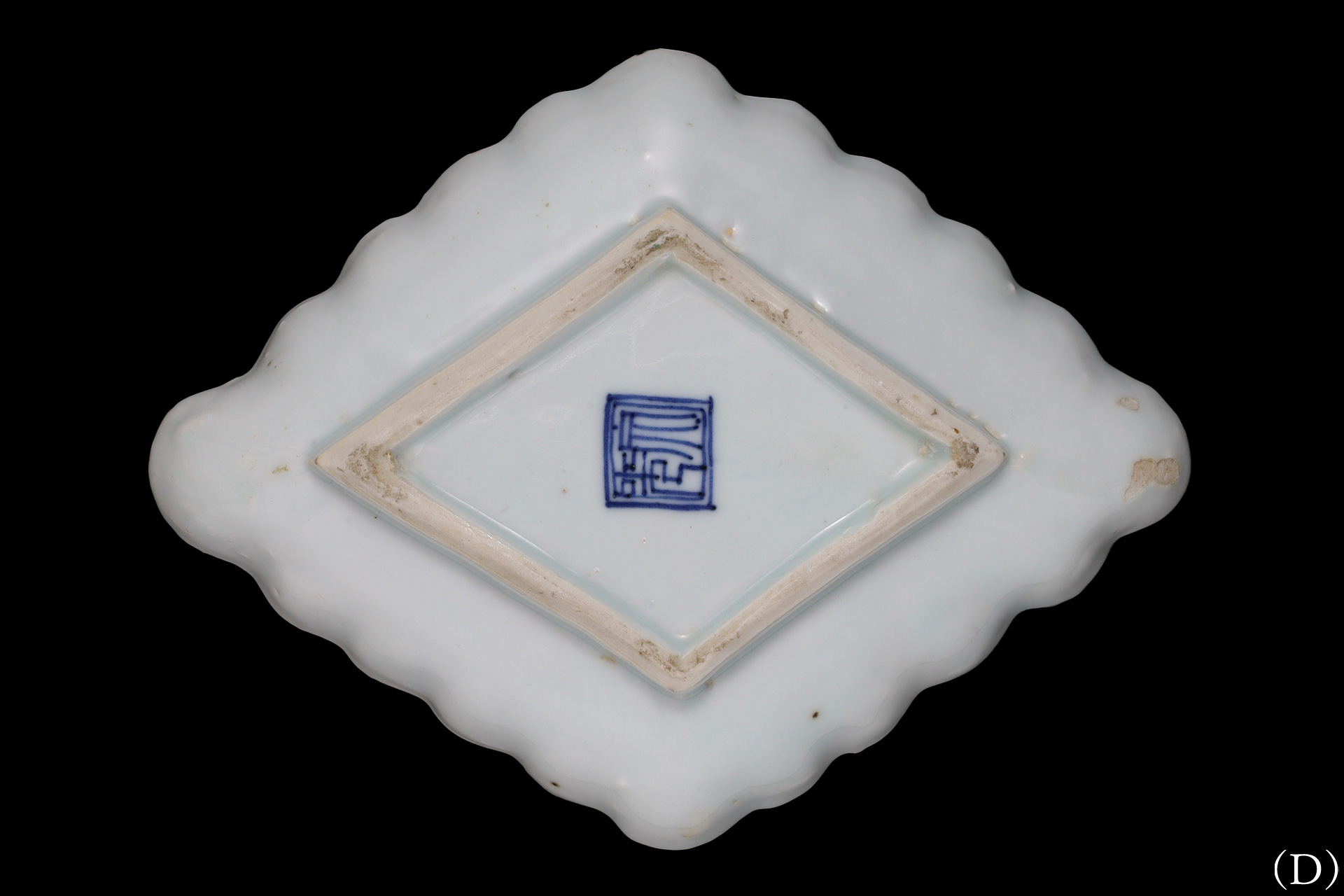


Nanking Aka-e
Nanking Aka-e refers to wucai porcelain produced in the folk kilns of Jingdezhen from the late Ming to the early Qing dynasty. In a narrower sense, it is generally distinguished from Tianqi Aka-e and Shonzui wucai, and is regarded as an independent stylistic category. The term derives from the fact that Nanjing served as the capital of the Ming dynasty, and later became an inclusive designation in Japan for various overglaze enamelled (wucai) porcelains imported from China. These wares typically feature a translucent milky-white glaze and are decorated exclusively with overglaze enamels, with only minimal use of underglaze blue. For the European market, production focused on large pieces such as jars, dishes, ewers, vases, large bottles, and covered vessels, whereas exports to Japan consisted mainly of tableware and utensils for the tea ceremony.