


Maki-e
蒔絵
Home > Fine Arts > Japanese Antique (To the Artworks Information Page)
Maki-e
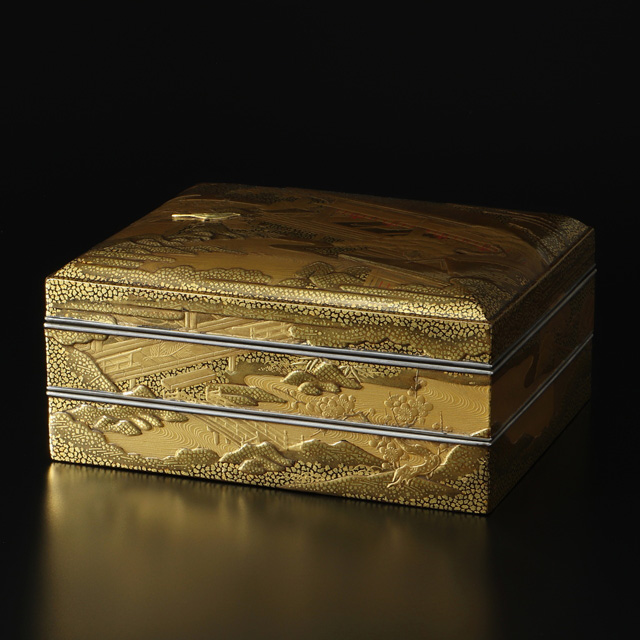
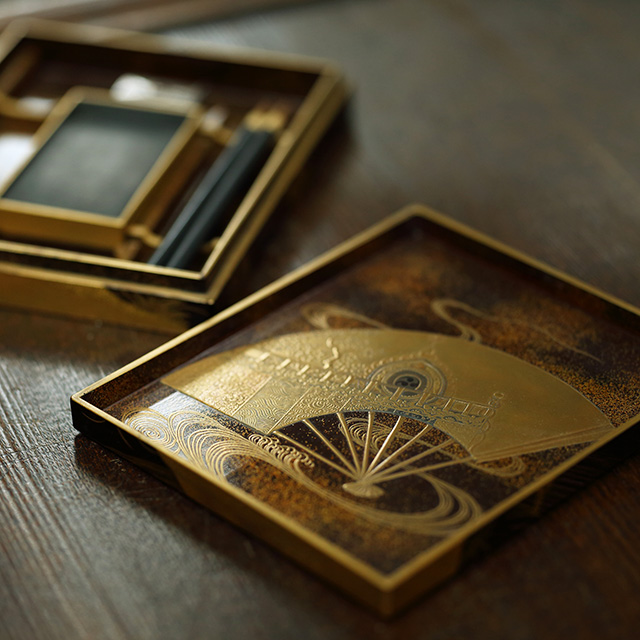
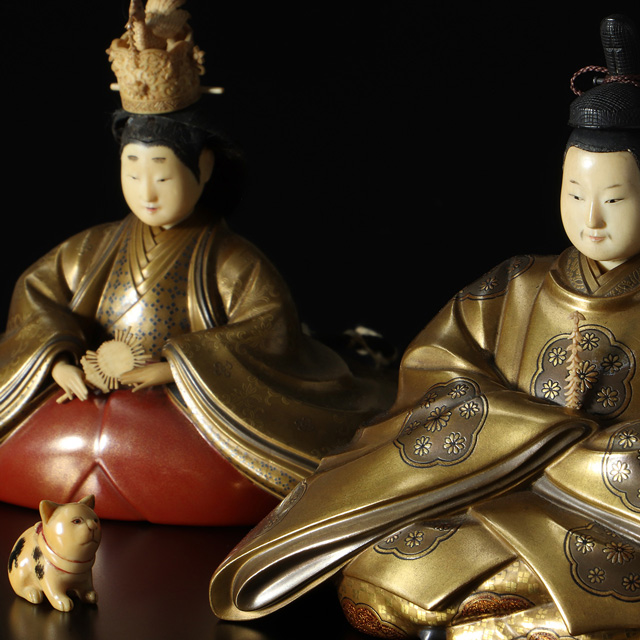
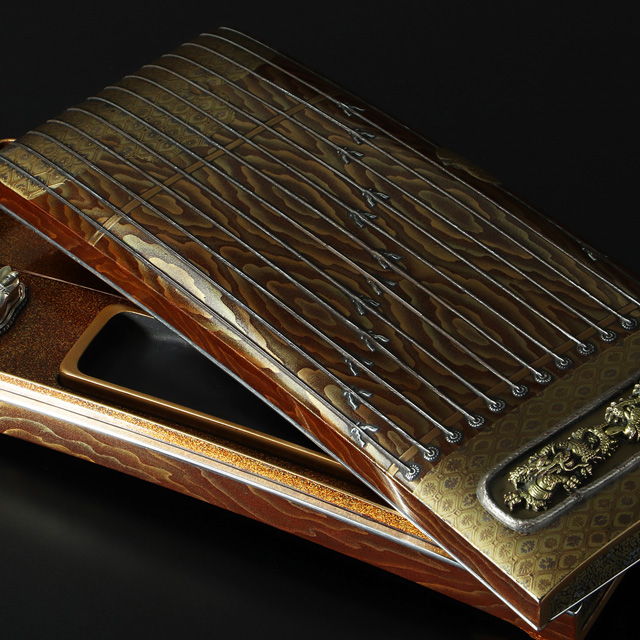
Maki-e draws designs on lacquerware with lacquer, it is a lacquer technique in which gold powder or silver powder is applied while it is not dry, and then sharpened and fixed on the surface. Excavations have also been confirmed from the remains of china during the sengoku period(403 BC-221 BC). It was reported that it was created in the nara period in japan, it developed as the aristocratic furniture and decoration in the temple during the heian period. The technique of using raden together became popular in the latter half of the heian period, the new techniques of hira-makie and taka-makie were born and basic techniques were almost completed during the kamakura period. The togidashi-makie was born and highly refined in the muromachi period, it gained popularity with the bold design and free expression during the momoyama period. The delicate and luxurious works were regularly used as furniture for western nobility in the edo period, it deepen artisticity as the art crafts in the meiji period. The upper class people of each period decorated their daily life with makie to enrich their daily lives.
Kodai-ji Maki-e
Kodai-ji Temple, situated in the Higashiyama district of Kyoto and belonging to the Kennin-ji branch of the Rinzai school, was founded in 1606 (Keicho 11) by Kita-no-Mandokoro (Kodai-in Kogetsu-ni) with the support of Tokugawa Ieyasu, in order to commemorate her late husband, Toyotomi Hideyoshi. The sumptuous Momoyama period maki-e that adorns the interior of the mausoleum, along with the lacquer furnishings preserved at Kodai-ji—traditionally said to have been favored by Hideyoshi and his wife—share a common decorative vocabulary and are collectively known as “Kodai-ji maki-e.” Kodai-ji maki-e is characterized by motifs such as autumn grasses and the chrysanthemum–paulownia crest, as well as by its bold compositions in which the surface of an object is divided by diagonal lines or matsukawa-bishi (pine-bark lozenges), with one section rendered in nashiji and the other in plain black lacquer. It is a distinctive lacquerware style that crystallizes the brilliance and refinement of the Momoyama aesthetic.
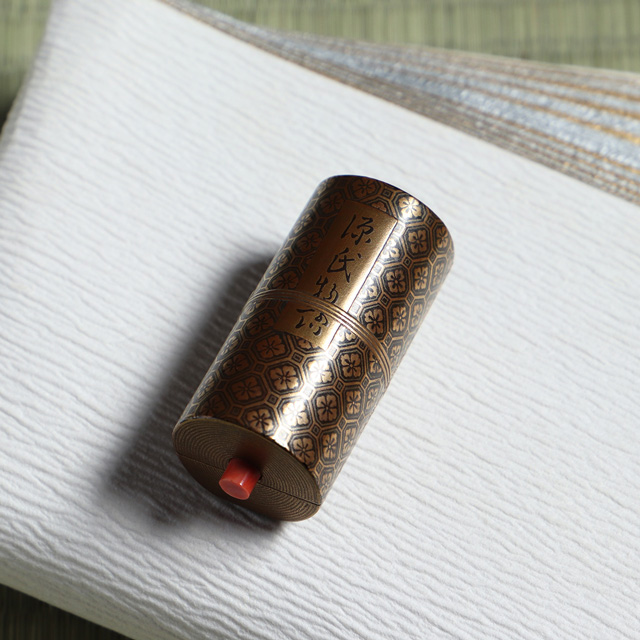
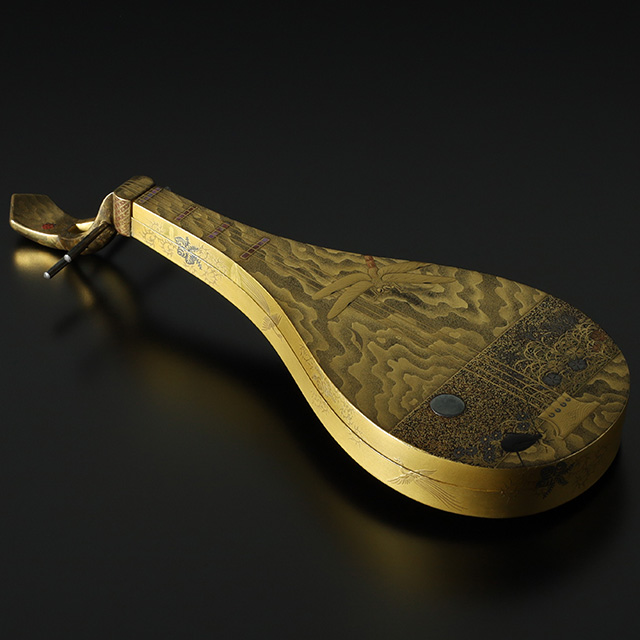
Regarding these works,
we provide guidance for purchase
as well as consultations for their sale.
Drawing on many years of specialized expertise and experience,
we are committed to offering the finest proposals tailored to your wishes.