


Ko-Kutani Style
古九谷様式
Ko-Kutani Style
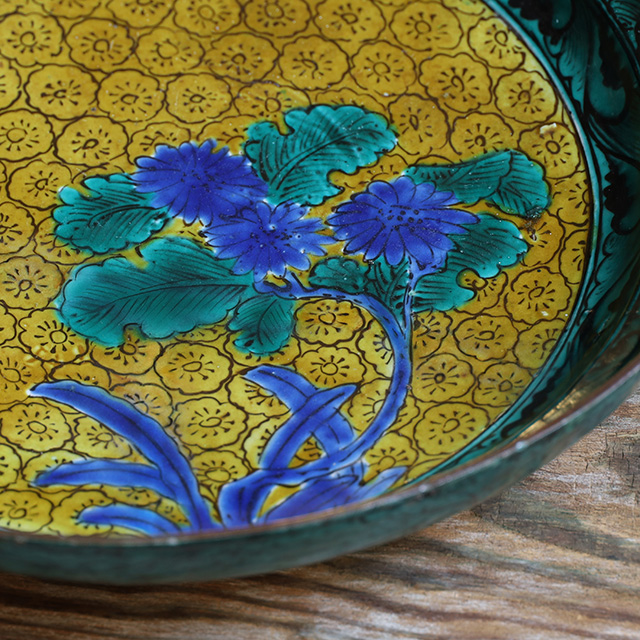
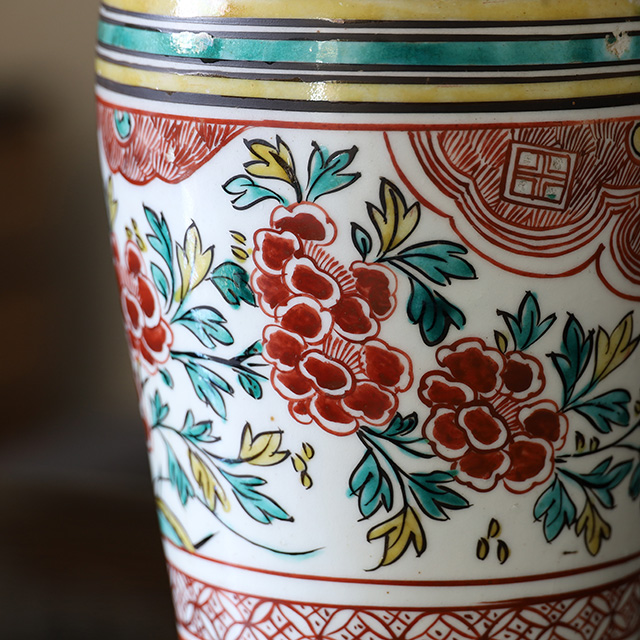
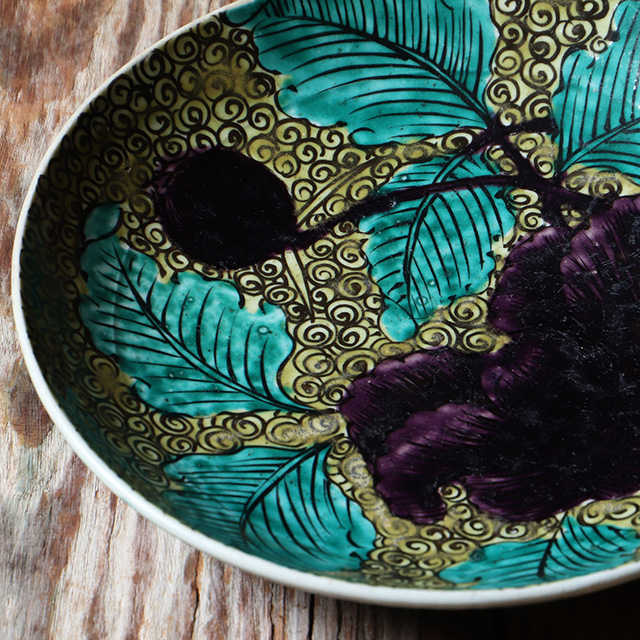
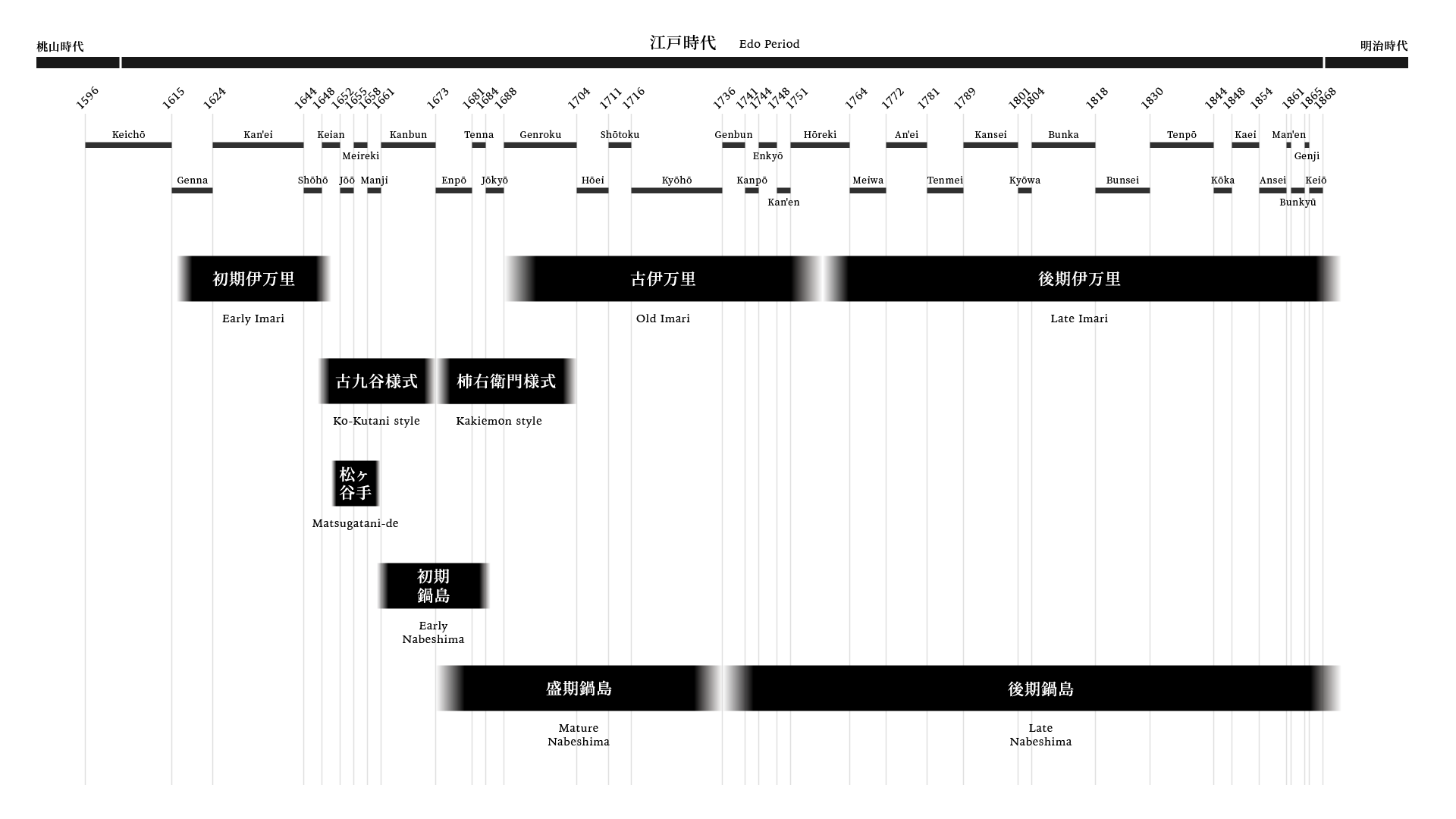
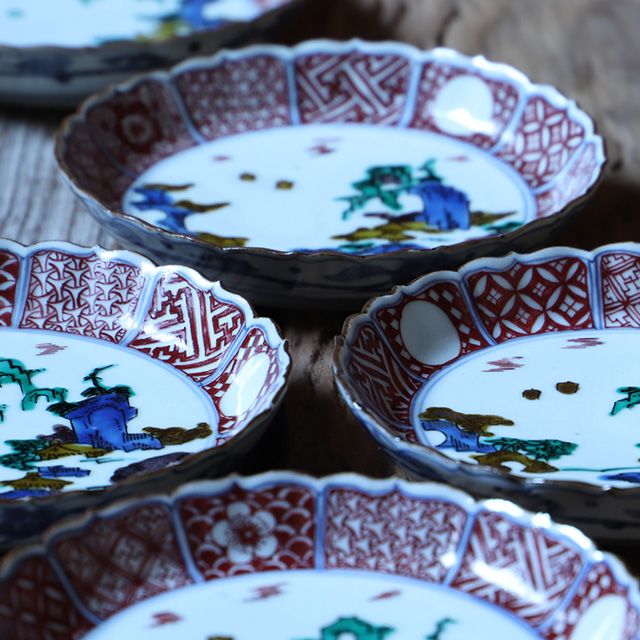
The Ko-Kutani style refers to a mode of Imari ware produced in Arita, Hizen during the early Edo period. In the 1640s–1650s, the introduction of overglaze enamel techniques to Imari ware—previously centered on underglaze blue—sparked remarkable technical innovation and led to the development of what is now known as the Ko-Kutani style. Although these early overglaze porcelains began as adaptations of Chinese models, they gradually came to embody a distinctly Japanese aesthetic. Many pieces were created for celebratory banquets or as utensils for the tea ceremony, reflecting the tastes of connoisseurs. As painting techniques advanced rapidly, works showing the involvement of professional painters began to appear. Signed pieces also increased, with a variety of marks such as Kakufuku and Homare coming into use. As the diameter of plate footrings widened, potters adopted a method of supporting vessels during firing with conical props made of the same porcelain material—known as hari (firing marks)—to prevent sagging at the base. Ko-Kutani polychrome ware is distinguished by its bold, vigorous presence, its richly saturated palette reminiscent of oil painting, and its highly individual designs. These qualities long supported the “Kaga theory,” which held that such wares were produced in Kaga (present-day Ishikawa Prefecture). However, extensive discoveries of Ko-Kutani-style biscuit shards and enamelled fragments at early kiln sites in Arita have led to the widespread acceptance of the “Hizen theory,” which identifies Arita in Saga Prefecture as the true place of production. By the mid‑17th century, Arita potters—through tireless effort—had reached a level of mastery that allowed them to look toward Jingdezhen, the world’s foremost porcelain center. The brilliance of the Ko-Kutani style stands today as a testament to their technical achievement and refined artistic sensibility.
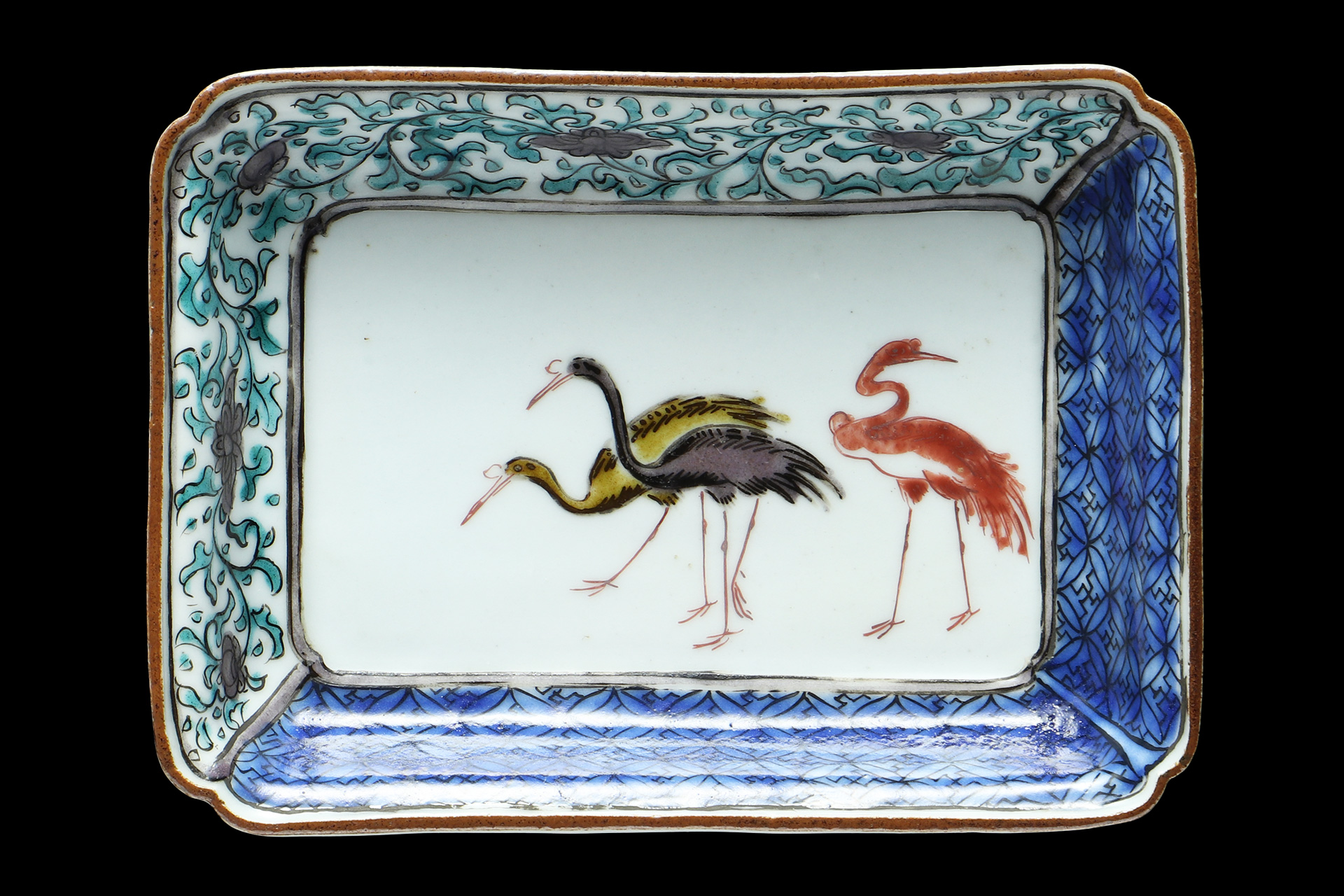
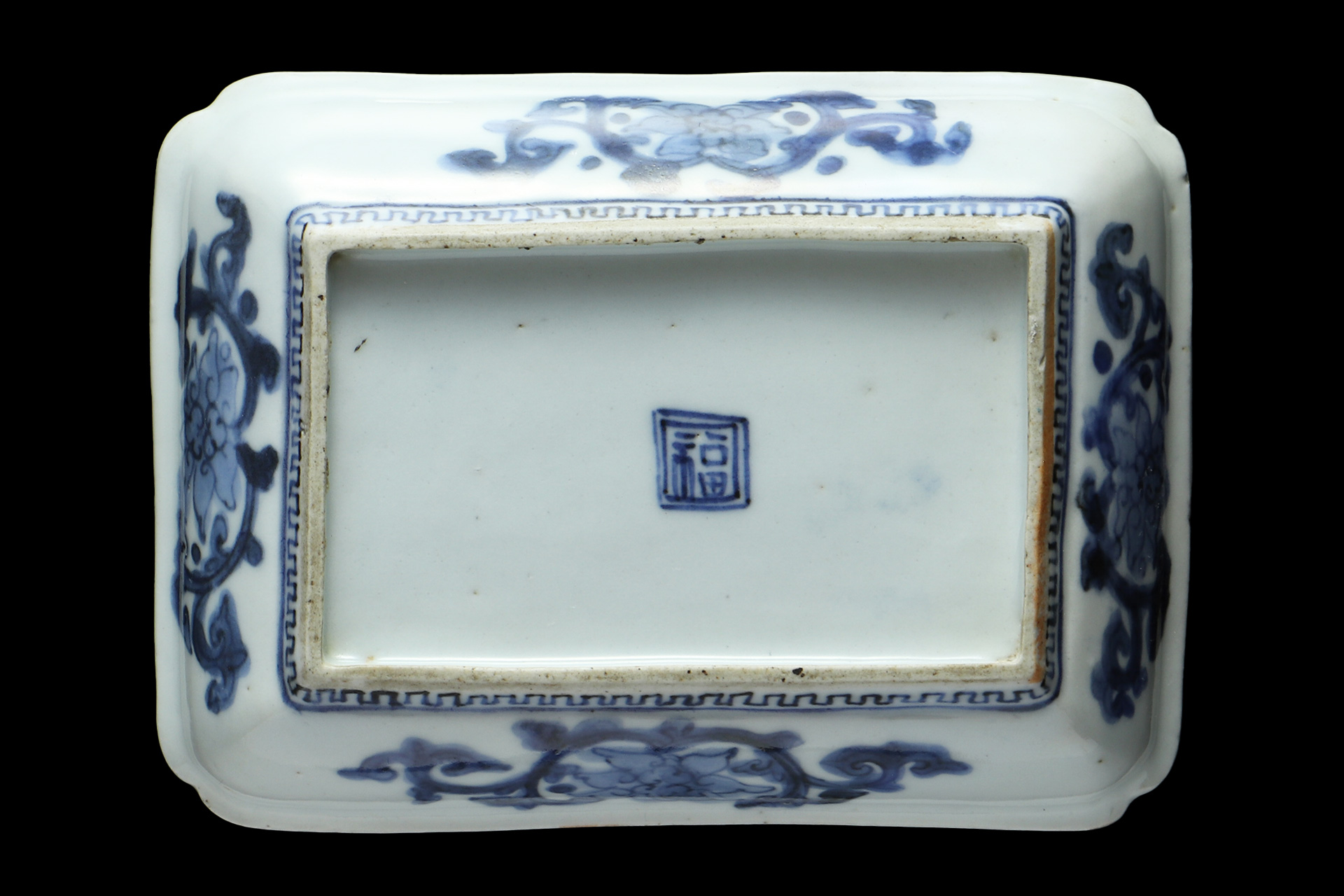
The Ko-Kutani Controversy
- Produced in Kaga (Ishikawa Prefecture) → “Kaga Theory”
- Produced in Hizen (Saga Prefecture) → “Hizen Theory”
In 1914, Masatoshi Okochi (1878–1952), together with Seiichi Okuda and others, established the Ceramics Research Society within the Department of Psychology at the Faculty of Letters, Tokyo Imperial University. This initiative soon developed into the Saikokai, a group that advanced a scientific and scholarly approach to ceramics beyond traditional connoisseurship. Okochi is widely recognized for his significant contributions to the study of ancient ceramics and Ko-Kutani ware, laying essential foundations for modern ceramic research. Around 1938, however, Daisuke Kitahara proposed a new theory asserting that Ko-Kutani ware had been produced in Arita, Hizen (Saga Prefecture). After Okochi’s passing, this theory sparked vigorous debate, with both supporters and opponents presenting their views. Researchers including Sakuro Yamashita conducted independent investigations of early kiln sites in Arita, and in 1968 published Ko-Imari and Ko-Kutani, formally advancing the Hizen Theory. Excavations at the Y anbeta kiln site between 1972 and 1975 uncovered a large quantity of biscuit shards of five-color overglaze ware (Ko-Kutani style), including pieces with underglaze-blue reverse designs, as well as numerous polychrome fragments. Additional discoveries of enamelled shards and biscuit pieces at kiln sites such as Kusunokidani, Maruo, Tataranomoto, Sarugawa, and Chokichidani further strengthened the empirical foundation of the Hizen Theory. In 1988, excavations at the Akaemachi site in Arita revealed blue-style Ko-Kutani shards and additional polychrome fragments, lending even greater credibility to the theory. Although enamelled shards have also been found in Kaga (Ishikawa Prefecture), many of these differ in vessel form from works associated with the Ko-Kutani style. In recent years, advances in trace-element analysis of ceramic bodies have demonstrated strong compositional similarities with porcelain produced in Arita.
* Although various views on the place of origin continue to be discussed, the term “Ko-Kutani” has long been accepted as a conventional designation within the art world, and its usage does not diminish the beauty or value of the works themselves.
Introduction of Overglaze Enamel Techniques
In hizen during the edo period, overglaze enamels were known as “Akae”. In the 1640s, due to the influence of chinese pottery, a type of old-kutani called overglaze enamels porcelain emerged. Unglazed pottery with overglaze enamel is fired at approximately 1300℃, after which a pattern is painted on with colors like red, green, yellow, blue, and purple, and it is then put in a nishiki kiln, which is made with two layers to prevent the fire from touching the pottery directly, and fired at a low temperature of around 800℃. Fragments of overglaze enamel pottery have also been found at the remains of kilns such as kusunokidani, maruo, tataranomoto, sarugawa, chokichidani, and it is thought that before saga domain established the akaemachi area to restrict the use of overglaze, potters were using overglaze relatively freely. One factor thought to be a reason not many overglaze enamel fragments have been found is that overglaze pottery is fired at a low temperature, so failure is rare. The nishiki kilns used at the time were small kilns, different to the climbing kilns(Noborigama)used for glaze firing, and were built on flat ground. The unearthing of old kilns is mainly done for climbing kilns built on hillsides, and digs on flat ground aren’t often conducted, with the exception of akaemachi ruins, which is another reason few overglaze enamel pieces have been found. At the time, overglaze enamels porcelain was the most valuable, high class type of porcelain, so it was perhaps inevitable that the people advancing porcelain production would decide to import the overglaze enamels technique.
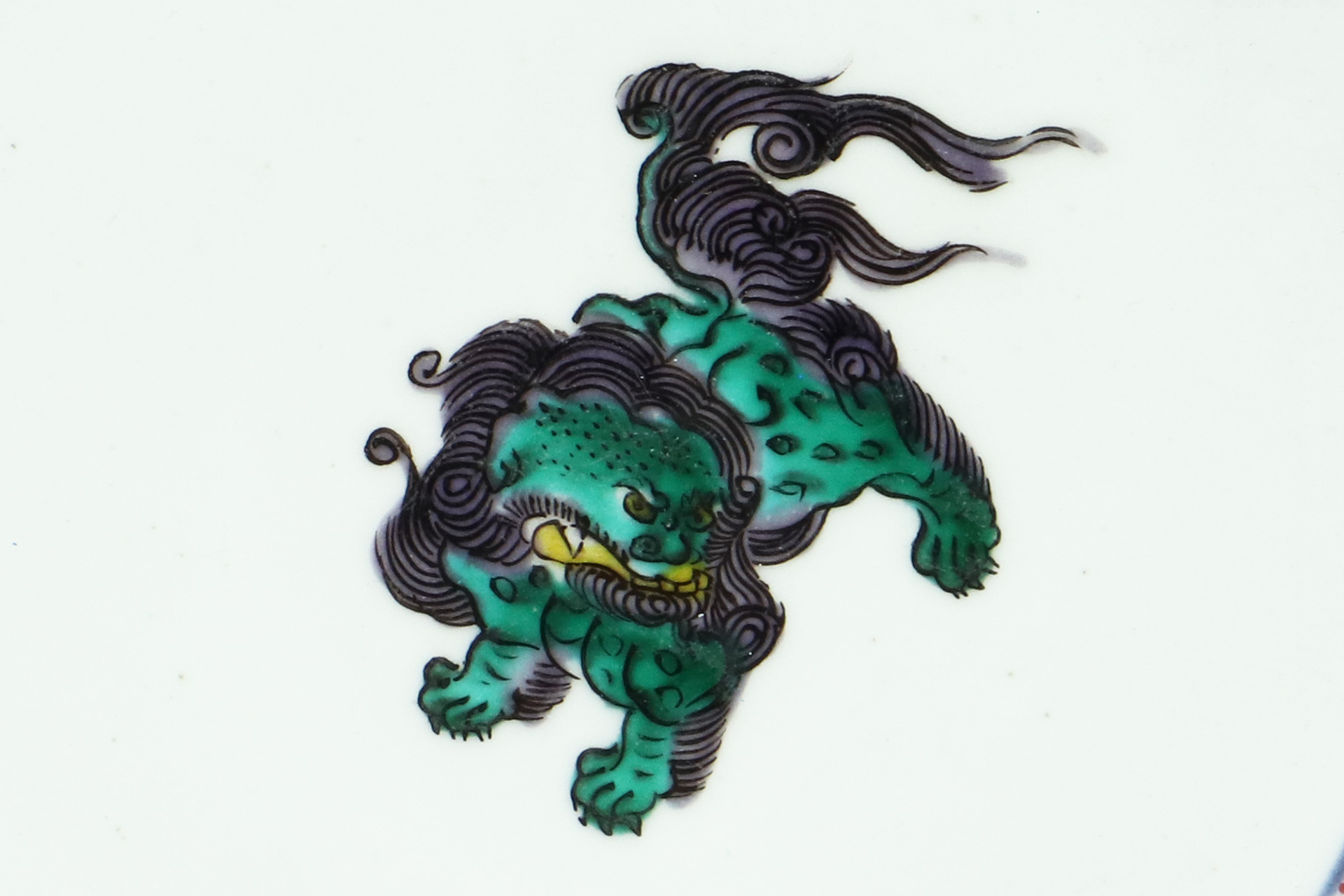
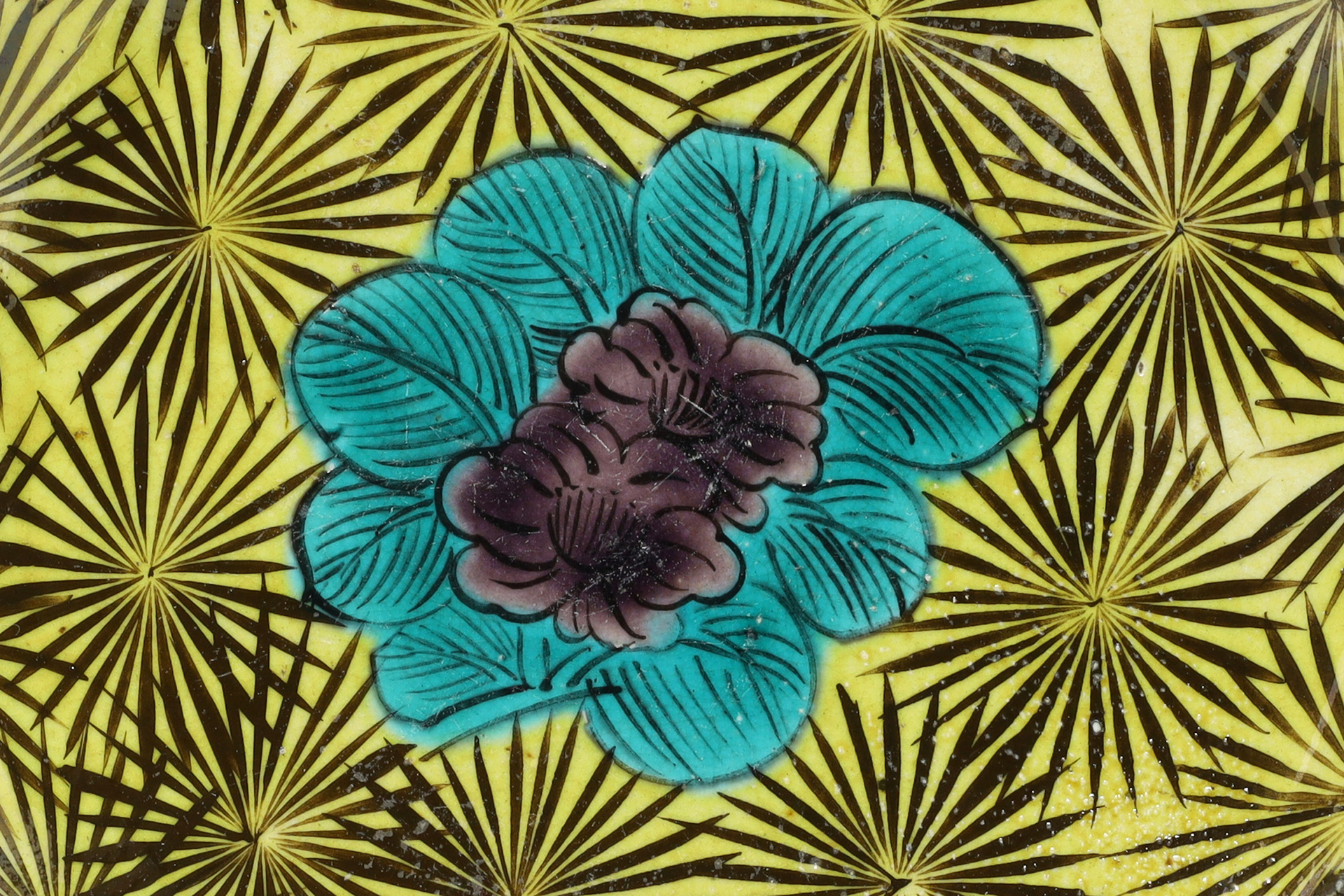
Akaemachi
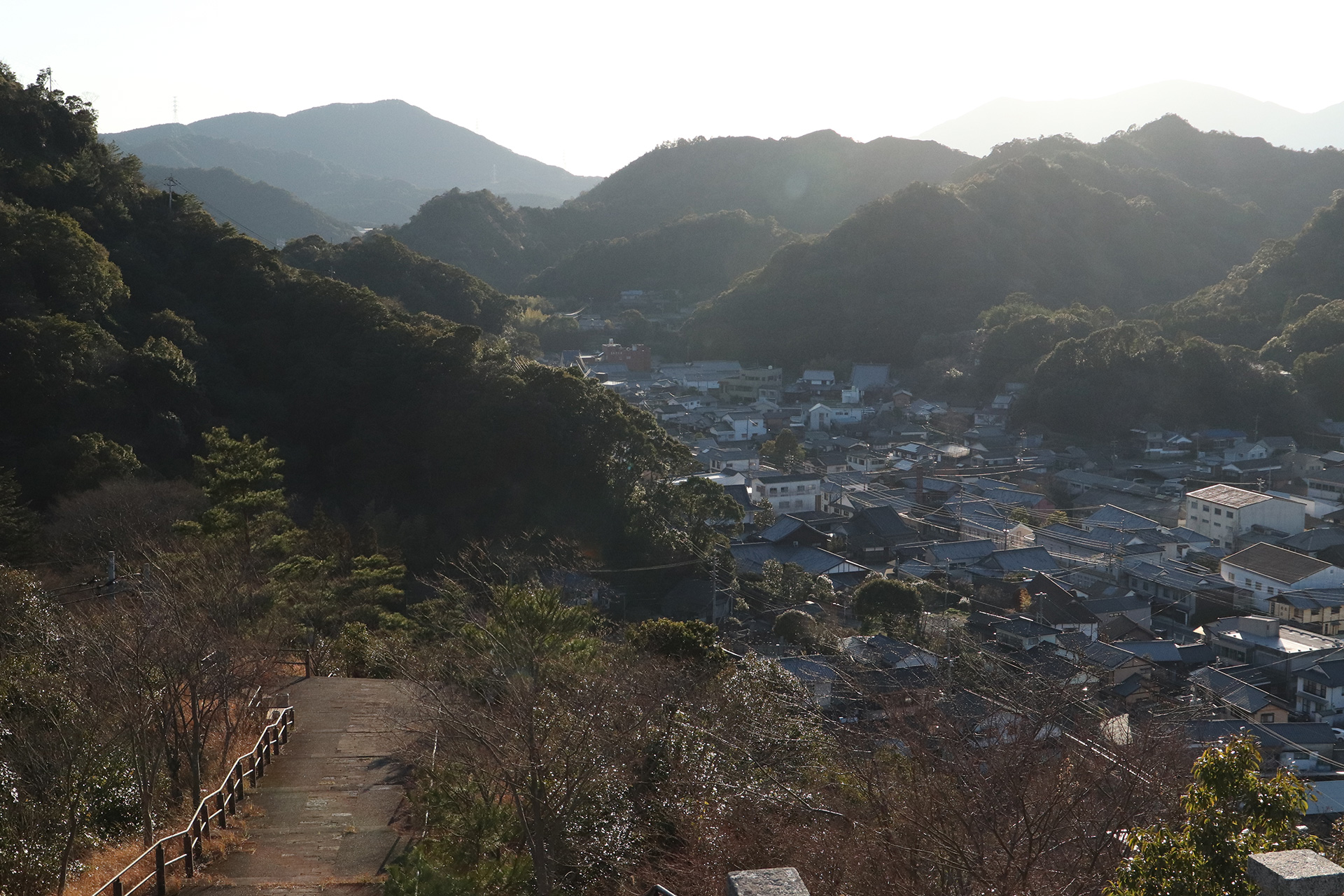
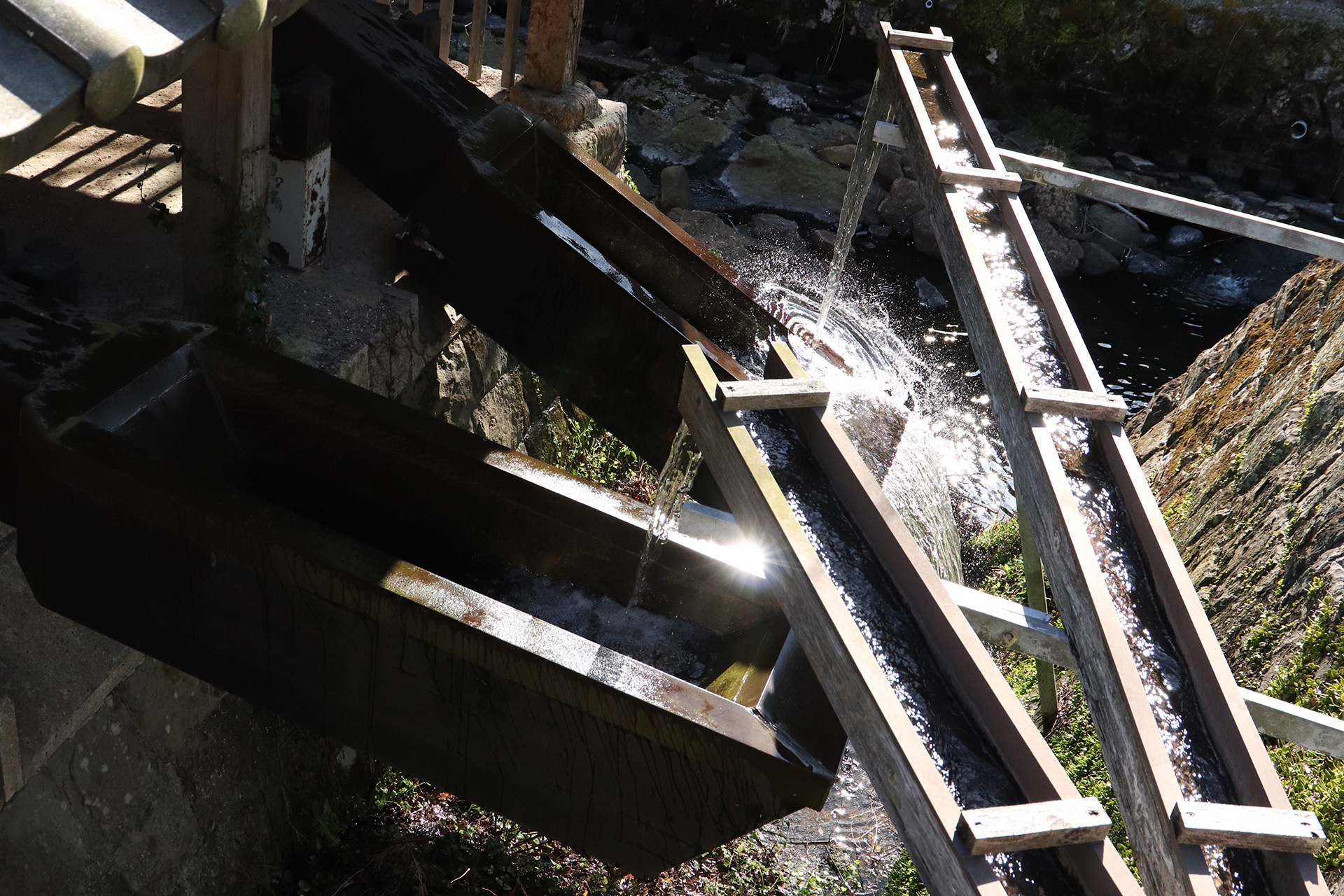
In 1637, the saga domain government claimed that potters were cutting down too many trees on the mountains for firewood, so they expelled 826 potters, and created 13 kiln areas in the eastern region of arita(this area would later become known as uchiyama, and would be a hub of pottery production). Once the production of overglaze enamels porcelain, which has high value added, became popular, saga domain introduced division of labor into overglaze production, and in 1672, in order to prevent sloppy production driven by competing for profit, as well as the leaking of the akae technique to other domains, the government certified 180 kilns and 11 akaeya(overglaze specialist)businesses, and established akaemachi in the center of the uchiyama region. All unglazed overglaze enamel pottery was systematically transported to akaemachi, where overglaze was applied. To keep the technique a secret, only the eldest son of an akae craftsman could succeed him, and the industry was strictly regulated under the watchful eye of the pottery region’s daikan(local governor). The large bell at houon-ji temple in hiekoba, which existed until wwii, was most likely created in the Kanbun era(1661-1673), and the word “Akaemachi” was written on it, which proves that akaemachi existed at that point in time. Saga domain was trying to build a pottery industry that would financially benefit the domain. By concentrating resources like knowledge and materials in uchiyama, the center of production, they attempted to create an efficient system that would provide reliable profit. The various elements comprising this system were also adopted and discarded over time, with the ones matching the demands of the time being bolstered, while those that didn’t match were thrown out. By the middle 17th century, many important kilns outside uchiyama, such as the yanbeta and maruo kilns, were abandoned. It is thought that many of the overglaze enamel specialists from these kilns were involved in the establishment of akaemachi. When akaemachi was founded, the main market for overglaze enamel was the international market, and to match the tastes of these foreign buyers, uchiyama craftsmen used milky white porcelain to create thin vessels, and mass produced refined, brightly colored overglaze pottery. In 1988, the arita education committee conducted an excavation of the remains of an overglaze enamel pottery creator’s house in former akaemachi(kitajima family), and uncovered ruins thought to be an akaeya kiln, as well as a multitude of overglaze enamel pottery fragments. This material is incredibly valuable for tracing the history of hizen overglaze enamel from the time akaemachi was founded to the present day. The excavation site is called the akaemachi ruins, and fragments of overglaze enamels porcelain like aode and gosaide have also reportedly been found there. It is thought that iroe(overglaze enamels)old-kutani may also have been created at akaemachi, but these pieces were created at the end of the old-Kutani period, so there aren’t many of them. In addition, clay models(including shapes like humans and elephants)in the kakiemon style have also been uncovered, which shows that they were also involved in the creation of these models.
Akae Related Events
- 1637(Kanei 14):The saga domain government claimed that potters were cutting down too many trees on the mountains for firewood, so they expelled 826 potters, and created 13 kiln areas in the eastern region of arita(this area would later become known as uchiyama, and would be a hub of pottery production).
- 1647(Shoho 4):Slightly before this year, the group led by Kakiemon Sakaida invented the akae style(there are various theories surrounding this). Kakiemon brought the successfully created akae to nagasaki, and sold it for the first time to the buyer from the maeda clan of kaga domain(there are various theories surrounding this).
- 1672(Kanbun 12):Saga domain certified 180 kilns and 11 akaeya(overglaze specialist)businesses, and established akaemachi in the center of the uchiyama region. The large bell at houon-ji temple in hiekoba, which existed until wwii, was most likely created in the Kanbun era(1661-1673), and the word “Akaemachi” was written on it.
- 1770(Meiwa 7):The number of registered akaeya businesses was increased from 11 to 16, and the government announced that it would forever be capped at this number.
- 1809(Bunka 6):The number of registered kilns was increased from 180 to 220.
The Maeda Clan and Ko-Kutani
It is easy to work out that the production of styles like iroe old-kutani and aode-kutani, which used a lot of expensive overglaze enamel pigments, was an order of magnitude more costly than blue and white pottery. It was therefore mainly sold to daimyo(japanese feudal lord)clans like the maeda clan of kaga domain, and rich merchants in the kansai region. The maeda clan in particular is known for their fondness for chinese ceramics(Kosometsuke, Shonzui, Nanjing-Akae, etc.). Due to the civil disorder caused by the transition from the ming to qing dynasty in the 1640s, exports of jingdezhen porcelain had to be halted, and soon many japanese people were calling for domestically produced high quality overglaze enamel pottery to replace it. Many high quality old-kutani pieces, mainly gosaide, have been discovered at the remains of the maeda clan’s estate(located within the grounds of tokyo university), it has also been pointed out that the nabeshima clan and the maeda clan had a deep relationship with each other. We now know that many old-kutani dishes over 40cm wide(which is quite rare in japan)were created because the japanese aristocracy liked to have large dishes to pile fish and poultry meat onto at their banquets. Since it was one of the status symbols, there are almost no similar works in old-kutani large dish.
Ao-de Ko-Kutani
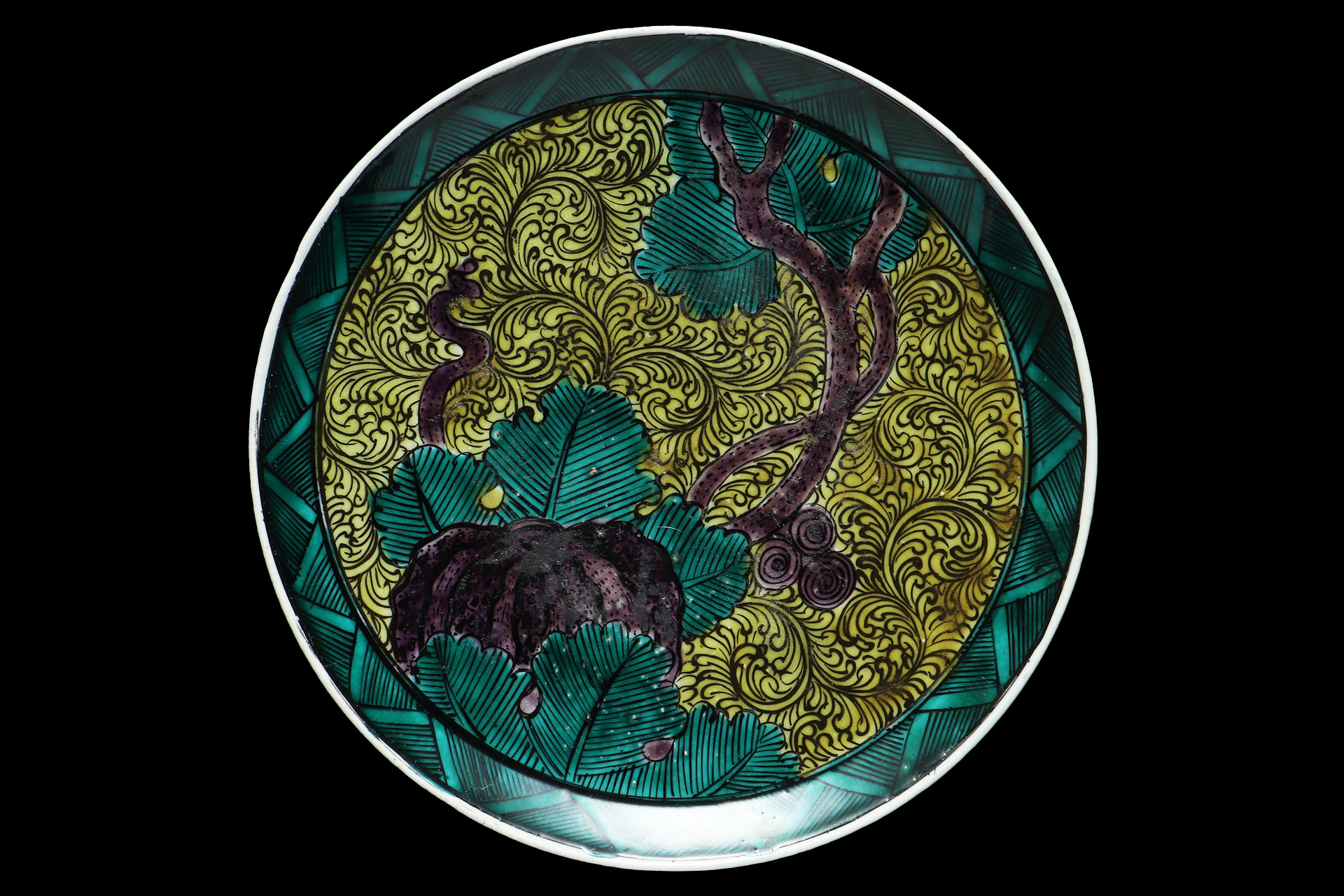
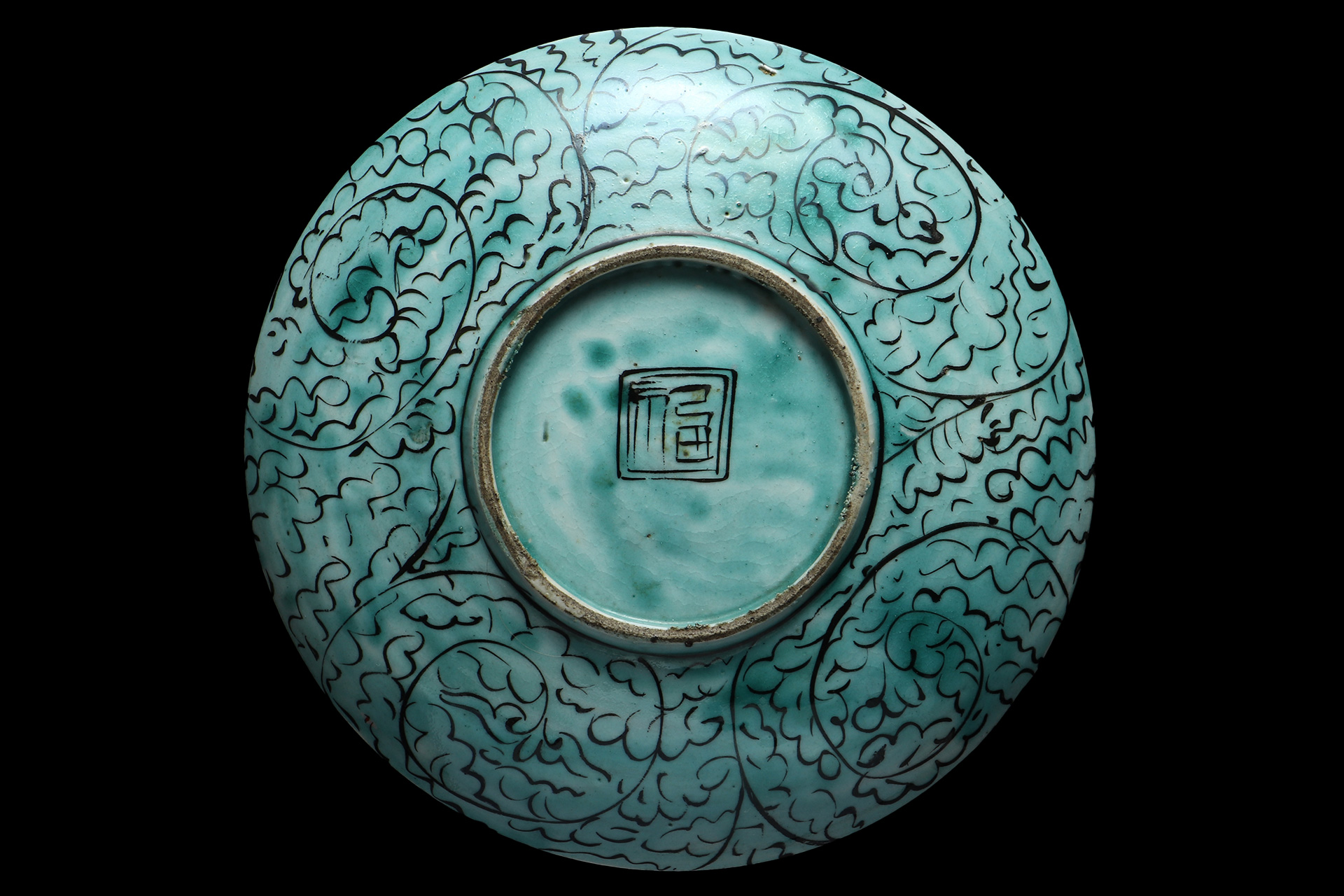
Aode is one of old-kutani style overglaze enamels porcelains. This technique of applying glaze at a low firing temperature is speculated to have been influenced by potteries such as cochin ware, underglaze yellow and overglaze green(jingdezhen kiln), which reached their peak in china during the ming and early qing dynasties. The base is mostly single fire glazing without bisque firing. Their qualities vary considerably, from pottery with high quality white porcelain bases, to those with both porcelain and ceramic elements, to those with inferior ceramic bases. The yanbeta kiln is considered the leading production area.
Suisaka-de
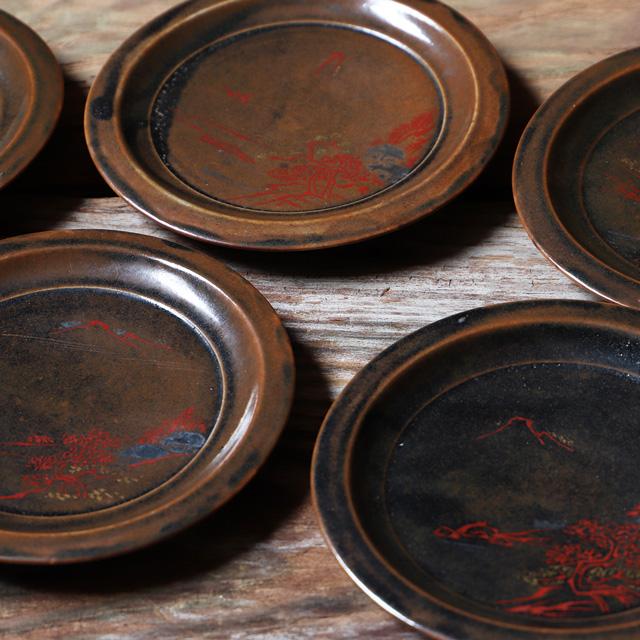
Iron glaze varies in color depending on the iron content in the ceramic glaze, and its classifications are caramel glaze, persimmon glaze, iron glaze, rust glaze, black glaze etc, depending on the coloration. Celadon develops a blue color from trace amounts of iron. Iron glaze works, with their soft appearance, come from a superb technique of single fire glazing. These works are thought to have originated in the suisaka area in kaga, ishikawa prefecture, and were named “Suisaka” accordingly. However, this theory of its origin was proven incorrect when a ceramic fragment of iron glaze, supposedly from “Suisaka”, was found at the yamagoya kiln and the hyakken kiln etc. in the arita old kiln site. Although “Suisaka” featuring an iron glaze is now known to have its origins in arita, the name suisaka remains.
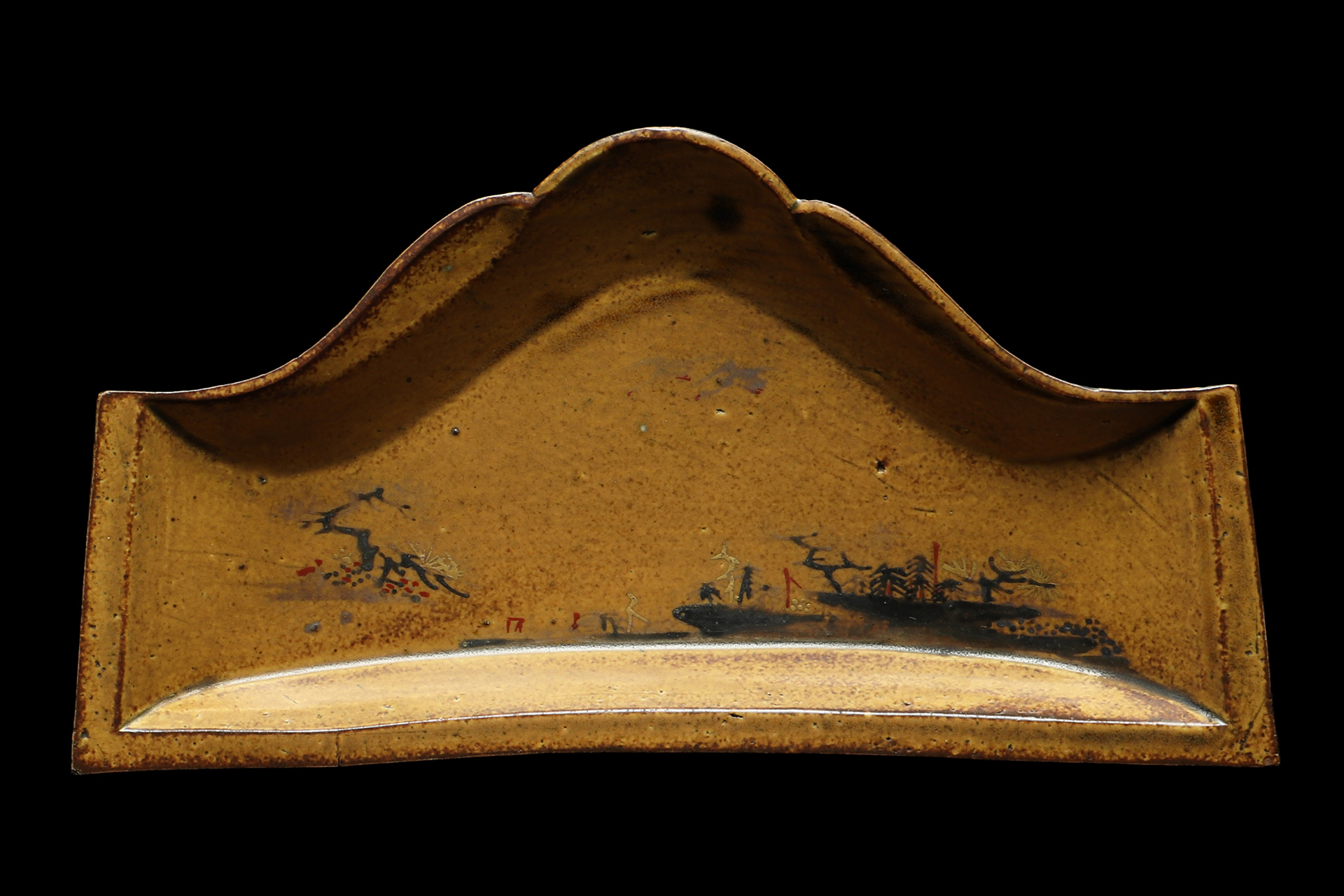
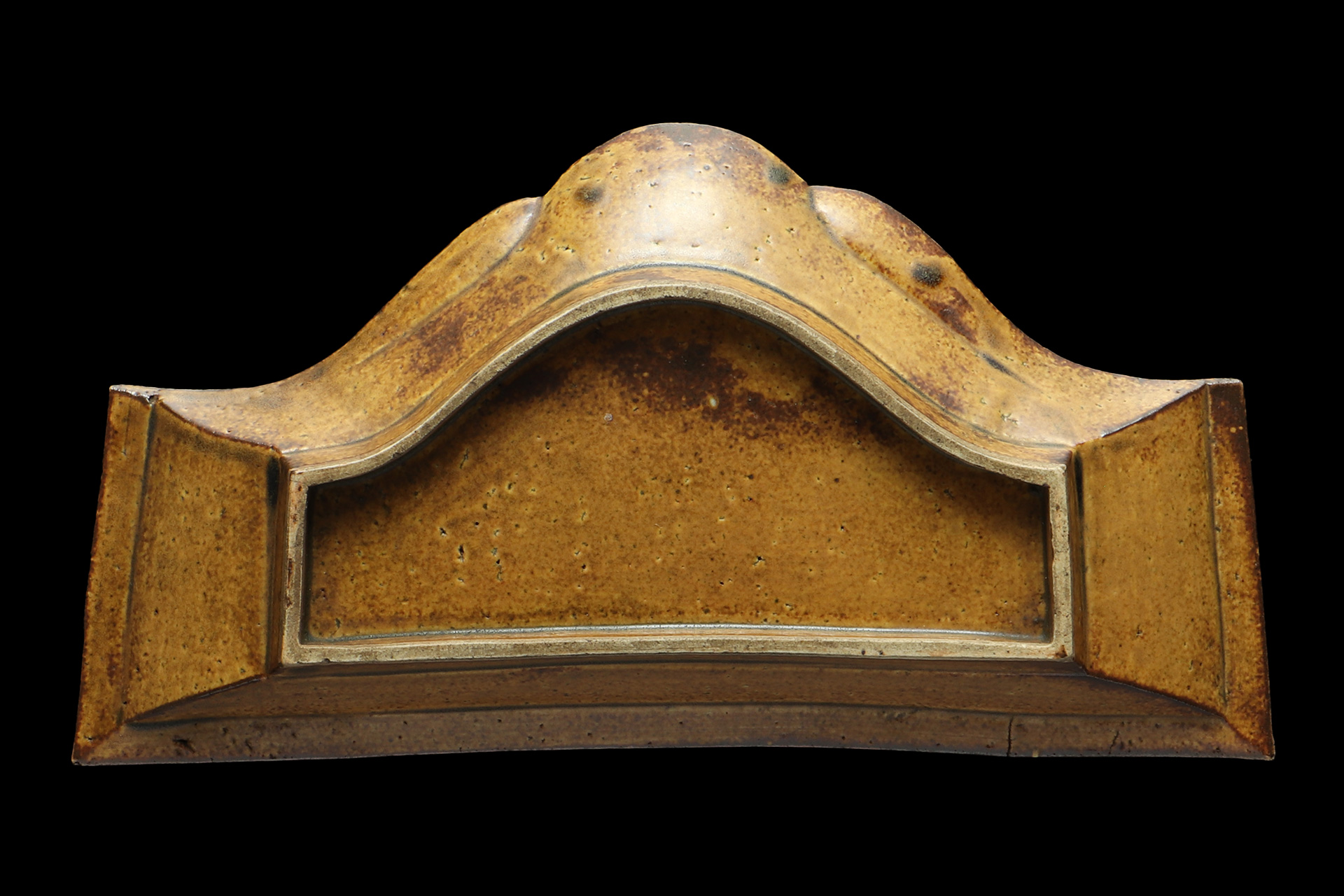
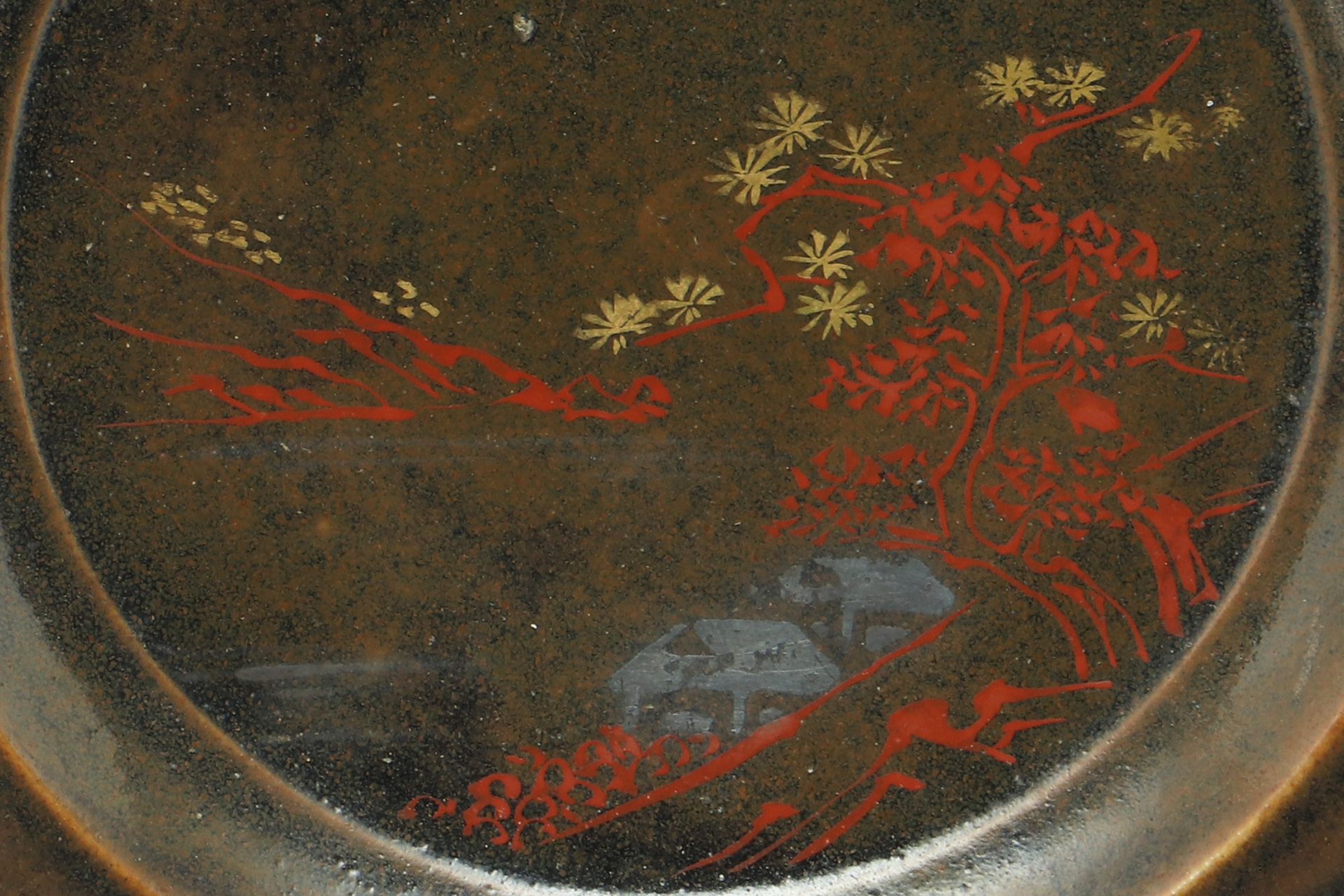
Kinginsai of Ko-Kutani Style
Pottery fired using kinginsai, a technique of coloring with gold and silver, probably began in the Meireki era(1655-58)and made its way as far as europe, based on export records from the dutch east india company(VOC)and handed down pieces. The use of silver coloring declined in the 1670s. One reason may be that when coloring with silver, the silver oxidizes over time, eventually turning into a darker color. On the other hand, gold coloring became widespread from the Genroku era(1688-1704), the peak of old-imari exports, and flourished as the luxurious overglaze enamels and gold, which became the mainstream.
Regarding these works,
we provide guidance for purchase
as well as consultations for their sale.
Drawing on many years of specialized expertise and experience,
we are committed to offering the finest proposals tailored to your wishes.