

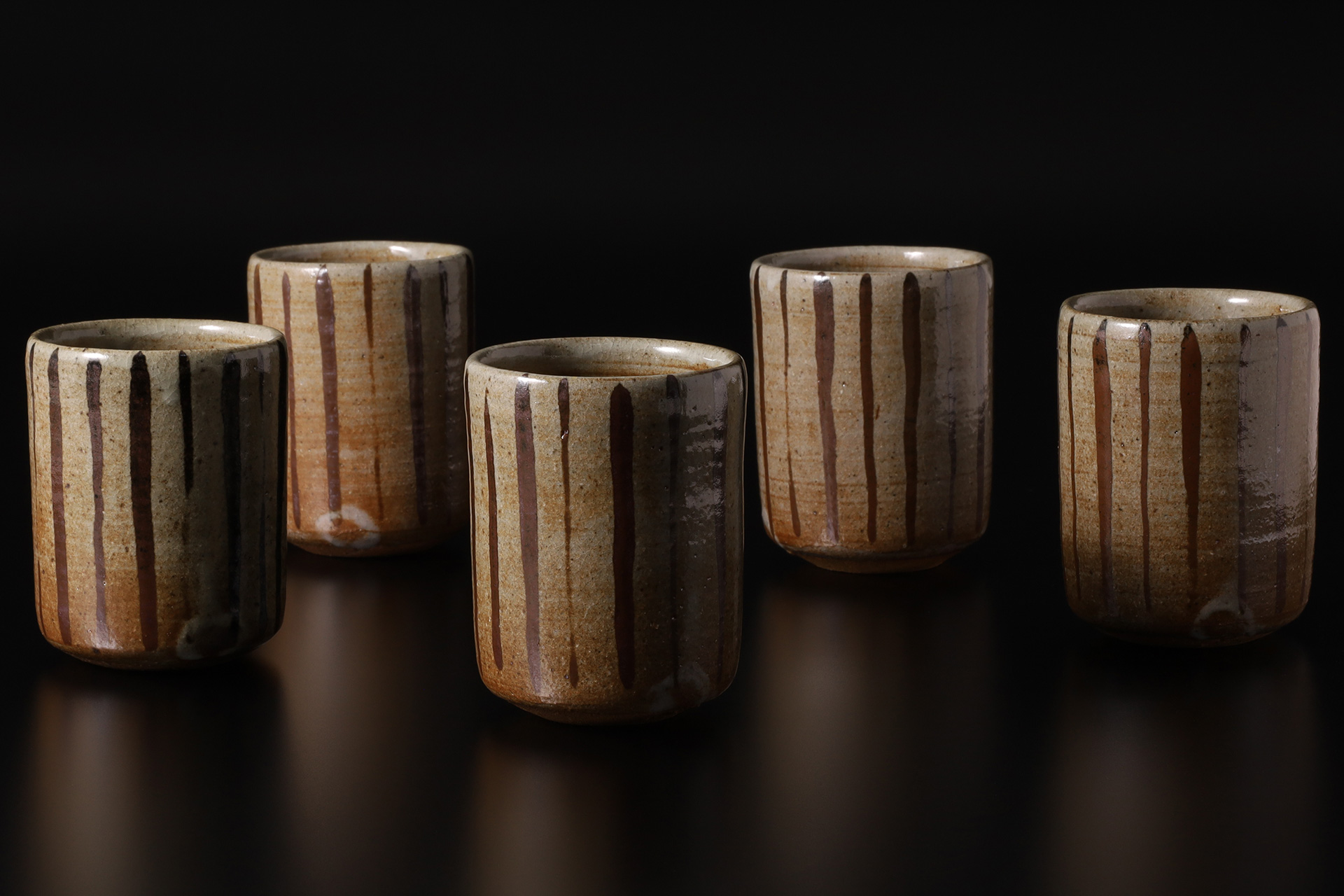
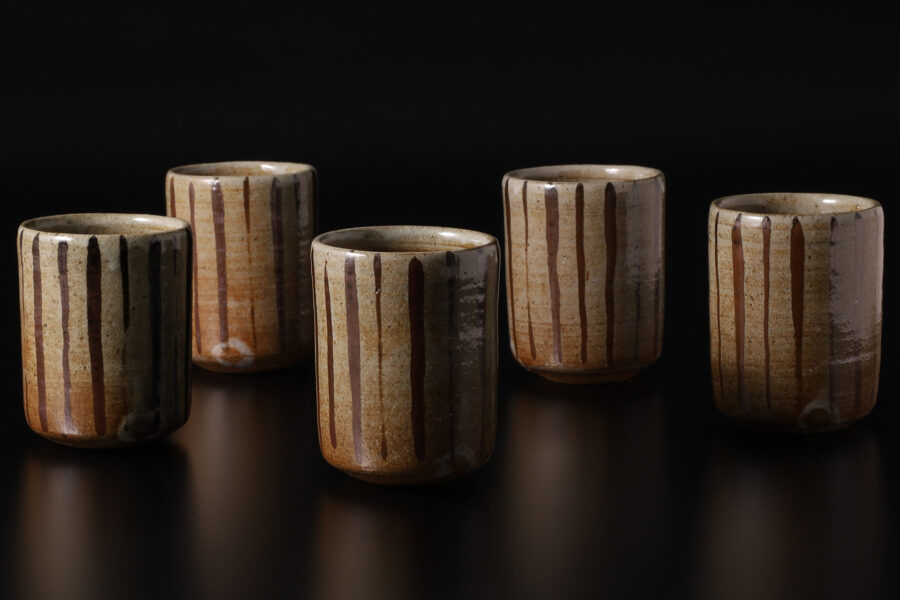
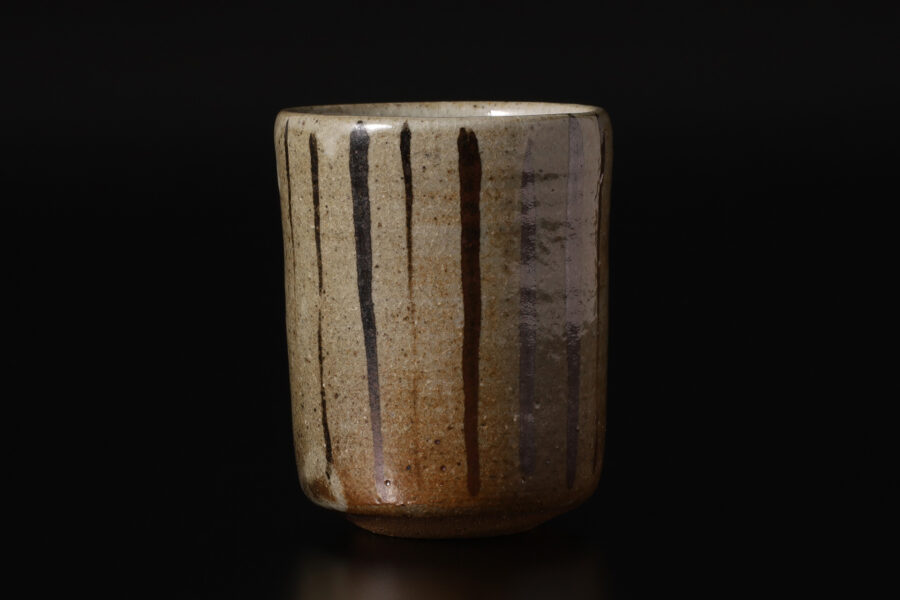
Set of Five E-Karatsu Yunomi Tea Cup (Nishioka Koju)
Sold Out
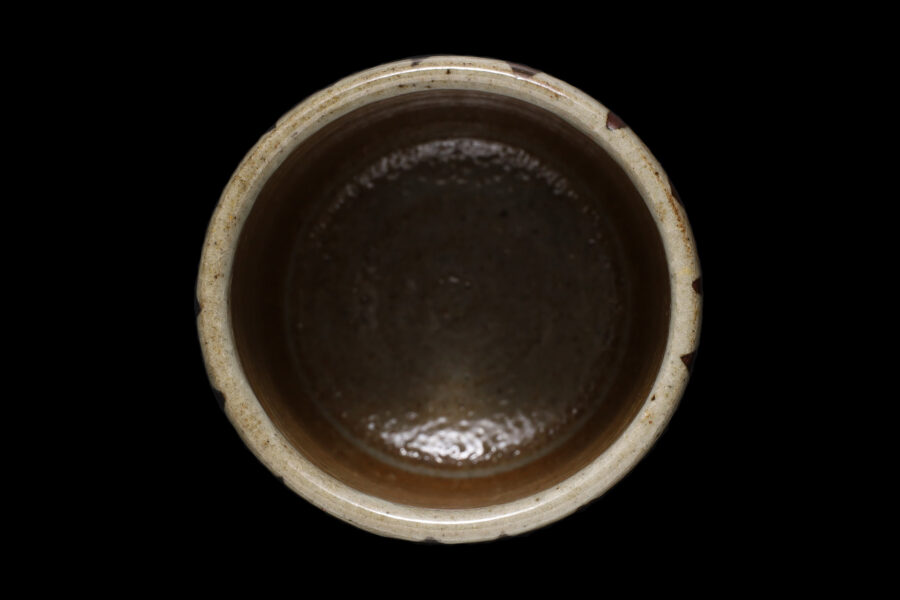
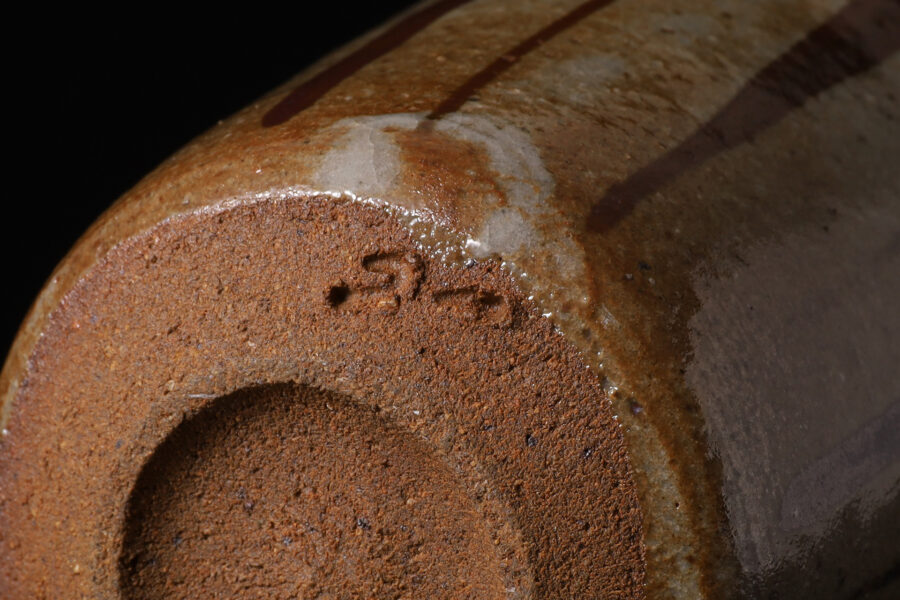
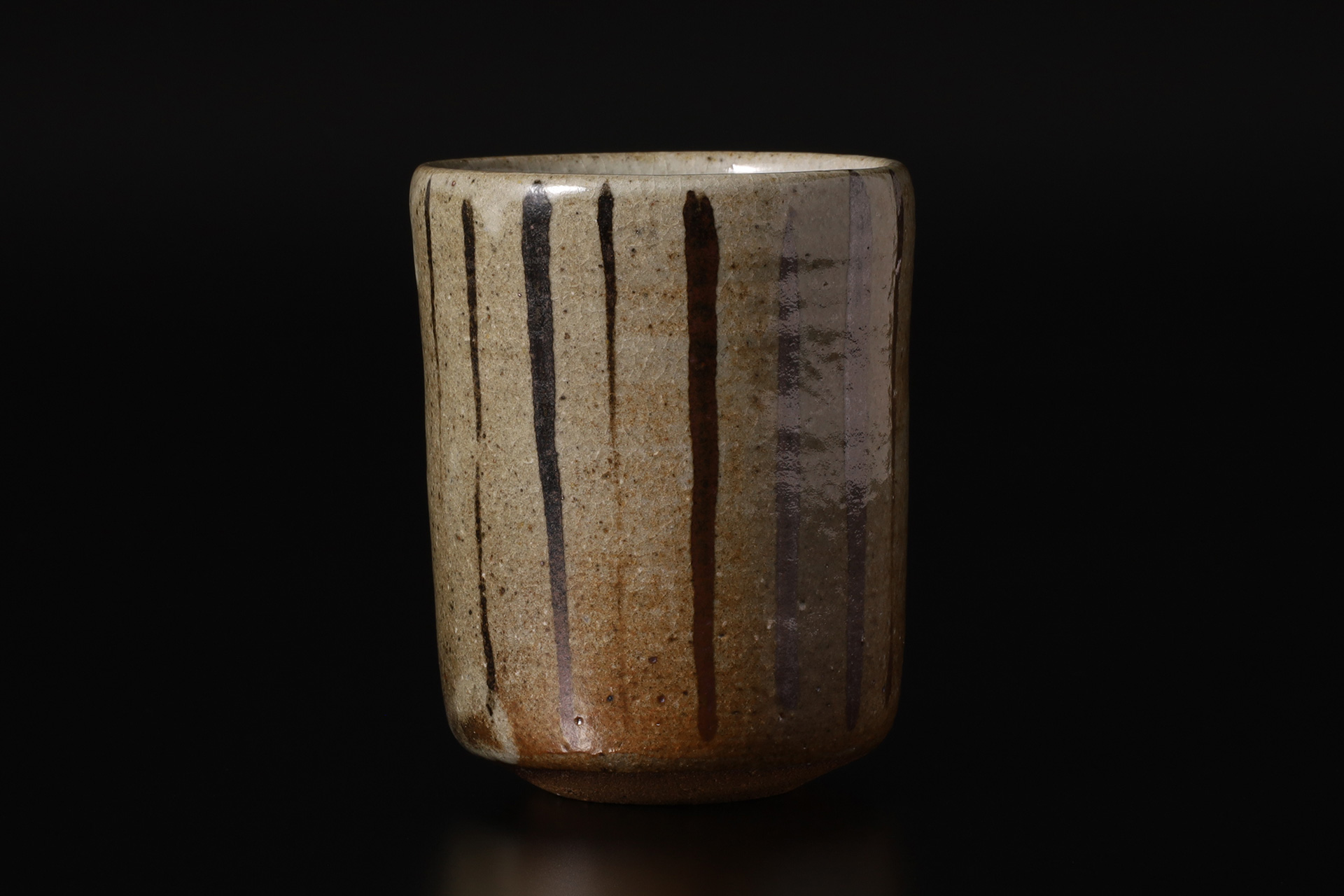
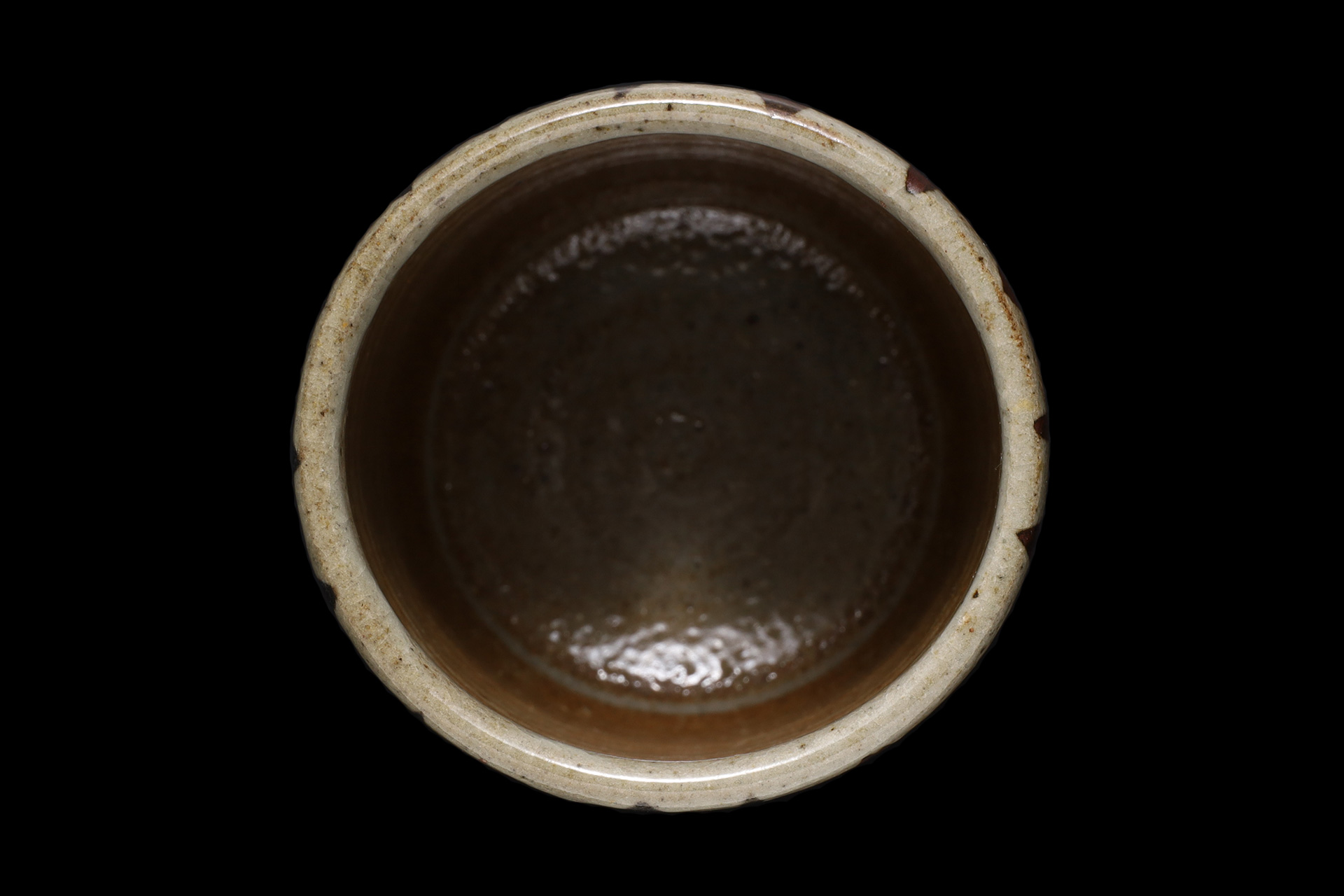
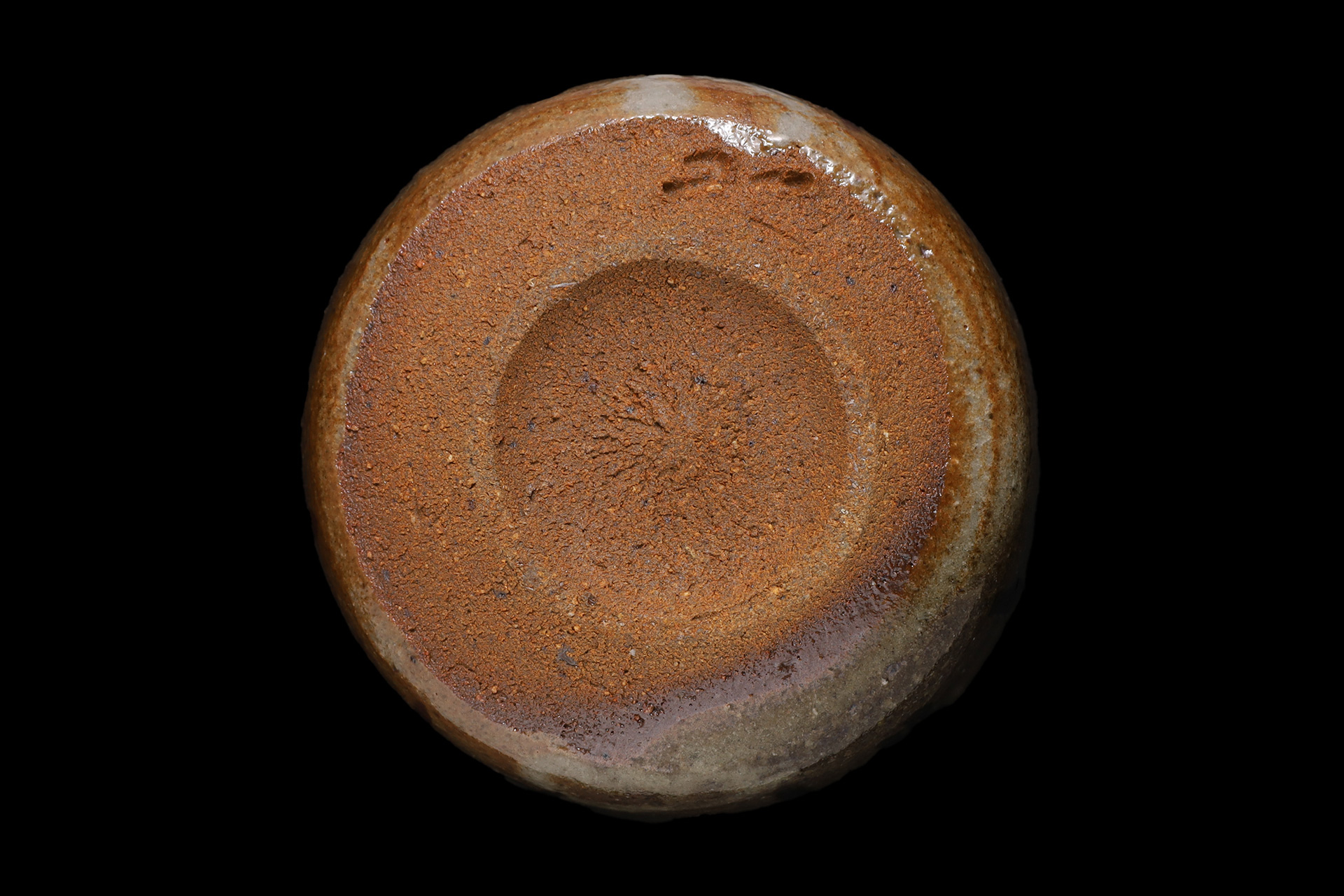
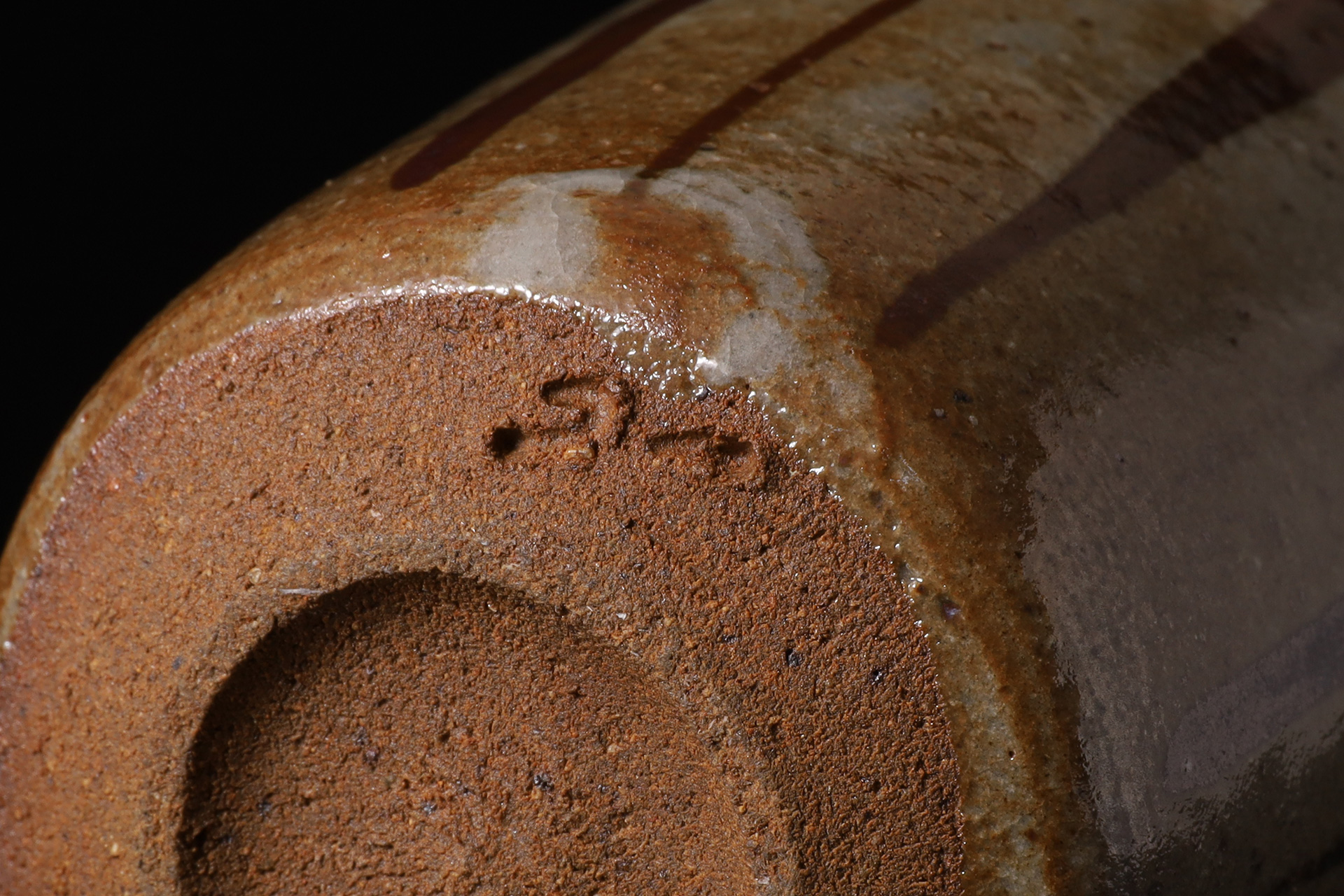
This yunomi tea cup enriches the quiet pleasure of everyday tea and gently brings a meal to its close. Its rustic warmth is balanced by a poised, refined form, and it softly embraces the moments of conversation shared over tea as one reflects on the dishes and the vessel itself. The maker’s clear intention to accompany the user’s time is fully realized in this thoughtfully crafted piece.
Inquiry
- Product Code
- 260301-1
- Artist
- Nishioka Koju
1917 - 2006
- Weight
- Approx. 173 g Per Piece
- Diameter
- Approx. 7.0 cm
- Height
- Approx. 8.9 cm
- Base Diameter
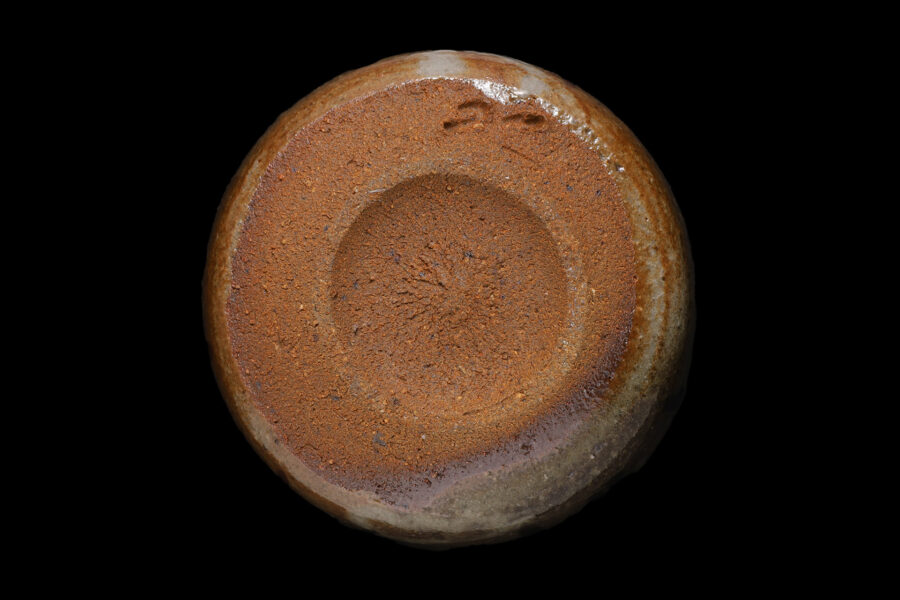
- Approx. 3.7 cm
- Fittings
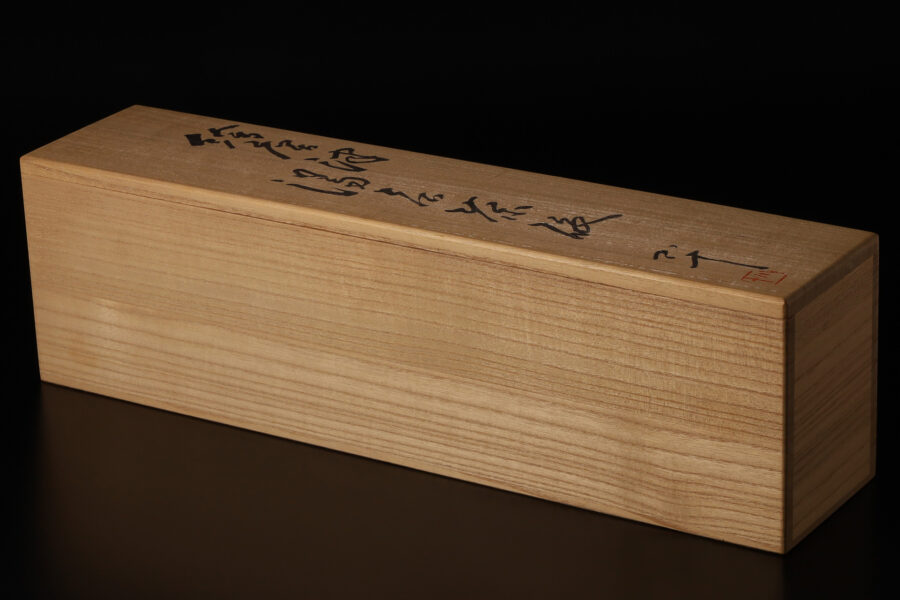
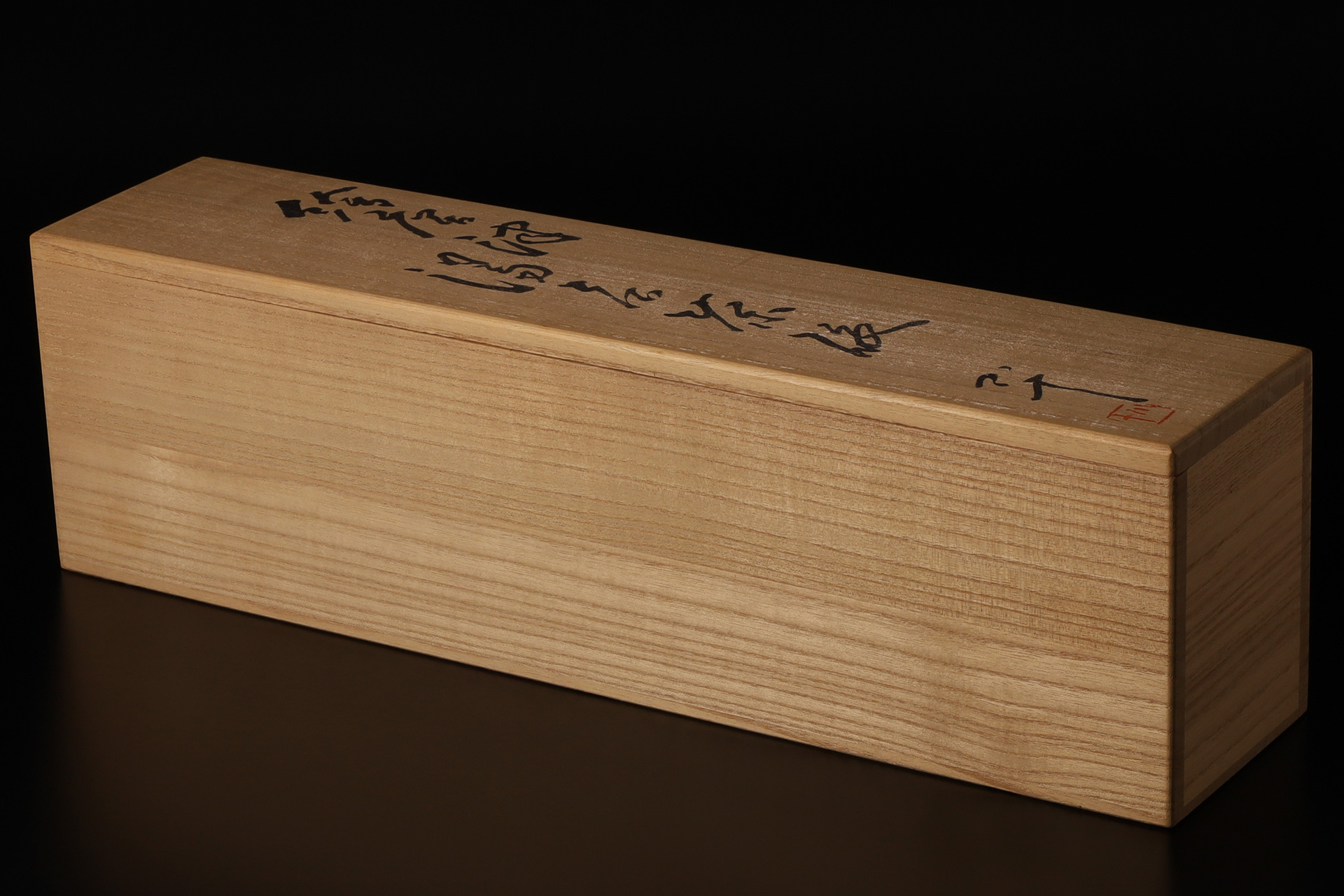
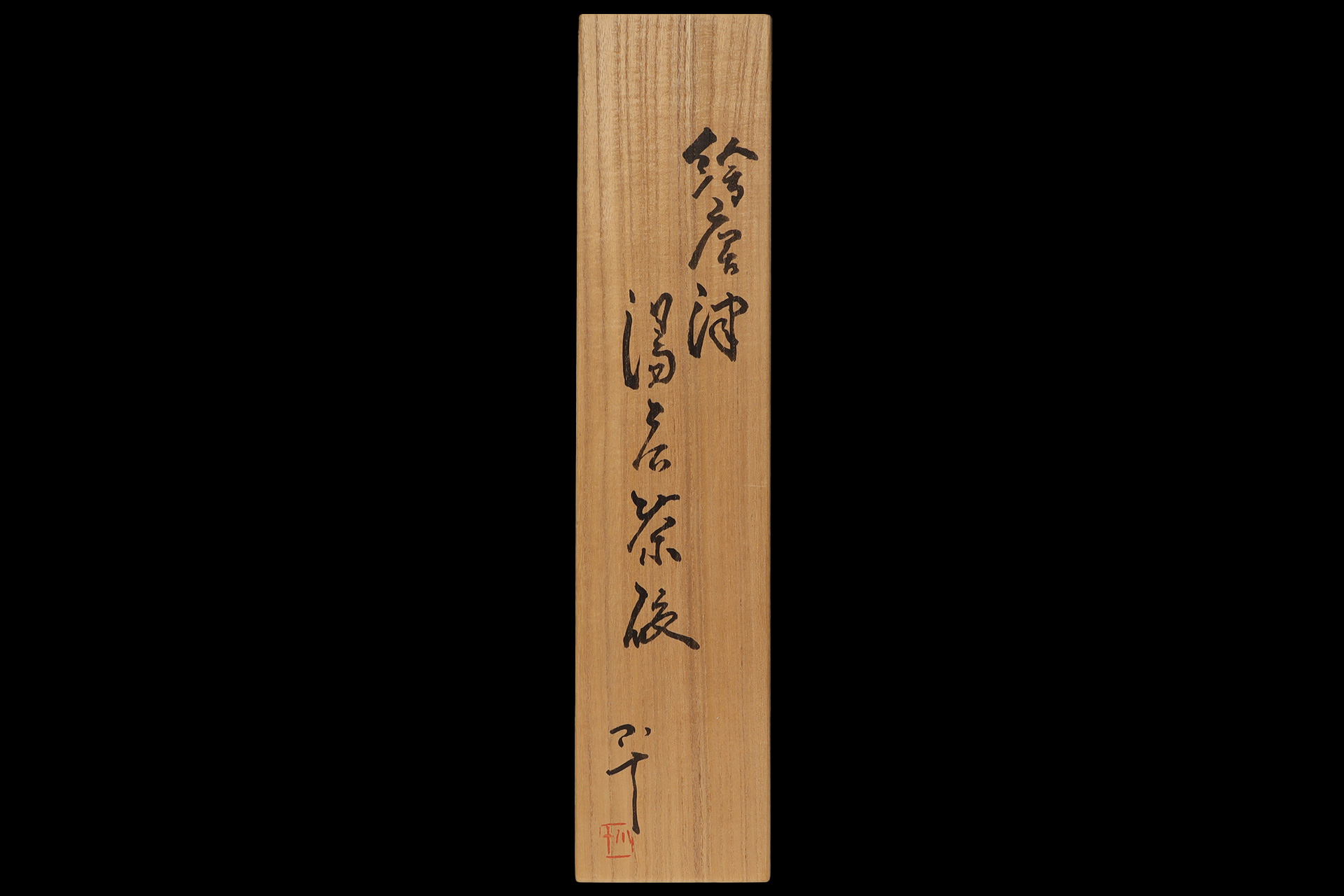
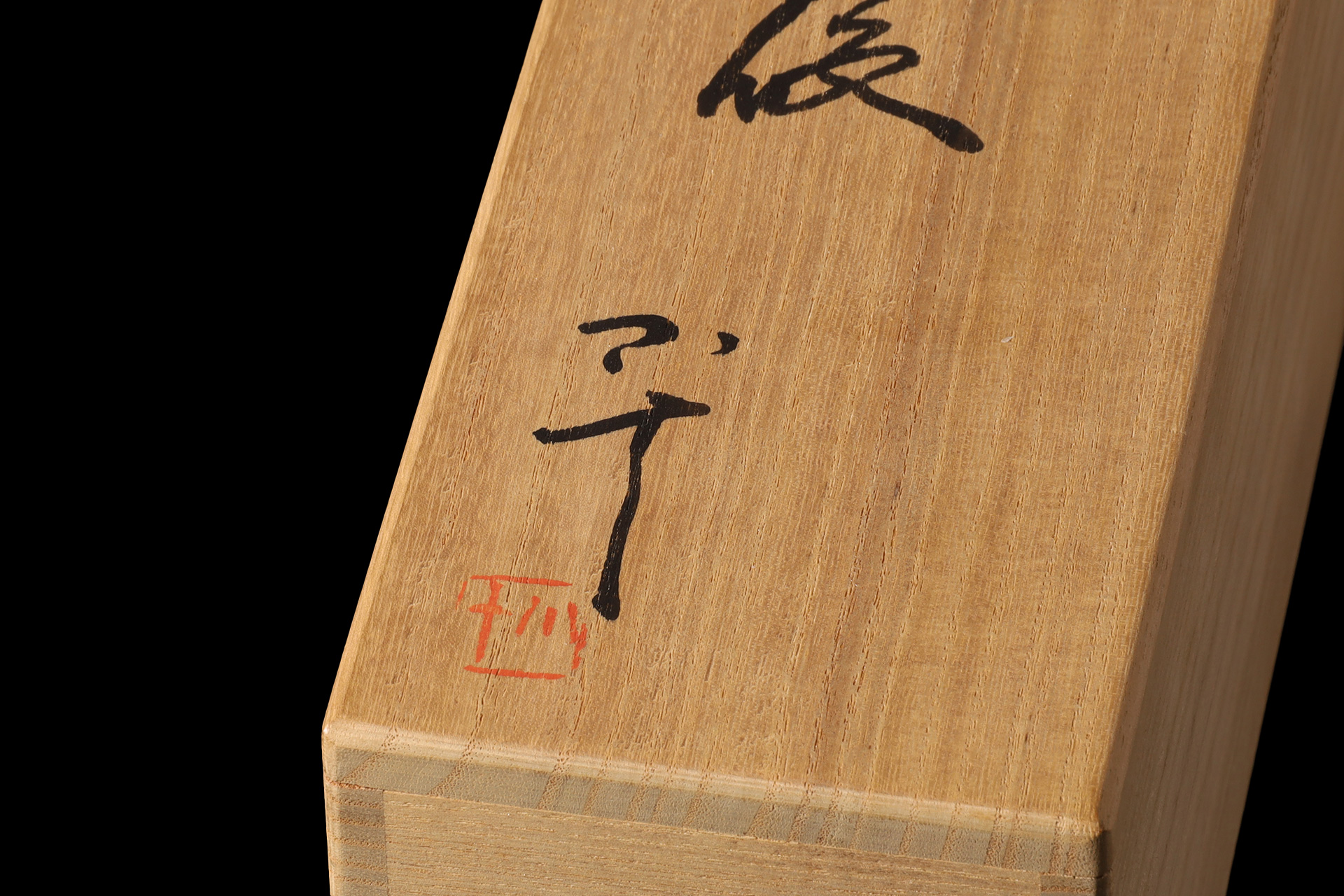
- Tomobako (Original Box with the Artist’s Inscription)
- Condition
- - Perfect Condition
- It is in good condition
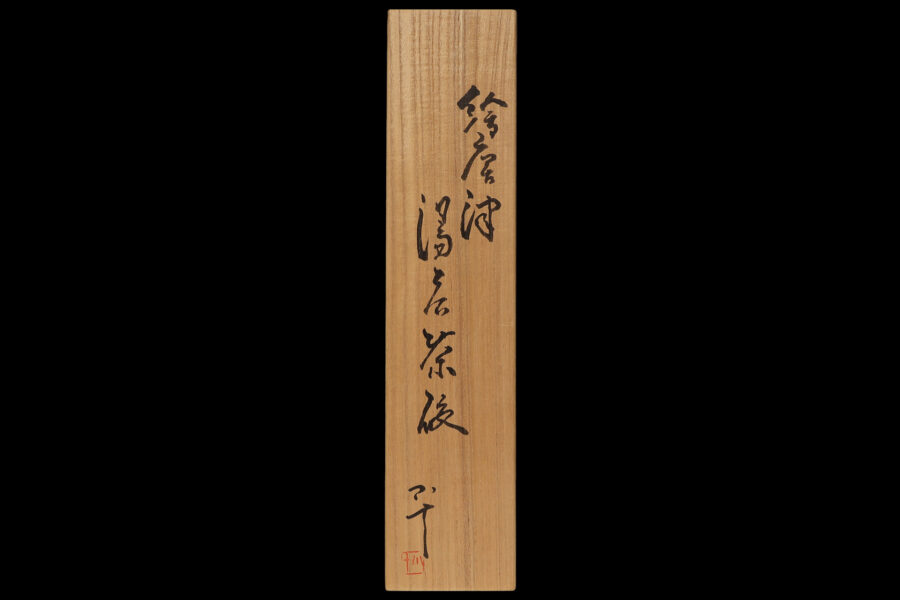
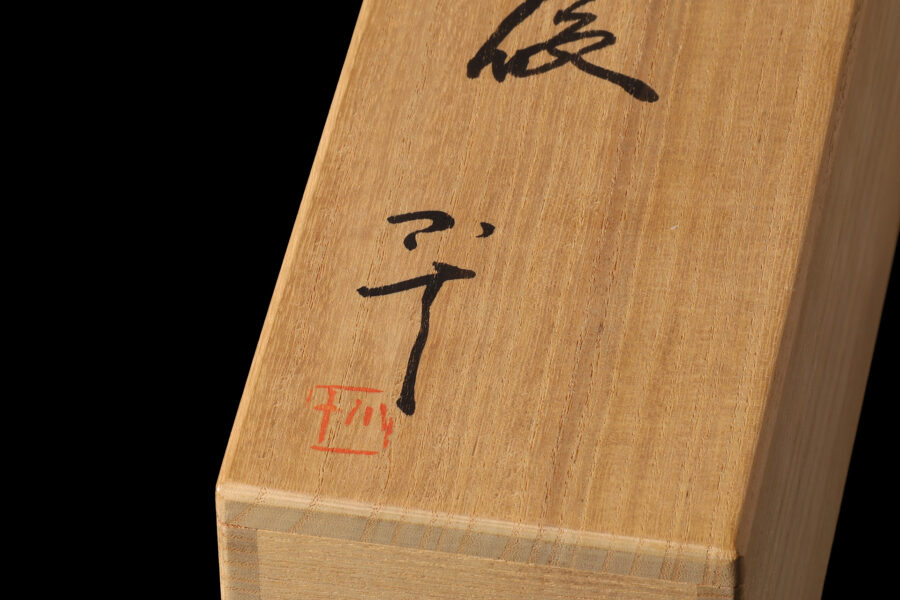


Nishioka Koju 1917 – 2006
Koju Nishioka was born in Karatsu, Saga Prefecture. His given name was Satoru. After attending Karatsu Middle and High School, he graduated from Kansai University and began working for a trading company. However, his career was interrupted by military service, during which he was stationed in Manchuria as part of a field artillery unit. Following the end of World War II, he worked for a life insurance company before returning to his hometown of Karatsu. One day, invited by a friend who loved ceramics, he visited the Hobashira kiln and encountered a shard of Madara Karatsu. Captivated by its beauty, he experienced a fateful encounter with Ko-Karatsu—old Karatsu ware.
Around 1953, in search of a livelihood, he began excavating ancient kiln sites in Karatsu. Through the experience of selling unearthed shards to antique dealers—where finer pieces fetched higher prices—his aesthetic discernment naturally deepened.
In 1960, he met the renowned ceramic scholar Fujio Koyama, and in 1971, under Koyama’s guidance, he built the Kojiro kiln on Mount Kinuboshi. Devoting himself to kiln construction, clay gathering, forming, and firing, he endured a serious illness and underwent surgery, yet in 1975 he held his first solo exhibition.
In 1976, Toyozo Arakawa visited his kiln, followed by Kei Fujiwara in 1980.
In 1981, he successfully revived E-Madara Karatsu, and under Arakawa’s naming, opened the Koju kiln.
In 1983, he also succeeded in reviving Kairagi Karatsu (glazed karatsu with crackled surface).
In 1999, he expanded his activities by establishing the Tatsunoguchi kiln in Nomi City, Ishikawa Prefecture, dedicated to Kaga Karatsu ware.
His meticulous research into ancient ceramics and the technical mastery that supported it earned him the highest praise. Fujio Koyama called him “the god of Ko-Karatsu, who knows Karatsu ware inside and out,” while Toyozo Arakawa remarked, “There is nothing I need to say to Nishioka, who understands Karatsu so thoroughly.” Unaffected by fame or titles, Nishioka devoted himself solely to the revival of Ko-Karatsu. His unwavering dedication established him as a leading figure in modern Karatsu ceramics.