


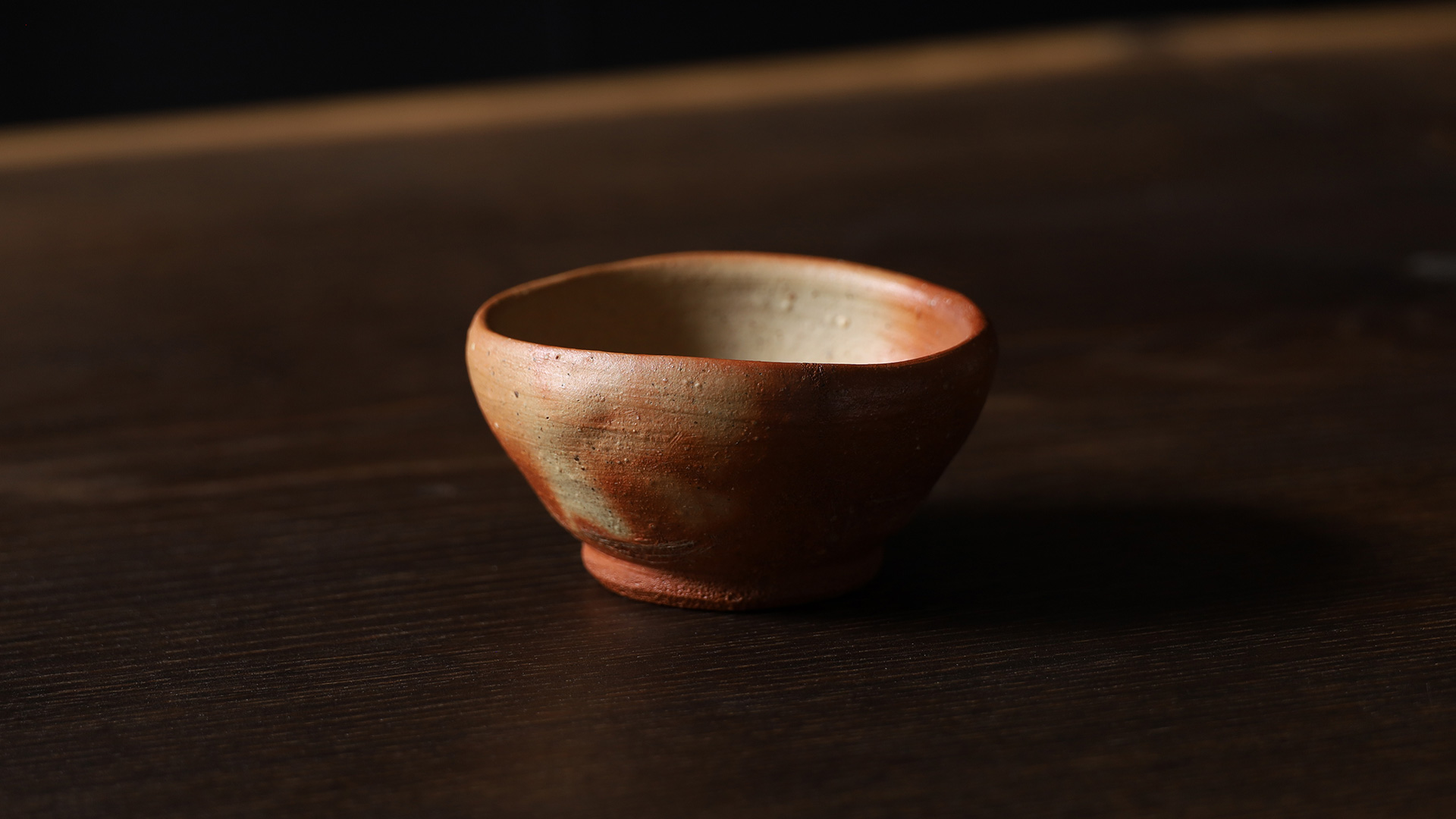
Hidasuki Sake Cup (Kaneshige Sozan)
Sold Out
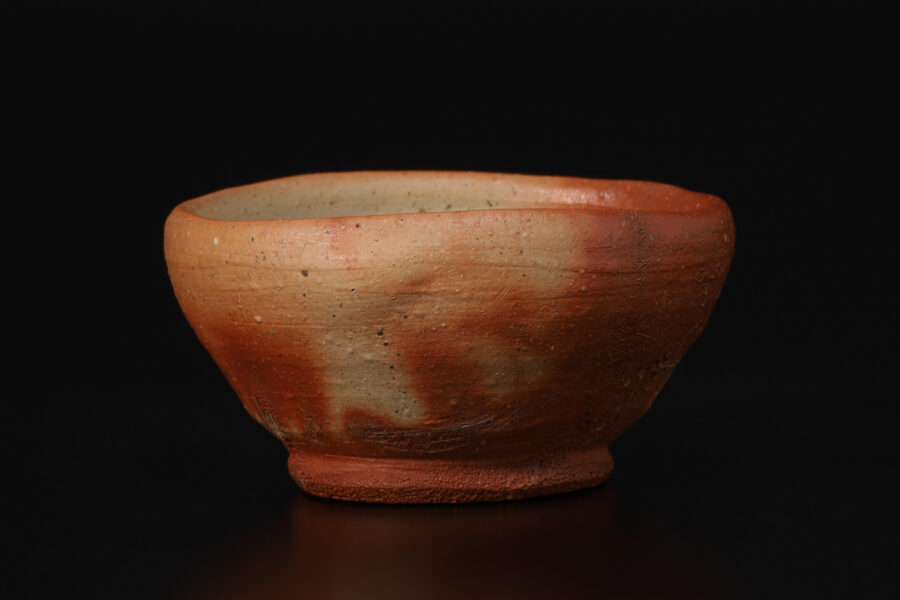
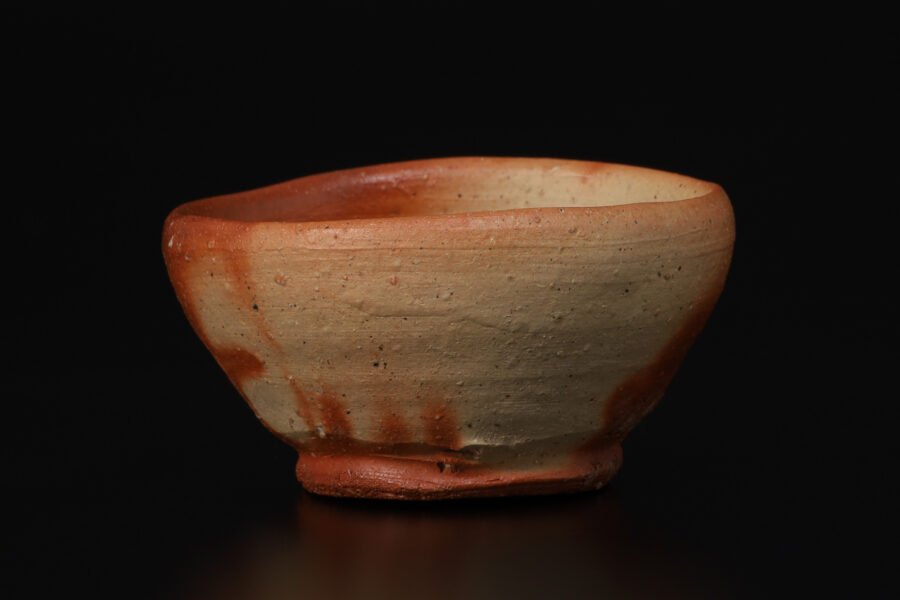
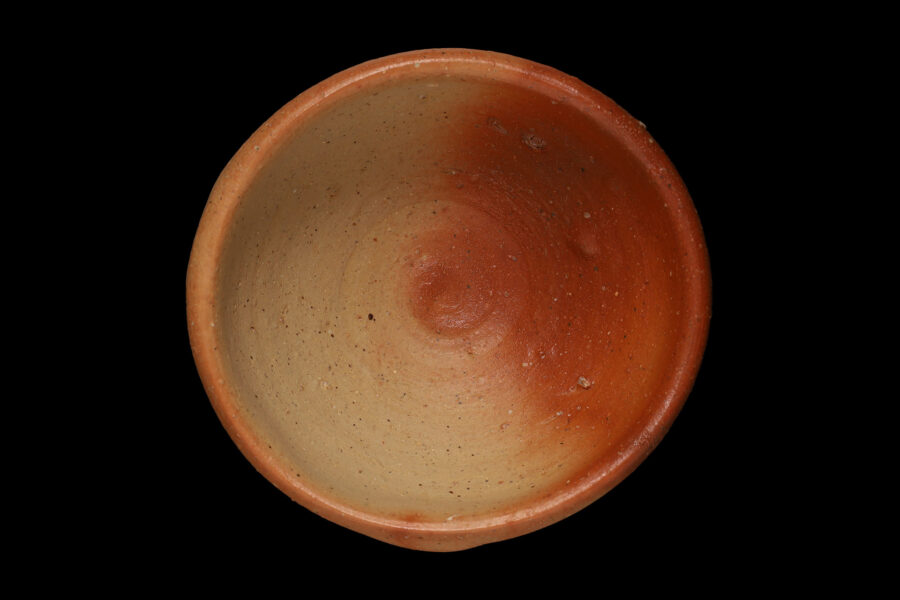
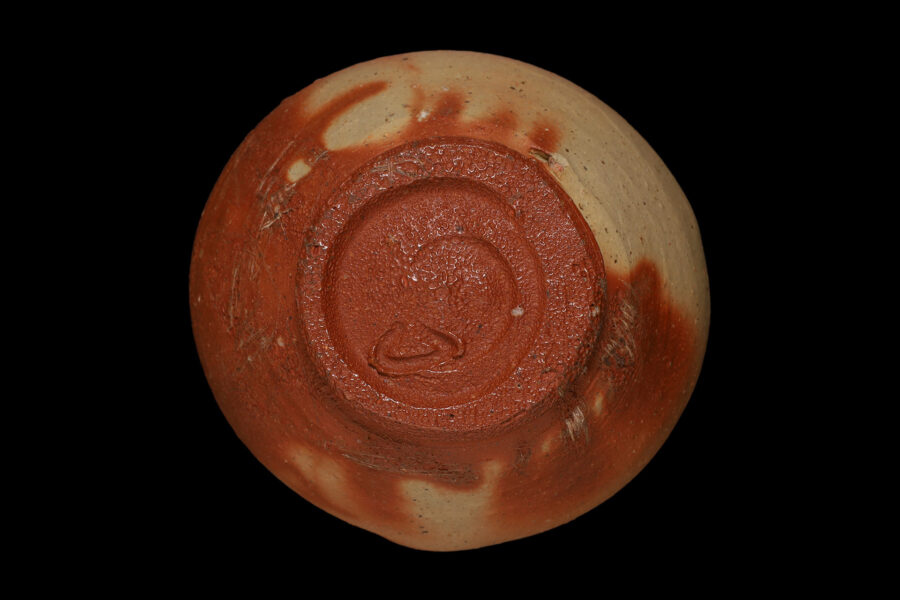
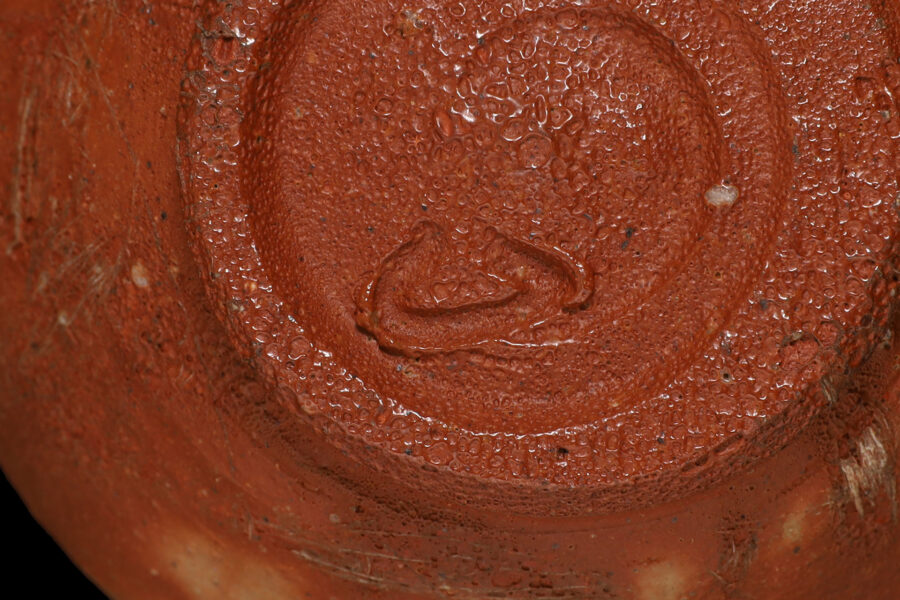
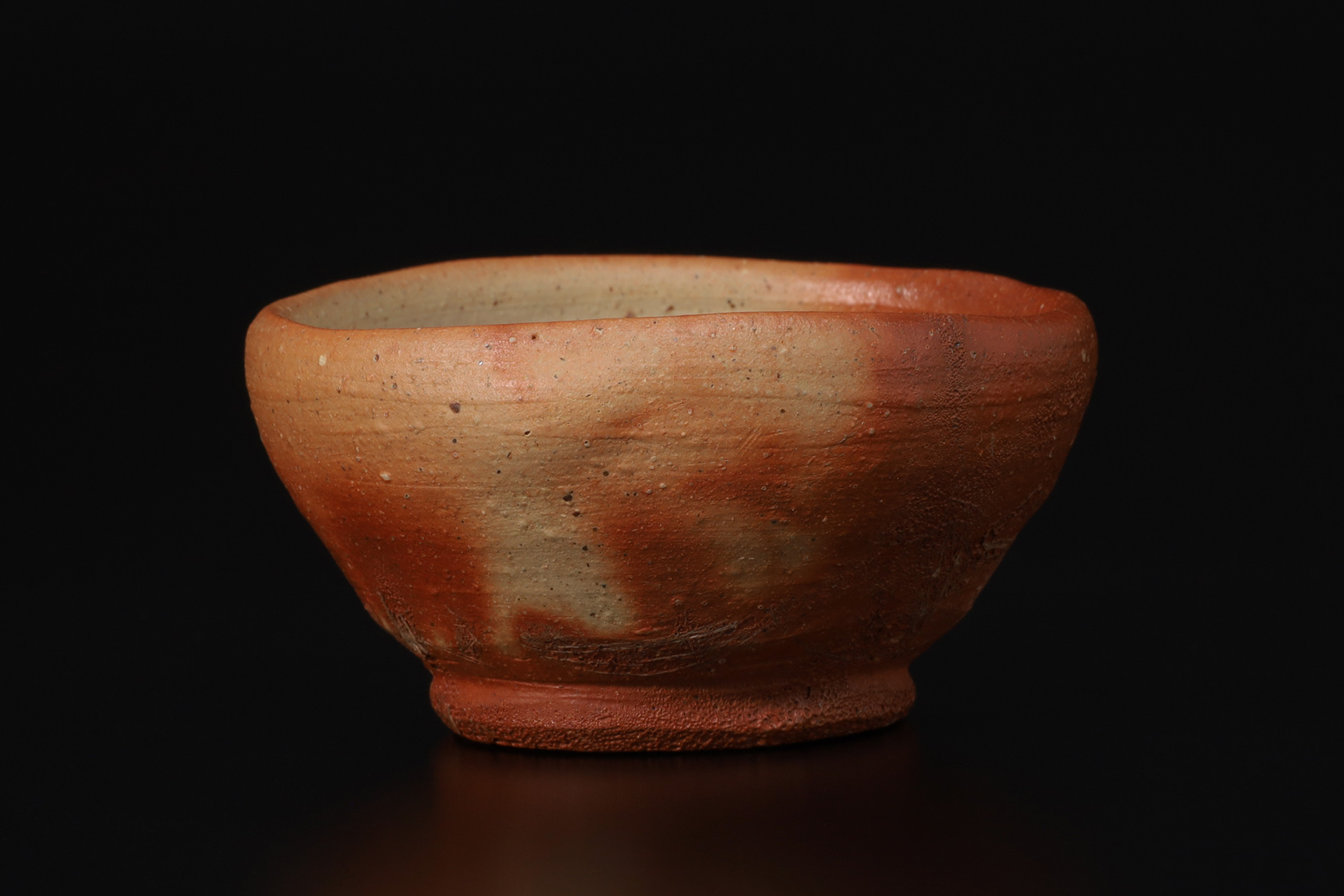
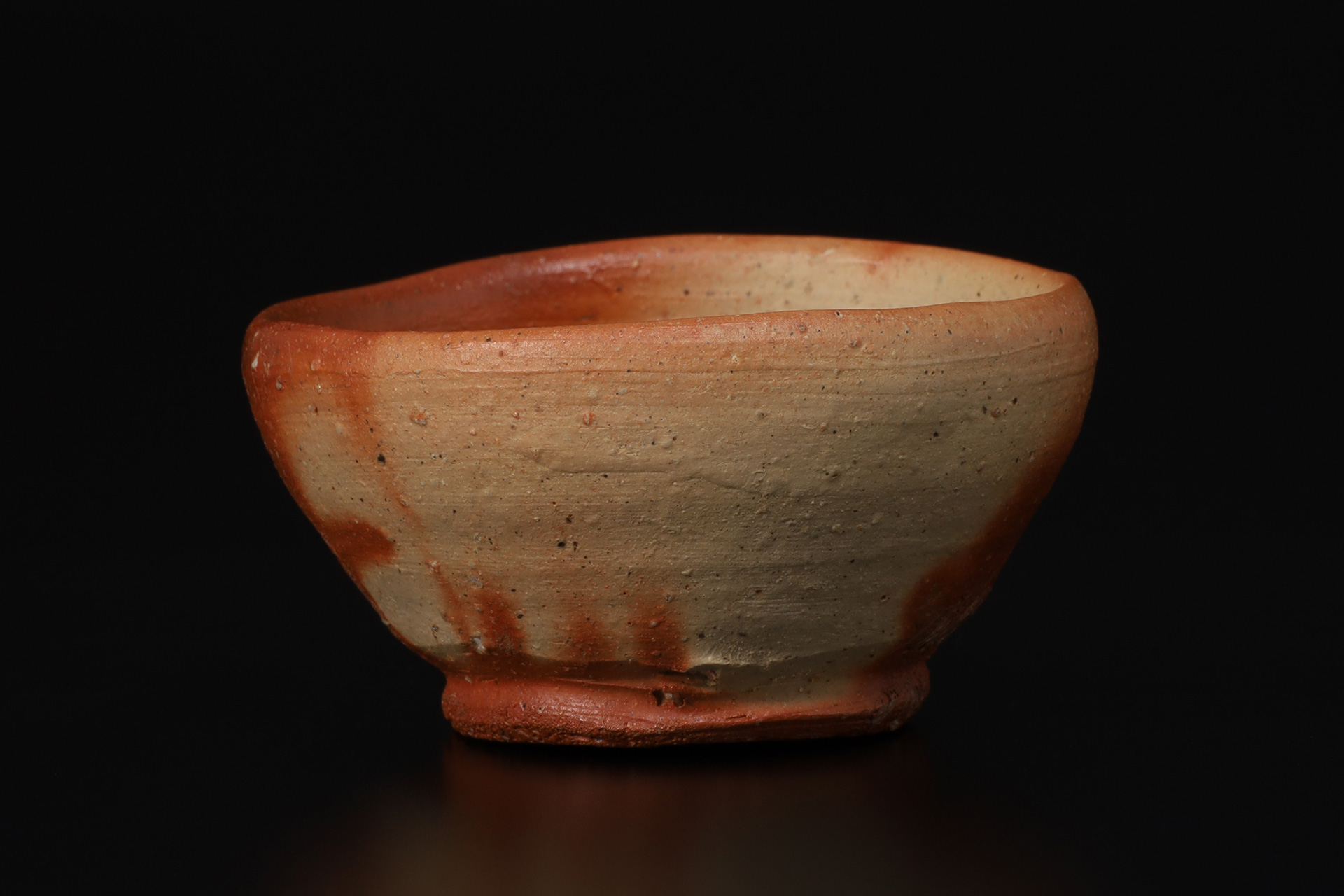
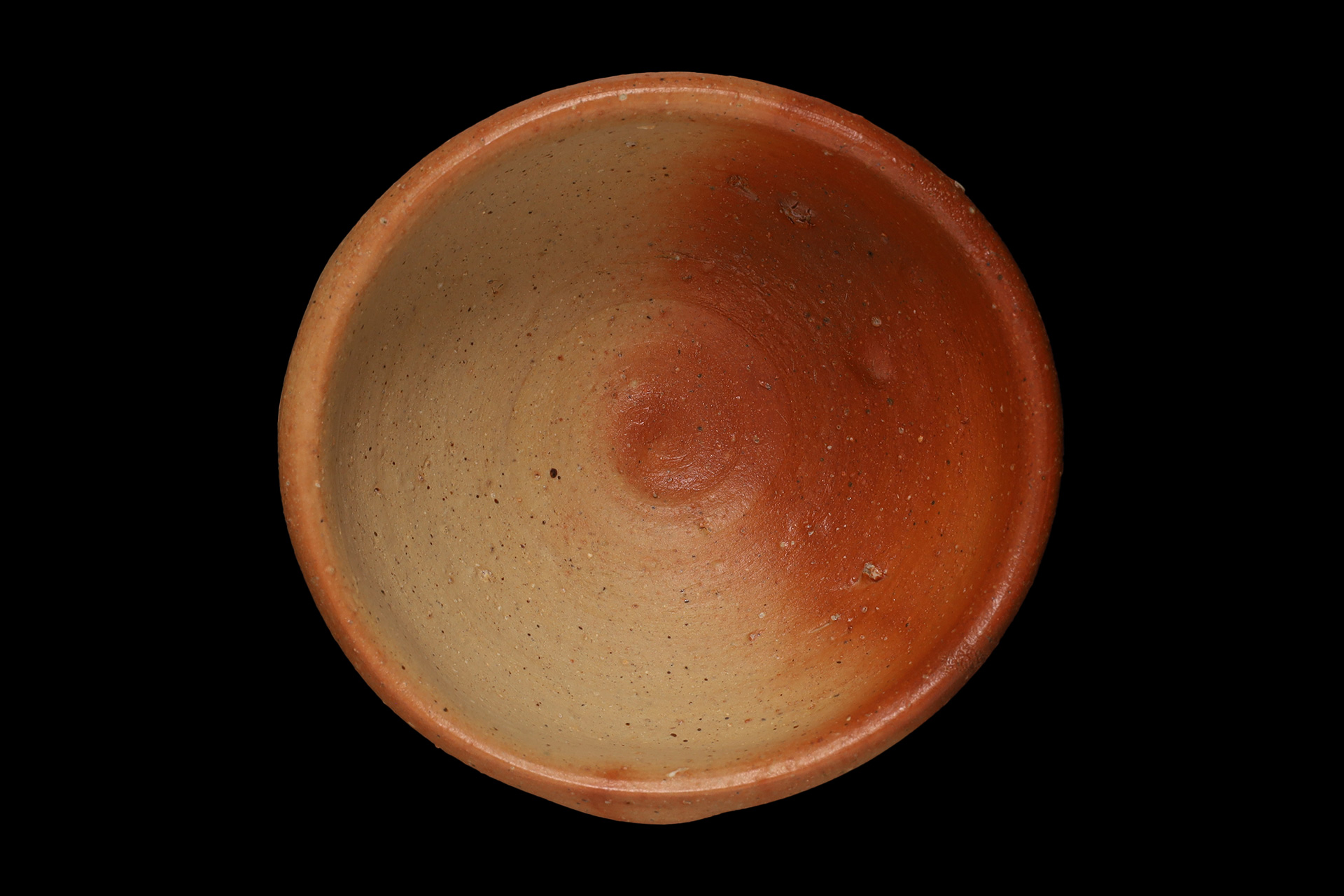
This is a Bizen sake cup crafted by the distinguished master Kaneshige Sozan, who inherited the Bizen tradition while pursuing a beauty entirely his own. Devoting himself to recreating the scarlet hidasuki firing marks emblematic of the Momoyama period, he undertook endless experimentation—guided by his elder brother Kaneshige Toyo’s belief that this was “the one work left for me alone.” In the course of this pursuit, Sozan transcended the conventional reliance on the old-style wood-fired kiln and deliberately chose a state-of-the-art electric kiln instead. Far from diminishing the quality, this bold decision culminated in the creation of brilliantly sharp hidasuki patterns, opening a new horizon in the world of Bizen ware.
Inquiry
- Product Code
- 251019-11
- Artist
- Kaneshige Sozan
1909 - 1995
Important Intangible Cultural Property of Okayama Prefecture
- Weight
- 118 g
- Diameter
- 8.3 × 7.9 cm
- Height
- 4.3 cm
- Base Diameter
- 4.6 cm
- Fittings
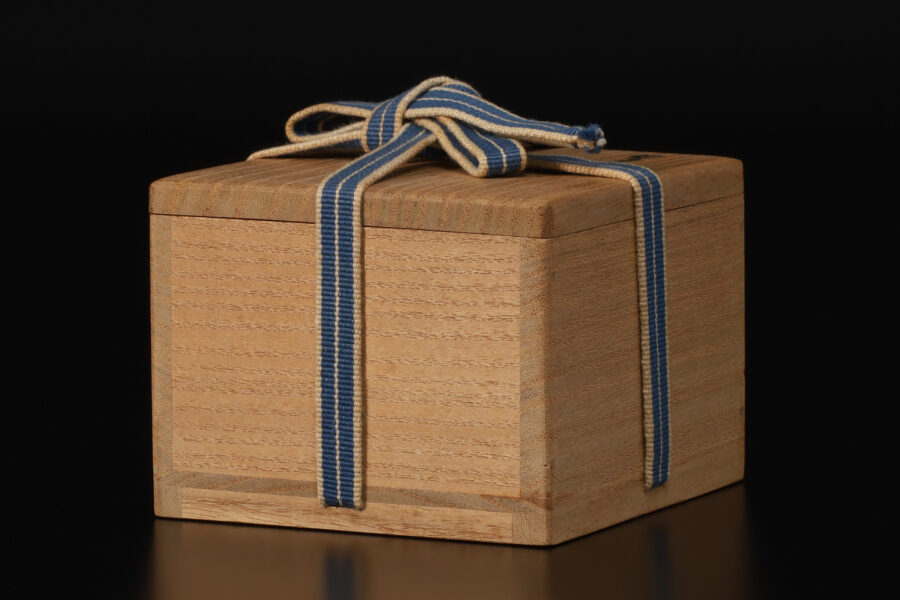
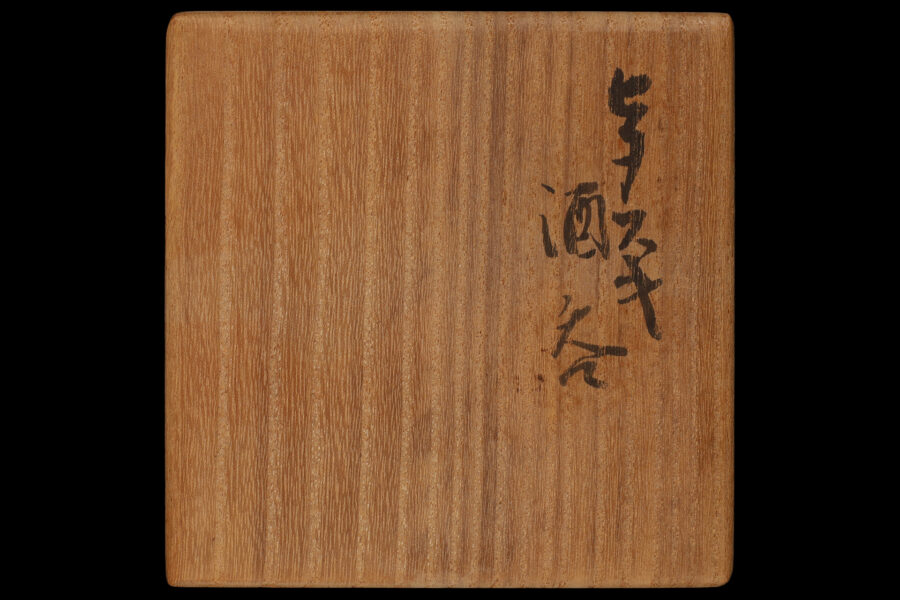
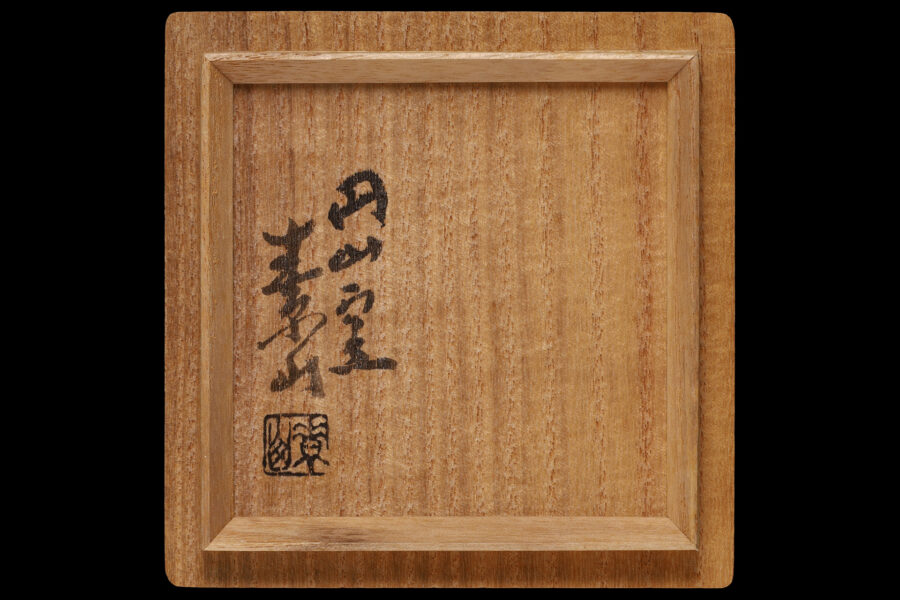
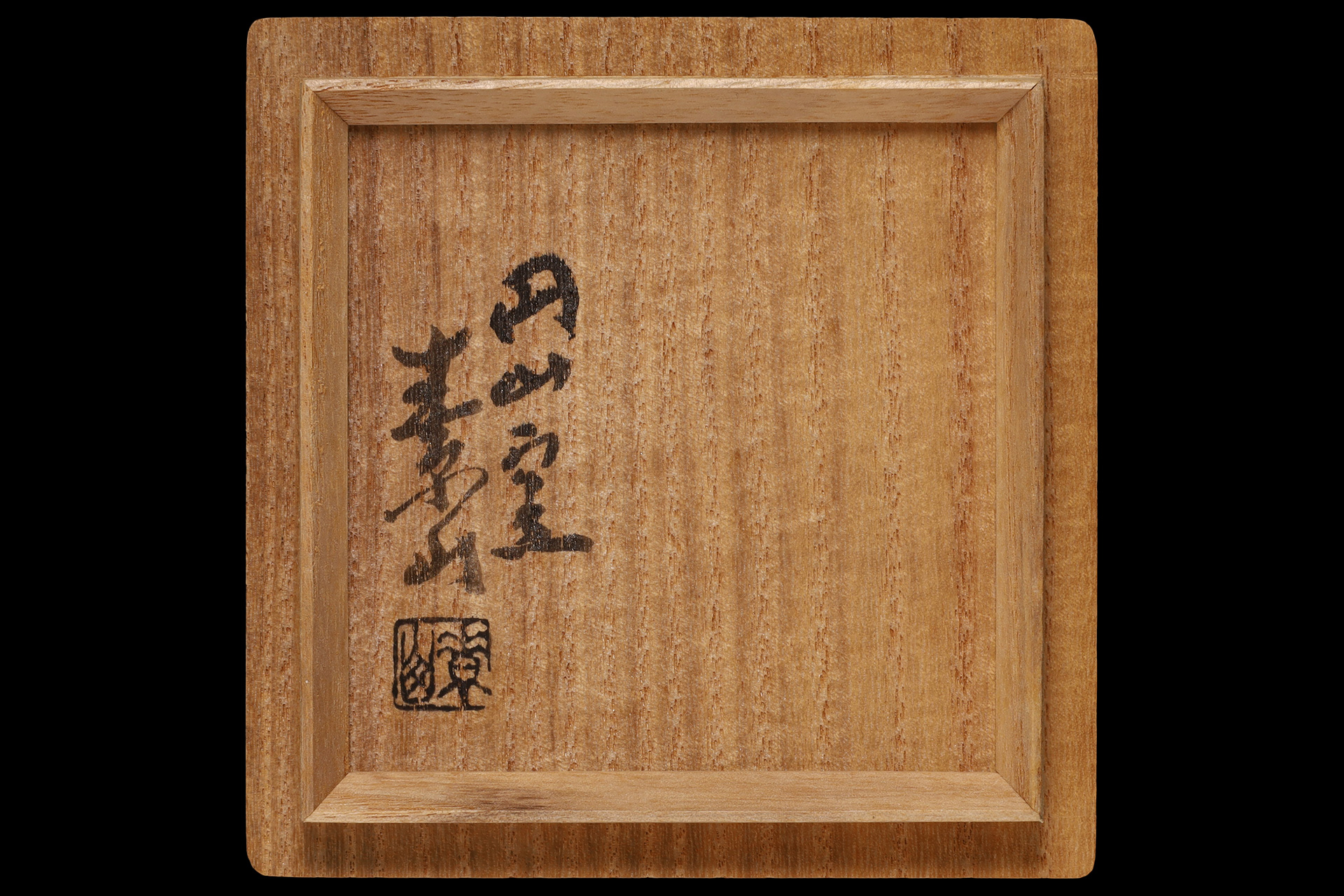
- Tomobako (Original Box with Artist’s Inscription)
- Condition
- - Perfect Condition
- It is in good condition and unused
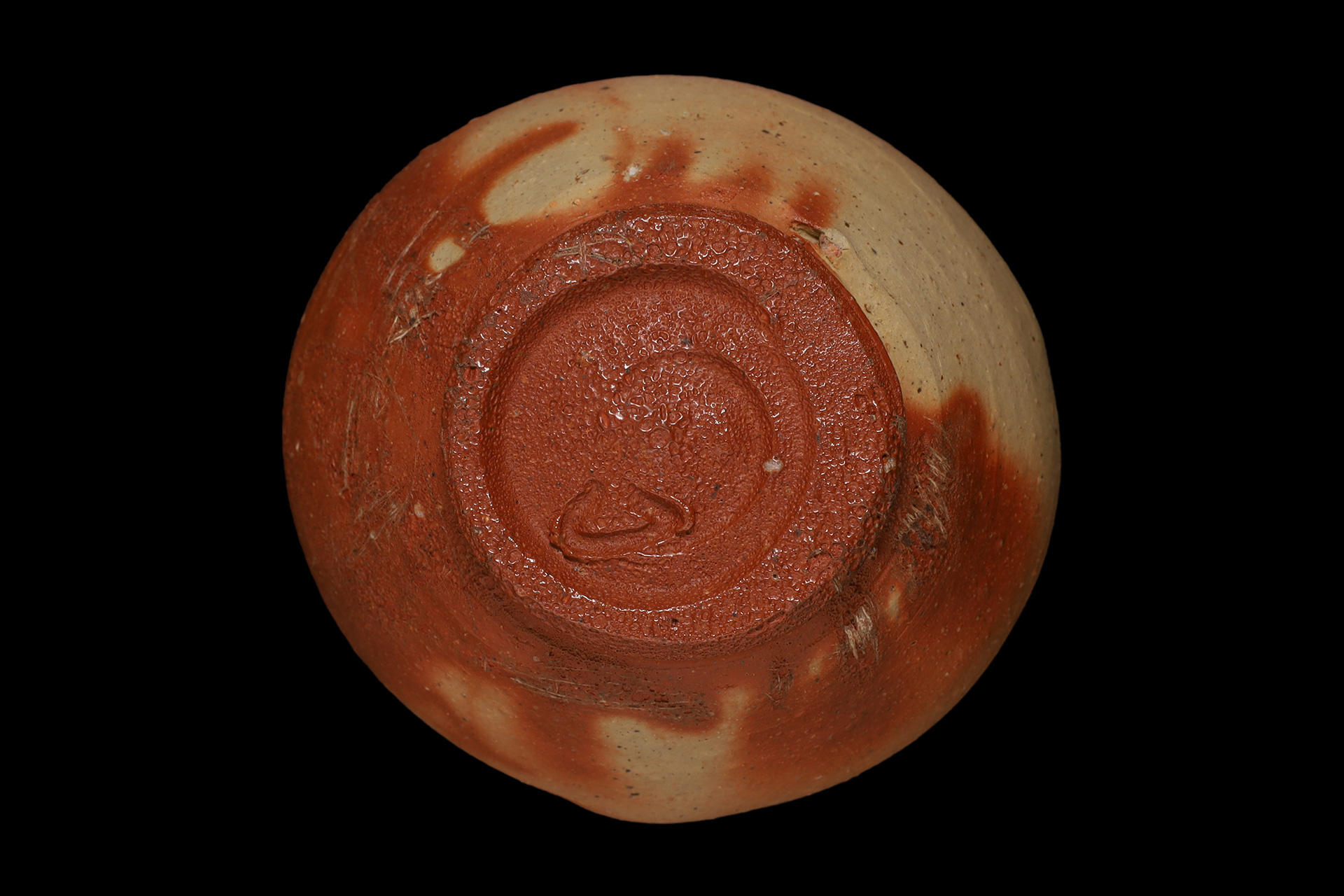
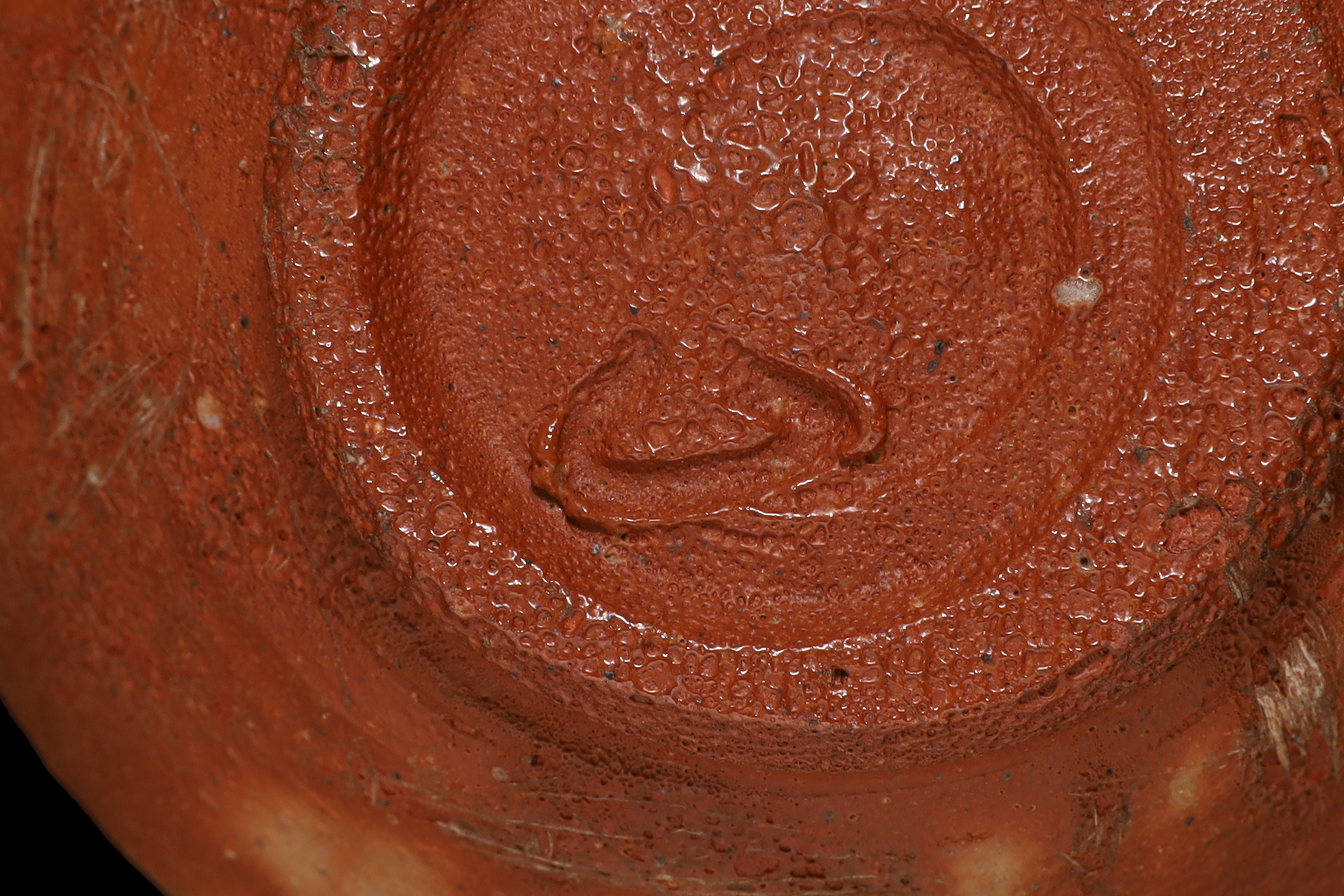
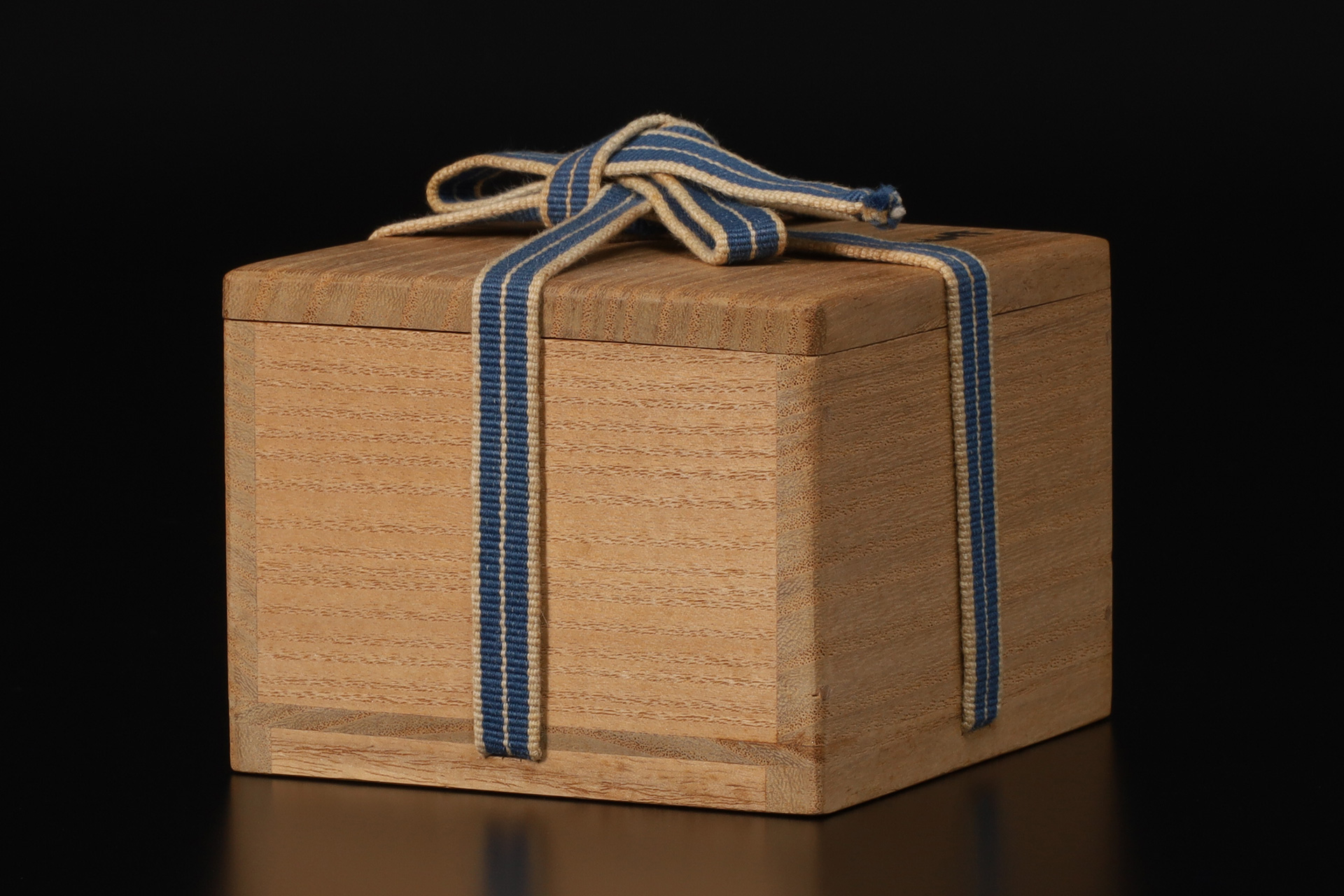
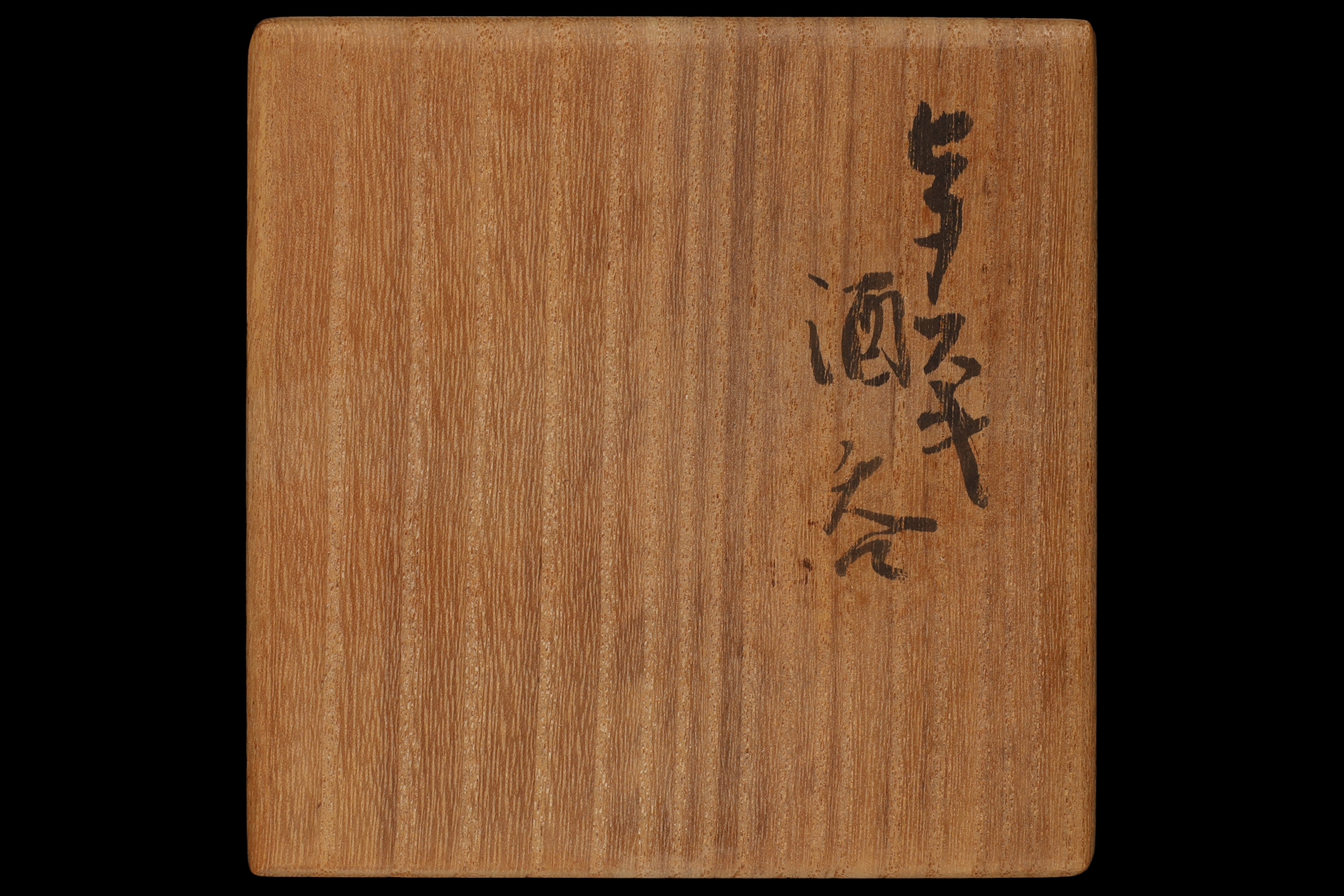


Kaneshige Sozan 1909 – 1995
Kaneshige Sozan was born in Imbe, Bizen City, Okayama Prefecture, as the third son of Kaneshige Baiyo. His birth name was Shichirozaemon. He studied under his eldest brother, Kaneshige Toyo, and served as his assistant, learning the traditions of Bizen ware.
In 1951, he built the Kameyama kiln at the headquarters of the Omoto religious movement in Kameoka, Kyoto Prefecture, where he assisted and guided the third spiritual leader, Naohi Deguchi, in ceramic production. During this time, he also studied glaze formulation under Munemaro Ishiguro, who visited the kiln two to three times a month, deepening his technical and artistic knowledge.
In 1959, he established the Kakuzan kiln at the Omoto headquarters in Ayabe, Kyoto. His profound spiritual sensibility and relentless pursuit of ceramic expression nurtured a unique personality and artistic style.
In 1964, he returned to Okayama and built the Maruyama kiln in the Maruyama district.
In 1966, he pioneered the use of electric kilns to recreate hidasuki firing techniques reminiscent of the Momoyama period, opening a new frontier in scarlet coloration.
In 1974, he received the Sanyo Newspaper Cultural Award.
In 1982, he built the Ushigami-shita kiln in Imbe, Bizen City.
In 1983, he was designated an Important Intangible Cultural Property of Okayama Prefecture.
In 1990, he received the Commissioner for Cultural Affairs Award.
In 1991, he was awarded the Okayama Prefecture Cultural Prize. He received the Order of the Rising Sun, Gold and Silver Rays (Fourth Class).
In 1994, he received the Miki Memorial Award.
In 1995, he was honored with the Bizen City Meritorious Service Award.
His works embody a refined dignity forged through a stern and discerning gaze. He held fast to the conviction that no piece should be released into the world unless it met his uncompromising standards. Each vessel is a crystallization of dialogue between spirit and form, free of compromise. Beyond Bizen ware, he boldly explored techniques such as Shigaraki, Shino, Seto, Karatsu, and Kohiki, deepening his aesthetic insight into the essence of clay and flame over time. As a towering figure in contemporary Japanese ceramics, Kaneshige Sozan left a profound legacy, standing shoulder to shoulder with his brother Kaneshige Toyo, revered as the “Restorer of Bizen ware.”