

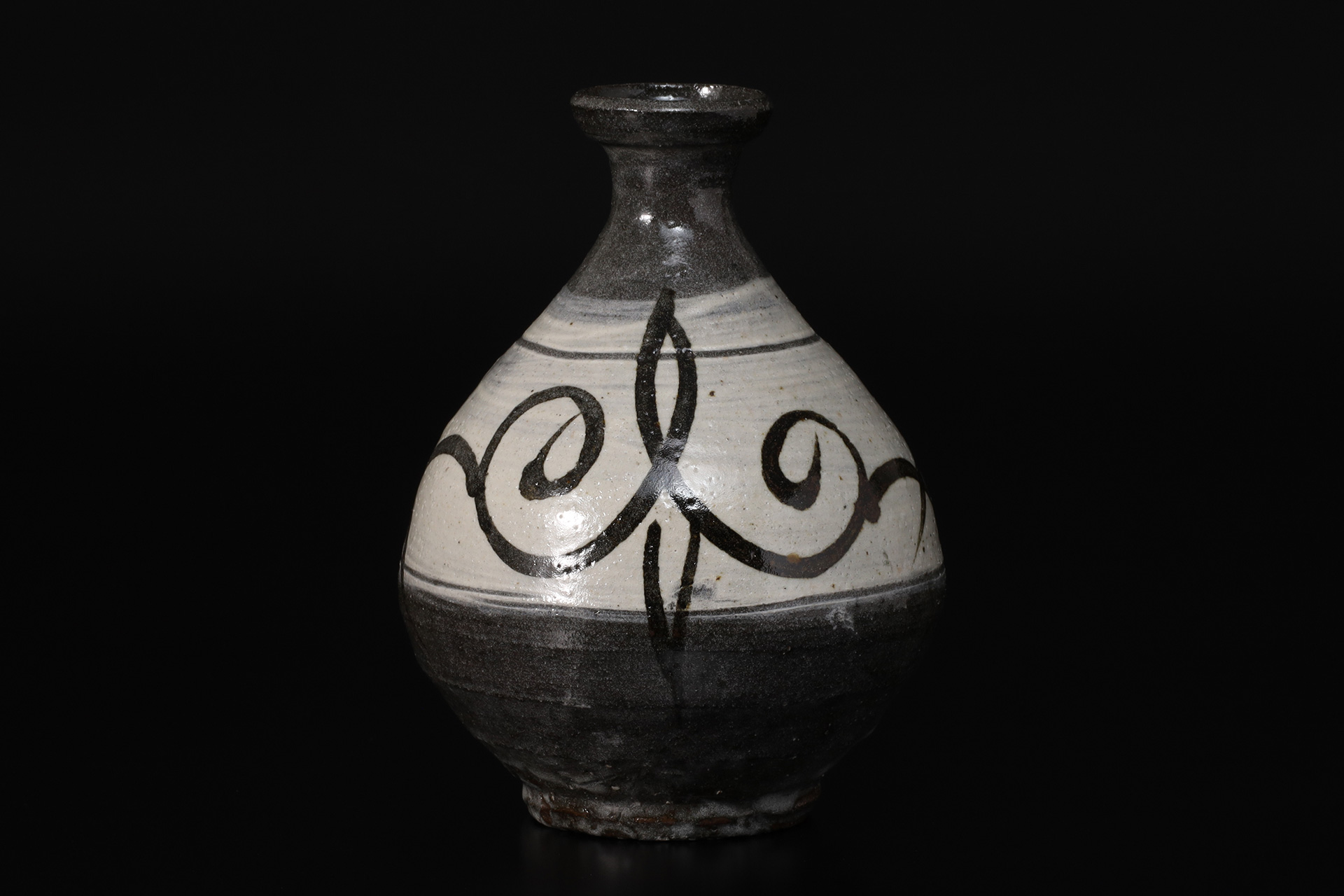
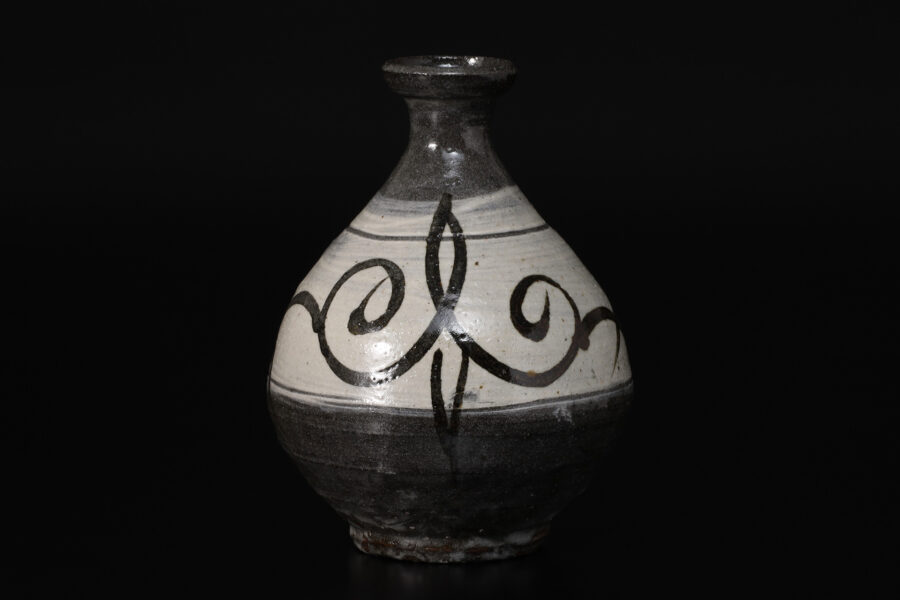
E-Hakeme Sake Flask (Naoto Yano)
24,200Yen(Tax Included)
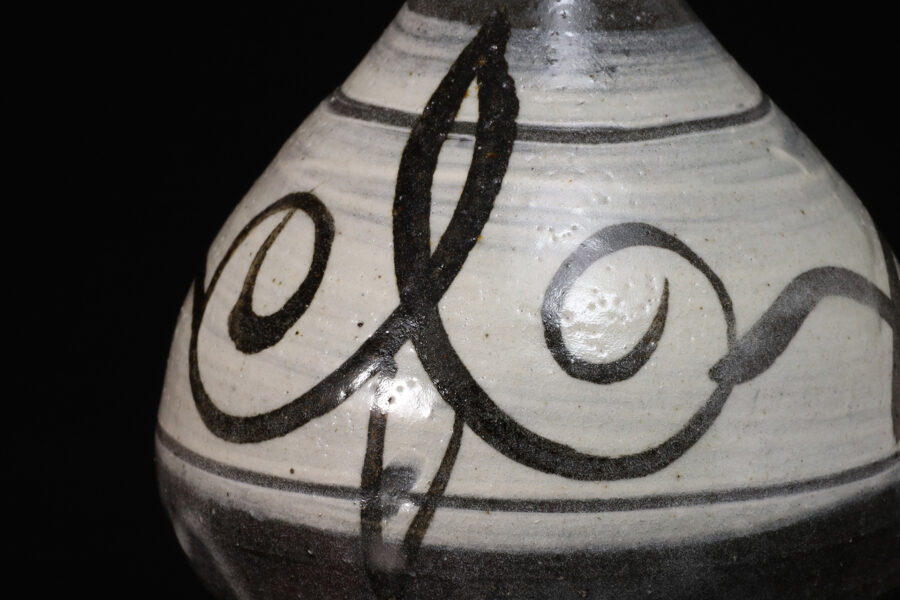
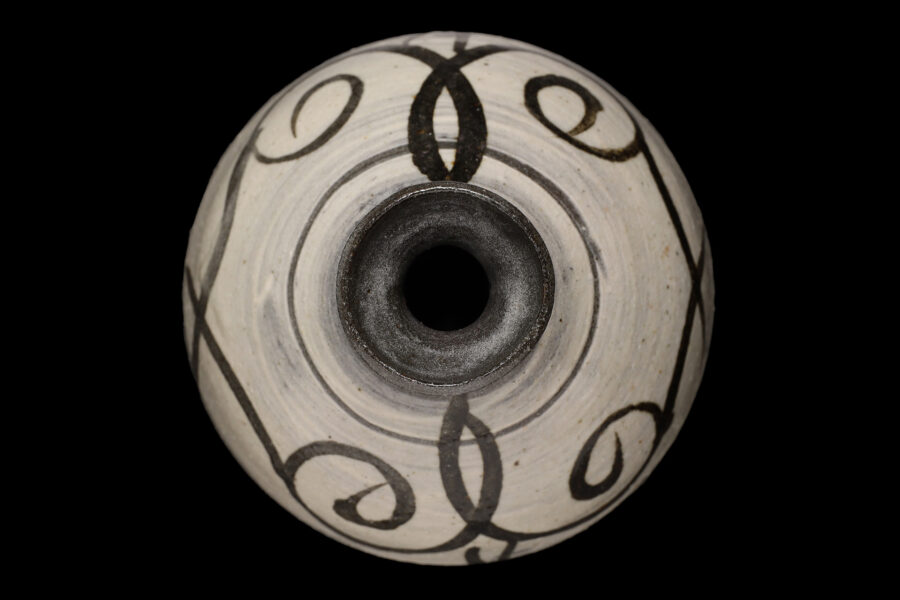
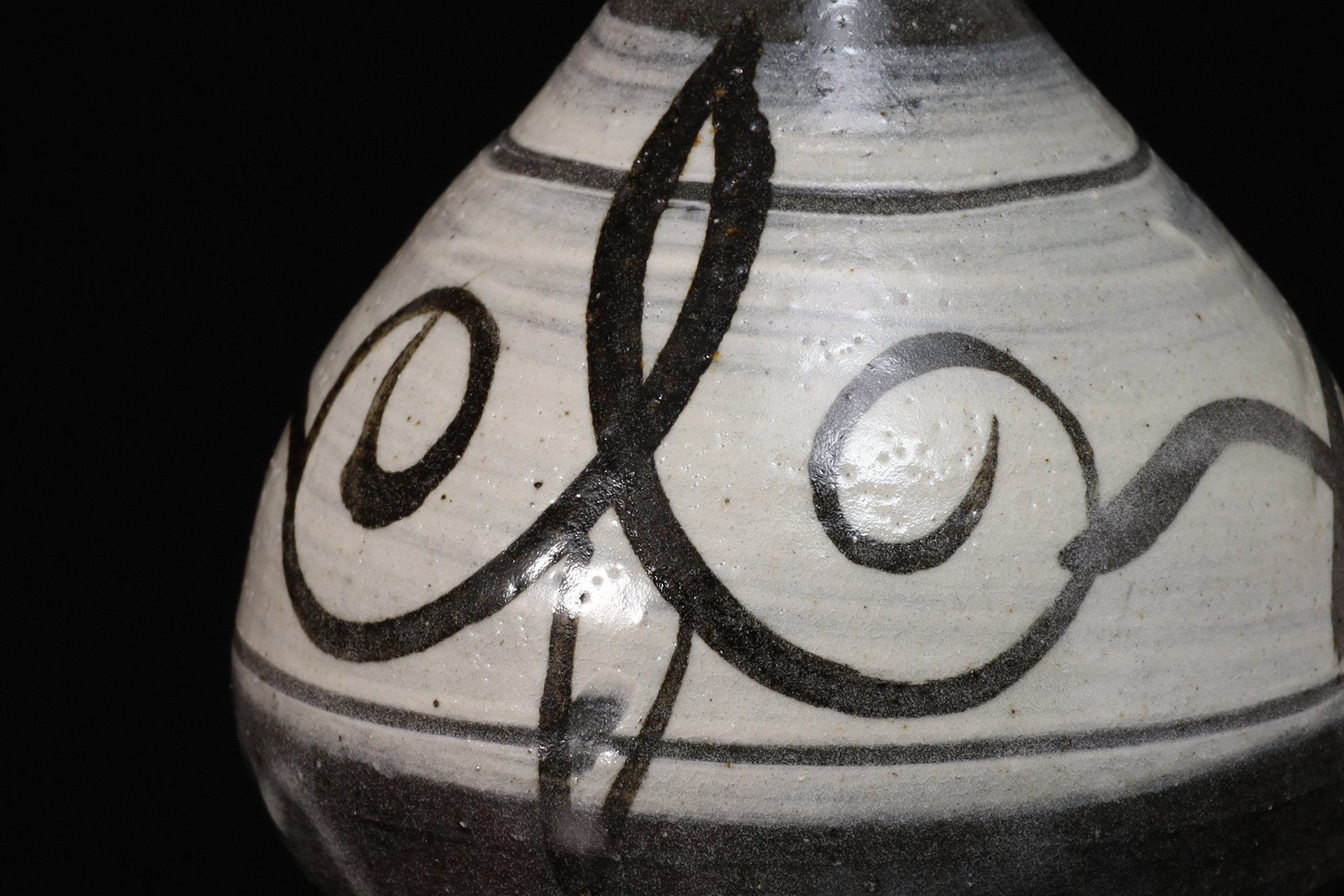
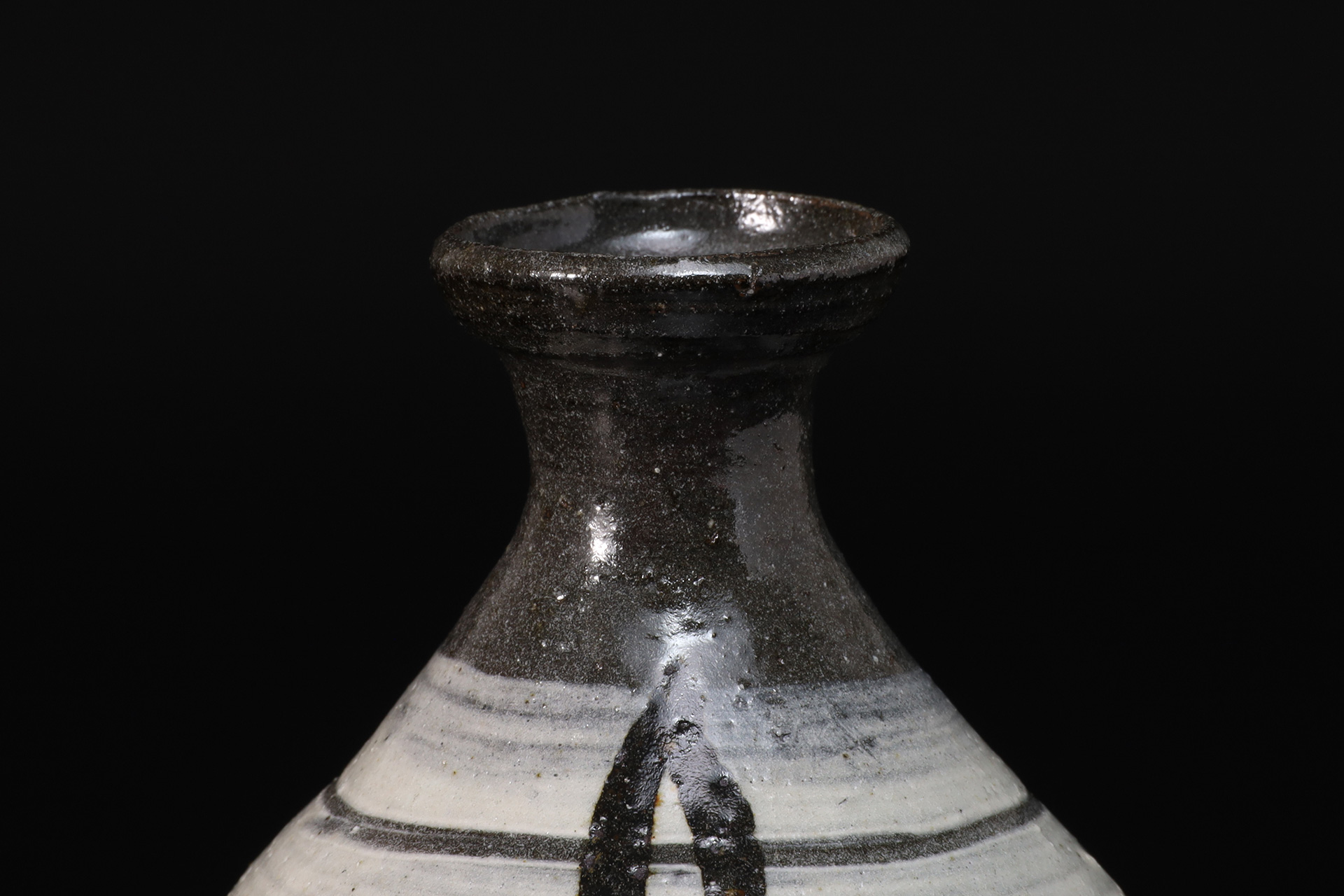
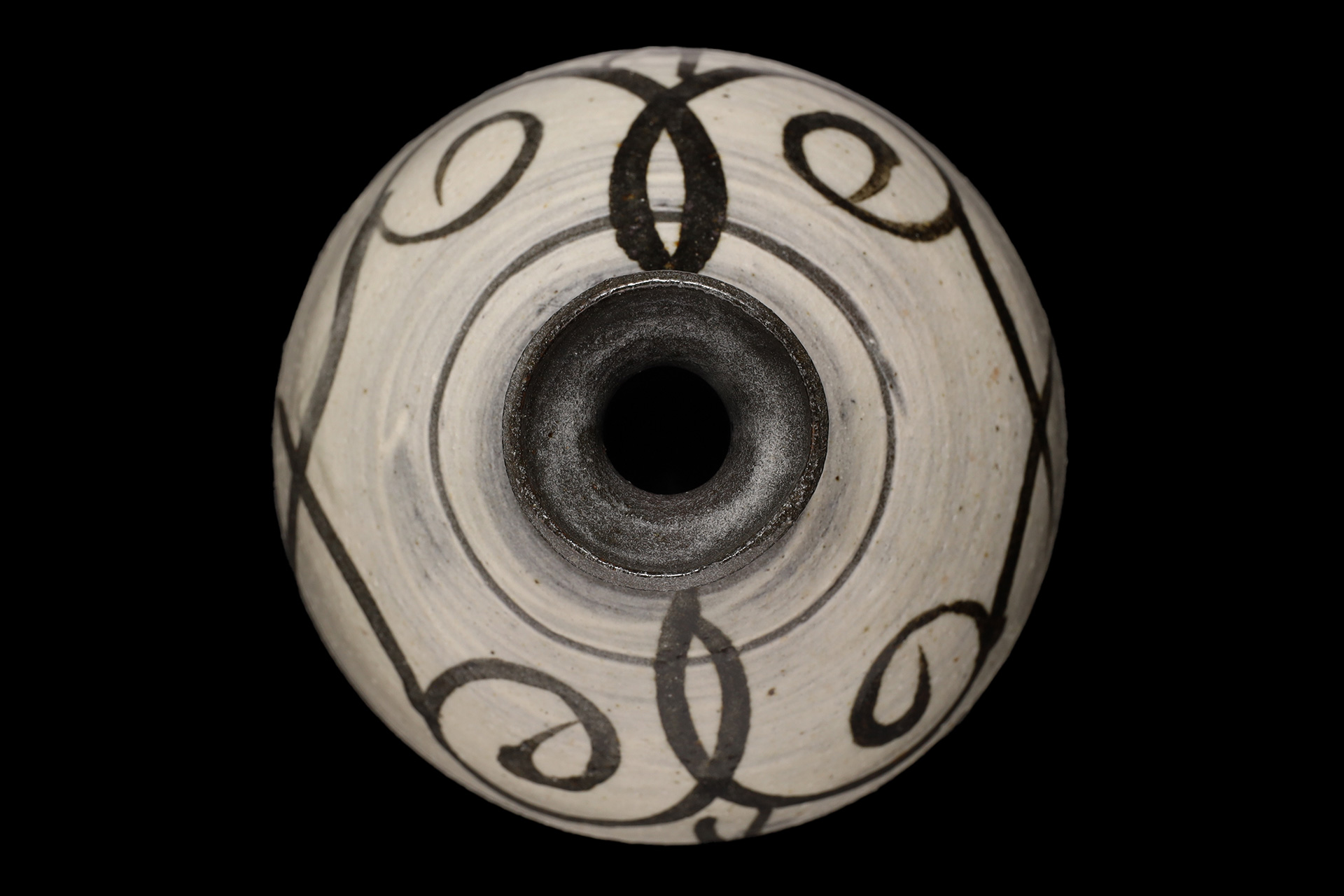
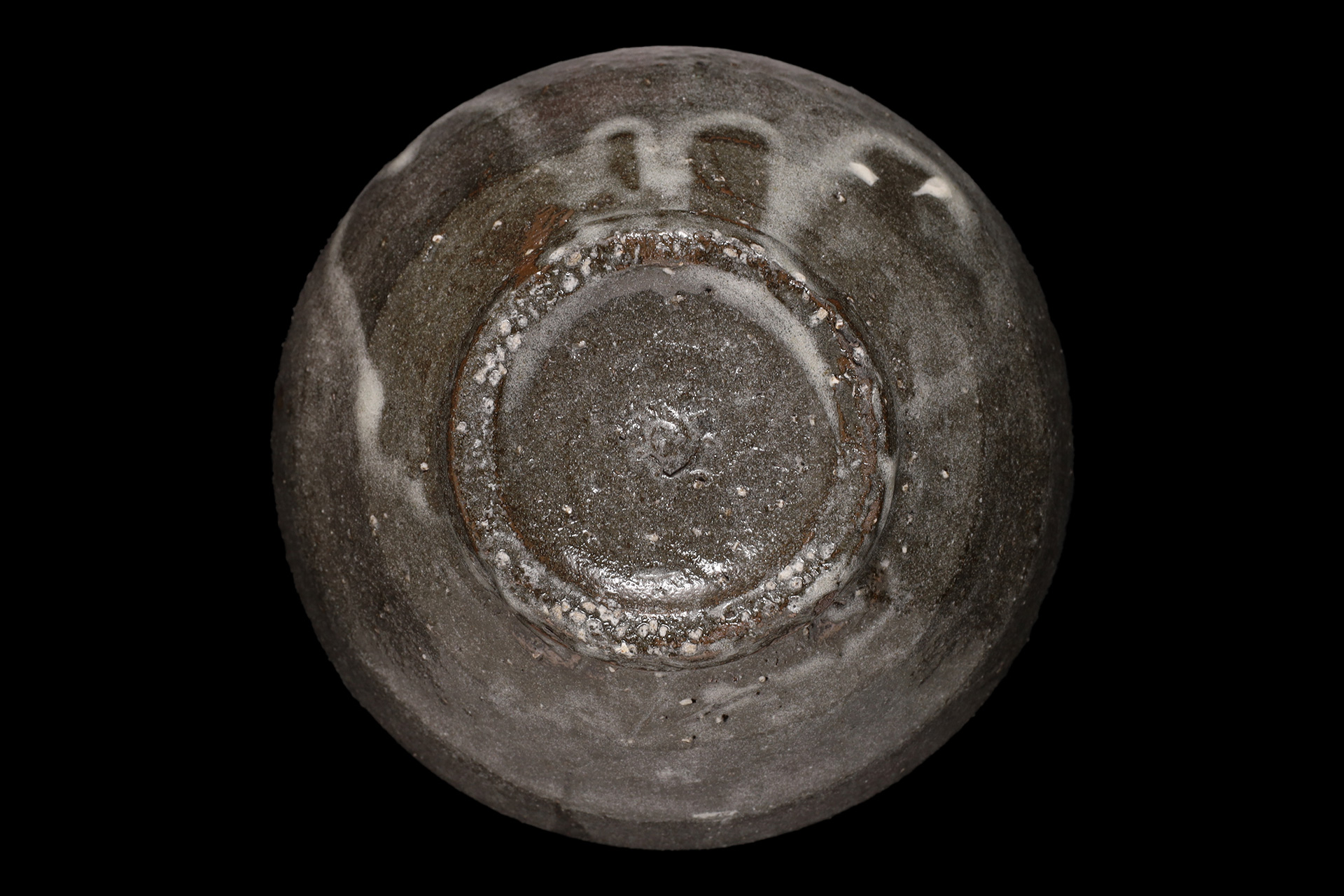
This Gyerongsan sake flask embodies the spirited elegance of the Joseon dynasty while breathing with a contemporary vitality. Its clay body, rich in iron, is coated with white slip applied by brush, upon which dynamic iron-painted motifs are rendered with lively, expressive strokes. When sake is poured, it releases a gentle toku-toku sound—an intimate, pleasing resonance that fills not only the vessel, but also the heart of the one who uses it.
- Artist
- Naoto Yano
1976 -
- Weight
- 279 g
- Width
- 9.8 cm
- Mouth Diameter
- 3.5 cm
- Height
- 13.1 cm
- Base Diameter
- 5.1 cm
- Remarks
- Holds approximately 350 ml at roughly 80% capacity
- Fittings
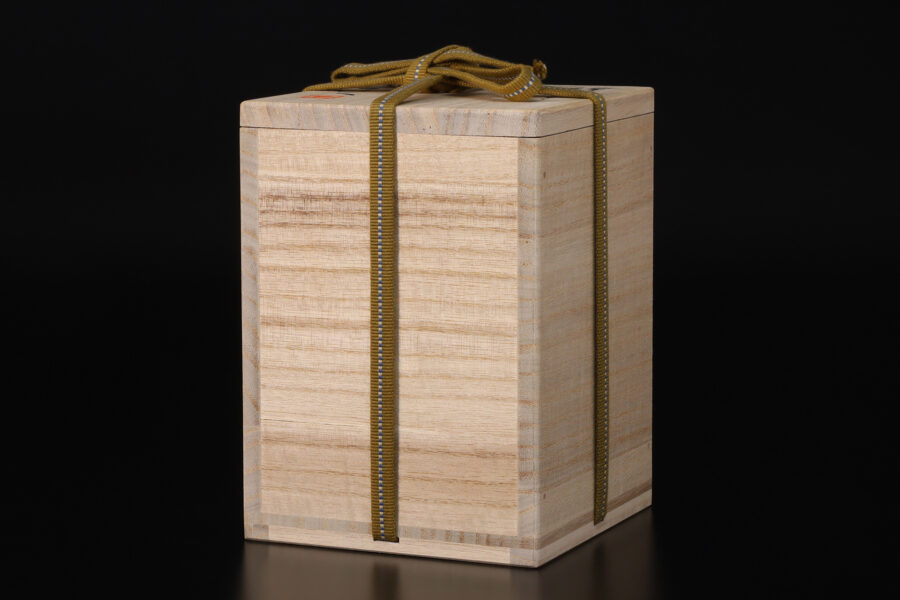
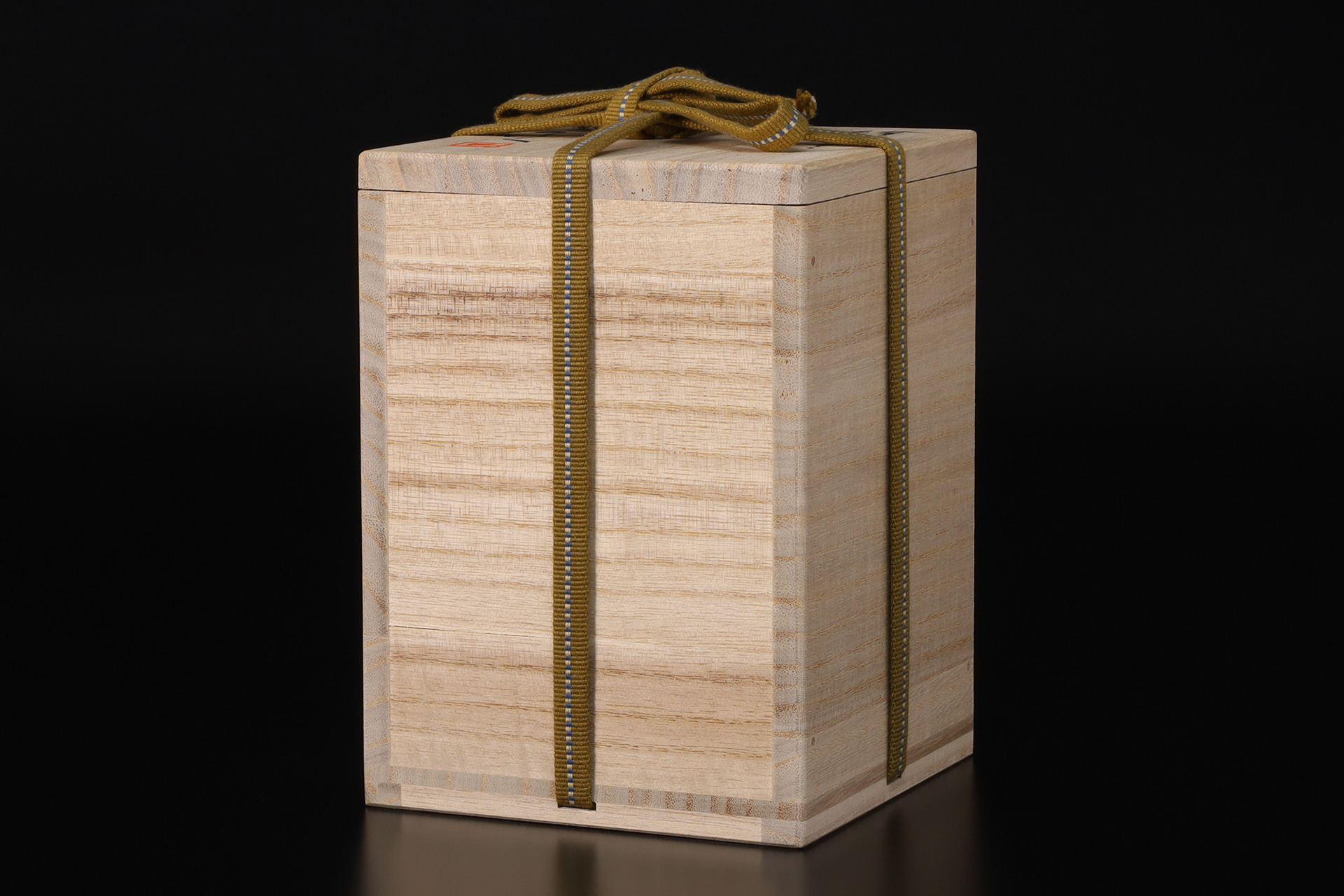
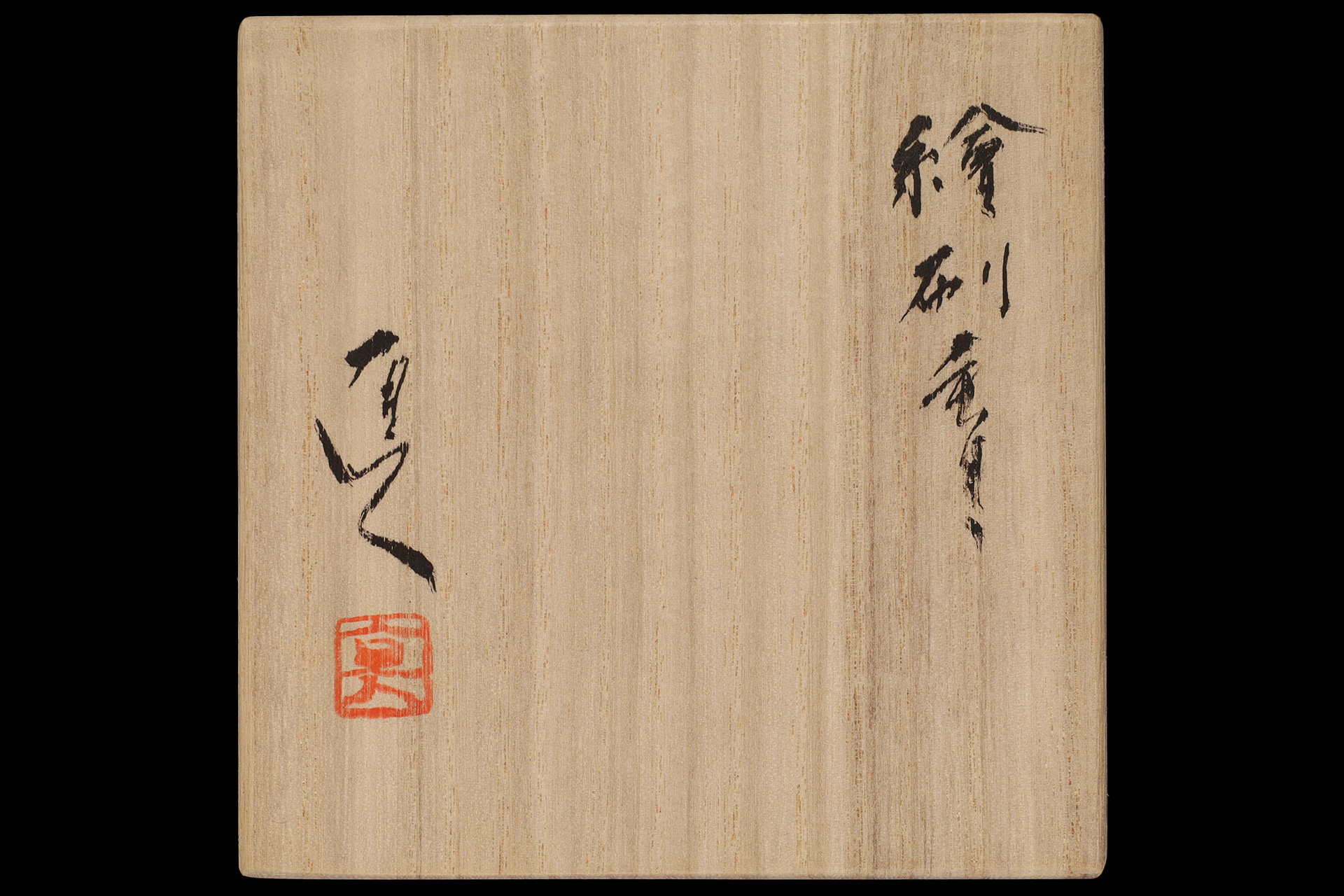
- Tomobako (Original Box with the Artist’s Inscription)
Matching Cloth with the Artist’s Seal
Artist’s Profile Leaflet
- Condition
- - Brand-New





Naoto Yano 1976 –
Naoto Yano was born in saga prefecture.
In 1994, study in america for 5 years.
In 2002, graduated from Arita College of Ceramics.
In 2003, became the Temporary Lecturer of the Arita College of Ceramics.
In 2004, started making pottery at home(Tonoyama kiln).
In 2008, made pottery in korea for 6 months.
In 2015, built the climbing kiln.
Equipped with a discerning eye and outstanding ability, he is the driving force behind the popularity of karatsu ware today.
Gyeryongsan
Gyeryongsan is a celebrated peak rising in Gongju, Chungcheongnam-do, Korea, its distinctive ridgeline evoking the form of a rooster’s crest and a dragon’s head. Across the mountain’s foothills lie numerous ancient kiln sites, where, from the 15th to 16th centuries, buncheong ware was produced using iron-rich clay coated with brushed white slip and adorned with freely executed iron-painted designs. These works have long been collectively known as “Gyeryongsan” ware and are today held in high esteem worldwide. A wide range of techniques—Mishima inlay, hakeme, white ware, black glaze, and more—was developed, and vessel forms include bowls, dishes, bottles, and jars. The first full-scale archaeological investigation was conducted in 1929 by Sozo Kanda and Ken Nomori, followed by a reinvestigation in 1992–93 by the National Museum of Korea and the Hoam Art Museum. These findings have become foundational materials for the study of buncheong ware.