

Special Preview先行紹介
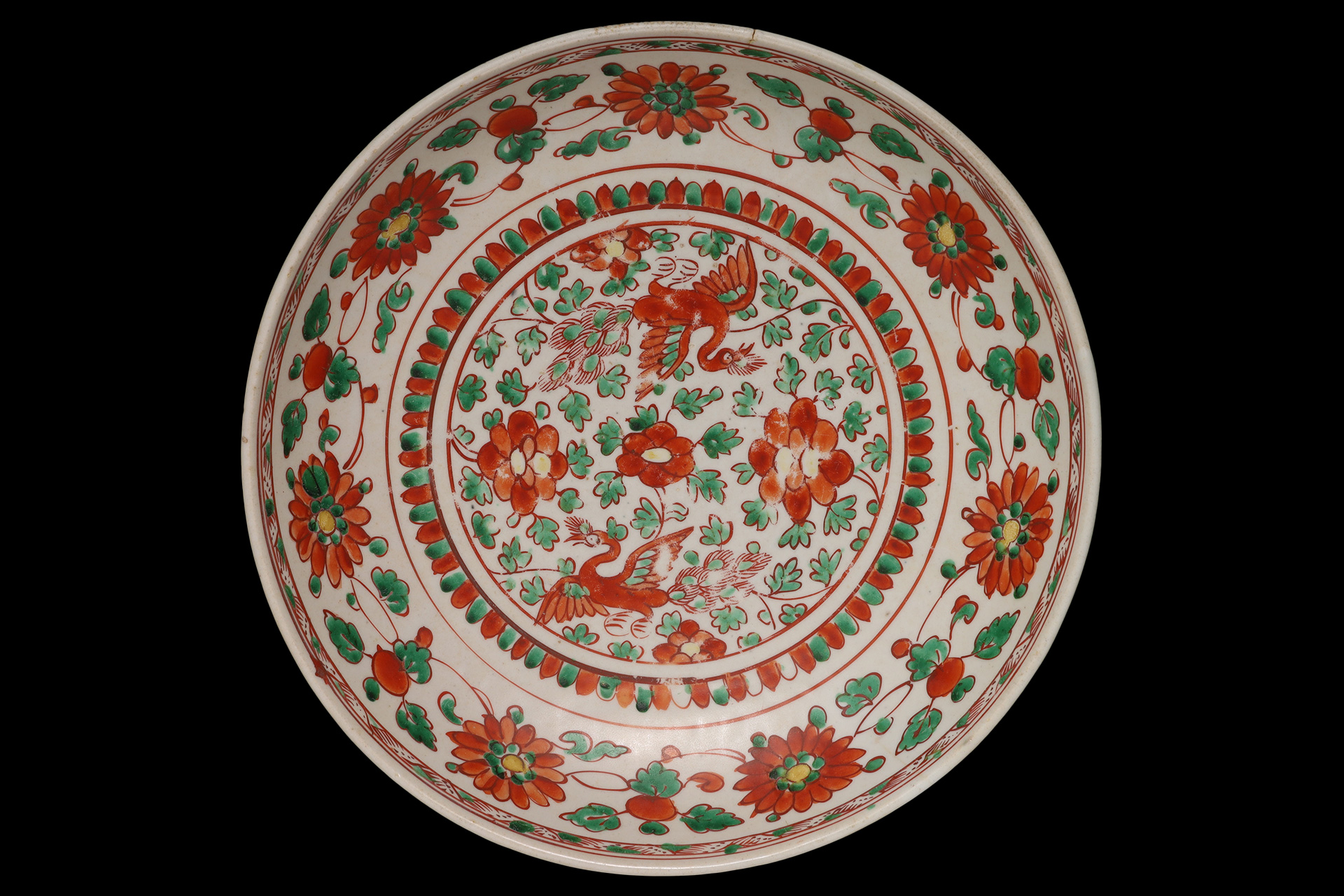
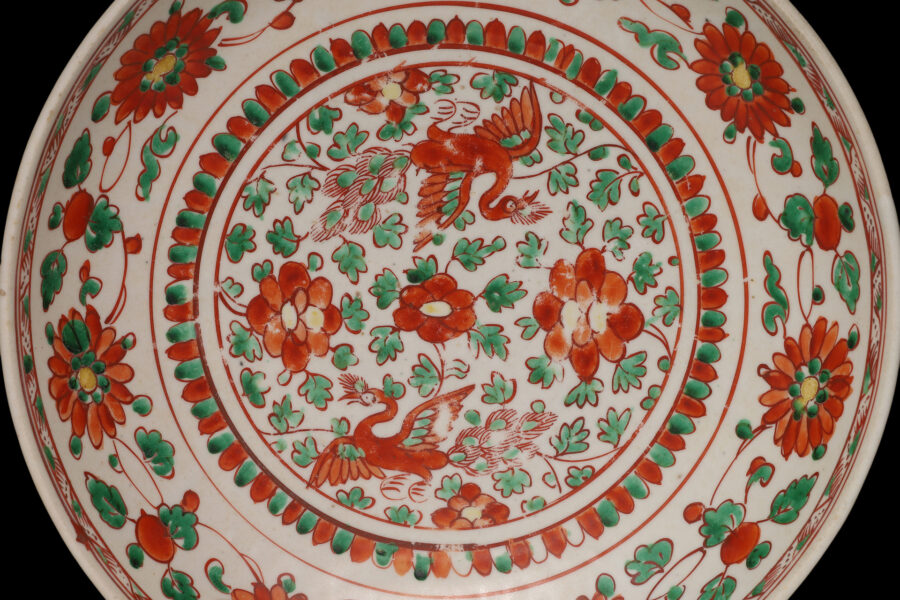
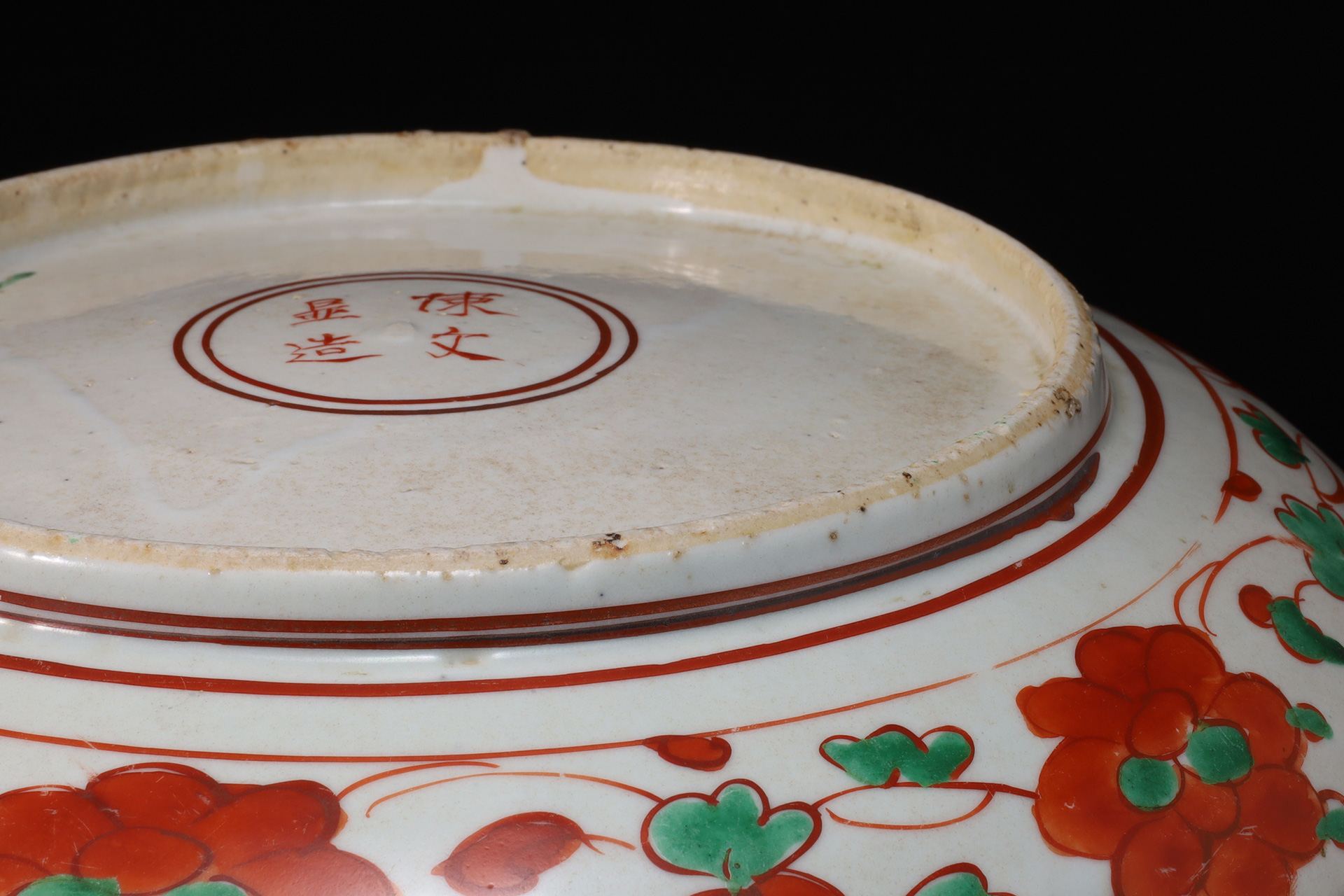
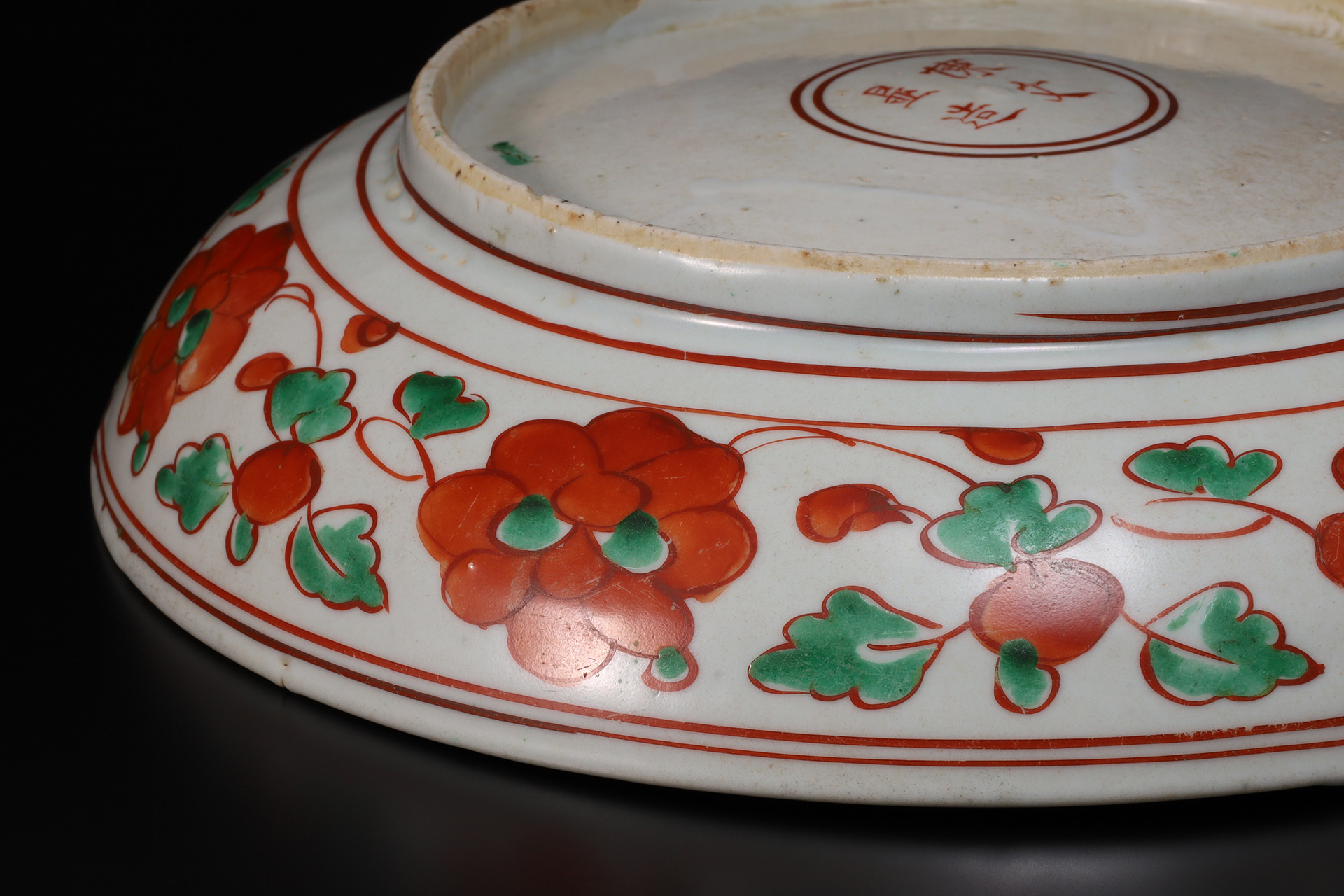
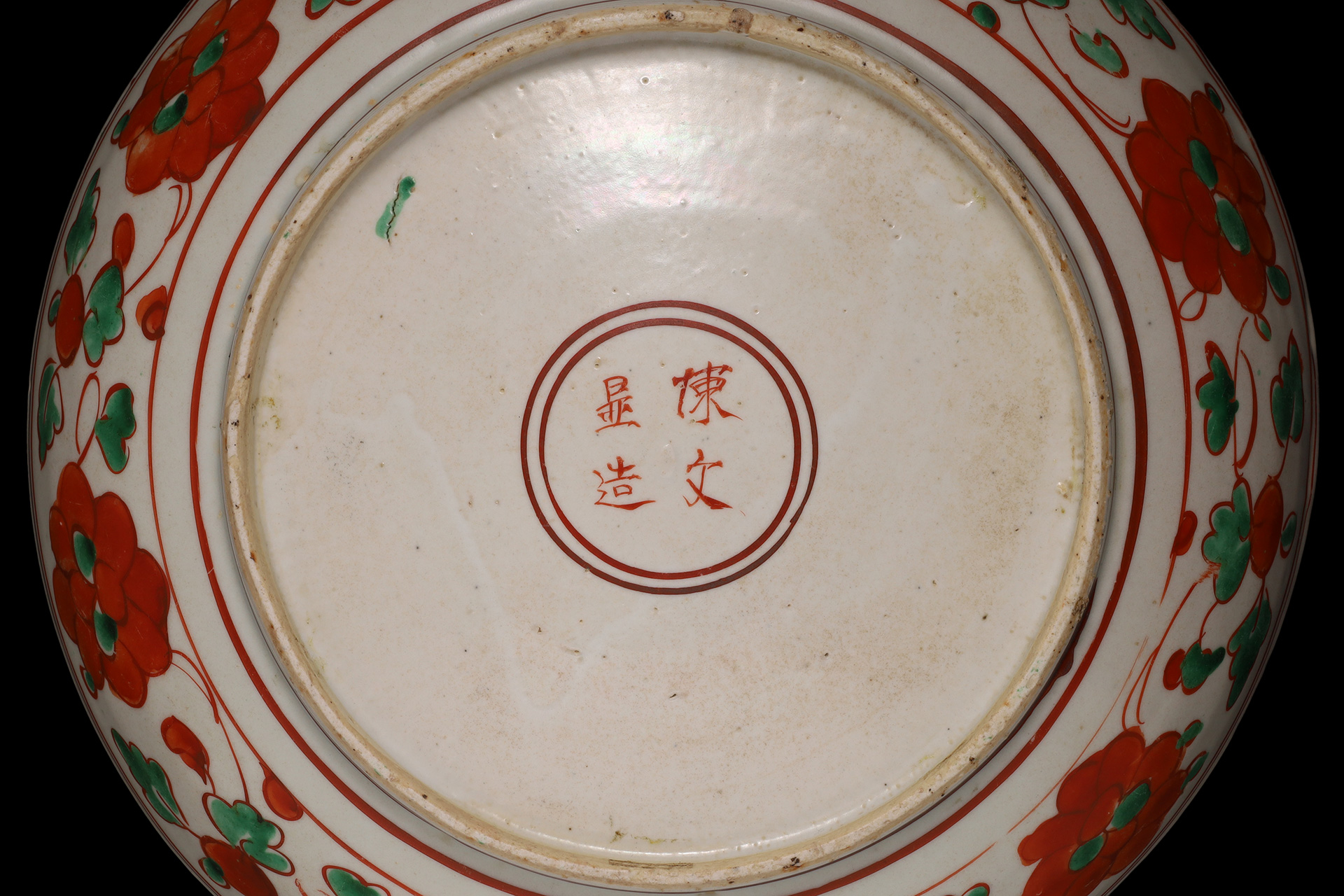
Ko-Aka-e Large Dish with Arabesques and Peacocks Design (Ming Dynasty / Listed Item)
Sold Out
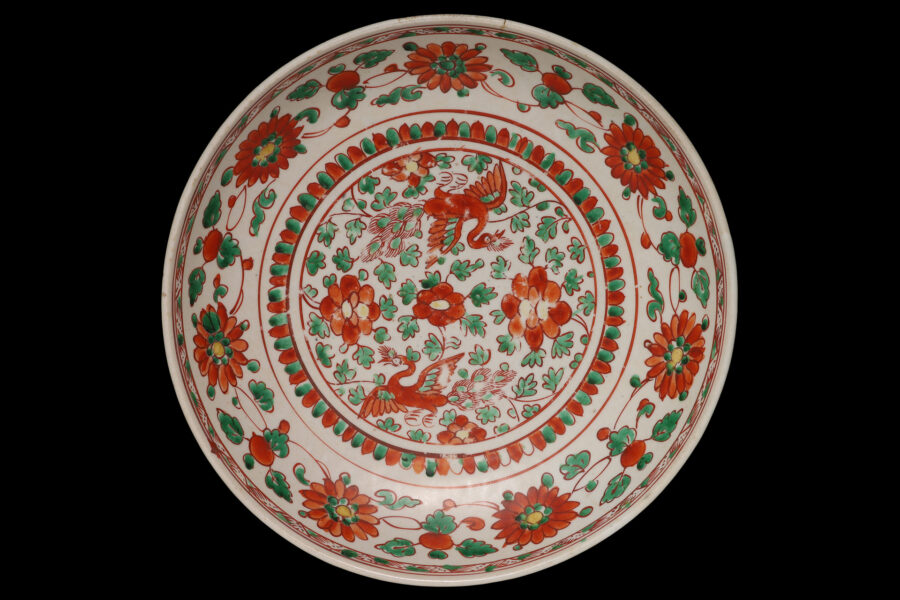
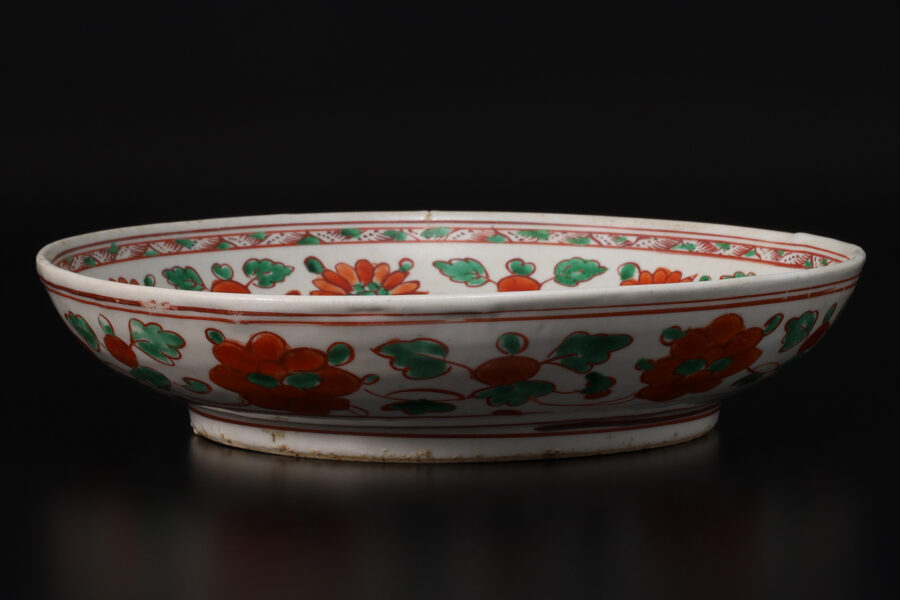
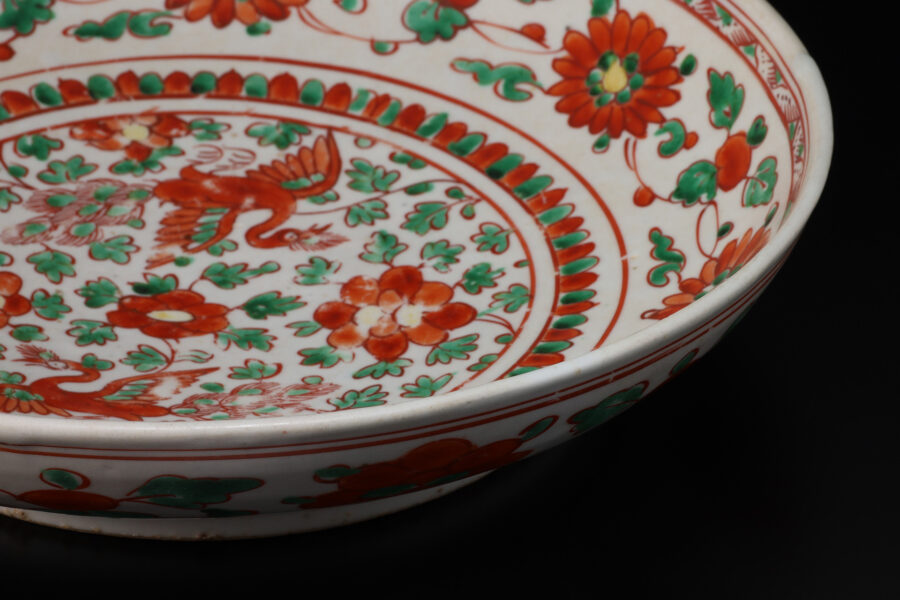
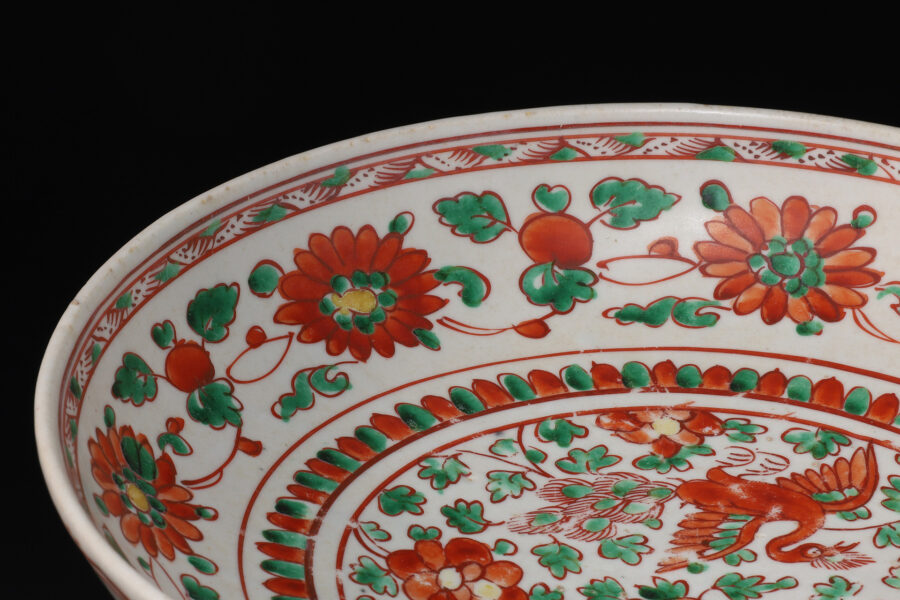
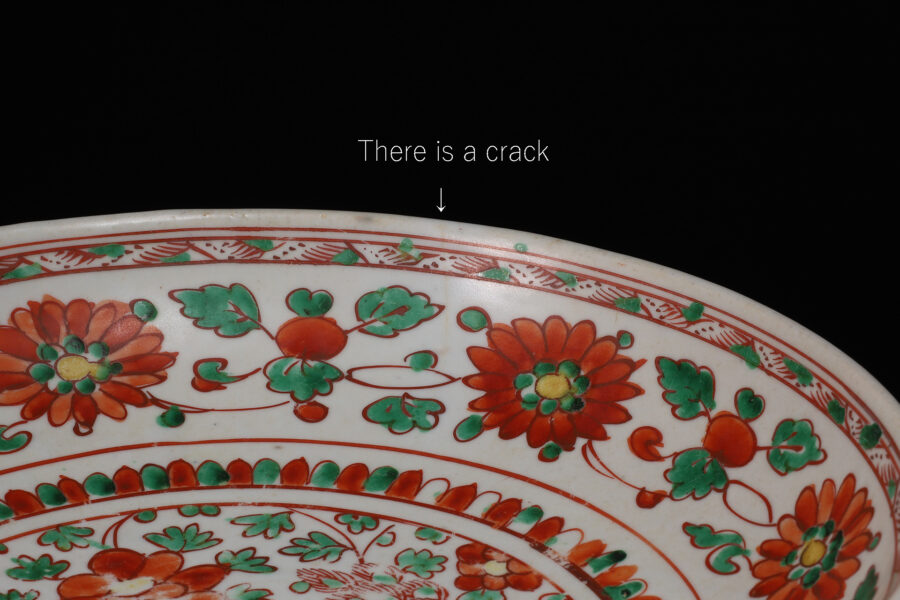
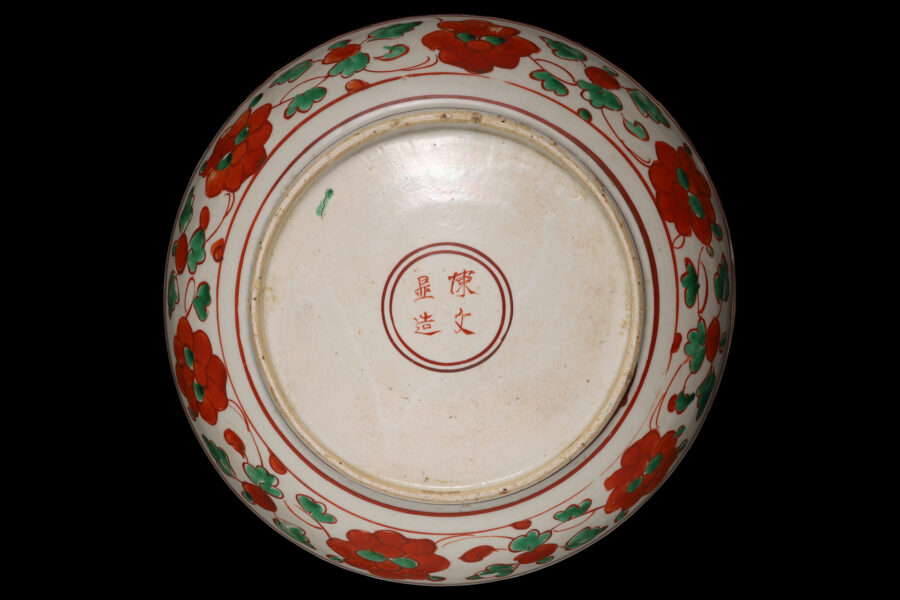
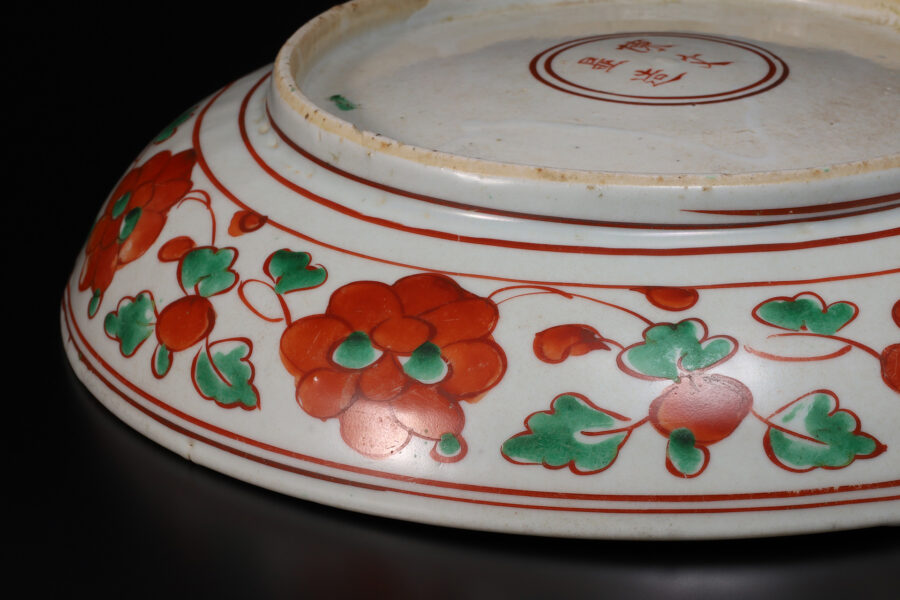
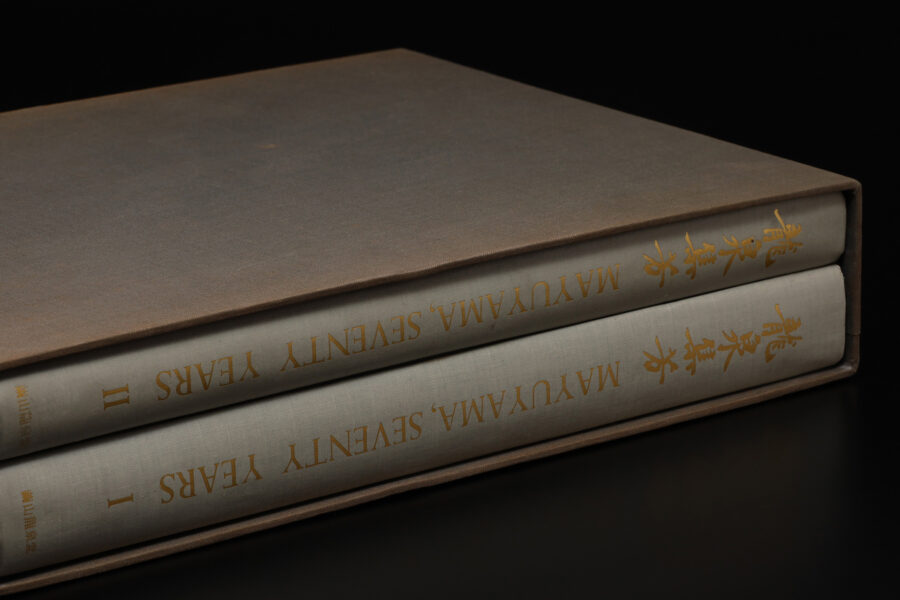
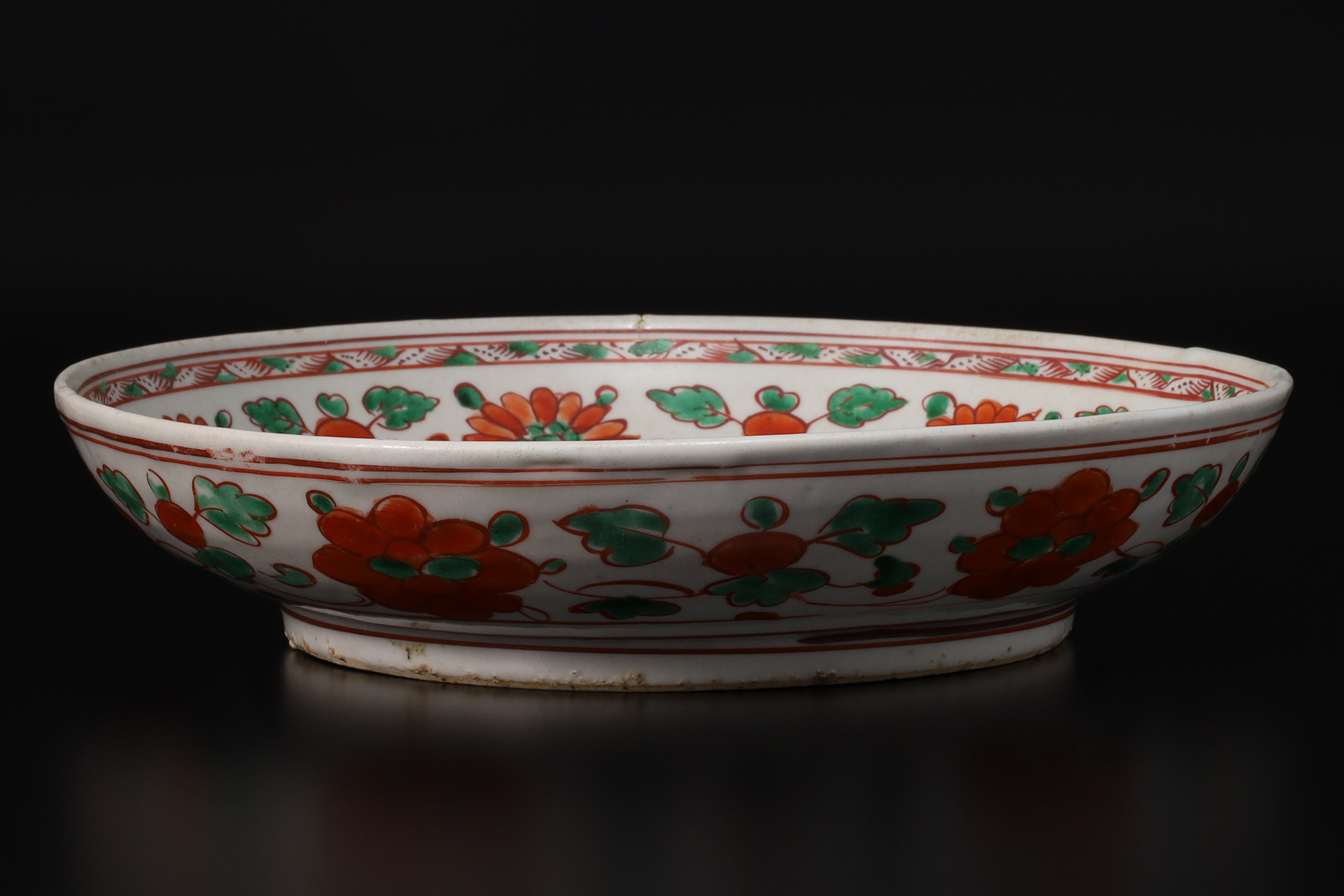
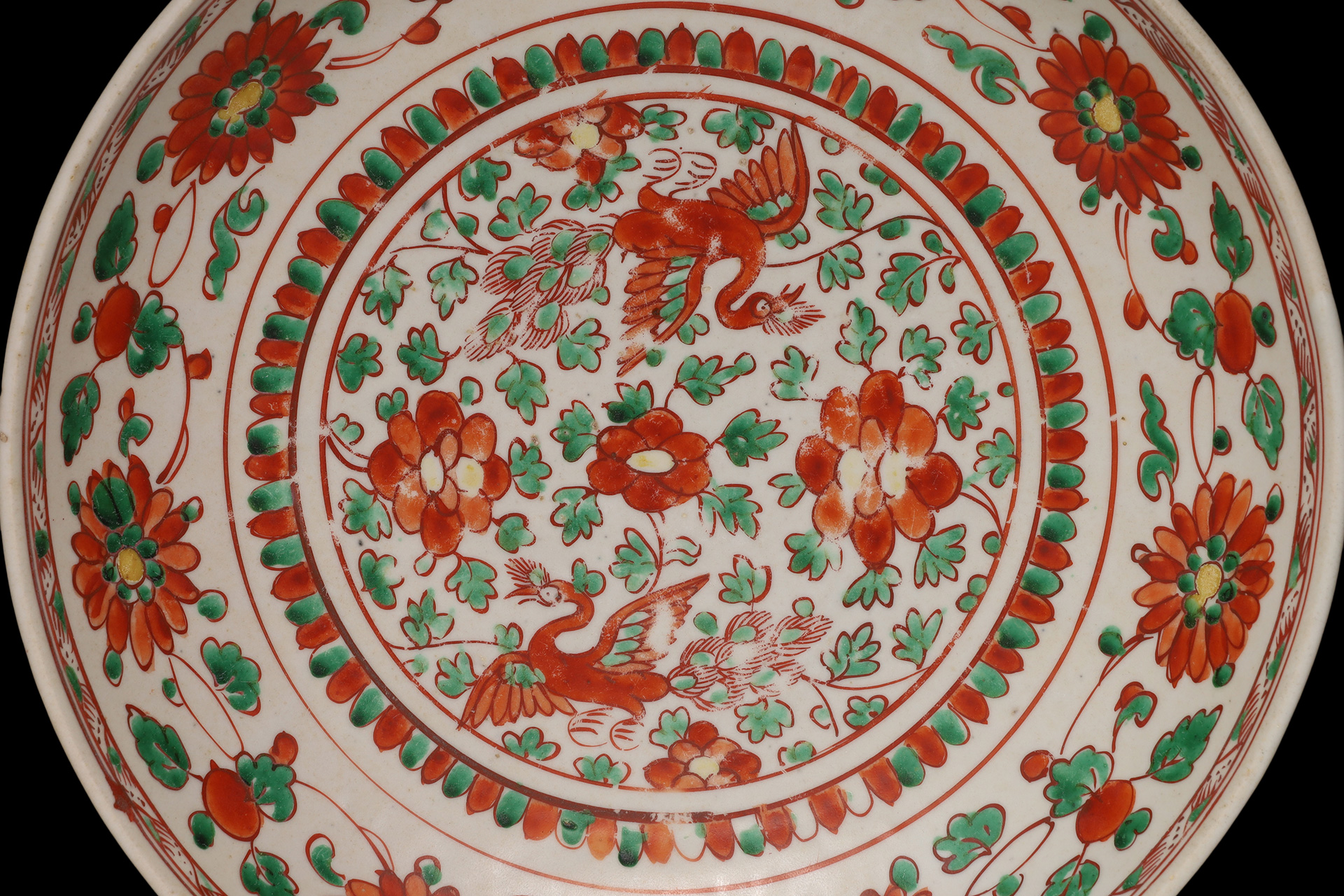
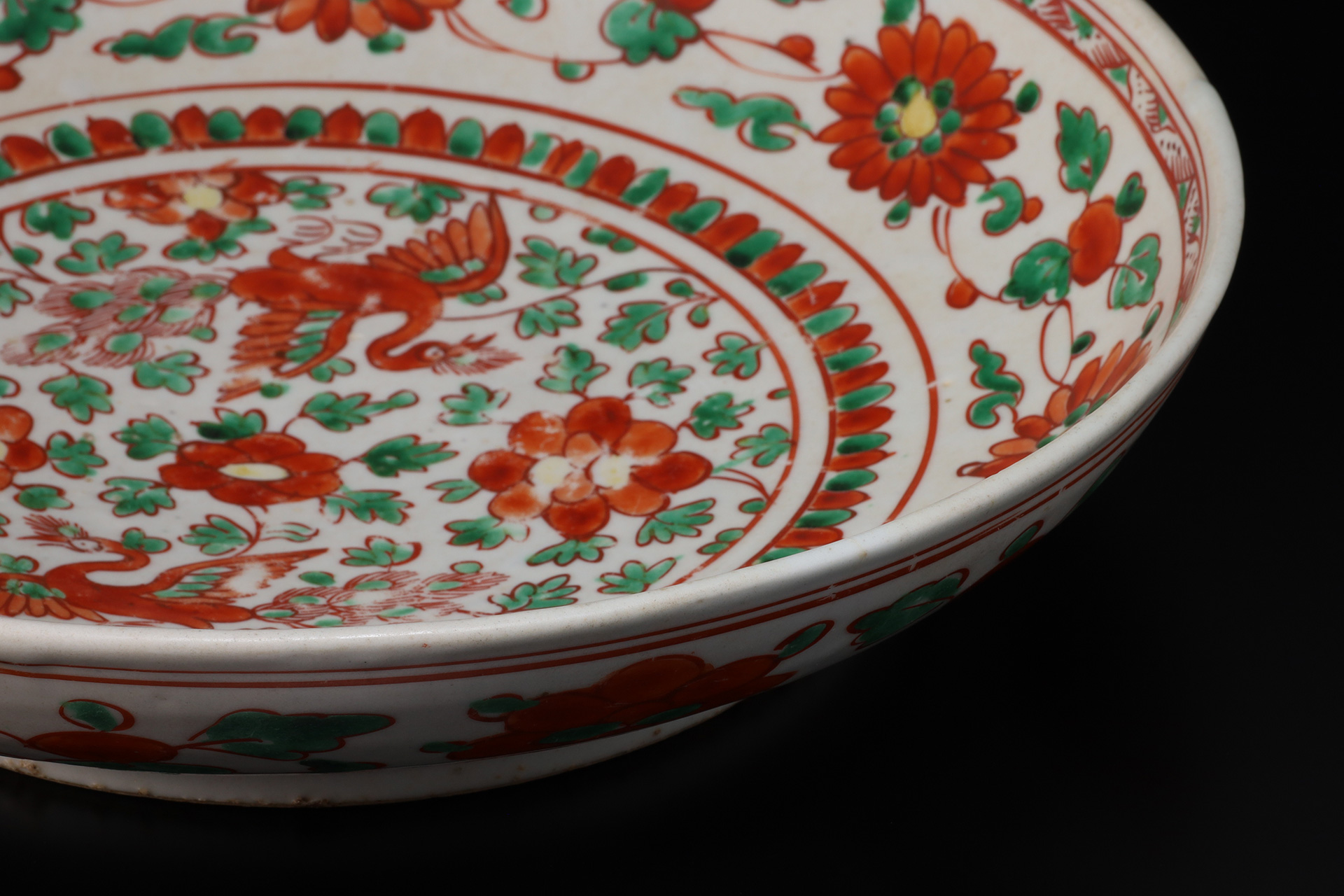
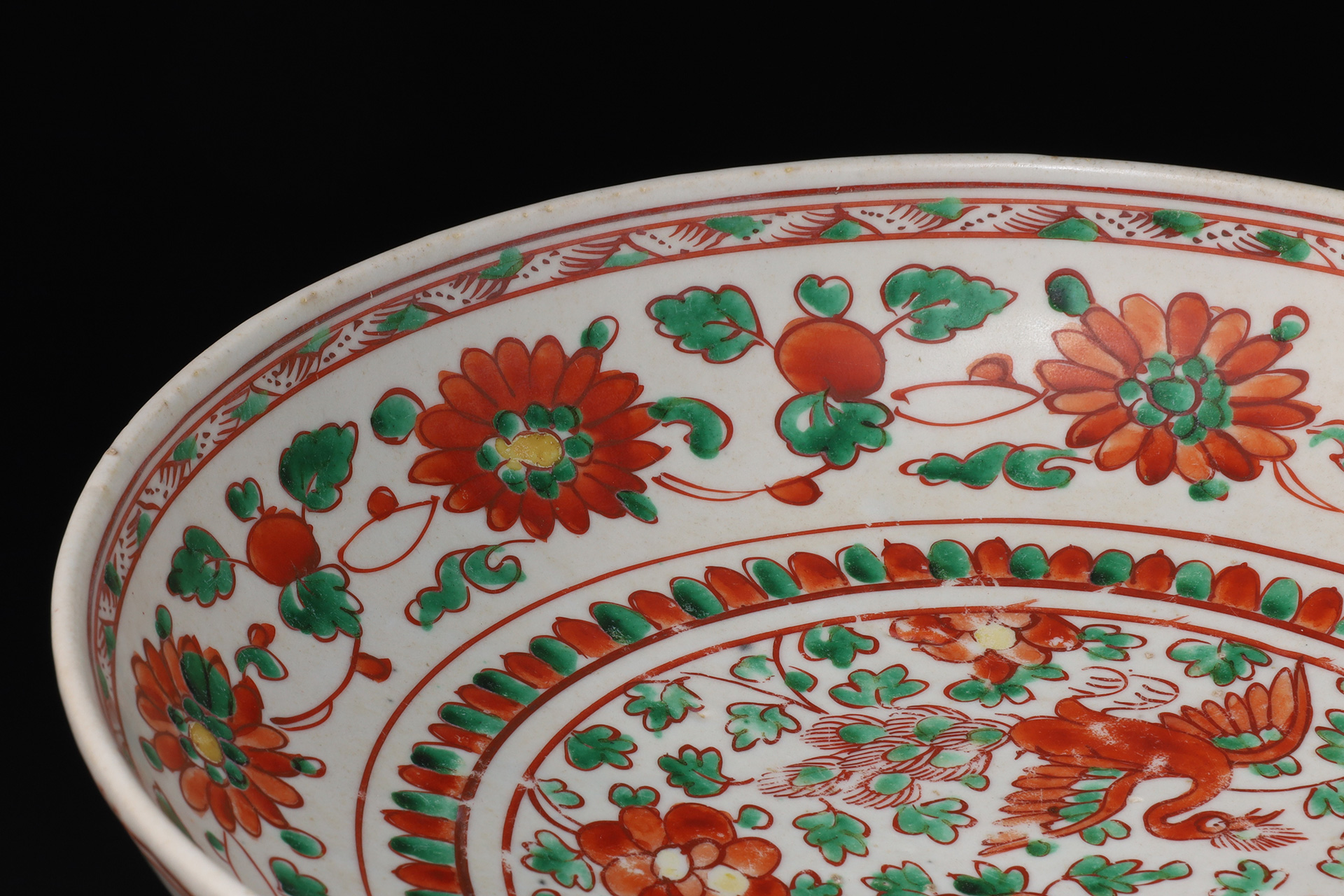
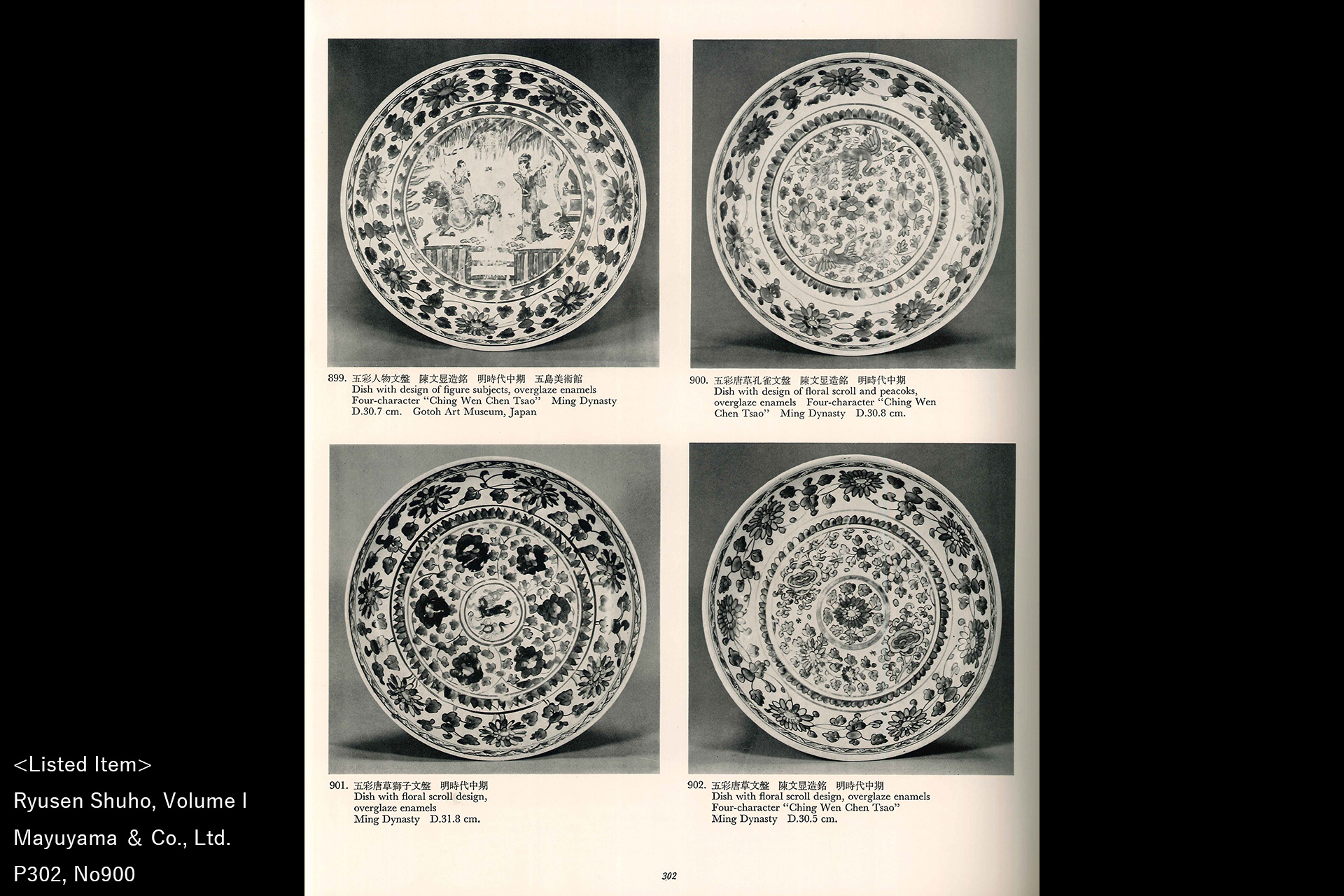
This distinguished Ko-Aka-e masterpiece depicts a pair of peacocks adorned amid luxuriant floral arabesques. The imposing dish, measuring over 30 centimeters, possesses exceptional visual appeal and imbues any space with radiance and vitality. The spread of the peacocks’ tail feathers and the brilliance of their colors symbolize wealth and prosperity, while the continuous arabesque motifs extending to the rim endow the vessel with both vitality and decorative beauty. Its free‑spirited composition—executed without the use of cobalt blue—embodies the generous, unrestrained beauty characteristic of folk kilns, distinct from the precision of official wares. The provenance recorded in the elusive and legendary catalogue Ryusen Shuho, a testament to the history and connoisseurship of Mayuyama & Co., Ltd., further affirms the work’s artistic value and historical significance. A cultural heritage masterpiece that captures the beauty of Ko-Aka-e and endures with a brilliance that transcends time.
Inquiry
- Product Code
- 251121-4
- 時代
- Ming Dynasty
16th Century
- Weight
- 1,360 g
- Mouth Diameter
- 31.1 cm
- Hight
- 6.9 cm
- Base Diameter
- 9.2 cm
- Fittings
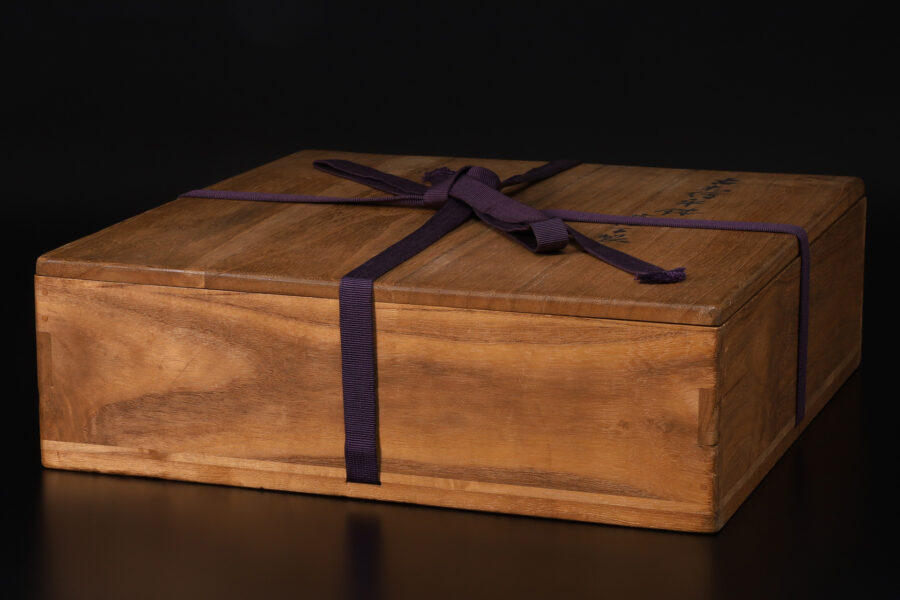
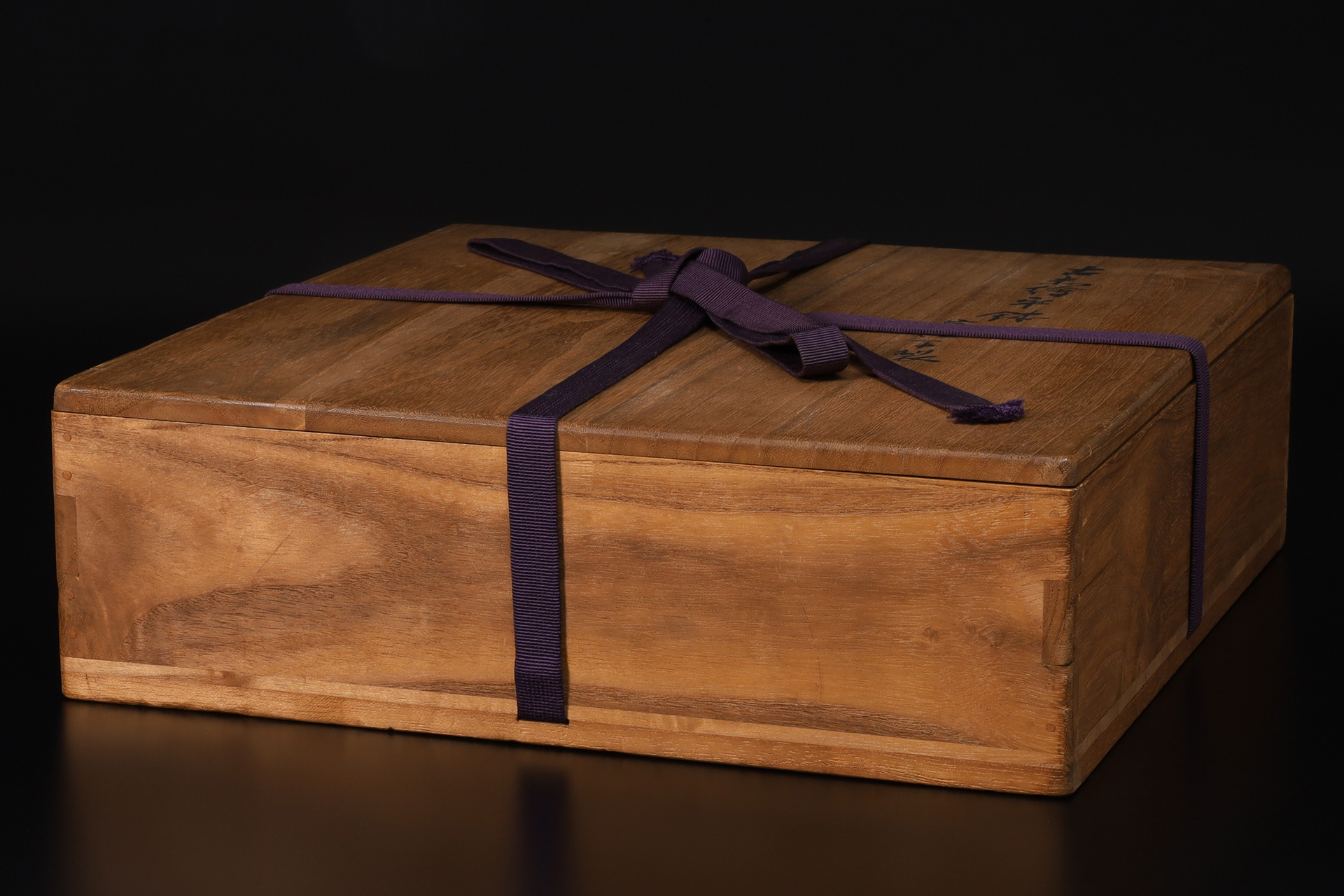
- Paulownia Box
- Provenance
- Mayuyama & Co., Ltd.
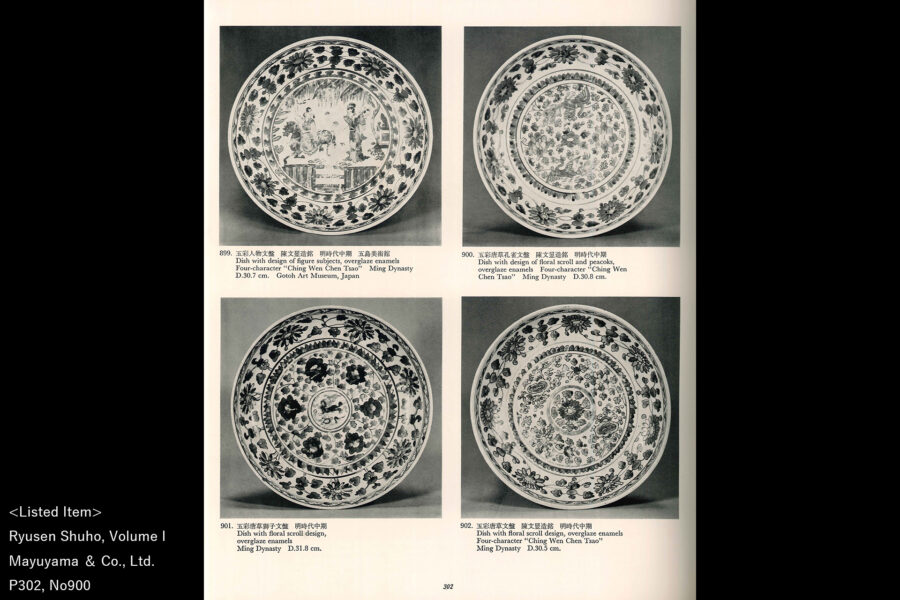
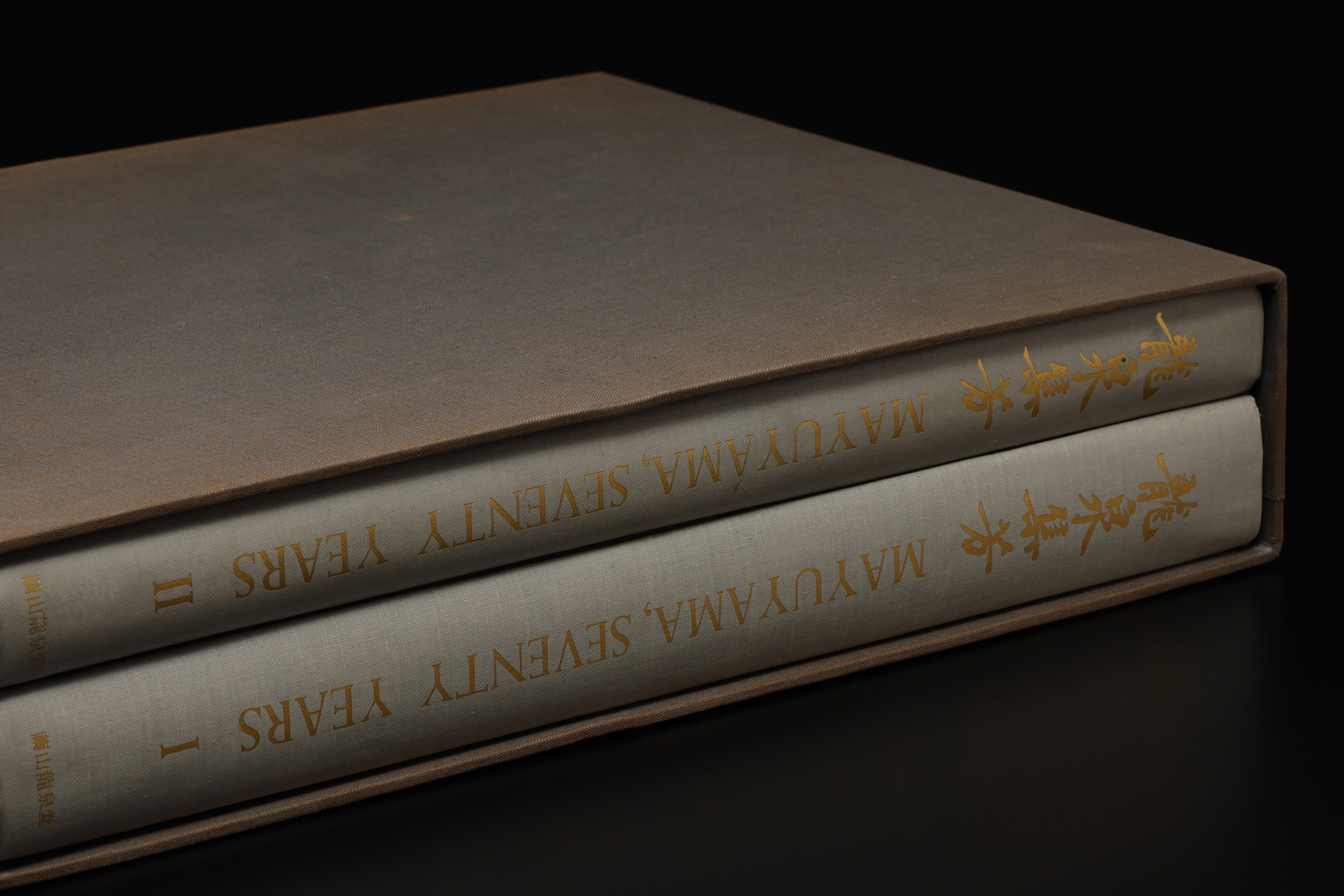
“Ryusen Shuho, Volume I”, Mayuyama & Co., Ltd., P302, No900, Listed Item
- Condition
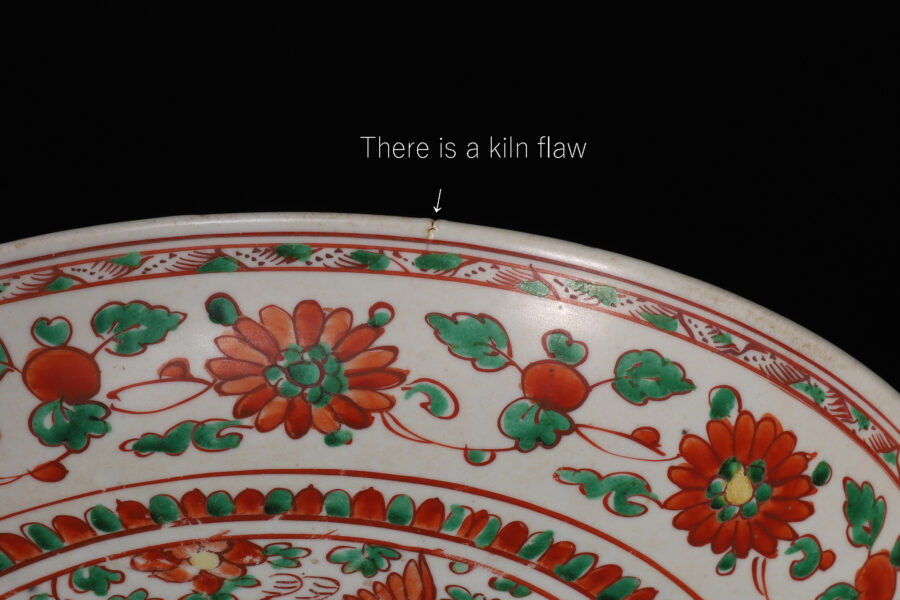
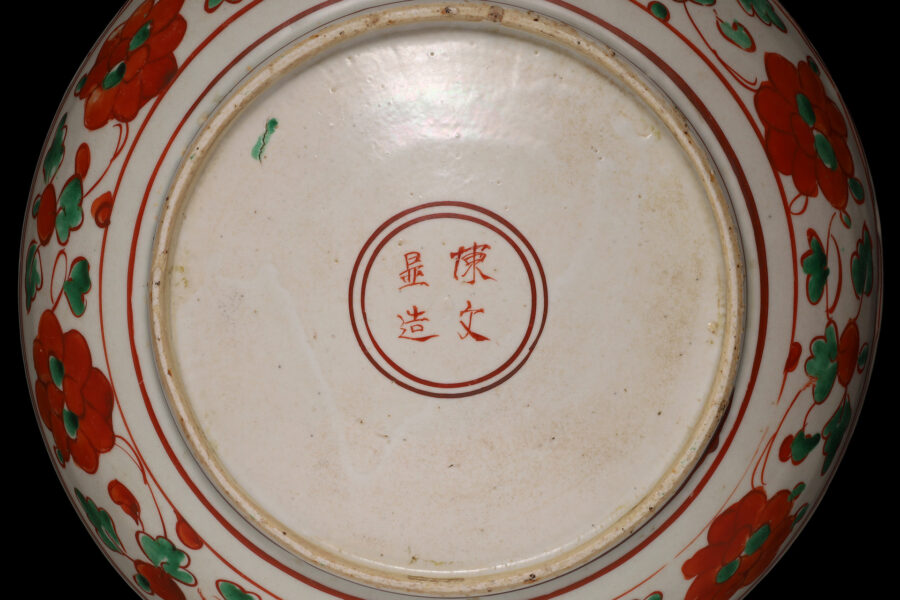
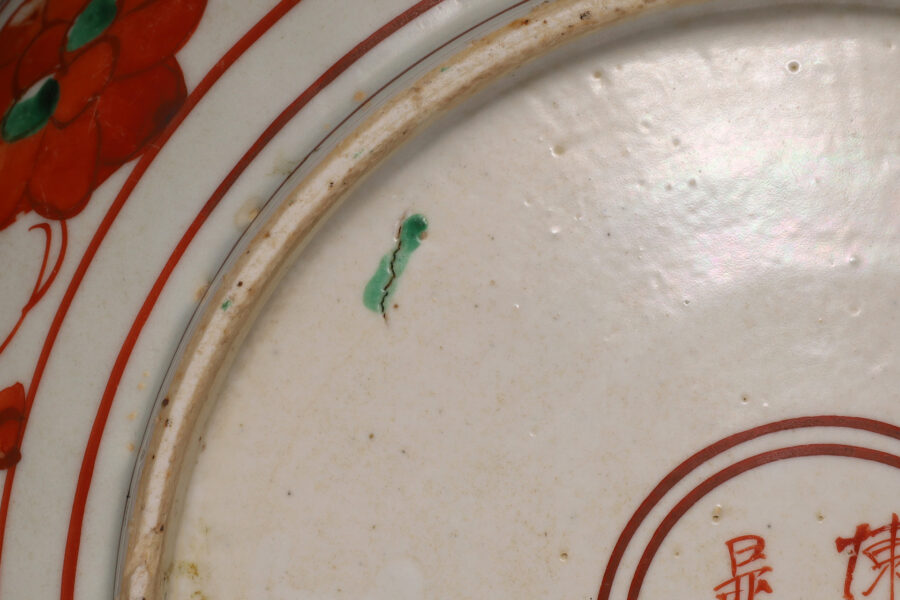
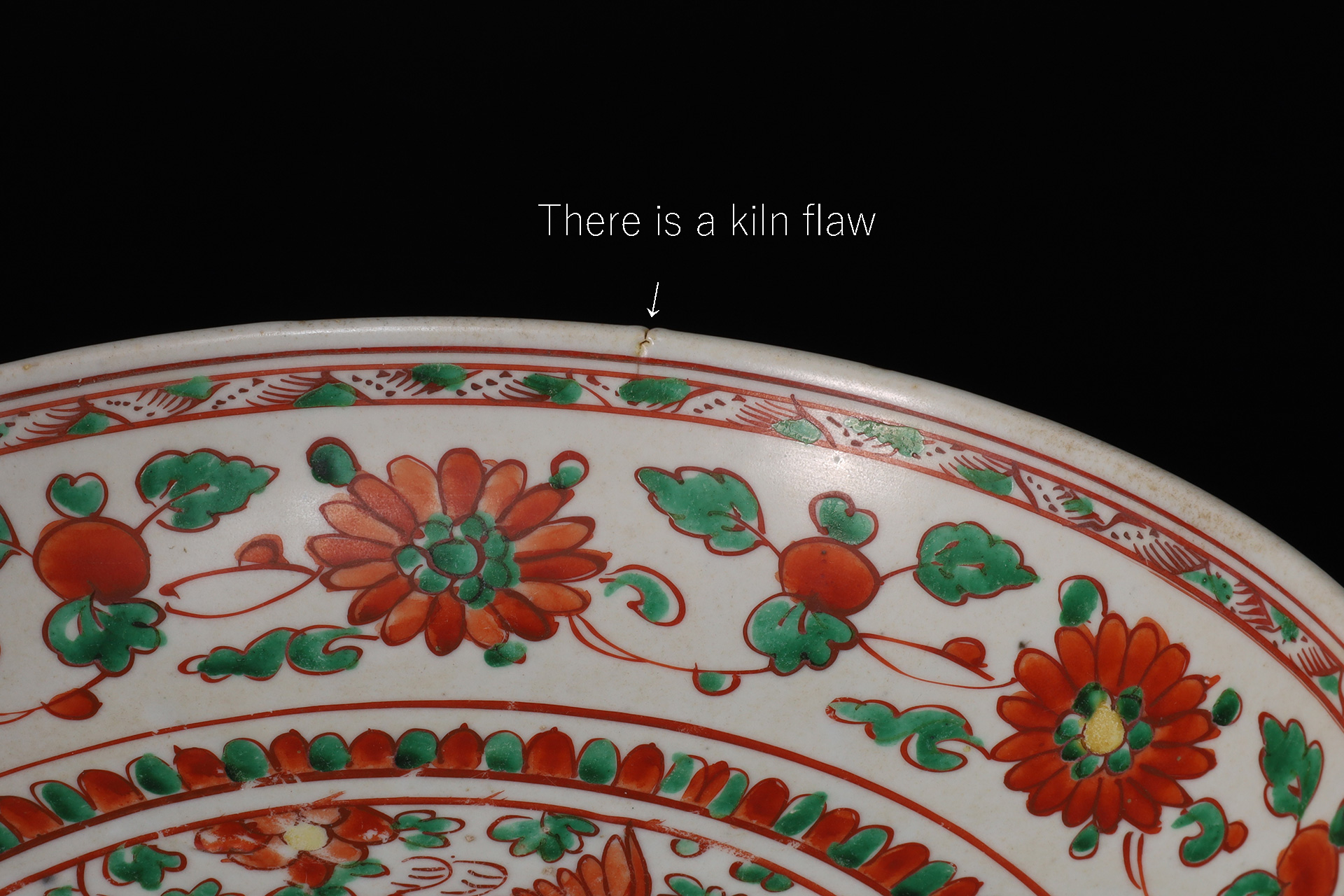
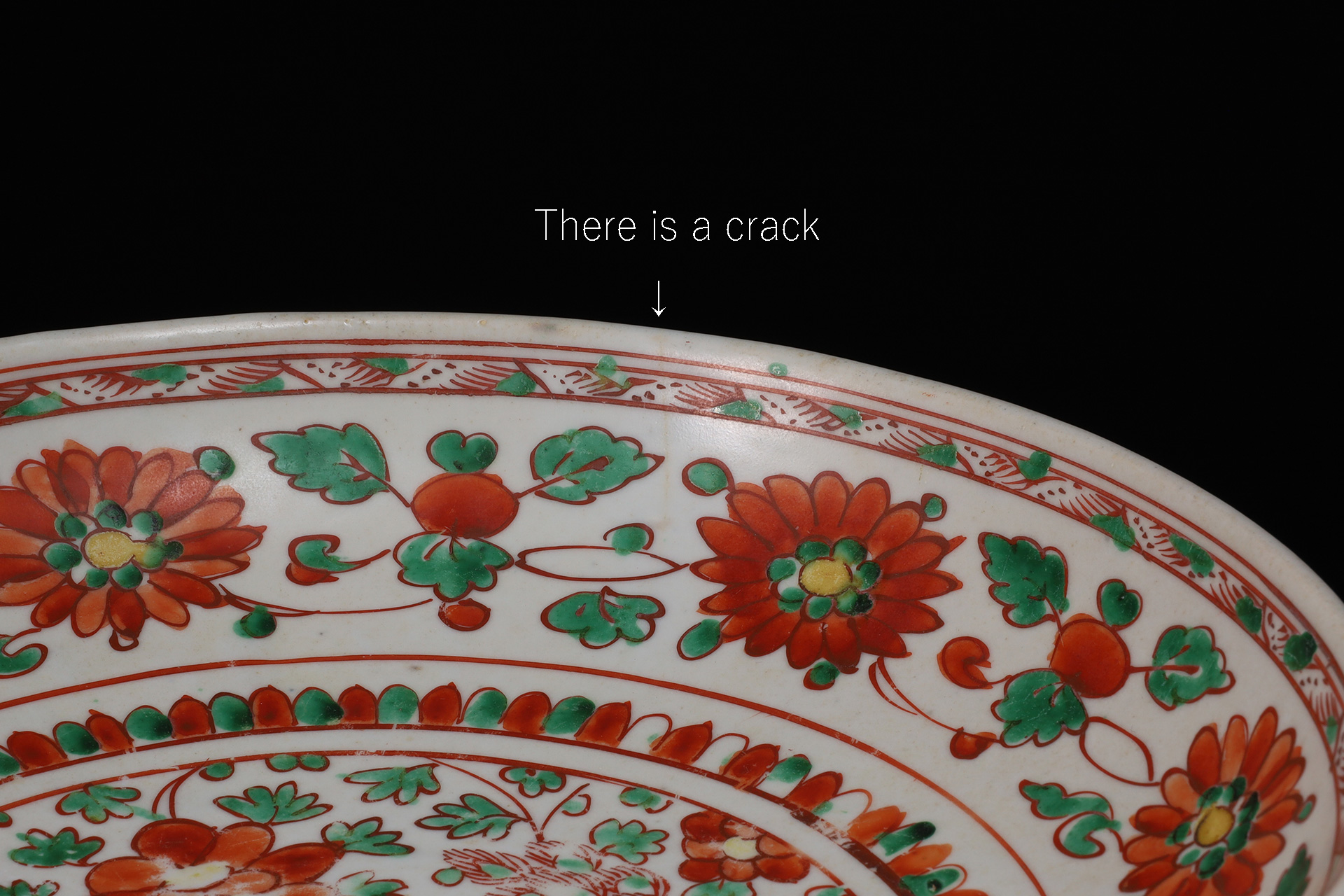
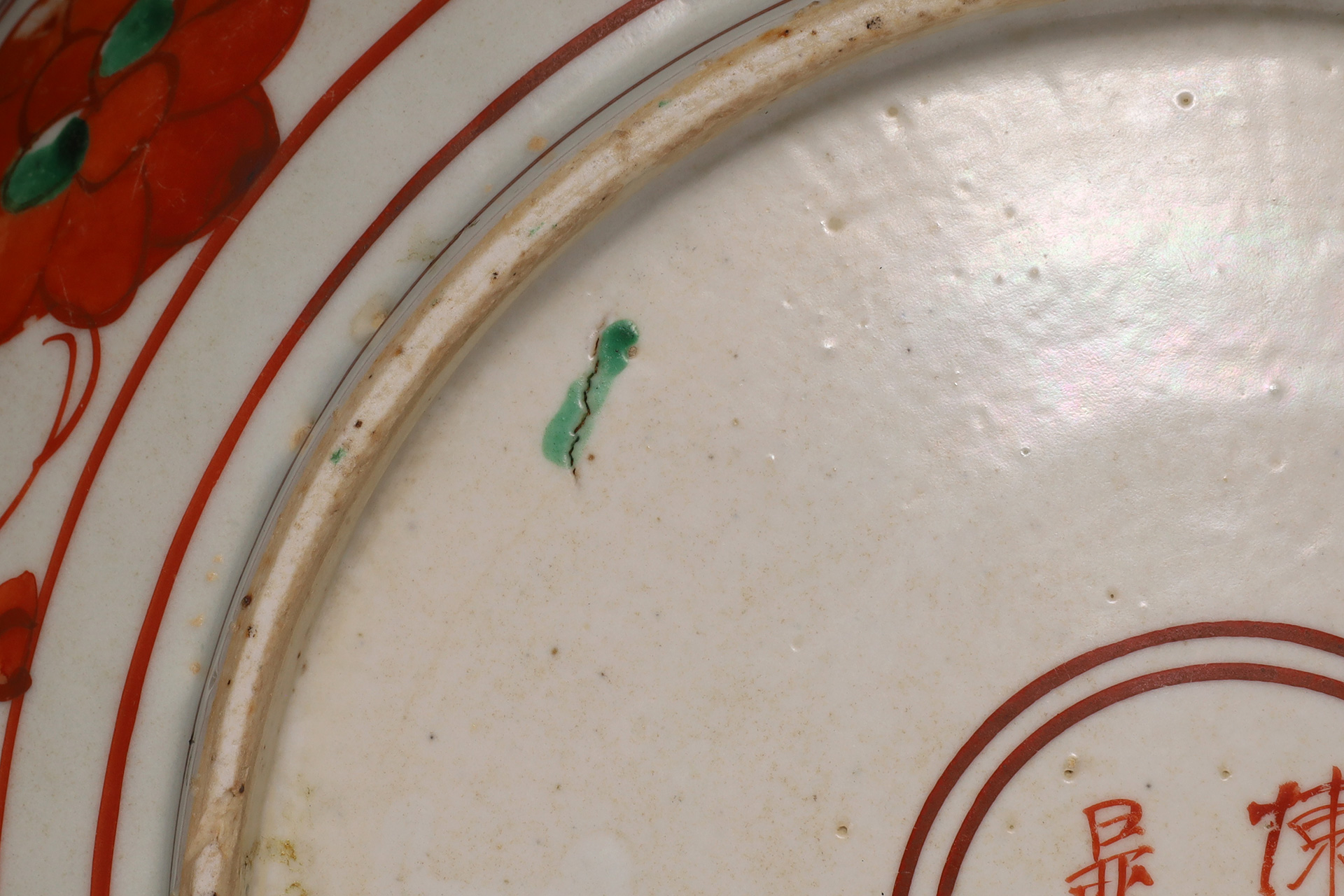
- There is one crack and one kiln flaw on the rim
It fulfills the conditions of a masterpiece, with a profound yet delicate tension in its form, exquisite coloration, and excellent preservation.


Ko-Akae
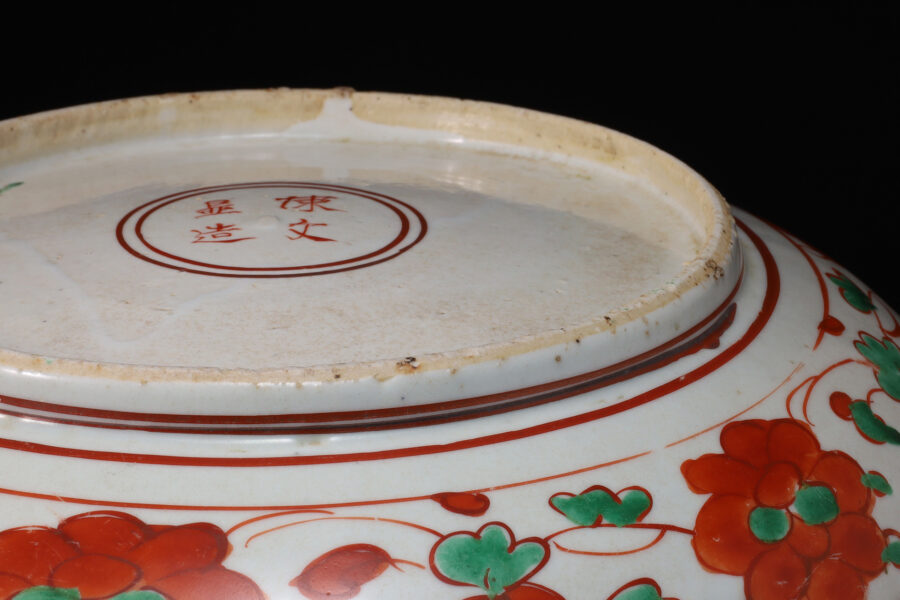
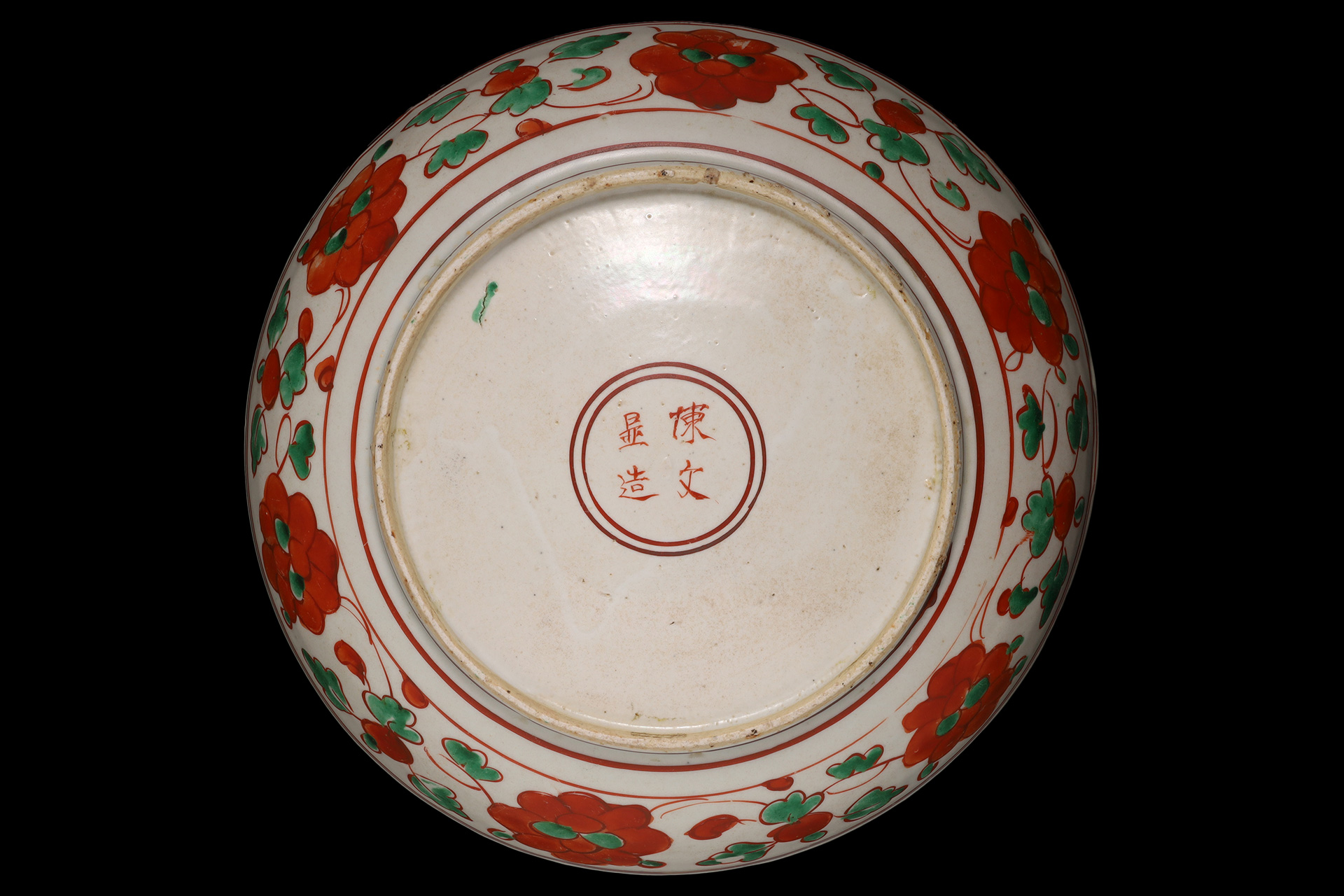
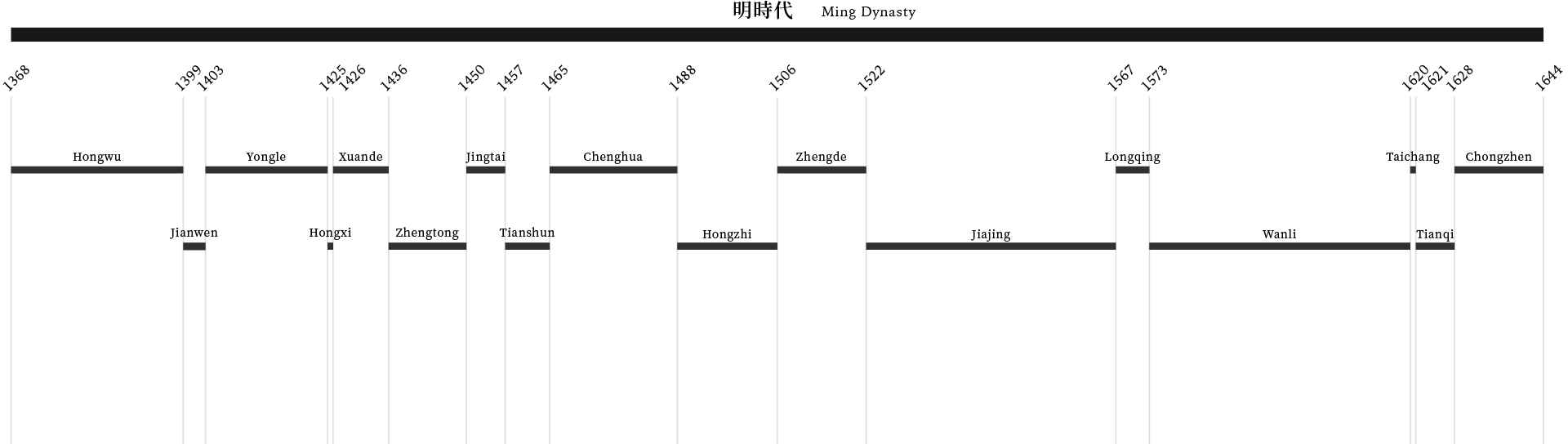
Ko-Akae refers to polychrome porcelain produced mainly during the Zhengde (1506–21) and Jiajing (1522–66) reigns of the Ming dynasty, fired in the Jingdezhen kilns. The body presents a bright, milky-white tone, upon which a rich and vivid red serves as the principal color, complemented by green, yellow, and occasionally blue. In principle, underglaze blue (sometsuke) was not employed. Although lacking the refinement of Jingdezhen imperial kilns, these pieces embody a free-spirited and generous charm. The predominant vessel types include dishes, bowls, basins, and covered boxes, while jars and vases are comparatively rare. Decorative motifs feature arabesques of flowers, waterfowl in lotus ponds, fish and aquatic plants, peacocks with peonies, dragons, phoenixes, and human figures. Production was not limited to domestic use; wares were widely exported to Japan, Southeast Asia, and the Middle East. Inscriptions such as “Made by Chen Wenxian,” “Made by Chen Shougui,” “Made by Chen Shouliu,” and “Made by He Wenbai” are known, and are thought to indicate the names of potters or workshop masters.