

Special Preview先行紹介
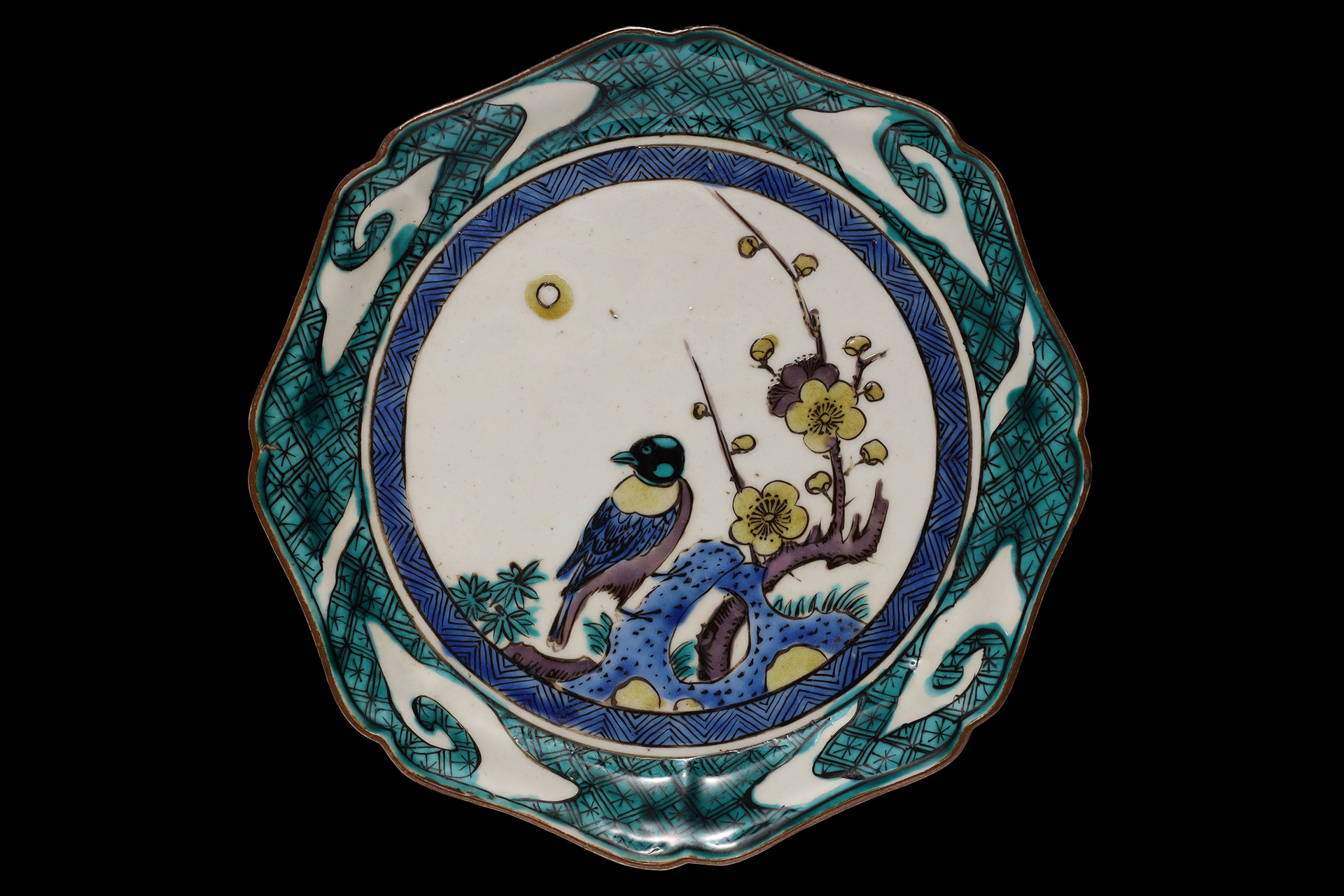
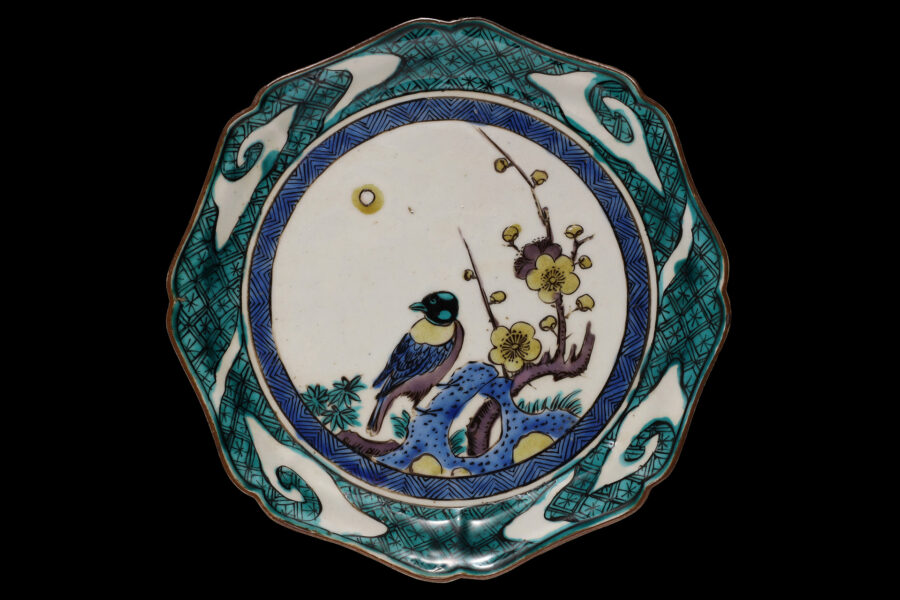
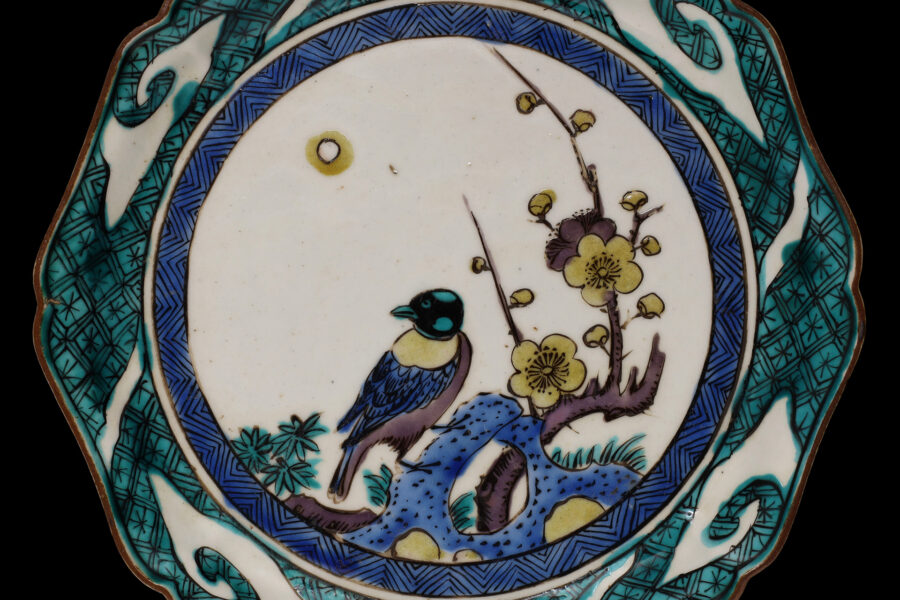
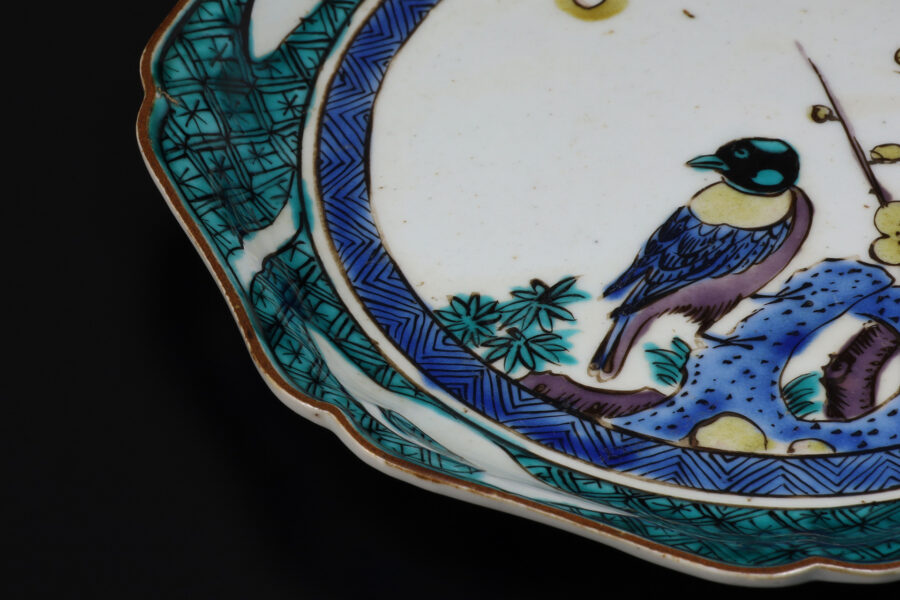
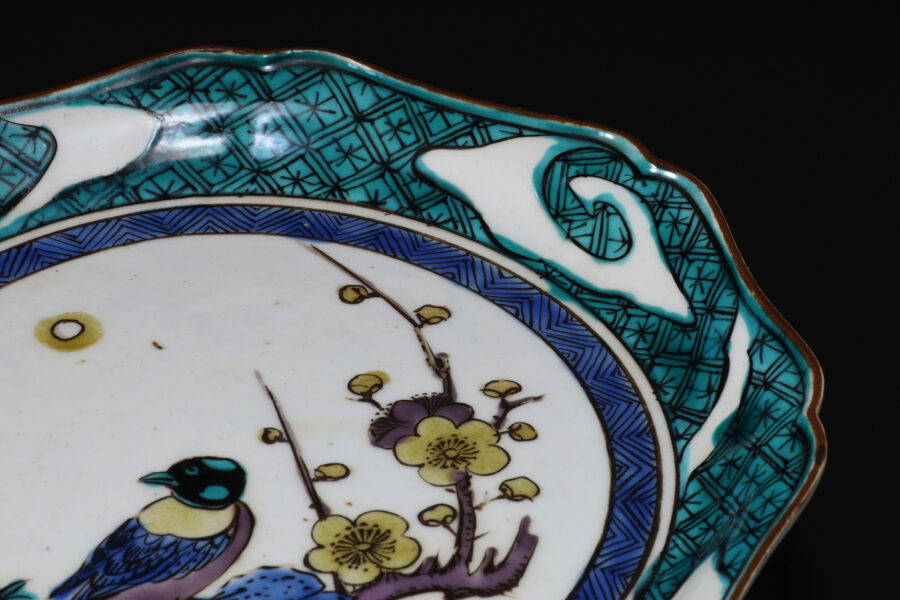
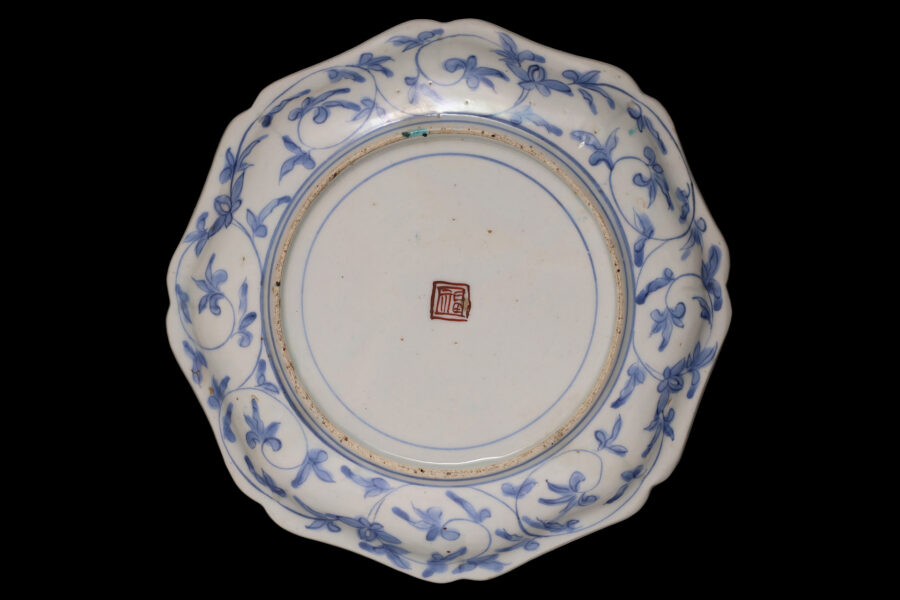
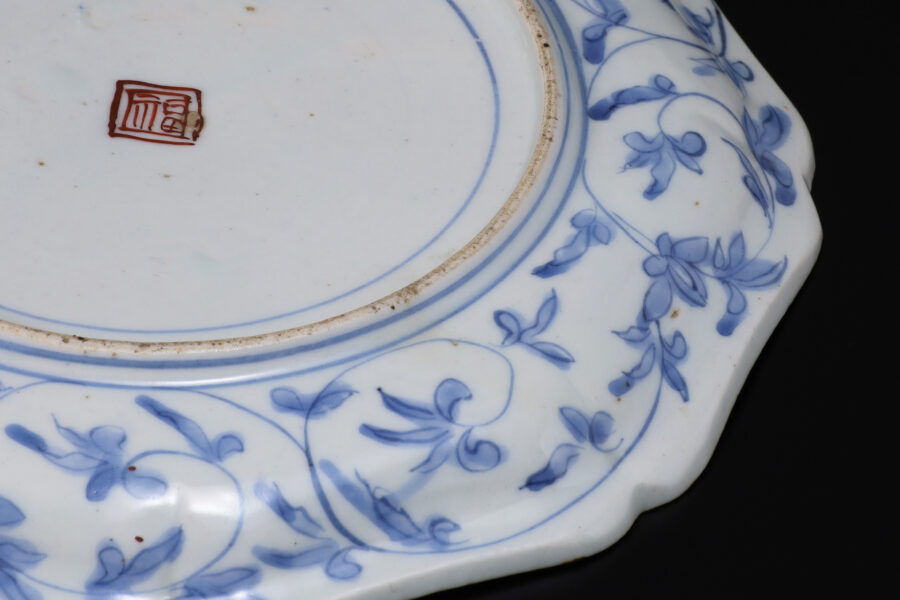
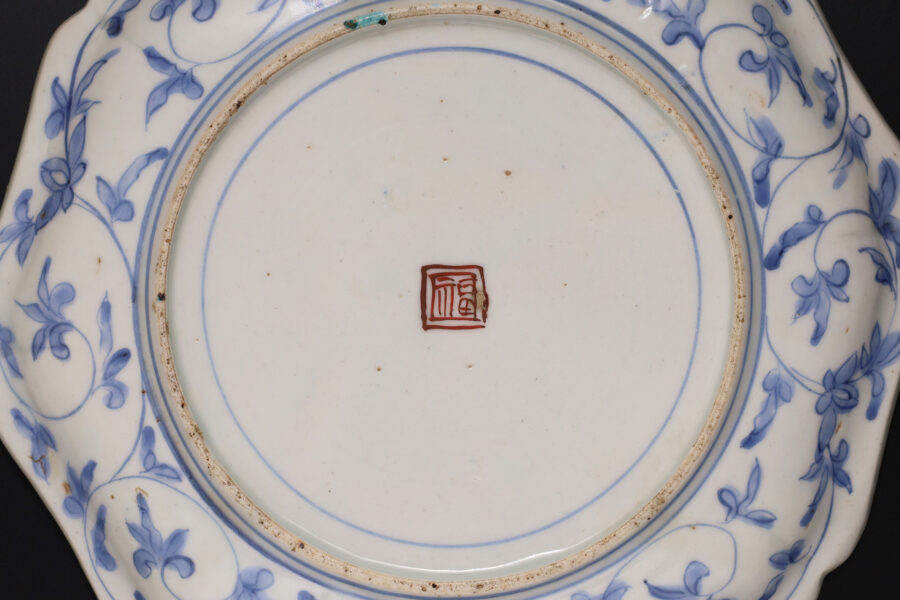
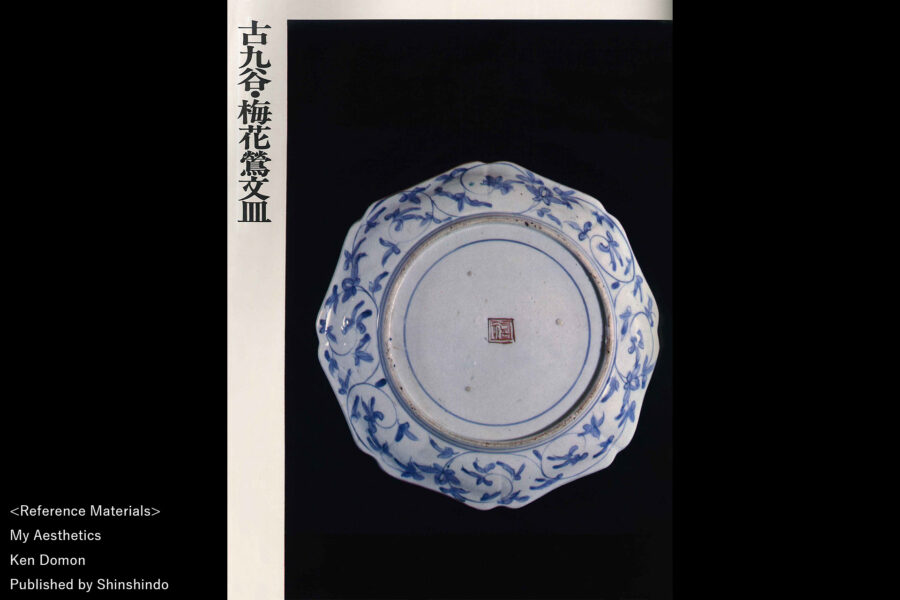
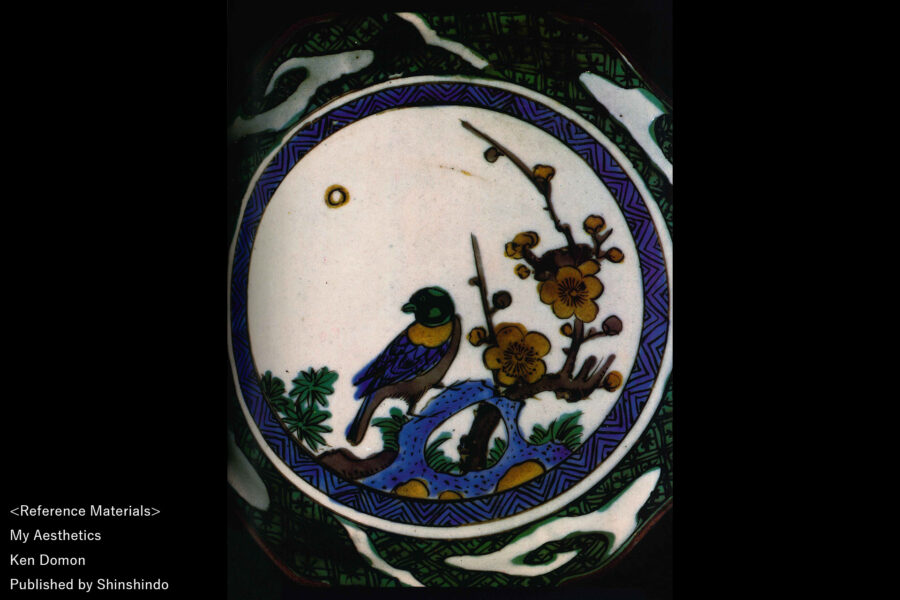
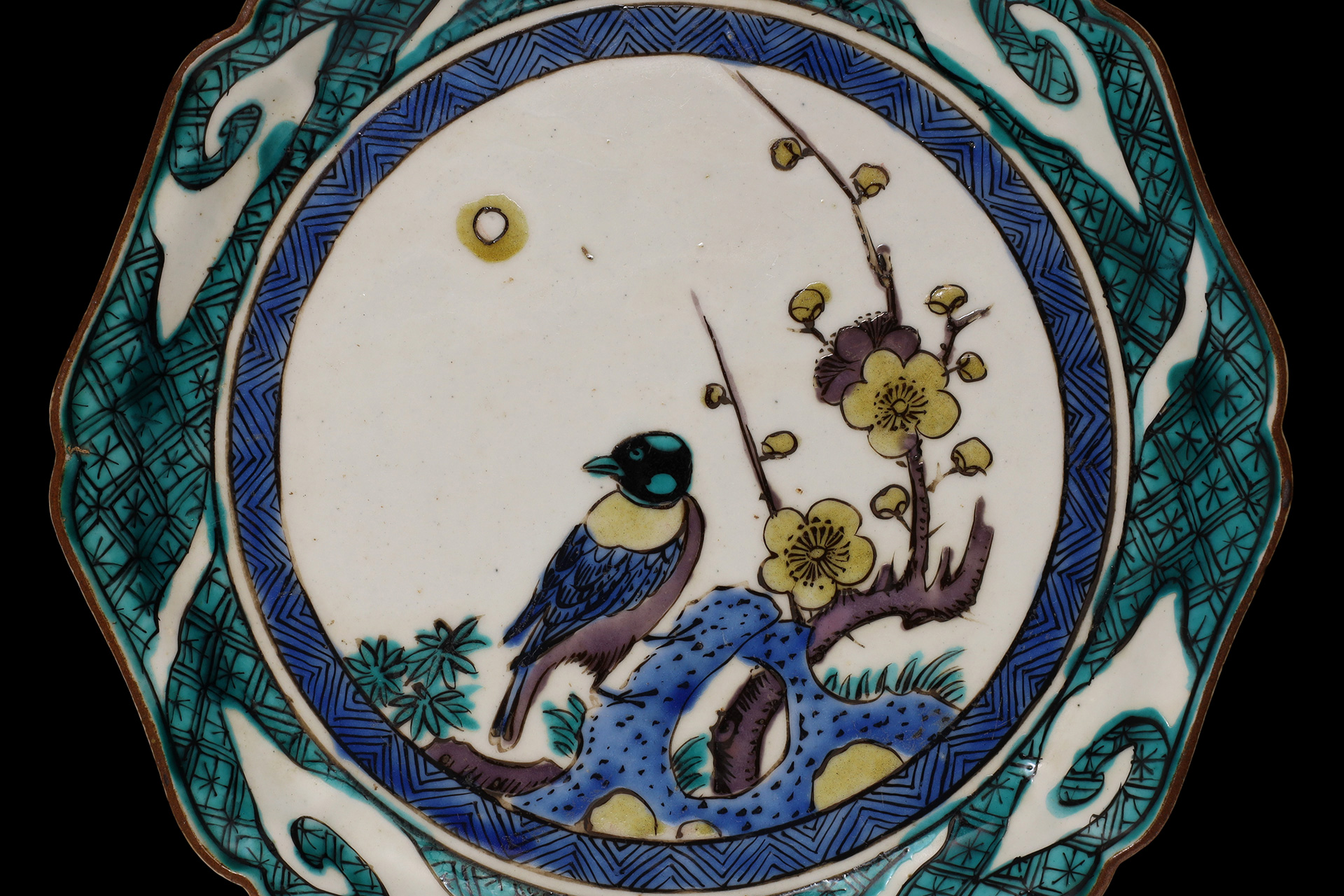
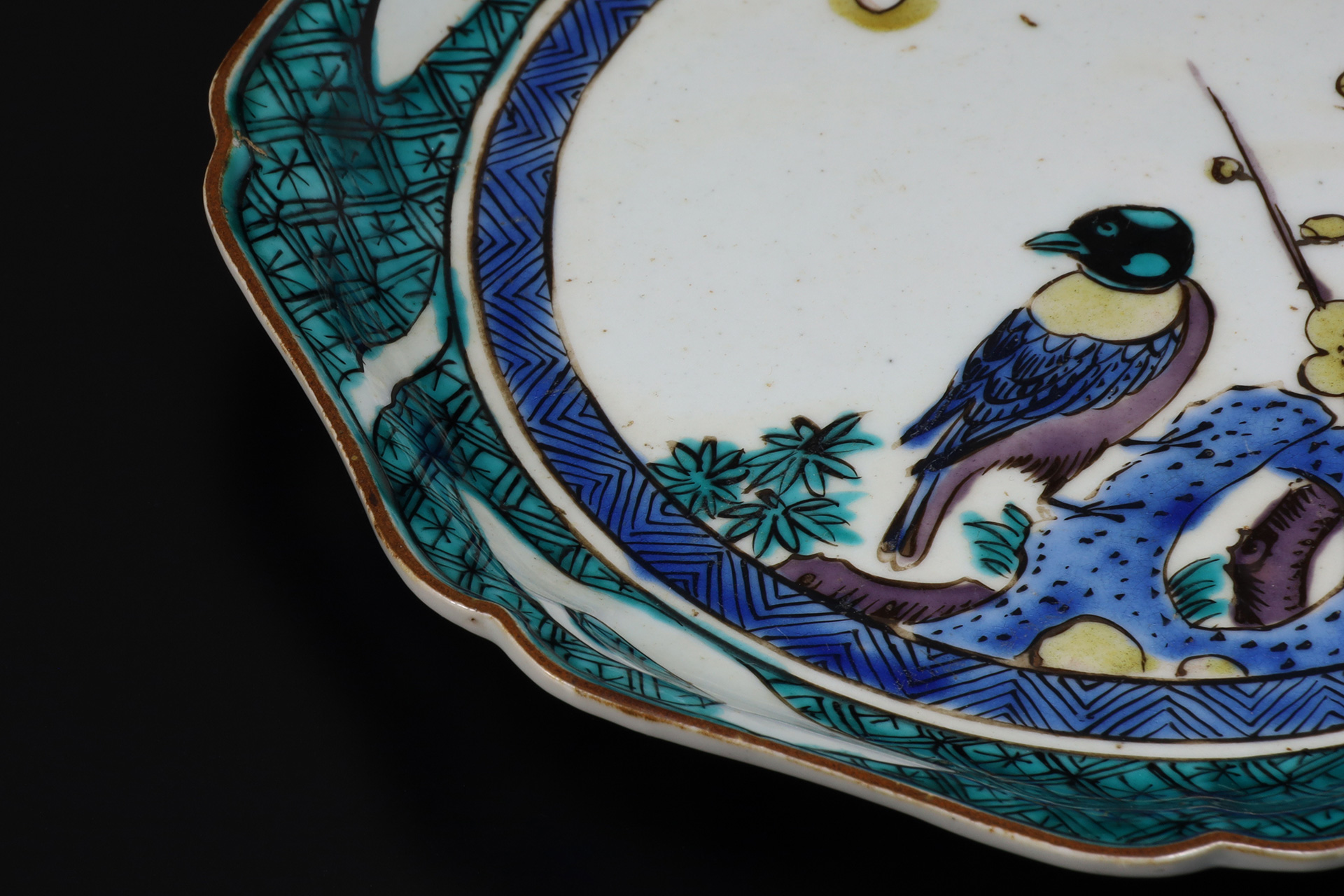
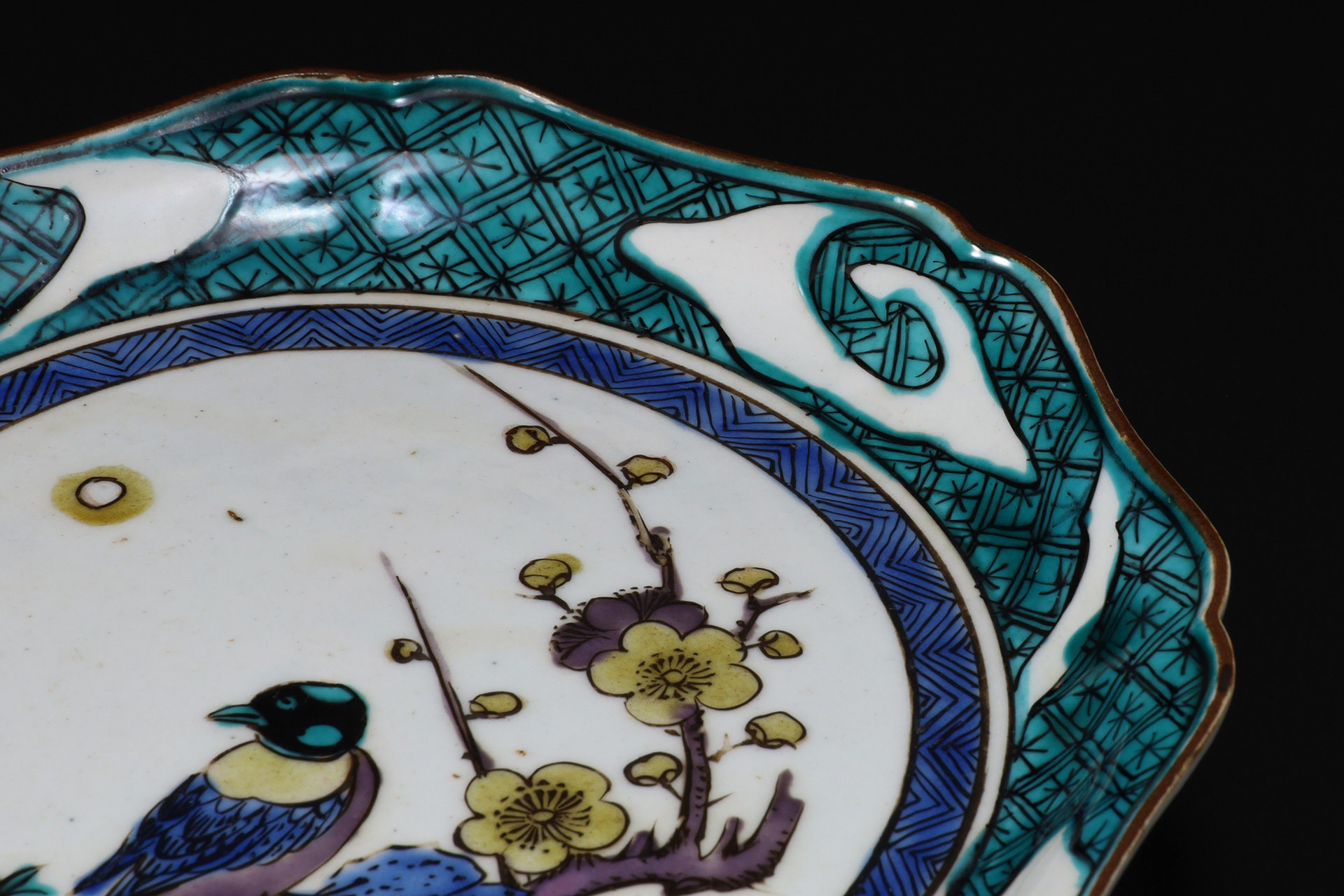
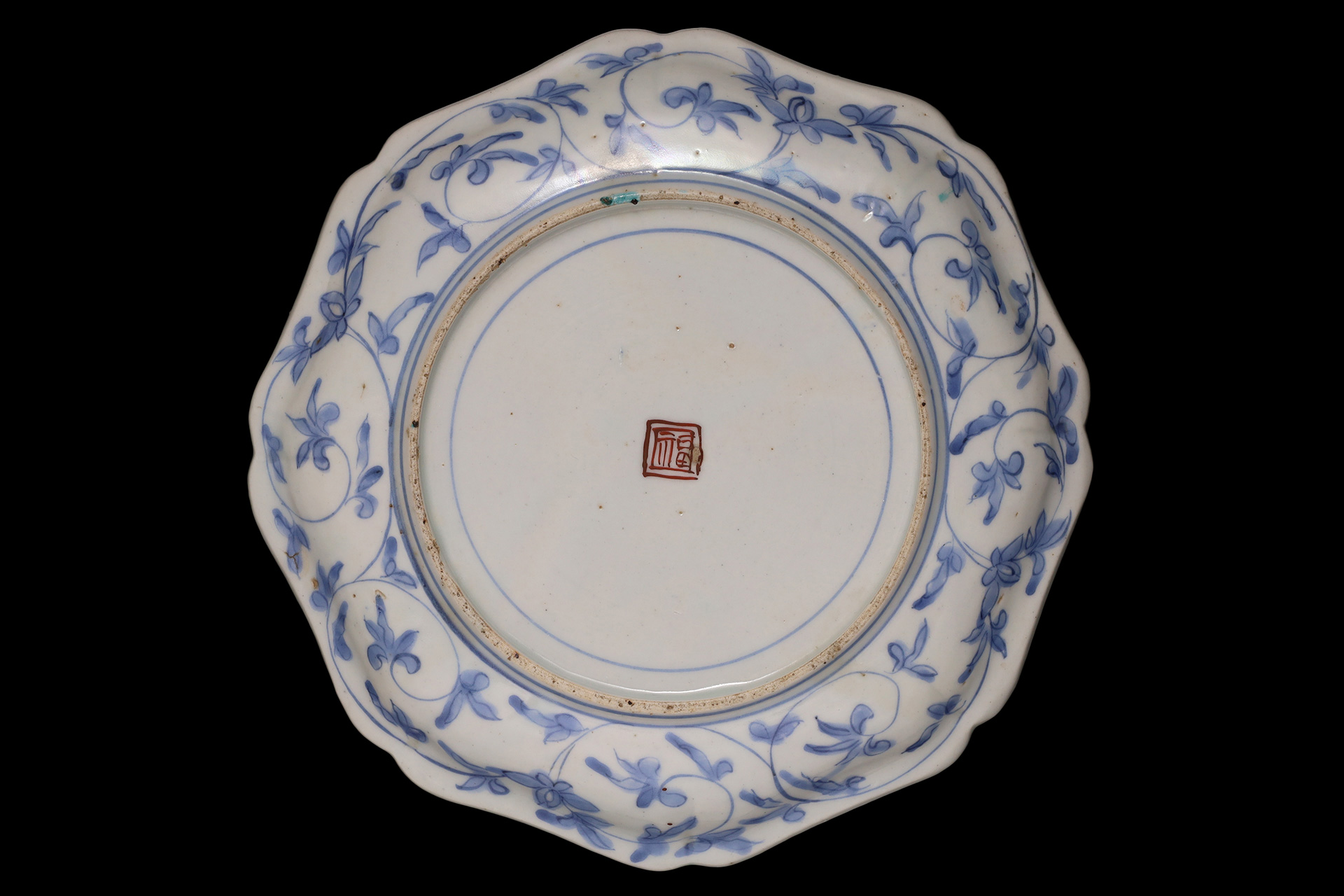
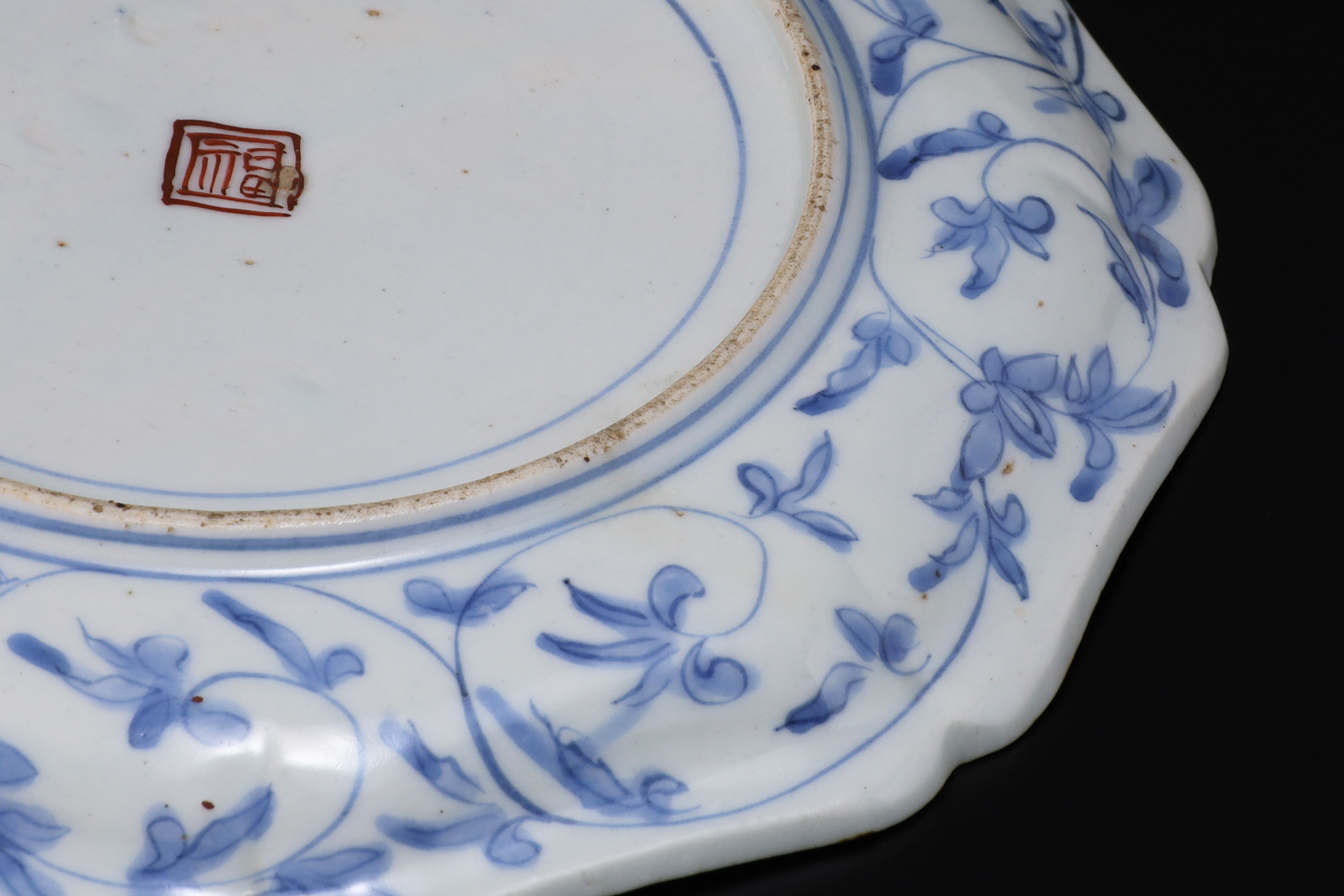
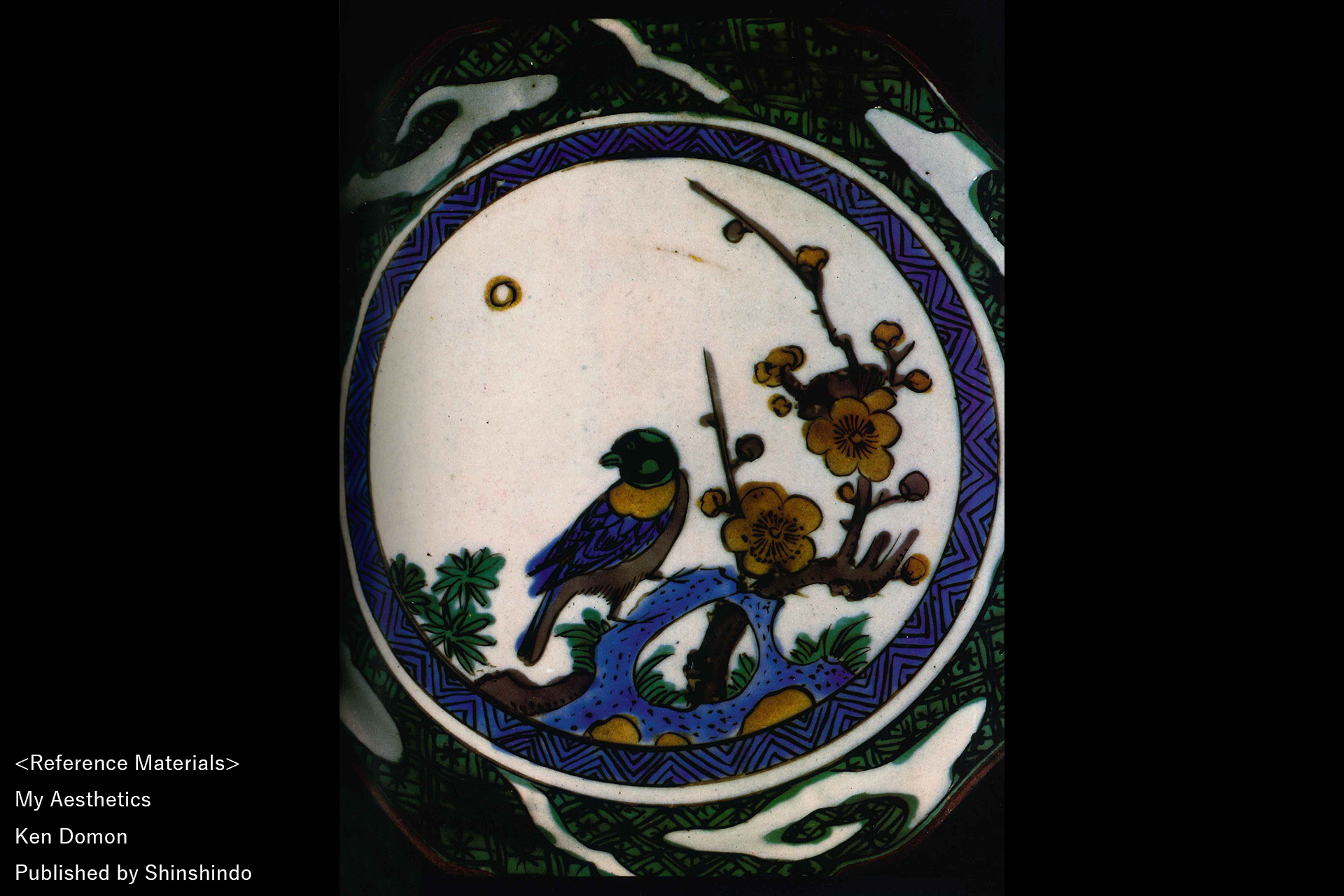
Ko-Kutani Polychrome Octagonal Dish with Plum and Bush Warbler Design (Edo Period)
Sold Out
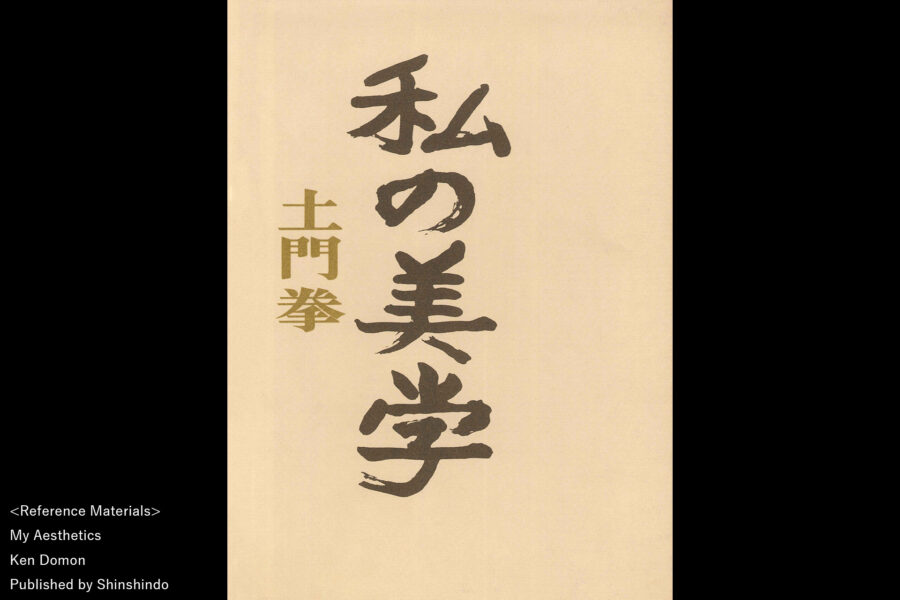
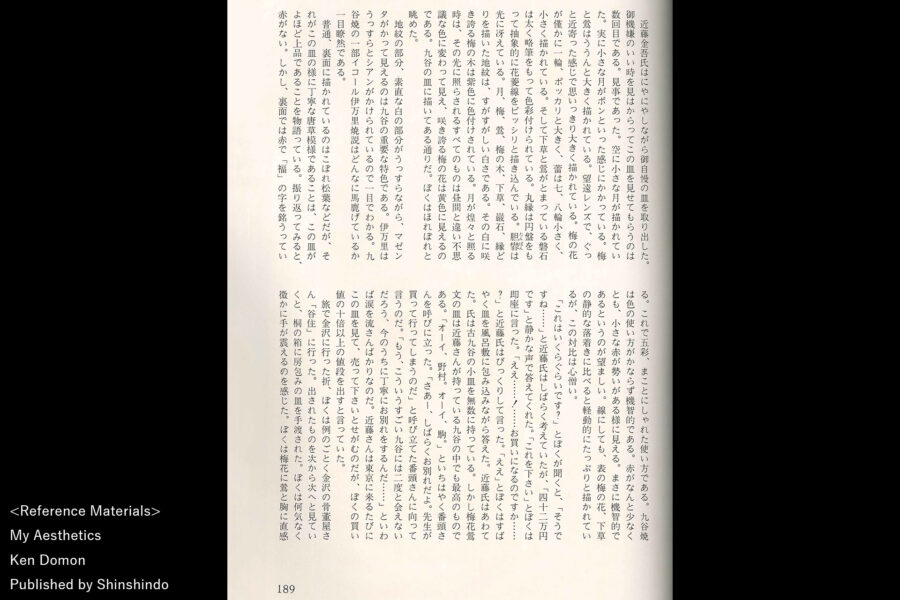
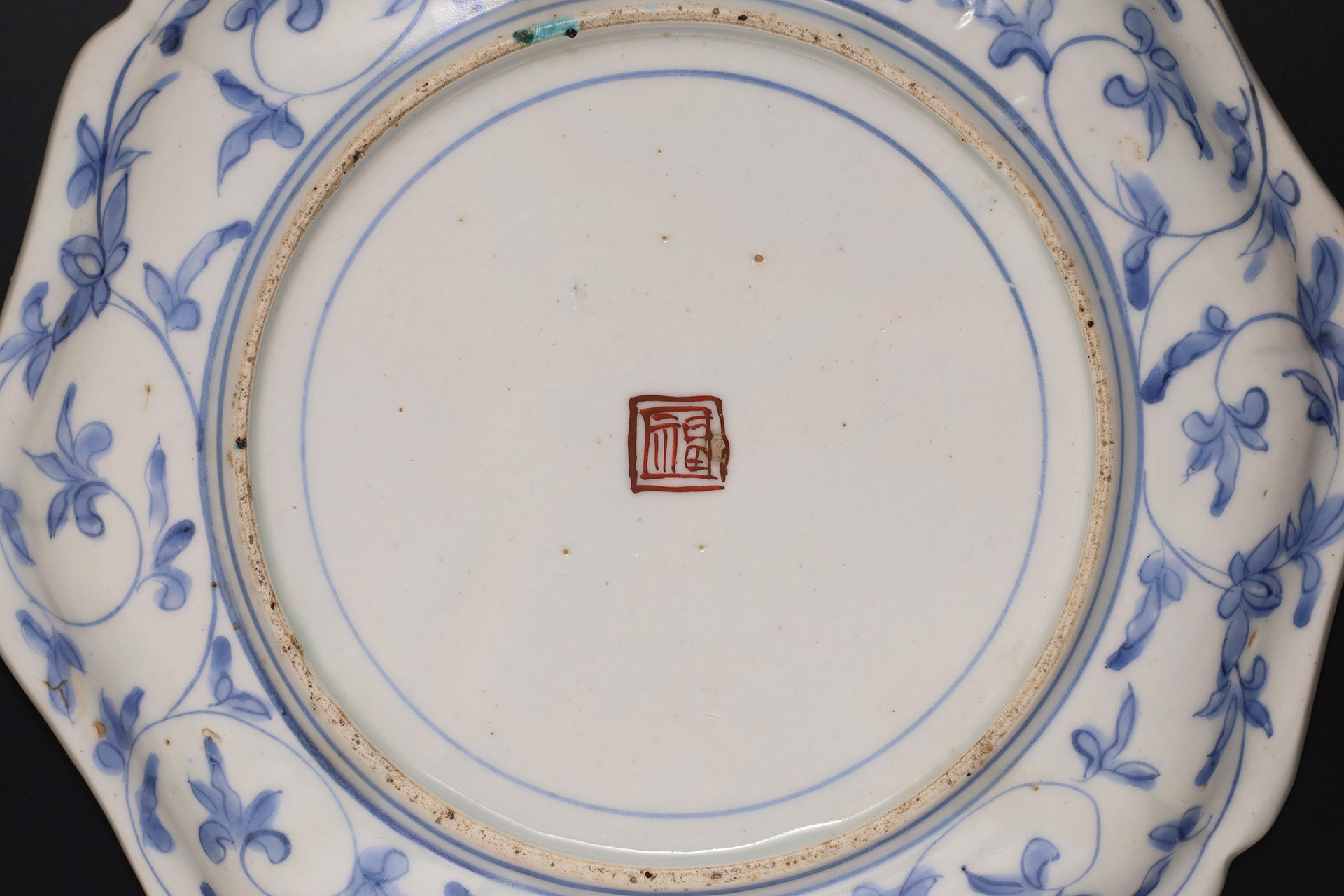
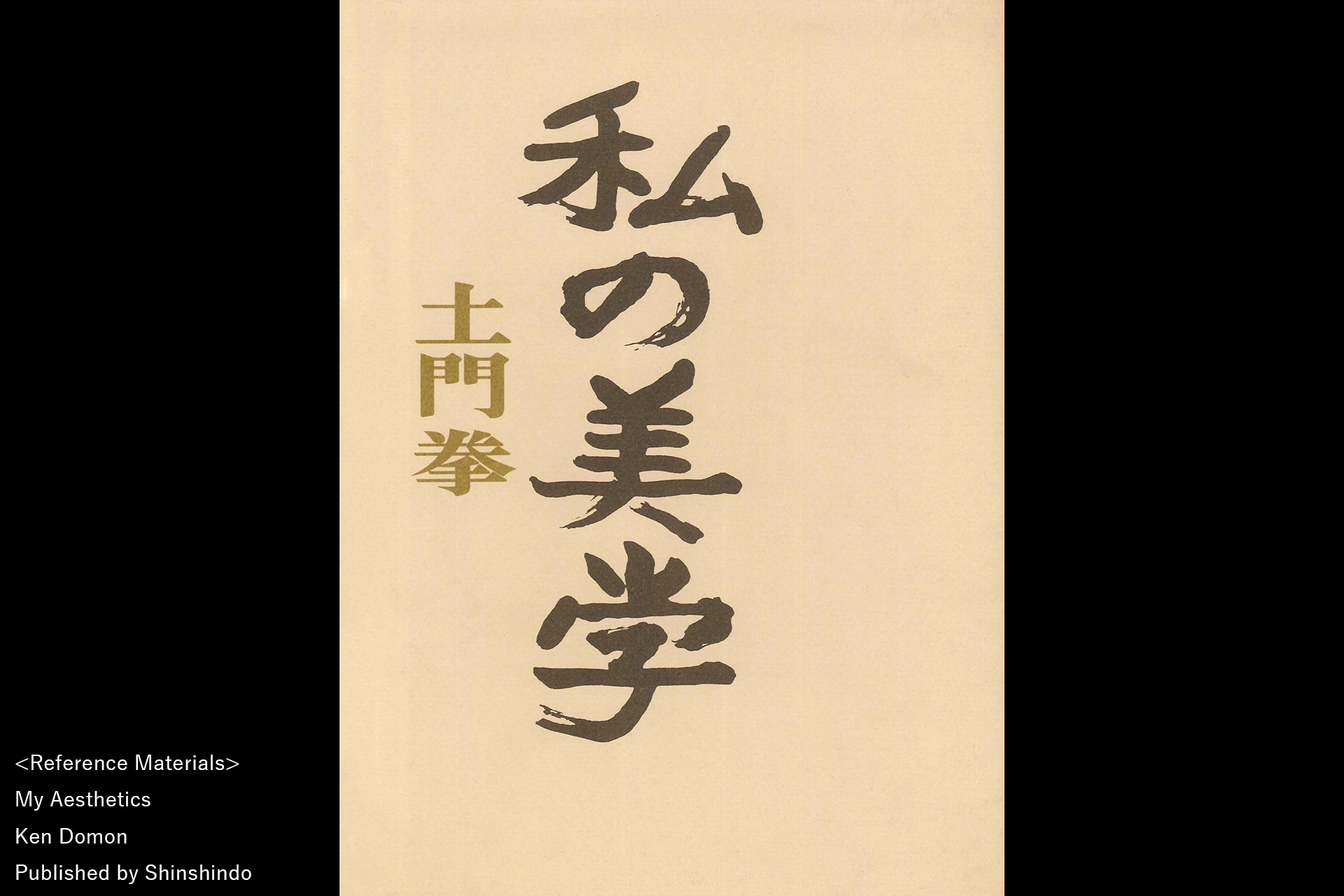
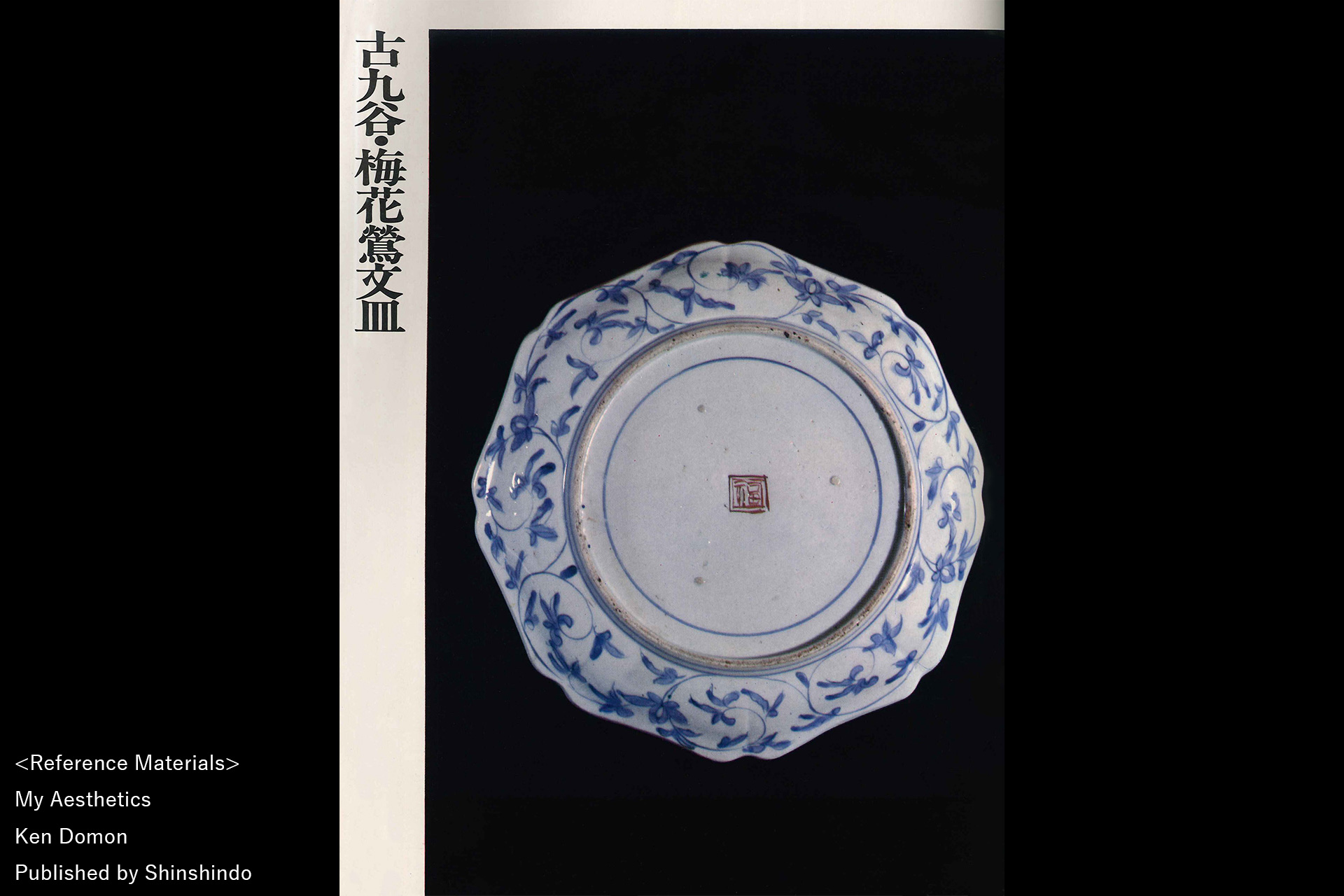
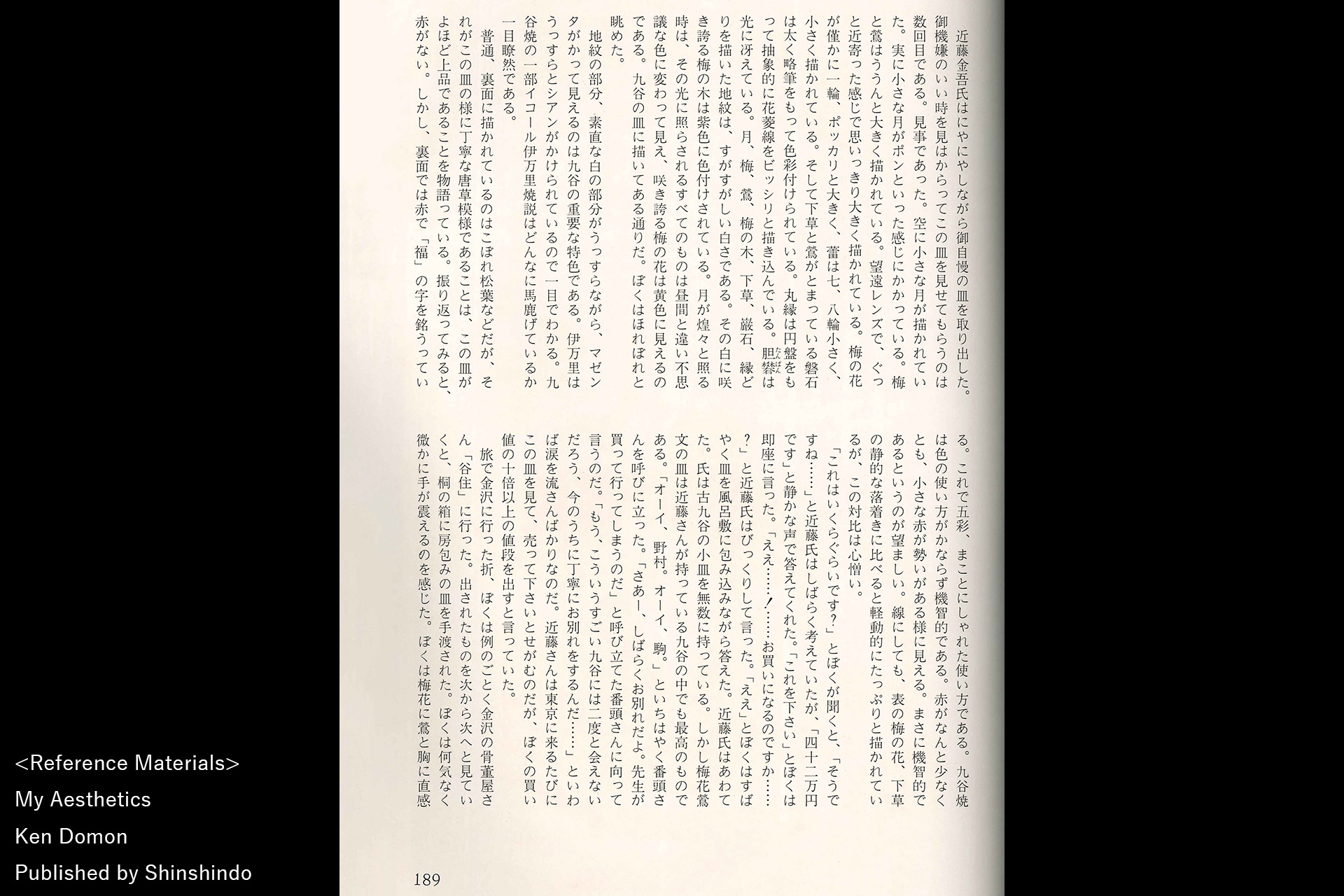
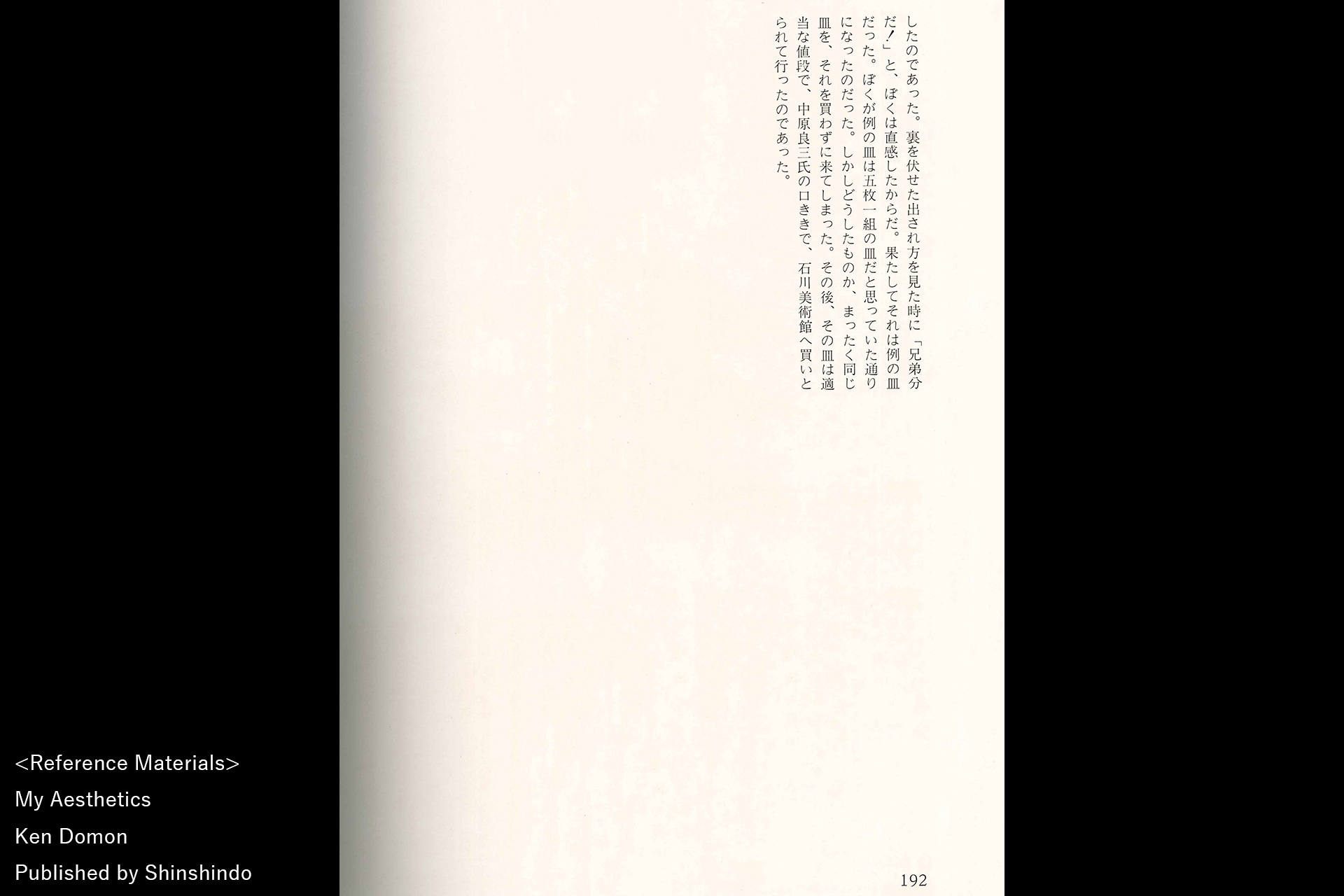
This is a superb example of Ko-Kutani ware, captivating for its deep, lustrous polychrome enamels grounded in rich green tones. The ancient plum tree spreading across the octagonal surface extends its branches boldly, carrying within them the quiet promise of spring. Perched at the tip of one branch, a solitary bush warbler holds a pulse of life within the stillness, while the moon floating in the background lends a sense of passing time and painterly depth. Celebrated as a Ko-Kutani piece favored by Ken Domon, it seems to possess the very “power to speak” that his lens so often revealed—an expressive force that transcends mere beauty.
Inquiry
- Product Code
- 251007-2
- Period
- Edo Period
Middle 17th Century
- Weight
- 418 g
- Mouth Diameter
- 19.6 cm
- Height
- 2.8 cm
- Base Diameter
- 12.1 cm
- Fittings
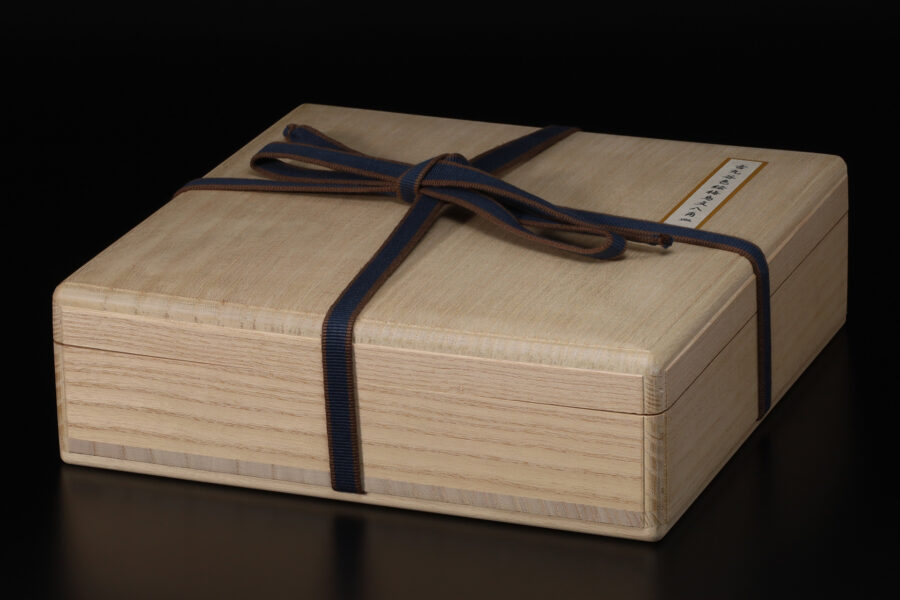
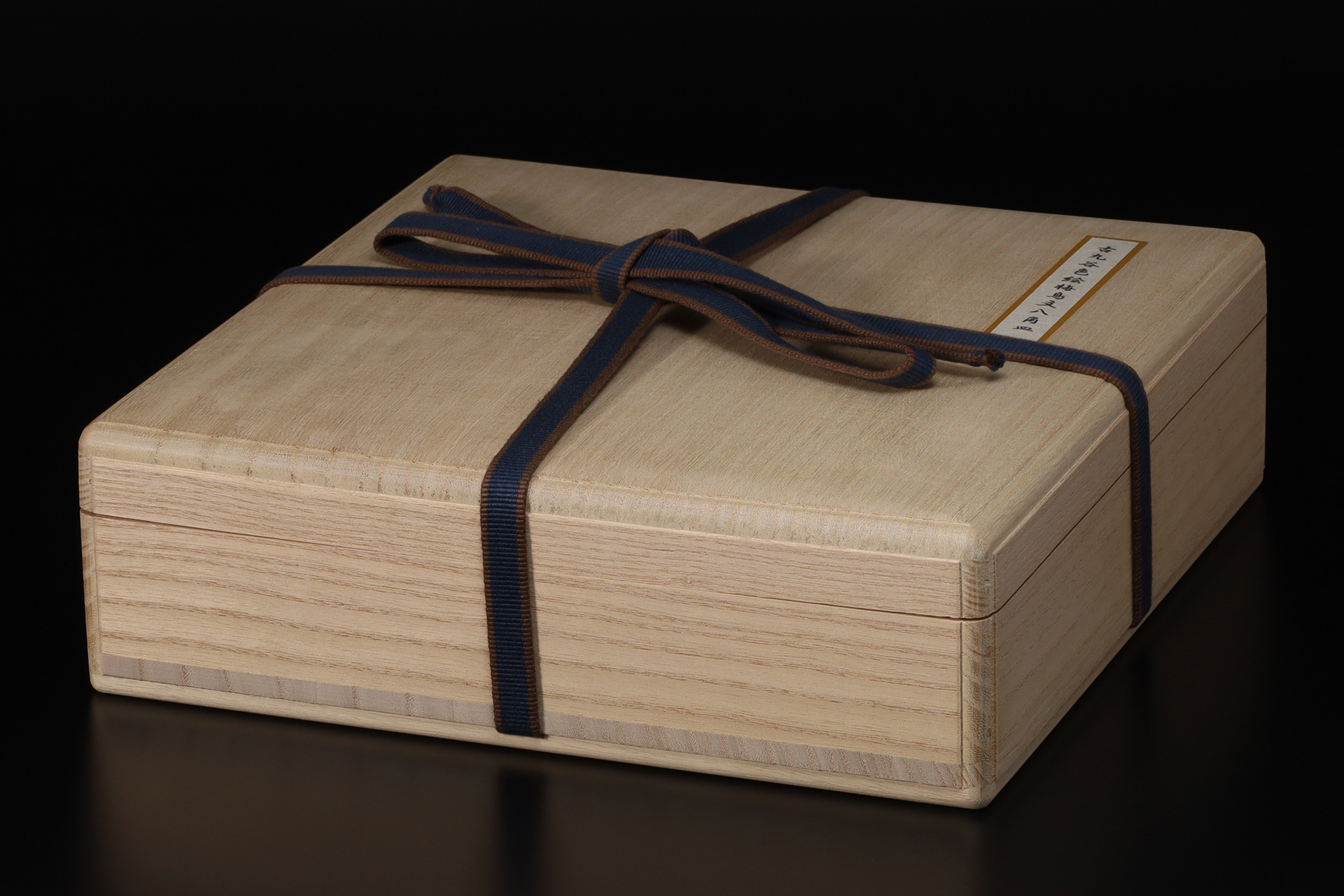
- Paulownia Box (Cloth‑Lined Type)
- Condition
- Intact
It fulfills the essential criteria of a first‑class work, with its refined form, beautiful glaze, and superb firing.


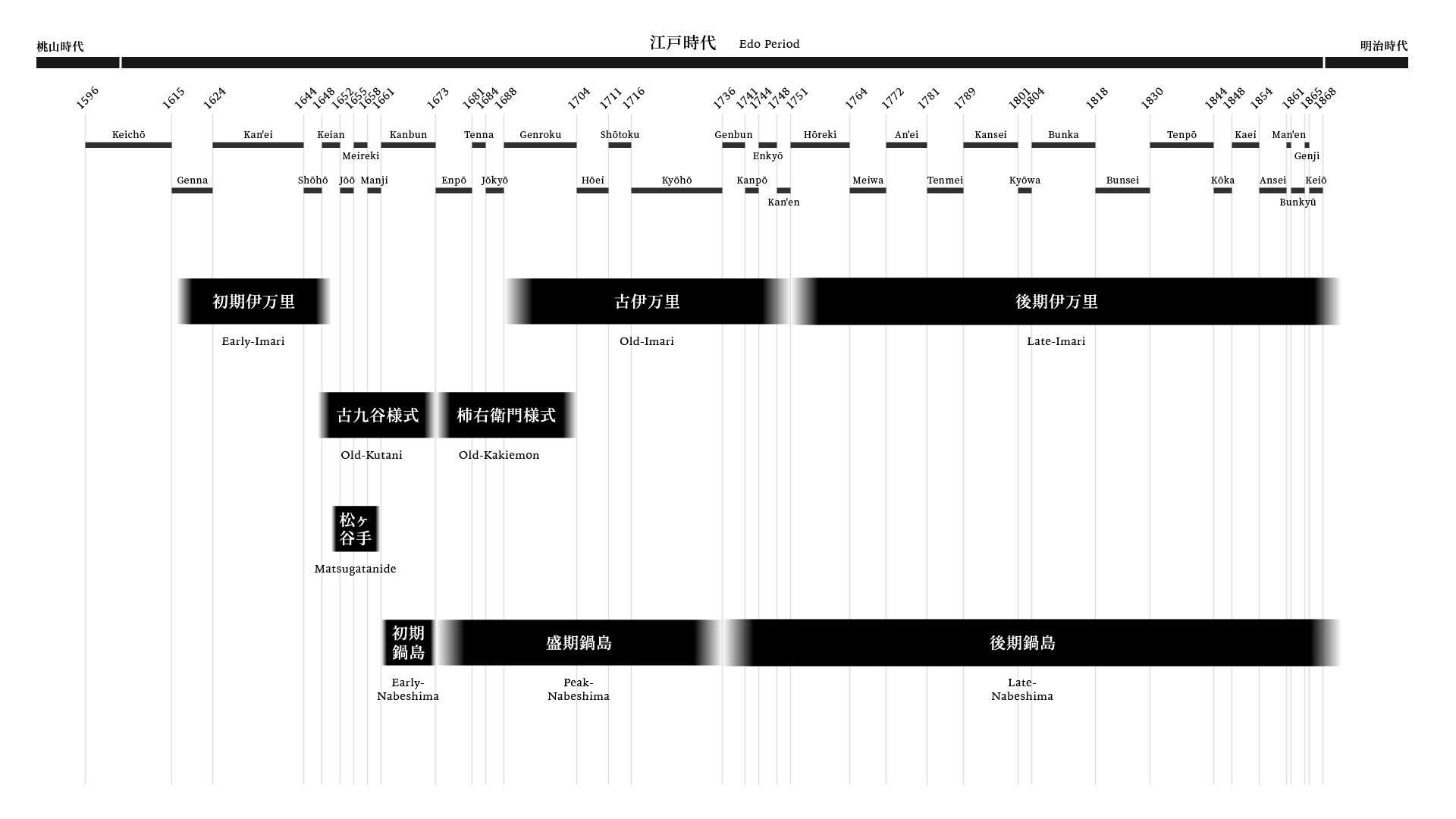
Old-Kutani
Old-kutani is a style of imari ware developed in arita, hizen(current saga prefecture), in the early edo period. In the 1640s and 50s, the overglaze enamels technique was introduced to imari ware, which before then was primarily blue and white pottery. Thanks to this dramatic change in technique, early-imari was developed into “Old-Kutani”. Overglaze enamels porcelain, which was originally created by imitating chinese ceramics, developed independently in japan, and in addition to the bright dishes designed for dinner parties, there were also a lot of works created for tea ceremonies and kaiseki. Some pieces were made with noticeably higher quality color painting technique, and it is thought that artists of painting may have contributed to making these pieces. The number of works with inscribed name grew dramatically, and a wide variety of inscribed names were used, such as “Kakufuku” or “Homare”. Since the dishes being made had become wider, in order to prevent the middle of the dishes from sagging during firing, a technique was developed that involved adding cone shaped supports made out of the same material as porcelain called “Hari”. Early-imari dishes had smaller bases, so there are very few pieces that show signs of the use of these “Hari,” other than large dishes. Iroe(overglaze enamels)old-kutani have a magnificent, powerful character, and due to their unique design style and thick, oil paint like coloring, for a long time it was commonly believed that they were produced in kaga(current ishikawa prefecture)- this is known as the kaga theory – but after several pieces of overglaze enamel pottery in the old-kutani style were found in the remains of old kilns in arita, the hizen theory, which claims that they were fired in arita, hizen(saga prefecture), became more prevalent, and this is the mainstream view today. Thanks to the strenuous efforts of hizen potters in the middle 17th century, these beautiful vessels still exist today, and rival jingdezhen porcelain, which is said to be the highest quality porcelain in the world.