


Nakazato Taroemon
中里太郎右衛門
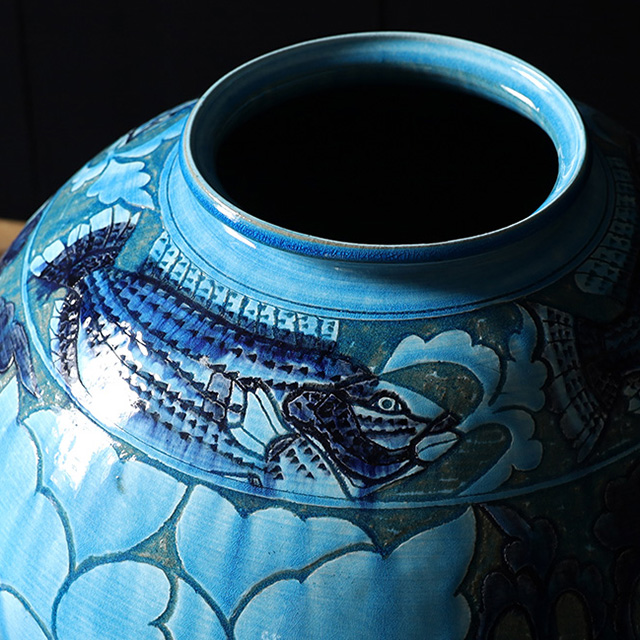
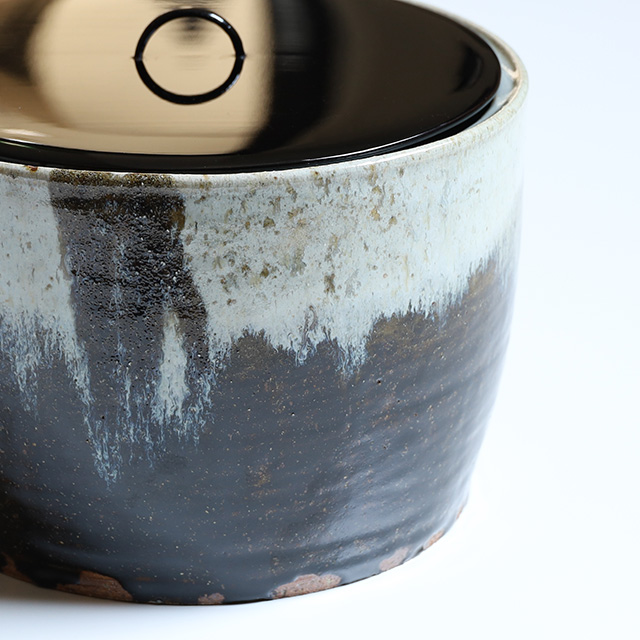
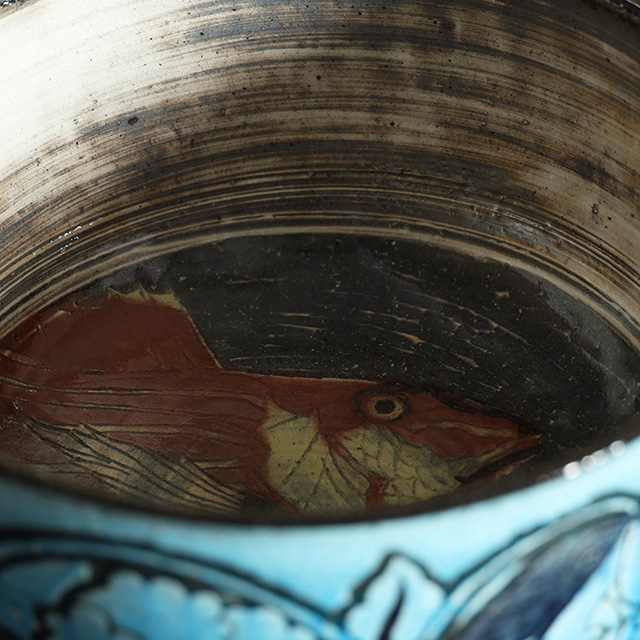
1st Nakazato Matashichi Dates of birth and death unknown
Nakazato Matashichi I was a potter who served as an official kiln artisan for the Karatsu Domain in Hizen Province. According to a historical document written in 1720 (Kyoho 5) by the 5th Nakazato Kiheiji and preserved by the Nakazato family, Matashichi, together with fellow Korean potters such as Yasaku and Hikoemon, established the Tashiro Kiln in Imari during the Bunroku era (1592–96). They later moved to the Okawabaru Kiln, where they are said to have produced Old Karatsu ware in the direct Kishidake lineage. It is also recorded that Matashichi and his group were appointed as official kiln potters to Terazawa Hirotaka, Shima-no-kami, the lord of the Karatsu Domain, in 1615 (Genna 1). They subsequently relocated to the Shiinomine Kiln, where they continued to serve as official potters for the Terasawa clan.
2nd Nakazato Taroemon Dates of birth and death unknown
3rd Nakazato Jin’emon Birth year unknown – 1703
4th Nakazato Taroemon Birth year unknown – 1744
5th Nakazato Kiheiji 1691 – 1757
6th Nakazato Taroemon Birth year unknown – 1786
7th Nakazato Toshi Birth year unknown – 1823
8代 Nakazato Naonori Birth year unknown – 1827
9th Nakazato Taroemon Birth year unknown – 1872
10代 Nakazato Itto Birth year unknown – 1879
11th Nakazato Taroemon 1854 – 1924
12th Nakazato Taroemon (Muan) 1895 – 1985
12th Nakazato Taroemon was born in Saga Prefecture as the second son of the 11th Nakazato Taroemon.
His given name was Shigeo, and his art name was Muan.
In 1914 (Taisho 3), he completed the special course at the Saga Prefectural Arita Technical School.
In 1927 (Showa 2), he succeeded to the title of the 12th Nakazato Taroemon.
From 1929 (Showa 4), he carried out excavations of ancient Karatsu kiln sites and pursued extensive research on forming and firing techniques.
In 1941 (Showa 16), he was designated a Preserver of Technical Skills by the Ministry of Commerce and Industry.
In 1955 (Showa 30), he was selected as an Intangible Cultural Property by the Cultural Properties Protection Commission.
In 1957 (Showa 32), he was appointed Acting Director of the Kyushu Branch of the Japan Kogei Association. He had the honor of receiving an imperial visit to his kiln from Princess Takako (Princess Suga). A work he exhibited at the Japan Art and Craft Exhibition commemorating the restoration of diplomatic relations between Japan and the Soviet Union was purchased by the Soviet Ministry of Culture.
In 1959 (Showa 34), he had the honor of receiving an imperial visit to his kiln from Princess Chichibu. “A work he submitted to the Japan Traditional Kogei Art Crafts Exhibition was purchased by the government and displayed at the National Museum of Modern Art.
In 1961 (Showa 36), he produced a Tataki Ao‑Karatsu jar as an offering from Saga Prefecture on the occasion of the imperial visit by Their Majesties the Emperor and Empress.
In 1962 (Showa 37), he had the honor of receiving an imperial visit to his kiln from Princess Takamatsu.
In 1966 (Showa 41), he was commended by the City of Karatsu for his distinguished service to municipal affairs. He was commended by the Governor of Saga Prefecture for his distinguished service to the prefectural administration. He was awarded the Medal with Purple Ribbon.
In 1967 (Showa 42), a work he exhibited at the Japan Traditional Kogei Art Crafts Exhibition was acquired by the Agency for Cultural Affairs.
In 1969 (Showa 44), the Karatsu Ao‑Ido tea bowl was acquired by the Agency for Cultural Affairs. He was awarded the Order of the Sacred Treasure, Gold Rays with Rosette. He was ordained at the main temple of Daitoku‑ji in Kyoto and received the Dharma name Douou Sohaku and the art name Muan from Komei Sonen, the 512th head priest of Daitoku‑ji.
In 1970 (Showa 45), the White Porcelain Jar was displayed in the Reception Hall of the Osaka World Exposition. He received the Nishi‑Nippon Culture Award.
In 1972 (Showa 47), he had the honor of receiving an imperial visit to his kiln from Prince Tomohito of Mikasa and Princess Yuriko of Mikasa.
In 1976 (Showa 51), he was designated a Living National Treasure as the holder of the Important Intangible Cultural Property ‘Karatsu Ware.’
In 1985 (Showa 60), he was awarded the Order of the Rising Sun, Gold Rays with Rosette.
Deeply captivated by the simple yet vigorous aesthetic of the Momoyama period, he revived the Ko-Karatsu ceramic tradition, replacing the court‑presentation style of Kenjo‑Karatsu long practiced at the Ochawan Kiln. His achievements laid the foundation for the present flourishing of Karatsu ware, and he stands as a leading figure whose name is firmly inscribed in the history of Japanese ceramics.
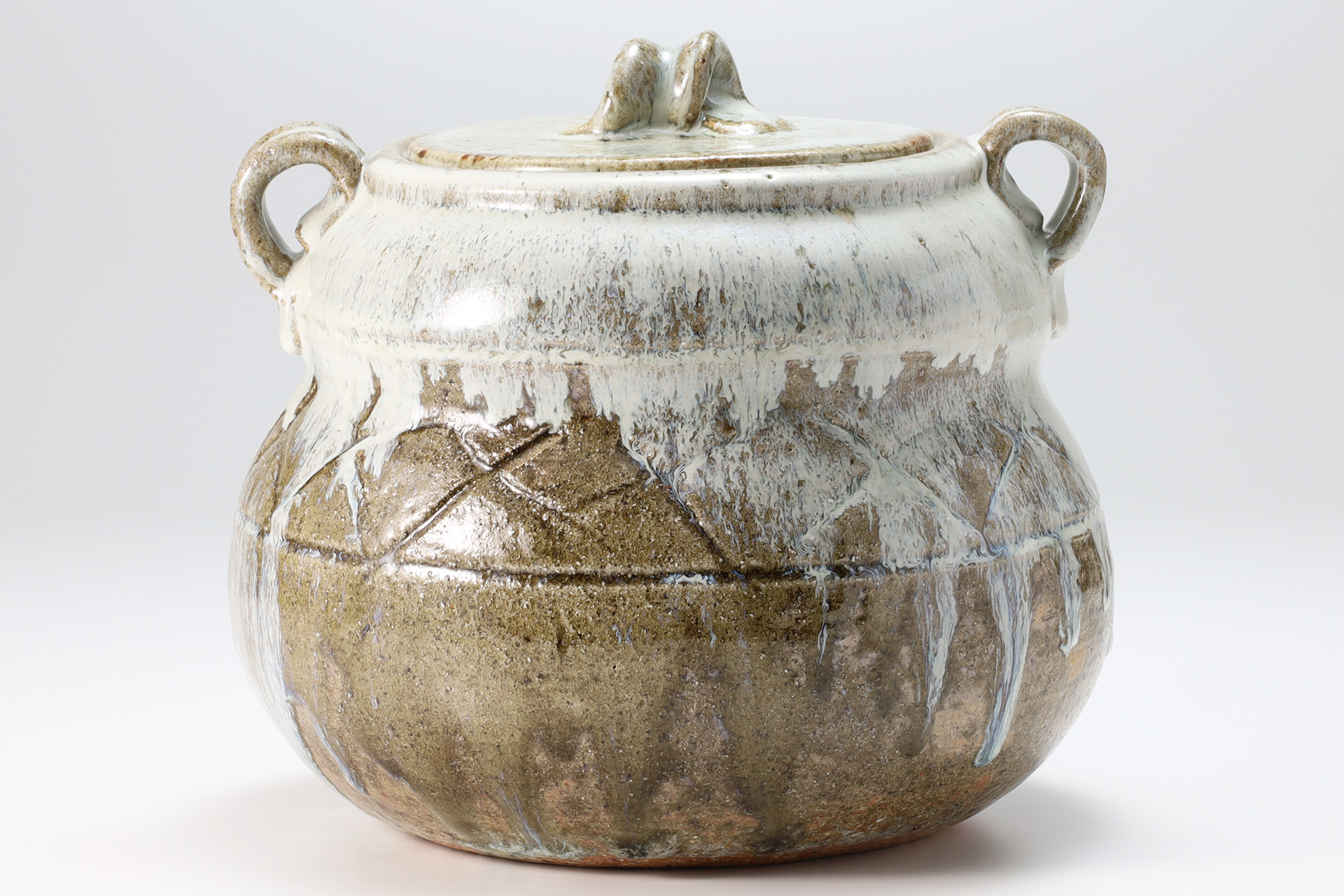
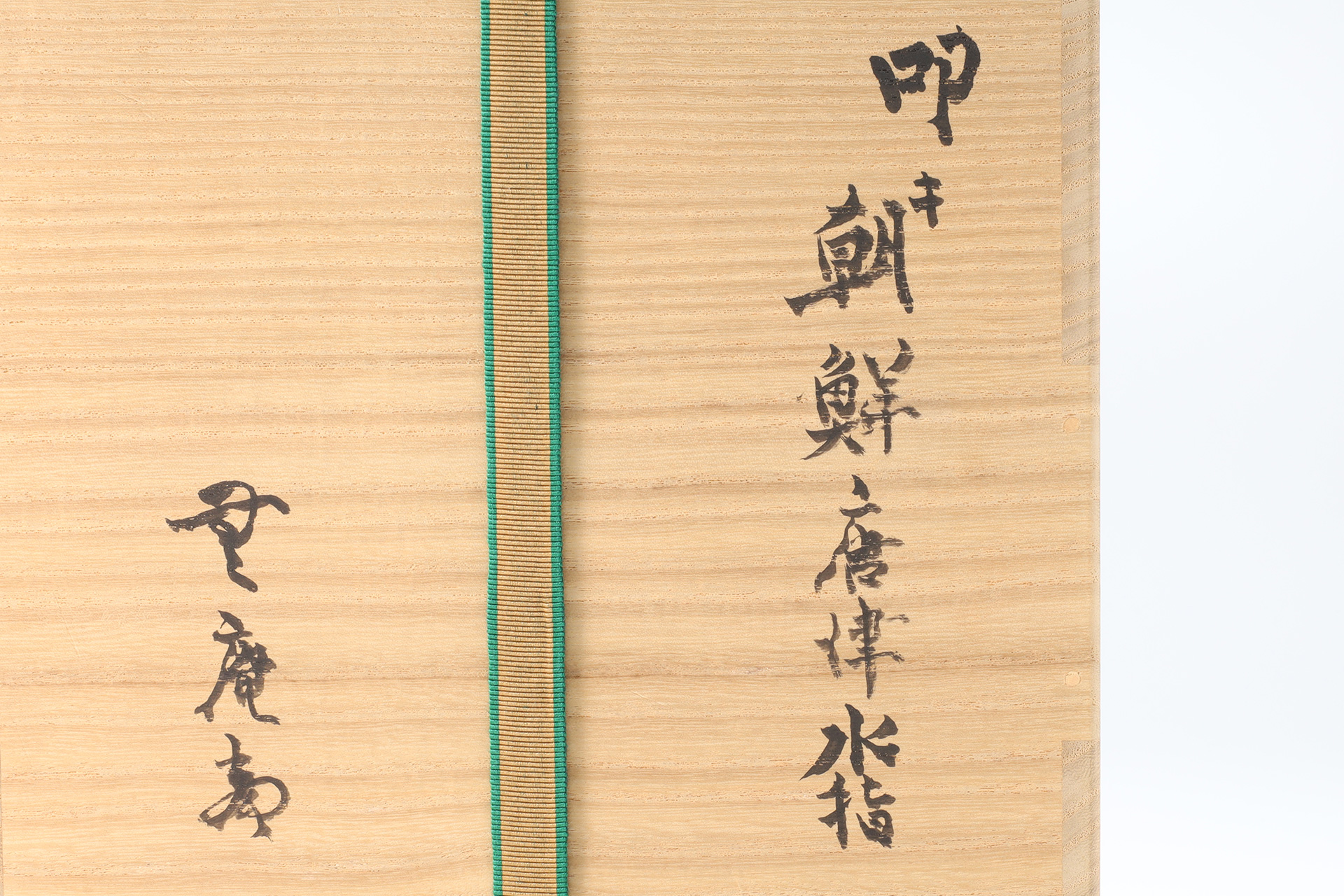
13th Nakazato Taroemon (Hoan) 1923 – 2009
13代中里太郎右衛門は12代中里太郎右衛門(無庵)の長男として佐賀県に生まれました。
本名を忠夫、号を逢庵といいます。
1943(昭和18)年、東京高等工芸学校(現:千葉大学工学部)工芸図案科を卒業しました。
1946(昭和21)年、父と弟・中里重利と協力して「御茶盌窯」を再開しました。
加藤土師萌が古窯調査の為に唐津に訪れ、古唐津陶技復元の指導を受けました。
1948(昭和23)年、東京都綜合工芸展で褒賞を受賞しました。
1956(昭和31)年、日展で北斗賞を受賞しました。
1957(昭和32)年、日ソ国交回復記念日本美術工芸展の九州地方審査員に就任しました。
日展の出品作品がソ連文化省に買い上げられました。
1958(昭和33)年、日展で特選を受賞しました。
1961(昭和36)年、日本陶磁協会賞を受賞しました。
現代工芸美術家協会会員となりました。
1963(昭和38)年、現代工芸美術家協会九州部会設立により副会長に就任しました。
1964(昭和39)年、日本現代工芸美術展審査員に就任しました。
日本現代工芸美術展の出品作品が外務省に買い上げられて在外公館に陳列されました。
1965(昭和40)年、現代工芸美術家協会評議員に就任しました。
日本工芸美術展の出品作品が外務省に買い上げられて在外公館に陳列されました。
1966(昭和41)年、日本現代工芸美術展審査員、日展審査員に就任しました。
1967(昭和42)年、日展会員となりました。
現代工芸美術家協会九州会会長に就任しました。
1968(昭和43)年、佐賀大学教育学部講師に就任しました。
日展の出品作品が文部省に買い上げられて京都国立近代美術館に陳列されました。
1969(昭和44)年、13代中里太郎右衛門を襲名しました。
1970(昭和45)年、日展の出品作品が外務省に買い上げられました。
日展審査員に就任しました。
1973(昭和48)年、日本現代工芸美術展審査員に就任しました。
1974(昭和49)年、現代工芸美術家協会常務理事に就任しました。
1975(昭和50)年、日展審査員に就任しました。
1976(昭和51)年、日本現代工芸美術十五周年記念展審査員、日展評議員に就任しました。
現代工芸美術家協会常務理事に再任しました。
1977(昭和52)年、日本現代工芸美術展審査員に就任しました。
1978(昭和53)年、日本新工芸家連盟創立会員となり、全連盟総務委員に就任しました。
1979(昭和54)年、創立日本新工芸展審査員、日展審査員に就任しました。
1980(昭和55)年、日本新工芸展審査員に就任しました。
1981(昭和56)年、内閣総理大臣賞を受賞しました。
日本新工芸展審査員、日展評議員に就任しました。
1982(昭和57)年、日本新工芸家連盟理事、日本新工芸展審査員に就任しました。
1983(昭和58)年、日本新工芸展審査員に就任しました。
1984(昭和59)年、日本芸術院賞を受賞しました。
1985(昭和60)年、日展理事に就任しました。
1989(平成元)年、日展参事に就任しました。
1992(平成4)年、佐賀県重要無形文化財に認定されました。
日展審査員に就任しました。
1995(平成7)年、唐津市市政功労賞を受賞しました。
1997(平成9)年、紺綬褒章を受章しました。
1999(平成11)年、紺綬褒章を受章しました。
2000(平成12)年、日工会会長に就任しました。
2002(平成14)年に京都・大徳寺本山で得度し、
大徳寺520世雪底宗潭より安名「吟風宗松」、菴號「逢庵」を授かりました。
2004(平成16)年、京都造形芸術大学より博士(学術)号を授与されました。
2007(平成19)年、日本芸術院会員となりました。
2008(平成20)年、旭日中綬章を受章しました。
古唐津の伝統的技法を踏まえながら、
ハンネラ、辰砂、翡翠釉を始めとした新知の技法を取り入れて独自の作風を創出しました。
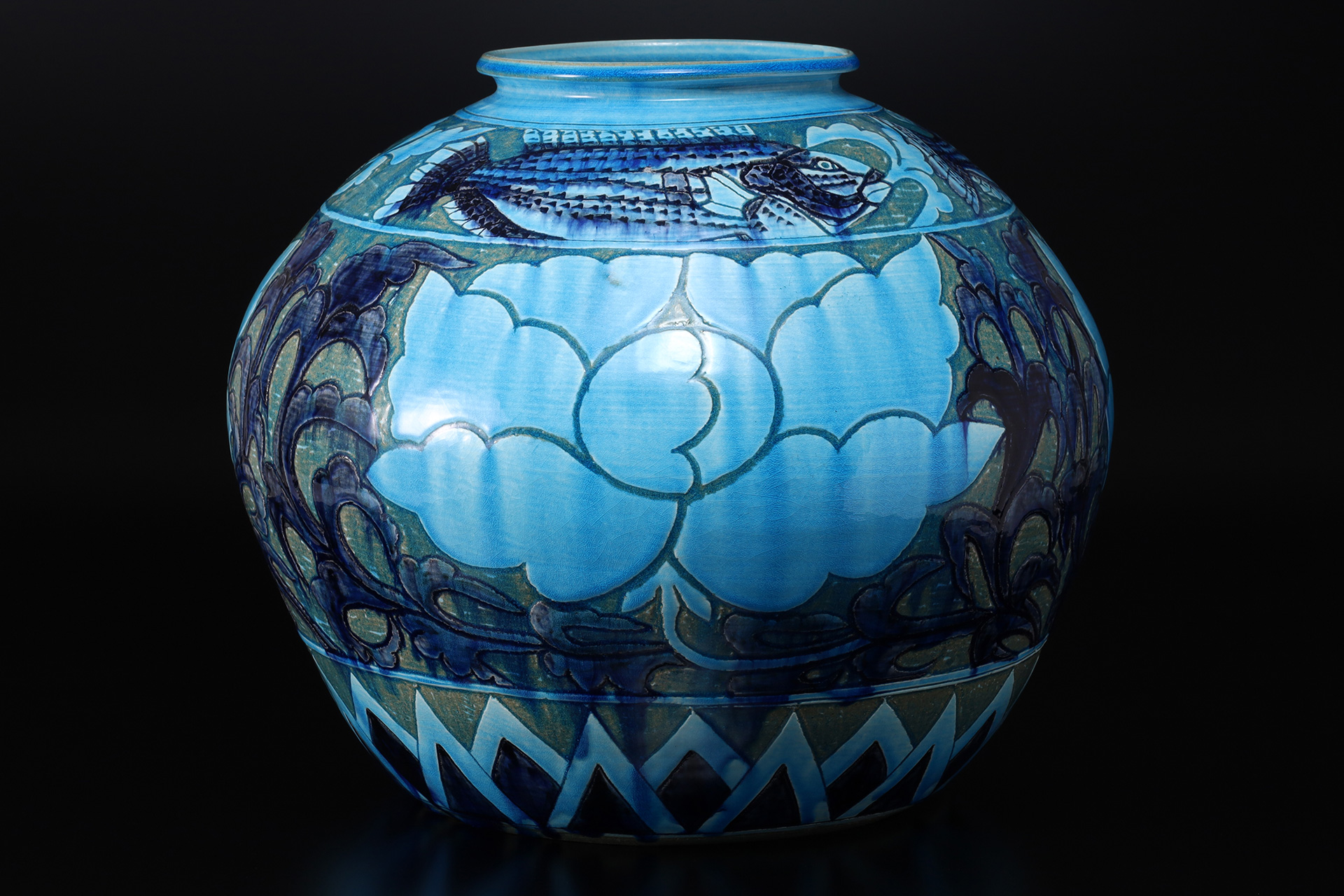
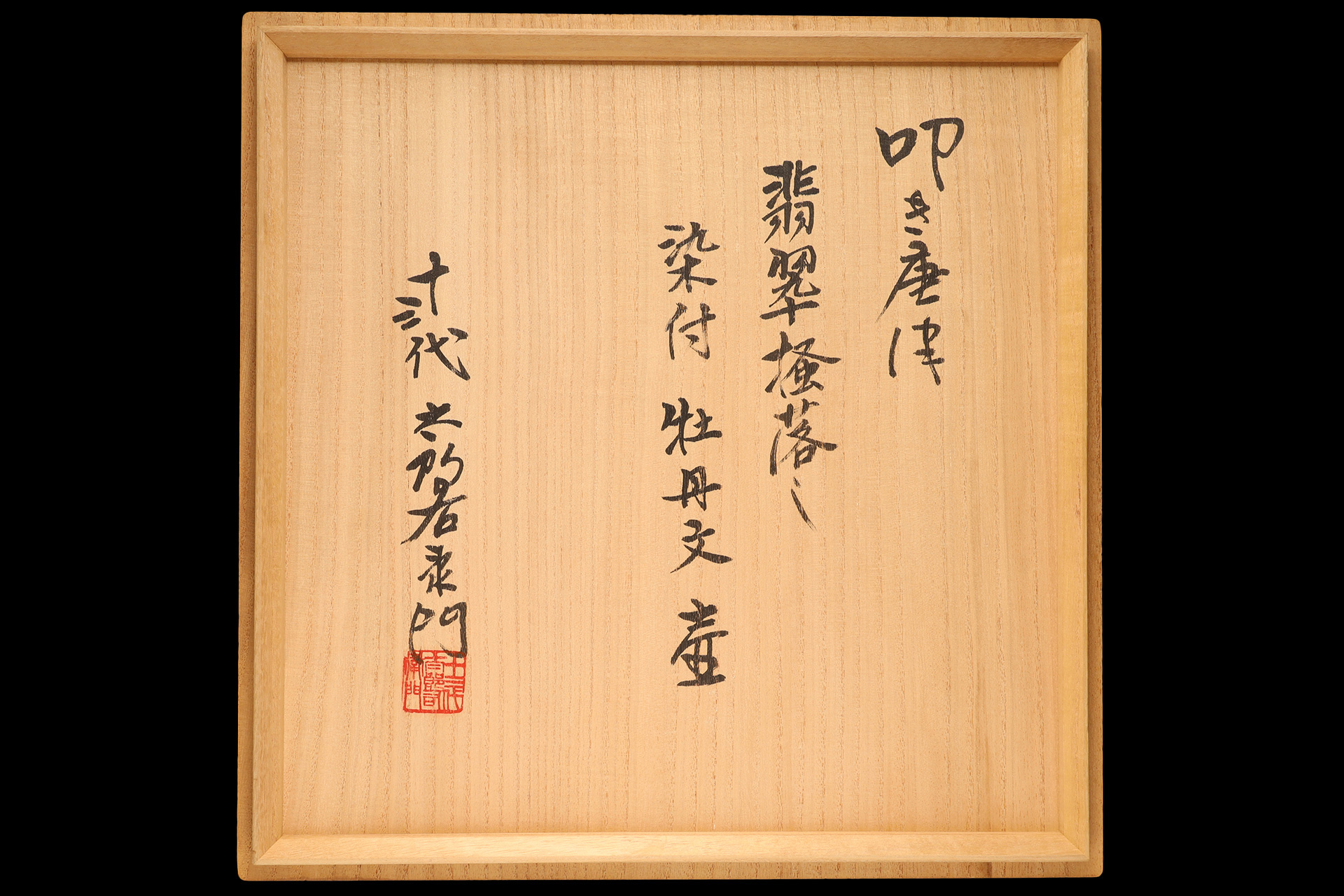
14th Nakazato Taroemon 1957 –
14代中里太郎右衛門は13代中里太郎右衛門の長男として佐賀県に生まれました。
本名を忠寛といいます。
1979(昭和54)年、武蔵野美術大学造形学部彫刻学科を卒業しました。
1981(昭和56)年、武蔵野美術大学大学院を卒業しました。
1983(昭和58)年、多治見陶磁器意匠研究所釉薬科を修了しました。
国立名古屋工業技術試験所釉薬科を修了しました。
13代中里太郎右衛門陶房にて作陶を始めました。
1990(平成2)年、日本工匠会(日工会)創立会員となりました。
日展で特選を受賞しました。
佐賀県展で県知事賞・永竹威賞を受賞しました。
1991(平成3)年、日工会評議員に就任しました。
佐賀新聞社文化奨励賞を受賞しました。
1992(平成4)年、日工会展で日工会会員賞を受賞しました。
佐賀県陶芸協会会員となりました。
2000(平成12)年、佐賀銀行文化財団新人賞を受賞しました。
アジア工芸展で文部大臣賞を受賞しました。
2001(平成13)年、国際陶芸アカデミー(I・A・C)会員となりました。
2002(平成14)年、14代中里太郎右衛門を襲名しました。
2006(平成18)年、佐賀県陶芸協会理事に就任しました。
2007(平成19)年、日本工芸会正会員となりました。
2010(平成22)年、佐賀県陶芸協会副会長に就任しました。
2011(平成23)年、唐津市政功労者表彰を受けました。
紺綬褒章を受章しました。
中国古典に基づいた「掻き落とし」に加え、
叩き、朝鮮唐津、粉引等の作風を展開しており、
井戸茶碗には特に強い拘りを持って取り組んでいます。
唐津焼のリーダーとして後進育成や地域文化貢献にも尽力しています。
Shigetoshi Nakazato 1930 – 2015
中里重利は12代中里太郎右衛門(無庵)の三男として佐賀県に生まれました。
1944(昭和19)年より父に師事して作陶に従事しました。
1956(昭和31)年、現代日本陶芸展で松坂屋賞を受賞しました。
1964(昭和39)年にオリンピック協賛日展の入選作品が外務省に買い上げられ、
在外公館に陳列されました。
1965(昭和40)年、日展で「三玄壷」が特選北斗賞を受賞しました。
1966(昭和41)年、日展無鑑査となりました。
日展の出品作品が外務省に買い上げられて在外公館に陳列されました。
1967(昭和42)年、日展委嘱となりました。
1969(昭和44)年、日本現代工芸美術展無鑑査となりました。
現代工芸美術家協会会員、日展委嘱となりました。
1970(昭和45)年、日展委嘱となりました。
1971(昭和46)年、日本現代工芸美術展審査員に就任しました。
1973(昭和48)年、唐津市神田山口に築窯して独立しました。
1975(昭和50)年、日本現代工芸美術展で会員賞と文部大臣賞を受賞しました。
1976(昭和51)年、日展審査員に就任しました。
窯名を「三玄窯」としました。
三玄窯とは自身の作品である三玄壷(橙、赤、黒の三色を施した叩き壷)に由来しており、
三玄とは「天・地・人」のもと「土・技・炎」の三位一体を表現しています。
1977(昭和52)年、日展会員となりました。
現代工芸美術家協会評議員に就任しました。
1980(昭和55)年、日本新工芸展で会員賞と楠部賞を受賞しました。
中日国際陶芸展審査員に就任しました。
1981(昭和56)年、九州・山口陶芸展審査員に就任しました。
1982(昭和57)年、日展審査員に就任しました。
1985(昭和60)年、佐賀県芸術文化功労賞を受賞しました。
1986(昭和61)年、日展評議員に就任しました。
1993(平成5)年、佐賀県教育委員会より表彰を受けました。
1996(平成8)年、県政功労賞を受賞しました。
2002(平成14)年、地域文化功労者表彰(文部科学大臣表彰)を受けました。
熟練された轆轤技術には定評があり、
伝統的な古唐津の茶陶を基本に瀟洒で洗練された完成度の高い作陶を展開し、
唐津焼の重鎮として高い評価を受けています。
叩きの技法を駆使した壷を得意としました。
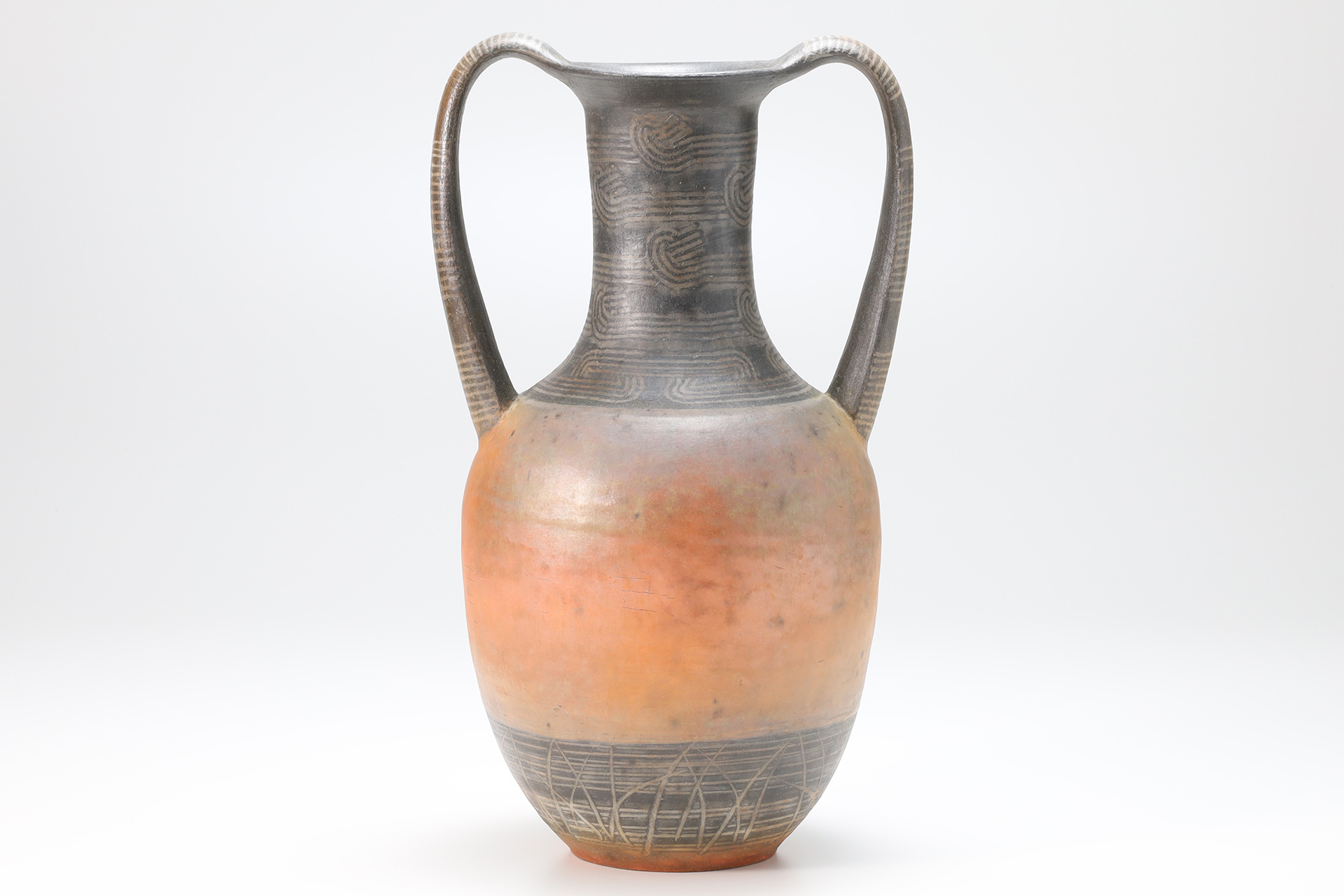
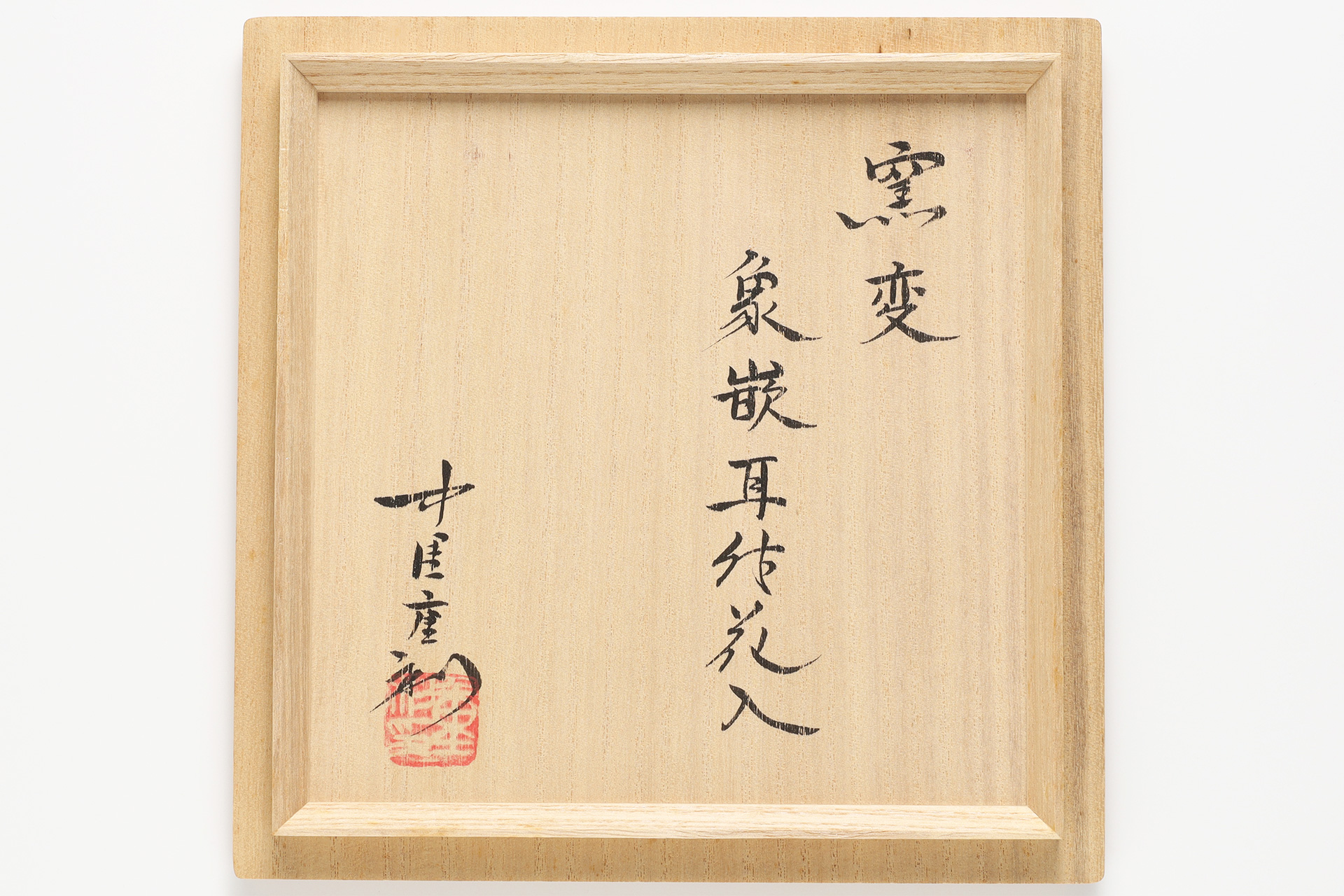
Takashi Nakazato 1937 –
中里隆は12代中里太郎右衛門の五男として佐賀県に生まれました。
1961(昭和36)年、現代日本陶芸展で第一席を受賞しました。
1966(昭和41)年、西部工芸展で日本工芸会賞を受賞しました。
1967(昭和42)年、アメリカ・オハイオ州ウェズリアン大学の講師に就任しました。
1971(昭和46)年に小山冨士夫の勧めで種子島へ渡島し、
鹿児島県西之表市古園に築窯して種子島焼を始めました。
1974(昭和49)年、帰郷して佐賀県唐津市見借に築窯しました。
小山冨士夫より「隆太窯」と命名されました。
1985(昭和60)年、現代陶芸選抜展賞を受賞しました。
優れた技術と質朴で味わい深い作風は高い人気を裏付けており、
「南蛮唐津」や「唐津南蛮」と呼ばれる作品は豪快奔放にして男性的な焼き締めです。
Yoshitaka Nakazato 1958 –
中里嘉孝は中里重利の長男として佐賀県に生まれました。
1976(昭和51)年、佐賀県立有田工業窯業科を卒業後、父に師事しました。
1980(昭和55)年、宮川香斎に師事しました。
1984(昭和59)年、佐賀県教育委員会賞を受賞しました。
1985(昭和60)年、佐賀県議会議長賞を受賞しました。
1986(昭和61)年、佐賀県陶磁工業協同組合賞を受賞しました。
1987(昭和62)年、唐津市千々賀に「千々窯」を築窯しました。
Regarding these works,
we provide guidance for purchase
as well as consultations for their sale.
Drawing on many years of specialized expertise and experience,
we are committed to offering the finest proposals tailored to your wishes.